Hanover Inn Dartmouth


Michelin Selected · Preferred Hotels L.V.X. Collection
The Hanover Inn Dartmouth occupies a prominent corner on the Dartmouth College green, where collegiate architecture and New England institutional character set the tone for 108 guest rooms. Its position in one of New Hampshire's most visited college towns makes it a reference point for the area's hospitality offer, drawing academics, visiting families, and travellers using Hanover as a base for the Upper Connecticut River Valley.

Pearl is the En Primeur Club membership app — saves, bookings, and concierge access live there. Same editors, same standards.
- Address
- 2 E Wheelock St, Hanover, NH 03755, United States
- Phone
- (603) 643-4300
- Website
- hanoverinn.com
- Directions
- Get directions
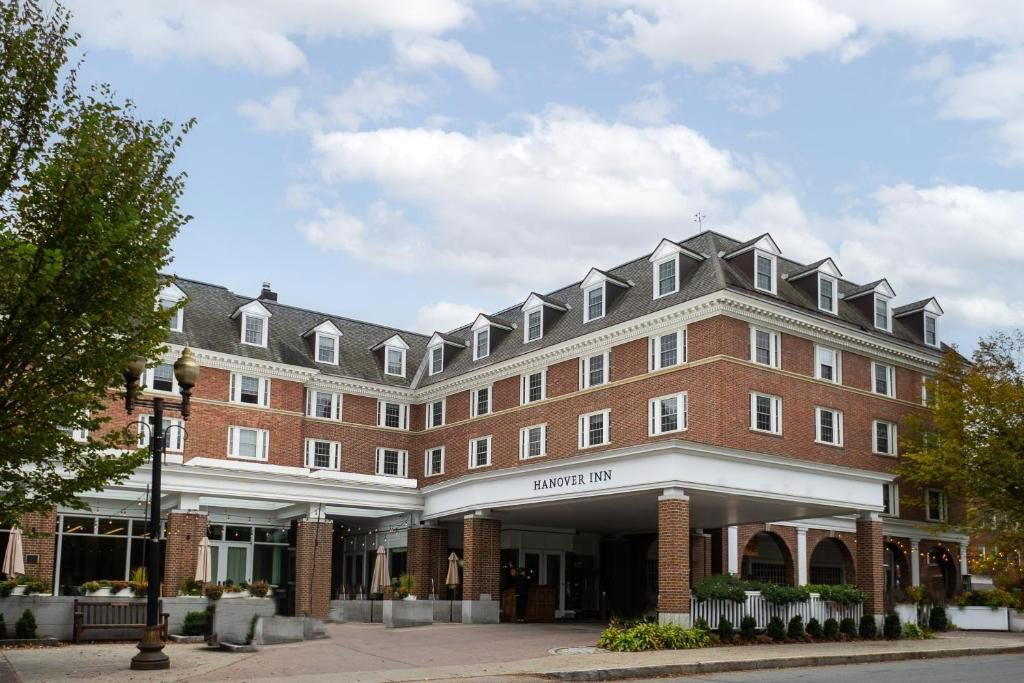
Where the College Green Meets the Inn
In American college towns, the relationship between the dominant institution and its adjacent hotel rarely produces neutral architecture. At Hanover, New Hampshire, the Hanover Inn Dartmouth sits directly on the Dartmouth College green at 2 East Wheelock Street, a position that shapes everything about how the property reads from the street. The Federal-style facade, white-columned and symmetrical, makes no attempt to exist independently of its surroundings. It is, by design, a continuation of the campus vernacular rather than a counterpoint to it — a hotel that has chosen legibility over distinction. For travellers accustomed to the design-led properties that define contemporary luxury, this is a deliberate aesthetic statement, not an absence of one. You can explore our full Hanover restaurants guide to understand how the town's hospitality character extends beyond the inn itself.
108 Rooms and the Logic of Scale in a Small Town
At 108 rooms, the Hanover Inn occupies a size bracket that is neither boutique nor conference-scale. In a town the size of Hanover, that inventory represents a significant share of available accommodation, which places the property in a functionally different position than, say, a 108-room hotel in a major metropolitan market. Demand here is structurally tied to the Dartmouth academic calendar: commencement weekends, alumni gatherings, and family visit weekends create sharp booking windows that compress availability considerably. Travellers without those anchors in their itinerary, arriving in quieter periods between academic events, will find a more measured version of the property's usual rhythm.
The scale also positions the inn as a midpoint between the small New England inn format — typically under 30 rooms, often owner-operated, and the full-service hotel model that characterises urban properties. The inn operates closer to the latter in terms of service infrastructure while presenting the former in terms of physical setting and town-scale context. That tension is worth acknowledging, because it determines what kind of stay this delivers. For context on how other properties in Germany balance comparable scale and institutional character, properties like the Fairmont Hotel Vier Jahreszeiten in Hamburg or the Excelsior Hotel Ernst in Cologne illustrate how grand-dame hotels use institutional positioning in their respective cities.
Architecture as Argument: The Federal Style in Context
The Federal architectural language that defines the Hanover Inn's exterior is not incidental. Dartmouth College, chartered in 1769, draws on the same 18th-century New England building tradition, and the inn's visual alignment with that tradition is part of what makes the property feel embedded rather than transplanted. Across American college towns, this approach to hospitality architecture splits into two camps: properties that absorb campus aesthetics and those that deliberately contrast with them. The Hanover Inn sits firmly in the first camp, which gives it a coherence of place that newer, design-forward properties in equivalent settings sometimes sacrifice in pursuit of market differentiation.
Comparison is instructive here. Properties like the Schloss Elmau Luxury Spa Retreat and Cultural Hideaway in Elmau or the Hotel de Rome in Berlin demonstrate how buildings with strong architectural identities carry their historical context as a primary asset. The Hanover Inn operates in a similar register, where the physical fabric of the building is itself part of the stay's argument. The Federal columns and the green-facing orientation are not decoration, they are the hotel's primary credential in a town where the institution across the street is the undisputed protagonist.
The Upper Connecticut River Valley as Context
Hanover sits on the Vermont-New Hampshire border along the Connecticut River, a geography that gives the town a dual character. On one side, the intellectual density of a research university; on the other, the agricultural quietness of the Upper Valley. The inn's position makes it a natural base for travellers drawn by both registers: leaf-peeping in autumn along the river corridor, skiing at nearby areas in winter, or simply moving between the two states on a longer New England itinerary. The academic calendar concentrates foot traffic into predictable windows, but the landscape context provides a more consistent draw across seasons.
For comparison, German properties that balance resort geography with cultural institutional weight, such as Das Kranzbach Hotel and Wellness Retreat in Kranzbach or Kempinski Hotel Berchtesgaden, offer a useful frame for thinking about how location specificity shapes a hotel's identity. The Hanover Inn's equivalent selling point is not alpine drama but the particular quality of a New England college town that has resisted the growth patterns of larger university cities: walkable, architecturally coherent, and calibrated to a human scale that most American towns of comparable academic prestige have long since outgrown.
Planning Your Stay
Given the property's structural dependence on the Dartmouth academic calendar, timing matters more here than at most comparable properties. Commencement and major alumni weekends effectively close out availability months in advance, while mid-semester periods and summer sessions offer more flexibility. The inn's address at 2 East Wheelock Street places guests within walking distance of the main Dartmouth campus facilities, the Hood Museum of Art, and the Hopkins Center for the Arts, which collectively represent the town's cultural programming. For travellers constructing a broader New England itinerary, the Upper Valley's proximity to Vermont's Green Mountains and New Hampshire's White Mountains extends the geographic logic of a Hanover base considerably.
Those comparing the Hanover Inn against other institutionally positioned American properties should note that the 108-room inventory operates at a different price-to-market ratio than equivalent hotels in Boston or New York. The Fifth Avenue Hotel in New York City and Aman New York occupy the metropolitan end of that spectrum, while the Hanover Inn occupies the collegiate small-city register, a different proposition with a different competitive set entirely. Readers interested in how European properties in comparably intimate settings handle the design-versus-tradition balance will find useful reference points in the Bülow Palais in Dresden, the Hotel Ketschauer Hof in Deidesheim, or the Villa Contessa in Bad Saarow.
Comparable Venues
Comparable venues nearby, for context on price, style, and recognition.
| Venue | Cuisine | Price | Awards | Notes |
|---|---|---|---|---|
| Hanover Inn DartmouthThis venue — the venue you are viewing | Historic boutique hotel with New England charm | $200–300 | Michelin Selected · Preferred Hotels L.V.X. Collection | Not listed |
| Graduate by Hilton Annapolis | Collegiate-inspired boutique hotel celebrating local Naval Academy heritage | $100–200 | Michelin Selected | Annapolis Arts District |
| Hotel Ulysses | Boutique design hotel in historic Latrobe Building with custom furnishings and immersive cinematic interiors. | $1–100 | Michelin Selected · Design Hotels Member | Mount Vernon |
| The Royal Sonesta Harbor Court Baltimore | Upscale urban waterfront hotel blending European grand hotel tradition with contemporary art collection and modern amenities, positioned as a internationally prominent Inner Harbor destination. | $100–200 | Michelin Selected | Otterbein |
| Four Seasons Hotel Baltimore | Contemporary luxury urban hotel positioned as a modern retreat at the edge of Baltimore's Harbor East district, blending sophisticated design with waterfront location. | $300–500 | Forbes 4-Star | Harbor East |
| Kimpton Hotel Monaco Baltimore Inner Harbor | Historic boutique hotel in restored Beaux-Arts landmark | Not listed | Michelin Selected | Inner Harbor |
Recognition history
Dated appearances from independent guides and award organizations, with the underlying list record or original source where available.
Michelin Selected
Michelin
Preferred Hotels L.V.X. Collection
Preferred Hotels



Details
- Classic
- Elegant
- Cozy
- Sophisticated
- Historic
- Business Trip
- Romantic Getaway
- Weekend Escape
- Historic Building
- Terrace
- Wi Fi
- Fitness Center
- Room Service
- Concierge
- Business Center
- Valet Parking
- Wheelchair Accessible
- Elevator
- Step Free Entrance
- Accessible Parking
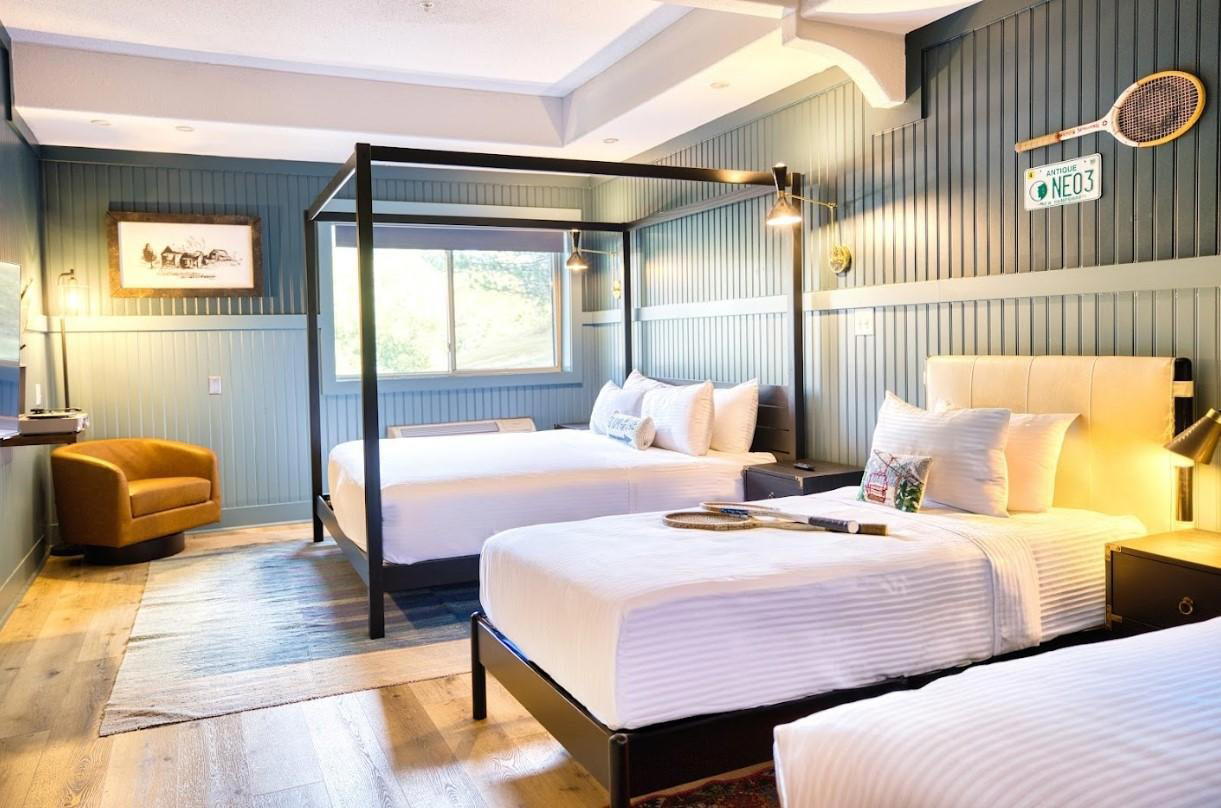
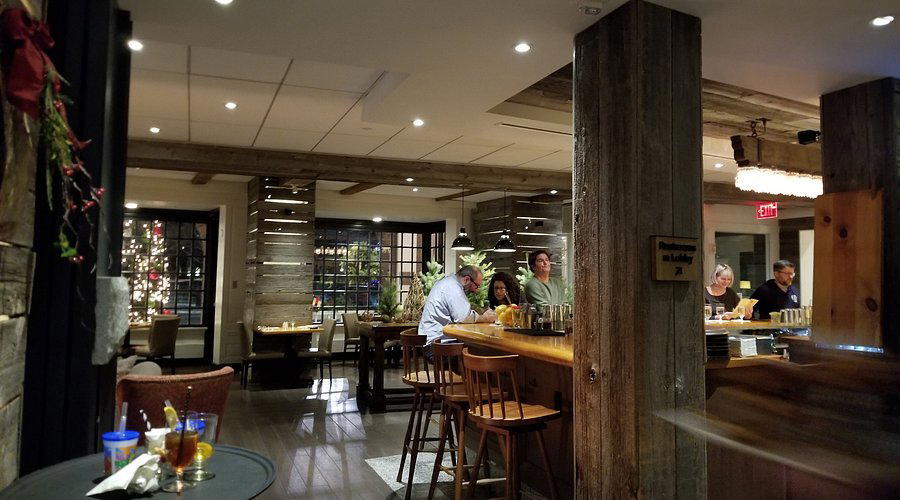
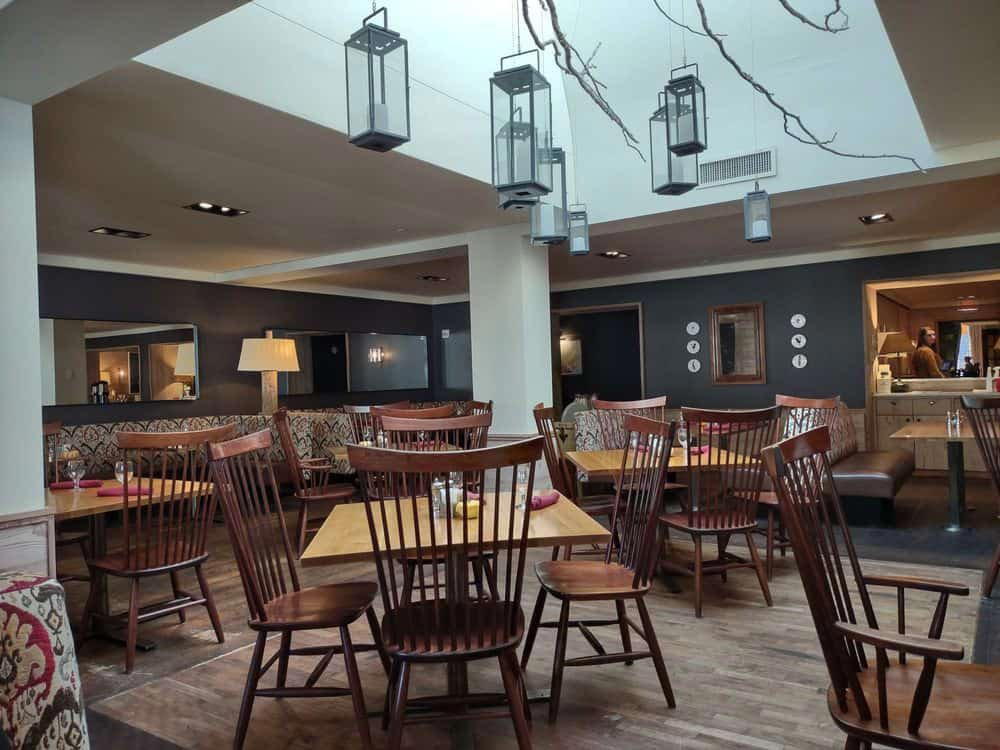
Warm and relaxing with historic charm, cozy lobby fireplace, and elegant New England atmosphere praised in guest reviews.