

Michelin Selected · Mr & Mrs Smith Seal of Approval
Grand Pigalle Experimental occupies a converted address on Rue Victor Massé in Paris's 9th arrondissement, where the Experimental Group's bar program meets the neighbourhood's shifting identity between Pigalle's historic grain and South Pigalle's design-led present. The property sits at the intersection of cocktail craft and European hotel culture, drawing a crowd that reads the room as carefully as the drinks list. Reserve well in advance for weekend stays.

Pearl is the En Primeur Club membership app, where members save venues, book tables and use the concierge.
Where the 9th Arrondissement Meets Its Own Ambition
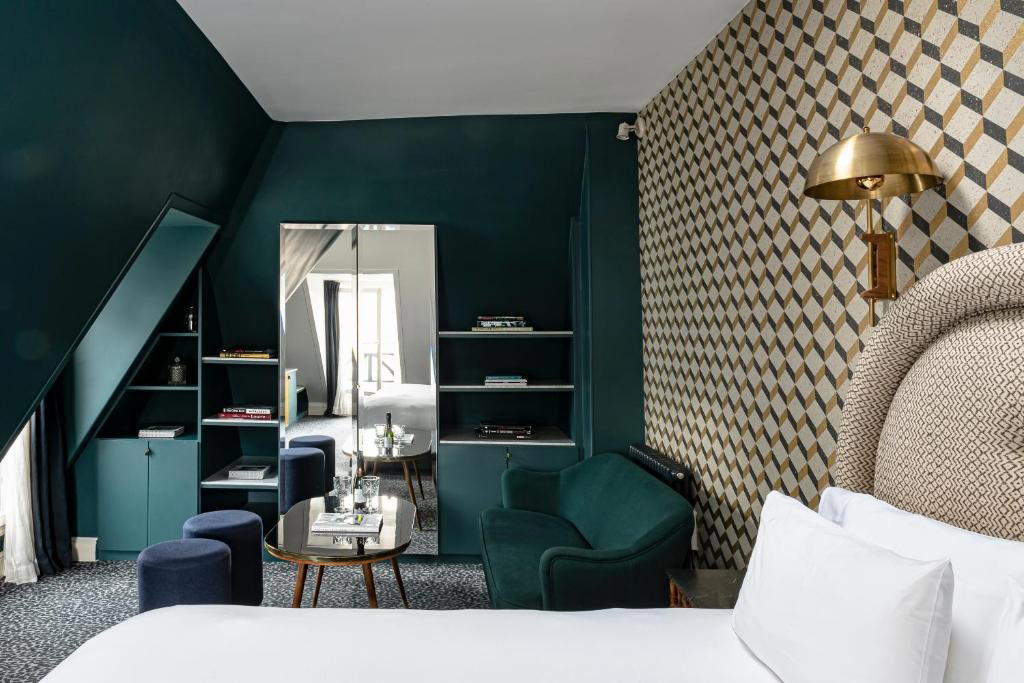
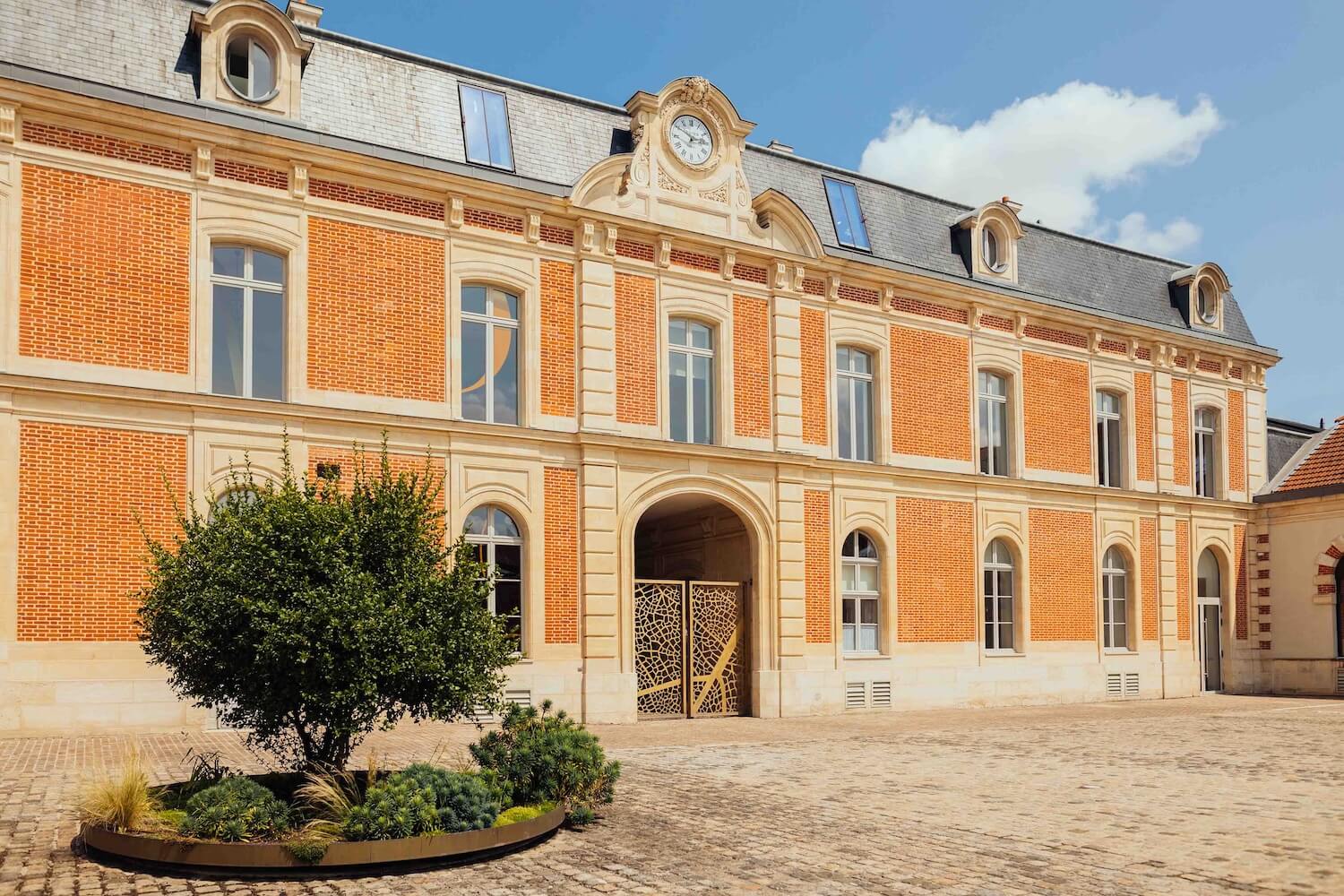
Rue Victor Massé sits in the band of streets between Place Pigalle and the denser residential blocks of what Parisians now abbreviate as SoPi, South Pigalle. The neighbourhood spent much of the twentieth century trading on its reputation as a district of cabarets and late-night commerce, but the past decade has brought a different current: natural wine bars, design-led boutique hotels, and cocktail programs serious enough to travel for. The Grand Pigalle Experimental, at number 29, arrived as part of the Experimental Group's expansion from their bar roots into hospitality, and it sits precisely at the point where those two currents converge. The building's facade is restrained by the standards of the surrounding Belle Époque stock, which means the interior comes as a considered contrast: the kind of space where low light and deliberate material choices do the work that maximalist decoration would otherwise attempt.
The Experimental Group built its reputation in Paris's cocktail culture before translating that credibility into hotels and restaurants. That lineage matters here because it shapes the property's priorities in ways a conventional hotel group's rollout would not. The bar is not an amenity bolted onto a room-selling operation; it is the conceptual anchor around which the rest of the address has been built. For travellers whose itineraries are organised around drinking as seriously as eating, that distinction is the most useful framing the property offers.
The SoPi Dining Register and Where This Address Fits
The 9th arrondissement's dining identity has diversified considerably since its earlier associations with tourist-facing brasseries around the grands boulevards. The streets around Rue des Martyrs and the Pigalle corridor now carry a concentration of address-specific destination restaurants and bars dense enough to sustain a two-day visit without crossing an arrondissement boundary. What has emerged in this particular stretch is a register of venues that treat technique with the seriousness of a Right Bank institution but present it without the corresponding formality. The Grand Pigalle Experimental belongs to that register.
Across Paris's premium hotel tier, the distance between the 9th's independent boutique properties and the palace hotels of the 1st, 7th, and 8th arrondissements is measured in atmosphere as much as price. Four Seasons George V and Le Meurice similarly anchor the Right Bank's formal luxury tier. La Réserve Paris and Le Bristol Paris offer the same category of deeply resourced hospitality for travellers who want that formal mode. The Grand Pigalle Experimental is not competing with that tier and is not trying to. In that cohort, the Experimental Group's brand credibility in the bar world is a differentiating credential.
Technique as the Connective Thread
The editorial angle that most accurately places the Grand Pigalle Experimental in its category is the intersection of imported method and local material. The Experimental Group's bar philosophy, developed across their London, New York, and Paris venues, draws on the full range of contemporary cocktail technique: clarification, fat-washing, temperature manipulation, and ingredient sourcing that treats spirits with the same provenance seriousness a good kitchen applies to vegetables. Applied in a Paris hotel setting, those methods meet a city whose raw material depth is formidable: the produce markets of the Île-de-France, the cheese and charcuterie supply chains that feed the leading Paris kitchens, and a wine culture that gives even a bar program credible options at every price point.
This local-ingredient, imported-technique dynamic is increasingly the grammar of serious drinking and eating in European boutique hotel properties. The venues that execute it most coherently are the ones where the kitchen and bar programs speak the same language, where the sourcing philosophy that governs one extends naturally into the other. At addresses in Bordeaux like Les Sources de Caudalie, or in Provence at Villa La Coste and La Bastide de Gordes, the surrounding terroir does much of that work because the property sits inside it. In a Paris address, the supply chain has to be built deliberately rather than inherited from geography, which is where a program-led operator's sourcing discipline becomes visible in the glass and on the plate.
The Pigalle Neighbourhood as Context for a Stay
Staying in SoPi rather than in the 1st or 8th arrondissements is a deliberate positioning choice, and it affects the texture of a Paris visit considerably. The neighbourhood has genuine working-Paris character that the more tourist-saturated arrondissements have largely lost. The Rue des Martyrs market street, which runs from the 9th into the 18th, is one of the better daily markets in the city for understanding how Parisian domestic food culture actually operates. The concentration of natural wine bars within walking distance of Rue Victor Massé means a bar-focused visitor can construct an evening that moves between addresses without covering significant ground. The tradeoff is distance from the major museum concentrations and the Seine-side monuments, which from the 9th requires either a walk south or a short Metro connection.
For travellers building wider French itineraries, the Experimental Group's 9th arrondissement address works as an urban anchor before or after property stays elsewhere in the country. Those heading to the Alps might follow a Paris stay with Cheval Blanc Courchevel or Four Seasons Megève. Travellers moving toward the Riviera have the option of Hotel Du Cap-Eden-Roc in Cap d'Antibes or The Maybourne Riviera in Roquebrune-Cap-Martin. Champagne-focused detours from Paris have Domaine Les Crayères in Reims and Royal Champagne Hotel and Spa in Champillon as the two benchmarks. For travellers whose France itinerary extends to Saint-Tropez, Airelles Saint-Tropez Château de la Messardière sits at the top of that market.
Outside France, the Experimental Group's positioning at the boutique-hotel-with-serious-bar-program intersection has parallels in other cities. In New York, The Fifth Avenue Hotel and Aman New York represent the premium boutique tier in different registers. In Venice, Aman Venice operates with a similar logic of small keys, serious programming, and a specific point of view. See our full Paris restaurants guide for additional context on how the 9th arrondissement fits into the city's broader dining and drinking map.
Planning a Stay on Rue Victor Massé
The address is 29 Rue Victor Massé, 75009 Paris, in the 9th arrondissement. The nearest Metro access is at Pigalle (lines 2 and 12) or Saint-Georges (line 12), both within a few minutes on foot. For visitors arriving at Charles de Gaulle, the RER B to Gare du Nord connects to the neighbourhood without changing lines, and a taxi or rideshare from CDG runs approximately 45 to 60 minutes depending on traffic. Because the property operates as a boutique hotel with a drinks program that draws neighbourhood visitors as well as guests, the bar and public areas can be active on weekend evenings even when the room count is limited. Booking rooms with lead time, particularly for Thursday through Saturday nights, is the practical approach. For the broader Paris premium hotel tier, Airelles Château de Versailles and Le Bristol Paris represent the alternative if palace-classification service is the priority.
A Pricing-First Comparison
A quick peer list to put this venue’s basics in context.
| Venue | Price | Awards |
|---|---|---|
| Grand Pigalle ExperimentalThis venue (the venue you are viewing) | $200–300 | Michelin Selected · Mr & Mrs Smith Seal of Approval |
| Cheval Blanc Paris | $2,500+ | 3 Michelin Keys · World's 50 Best #20 |
| Le Meurice | $1,000–1,500 | 3 Michelin Keys · La Liste Top Hotels |
| Shangri-La Paris | $1,000–1,500 | 1 Michelin Key · La Liste Top Hotels |
| The Peninsula Paris | $1,000–1,500 | 2 Michelin Keys · La Liste Top Hotels |
| Soho House Paris | $300–500 | 1 Michelin Key · Vogue 2026 Vogue Best Hotels in Paris |
Recognition history
Dated appearances from independent guides and award organizations, with the underlying list record or original source where available.
Michelin Selected
Michelin
Mr & Mrs Smith Seal of Approval
Mr & Mrs Smith
Continue exploring
More in Paris
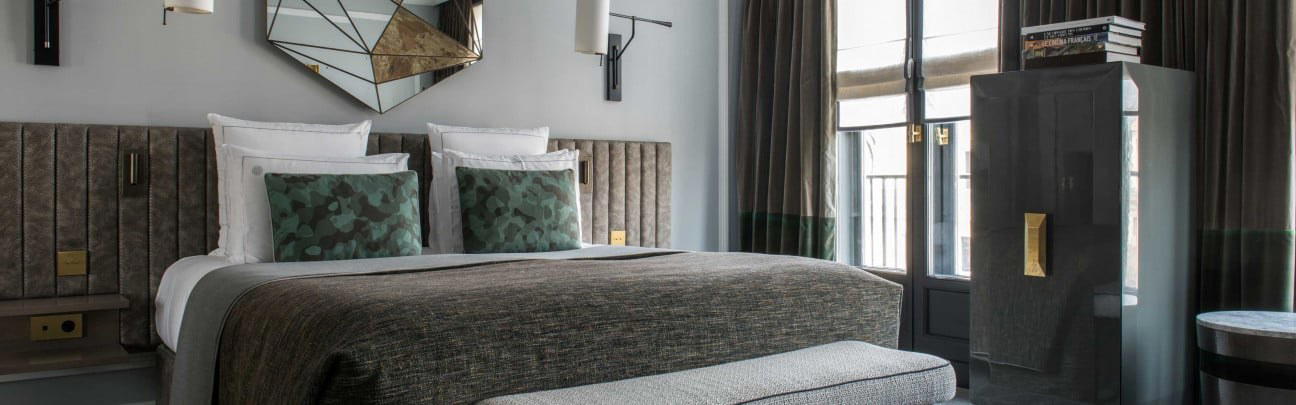
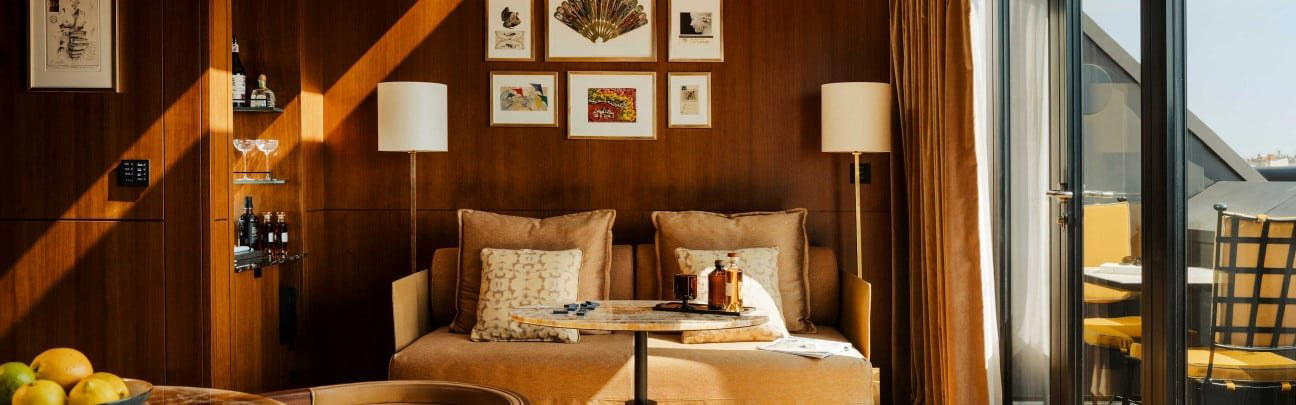
Hotels in Paris
All hotels in Paris →
Bars in Paris
All bars in Paris →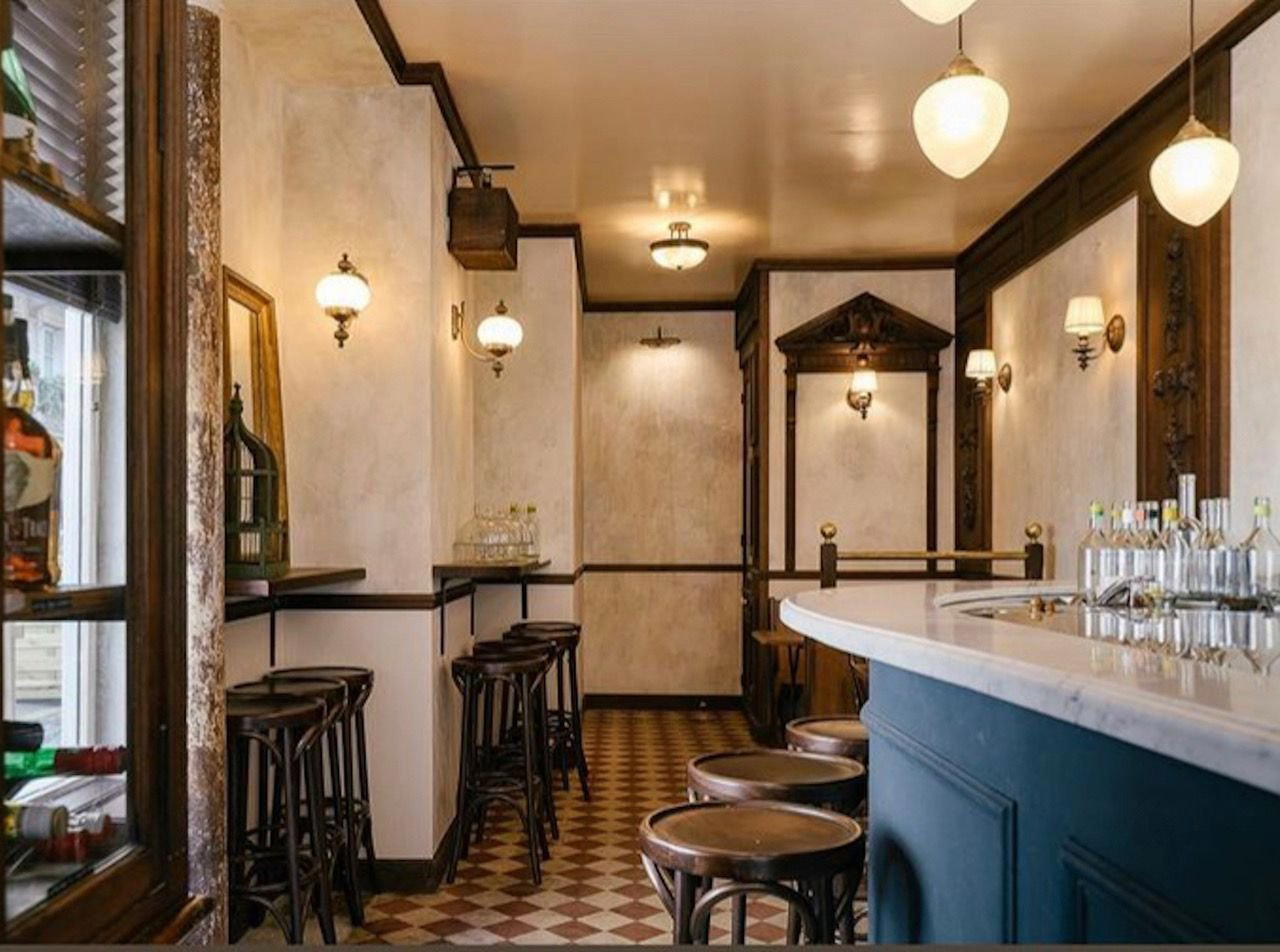
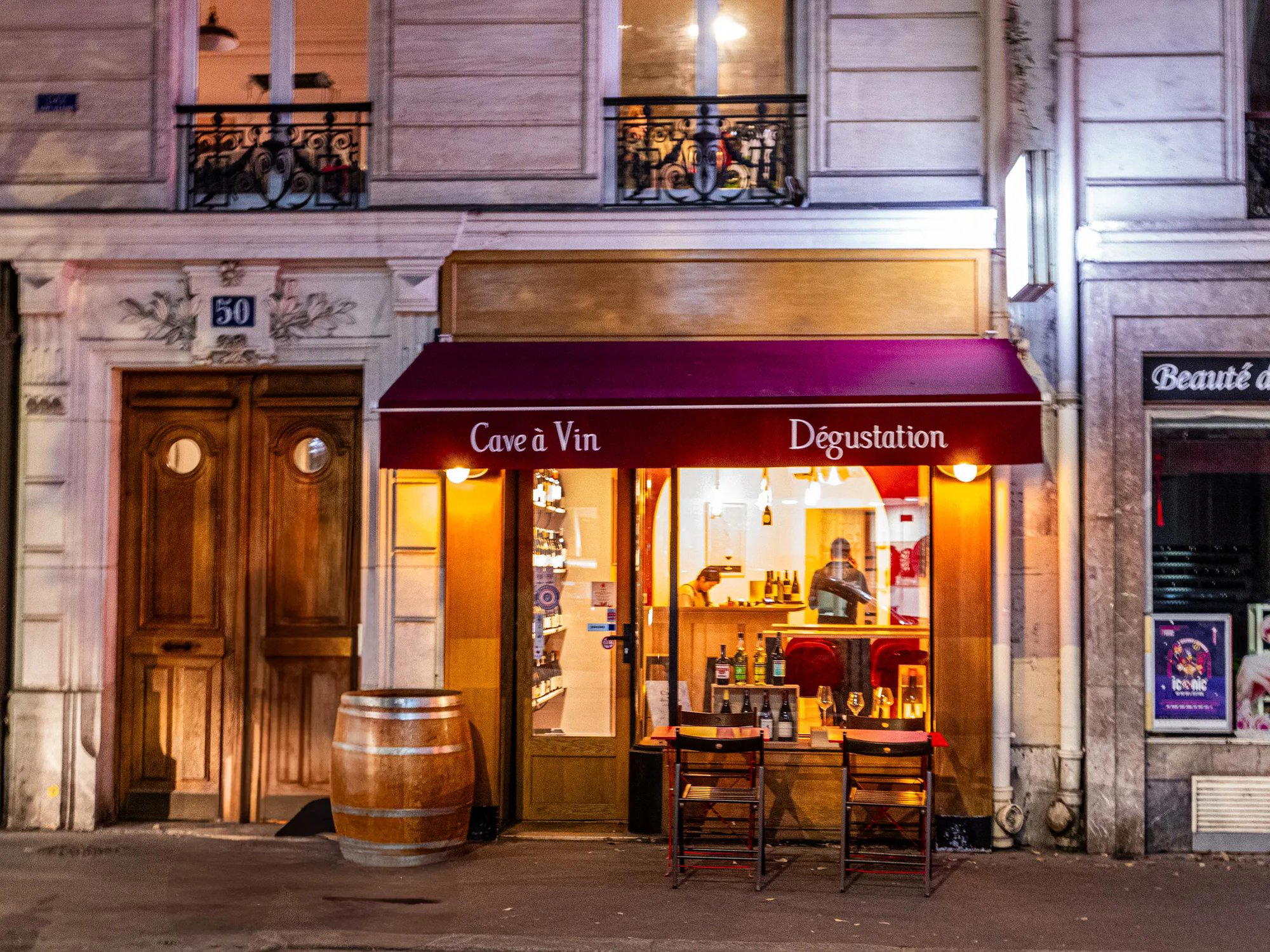
Restaurants in Paris
All restaurants in Paris →



Details
- Bohemian
- Romantic
- Trendy
- Whimsical
- Lively
- Romantic Getaway
- Weekend Escape
- Celebration
- Historic Building
- Design Destination
- Terrace
- Wi Fi
- Restaurant
- Bar
- Room Service
- Concierge
- Air Conditioning
- Street Scene
- Wheelchair Accessible
- Elevator
- Accessible Restroom
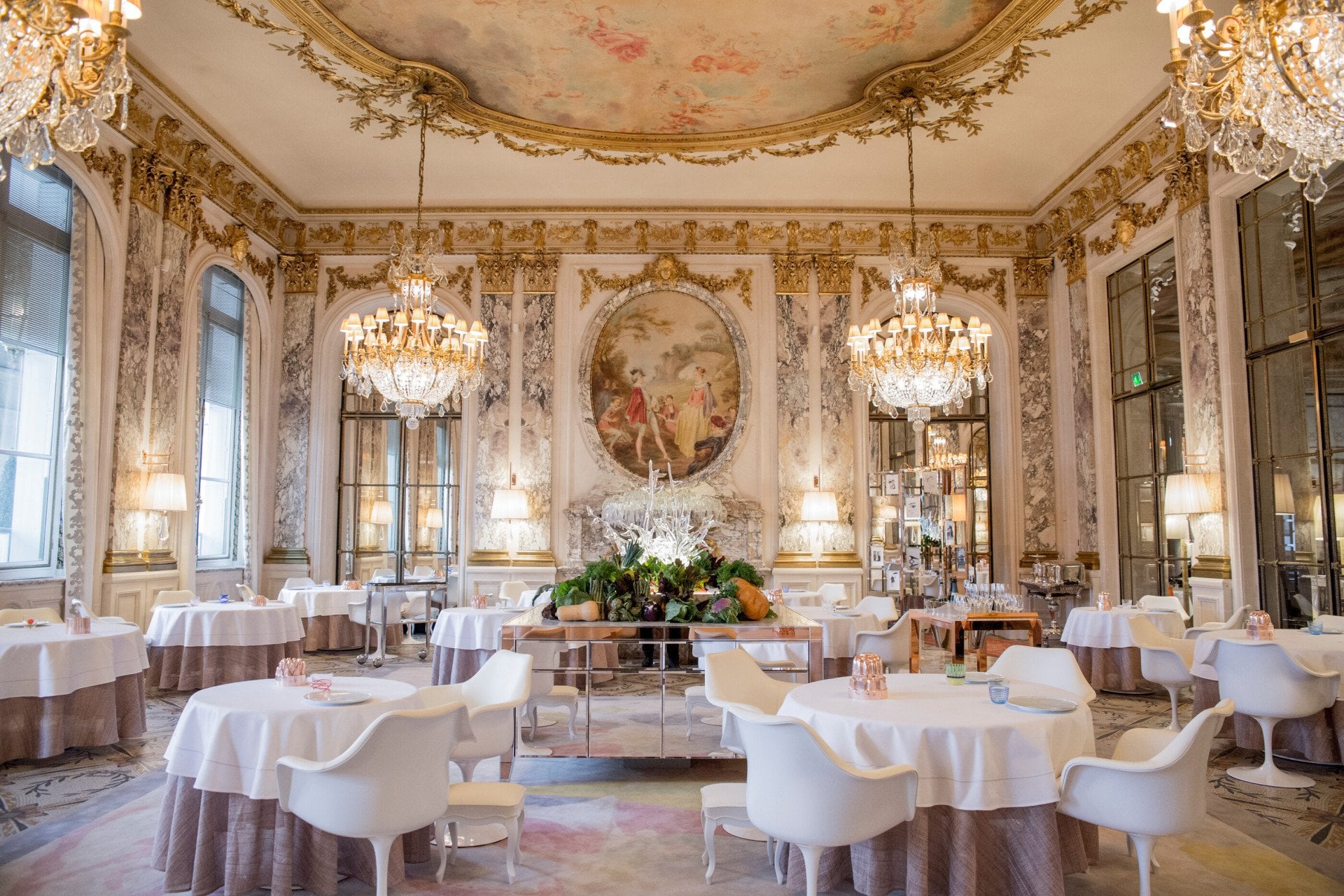
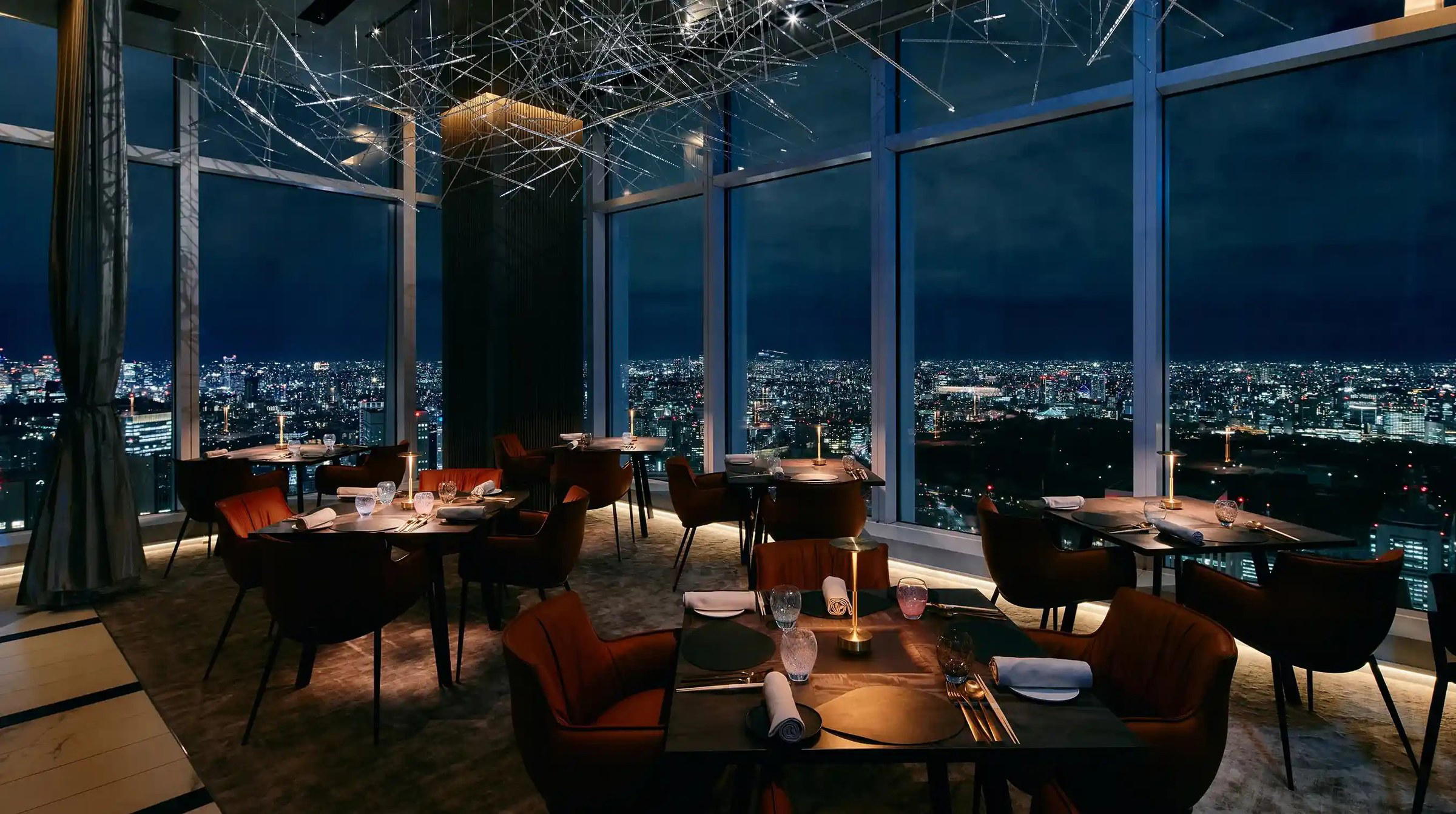
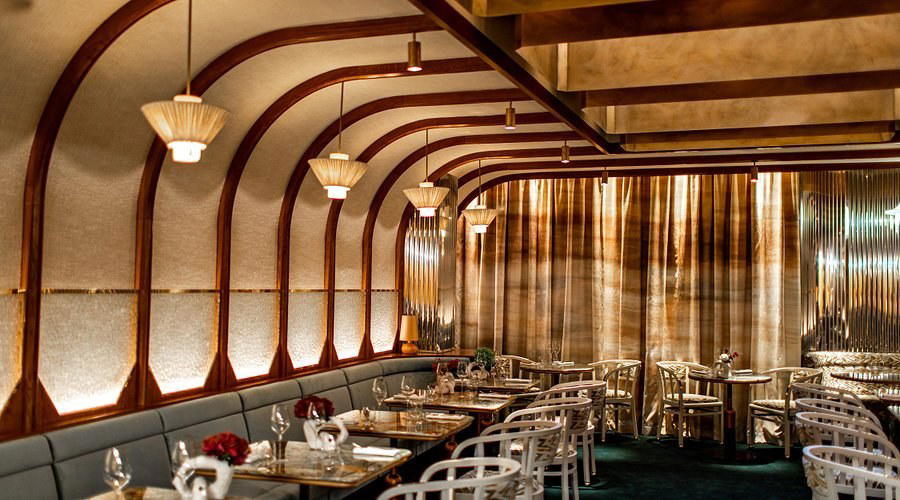
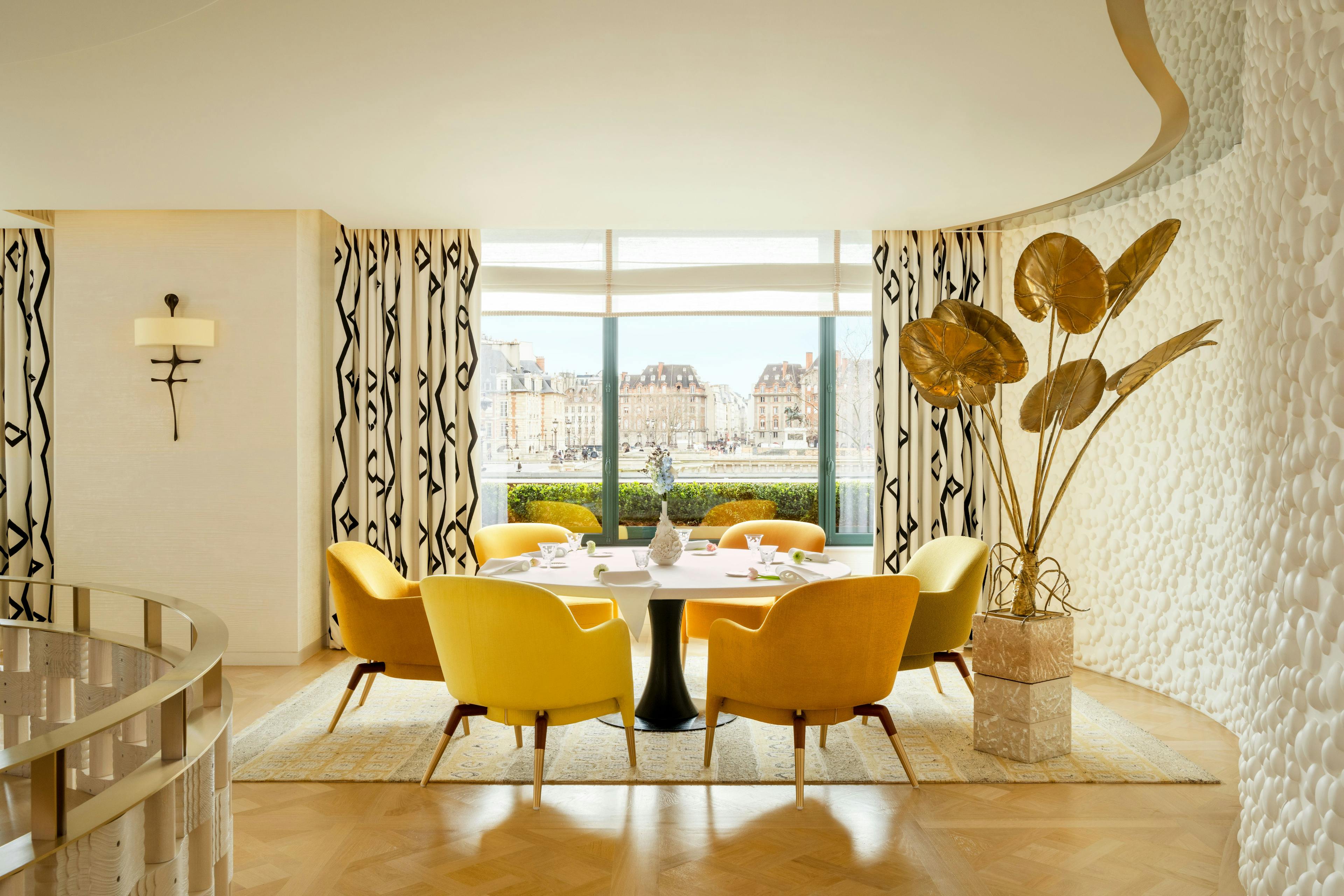
Moody, intimate atmosphere with dark teal walls, ambient brass lighting, and semi-retro design; seamless transition from lively street energy to cocooning interiors; night-owl aesthetic with minimalist furnishings and whimsical details.