Fairmont Monte Carlo

Michelin Selected
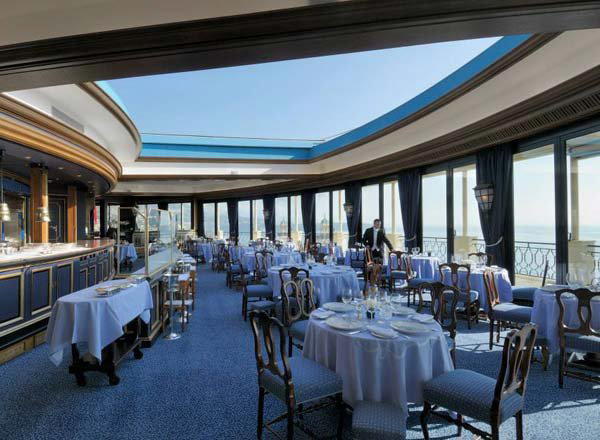
The Fairmont Monte Carlo occupies one of La Condamine's most prominent addresses, rising above the principality's coastline at 12 Avenue des Spélugues. It operates at the scale that defines Monaco's larger luxury hotel tier, with amenities oriented toward both leisure travellers and the conference and events market. For visitors comparing Monaco's hotel options, it represents a different proposition from the smaller, more intimate properties that define the principality's upper echelon.

Pearl is the En Primeur Club membership app — saves, bookings, and concierge access live there. Same editors, same standards.
- Address
- 12 Av. des Spélugues, 98000 Monaco
- Phone
- +377 93 50 65 00
- Website
- fairmont-montecarlo.com
- Directions
- Get directions
Scale and Position on the Monaco Waterfront
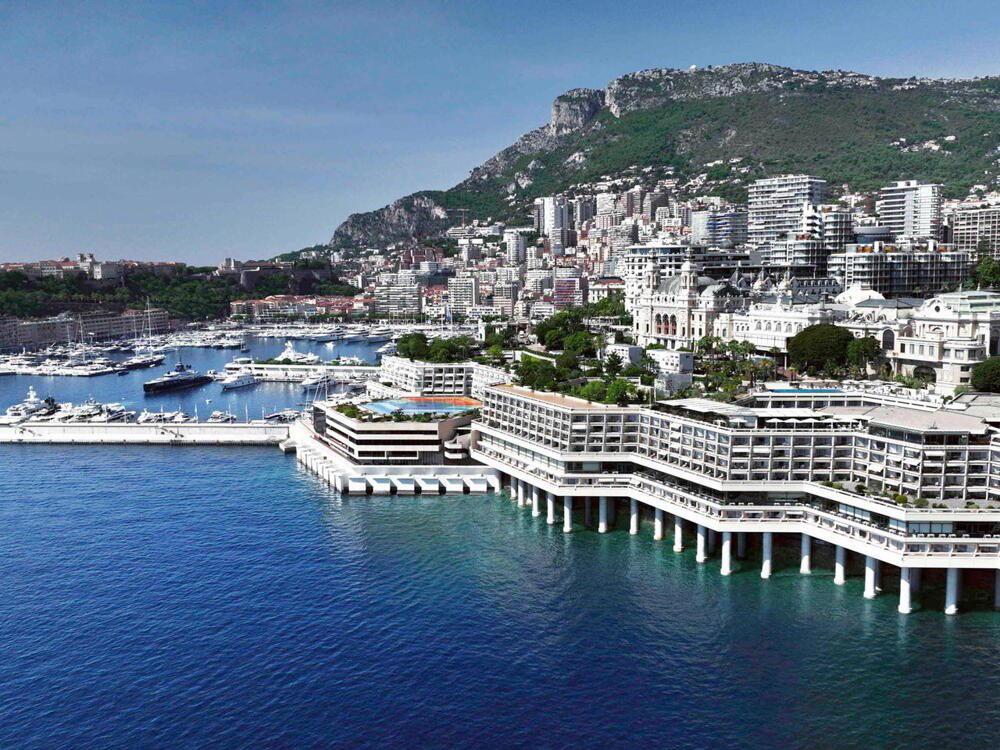
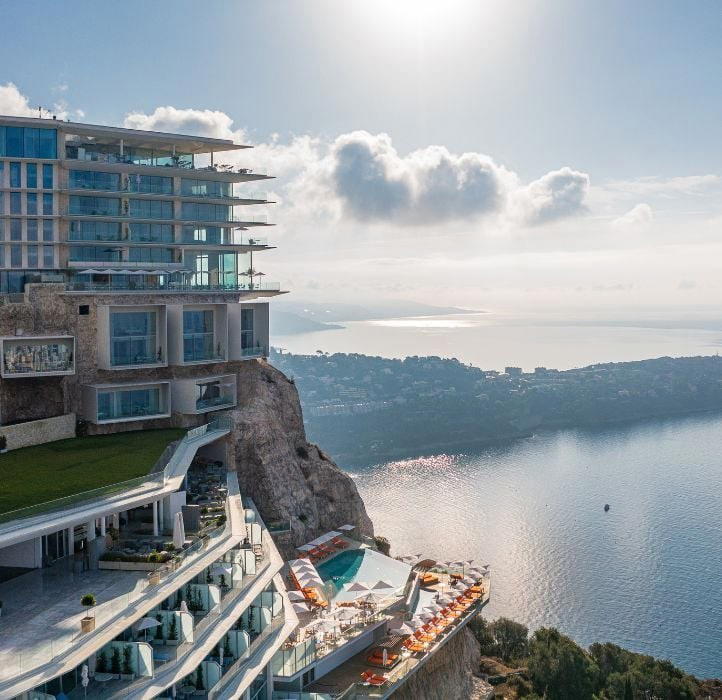
Monaco's hotel market divides cleanly into two tiers: the intimate, history-laden palaces clustered around the Casino de Monte-Carlo, and the larger-format properties that serve the principality's substantial convention and events traffic. The Fairmont Monte Carlo belongs to the latter category, and that distinction shapes every aspect of what it offers. Positioned at 12 Avenue des Spélugues in La Condamine, the property rises in a way that gives it direct visual command over the Mediterranean and, critically, over the circuit that becomes the Formula One Monaco Grand Prix track each May. That geographical fact alone drives one of the most concentrated demand spikes in European luxury hospitality, with room rates during race weekend operating in an entirely different register from the rest of the calendar year.
For context on how Monaco's hotel options compare, our full La Condamine restaurants and hotels guide maps the principality's key properties against neighbourhood and price tier. The Fairmont sits in a competitive set that includes the Hôtel de Paris Monte-Carlo and the Port Palace Hôtel, though those properties compete on different terms: the Hôtel de Paris on heritage and Alain Ducasse dining credentials, the Port Palace on boutique scale and harbour proximity. The Fairmont competes primarily on footprint, location specificity, and event infrastructure.
Architecture and the Grand Prix Factor
The building's design reflects the priorities of the era in which Monaco's larger hotels were developed: vertical scale to maximise Mediterranean views, generous public spaces to accommodate group business, and a façade that reads as contemporary rather than historicist. This places it in a different architectural conversation from the Belle Époque confections of the Casino district or the stone-and-garden logic of the principality's older properties. Where a hotel like Badrutt's Palace in St. Moritz derives its identity from a century of accumulated patina, or where Cheval Blanc Paris signals its position through Ruinart-commissioned art and LVMH design logic, the Fairmont Monte Carlo's architectural statement is less about historical resonance and more about physical orientation toward the view and the circuit.
The Formula One angle is worth examining in terms of what it means for the property's design calculus. Several of the hotel's rooms and suites are oriented to provide direct sightlines over the circuit, and during race weekend, these positions command premiums that place them among the most expensive hotel nights in Europe. This is not incidental to the architecture — it is, in effect, the building's single most commercially significant design decision. Properties elsewhere that have tried to replicate this kind of geography-as-product logic include grandstand-facing suites in Abu Dhabi during the F1 calendar, but Monaco's street circuit, threading through the actual urban fabric of the principality, gives the Fairmont's position a specificity that is genuinely difficult to replicate. Compare that model to what Amangiri in Canyon Point does with landscape orientation, or what Aman Venice achieves with canal-facing palazzo logic: the principle of anchoring a hotel's identity in an irreproducible geographical relationship is consistent across very different market contexts.
The Monaco Luxury Context
Monaco operates as one of the densest concentrations of high-net-worth travellers in Europe, which means the hotel market here is subject to competitive pressures unlike most other Mediterranean destinations. The principality has fewer than two square kilometres of territory, so every hotel is, by definition, close to the sea, the Casino, and the major retail and dining infrastructure. What differentiates properties within this compressed geography is increasingly a question of service model, room count, and the specific type of traveller each property is designed to serve.
Large-format hotels with conference capacity serve a corporate and incentive travel market that smaller properties cannot accommodate. The Fairmont's scale allows it to host events and groups at a volume that properties like the Port Palace are not structured to take. But that same scale means the experience skews toward the efficient and the managed rather than toward the kind of individualised attention that defines the top tier at a property like Hotel Du Cap-Eden-Roc in Cap d'Antibes, thirty kilometres along the coast, or the curated intimacy of La Réserve Paris. Travellers choosing between Monaco's options should be clear about which type of experience they are optimising for.
For comparison, the palace-hotel model that dominates Monaco's prestige tier draws on a European tradition of grande dame properties — the same tradition that produced Hotel Sacher Wien, Le Bristol Paris, and Hotel Plaza Athénée. The Fairmont brand sits outside that tradition by design, operating closer to the international full-service hotel model that also defines properties like the Mandarin Oriental Bangkok in its convention-facing posture, even as the Monaco property's specific location gives it a more singular character than a typical international chain address would suggest.
Planning a Stay: Timing and Booking Considerations
The single most important variable in planning a stay at the Fairmont Monte Carlo is the Formula One Monaco Grand Prix, held annually in late May. During race week, the hotel's circuit-facing rooms and suites are in extreme demand, and rates reflect that scarcity. Booking for those dates requires advance planning measured in months rather than weeks, and package offers that bundle hospitality with race access tend to structure pricing around the full event calendar rather than per-night rates. Outside the Grand Prix period, Monaco's high season runs through the summer months, with the Cannes Film Festival in May and the various Monaco Yacht Show dates in September generating secondary demand spikes. For travellers whose itinerary is flexible, shoulder periods in April or October offer more accessible conditions without the operational intensity of peak events.
The property's address at 12 Avenue des Spélugues places it within walking distance of the Casino de Monte-Carlo and the main retail and dining arteries of the principality. Access to the broader Côte d'Azur is direct via Nice Côte d'Azur Airport, approximately twenty-five kilometres to the west, with helicopter transfer services operating on a schedule that is well-established for this market. For travellers comparing regional luxury options along the Riviera, properties like Hotel Du Cap-Eden-Roc represent the Antibes alternative at the higher end, while Hotel Esencia in Tulum or One&Only; Mandarina illustrate how the wider luxury market has moved toward naturalistic, low-density formats that are the structural opposite of what Monaco's built environment offers.
Dining within the property should be assessed against what Monaco's standalone restaurant scene offers. The principality has accumulated significant Michelin recognition, particularly in the Casino district and the Hôtel de Paris restaurants. For travellers whose dining priorities are as high as their accommodation priorities, cross-referencing hotel choice with restaurant reservations is worth doing in advance, since Monaco's leading tables book out considerably earlier than most European capitals.
Quick Comparison
| Venue | Price | Awards |
|---|---|---|
| Fairmont Monte CarloThis venue — the venue you are viewing | $300–500 | Michelin Selected |
| Hôtel de Paris Monte-Carlo | $1,000–1,500 | 3 Michelin Keys · World's 50 Best #40 |
| Hotel Metropole, Monte-Carlo | $300–500 | 2 Michelin Keys · La Liste Top Hotels |
| Hôtel Hermitage Monte-Carlo | $750–1,000 | 1 Michelin Key · La Liste Top Hotels |
| Monte-Carlo Bay Hotel & Resort | Not listed | Michelin Selected · Forbes Recommended |
| Port Palace Hôtel | $300–500 | Not listed |
Recognition history
Dated appearances from independent guides and award organizations, with the underlying list record or original source where available.
Michelin Selected
Michelin
Continue exploring
More in La Condamine
Hotels in La Condamine
Browse all →
Bars in La Condamine
Browse all →
Restaurants in La Condamine
Browse all →

Details
- Elegant
- Sophisticated
- Well Known
- Ornate
- Romantic Getaway
- Business Trip
- Celebration
- Rooftop Pool
- Panoramic View
- Terrace
- Pool
- Spa
- Wi Fi
- Room Service
- Concierge
- Valet Parking
- Fitness Center
- Waterfront
- Garden
- Wheelchair Accessible
- Elevator
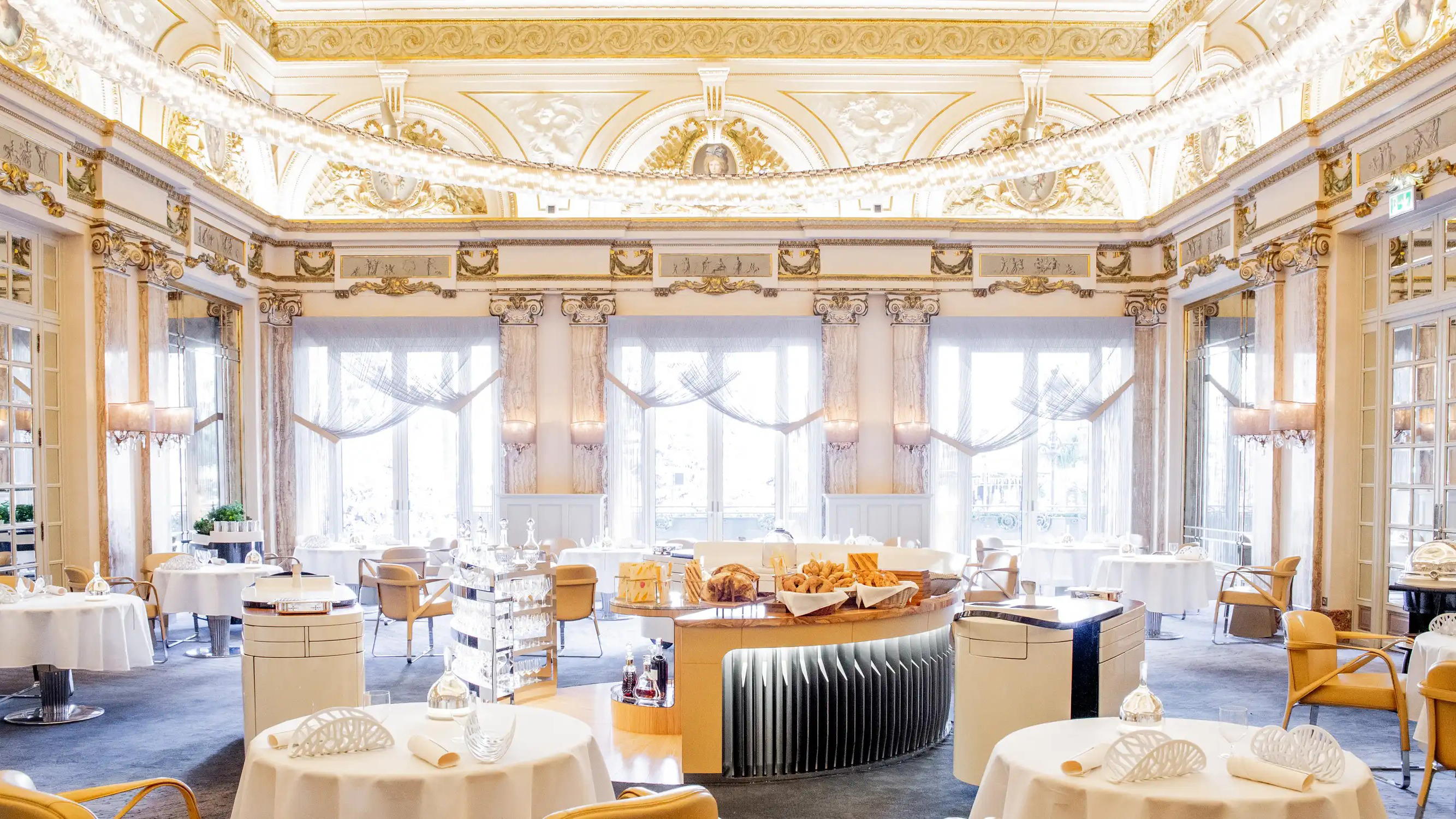
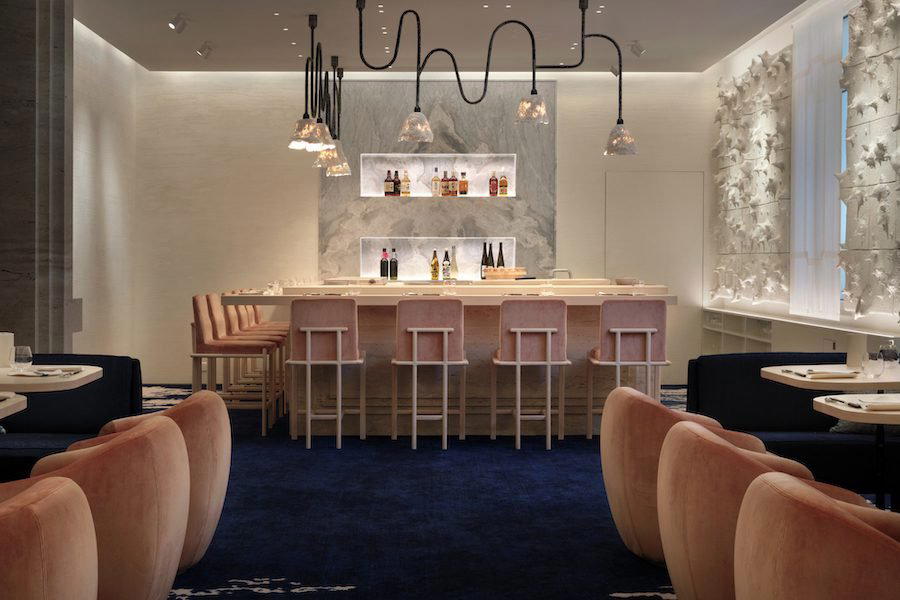
Refined luxury blending contemporary comfort with Riviera-inspired elegance, featuring soft creams, ocean blues, and attentive service amid sea views and lively rooftop energy.