Dunton River Camp

Dunton River Camp is a Michelin Selected wilderness retreat set along the Dolores River in southwestern Colorado, offering a remote camp-style format that sits in a small tier of destination properties where landscape access is the primary amenity. For travellers planning around Southwest Colorado, the camp represents the most stripped-back end of the Dunton portfolio.
Pearl is the En Primeur Club membership app — saves, bookings, and concierge access live there. Same editors, same standards.
- Address
- 50014 Co Rd 38, Dolores, CO, USA
- Phone
- (970) 882-4800
- Directions
- Get directions
 Saves & bookings on Pearl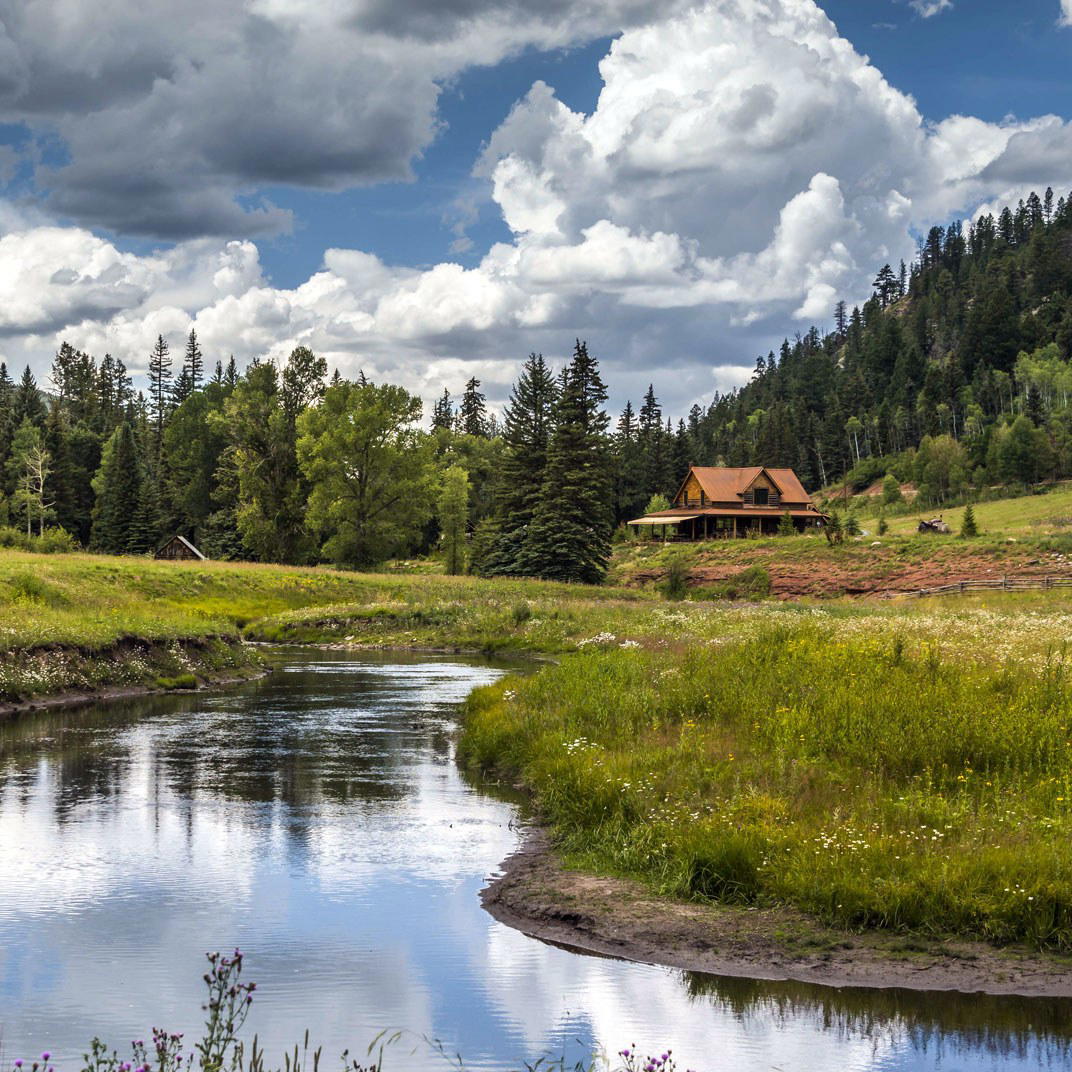
Where the Dolores River Does the Heavy Lifting
Southwestern Colorado has developed a credible pocket of destination hospitality over the past two decades, anchored largely by properties that treat wilderness access as the primary amenity rather than a backdrop for conventional luxury. Dunton River Camp, positioned along the Dolores River outside the small agricultural town of Dolores, sits at the more expedition-minded end of that spectrum. The experience is structured around the river itself: the sound of moving water, the canyon light shifting through cottonwoods, and the particular stillness that comes from being genuinely far from a highway. It holds a Michelin Selected designation in the 2025 Michelin Hotels guide, placing it in a curated tier of American properties that Michelin's editors consider worth a detour.
The Michelin Selected category is not a starred distinction, but it carries specific weight in the lodging context: the editors are identifying properties with a coherent identity and a reason to exist beyond price-per-night calculations. For a river camp in a county with a population under 16,000, that recognition signals something meaningful about how the operation is positioned relative to the broader Southwest wilderness-stay market.
The Dunton Universe and Where This Camp Fits
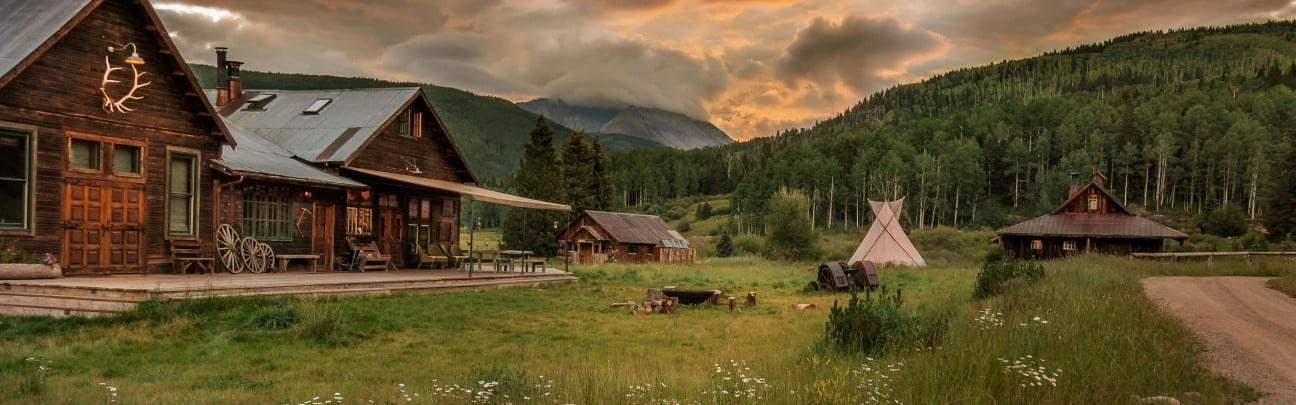
Understanding Dunton River Camp requires understanding the broader Dunton portfolio. The parent property, Dunton Hot Springs, operates as a restored ghost town roughly an hour away in the San Juan Mountains, and the two properties attract overlapping but distinct traveller profiles. Dunton Hot Springs carries more architectural weight and greater amenity density; the River Camp is the field-camp counterpart, designed for guests who want the Dunton ethos applied to a more elemental format. The relationship between the two is worth considering when planning: some travellers split time between both, using the River Camp as a fly-fishing and rafting base and Dunton Hot Springs as the thermal-soak and dining anchor.
In the wider category of American wilderness retreats, the River Camp occupies a position that invites comparison with properties like Amangiri in Canyon Point and Sage Lodge in Pray, all of which use exceptional landscape access as their primary differentiator. The operating model at camps of this type typically involves low key counts, activity-led programming, and a dining format that prioritises communal eating over restaurant formality.
The Dining Programme at a River Camp
Camp-format dining in this tier of the American hospitality market has moved well past the cast-iron pan and freeze-dried protein phase. Properties competing for the same guest profile as Dunton River Camp now treat their food programmes as extensions of their place-making: sourcing from regional producers, structuring menus around the season's available proteins, and designing the eating experience to reinforce the larger narrative of where you are. At the River Camp, the physical context does much of that work automatically. A dining table set against a canyon backdrop in the Colorado high desert carries an atmospheric charge that no urban restaurant can manufacture.
The dining format at camps of this structure tends toward communal meals, often served in an open-air or semi-open setting, with the social architecture of shared tables replacing the privacy-maximising layout of a conventional hotel restaurant. This is a deliberate editorial choice on the part of the operators: the meal becomes part of the group experience rather than a separate transaction. For travellers accustomed to the formal separation of dining and lodging at properties like Meadowood Napa Valley or SingleThread Farm Inn in Healdsburg, the shift in register takes a meal or two to calibrate, but it suits the context.
Travellers seeking current programme information should contact the property directly before arrival.
The Broader Southwest Wilderness-Stay Market
The American Southwest has attracted a concentration of design-led wilderness properties over the past fifteen years that has no real parallel in any other domestic region. Properties like Post Ranch Inn in Big Sur and Canyon Ranch Tucson represent different points on the spectrum between wellness destination and landscape-access retreat, but they share an underlying philosophy: that the guest's relationship with the physical environment is as important as any interior amenity. Dunton River Camp operates from the same premise, applied specifically to the riparian ecosystem of the Dolores River canyon.
The Dolores River itself is a materially different proposition from the more travelled Colorado waterways. It runs through a redrock canyon system in the Four Corners region with a character distinct from the ski-adjacent rivers further north, and the fly-fishing and rafting seasons structure the camp's calendar. For travellers who have covered the higher-profile Rocky Mountain destinations, this stretch of southwestern Colorado represents a credible extension of the itinerary rather than a lateral move within the same ecosystem.
Comparable remote camp properties in the American West, including Kona Village, A Rosewood Resort in Hawaii and Little Palm Island Resort and Spa in Little Torch Key, use the island or coastal equivalent of this formula: limited keys, high environmental specificity, and an implicit argument that place is the amenity. The River Camp applies the same logic to a landlocked canyon setting.
Planning Your Stay
Dolores sits in Montezuma County in the far southwestern corner of Colorado, accessible primarily by road. The nearest commercial airport with meaningful connectivity is Durango-La Plata County Airport, roughly 45 miles to the east. Travellers arriving from Denver typically drive six-plus hours or connect through Durango. The camp's address on County Road 38 places it outside town, and the final approach is part of the experience: the canyon reveals itself gradually as you leave the mesa above.
Properties of this format in the Southwest wilderness tier typically operate on a fully inclusive or semi-inclusive rate structure, with activity programming and meals bundled into the nightly rate. Given the Michelin Selected recognition and the low-key-count format that characterises this type of camp, lead time of several months is a reasonable working assumption for peak season, which in this region runs from late spring through early autumn when the river is at its most accessible for water-based activities.
For broader context on dining and travel in this corner of Colorado, see our full Dolores restaurants guide. Travellers building a wider Southwest itinerary might also consider Amangiri in Canyon Point or Washington School House Hotel in Park City as adjacent anchor properties.
Cost Snapshot
| Venue | Price |
|---|---|
| Dunton River CampThis venue — the venue you are viewing | This venue |
| Aman New York | Michelin 3 Key, World's 50 Best |
| The Beverly Hills Hotel | Michelin 3 Key, World's 50 Best |
| Amangiri | Michelin 3 Key, World's 50 Best |
| Hotel Bel-Air | Michelin 3 Key, World's 50 Best |
| The Carlyle, A Rosewood Hotel | Michelin 2 Key, World's 50 Best |
Recognition history
Dated appearances from independent guides and award organizations, with the underlying list record or original source where available.
Michelin Selected
Michelin
At a Glance
- Rustic
- Scenic
- Quiet
- Cozy
- Romantic
- Romantic Getaway
- Honeymoon
- Wellness Retreat
- Weekend Escape
- Group Retreat
- Panoramic View
- Private Dining
- Waterfront
- Wi Fi
- Spa
- Sauna
- Concierge
- Mountain
- Waterfront
- Wi Fi
- Spa
- Sauna
- Concierge
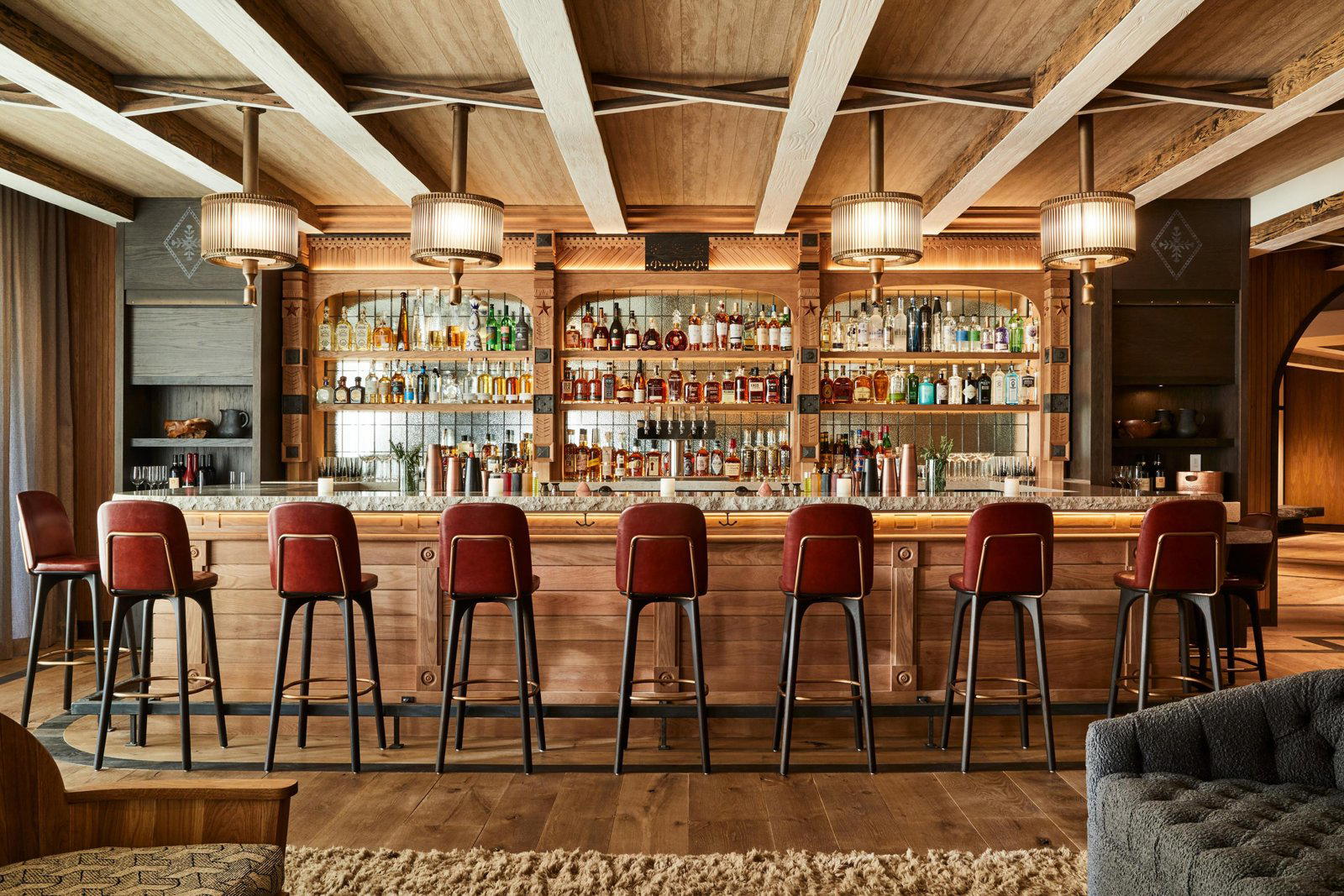
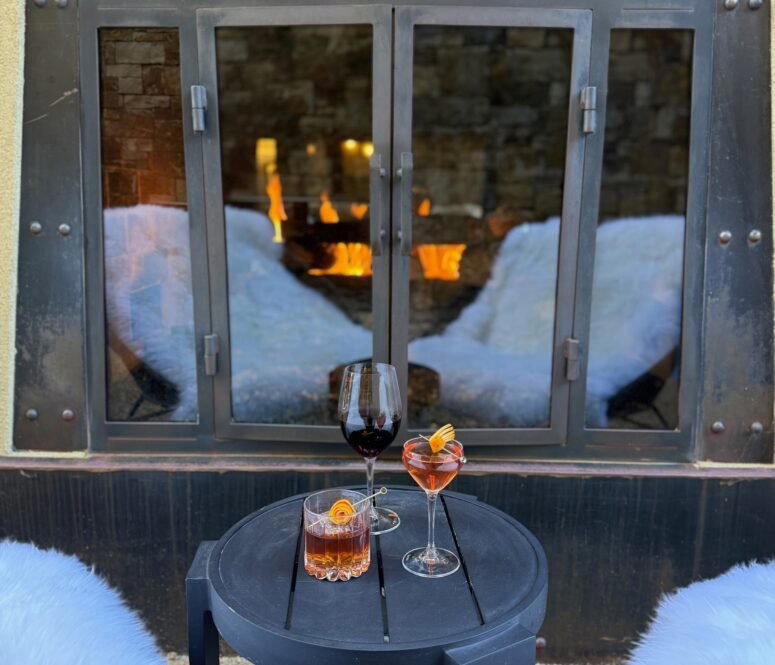
Tranquil and nature-immersed with serene wilderness atmosphere, cozy wood-burning stoves, and immersive natural surroundings.
Know Before You Go
- Getting there
- 50014 Co Rd 38, Dolores, CO, USA