Dancing House - Tančící dům hotel
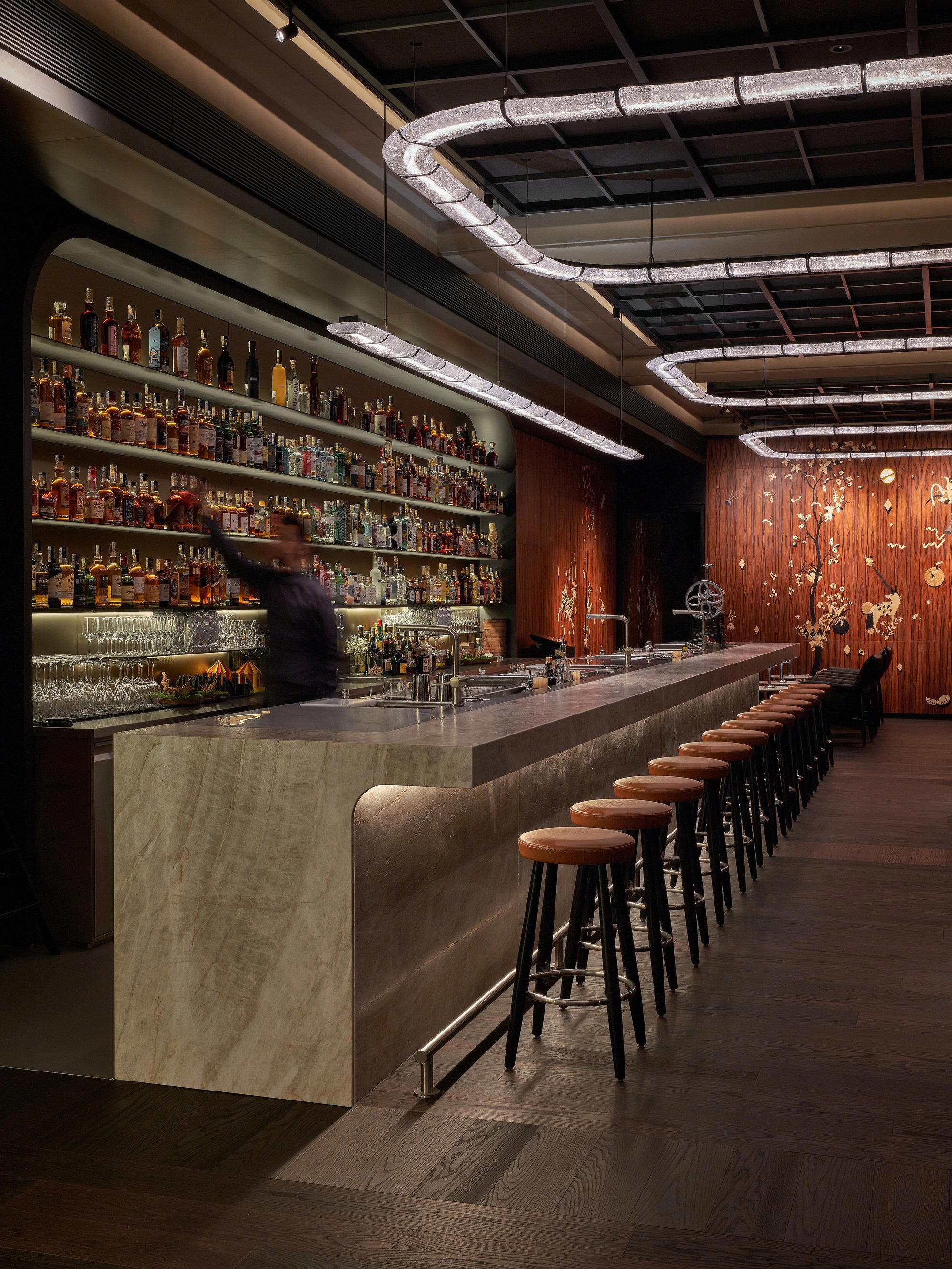
Occupying the upper floors of Frank Gehry and Vlado Milunić's landmark deconstructivist building on the Vltava riverfront, Dancing House is one of the few hotels in Europe where the architecture is genuinely the product. The Nové Město address places guests within walking distance of the National Theatre and Charles Bridge, and the rooftop bar delivers unobstructed views across Prague's skyline.
Pearl is the En Primeur Club membership app — saves, bookings, and concierge access live there. Same editors, same standards.
- Address
- 6, Jiráskovo nám. 1981, Nové Město, 120 00 Praha, Czechia
- Phone
- +420 720 983 172
- Website
- dancinghouse.cz
- Directions
- Get directions
 Saves & bookings on Pearl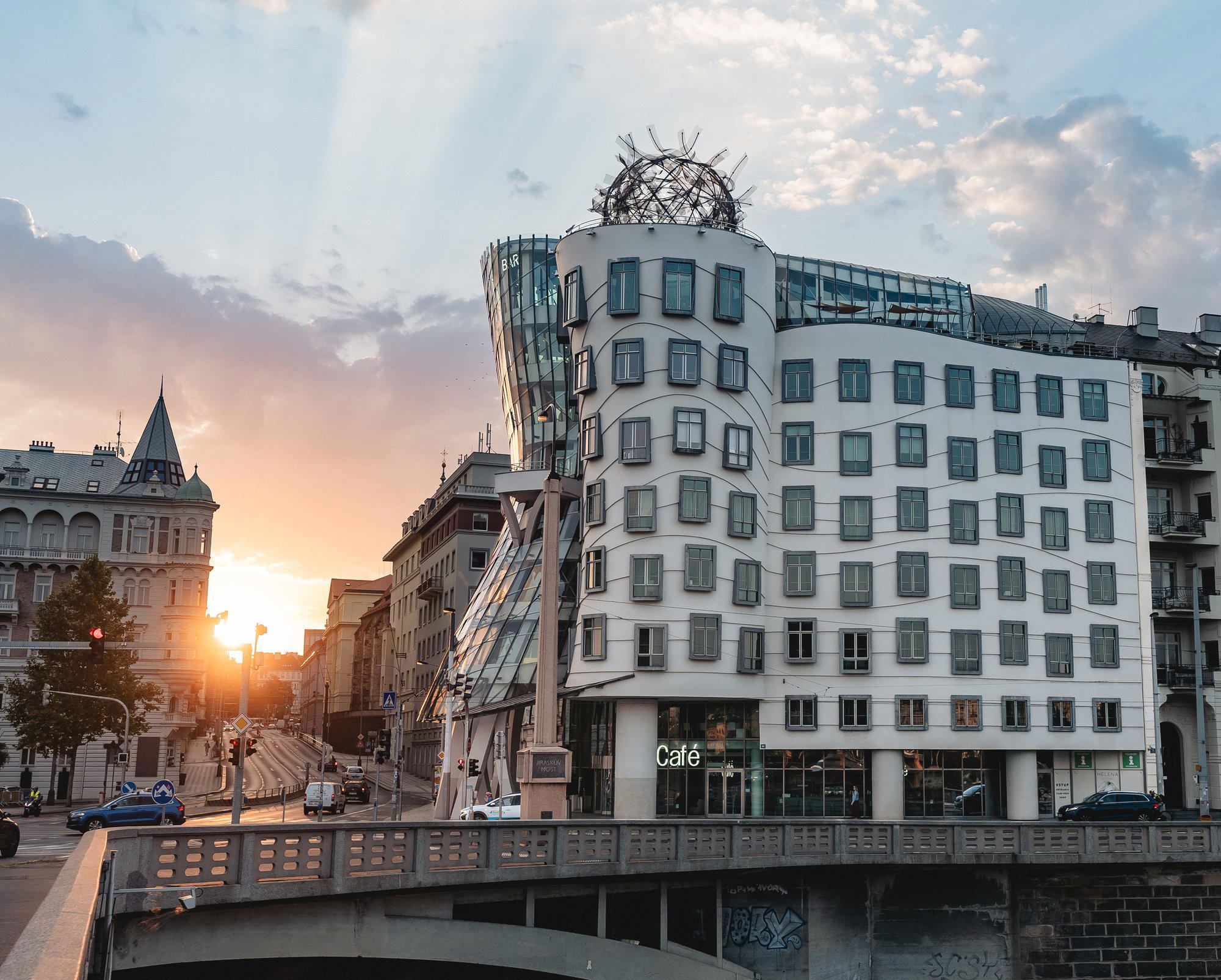
Where the Building Is the Argument
Dancing House - Tančící dům hotel is a 4-star hotel in Prague's Nové Město district, with rooms from USD 93 per night. Dancing House sits firmly in the second group, and it does so with more structural authority than almost any comparable property in Central Europe. The building itself, completed in 1996 to designs by Frank Gehry and Czech architect Vlado Milunić, has been a reference point in deconstructivist architecture for nearly three decades. Choosing to sleep inside it is a different proposition from admiring it from the opposite bank of the Vltava.
The structure is sometimes called "Fred and Ginger" after the two primary forms: a rigid concrete tower paired with a fluid, curved glass volume that appears to lean into the first, as though mid-dance. That legibility of concept, rare in architecture of this ambition, is part of what made the building controversial on completion and what makes it durable now. The address on Jiráskovo náměstí, in the Nové Město district, keeps it slightly removed from the tourist pressure of Staré Město while remaining inside a ten-minute walk of the National Theatre and a fifteen-minute walk of Charles Bridge.
Nové Město and the Riverfront Context
The hotel's Nové Město location matters more than it might first appear. The neighbourhood, literally "New Town," was laid out by Charles IV in the fourteenth century but developed its current character in the late nineteenth and early twentieth centuries, when it accumulated the grand civic and commercial architecture that lines Wenceslas Square and the Vltava embankment. Staying here puts guests in a more residential, less saturated part of central Prague than the Old Town addresses clustered around the Astronomical Clock. The embankment walk north toward the National Theatre or south toward Vyšehrad is one of the quieter pleasures the city offers, and Dancing House sits directly on it.
Prague's broader premium accommodation offer has consolidated around a handful of tiers. The large international-brand properties, among them the Four Seasons Hotel Prague in the Old Town and the Mandarin Oriental in Malá Strana, occupy one bracket. Design-led independents and smaller luxury addresses, including Alchymist Grand Hotel and Spa, BoHo Hotel Prague, and Aria Hotel Prague, sit in a separate tier defined by specific spatial identity rather than brand infrastructure. Dancing House competes in this second group, though its architectural provenance gives it a more singular frame of reference than most of its peers in the city.
The Architecture as Guest Experience
What distinguishes architecturally themed hotels from design hotels more broadly is whether the signature architecture permeates the guest experience or exists primarily as a facade. At Dancing House, the curved geometry of Gehry's forms means that no two rooms carry quite the same proportions or window orientation. Rooms facing the Vltava benefit from the river frontage that made this particular plot so contested during the building's planning phase in the early 1990s. The views across to the castle district and Petřín hill are among the more coherent urban panoramas available from a Prague hotel room, given the building's setback from the water and its elevation above the embankment road.
The rooftop level is where the building's spatial argument becomes clearest for guests who are not architectural specialists. The glass pavilion at the summit of the curved tower functions as both bar and viewing platform, and at this height the full sweep of the Vltava bends north toward Old Town and south toward the hills becomes readable in a way that ground-level or even mid-building positions do not allow. This is, practically speaking, one of the more compelling rooftop positions in Prague, competing with the castle-district viewpoints for breadth of panorama but offering a different, more urban angle.
For context on how Prague's premium hotel scene distributes across neighbourhood types, the contrast with properties like Augustine, A Luxury Collection Hotel in Malá Strana or Andaz Prague in Staré Město is instructive. Those addresses trade on medieval fabric and monastic history. Dancing House trades on late-twentieth-century architectural debate, which attracts a different category of traveller: one more interested in how buildings think than in how old they are.
Planning Your Stay
The hotel occupies the upper floors of the building at Jiráskovo náměstí 1981/6, Nové Město, Prague 2. Given the building's visibility and its status as a working architectural landmark, room bookings at peak season, particularly spring and early autumn when Prague draws the highest visitor volumes, benefit from advance planning. Guests with specific view or floor preferences should communicate these clearly at the time of reservation, as the building's curved geometry produces meaningfully different room configurations across the tower. For those extending a Czech itinerary beyond Prague, Boutique Hotel Corso in Karlovy Vary and Chateau Mcely represent the strongest regional options at a premium tier.
Travellers comparing Dancing House against other design-forward European hotels with comparable architectural provenance might reference Aman Venice or Cheval Blanc Paris as benchmarks for how landmark buildings can be converted into working hospitality environments, though the specifics of scale, price, and brand infrastructure differ substantially.
Other Prague properties worth cross-referencing when assembling an itinerary include Almanac X Alcron Prague, Buddha-Bar Hotel Prague, and Century Old Town Prague, MGallery Collection, each of which anchors a different neighbourhood and design register within the city's premium tier.
A Quick Peer Check
Comparable venues nearby, for context on price, style, and recognition.
| Venue | Cuisine | Price | Awards | Notes |
|---|---|---|---|---|
| Dancing House - Tančící dům hotelThis venue — the venue you are viewing | Well-known deconstructivist landmark on the Vltava waterfront. | $$$$ | 4-Star | Not listed |
| Maximilian Hotel Prague | Contemporary boutique with poetic modernism approach referencing Czech modernism and avant-garde art movements, blending 19th-century heritage with modern design. | $$$ | 4-Star | Old Town |
| Golden Well Hotel Prague | Historic luxury boutique hotel housed in a 13th-century Augustinian monastery with contemporary amenities and personalized service. | $$$$ | 5-Star | Mala Strana |
| Falkensteiner Boutique Hotel Prague | Urban boutique with modern opulence and reduced minimalism | $$$$ | 5-Star | Prague 1 |
| Design Hotel Neruda | Boutique design hotel in restored 14th-century historic buildings | $$$ | 4-Star | Malá Strana |
| NYX Hotel Prague | Boutique design hotel with art-infused interiors in a historic building. | $$$ | 4-Star | Praha 2 |

At a Glance
- Modern
- Well Known
- Elegant
- Sophisticated
- Romantic Getaway
- Business Trip
- Weekend Escape
- Historic Building
- Panoramic View
- Terrace
- Wi Fi
- Restaurant
- Room Service
- Concierge
- Fitness Center
- EV Charging
- Skyline
- Waterfront
- Wi Fi
- Restaurant
- Room Service
- Concierge
- Fitness Center
- EV Charging
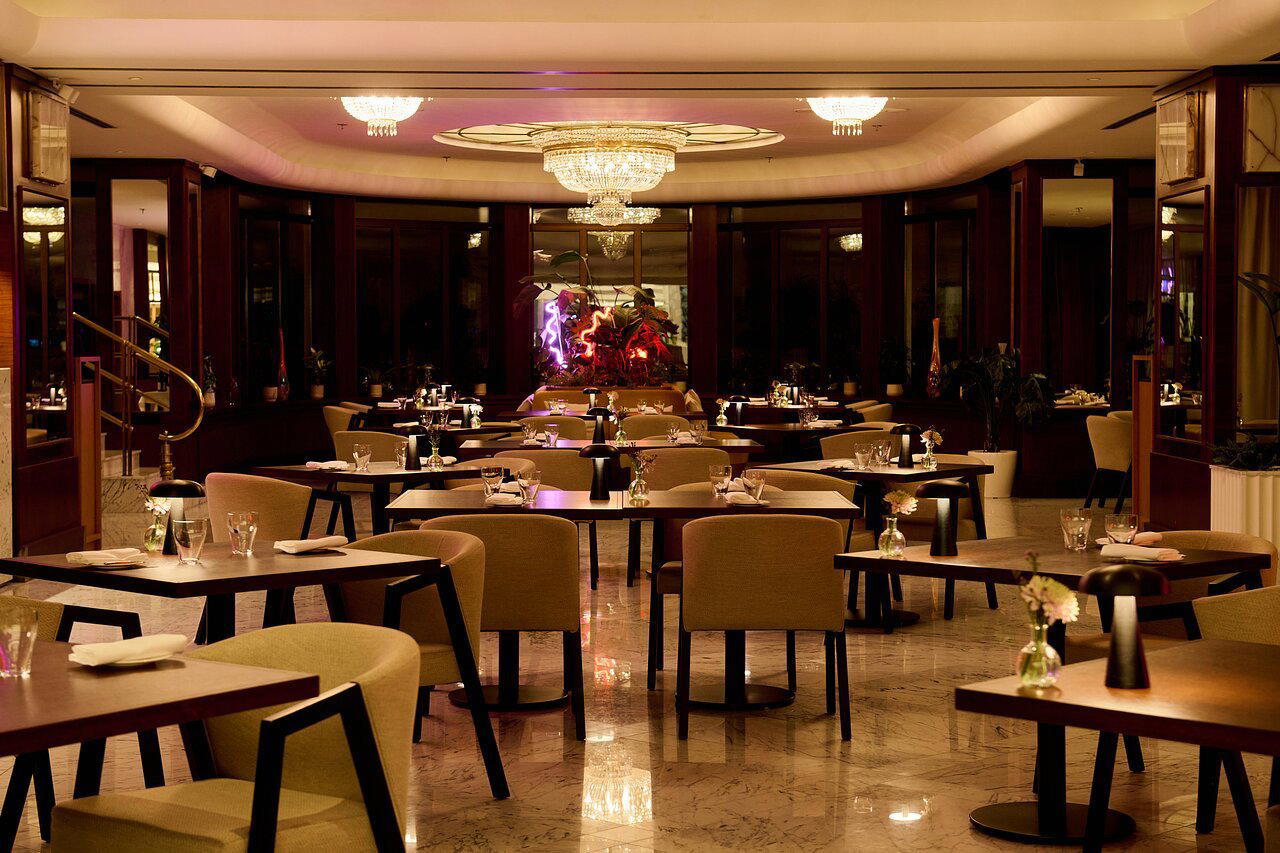
Luxurious and modern with dramatic panoramic views from rooms and terrace restaurant.