Corner Hotel occupies a converted Victorian-era building on Swan Street in Richmond, one of Melbourne's most concentrated live music and bar corridors. The venue has operated as a going concern for decades, functioning simultaneously as a pub, live music room, and rooftop bar across multiple distinct spaces. For visitors to Melbourne's inner east, it represents a reliable entry point into the suburb's after-dark culture.
Pearl is the En Primeur Club membership app — saves, bookings, and concierge access live there. Same editors, same standards.
- Address
- 57 Swan St, Richmond VIC 3121, Australia
- Phone
- +61 3 9427 7300
- Website
- cornerhotel.com
- Directions
- Get directions
 Saves & bookings on Pearl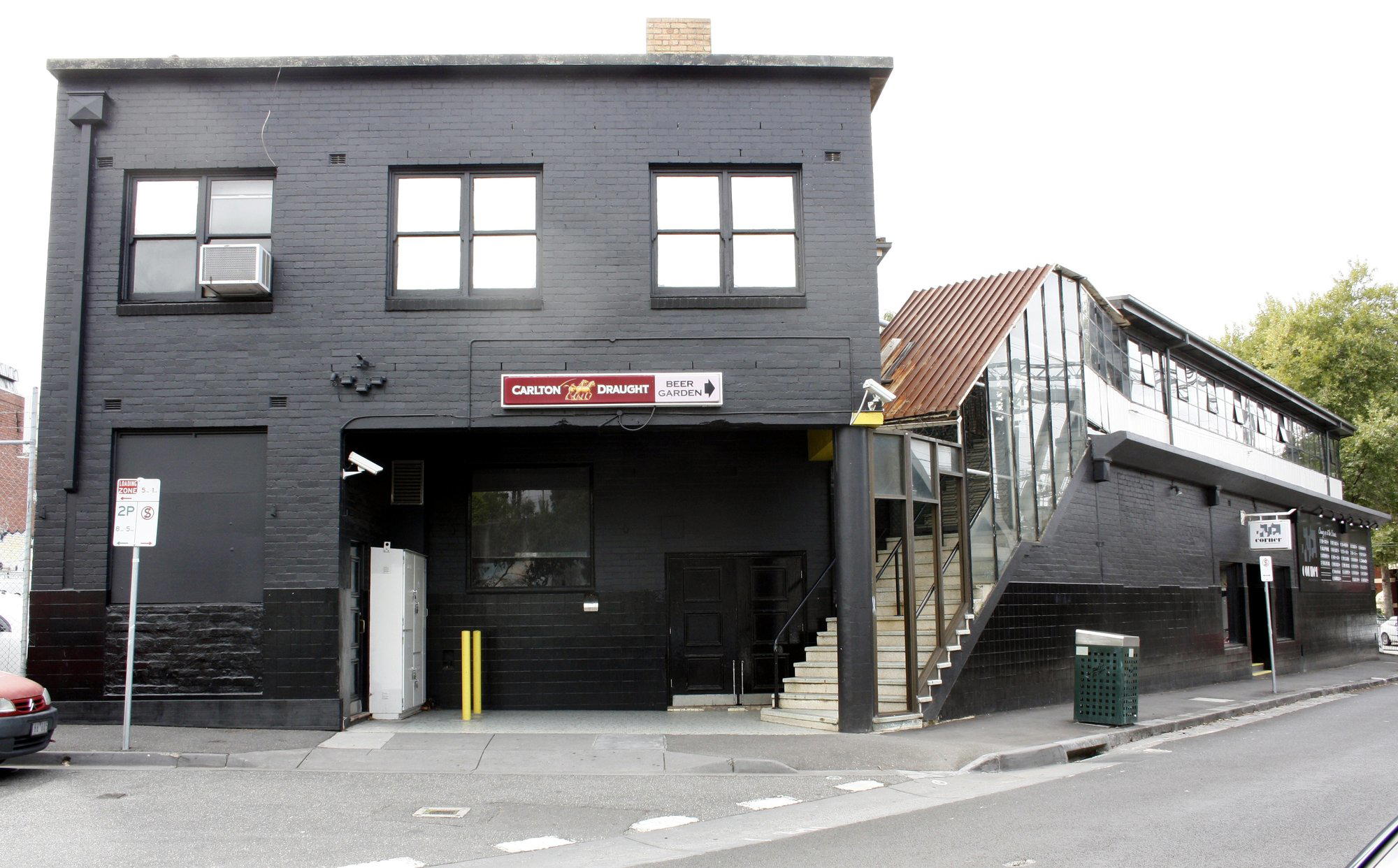
Swan Street After Dark: What Corner Hotel Says About Richmond's Pub Culture
Swan Street in Richmond operates as one of Melbourne's clearest illustrations of how inner-suburban pub culture has evolved without abandoning its working-class bones. The strip runs east from the Yarra River through a corridor of converted shopfronts, terrace houses, and Victorian-era commercial buildings, with Corner Hotel sitting at the eastern end of the action at number 57. The building itself reads as a late 19th-century corner pub, two storeys of brick with the kind of street presence that predates any deliberate design intervention. That architectural inheritance shapes everything about how the venue functions today.
Melbourne's inner suburbs have seen two competing forces reshape their hospitality stock over the past two decades: the conversion of heritage pubs into polished dining rooms, and the preservation of a rawer, less curated format anchored in live entertainment and draught beer. Corner Hotel belongs firmly to the second category. Where properties like Crown Metropol Melbourne in Southbank represent the city's appetite for large-scale, amenity-heavy hospitality, the hotel is the counterpoint, a multi-level venue whose identity is built around the music room in the back rather than any food and beverage program at the front.
The Building's Logic: How the Spaces Stack Up
The physical structure of the hotel maps onto a clear hierarchy of uses. The ground floor operates as a conventional pub, bar service, seating along the walls, foot traffic from Swan Street moving in and out. The rooftop, a later addition to the building's function if not its fabric, offers open-air drinking with views across Richmond's roofscape toward the city. The rear room is the venue's architectural and cultural centre of gravity: a dedicated live music space with a low ceiling, a stage pushed against the far wall, and a floor plan that puts the crowd close to the performers. That proximity is not incidental. It reflects a deliberate spatial choice that places the hotel within a specific tradition of mid-capacity Australian live music rooms, distinct from both the arena-scale venues and the small-bar format that has proliferated in Melbourne's inner city since licensing changes opened up the latter category.
Across Australia, the mid-sized live music room occupies a complicated position. Properties like The Tasman in Hobart or Capella Sydney sit at the premium hospitality end of their respective cities. The hotel operates in a different register entirely, closer in spirit to a heritage sports pub than a design-led property, but within its category, its multi-room format gives it a depth that single-space venues cannot replicate.
Richmond as a Suburb: Why the Location Matters
Richmond's Swan Street precinct draws a different crowd than the CBD's Flinders Lane bar district or Fitzroy's Brunswick Street. The suburb's population skews younger and more local than tourist-facing areas, and the hospitality that has grown up here reflects that: sports bars adjacent to the MCG, Vietnamese restaurants on Victoria Street to the north, and pubs like Corner Hotel that have served the suburb across multiple generations of residents. For visitors arriving from interstate or internationally, the area functions as a window into how Melbourne actually drinks and socialises, rather than how it presents itself to outside audiences.
Getting to the hotel is direct from most of Melbourne's inner east. Swan Street is served by multiple tram lines running from the CBD, and the address at number 57 is walkable from Richmond station. This logistical accessibility matters for a venue whose programming typically runs late, the ability to leave by public transport rather than car is a practical consideration that shapes who shows up and how long they stay.
For those comparing accommodation options in the broader Richmond area, the venue's immediate neighbourhood context is worth understanding. Unlike Virginia's Richmond, where Quirk Hotel Richmond, The Jefferson Hotel, Gather Scott's Addition, and The Preserve Sporting Club & Resort represent a distinct US market, Melbourne's Richmond is a dense inner suburb where staying close to Swan Street puts you within reach of the Yarra River trails, the MCG, and some of the city's better casual dining. Visitors based further out in properties like The Calile in Brisbane who are travelling to Melbourne specifically for live music would do well to seek accommodation within Richmond or immediately adjacent Collingwood rather than defaulting to the CBD.
Where Corner Hotel Sits in the Australian Hospitality Picture
Australia's premium hospitality market has fragmented in interesting ways. At one end, destination properties like Southern Ocean Lodge in Kingscote, Wildman Wilderness Lodge in Marrakai, and Cape Lodge in Wilyabrup command serious rates for immersive nature-based experiences. At the other end, heritage urban pubs like Corner Hotel operate on volume and repeat custom, with pricing that reflects their local-institution positioning. These are not competing categories, they serve fundamentally different trip types. But understanding where the hotel sits in that spectrum clarifies what kind of Melbourne experience it enables.
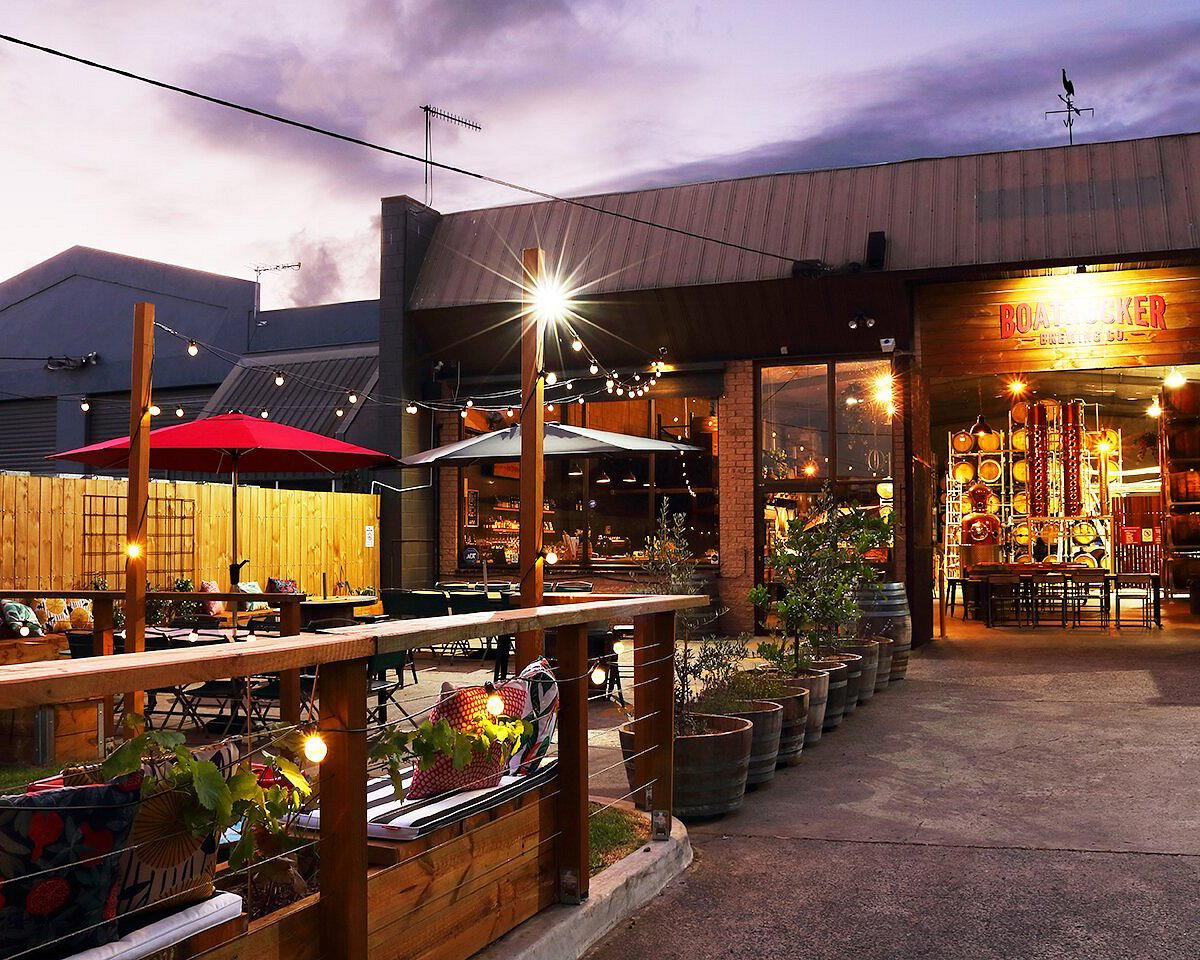
The venue's appeal lies in its ground-floor pub, basement band room, and rooftop terrace. Within that set, the combination of the street-level pub, the rooftop, and the rear room gives it a flexibility that single-format venues lack. You can arrive before a show, drink on the rooftop, move to the floor for the performance, and return to the bar afterward without leaving the building, a self-contained evening in a building that was probably designed for something else entirely.
The hotel is the urban counterpoint: a working pub that has outlasted most of its Swan Street contemporaries by doing one thing consistently.
Quick Comparison
Comparable venues nearby, for context on price, style, and recognition.
| Venue | Cuisine | Price | Awards | Notes |
|---|---|---|---|---|
| Corner HotelThis venue — the venue you are viewing | :null | $ | Not listed | Not listed |
| Hilton Adelaide East End | New-build flagship within a mixed-use CBD precinct, blending hotel, residential, and lifestyle uses in a connected urban hub. | Not listed | Not listed | Adelaide CBD (East End) |
| Avani Mooloolaba Beach Hotel | Full-service, design-forward coastal hotel from an international lifestyle brand, positioned as a contemporary beach escape in the heart of Mooloolaba. | $$$ | Not listed | Mooloolaba |
| Best Western Melbourne City Hotel | Quaint inner-city home away from home in historic European-style building. | $$ | 3-Star | Melbourne |
| Radisson Perth | Upscale urban hotel embedded in a mixed-use ‘connected village’ precinct serving both corporate and leisure guests. | $$$ | Not listed | West Perth / Sydney Charles Quarter (SCQ) |
| Regent Melbourne | Modern upper‑luxury hotel created through the transformation of a historic city property with extensive event and lifestyle facilities. | $$$$ | Not listed | Melbourne |
Continue exploring
More in Richmond
Hotels in Richmond
Browse all →
Bars in Richmond
Browse all →
Restaurants in Richmond
Browse all →

At a Glance
- Lively
- Energetic
- Well Known
- Celebration
- Rooftop
- Terrace
- Live Music
- Street Scene
Current opening hours
- Monday
- Closed
- Tuesday
- 12 PM–1 AM
- Wednesday
- 12 PM–1 AM
- Thursday
- 12 PM–1 AM
- Friday
- 12 PM–3 AM
- Saturday
- 12 PM–3 AM
- Sunday
- 12 PM–1 AM
Hours can change for holidays and private events. Last verified .
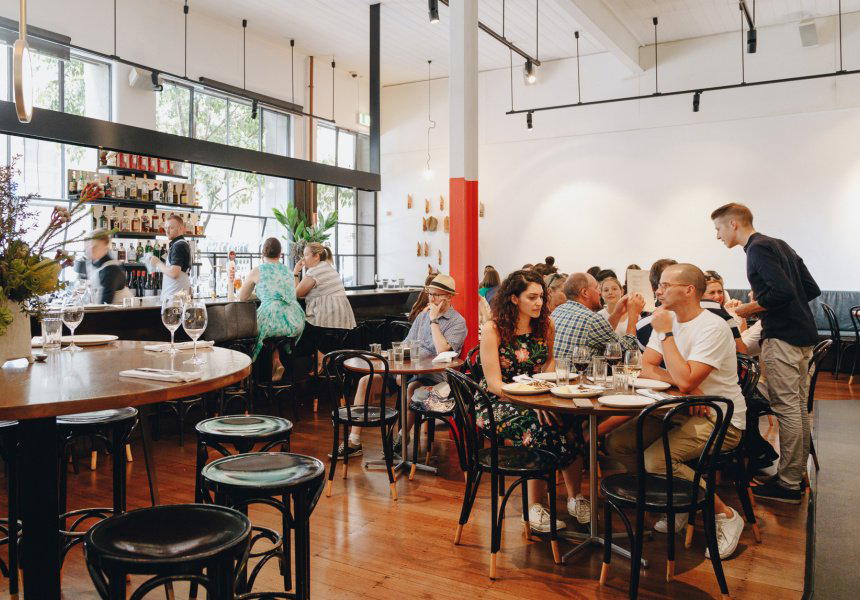
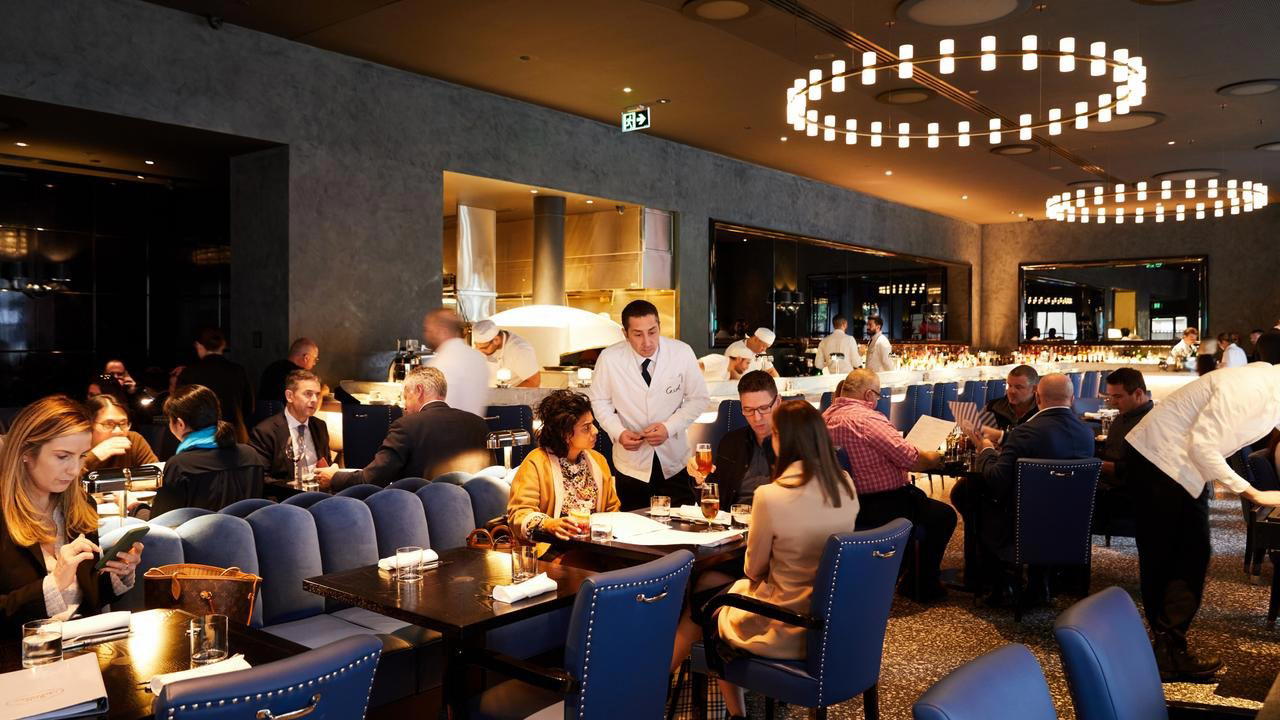
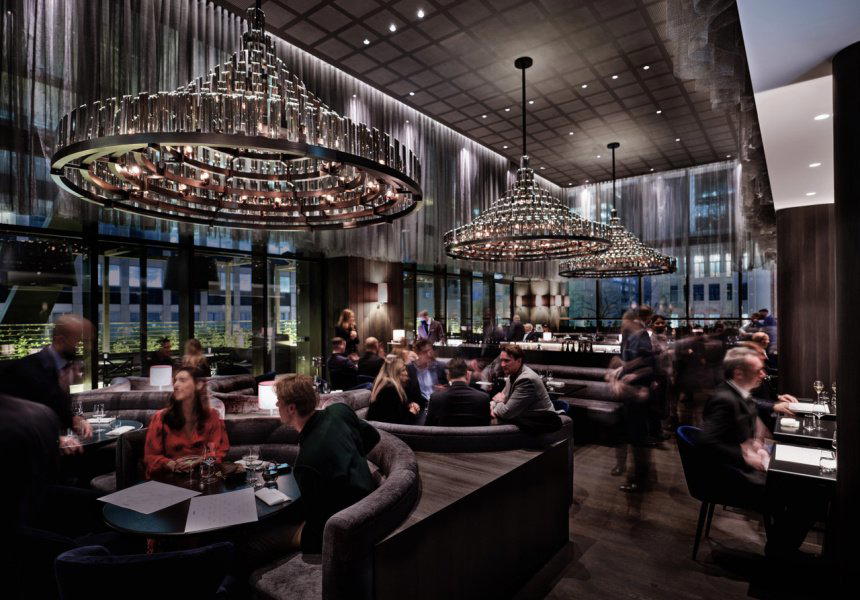
Lively and energetic atmosphere with live rock music, crowded with footy fans and concert-goers, moderate noise levels.