A Dining Program Rooted in the Gorge's Produce Geography
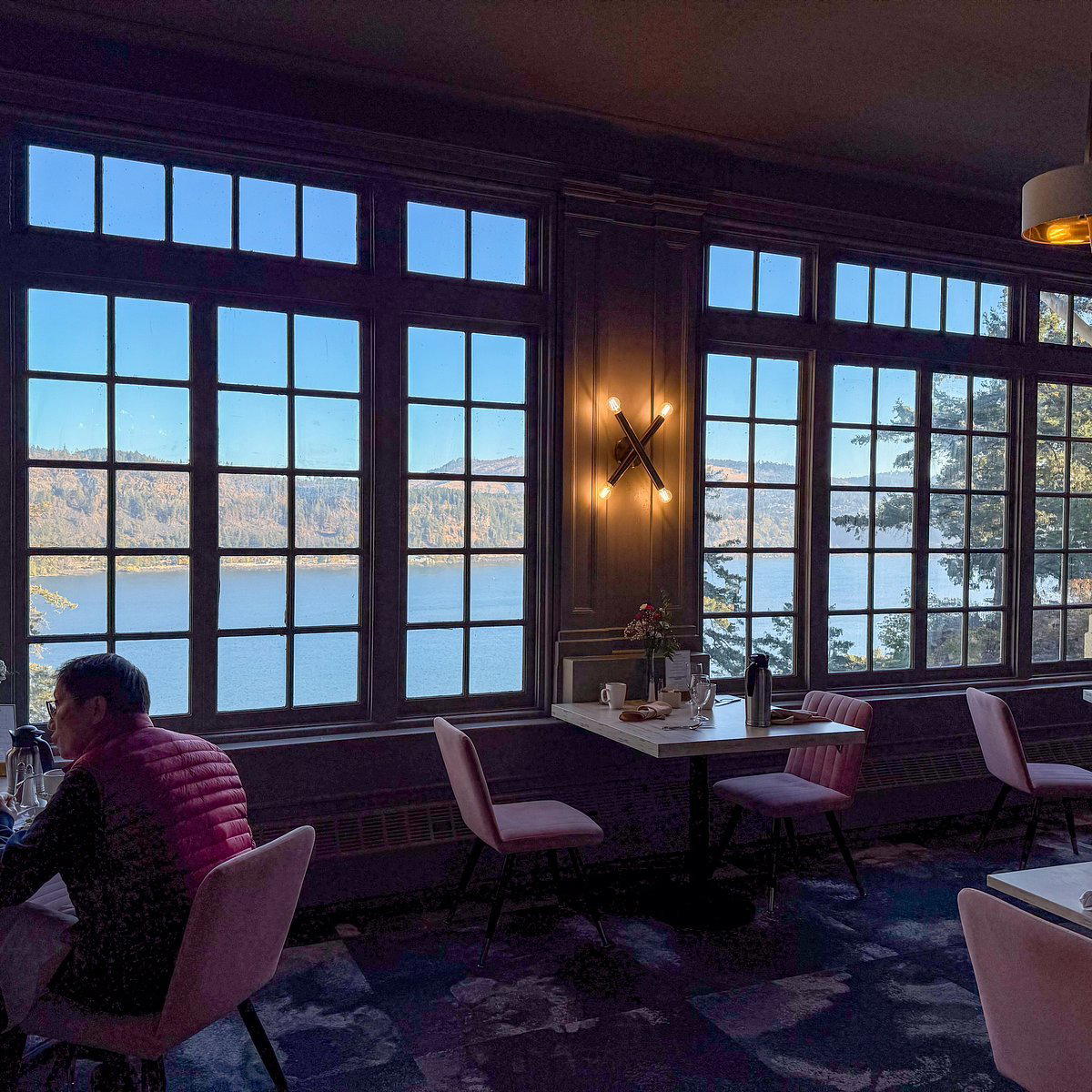
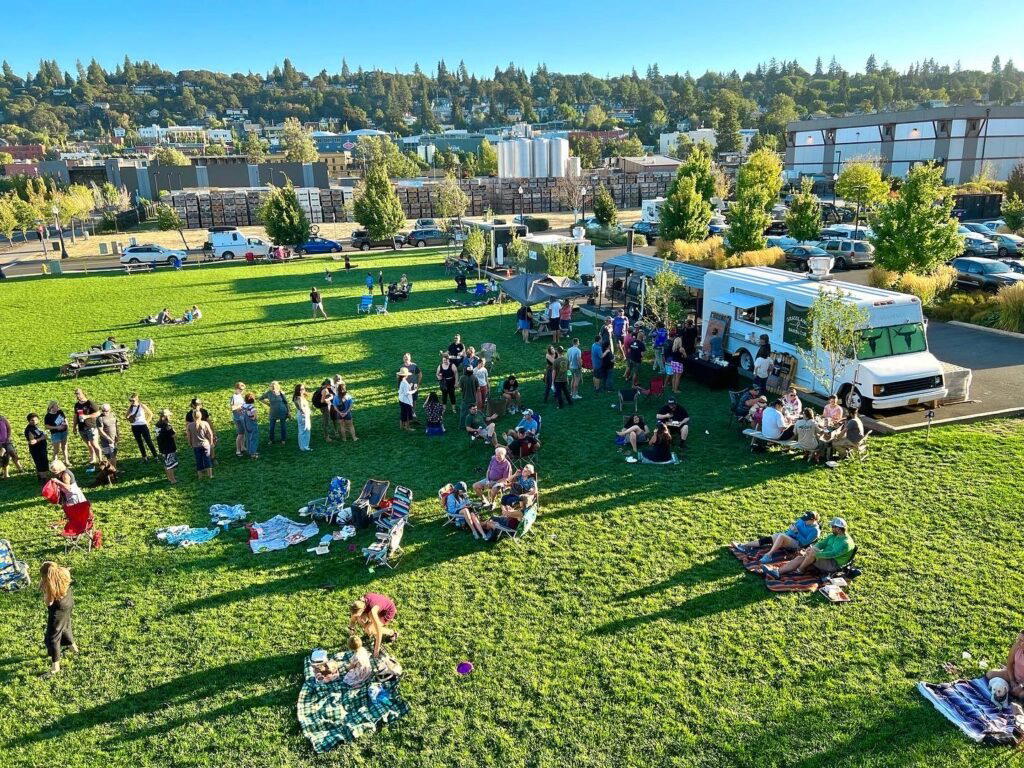
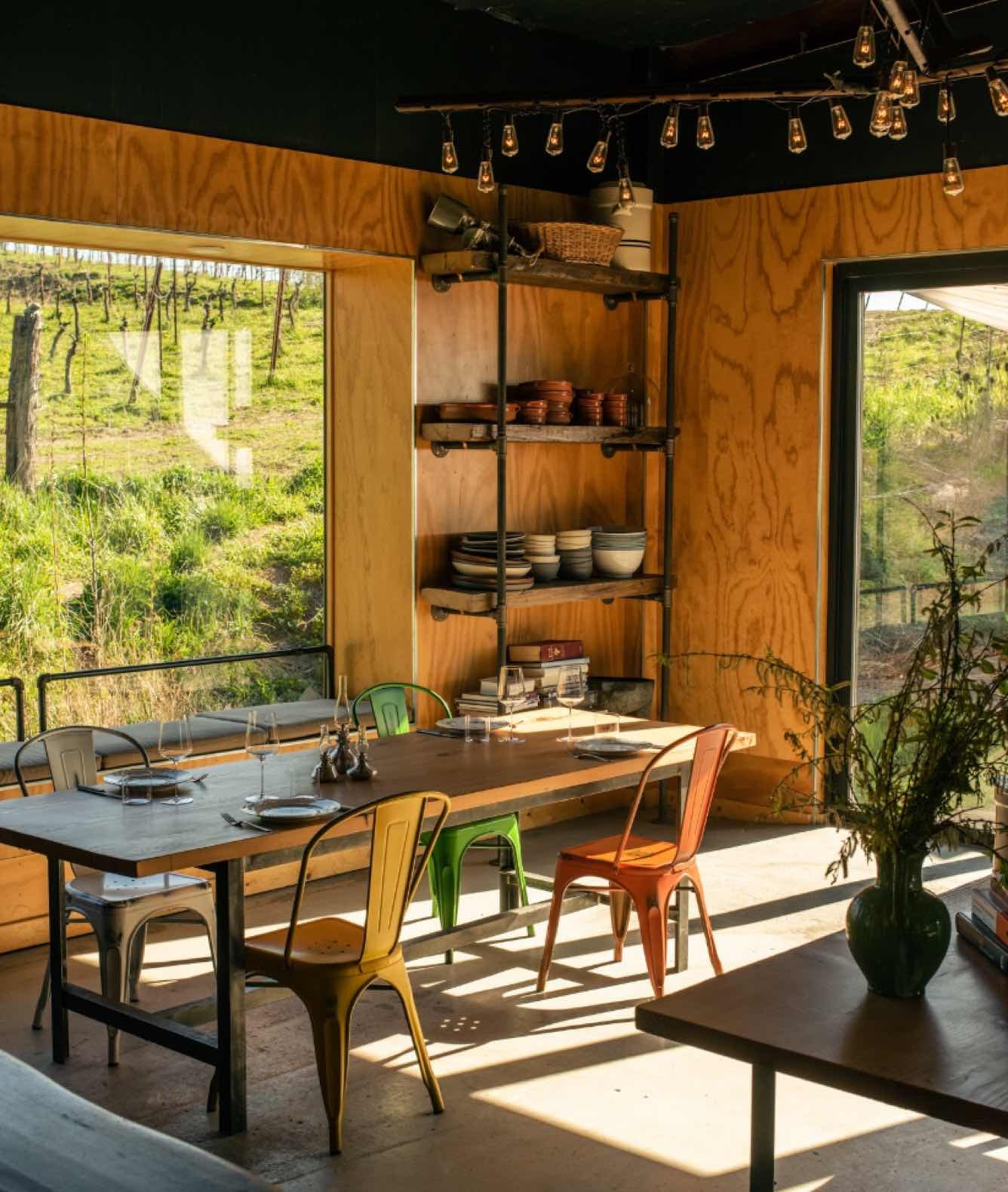
The Columbia River Gorge is one of the more agriculturally specific micro-regions in the Pacific Northwest. Hood River County is Oregon's dominant tree-fruit producer, the valley floor below the hotel is almost entirely in cherry, pear, and apple orchards, and the broader gorge is close enough to the Willamette Valley wine region and Washington's Columbia Valley AVAs that local sourcing is a structural advantage rather than a marketing exercise. Boutique hotels at this price tier in this geography almost inevitably build their dining programs around that supply chain, because the alternative (importing luxury ingredients from Portland or beyond) would miss the point of the setting entirely.
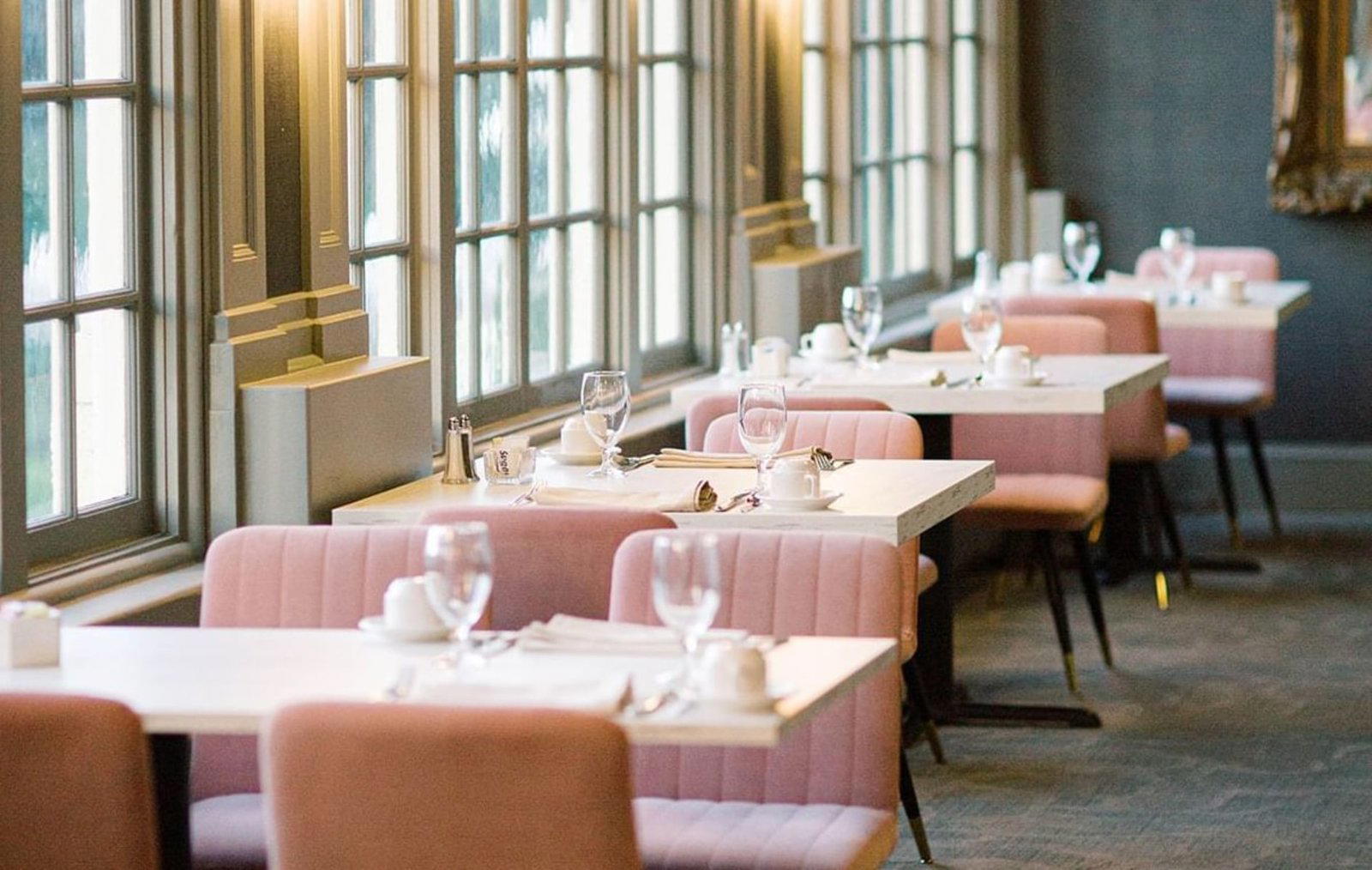
For guests approaching the Columbia Gorge Hotel specifically for its dining, the context matters: this is not a property competing with urban tasting-menu destinations like those anchored around restaurants in Portland or Seattle. The comparison set is closer to Blackberry Farm in Walland or Bernardus Lodge & Spa in Carmel Valley, hotels where the restaurant's identity is inseparable from the land immediately around it, and where the dining room exists to extend the guest's relationship with a specific place rather than to showcase a celebrity chef's signature. That model tends to reward guests who stay two or more nights, because the logic of the food program becomes clearer across multiple meals.
Hood River's position on the gorge also means the property sits at a natural junction for wine. Oregon's Willamette Valley Pinot Noir is roughly 60 miles to the southwest; Washington's Columbia Valley, producing Cabernet-dominant blends at a different stylistic register, begins just across the river. A hotel dining program in Hood River has the unusual opportunity to sit between two major Pacific Northwest wine regions without belonging entirely to either. For guests interested in exploring that contrast, our full Hood River restaurants guide maps the broader food and drink context across the town.
Oregon's Leading Boutique Hotel: What the 2025 Award Signals
The World Travel Awards named the Columbia Gorge Hotel & Spa Oregon's Leading Boutique Hotel for 2025. In the context of Oregon's hospitality market, that recognition places the property above a competitive field that includes design-led urban hotels in Portland and a growing number of wine-country retreats in the Willamette Valley. The boutique designation is meaningful here: Oregon has a significant tier of independent properties that compete against each other on character and setting rather than on brand infrastructure, and the Columbia Gorge Hotel has held its position in that field across multiple award cycles.
For comparison, the comparable set of U.S. boutique hotels earning regional leadership recognition at the same award tier includes properties like Troutbeck in Amenia and Inn at the Gorge, both of which operate in the same broad model of historic-house hotels with strong regional identity. The Columbia Gorge Hotel's longevity, the building dates to the early twentieth century, gives it a physical authenticity that newer properties cannot replicate regardless of investment in design. That is a structural advantage in the boutique category, where historical credibility carries weight with guests who have already stayed in the newer generation of hospitality products.
The Spa and the Setting: How the Property Functions as a Destination
Gorge hotels occupy a specific position in the Pacific Northwest's outdoor travel circuit. Hood River is a world-calibrated windsurfing and kiteboarding destination, the wind corridor through the gorge is among the more consistent in North America, and the surrounding area draws hikers, cyclists, and fruit-harvest visitors across a long shoulder season that runs from late spring through October. A hotel with a spa program in this context serves two distinct guest types: those arriving after physical exertion outdoors and those using the hotel as an anchor for a slower, landscape-focused stay.
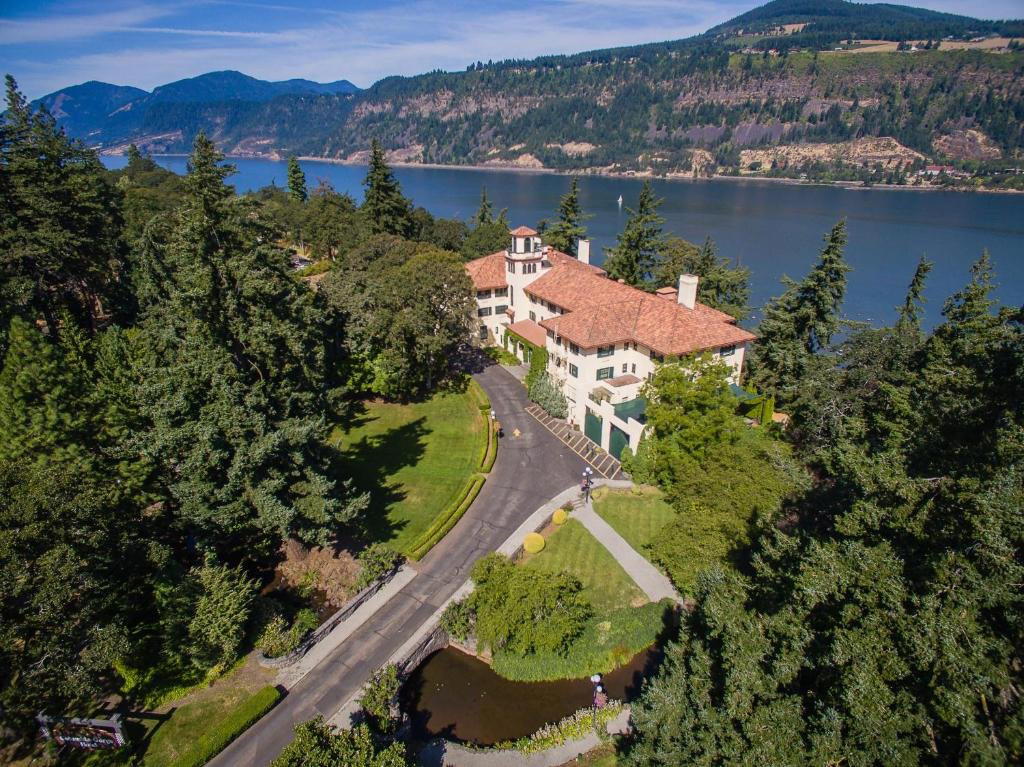
The cliff-leading location shapes both use cases. The physical separation from Hood River's downtown, which sits about a mile east along the river, creates a sense of remove that more centrally located properties in the gorge cannot offer. That remove is the functional equivalent of what properties like Amangiri in Canyon Point or Sage Lodge in Pray build into their siting strategy: the landscape is the primary amenity, and the hotel's role is to keep guests inside that landscape rather than routing them back toward a town center.
For guests benchmarking against other spa-and-scenery properties across the American West, the Columbia Gorge Hotel sits in a more accessible price register than destinations like Canyon Ranch Tucson in Tucson or Kona Village, A Rosewood Resort in Kailua Kona, which operate at the upper end of the wellness-destination category. That positioning makes the gorge property a practical entry point for the hotel spa format without requiring the full commitment of a dedicated wellness retreat booking.
Planning Your Stay
Hood River is accessible by car from Portland in approximately one hour via Interstate 84 east along the Columbia River, a drive that is itself a reasonable preview of the gorge scenery. The town has an Amtrak stop on the Empire Builder route connecting Portland to Chicago, which makes rail travel a viable option for guests coming from the west. The hotel's address at 4000 Westcliff Drive places it on the western approach to Hood River, slightly above the main commercial district on a promontory overlooking the river.
Timing matters in the gorge. Late spring and early summer bring the fruit blossom season, when the orchards below the hotel are in full color and the temperatures are moderate. Summer is the high season for water sports, with the gorge's wind corridor most active through July and August; accommodation books out earlier in that window. Autumn harvest season, running through October, is one consistent period for dining-program guests, as local produce supply peaks alongside more stable weather. Guests considering similar historic-house-hotel experiences in other American destinations might also look at Chicago Athletic Association in Chicago or Alpine Falls Ranch in Superior for a different regional register.
Reservations are best made directly through the hotel's own channels; availability in peak season tightens several weeks in advance.