Aman Sveti Stefan

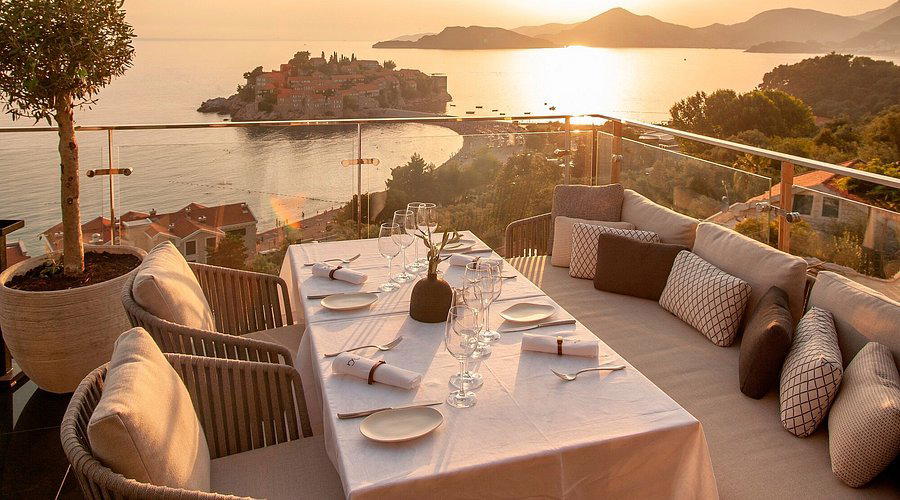
Aman Sveti Stefan occupies one of the Adriatic's most architecturally arresting settings: a 15th-century island village, connected to the Montenegrin coast by a narrow causeway, converted into a private resort by Aman. Recognised on the La Liste Top Hotels 2026 list with 93 points, the property operates across the island itself and the mainland Villa Milocer estate, placing it in a category with almost no direct regional comparators.
Pearl is the En Primeur Club membership app — saves, bookings, and concierge access live there. Same editors, same standards.
- Address
- Villa Milocer, Aman, Sveti Stefan 85315
- Phone
- +382 33 420 000
- Website
- aman.com
- Directions
- Get directions
 Saves & bookings on Pearl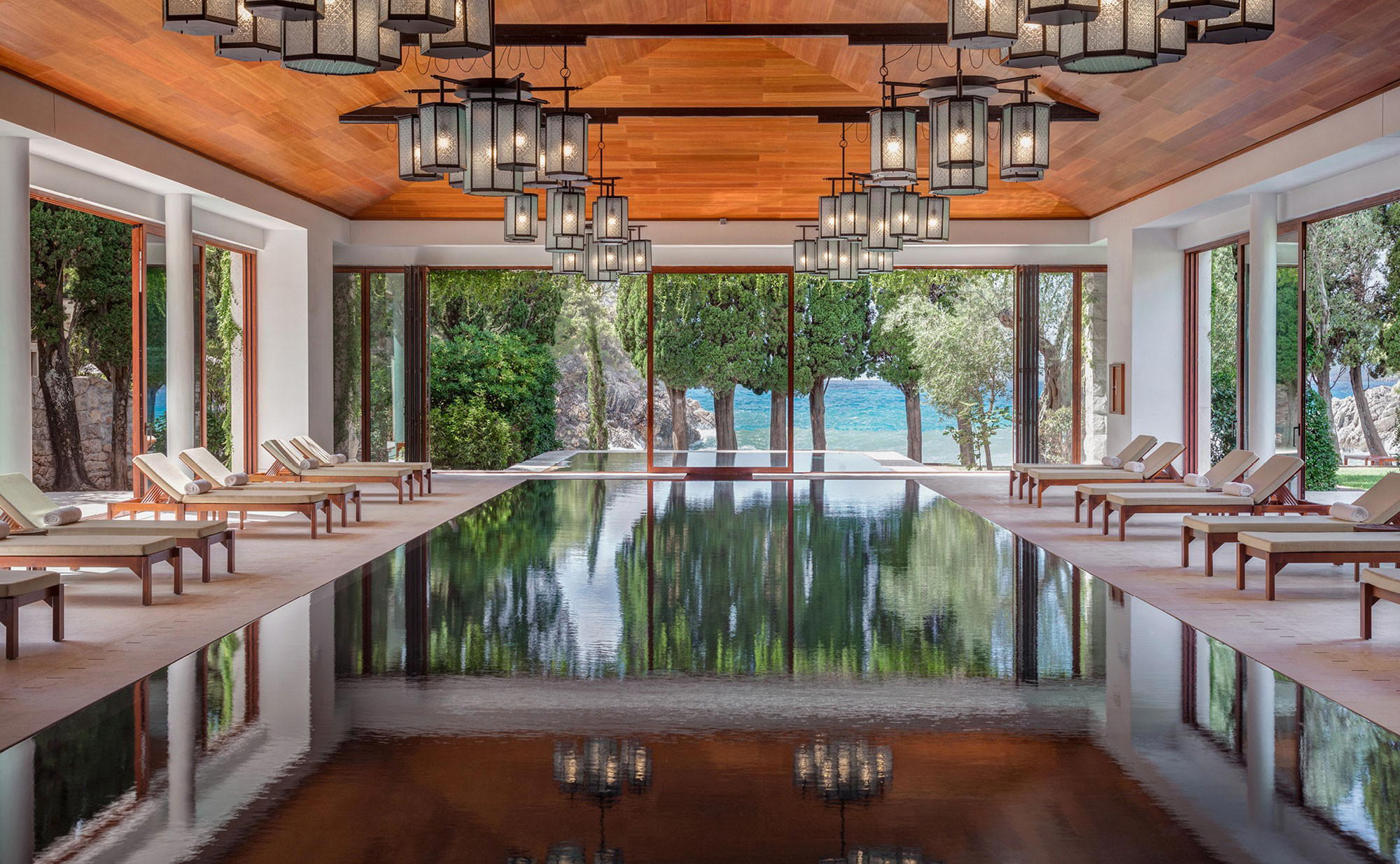
A Fortified Village Repurposed as a Resort
Most luxury hotels are built. Aman Sveti Stefan was inherited. The island of Sveti Stefan dates to the 15th century, when Montenegrin families built a fortified fishing settlement on a small rocky outcrop off the Adriatic coast. That cluster of stone houses, churches, and cobbled lanes remained more or less intact for five centuries before being converted into a hotel in the 1950s under Yugoslav state tourism, and later taken over by Aman Resorts, which operates it today as among the more architecturally distinctive properties in its global portfolio. Approaching from the mainland, the visual impact is immediate: a compact medieval skyline rising from the sea, linked to the shore by a narrow causeway, surrounded by Adriatic water on three sides. There is no equivalent configuration in European hospitality.
The architecture is not a restoration project in the conventional sense. Aman did not impose a new aesthetic on the island; it preserved the existing stone fabric, adapting the interiors of individual cottages and villas into guest accommodation while retaining the village's original geometry. Narrow lanes remain narrow. Stone walls remain unplastered. The result is a property that reads as a place with six centuries of history rather than one built to evoke it. That distinction matters in a market where Adriatic luxury has expanded rapidly, with newer entrants like Portonovi Resort in Herceg Novi and Ananti Resort Residences & Beach Club in Reževići constructing their identities from the ground up. Aman Sveti Stefan's architectural authenticity is not manufactured.
The Villa Milocer Estate and the Two-Part Property
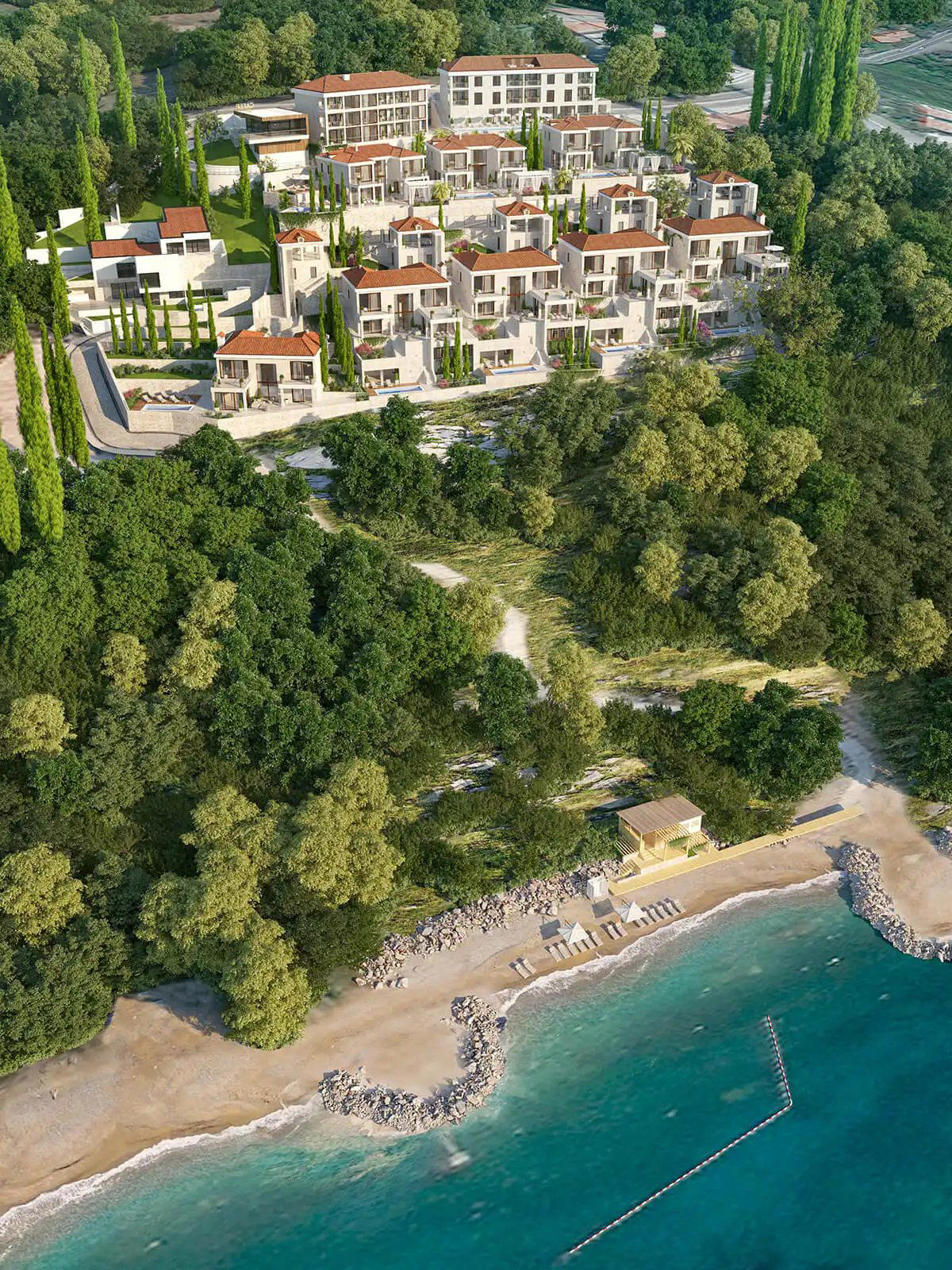
The island component is only half the picture. Aman Sveti Stefan also encompasses Villa Milocer, a royal estate set on the mainland directly opposite the island. Built in the 1930s as a summer residence for the Yugoslav royal family, Villa Milocer adds a second architectural register to the property: formal gardens, a pale stone manor house, and direct beach access. The contrast between the dense medieval fabric of the island and the open, garden-set formality of Villa Milocer gives the property an unusual dual character. Guests staying at the island experience the village lanes and refined sea views; those at Villa Milocer get broader grounds, mature trees, and proximity to one of the coast's quieter stretches of beach.
This two-site structure places the hotel in a different operational category from single-footprint properties like Dukley Hotel & Resort in Budva or the smaller Villa Geba nearby. The division of accommodation across two historically distinct sites means the property effectively operates two separate guest experiences within one reservation context. For the Adriatic region, that kind of spatial complexity is unusual.
Recognition and Regional Position
The hotel appears on the La Liste Top Hotels 2026 ranking with a score of 93 points, placing it in the upper tier of that list's global coverage. La Liste's methodology draws on aggregated critical data and professional assessments rather than self-reported metrics, making a 93-point score a credible external benchmark. Within the Montenegro market, no other property carries comparable international recognition at that level. Properties like Mamula Island by Banyan Tree and Regent Porto Montenegro in Tivat operate at the premium end of the regional tier but sit in a different competitive register.
Across the broader Aman portfolio, the Sveti Stefan property occupies a distinctive position precisely because of its heritage architecture. Other Aman openings in urban contexts, such as Aman New York and Aman Venice, work with converted historic structures, but neither involves the wholesale adaptation of an entire inhabited settlement. The Sveti Stefan project remains one of the group's most complex adaptive reuse exercises in terms of architectural scope.
Where It Sits Among European Luxury Hotels
European luxury hospitality has several established models: the grand city palace hotel, the coastal resort built to command its location, the converted rural estate. The hotel fits none of these cleanly. Its closest structural analogues are island-based or heritage-village properties, a category with few entrants globally. Among La Liste-recognised hotels in Europe, the 93-point score places it alongside properties that include Hotel Du Cap-Eden-Roc in Cap d'Antibes and Hôtel de Paris Monte-Carlo in terms of tier, though those properties operate different guest formats. What connects them is a shared position at the summit of their respective regional markets and a physical identity that has become inseparable from their reputations.
The Adriatic coast has attracted significant hospitality investment over the past decade, but Montenegro specifically remains less developed than Croatia or Greece. That relative scarcity of infrastructure keeps Sveti Stefan in a category of its own within the country, even as the surrounding region grows. Travellers comparing options for an Adriatic stay will find that heritage-conversion properties at this price tier share certain operational characteristics: low key counts, a design logic derived from the existing structure, and a guest experience shaped by place before amenity.
Planning a Stay
The property's address is Villa Milocer, Aman, Sveti Stefan 85315.
At-a-Glance Comparison
Comparable venues nearby, for context on price, style, and recognition.
| Venue | Cuisine | Price | Awards | Notes |
|---|---|---|---|---|
| Aman Sveti StefanThis venue — the venue you are viewing | Historic seaside stone village restored with contemporary minimalist interiors | $$$$ | 5-Star | Not listed |
| Villa Geba | Luxury boutique hotel with curated design by renowned French designer Claudia Ravnbo, blending contemporary elegance with Mediterranean influences. | $$$$ | Michelin 1 Key | Sveti Stefan |
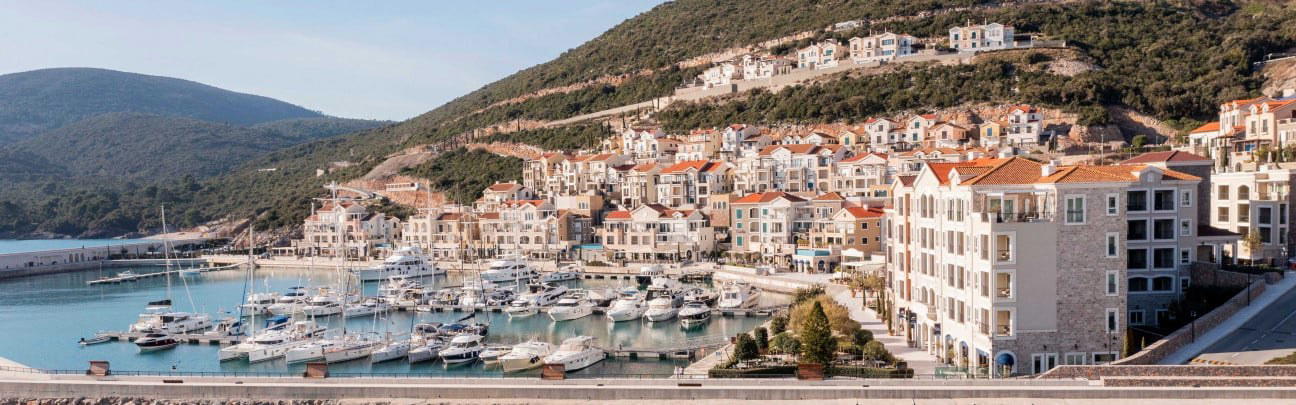
| Lazure Hotel & Marina | Heritage-meets-modern luxury boutique resort blending 18th-century Venetian architecture with contemporary design and minimalist aesthetics. | $$$$ | 5-Star | Meljine, Herceg Novi |
| Ananti Resort Residences & Beach Club | Contemporary luxury beachside resort with suites and independent villas | $$$$ | 5-Star | Reževići |
| Dukley Hotel & Resort | luxury beachfront resort | $$$$ | 5-Star | Zavala Peninsula |
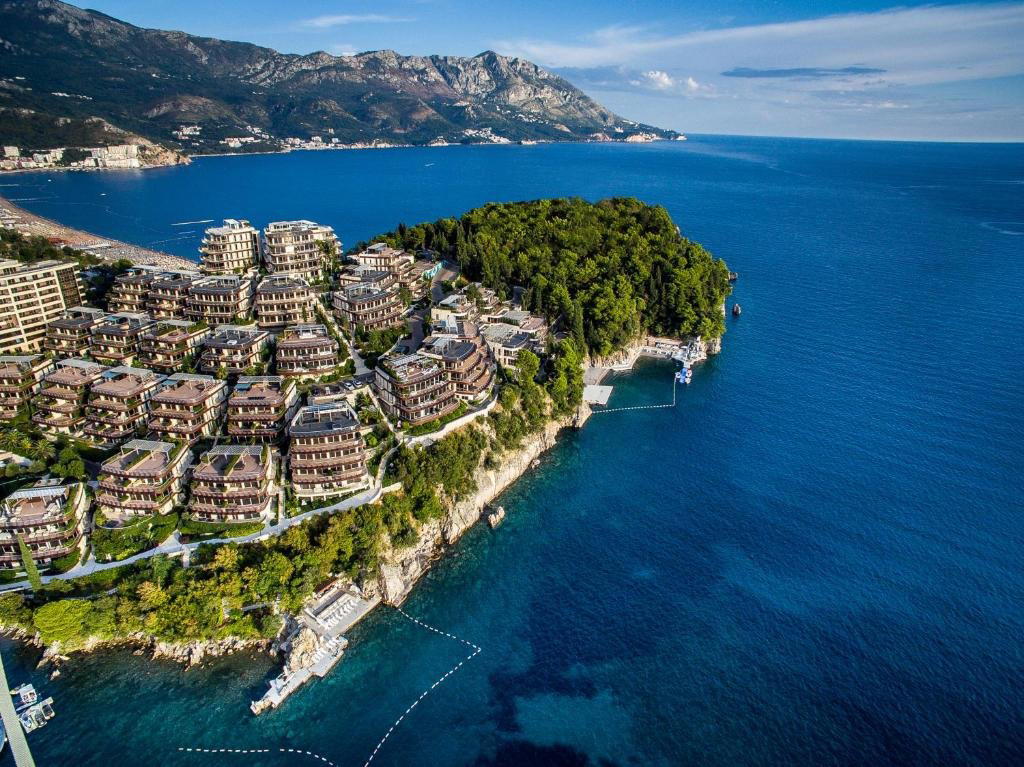
| Portonovi Resort | Venetian-inspired luxury resort with marina apartments | $$$$ | 5-Star | Kumbor |
Recognition history
Dated appearances from independent guides and award organizations, with the underlying list record or original source where available.
La Liste Top Hotels
La Liste
Continue exploring
More in Sveti Stefan
Hotels in Sveti Stefan
Browse all →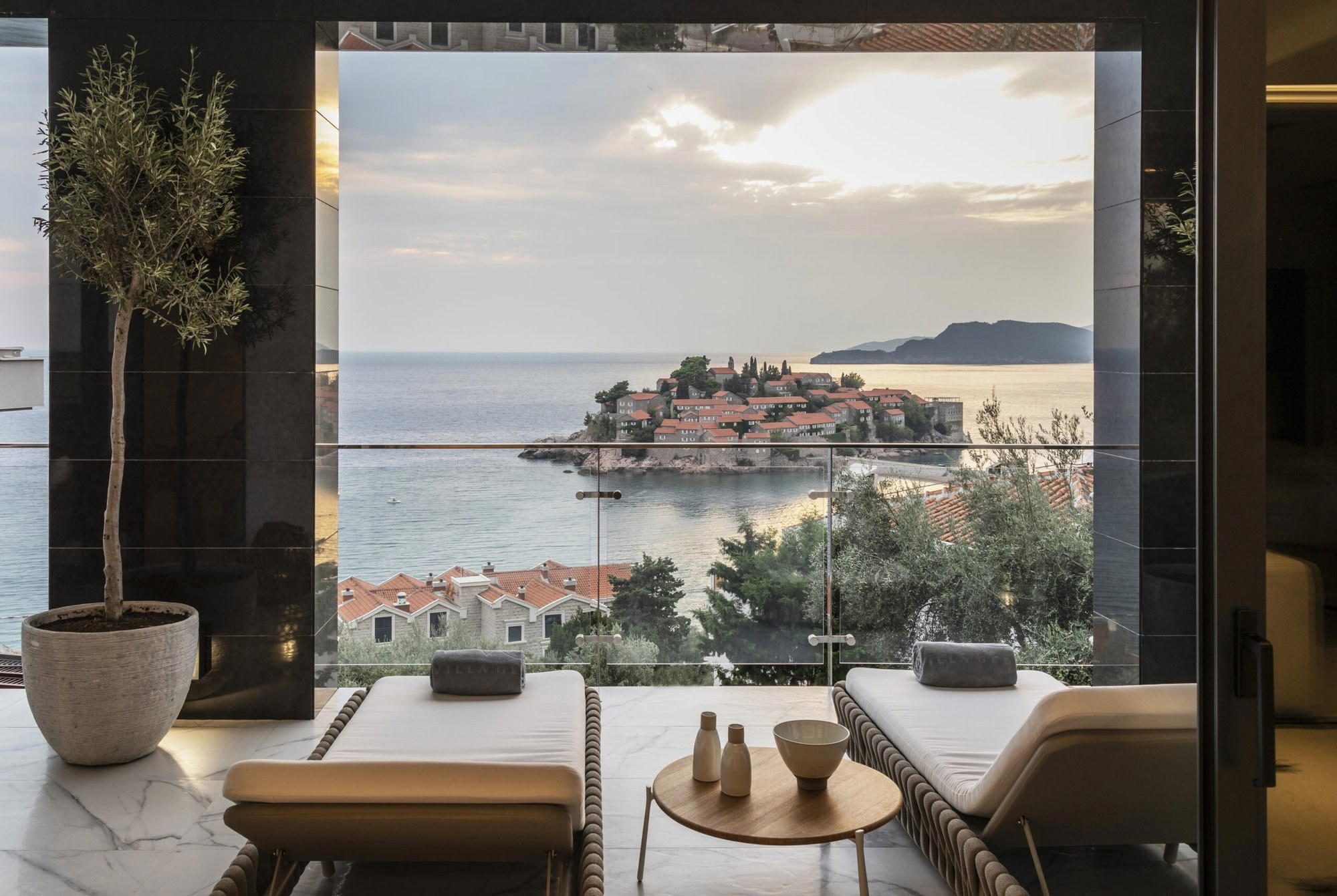
Bars in Sveti Stefan
Browse all →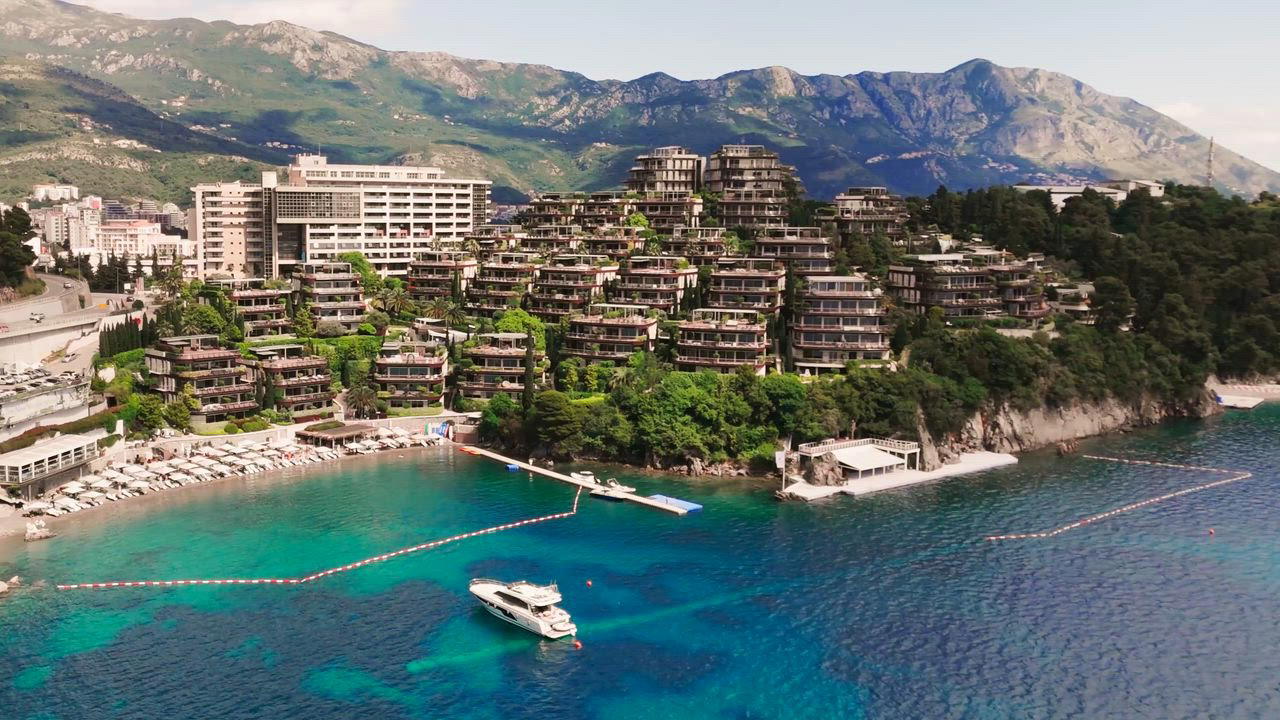
Restaurants in Sveti Stefan
Browse all →
Wineries in Sveti Stefan
Browse all →
At a Glance
- Romantic
- Scenic
- Elegant
- Sophisticated
- Ornate
- Intimate
- Quiet
- Honeymoon
- Romantic Getaway
- Anniversary
- Wellness Retreat
- Weekend Escape
- Beachfront
- Private Villa
- Infinity Pool
- Destination Spa
- Panoramic View
- Historic Building
- Wi Fi
- Pool
- Spa
- Fitness Center
- Room Service
- Concierge
- Valet Parking
- Beach Access
- Waterfront
- Mountain
- Wi Fi
- Pool
- Spa
- Fitness Center
- Room Service
- Concierge
- Valet Parking
- Beach Access
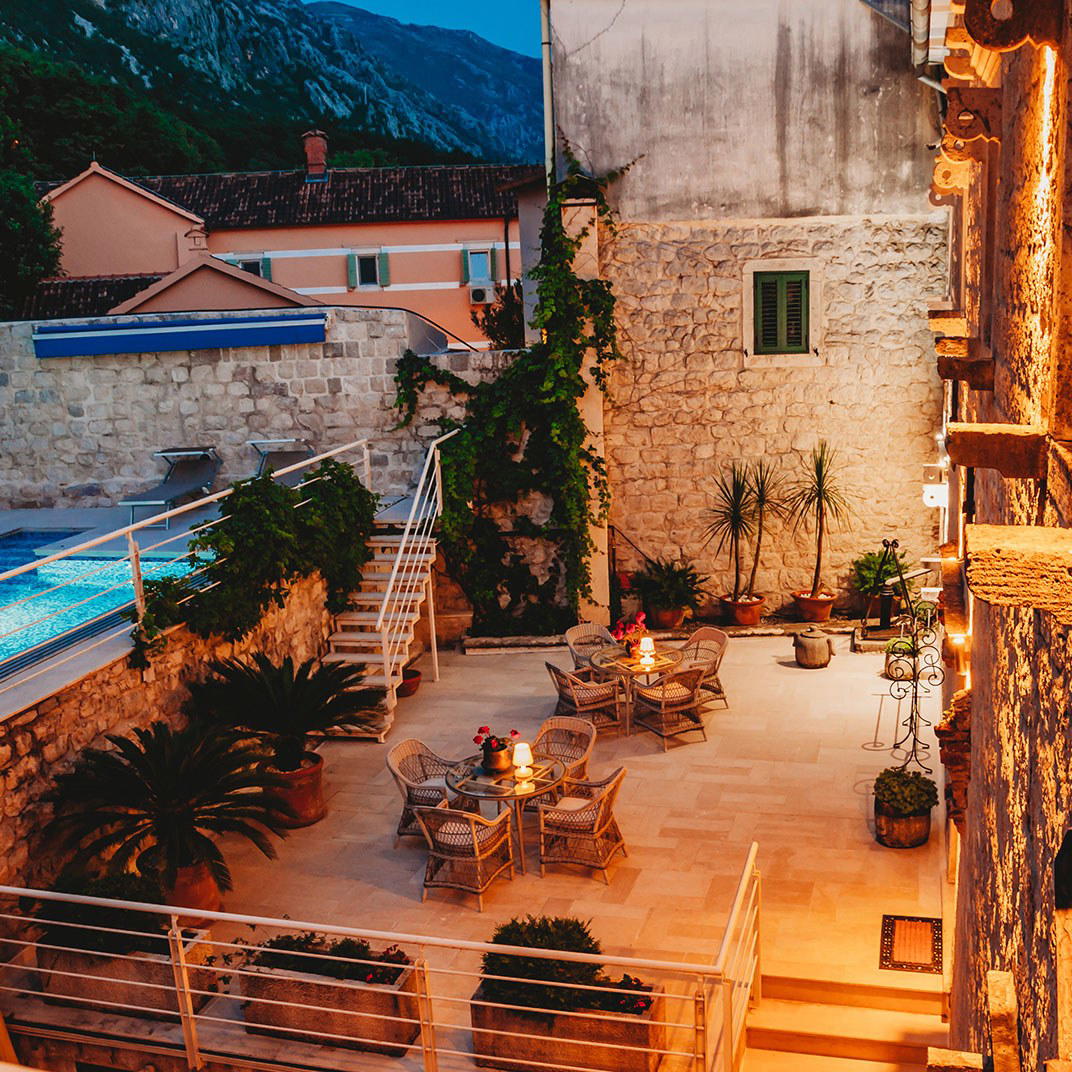
Romantic and tranquil with exposed stone walls, wooden-beamed ceilings, soft natural lighting, and a sense of calm luxury.