Discover the exclusivity of Chateau Margaux Tasting at Bordeaux's premier wine estate. Plan ahead to experience the renowned Chateau Margaux Tasting.
Château Margaux is one of Bordeaux’s most prestigious wine estates, known for its Premier Grand Cru Classé status since 1855.
Located in the Margaux appellation of Gironde, France, it produces four wines: the well-known Grand Vin, the approachable Pavillon Rouge, the distinctive Pavillon Blanc (a 100% Sauvignon Blanc), and the accessible Margaux du Château Margaux. Visits are exclusive, requiring advance appointments with tastings limited to wine professionals. The estate blends its historic roots with modern practices, as seen in its innovative Nouveau Chai facility and preserved architectural landmarks like the Vinothèque and the Orangery. Plan ahead if you wish to experience tasting at the well-known Chateau Margaux estate.
Château Margaux crafts four distinct wines, each a testament to the estate's expertise and its ability to balance tradition with modernity. These wines not only reflect the distinctive characteristics of the terroir but also embody the winemaking philosophy that has solidified Château Margaux's reputation as one of Bordeaux’s leading Premier Grand Cru Classé estates.
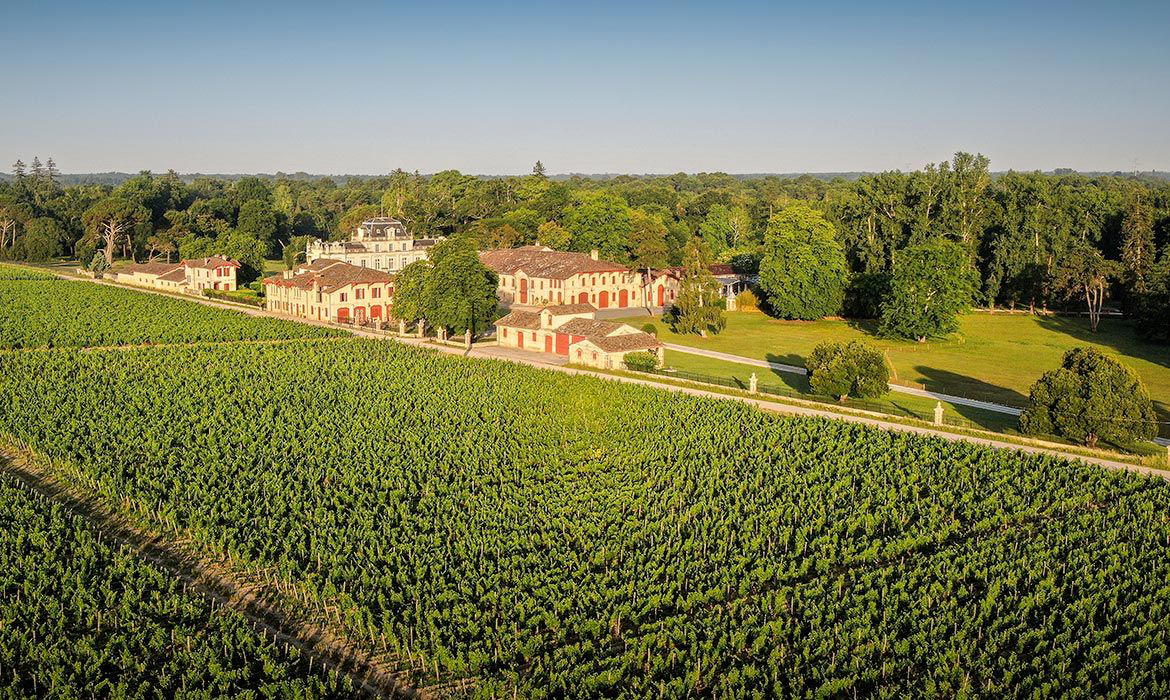
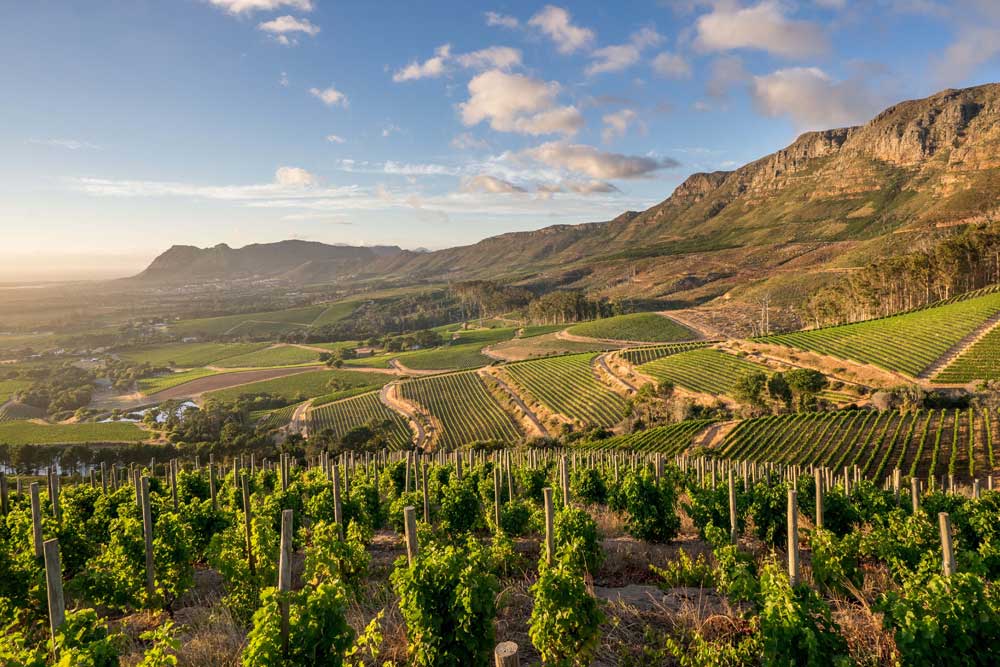
Vineyards in Bordeaux
The estate seamlessly blends age-old practices with contemporary techniques, resulting in wines that collectors and enthusiasts treasure year after year. Each of these four wines plays a vital role in maintaining Château Margaux's legacy of excellence.
The 4 Main Wines
The Grand Vin (Château Margaux) is the estate's crown jewel. Known for its elegance and complexity, this wine represents everything that has made Château Margaux well-known. With a blend of Cabernet Sauvignon, Merlot, Petit Verdot, and Cabernet Franc - proportions that vary by vintage - it offers notable aging potential and a refined balance that sets it apart.
Pavillon Rouge du Château Margaux acts as the estate's second wine, crafted to be more approachable in its youth while still upholding the estate’s high standards. Made from fruit sourced from younger vines or parcels that don’t meet the rigorous criteria for the Grand Vin, Pavillon Rouge features softer tannins and a readiness to enjoy sooner, making it an excellent introduction to the Margaux terroir.
Pavillon Blanc du Château Margaux is a standout in Bordeaux, being a 100% Sauvignon Blanc wine. This white wine highlights the versatility of the estate, showcasing its ability to produce more than just notable reds. Over time, it develops intricate mineral notes, proving that Château Margaux’s expertise extends beyond traditional Bordeaux expectations.
Margaux du Château Margaux, introduced in 2009, is the estate's third wine. This addition allows for even greater precision in selecting grapes for the Grand Vin and Pavillon Rouge while offering a more accessible option for those looking to experience the estate’s craftsmanship.
Premier Grand Cru Classé Status Explained
The Premier Grand Cru Classé designation is more than just a title - it’s a mark of prestige and exclusivity that elevates Château Margaux to the pinnacle of Bordeaux winemaking. This classification not only highlights the estate's unusual quality but also explains its selective visitor policies, ensuring that its legacy and exclusivity remain intact.
For collectors and investors, this status underscores the estate’s enduring value and the distinctive experience tied to its wines. The classification is a key reason why Château Margaux continues to be a benchmark of excellence in the world of fine wine.
Visiting Château Margaux is a special experience, but it does require careful planning. As among the more prestigious wine estates in the world, appointments are mandatory to ensure a smooth and exclusive visit.
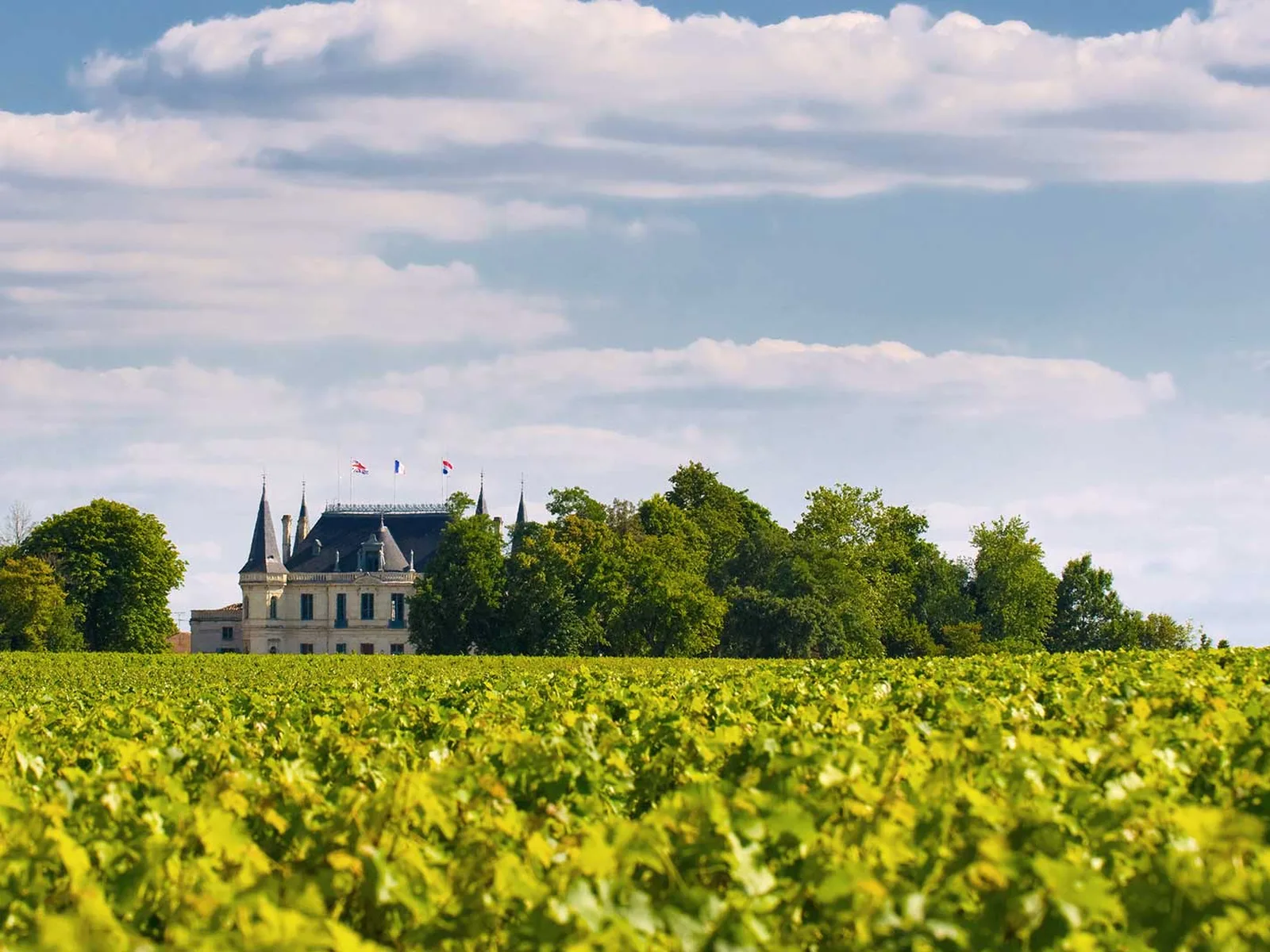
Vineyards in Bordeaux
Visit Requirements and Restrictions
To visit Château Margaux, you’ll need to book an appointment in advance. The estate welcomes visitors Monday through Friday, starting at 10:00 AM. However, it remains closed on weekends, public holidays, the entire month of August, and during the harvest season. that wine tastings are strictly limited to professionals in the wine industry, reflecting the estate’s focus on business over casual tourism.
Booking Process and What to Expect
Reservations can be made through the official Château Margaux website, and booking well ahead of time is highly recommended. During your visit, you’ll have the chance to tour the cellars and gain insight into the estate’s winemaking process, which masterfully blends modern techniques with traditional methods. This guided experience provides a glimpse into what makes Château Margaux so well-known. While tastings may not be part of the visit for general visitors, there are plenty of other opportunities in the region for wine enthusiasts to sample local offerings.
Other Options for Wine Lovers
If securing a visit to Château Margaux proves difficult, don’t worry - there are plenty of other wine tours available in the Margaux appellation. Local tourism offices and professional tour operators can help you explore the area’s rich winemaking heritage and find experiences tailored to your interests.
Architecture and Facilities
Château Margaux seamlessly combines its 19th-century legacy with forward-thinking design, creating a harmonious blend of history and modernity.
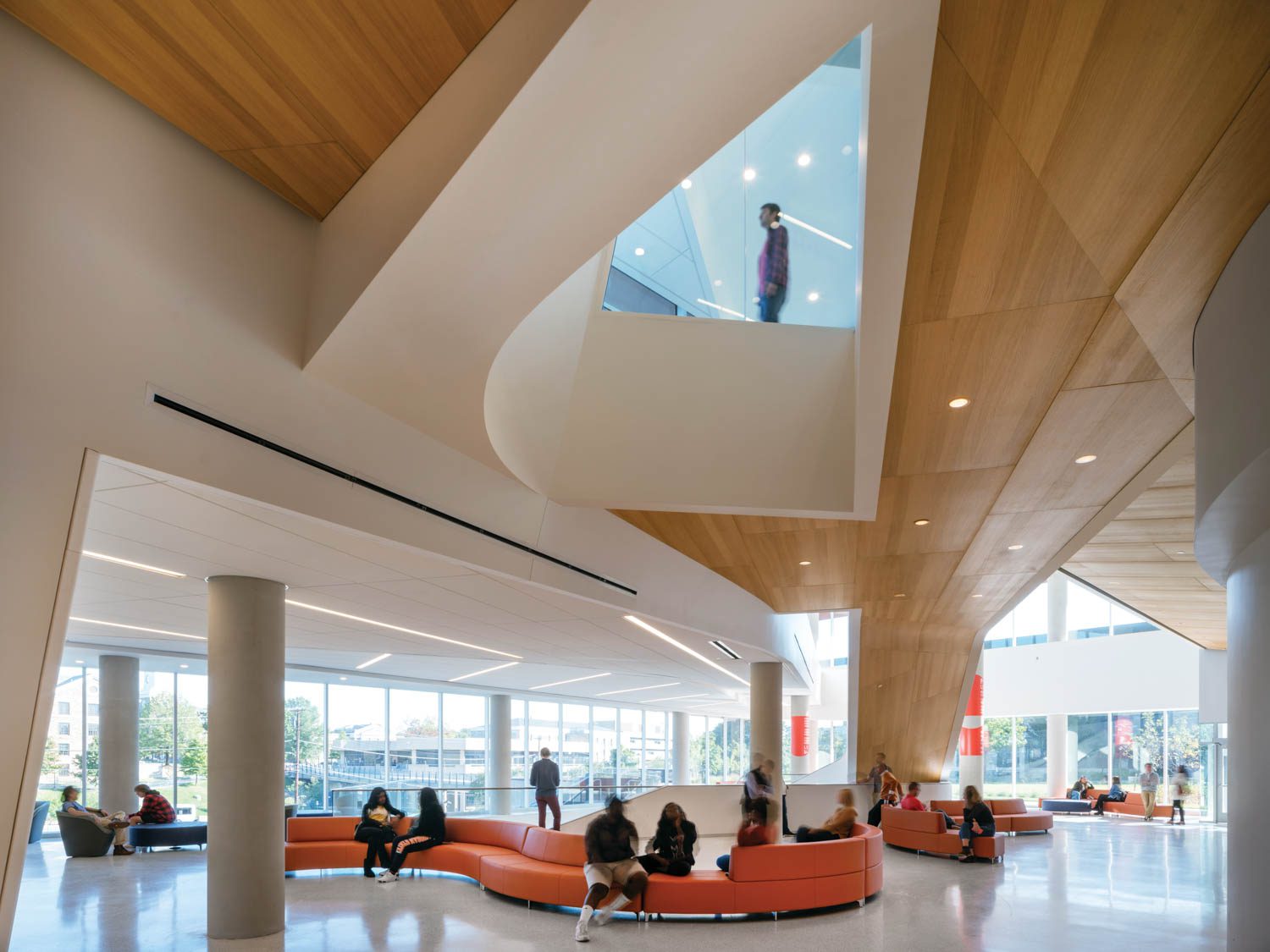
Architecture and Facilities feature lively orange, curved lounge seating throughout the expansive open space.
The Nouveau Chai Production Facility
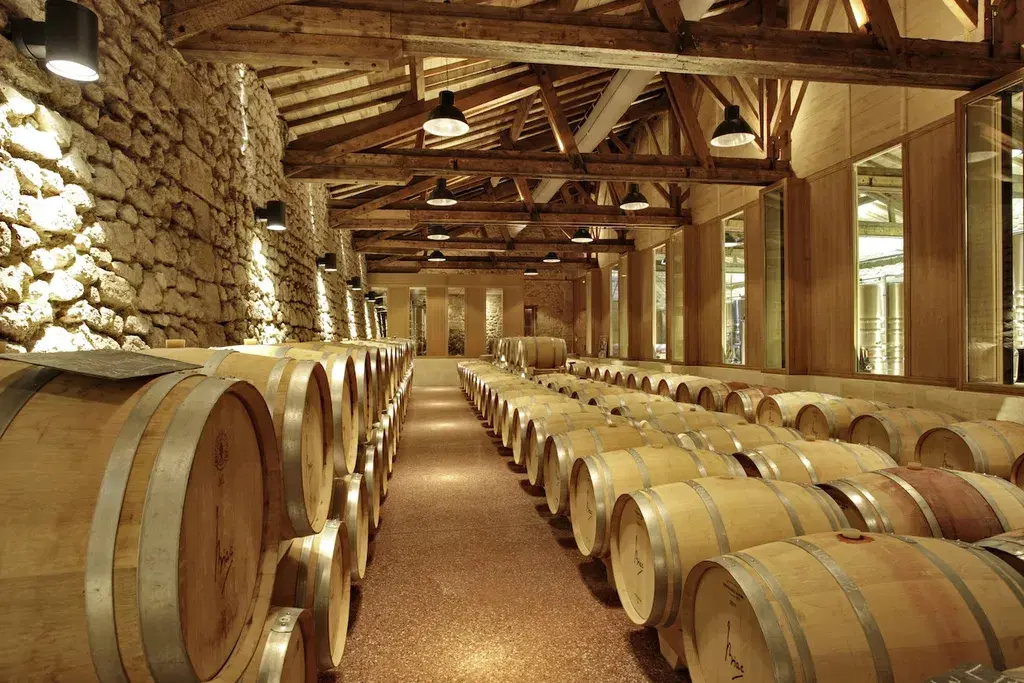
The Nouveau Chai represents the dramatic architectural addition to Château Margaux in 200 years. As the first new visible structure since the château and its cellars were completed two centuries ago, it is a testament to both tradition and progress. Designed by the acclaimed Foster + Partners and completed in 2015, the facility extends from the eastern wing of the estate's early 19th-century complex.
Its design is striking yet functional, featuring a pitched roof supported by tree-like columns and light wells that flood the space with natural light. Visitors can observe the winemaking process through its glass frontage, creating a sense of transparency and connection. Beyond production, the Nouveau Chai includes a research and development center dedicated to refining winemaking techniques. To honor the estate's heritage, recycled tiles from site ruins were incorporated into the design, blending sustainability with a nod to history.
"This design has been inspired by the character of the existing estate, and what Bernard Rudofsky called 'architecture without architects', the vernacular architecture that embraces everything from windmills to bridges, and the wonderful heritage of the 'big barn'. "Lord Norman Foster, Architect and Studio Founder, Foster + Partners
This modern facility not only enhances production but also invites exploration of the estate's other distinctive spaces.
The Vinothèque and Orangery Spaces
Hidden beneath the vineyard lies the Vinothèque, a 230-foot-long underground repository that safeguards the estate's heritage wines. Its concrete construction naturally regulates temperature, providing ideal conditions for preserving its collection. The space also serves as a museum-like display, showcasing the estate's winemaking legacy.
In contrast, the Orangery is the oldest structure on the estate. Restored to maintain its original charm, its south-facing windows now flood the space with light, transforming it into a winter garden. During colder months, the Orangery shelters orange and lemon trees, while during the harvest season, it becomes a refectory for workers. It also serves as an event venue, demonstrating how historical buildings can adapt to modern uses.
Both spaces highlight the estate's ability to preserve its history while meeting contemporary needs.
The Main Château and Gardens
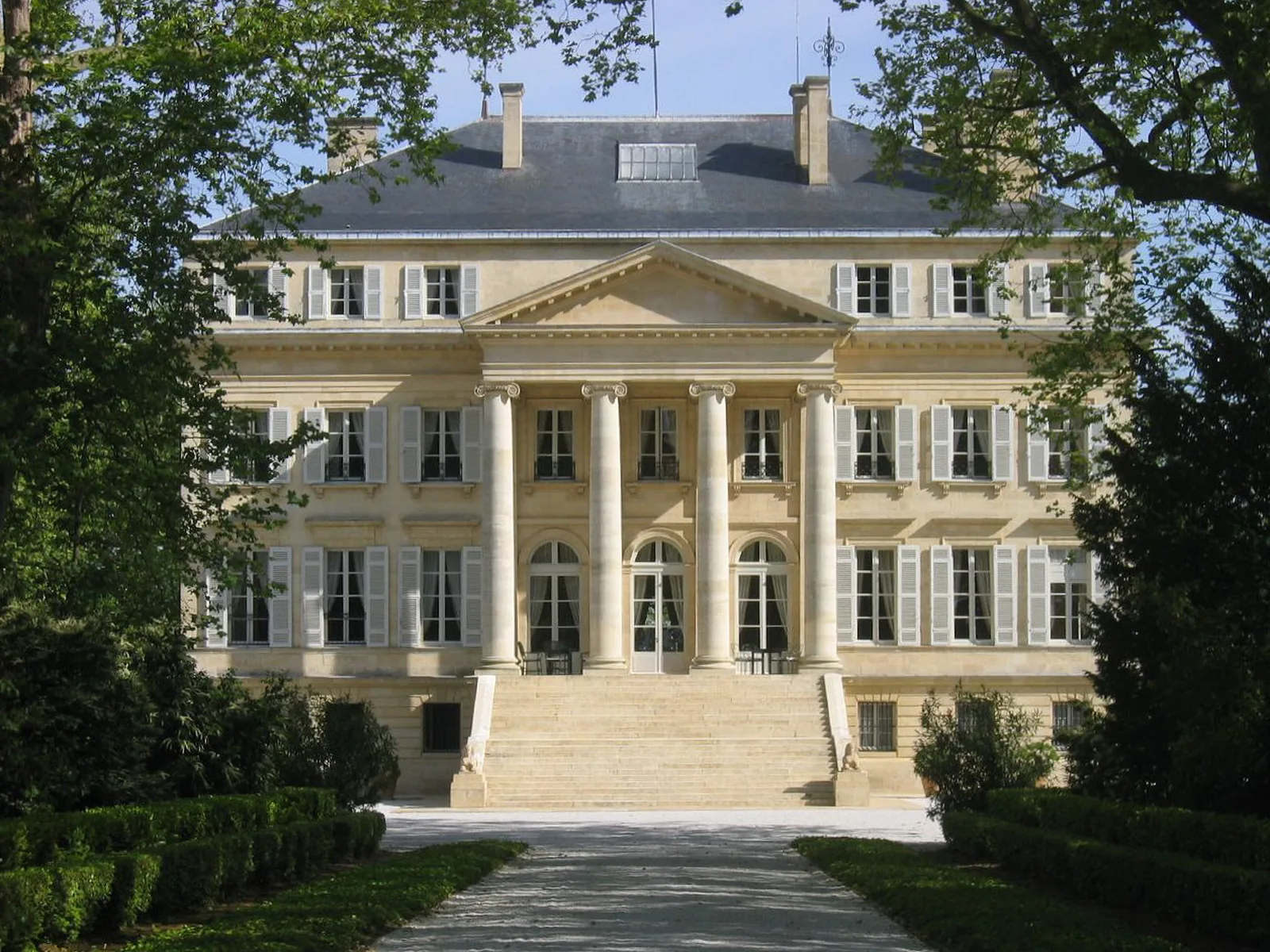
At the heart of the estate lies its neoclassical château, built in 1815, surrounded by meticulously maintained gardens. The château’s elegant façade and balanced design dominate the landscape, embodying the timeless beauty of the estate. The gardens, designed with a park-like aesthetic, enhance the château's grandeur and provide a serene backdrop.
Recent updates to the central courtyard allow for temporary harvest equipment, while improved walkways to the aging cellars enhance the visitor experience. These thoughtful changes ensure that the estate’s modern innovations complement its historic structures, creating a seamless connection between past and present.
Together, these architectural elements offer visitors a rare glimpse into the enduring traditions and forward-thinking vision of Bordeaux winemaking at Château Margaux.
Summary and Visitor Tips
Planning a visit to Château Margaux takes some effort, but for wine enthusiasts and industry professionals, it’s worth it. This prestigious Premier Grand Cru Classé estate is primarily open to those in the wine trade, though dedicated collectors and enthusiasts may secure appointments with careful preparation.
Preparation and Visit Tips
Book Well in Advance: Make your reservation months ahead by contacting Château Margaux directly at +33 5 57 88 83 83 or through their website. For a summer visit, aim to book as early as December or January.
Schedule for Weekdays: The estate welcomes visitors Monday through Friday, but it’s closed on weekends, public holidays, during August, and throughout the harvest season. Be punctual for your one-hour tour.
Adjust Your Tasting Expectations: Wine tastings are generally limited to industry professionals. Most visits focus on the estate’s architecture and provide insights into their winemaking process.
Understand Their Sales Policy: Château Margaux does not sell wine directly to visitors. To purchase their wines, you’ll need to go through authorized Bordeaux merchants or wine retailers.
Explore the Grounds: If you can’t secure an appointment, you can still enjoy the exterior grounds. Take photos of the château’s dramatic façade and the plane tree-lined avenue. Parking is available for visitors.
These tips highlight the exclusivity of Château Margaux and its commitment to preserving its storied winemaking tradition.
Since earning its Premier Grand Cru Classé status in 1855, Château Margaux has been synonymous with notable French winemaking. The estate produces four wines, ranging from the well-known Grand Vin to a delicate Sauvignon Blanc, each reflecting a legacy of craftsmanship and excellence.
FAQs
Can I visit Château Margaux if I’m not a wine professional, and how do I book an appointment?
If you’re not a wine professional, you can still visit Château Margaux, but you’ll need to book an appointment in advance. The estate welcomes visitors from Monday to Friday, and arrangements must be made directly with them. However, that tastings are generally limited to professionals. There are no public tastings or wine sales available on-site.
What makes the Nouveau Chai at Château Margaux stand out among wineries?
The Nouveau Chai at Château Margaux is a fascinating fusion of historical charm and contemporary design. Created by renowned architects, the structure is distinctive with its pitched roof supported by columns shaped like trees and strategically placed light wells. This thoughtful design not only ensures practical functionality but also enhances the visual appeal, seamlessly blending with the estate's historic surroundings while housing cutting-edge winemaking technology.
One of its most striking features is the glass façade, which invites natural light to pour into the space. This design choice not only amplifies the sleek, modern ambiance but also offers visitors an unusual view of the intricate winemaking process. It’s a brilliant demonstration of how modern architecture can breathe new life into a centuries-old tradition.
What makes Château Margaux a Premier Grand Cru Classé estate, and how does this influence its wine production and visitor experience?
Château Margaux holds the distinguished title of Premier Grand Cru Classé, a recognition it earned during the 1855 Bordeaux Classification. This accolade is a testament to the estate's unwavering commitment to quality and tradition. Every bottle reflects a dedication to precision, from the careful selection of grapes to the expert craftsmanship that defines their winemaking process. Among their celebrated creations are the well-known Grand Vin, the elegant Pavillon Rouge, and the crisp Pavillon Blanc.
This prestigious status extends to the way the estate welcomes visitors. Tastings are exclusively reserved for wine professionals, and visits require scheduling in advance. While public tastings aren’t offered, the estate remains a bucket-list destination for wine lovers. Its storied past, far-reaching architecture, and reputation as one of the world's leading wineries make it a memorable stop for those exploring the Bordeaux region.