← Guides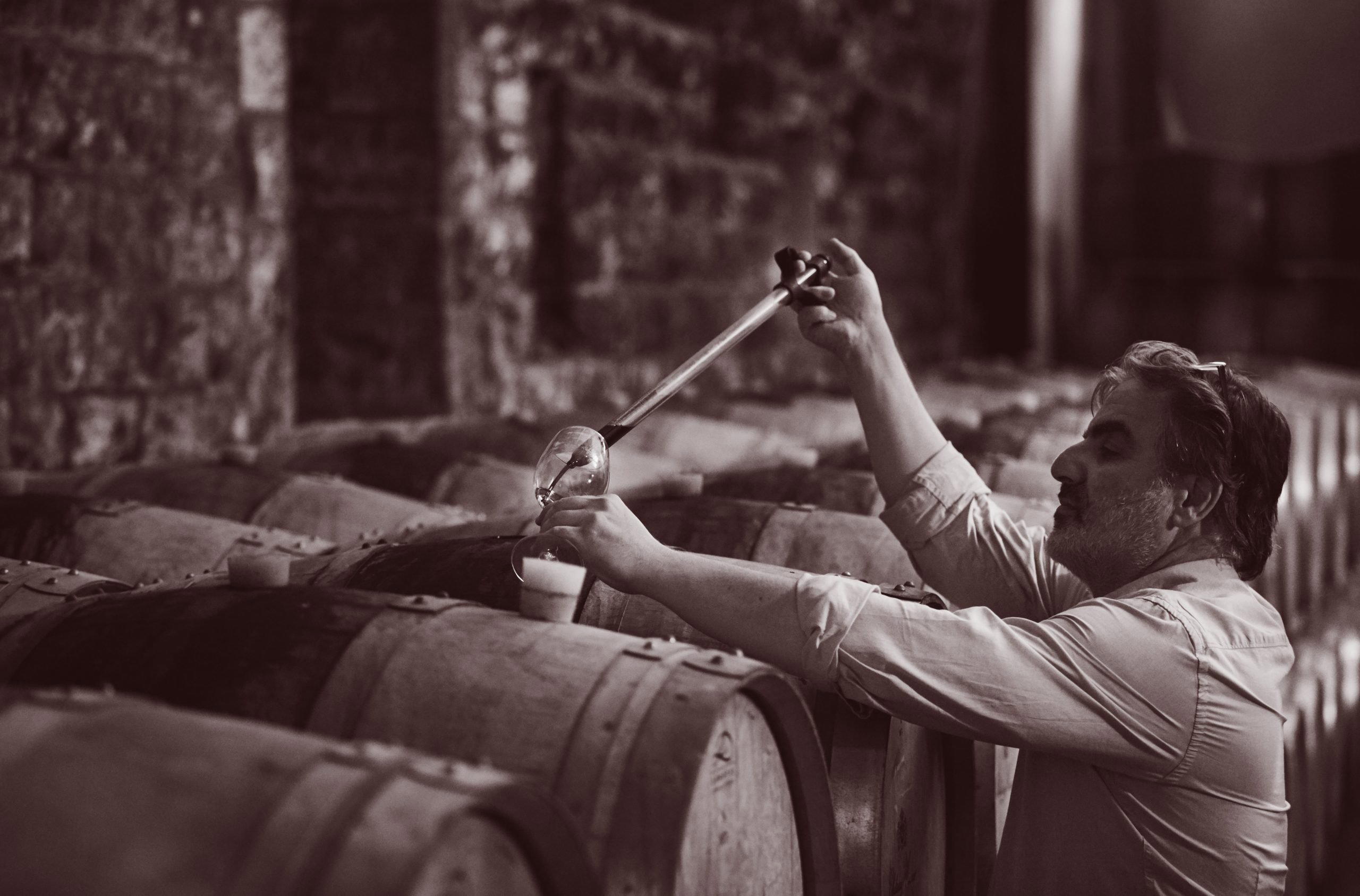
Tarek Sakr has guided Chateau Musar through war, drones, and a 70% collapse in domestic sales. His philosophy: 'We live to make wine.'
Tarek Sakr has guided Chateau Musar through war, drones, and a 70% collapse in domestic sales. His philosophy: 'We live to make wine.'
Tarek Sakr's plan for the 2026 harvest includes flying the Chateau Musar flag on vineyard trucks, so that warplanes overhead can identify the estate and, he hopes, spare it. That detail, shared after he arrived in London to launch the Chateau Musar 2019 Red, tells you everything about what it means to be the Chateau Musar head winemaker in 2026: you are simultaneously launching a vintage in one of the world's great wine capitals and calculating how to mark your trucks so they don't get bombed. The road into the Bekaa Valley runs beneath open sky and, increasingly, beneath drones. Israeli strikes have hit neighbouring villages and roads across eastern Lebanon's ancient wine corridor, and every journey to the winery is now a decision weighed against personal safety. Yet Sakr keeps driving. He has to pay his workers. He has to give them a plan. And, as he told journalist Amelie Maurice-Jones of The Drinks Business, he has to make wine, not because the business demands it, but because something deeper does. "We don't make wine to live," he said. "We live to make wine."
That sentence is not a marketing line. It is the distillation of thirty-seven years spent keeping a winery alive through civil war, economic collapse, and active bombardment. Since taking the helm as Chateau Musar head winemaker in 1991, Sakr has navigated a Lebanon that has rarely offered the conditions most winemakers take for granted: stable roads, reliable power, an uninterrupted harvest, a functioning domestic market. None of those things can be assumed in the Bekaa Valley today.
What Sakr has built instead is a philosophy of adaptation without compromise. "We see what's happening in this world, the climate and political conditions, and we try to adapt in a matter that we have to overcome difficulties, and at the same time protect our philosophy and knowledge of making great wines, without losing anything of our identity," he explained during the London launch. The key word is identity. Chateau Musar does not make wine despite Lebanon, it makes wine because of Lebanon, with all the volatility, the ancient terroir, and the accumulated human cost that entails.
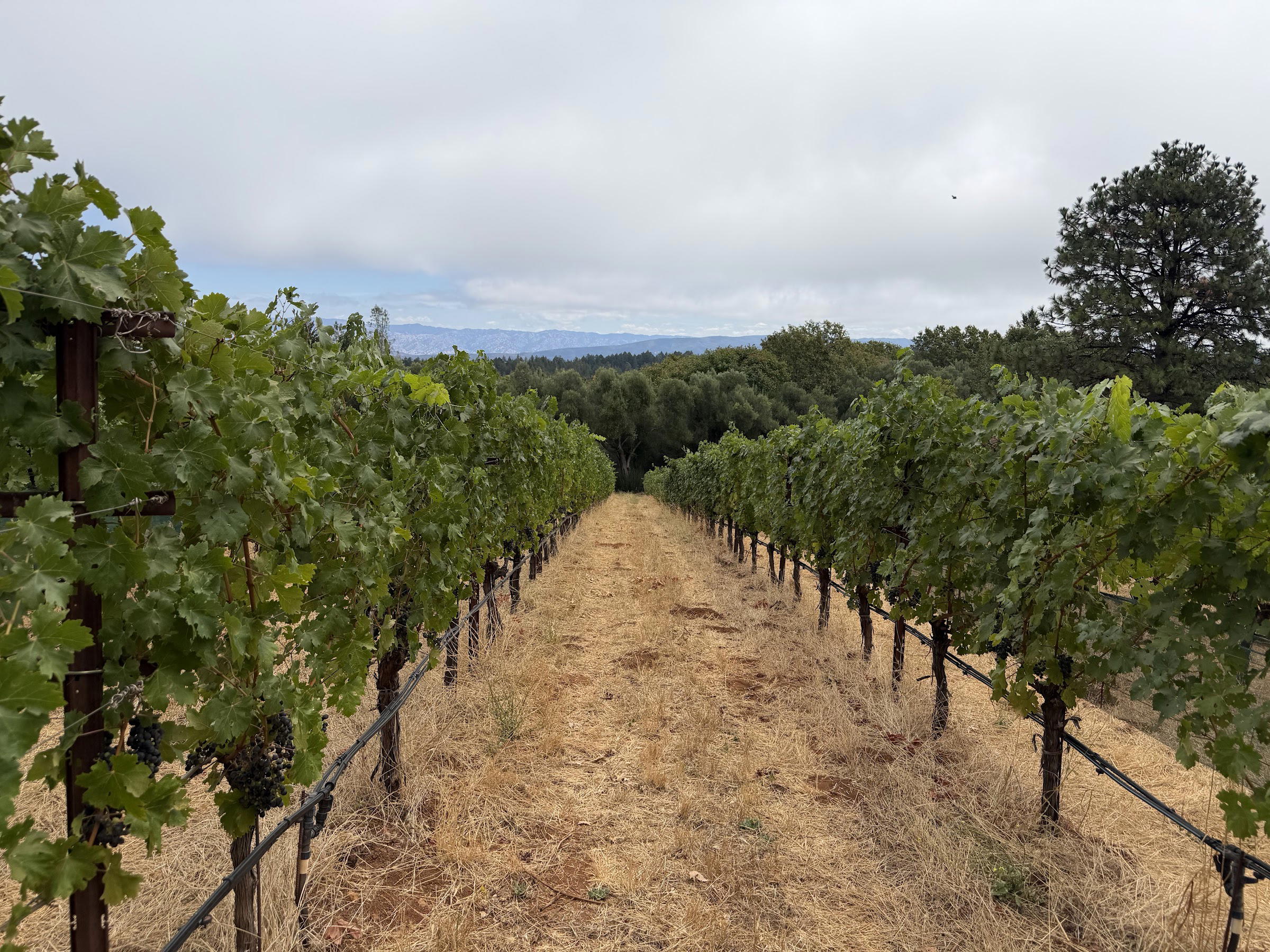
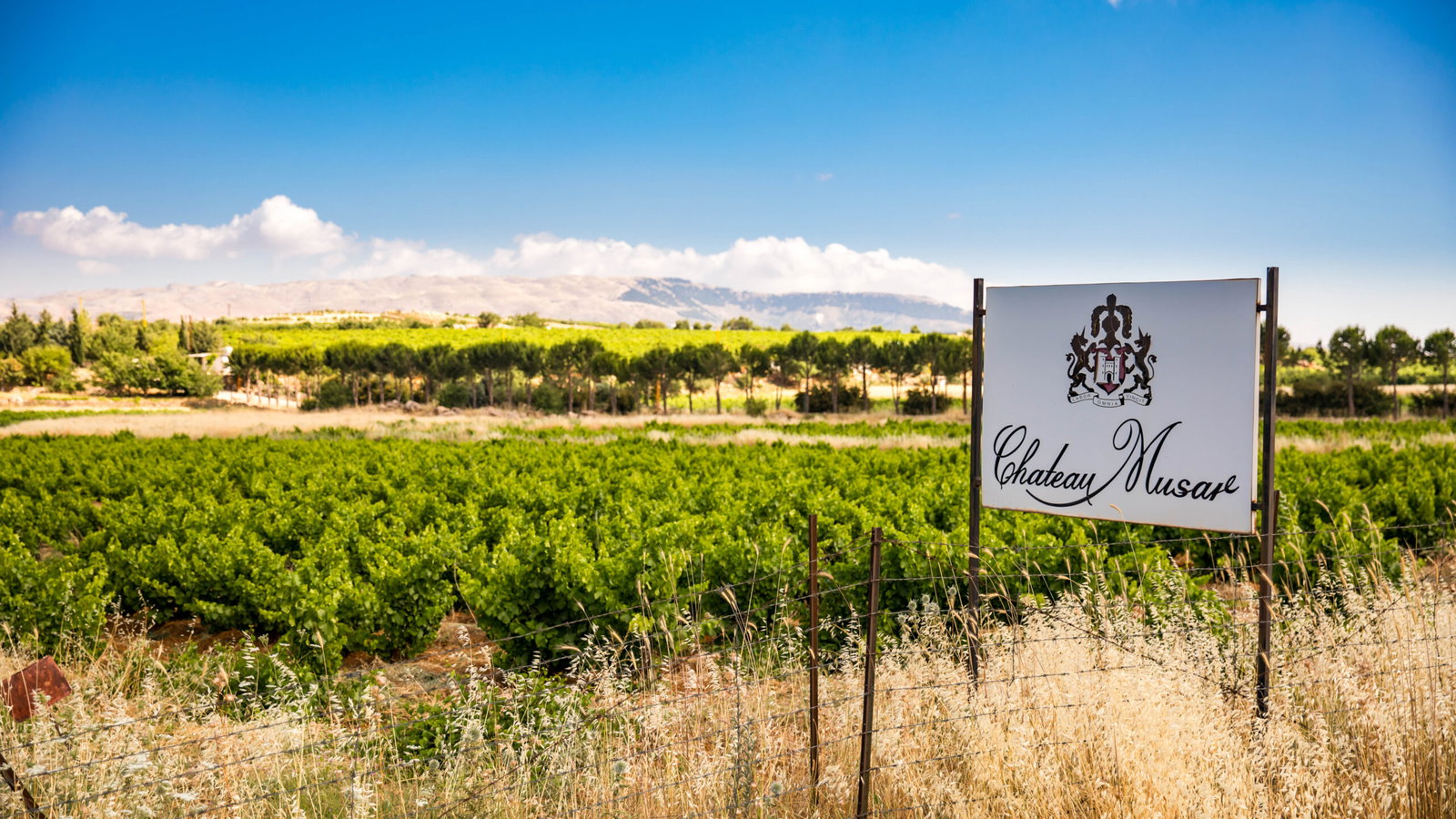
The Bekaa Valley, where 90% of Chateau Musar's vineyards are planted, sits between the Lebanon and Anti-Lebanon mountain ranges at elevations of 3,000 to 5,200 feet. It is home to around 80 wineries in total, a concentration of producers that speaks to the valley's viticultural depth, even as conflict repeatedly tests its limits.
Sakr describes the Bekaa as "the Bordeaux of the old world of wine," citing the Roman temple of Bacchus as evidence of a winemaking tradition that predates any appellation system by millennia. Lebanon's Phoenician winemakers spread viticulture across the Mediterranean long before Bordeaux planted its first vine.
That history is not incidental to Sakr's worldview, it is load-bearing.
"We make wine for humanity," he said, "because we are not making wine in normal conditions." The phrase lands differently when you know that, at the time of the interview, Israeli air raids had killed more than 3,000 people in Lebanon according to the country's health ministry, and that roads in the Bekaa were being patrolled by drones that made every supply run a risk calculation. "Always, we are on high alert," Sakr said, a sentence that functions as both operational reality and personal credo.
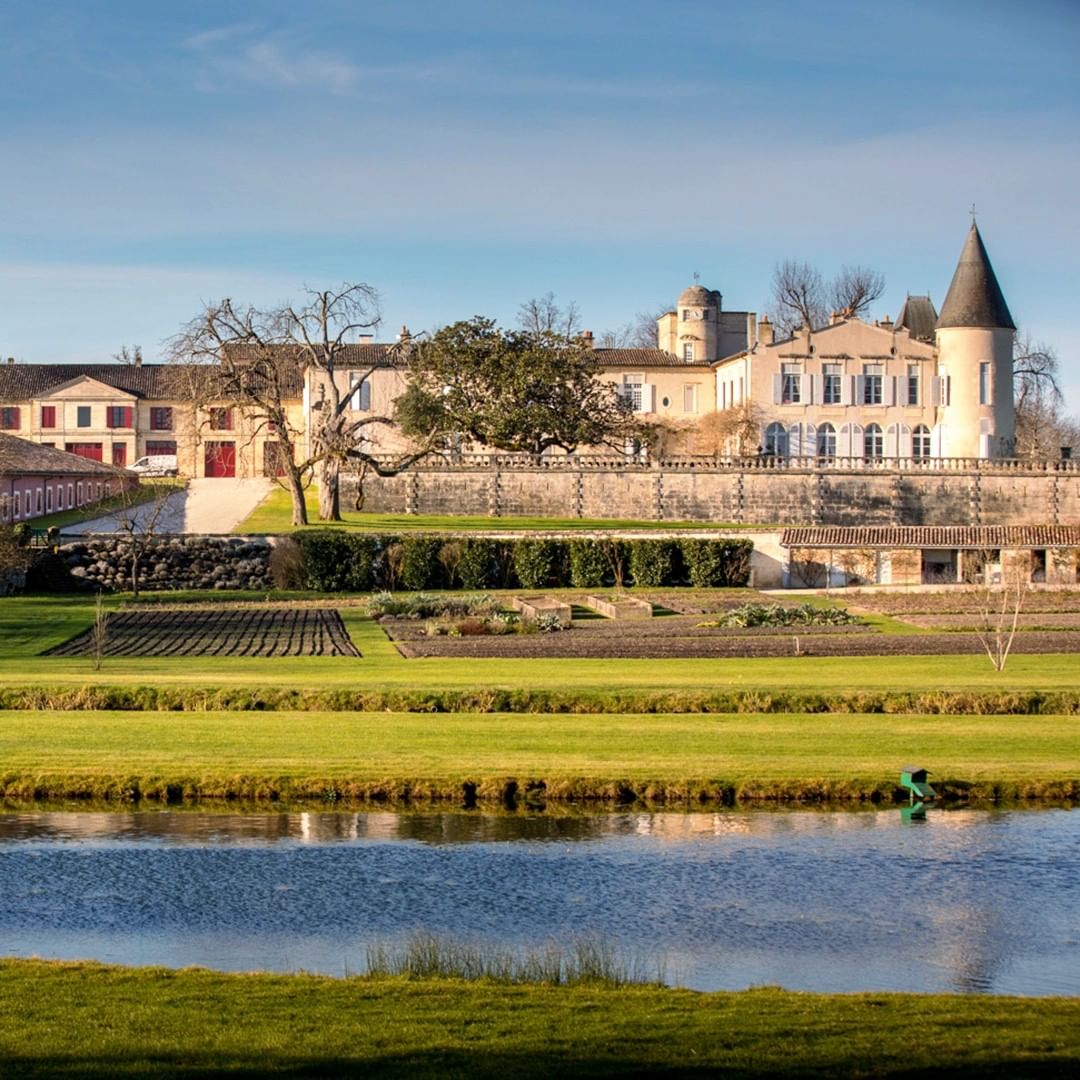
Sakr did not arrive at Chateau Musar with a blueprint for crisis management. He arrived as an intern, trained at Chateau Lafite Rothschild in Bordeaux, one of the Médoc's first growths, where the rhythms of winemaking are governed by tradition, classification, and the reassuring predictability of a functioning state. The contrast with Lebanon was immediate and disorienting. "You understand things are different from what you were told," he recalled, "and you have to adapt your understanding of the wine world to Lebanese conditions."
Wine, it's our message. Being in Lebanon gives us a special message, because it's challenging. Each year we have a challenge, we have politics, we have war… you are doing wine against all odds
Tarek Sakr, Head Winemaker1
That early lesson in recalibration proved to be particularly useful thing his Bordeaux training gave him, not the technical knowledge of a first growth cellar, though that mattered too, but the intellectual flexibility to recognize when the rulebook no longer applies. Lafite Rothschild taught him how wine is made under ideal conditions. Lebanon taught him everything else.
What is striking about Sakr's career arc is not simply that he has survived multiple conflicts at the helm of Chateau Musar, it is that he has used each one to deepen rather than dilute the winery's identity. The Chateau Musar head winemaker who launched the 2019 Red in London is not a man who has been worn down by circumstance. He is someone who has, over thirty-seven years, developed a winemaking philosophy that treats adversity as a condition of production rather than an interruption to it.
His tenure has not been without its quieter triumphs. Under Sakr's stewardship, Chateau Musar became Lebanon's first winery to achieve organic certification, a milestone reached in 2006. Organic viticulture in a region subject to supply-chain disruptions, power outages, and restricted access to inputs is not a marketing exercise.
It is a commitment to working with what the land provides, which in the Bekaa Valley means high-altitude soils, dramatic diurnal temperature shifts, and a growing season that runs from mid-August through October, when harvest windows can be compressed or abandoned entirely by the security situation on the ground.
That Lebanon's first organic certification belongs to a winery that also continued producing through a fifteen-year civil war is not a coincidence. Both decisions come from the same place: a refusal to let external conditions dictate what the estate produces.
Chateau Musar's relationship with conflict is longer than Sakr's tenure. The winery continued to produce wine throughout Lebanon's civil war from 1975 to 1990, a fifteen-year stretch during which its owner, Serge Hochar, who died in 2014, became one of the wine world's most closely watched figures. The Guardian described Hochar as "Bacchus's corporeal equivalent in today's Lebanon." That reputation was built not on scores alone, but on the audacity of continuing to make wine when the country was tearing itself apart.
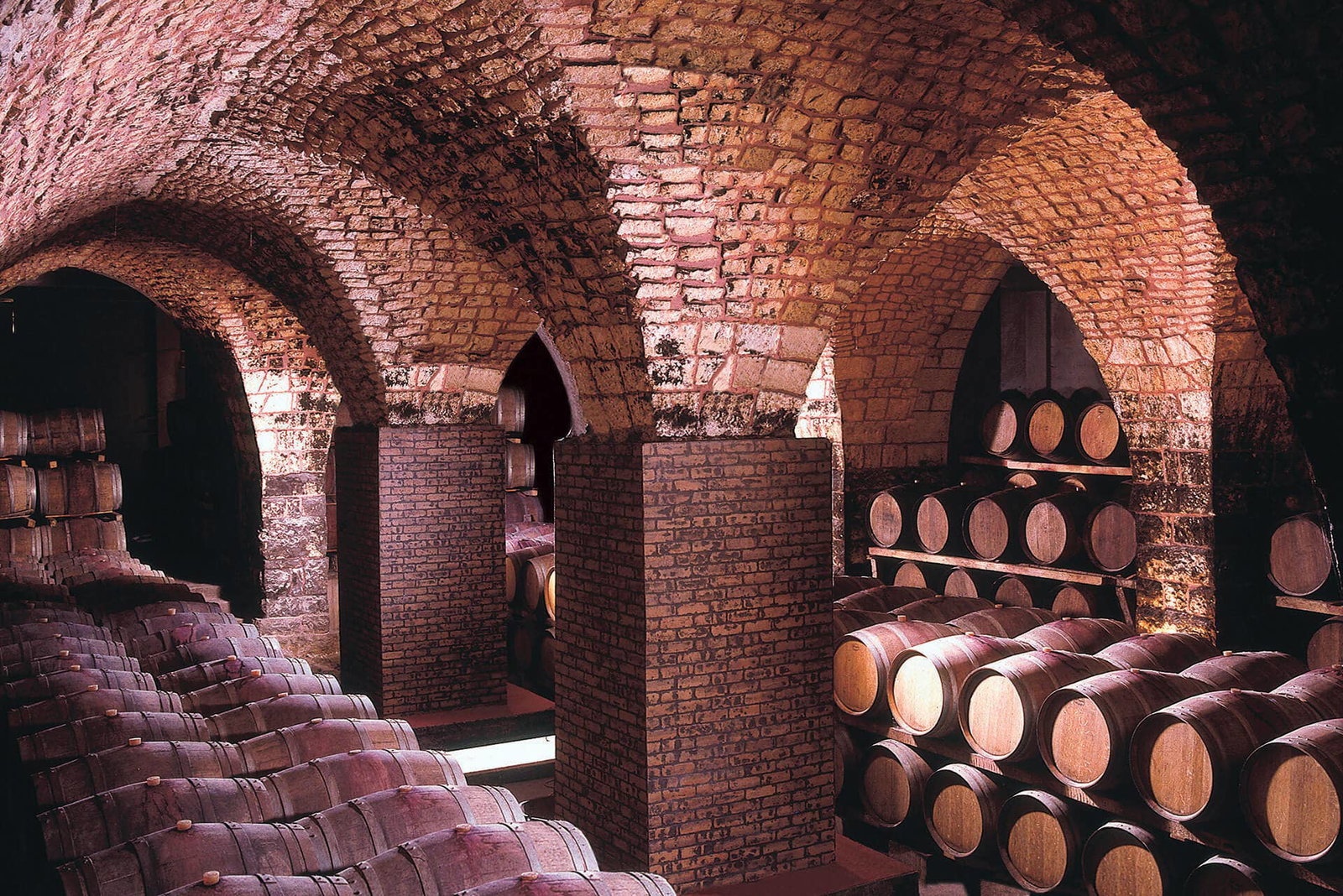
The legacy Sakr inherited was therefore already defined by defiance. What he has added is a more systematic philosophy, one that connects the winery's survival instinct to a broader commitment to the land and to the people who work it. The organic certification was not a pivot toward a trend. It was a logical extension of a winery that has always had to rely on what it grows rather than what it can import.
Other Lebanese producers have faced the same pressures with varying degrees of resource. In 2024, Chateau Rayak, a family winery in the Bekaa, lost 60 tonnes of grapes in a single Israeli blast, a loss that represents not just a financial blow but an entire vintage's work destroyed in a moment. Eddie Chami of Mersel Wine described making wine by headlamp amid power and water shortages. These are not isolated incidents. They are the operating conditions of an entire wine region under sustained pressure, and they make every bottle that does reach export markets a document of what was risked to produce it.
For Sakr, the response to that pressure has never been to scale back ambition. His plan for the 2026 harvest, still uncertain at the time of writing, with the winemaker admitting "I don't know. I don't have any clue", includes those flag-marked trucks, a gesture that sits somewhere between pragmatism and symbolism: a winery announcing itself to the sky, asking to be seen not as a military target but as a place that makes something worth preserving. "We will find a solution," he said. "I don't know what it is, but we will adapt ourselves."
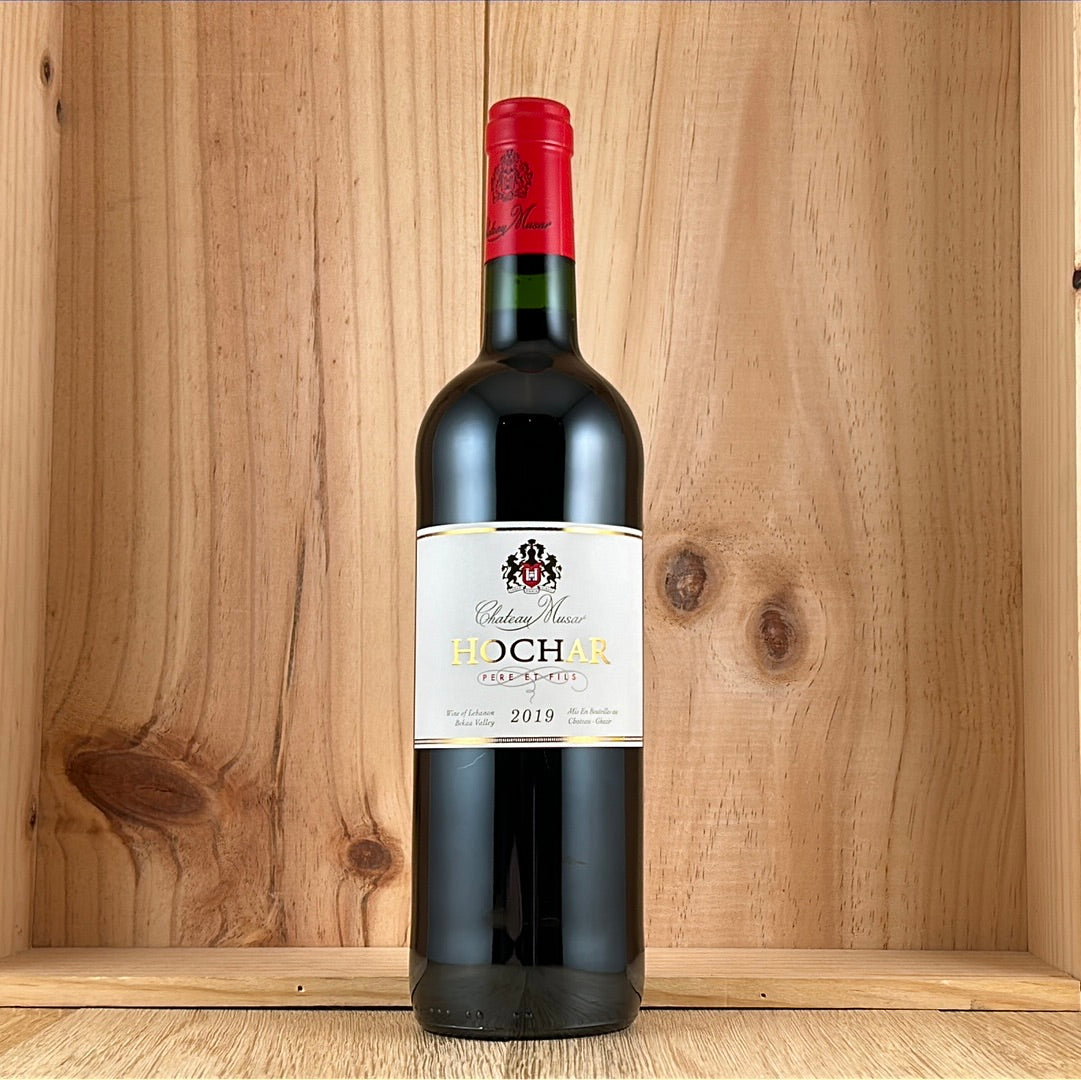
The Chateau Musar 2019 Red, launched by Sakr in London, is the physical evidence of what it means to make wine under these conditions. The 2019 harvest took place in a Bekaa Valley already living with the aftermath of Lebanon's 2019 economic crisis, a collapse that wiped out the country's banking system and triggered among the more severe economic contractions in modern history. That the vintage exists at all is a statement.
Collectors who follow the secondary market know that Musar's interrupted vintages, years when war or circumstance prevented production entirely, have historically commanded premiums precisely because scarcity and documented historical weight are baked into every bottle. The 2019 Red is not an interrupted vintage, but it is a vintage produced against a backdrop of national crisis, and that context is inseparable from the wine itself. For anyone building a cellar with an eye on provenance as well as pleasure, the 2019 is a bottle whose story is already written into its label.
The commercial picture around the launch is sobering. Chateau Musar has lost between 50% and 70% of its domestic market in recent years, with tourism to the winery halted and Lebanon's restaurant trade, once a significant channel for premium Lebanese wine, largely shuttered. Of all the markets Sakr tracks, Lebanon has seen the steepest decline in 2026. "When you have bad politics, your market will stop," he said plainly. "Your local market will be destroyed, and the countries next to you will be affected, because it will be difficult to send wine."
The one consistent bright spot is America. Sakr described the US market as performing better than any other, a resilience he attributes in part to the geographical distance American consumers enjoy from the Russia-Ukraine conflict, which has compounded inflationary pressure on wine markets across Europe. For collectors outside Lebanon, the 2019 Red arrives at a moment when the estate's export dependency has never been higher, and when every bottle sold abroad directly funds the people and the land that produce it.
The Bekaa Valley's approximately 80 wineries sit within one of the wine world's most historically layered appellations, a region where viticulture predates the Roman empire and where the elevation and diurnal range drive the natural acidity and skin concentration that define the valley's wines. At 3,000 to 5,200 feet, cool nights slow ripening and preserve freshness; intense daytime sun builds phenolic depth. That terroir does not disappear because there are drones overhead. But it can only be expressed if the people who farm it can reach it safely.
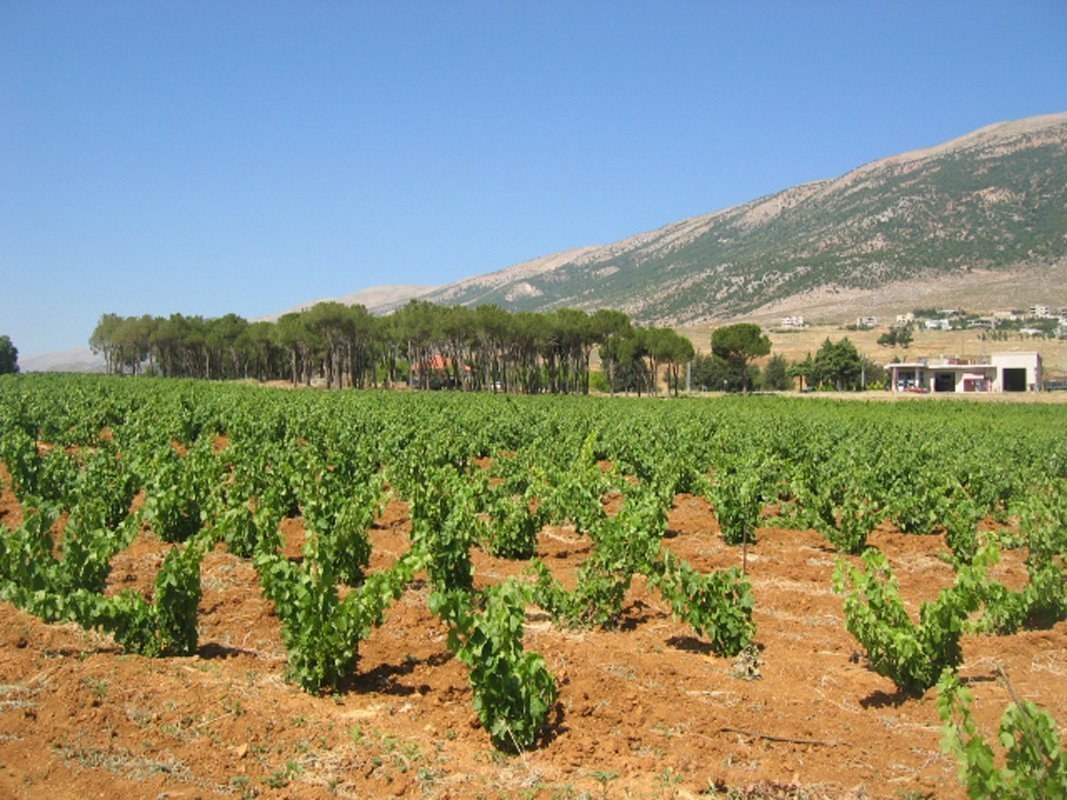
Sakr's 2026 harvest question, what to do, whether to pick early, whether the roads will be passable, is the question every Bekaa winemaker is asking. The harvest window from mid-August through October is already tight by the standards of most wine regions. Compress it further with security restrictions, and the margin for error disappears. Lose a harvest entirely, and a vintage joins the list of years that never existed, bottles that will never be opened, because they were never made. Collectors who have tracked Musar's back catalogue know exactly what that absence looks like on a price list.
That possibility is what gives Sakr's philosophy its particular weight. "War has lots of issues," he said. "You move people from region to region and destroy work and destroy economy, and especially destroy land and life." He is not speaking abstractly. He is describing the valley he has worked in for thirty-seven years, the vineyards he has farmed organically, the employees he drives through drone-patrolled roads to pay in person.
And yet the posture is not despair. "When you work, you don't think about the bad things," Sakr said.
"You say, 'We are step by step trying our best in 2026.'" The Chateau Musar head winemaker who arrived as a Lafite Rothschild intern in 1991 has spent his entire career learning that the wine world is not what you were told, and that the only viable response is to adapt without losing what you came to protect.
The 2019 Red, now open in London, is the latest proof that he has managed it again. Whether the 2026 vintage will join it on the shelf is a question that no one in the Bekaa Valley can answer yet, but Sakr will be there, flag flying, when the harvest comes.
Get the App
Take the shortlist into the En Primeur Club app for concierge access, saved places, and the next step after discovery.
Get Exclusive AccessMore from the editors