Wiley Roots Brewing Company
Wiley Roots Brewing Company operates out of Greeley's warehouse district at 625 3rd St, placing it within a small-batch craft beer scene that punches above the city's size. The brewery draws regulars from across northern Colorado for its focused, production-serious approach to American craft styles.
Pearl is the En Primeur Club membership app — saves, bookings, and concierge access live there. Same editors, same standards.
- Address
- 625 3rd St D, Greeley, CO 80631
- Phone
- +1 970 515 7315
- Website
- wileyroots.com
- Directions
- Get directions
 Saves & bookings on Pearl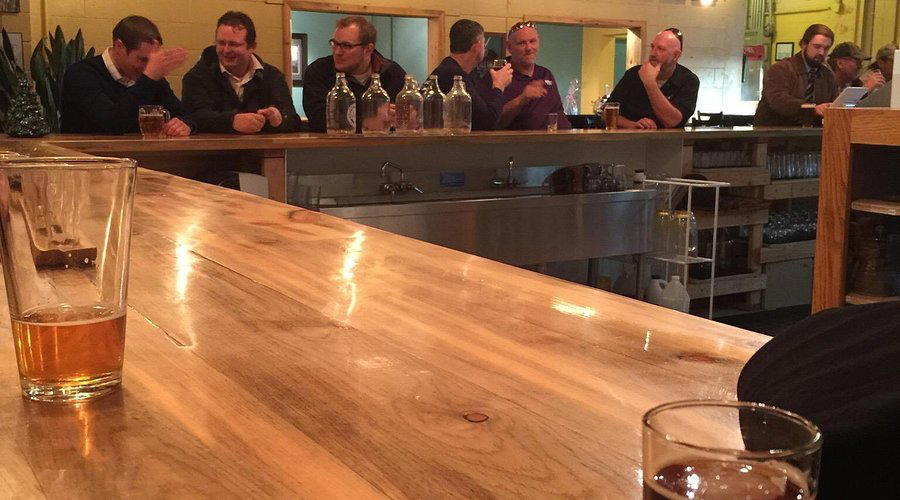
Greeley's Craft Beer Character
Northern Colorado has accumulated one of the more concentrated craft brewing corridors in the American West, with Fort Collins anchoring the northern end and a string of smaller cities filling in the gaps. Greeley occupies an interesting position in that corridor: a mid-sized agricultural and university town where the brewing culture reflects a certain no-frills seriousness. The taprooms that have taken hold here tend to prioritise the liquid over the lifestyle branding, and Wiley Roots Brewing Company, operating from a warehouse-adjacent address at 625 3rd St in the city's industrial fringe, fits that pattern. This is not a scene built around Instagram set-pieces or themed cocktail crossovers. It is built around beer.
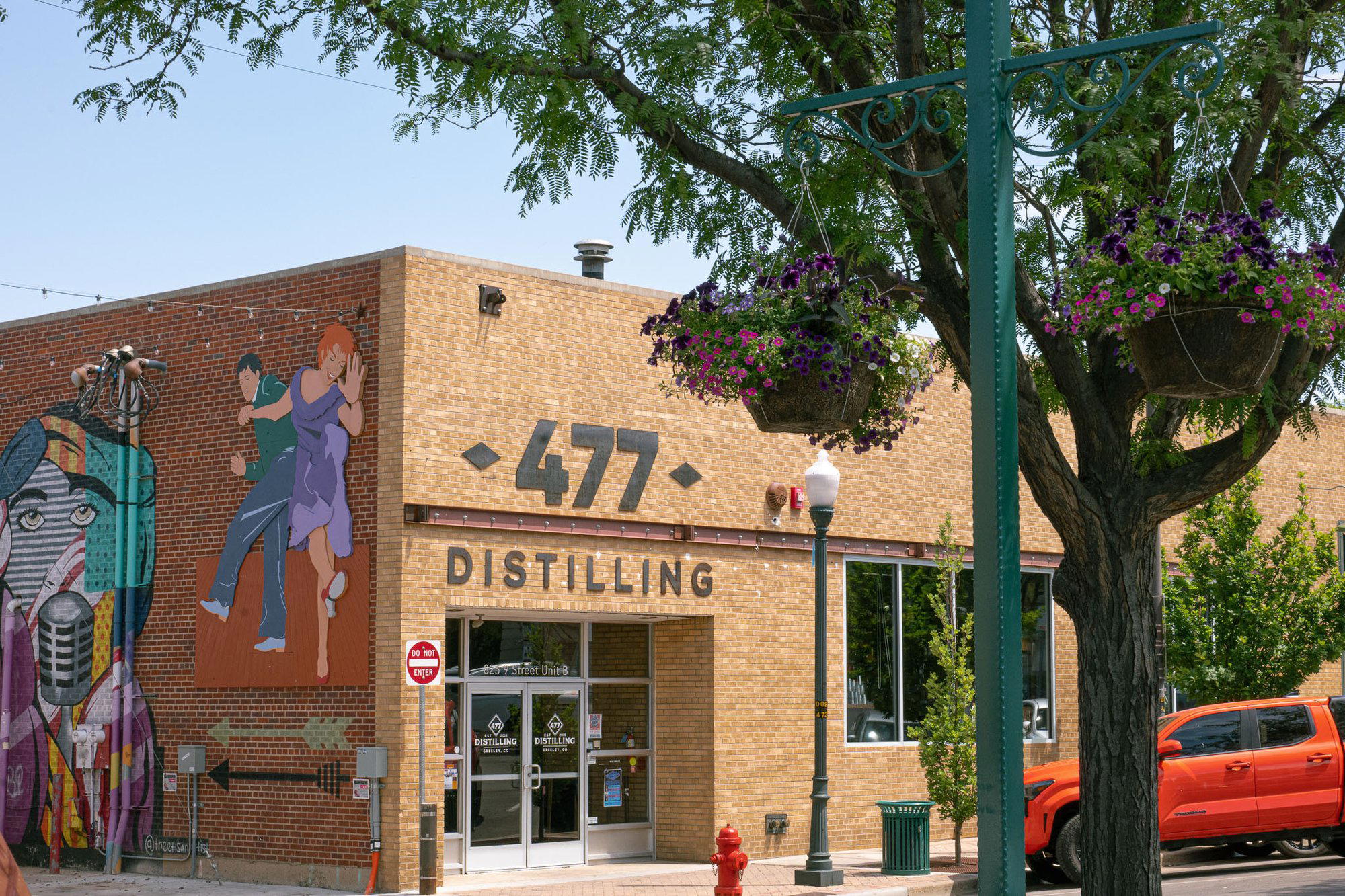
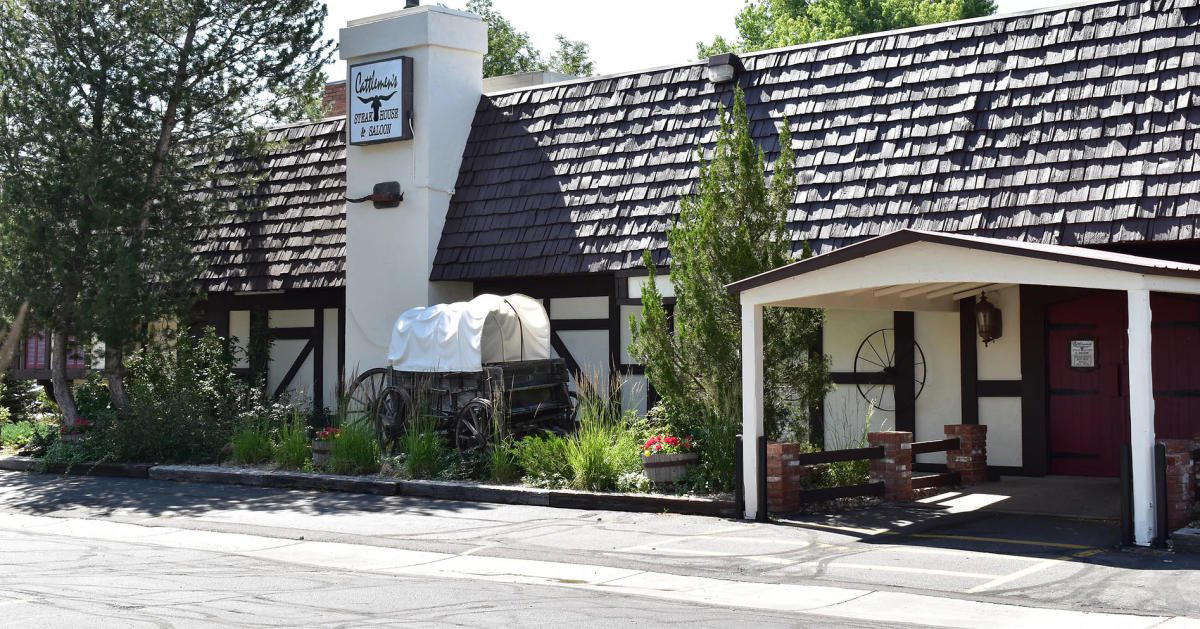
That framing matters for understanding where Wiley Roots sits relative to Greeley's broader drinking options. The city's bar scene spans a reasonable range: 477 Distilling represents the spirits side of the local craft equation, while Cattlemen's Steak House & Saloon anchors the traditional western saloon tradition that still runs through much of this part of Colorado. Wiley Roots occupies a distinct niche within that mix: a production brewery with a taproom rather than a bar that happens to brew. The distinction shapes the experience before you've ordered anything.
The Industrial Taproom Format
The physical environment at 625 3rd St reads as a working brewery first and a hospitality space second. That sequencing is deliberate in the craft brewing tradition that came out of the American craft movement's second wave, roughly from 2010 onward, when a generation of small producers prioritised fermentation infrastructure over interior design budgets. You approach through a commercial corridor that has the texture of a light-industrial block: loading bays, functional signage, parking lots that serve a mix of businesses. Inside, the production equipment is visible or at least proximate, which functions as both aesthetic and credibility signal. Regulars at this kind of taproom are not looking for the softened-edges comfort of a hotel bar. They are looking at the tanks and thinking about what's conditioning inside them.
This format has proven durable across the American craft scene. Compare it to the more studied cocktail bar environments at venues like Kumiko in Chicago or Bar Leather Apron in Honolulu, where the room itself is part of the program, and the difference in philosophy becomes clear. Wiley Roots is closer to the warehouse-brewery model that prioritises conversation between brewer and drinker over designed atmosphere. Some visitors find that energising. Others find it bare. Knowing which you are before you arrive is useful.
Small-Batch American Craft in Context
American craft brewing, as a cultural project, has always carried the argument that regional character matters in beer the way it does in wine or spirits. The leading small producers in the Colorado corridor have made that case credibly: New Belgium and Odell in Fort Collins established the national reputation, and the producers who followed in their wake, in Greeley and elsewhere, inherited both the credibility and the pressure to differentiate. The small-batch approach that defines breweries at Wiley Roots' scale means a rotating or seasonally responsive tap list, limited distribution, and a production philosophy that resists the temptation to scale into commoditisation.
That philosophy connects Wiley Roots to a wider movement in American craft drinking that is visible in spirits at places like ABV in San Francisco and in the cocktail programs at Jewel of the South in New Orleans or Julep in Houston: a shared commitment to category depth over breadth, and to the idea that the producer's point of view should be legible in the glass. For beer, that translates to style commitment, raw material sourcing choices, and fermentation decisions that a casual drinker might not consciously register but that shape the difference between a forgettable pint and one worth the drive.
Greeley as a Brewing Destination
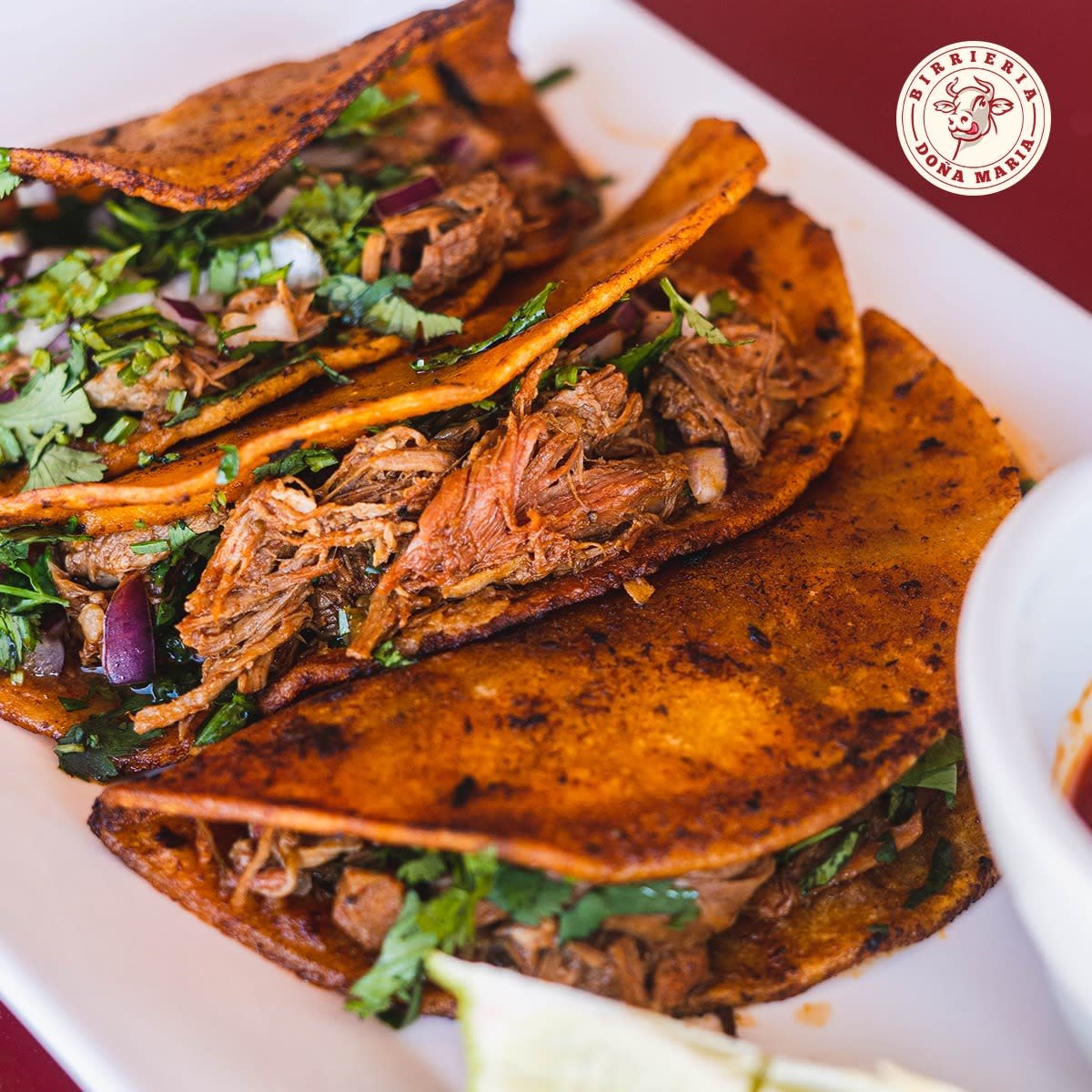
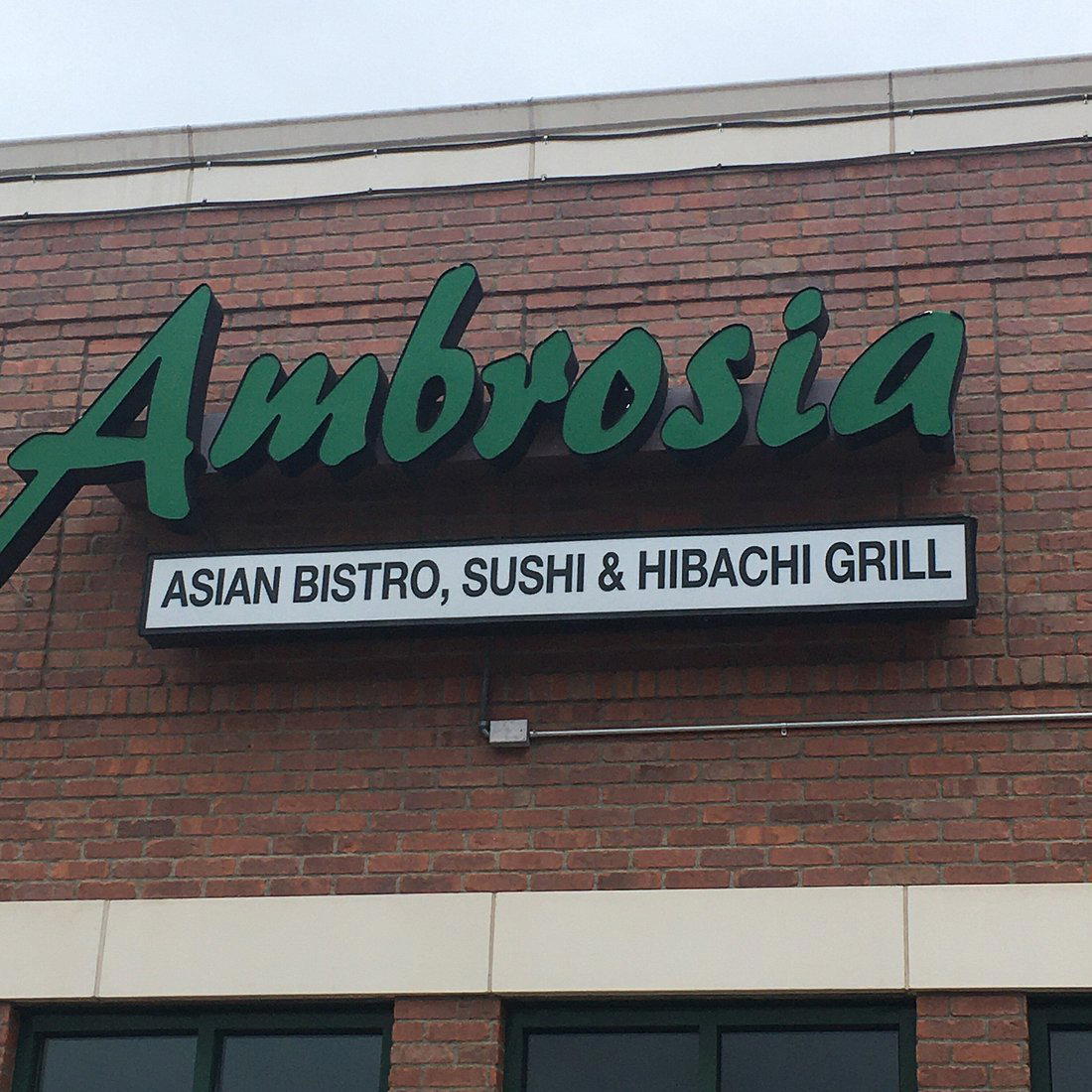
Greeley does not market itself as a beer city in the way Fort Collins does, and that gap in external perception is partly what keeps places like Wiley Roots operating under the radar for visitors from outside the region. The city's drinking scene is more mixed than any single category: Ambrosia Asian Bistro and Birriería Doña María Greeley reflect the food-led dimension of the scene, and the diversity of options suggests a city where drinking culture follows eating culture rather than the reverse. For a craft brewery to establish itself in that context requires a tap list that earns repeat visits on the merits of the beer rather than on novelty or atmosphere alone.
The northern Colorado craft corridor rewards visitors who treat it as a multi-stop itinerary rather than a single destination. Wiley Roots at 625 3rd St is one anchor point in a Greeley drinking circuit that, combined with stops at 477 Distilling and other local operators, offers a reasonably complete picture of what the city's craft culture looks like in 2024. For a full picture of where Wiley Roots sits within the city's food and drink options, the full Greeley restaurants guide maps the scene across categories and neighbourhoods.
The Case for the Detour
The honest argument for Wiley Roots as a destination is not about awards or chef credentials. It is about the category logic of small-batch brewing in a mid-sized American city: the production is inherently local, the tap list changes faster than a printed menu can track, and the experience of drinking in proximity to the production equipment carries an authenticity that larger, more polished operations have difficulty replicating.
Visitors making their way through Greeley for the first time should treat the 3rd St address as a working brewery visit rather than a bar night. Arrive with time to talk to whoever is pouring, ask about the current rotation, and consider what's conditioning rather than only what's on tap. That orientation will produce a better experience than treating it as a stop on a checklist.
Planning Your Visit
Wiley Roots Brewing Company is located at 625 3rd St D, Greeley, CO 80631. Current hours, tap list, and any event programming are best confirmed directly before visiting, as small-batch operations at this scale are subject to seasonal changes and production schedules that affect taproom availability. No booking appears to be required for standard taproom visits, which aligns with the walk-in culture typical of the format. Greeley sits roughly an hour north of Denver, making it a viable day-trip addition to any northern Colorado itinerary that already includes Fort Collins.
Pricing, Compared
| Venue | Price |
|---|---|
| Wiley Roots Brewing CompanyThis venue — the venue you are viewing | This venue |


At a Glance
- Rustic
- Cozy
- Lively
- Casual Hangout
- Group Outing
- Beer Garden
- Seated Bar
- Communal Tables
- Craft Beer
Current opening hours
- Monday
- Closed
- Tuesday
- 3–9 PM
- Wednesday
- 3–9 PM
- Thursday
- 3–10 PM
- Friday
- 3–10 PM
- Saturday
- 12–10 PM
- Sunday
- 12–6 PM
Hours can change for holidays and private events. Last verified .
Casual taproom atmosphere in a downtown setting with focus on innovative craft beer tastings.
Know Before You Go
- Getting there
- 625 3rd St D, Greeley, CO 80631