


Star Wine List · Falstaff Wine Bar - Listed · White Guide Sweden Bars - Fine Level
VINA sits on Sofiagatan in Stockholm's Södermalm district, operating at the quieter end of a city whose fine-dining tier has expanded considerably over the past decade. With sparse public data and no current awards listing, it occupies a position that rewards direct investigation rather than advance reputation. For occasion dining in a neighbourhood with genuine character, it merits consideration alongside the capital's more documented alternatives.

Pearl is the En Primeur Club membership app, where members save venues, book tables and use the concierge.
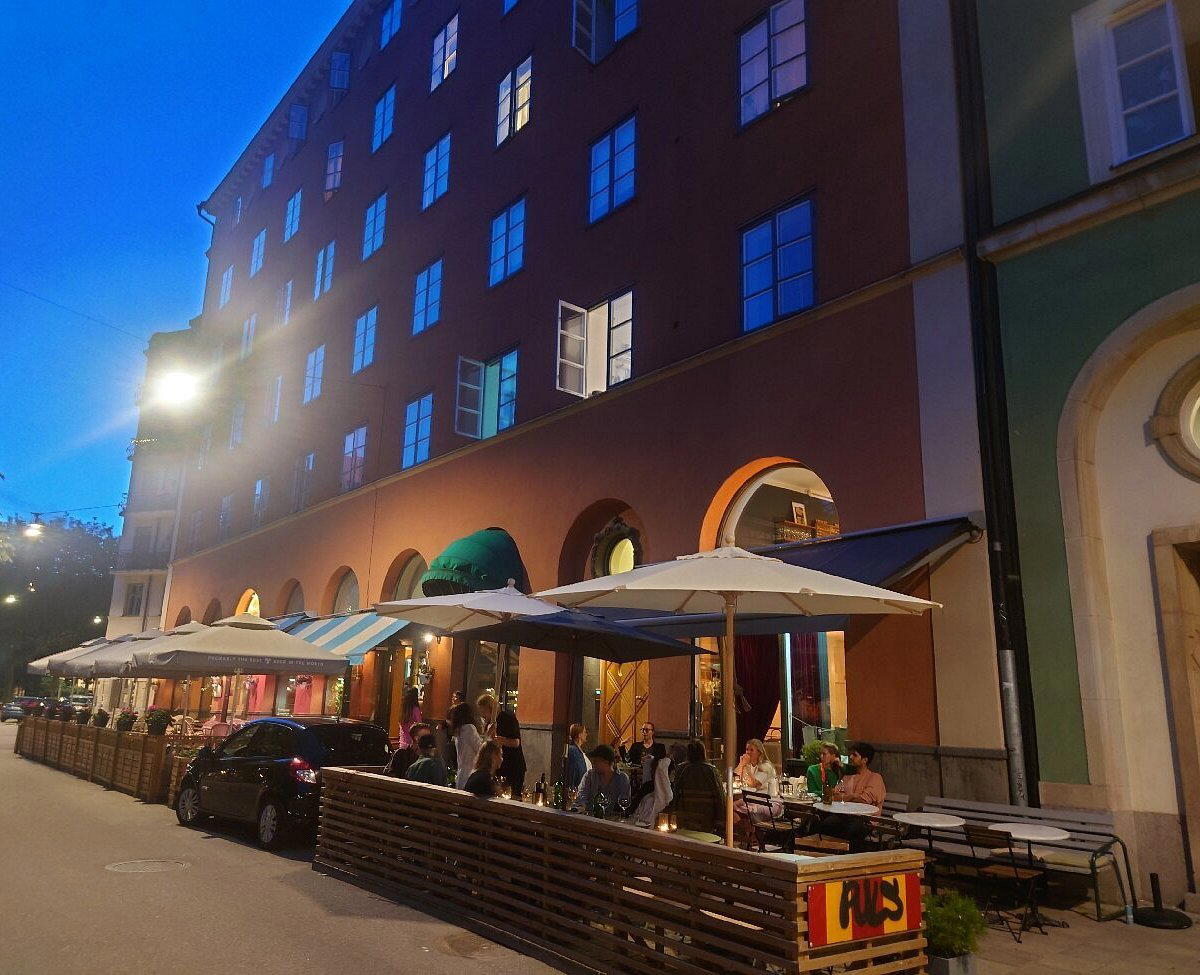
Södermalm and the Case for Occasion Dining Away from the Centre
Stockholm's most celebrated tables cluster around Normalm and Östermalm: Frantzén and AIRA sit in that northern arc where serious cooking and serious prices travel together, and Operakällaren anchors the historic waterfront. Södermalm, the island to the south, has historically been positioned as a counterpoint: denser, less formal, and considerably more mixed in what it offers. In that context, an address like Sofiagatan 1 carries an implicit signal before you even arrive. You are not walking into a room built around a press release. The streets around Södermalm's eastern edge tend toward residential scale, where a restaurant's relationship with its neighbourhood matters as much as its relationship with the dining press.
That geography shapes what occasion dining means here. At Aloë or Adam / Albin, a milestone meal carries the weight of an established institution, with all the formal apparatus that implies: tasting menus calibrated to ceremony, service trained to manage the choreography of a long evening. In Södermalm, the occasion often reads differently. The room does more of the work that in a northern-district restaurant would be handled by a sommelier's opening monologue.
What the Address Tells You Before You Enter
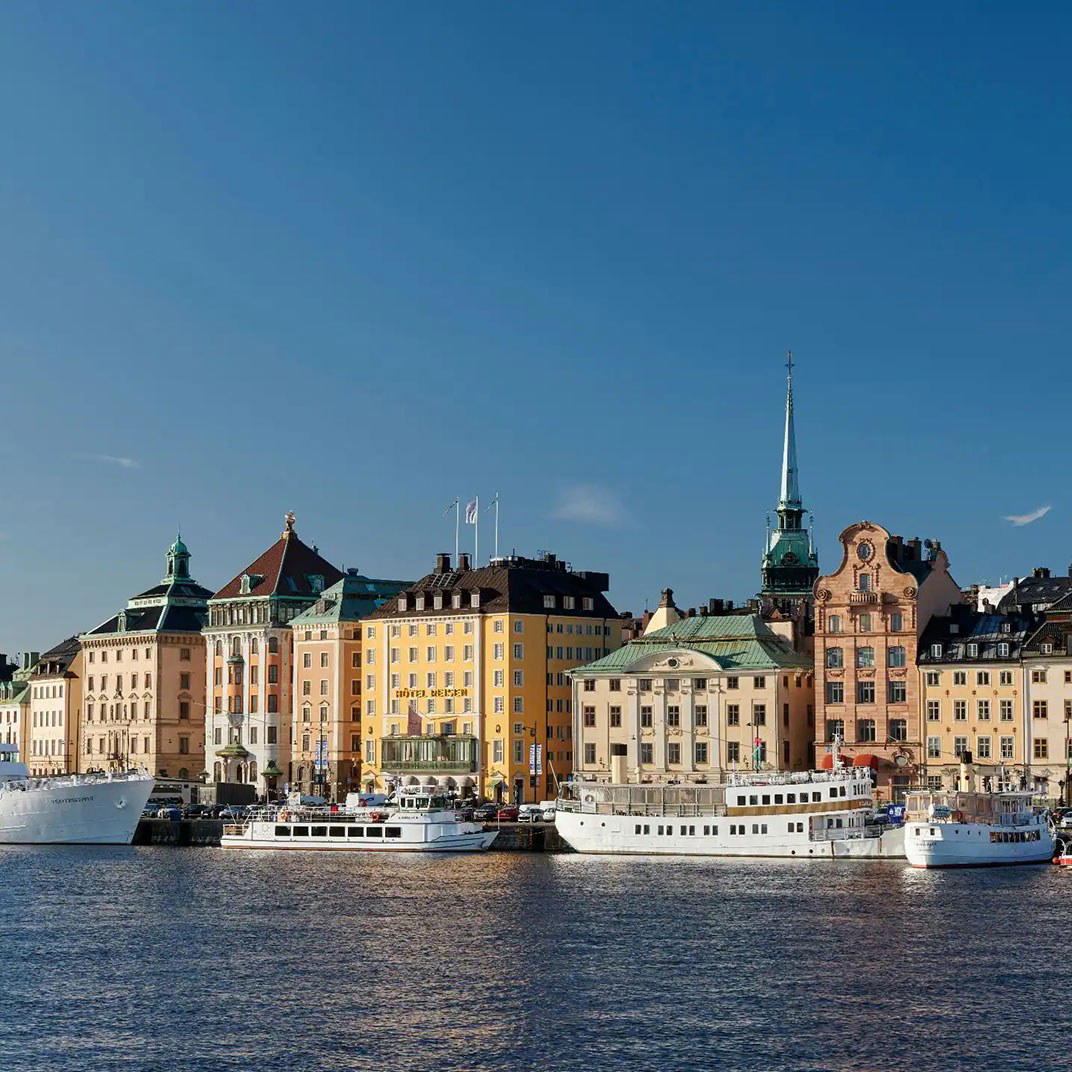
Sofiagatan runs through a part of Södermalm where the built environment feels lived in rather than curated. The buildings are Stockholm vernacular: late nineteenth and early twentieth century residential blocks with high ceilings and wide windows at street level. A restaurant at this kind of address positions itself, whether deliberately or not, against the grain of destination dining. Guests arrive because they chose this neighbourhood, not because the neighbourhood happened to host a table they needed to secure. That distinction matters for how an occasion meal lands emotionally. The pressure of securing a specific prestigious table is absent; the pressure of making the evening count is transferred back to the gathering itself.
That shift in dynamic is, in fact, what many of the most satisfying occasion meals share across cities. Le Bernardin in New York works partly because the room provides a container formal enough to hold a serious occasion without requiring the occasion to justify itself through the difficulty of booking. Atomix, also in New York, operates differently: the scarcity of seats makes the booking itself part of what you're celebrating. A Södermalm address at neighbourhood scale sits closer to the Le Bernardin model in spirit, even if not in category.
VINA in the Wider Swedish Fine Dining Picture
Sweden's recognised dining scene extends well beyond Stockholm, and occasion-led dining has a particular geography across the country. Vollmers in Malmö and VYN in Simrishamn represent the Skåne region's capacity to deliver destination-quality cooking at a distance from the capital. Signum in Mölnlycke and 28+ in Gothenburg anchor the west coast conversation. In the interior, ÄNG in Tvååker and Knystaforsen in Rydöbruk have built reputations around produce-led cooking rooted in specific landscapes. PM & Vänner in Växjö, Adrian Restaurang in Borås, Brasserie Park in Jonkoping, and Enoteket in Norrköping round out a secondary tier that has expanded notably since the late 2010s.
Within Stockholm itself, the competitive set for occasion dining at the top tier is relatively small and well-documented: Frantzén's three Michelin stars set a ceiling, while restaurants like Adam / Albin and AIRA operate one tier below at two stars, each running format-disciplined tasting menus. Operakällaren represents a different axis: historic grandeur and Swedish classical cooking rather than contemporary Nordic progression. The gap between that documented tier and the broader Södermalm neighbourhood dining scene is where VINA sits.
Choosing VINA for an Occasion
The decision to mark a significant moment at a restaurant without a documented critical trail is, counterintuitively, often a more confident choice than booking on reputation alone. It reflects familiarity with a neighbourhood, a recommendation chain that runs through people rather than guides, or a deliberate preference for rooms that don't perform their own significance. Stockholm has that culture: the city's most referenced tables get reviewed obsessively, while a large number of genuinely capable neighbourhood restaurants operate below the threshold of critical attention. Our full Stockholm restaurants guide covers both tiers and is a useful orientation before deciding which mode of occasion dining suits the specific evening you are planning.
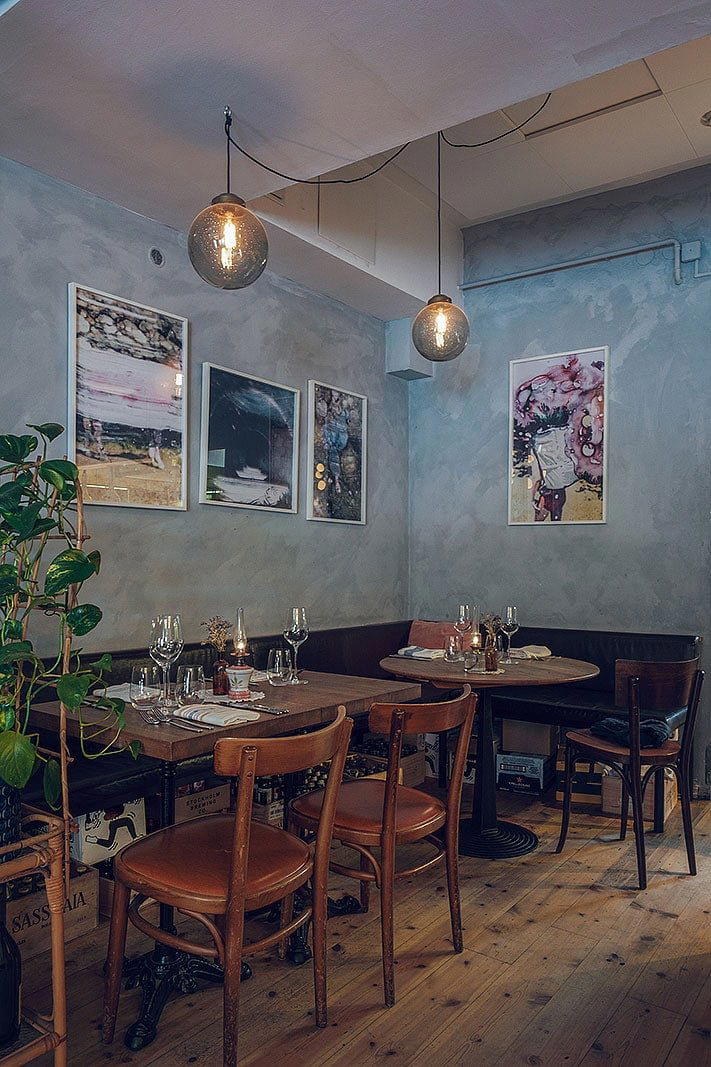
For milestone meals specifically, the framing matters. A room on Sofiagatan in residential Södermalm will not deliver the ceremony architecture of a Michelin-starred tasting counter. What it can deliver, depending on execution, is the intimacy of a smaller room, the rhythm of a neighbourhood-paced meal, and the absence of the performance pressure that attaches to high-profile bookings. Those are, for certain occasions, exactly what is needed.
Planning Your Visit
VINA is located at Sofiagatan 1 in the 116 40 postcode of Södermalm, Stockholm's southern island. The area is well-served by the T-bana, with Medborgarplatsen and Skanstull stations both within reasonable walking distance, making it accessible without requiring a taxi from the central hotel districts. Södermalm restaurants at this address range tend to operate in the mid-to-upper-mid pricing bracket, but that should be confirmed rather than assumed.
Cost and Credentials
Comparable venues nearby, for context on price, style, and recognition.
| Venue | Price | Awards |
|---|---|---|
| VINAThis venue (the venue you are viewing) | $30–50 | Star Wine List · Falstaff Wine Bar - Listed |
Recognition history
Dated appearances from independent guides and award organizations, with the underlying list record or original source where available.
Star Wine List
Star Wine List
Falstaff Wine Bar - Listed
Falstaff
White Guide Sweden Bars - Fine Level
White Guide
VINA
Featured Guides
Continue exploring
More in Stockholm
Bars in Stockholm
All bars in Stockholm →
Restaurants in Stockholm
All restaurants in Stockholm →
VINA
The wine
- Wine program
- Deep wine list
- Extensive wine list
- Natural wine
Details
- Cozy
- Intimate
- Trendy
- Date Night
- After Work
- Casual Hangout
- Wine Cellar
- Natural Wine
- Extensive Wine List
- Natural Wine
- Vegetarian Friendly
Current opening hours
- Monday
- Closed
- Tuesday
- 4–10 PM
- Wednesday
- 4–10 PM
- Thursday
- 4–10 PM
- Friday
- 4–11 PM
- Saturday
- 2–11 PM
- Sunday
- Closed
Hours can change for holidays and private events. Hours as of .
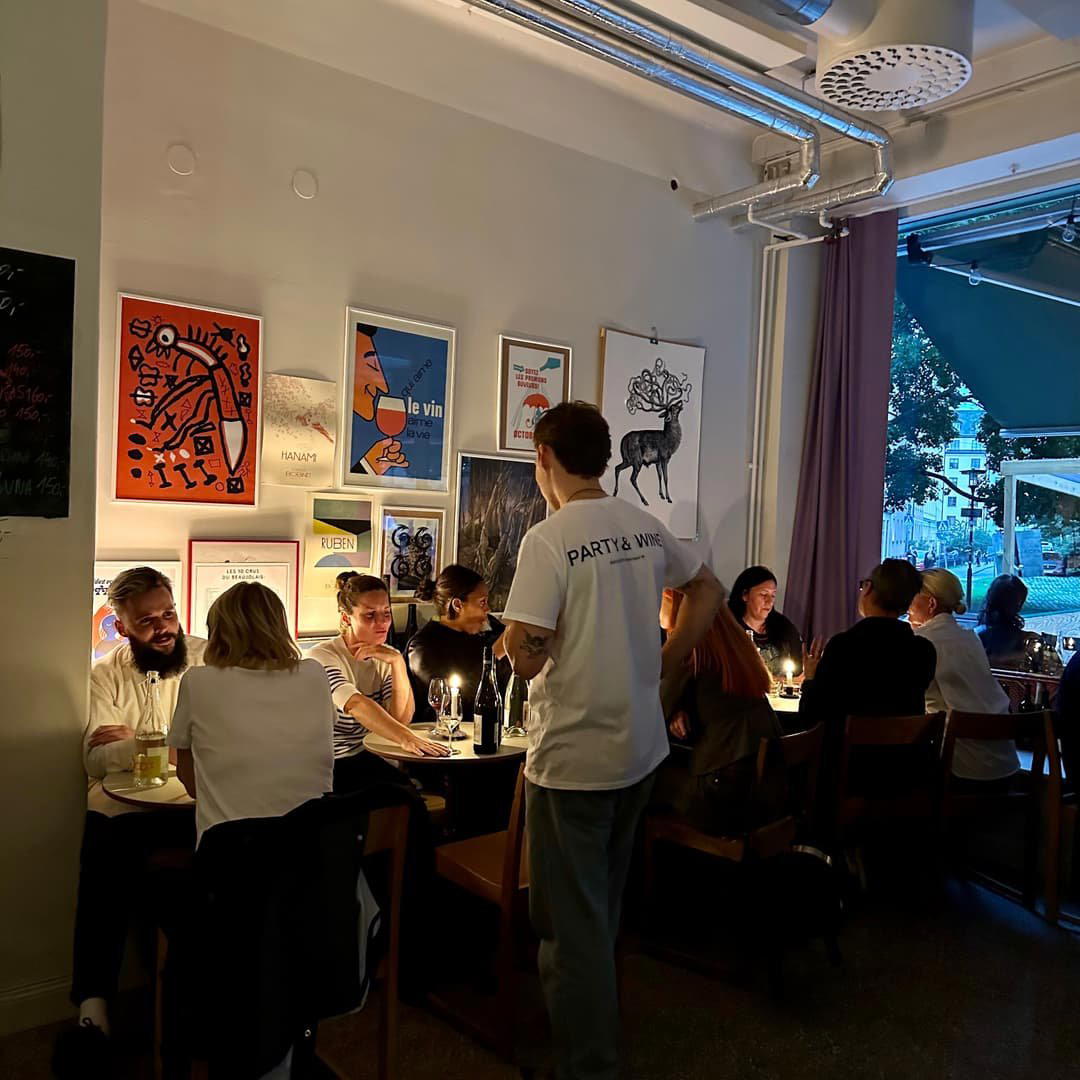
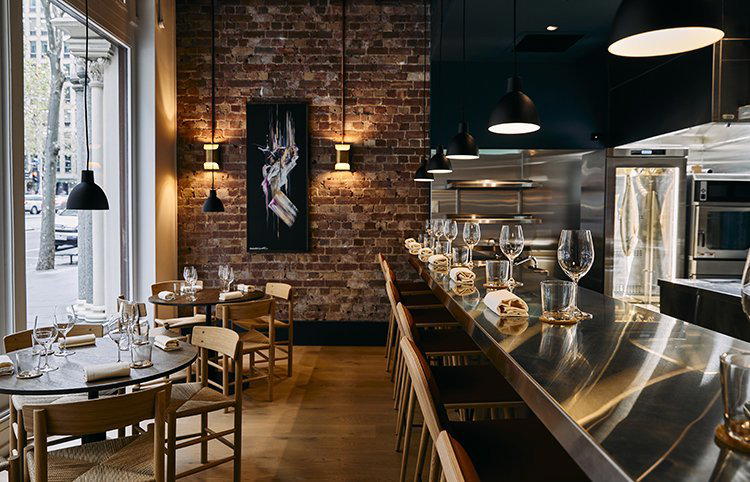
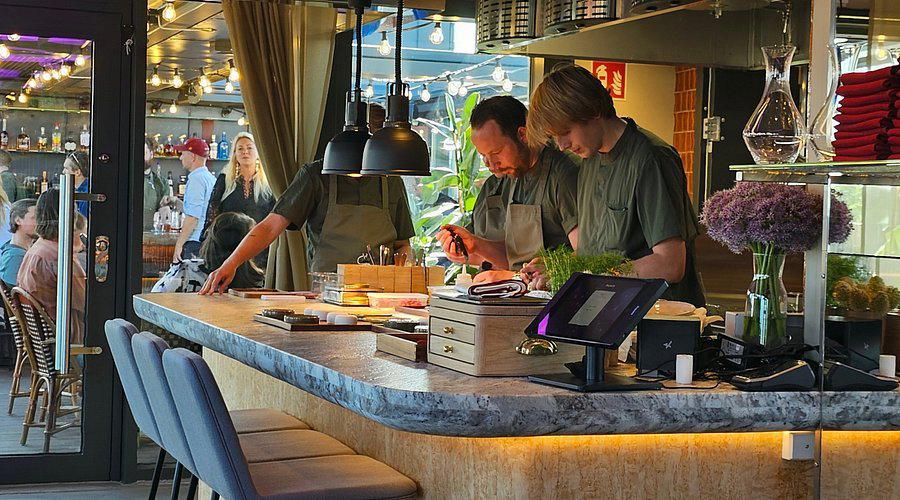
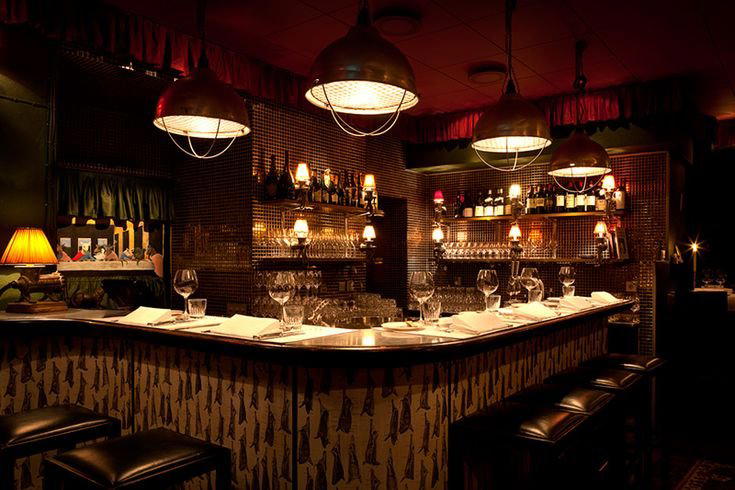
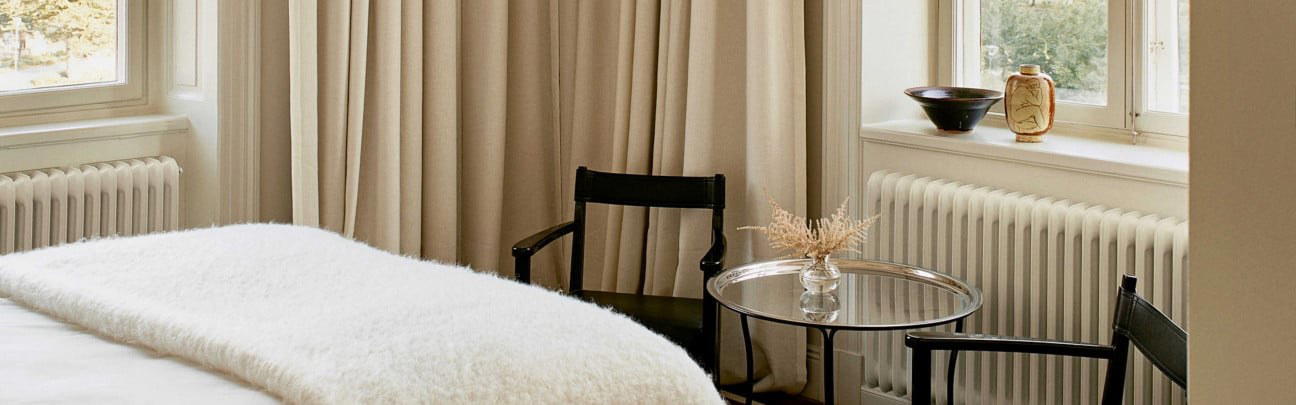
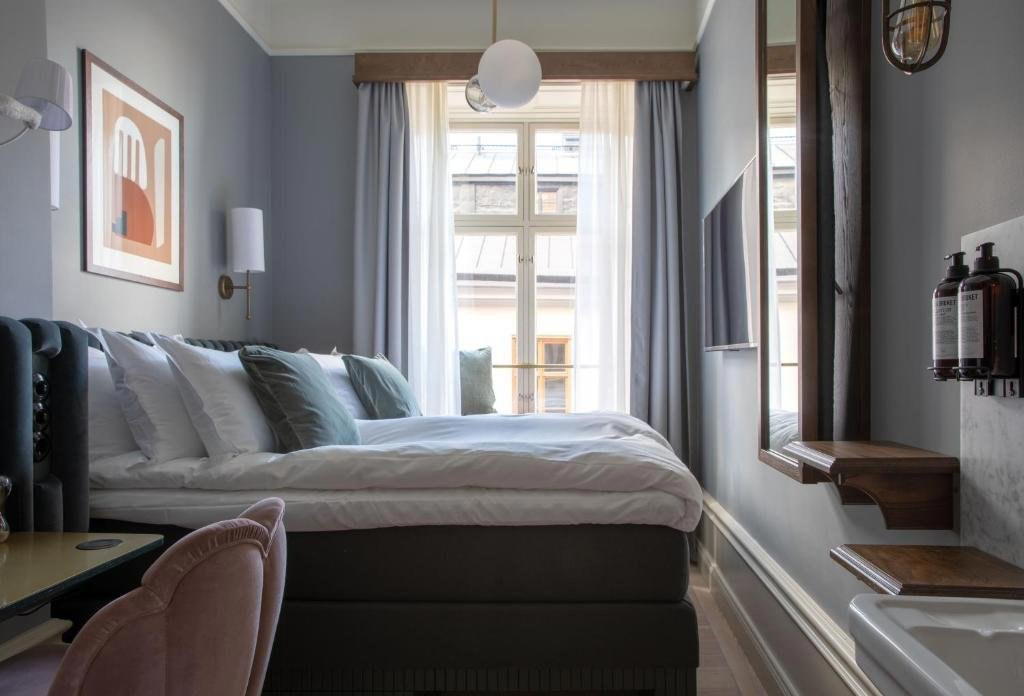
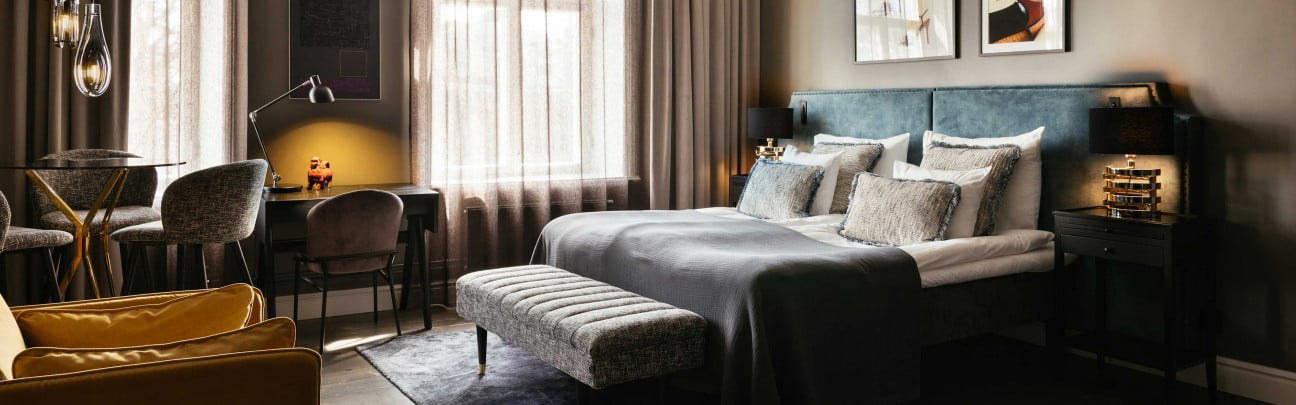
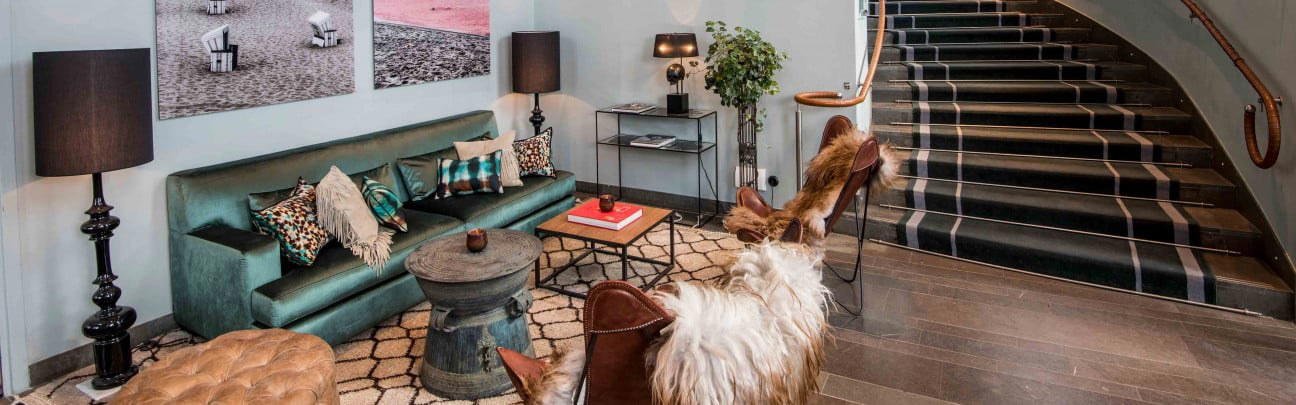
Warm, welcoming atmosphere like a wine living room, cozy and feelgood for after-work crowds and wine enthusiasts.