The Will & The Way
On Toulouse Street in the French Quarter, The Will & The Way sits inside one of New Orleans' most storied blocks, where the city's layered drinking culture plays out nightly. The address alone places it within walking distance of the Quarter's most serious bar programs, making it a natural stop for anyone tracing the arc of New Orleans cocktail history from its Creole roots to its contemporary craft revival.

Pearl is the En Primeur Club membership app — saves, bookings, and concierge access live there. Same editors, same standards.
- Address
- 719 Toulouse St, New Orleans, LA 70130, USA
- Phone
- (504) 354-1139
- Hours
- Daily 12 PM–1 AM
- Website
- thewillandtheway.com
- Directions
- Get directions
- Booking
- Book on the venue's website
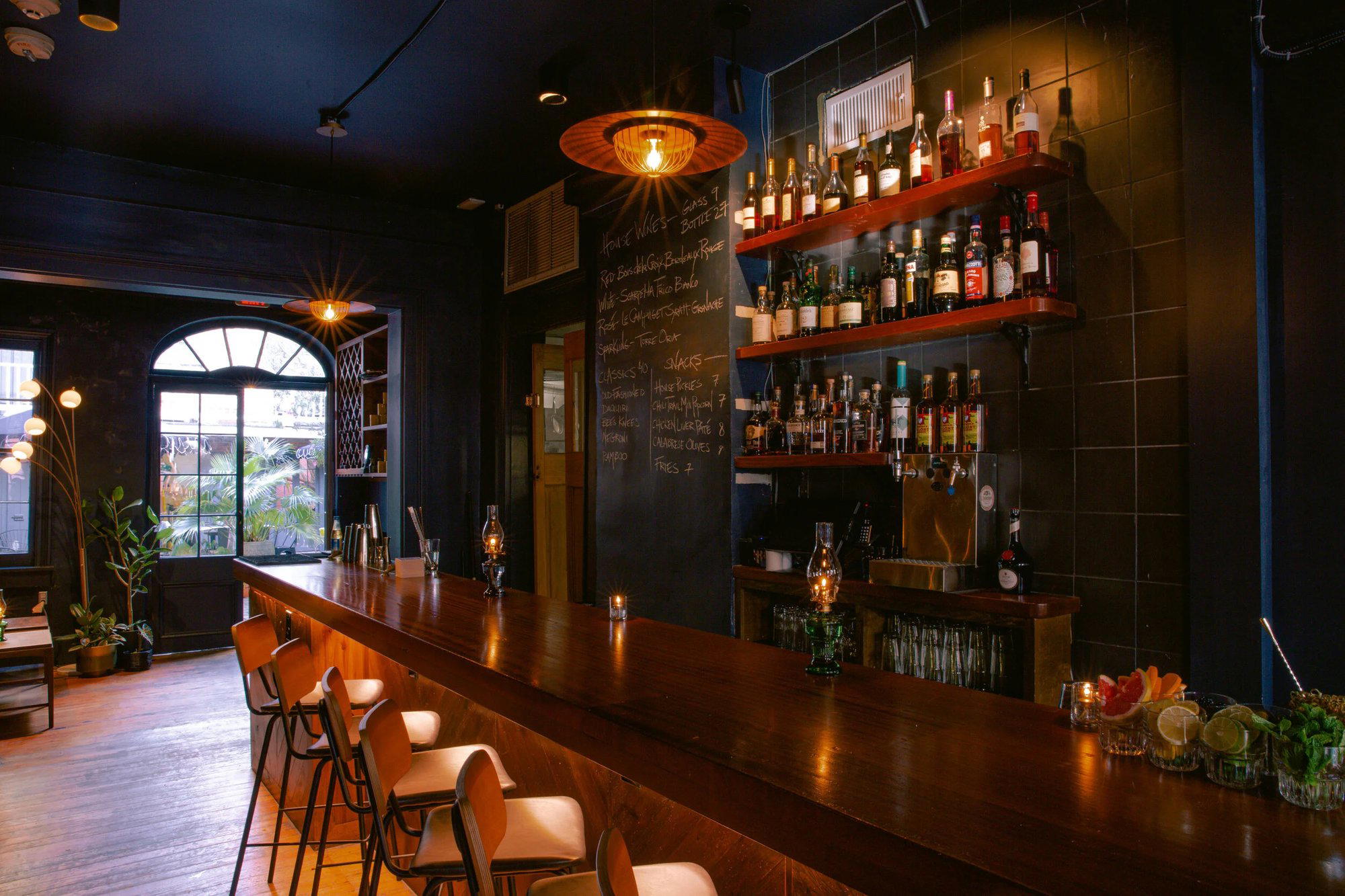
Toulouse Street and the Weight of the Quarter
Arrive at 719 Toulouse Street on any given evening and you arrive, first, at a geography. The French Quarter is not a backdrop. It is an argument about what American drinking culture owes to the Caribbean trade routes, the French colonial infrastructure, and the free people of color who shaped New Orleans cuisine and hospitality in ways that took the rest of the country two centuries to acknowledge. The Will & The Way sits within that argument, on a block where the physical fabric of the city, iron balconies, narrow sidewalks, the low hum of the street, does as much editorial work as anything behind the bar.
This matters because New Orleans is one of a small number of American cities where the cocktail did not have to be invented. It was already here. The Sazerac, the Vieux Carré, the Ramos Gin Fizz: these are not curiosities or historical footnotes. They are the baseline, the inherited vocabulary that every serious bar in the Quarter must either honor or consciously push against. The bars that manage to do both simultaneously are the ones worth the detour.
A City That Earned Its Drinking Culture
New Orleans holds a particular position in any honest account of American cocktail history. The confluence of French, Spanish, Haitian, and West African influences produced a drinking culture that was plural from the start, not the mono-culture that later standardized American bar practice. Absinthe arrived early, bitters followed, and the concept of balancing spirits with sugar, citrus, and aromatic modifiers was being practiced in the Quarter's pharmacies and coffee houses before the word "cocktail" had settled into common usage.
That historical depth creates both an opportunity and a pressure for contemporary venues on streets like Toulouse. The opportunity is access to a canon: a library of local ingredients, techniques, and stories that most cities would have to fabricate. The pressure is the risk of becoming a museum rather than a living program. The Quarter's better bars have learned to treat their inheritance as a working toolkit rather than a display case, referencing the classics without being imprisoned by them.
The French Quarter's current bar scene spans a wide range. At one end, you have temples of craft such as Jewel of the South, which holds a James Beard Award nomination and operates with a rigorously sourced spirits program rooted in the Creole tradition. At the other, you have tourist-facing volume operations that treat the Hand Grenade and the frozen daiquiri as endpoints rather than entry points. The Will & The Way occupies the French Quarter's middle geography, the zone where address and atmosphere carry weight independently of whatever awards cycle a venue happens to be navigating.
Where The Will & The Way Sits in the Wider Scene
Nationally, the shift toward ingredient-forward, technique-grounded programs has produced a generation of bars that treat the cocktail list as a document of place. Kumiko in Chicago does this through Japanese technique and American spirits. Julep in Houston does it through a Southern lens. ABV in San Francisco and Allegory in Washington, D.C. approach it through narrative and visual program design. Superbueno in New York City grounds its program in Latin American spirits and culture. Even internationally, venues like Bar Leather Apron in Honolulu and The Parlour in Frankfurt on the Main have built reputations on precision and place-specificity. New Orleans, with its unmatched source material, should produce venues that compete in that company. The address at 719 Toulouse puts The Will & The Way inside the zone where that expectation is reasonable.
It is worth noting, separately, that the Quarter has also developed a food-forward dimension to its bar culture. Venues like 2 Phat Vegans represent the city's broader diversification of what a drinking destination can offer, extending the conversation beyond spirits into questions of access, identity, and community. The French Quarter's block-by-block variation means that a single street can hold multiple versions of what a New Orleans night out looks like.
The Cultural Logic of This Address
Toulouse Street has its own internal grammar. The 700 block sits close enough to Bourbon Street to catch its overflow while remaining far enough from it to attract a different kind of customer: one who chose the cross street deliberately rather than arriving by volume and noise. That self-selection matters. It is the same dynamic that separates the second-floor balcony bar from the ground-floor dance floor in any given Quarter building: same building, different social contract.
The cultural roots of New Orleans drinking practice are not incidental. They are the argument. The city's spirits heritage includes locally produced rye whiskey, the botanical legacy of Caribbean rum, the influence of French liqueur culture, and a Creole culinary tradition that treated the drink as an extension of the kitchen rather than a separate department. Any bar operating on Toulouse Street is making an implicit claim about where it sits in that inheritance, whether it addresses that claim directly or not.
For visitors arriving with serious intent, the Quarter rewards the kind of bar-to-bar research that the city's density makes possible. The blocks between Bourbon and Royal, between Canal and St. Ann, contain more cocktail history per square foot than almost any other urban grid in the country. Our full New Orleans restaurants and bars guide maps that density in more detail, placing each address in the context of its neighbourhood and competitive set.
Know Before You Go
Address: 719 Toulouse St, New Orleans, LA 70130
Neighbourhood: French Quarter
Hours: Not confirmed — verify directly before visiting
Price range: Not publicly listed — budget in line with French Quarter craft bar standards
Ideal time to visit: Midweek evenings tend to run quieter than weekend nights in the Quarter; Jazz Fest and Mardi Gras periods add significant street-level pressure to all Toulouse addresses
Cuisine and Recognition
Comparable venues nearby, for context on price, style, and recognition.
| Venue | Cuisine | Price | Notes |
|---|---|---|---|
| The Will & The WayThis venue — the venue you are viewing | cocktail_bar | $20–30 | Not listed |
| Upperline | Bar | Not listed | Uptown |
| Lilette | cocktail_bar | Not listed | Touro |
| Hot Tin | rooftop_bar | $30–50 | Central City |
| Bacchanal Fine Wine & Spirits | wine_bar | Not listed | Bywater |
| The Delachaise Wine Bar | wine_bar | $30–50 | Touro |
Continue exploring
More in New Orleans
Bars in New Orleans
Browse all →
Restaurants in New Orleans
Browse all →
Details
- Cozy
- Intimate
- Trendy
- Date Night
- Casual Hangout
- After Work
- Standalone
- Lounge Seating
- Booth Seating
- Craft Cocktails
- Classic Cocktails
- Frozen
Current opening hours
- Monday
- 12 PM–1 AM
- Tuesday
- 12 PM–1 AM
- Wednesday
- 12 PM–1 AM
- Thursday
- 12 PM–1 AM
- Friday
- 12 PM–1 AM
- Saturday
- 12 PM–1 AM
- Sunday
- 12 PM–1 AM
Hours can change for holidays and private events. Last verified .
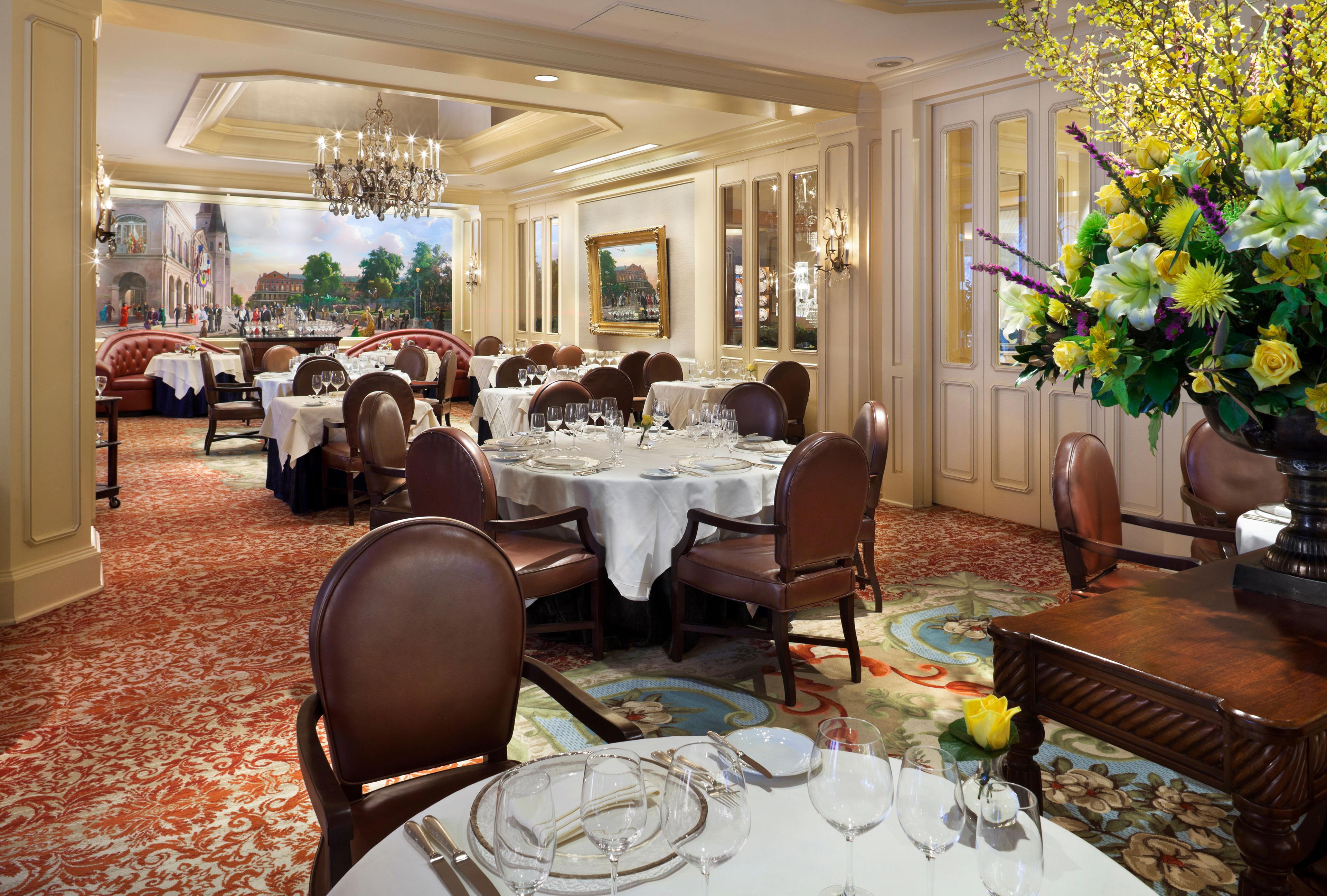
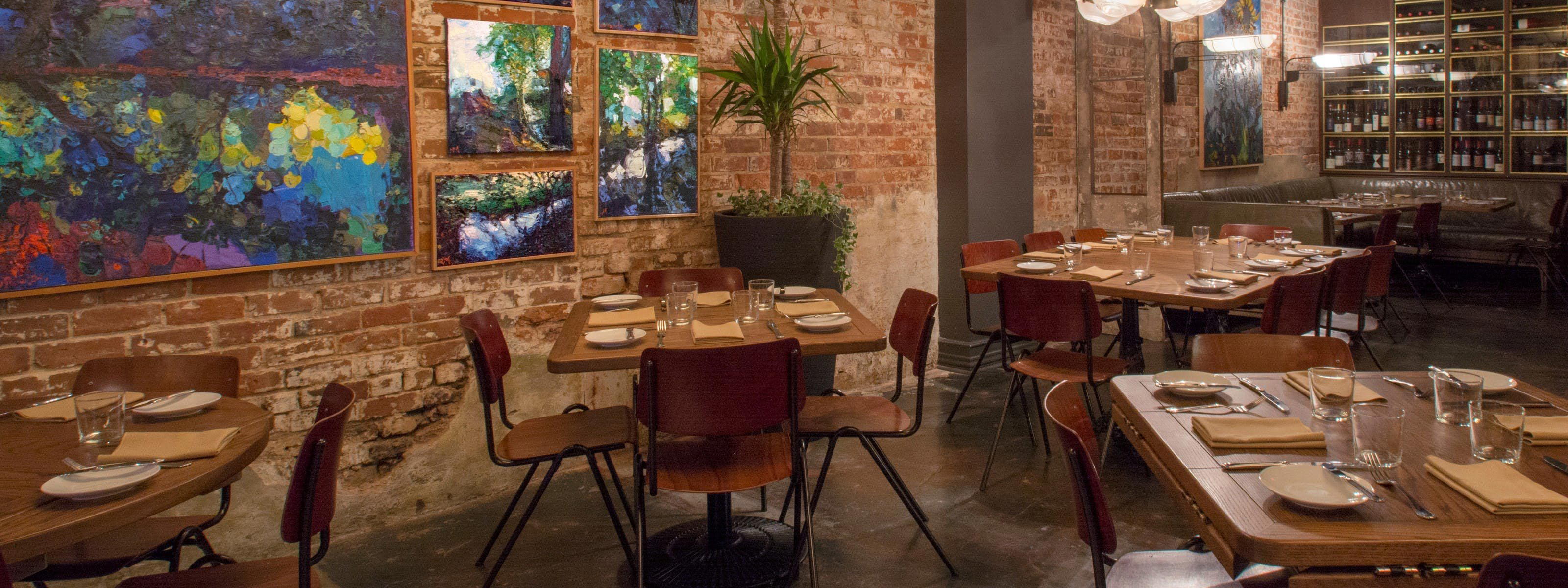
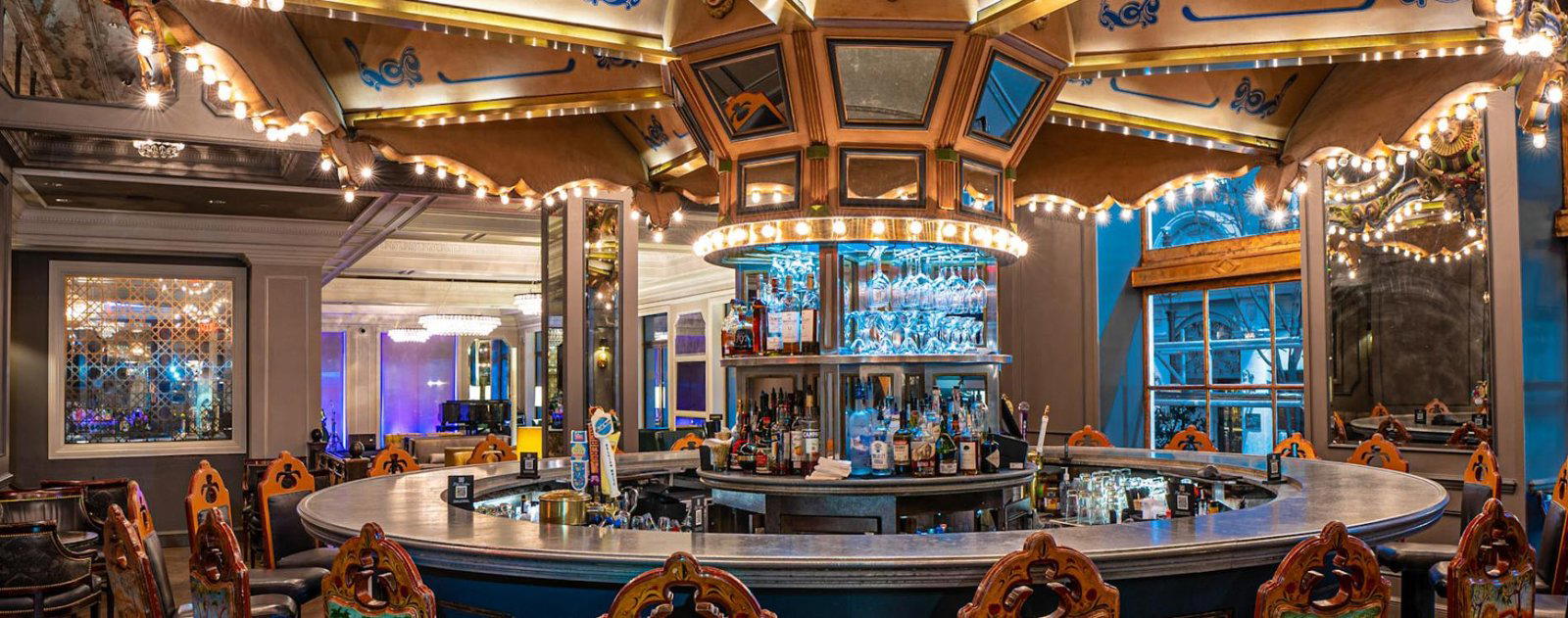
Laid-back atmosphere with plenty of nooks and crannies for relaxed reading, working, dating, or dining.