The Pour House Music Hall & Record Shop
On South Blount Street in downtown Raleigh, The Pour House Music Hall & Record Shop occupies a specific niche in the city's live music circuit: part vinyl shop, part concert room, with a programming ethos that keeps the bill local and regional without closing the door to national touring acts. For Raleigh's independent music scene, it functions as both a stage and an archive.
Pearl is the En Primeur Club membership app — saves, bookings, and concierge access live there. Same editors, same standards.
- Address
- 224 S Blount St, Raleigh, NC 27601
- Phone
- +1 919 821 1120
- Website
- thepourhousemusichall.com
- Directions
- Get directions
 Saves & bookings on Pearl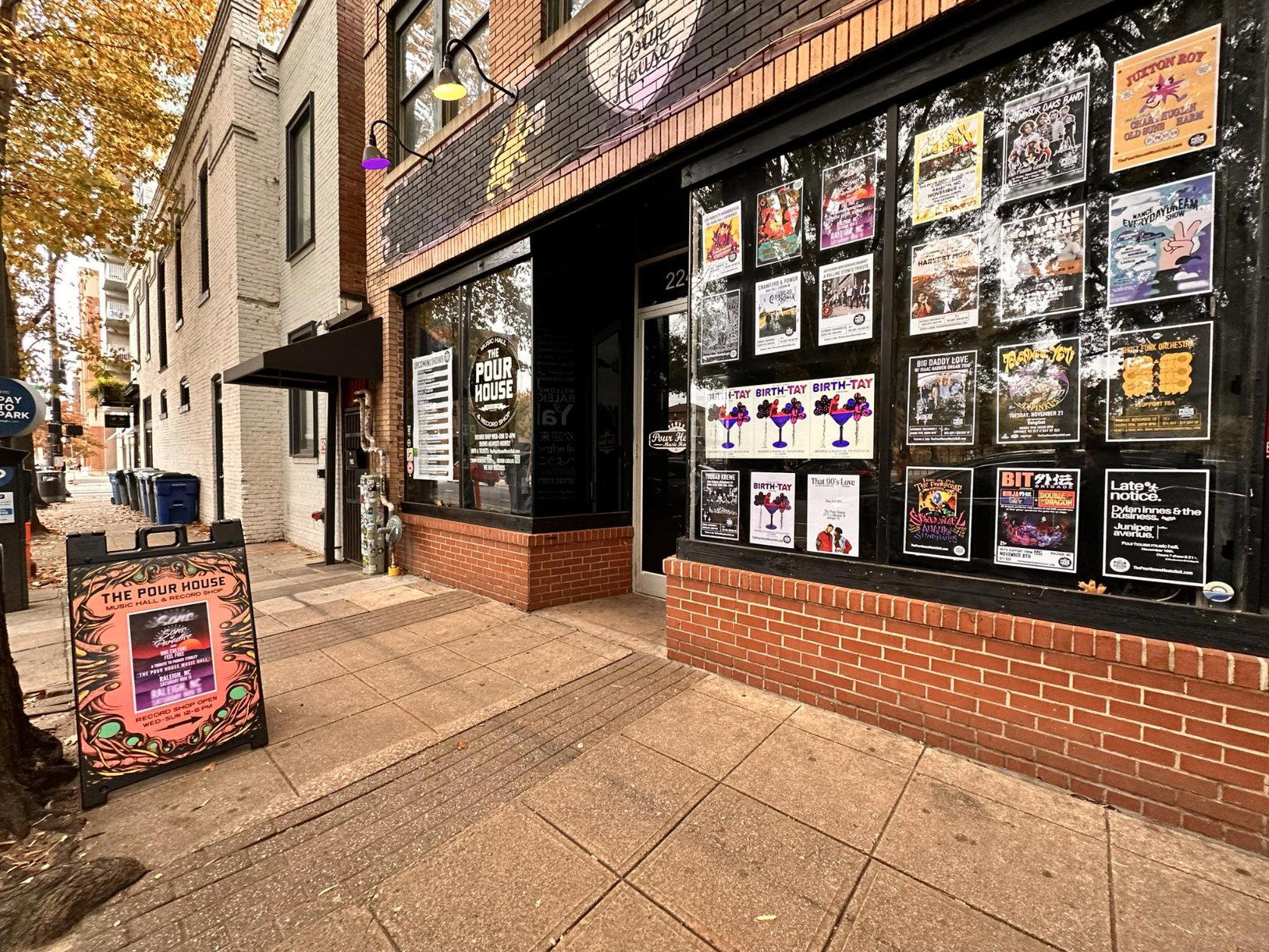
South Blount Street and the Architecture of Independent Music Venues
Downtown Raleigh's cultural corridor along South Blount Street has always operated at a remove from the city's more polished entertainment districts. The buildings here are lower, the signage less curated, and the foot traffic oriented around people who came for a specific reason rather than a general night out. In that context, a venue that combines a record shop with a live music room isn't a novelty act — it's a coherent statement about how independent music culture prefers to organize itself. The record shop functions as a lobby, a preamble, and a filter: the people who browse the bins before a show have already self-selected into an audience that takes the music seriously.
That dual format — retail floor feeding into performance space, has roots in American DIY music culture going back several decades. Cities like Nashville, Austin, and Richmond have produced versions of it, each shaped by local scene pressures and the economics of keeping a small venue solvent. Raleigh's version on South Blount sits in a city whose music identity has historically been overshadowed by Chapel Hill (the 1990s indie wave centered on Merge Records and Cat's Cradle) and Charlotte (the larger commercial market to the southwest). That positioning, somewhat outside the established narrative, has given venues like The Pour House room to program without the weight of a legacy reputation to protect or perform.
What the Record Shop Format Says About the Room
The pairing of vinyl retail and live performance isn't accidental in venues that adopt it. Record shops carry cultural credibility precisely because they operate on thin margins and survive on community loyalty, the same conditions that define the independent venue sector. When a music hall incorporates that format, it signals a programming orientation toward catalogue depth, artist credibility, and audience engagement over throughput. Compare this to the larger club model, where the bar is the primary economic engine and the stage is almost incidental; the record shop format inverts those priorities, or at least complicates them.
Across the broader American independent venue circuit, a small number of bars and music rooms have managed to sustain hybrid formats long-term. ABV in San Francisco operates with a similar specialist-culture orientation, curating a drinks program that functions as an argument about category rather than a response to market demand. Kumiko in Chicago takes a comparable approach with Japanese whisky and cocktail traditions. In each case, the retail or archival dimension of the operation (wine, spirits, vinyl) shapes the character of the room itself. The Pour House belongs to that logic, applied to music.
The Raleigh Live Music Context
Raleigh's live music infrastructure has expanded noticeably since 2010, driven partly by Research Triangle population growth and partly by the city's ongoing investment in its downtown core. The result is a tiered venue ecosystem: arena and amphitheater shows at one end, mid-capacity clubs in the middle, and a smaller independent circuit at the base. The Pour House occupies the independent tier, where booking decisions reflect curatorial instincts rather than capacity-driven commercial calculation.
In that tier, programming range matters more than scale. A room that books regional acts on Tuesday and a national touring act on Saturday without losing internal coherence is doing something that requires actual curation, not just accepting whoever is available. Raleigh's independent dining and drinking scene has followed a similar pattern of specialization and depth, visible in places like Ajisai and Angus Barn, both of which operate within defined identities rather than trying to appeal across every demographic. The Pour House's music-first, shop-forward model fits that same pattern of venue identity built around a point of view.
Drinks, the Bar Program, and What to Order
Independent music venues at this scale typically run direct bar programs oriented toward speed and volume during set changes. Draft beer, canned options, basic spirits, the economics of a small room demand a drinks menu that doesn't slow down the line when a set ends and 200 people need a drink in the same four minutes. That operational reality shapes what you should expect and, by extension, what you should order: the local draft beer is almost always the leading call, both for quality relative to price and because it reflects the same regional orientation as the booking calendar.
For comparison, the specialist cocktail programs at venues like Jewel of the South in New Orleans, Julep in Houston, or Bar Leather Apron in Honolulu are built around a fundamentally different operational model, one where the drinks are the primary event and the room is designed to support slow, attentive service. A live music room inverts that relationship. Knowing which type of venue you're in before you arrive shapes both what you order and how quickly you move from bar to floor.
Who Goes, and When
The Pour House draws the cross-section of Raleigh's independent music audience: students from NC State and the broader Triangle university population, residents in their late twenties and thirties who moved to the city during the last decade of growth, and older regulars who remember when the downtown scene was thinner and less organized. That demographic mix is typical of healthy independent rooms, where generational overlap creates both continuity and renewal in the audience base.
Timing matters at venues of this type. Arriving close to door time rather than set time gives access to the record shop in a less crowded state and often places you near the front of the room before the main draw fills the space. Shows at smaller independent venues typically sell out at the door rather than weeks in advance, though touring acts with strong regional followings can change that quickly. Checking the current booking calendar directly before planning a visit is the relevant logistical step. For a broader orientation to Raleigh's food and drink circuit, our full Raleigh restaurants guide covers the wider scene across neighborhoods and categories.
Raleigh's South Blount corridor also rewards pairing a show at The Pour House with a stop at nearby bars that operate with similar curatorial instincts. 10th and Terrace and 13 Tacos and Taps represent the same broader shift in downtown Raleigh toward spaces with defined identities, while Superbueno in New York City and The Parlour in Frankfurt on the Main show how the same independent-venue logic translates across different city contexts.
Planning Your Visit
The venue is located at 224 S Blount St, Raleigh, NC 27601, in the eastern edge of the downtown core. Street parking on South Blount is available but limited on show nights; the adjacent surface lots and the broader downtown parking deck network are the practical alternatives. Arriving thirty minutes before doors is the practical standard for independent rooms at this scale: enough lead time to find parking without standing outside for an extended period. Dress code norms at independent music venues in the American South run casual, without any expectation of formality.
At a Glance
- Lively
- Energetic
- Rustic
- Well Known
- Group Outing
- Casual Hangout
- Live Music
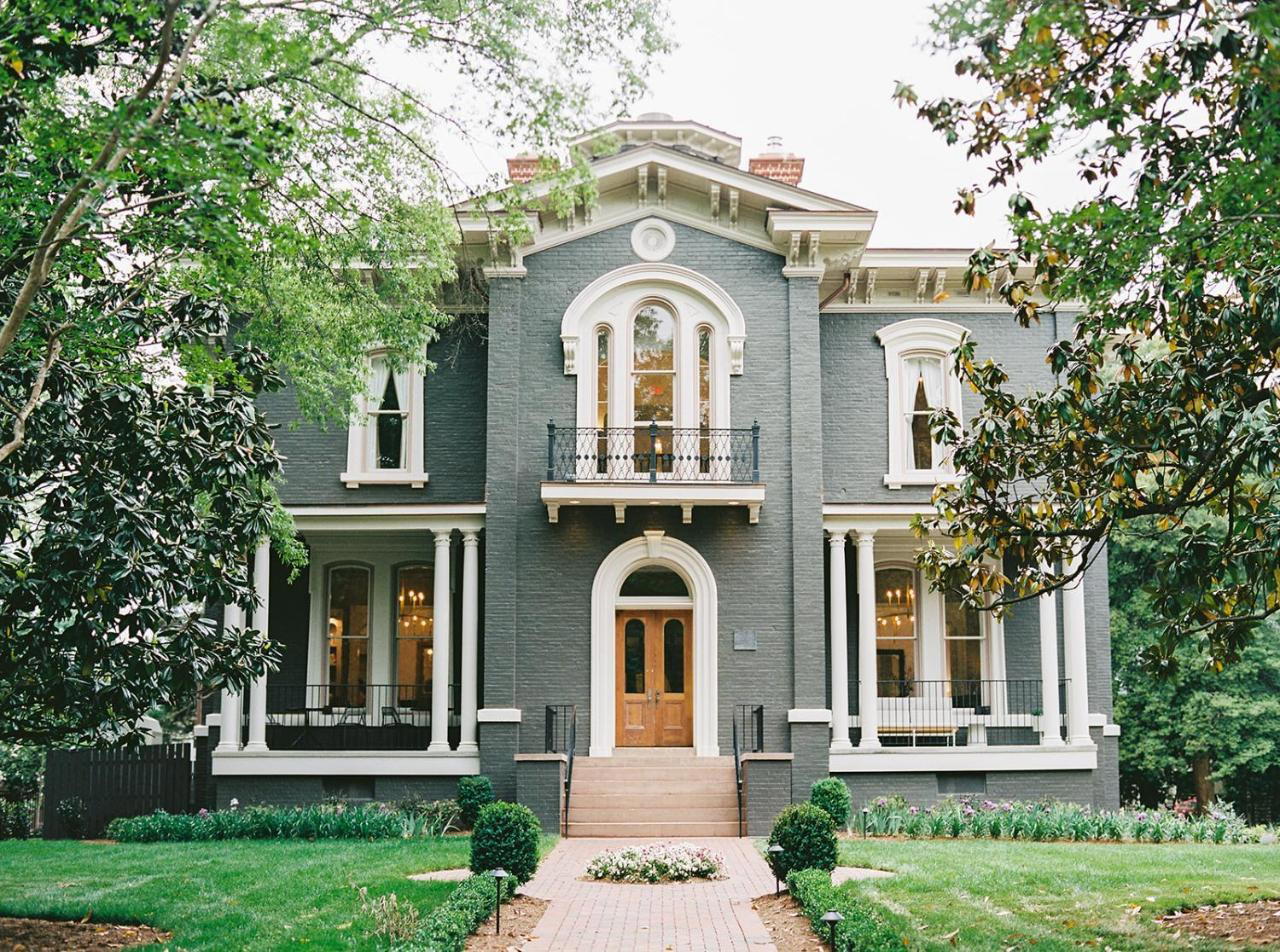
- Historic Building
- Standing Room
- Craft Beer
Current opening hours
- Monday
- Closed
- Tuesday
- 12–6 PM, 7 PM–12 AM
- Wednesday
- 12–6 PM, 7 PM–12 AM
- Thursday
- 12–6 PM, 7 PM–12 AM
- Friday
- 12–6 PM, 8 PM–12 AM
- Saturday
- 12–6 PM, 8 PM–12 AM
- Sunday
- 12–6 PM, 7–11 PM
Hours can change for holidays and private events. Last verified .
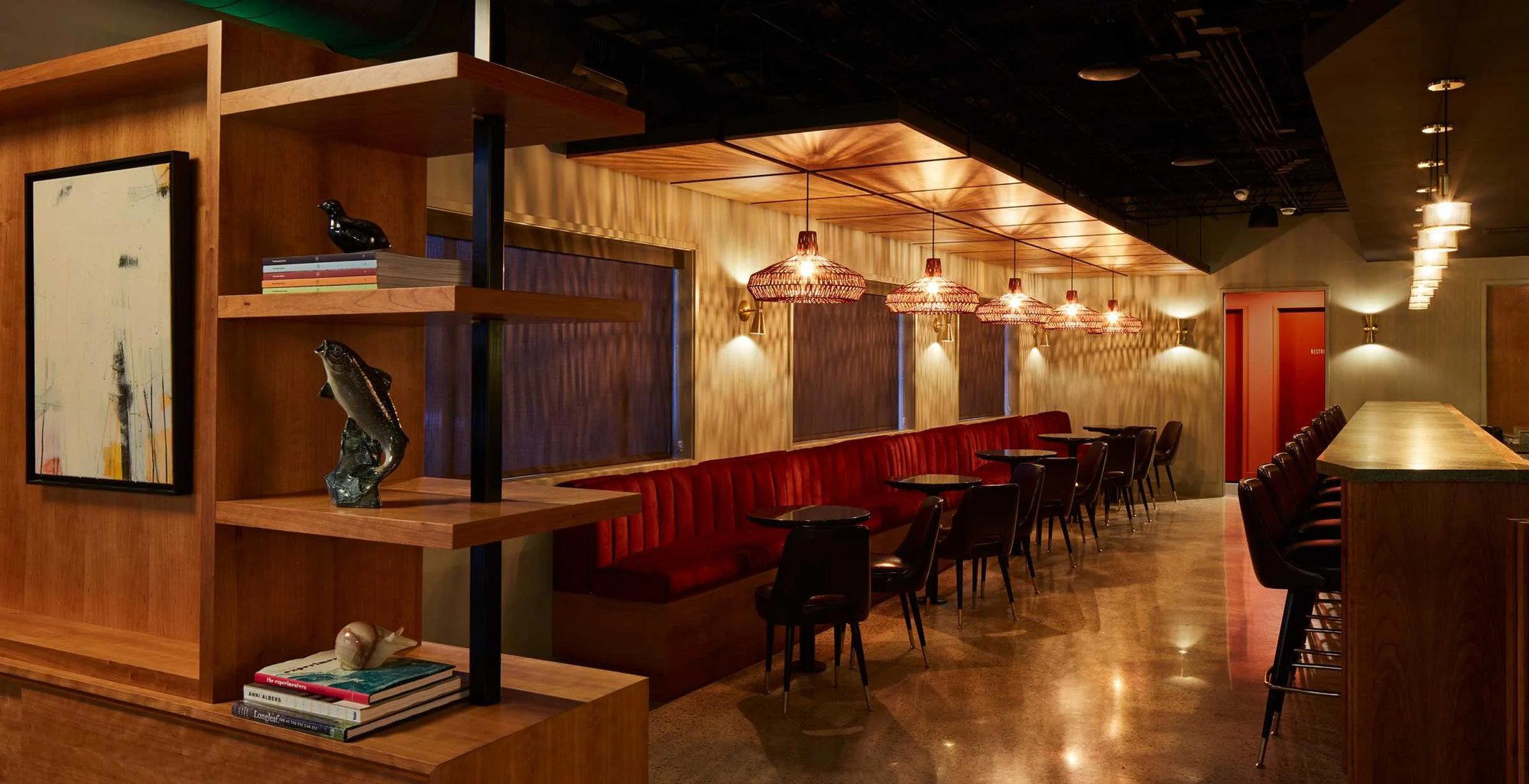
Energetic live music atmosphere with a nostalgic, music-centric vibe from the record shop and concert hall.
Know Before You Go
- Getting there
- 224 S Blount St, Raleigh, NC 27601