The Etna Rosso Ristorante
On Fort Lauderdale's North Ocean Boulevard, The Etna Rosso Ristorante draws from the Sicilian tradition of volcanic-region cooking, where the name alone signals a commitment to the wine and cuisine culture of Mount Etna's slopes. The address places it within the city's coastal dining corridor, where Italian concepts compete on atmosphere as much as plate. A reservation-friendly option for those exploring the area's broader Italian dining scene.
Pearl is the En Primeur Club membership app — saves, bookings, and concierge access live there. Same editors, same standards.
- Address
- 3354 N Ocean Blvd, Fort Lauderdale, FL 33308
- Phone
- +1 954 530 7910
- Website
- theetnarosso.com
- Directions
- Get directions
 Saves & bookings on Pearl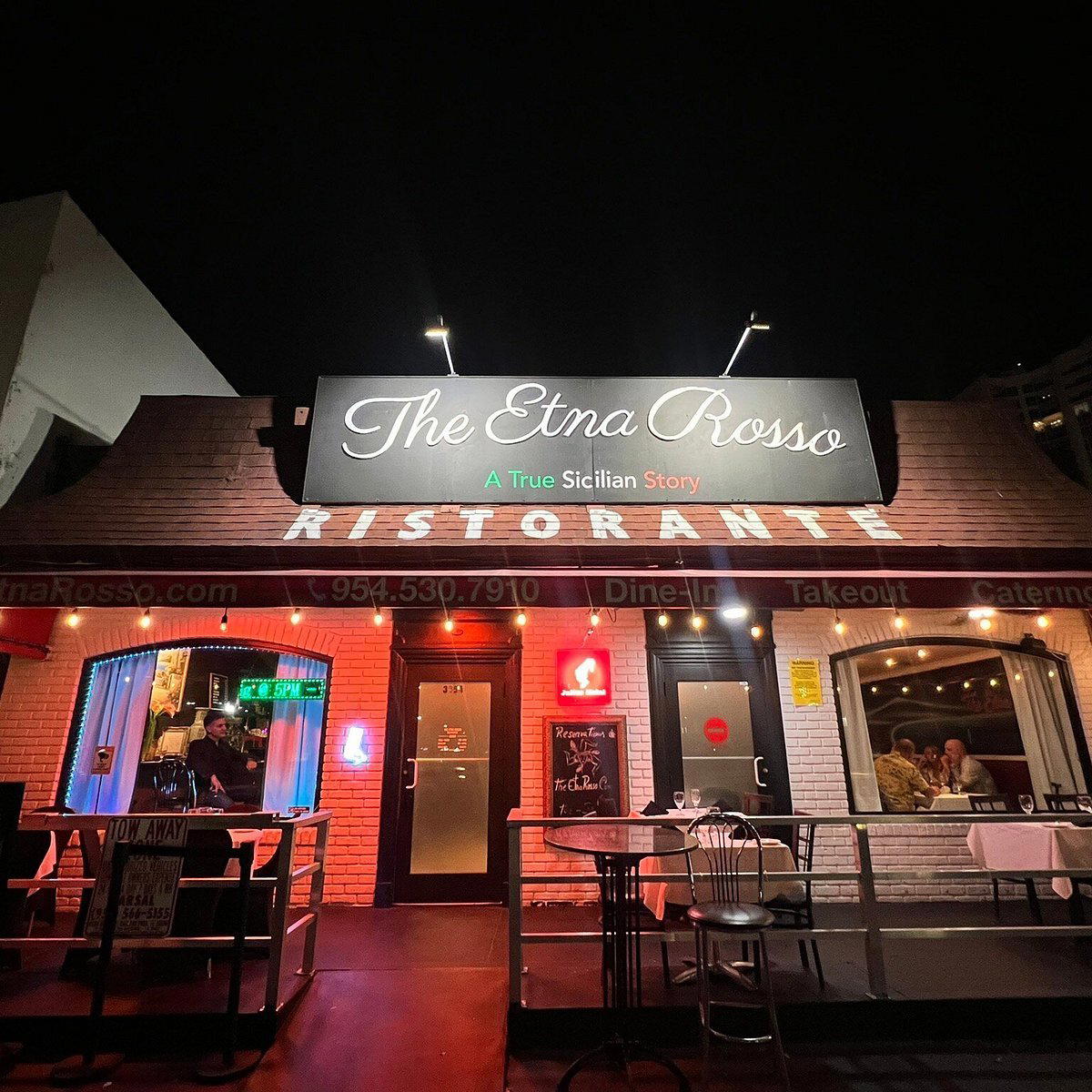
Where Sicily Meets South Florida
North Ocean Boulevard in Fort Lauderdale runs close enough to the Atlantic that the salt air arrives before the food does. That proximity shapes the character of dining along this stretch: informal enough for flip-flops, serious enough for a bottle of wine worth lingering over. The Etna Rosso Ristorante at 3354 N Ocean Blvd occupies that middle register, its name a direct reference to the volcanic wine region that wraps the lower slopes of Mount Etna in Sicily, where Nerello Mascalese grapes produce reds of tense minerality and restrained fruit. The name is a statement of intent before a dish arrives.
Sicilian cooking sits at a particular intersection in Italian regional cuisine: it carries North African spice routes, Arab sugar traditions, Greek coastal technique, and Norman meat preparations all in a single culinary vocabulary. That layering makes it one of the more complex of Italy's regional traditions to represent faithfully outside its home territory, and it also makes it one of the most distinctive when a kitchen commits to it. In a Fort Lauderdale dining scene that tends toward pan-Italian menus and Americanized pastas, a restaurant that plants its flag in a specific Sicilian identity occupies a narrower, more defined position.
The Cultural Weight of an Etna Reference
Naming a restaurant after Etna Rosso is a specific, knowledgeable gesture. Etna Rosso is a DOC designation from the Etna wine zone on Sicily's northeastern slopes, where altitude, volcanic basalt soils, and old vine Nerello Mascalese produce wines that have drawn serious international attention over the past two decades. Sommeliers in New York, London, and Tokyo have moved Etna Rosso into conversations alongside Burgundy and Barolo as an expression of terroir-driven winemaking at its most compelling. A restaurant bearing that name is implicitly invoking that tradition: the volcanic earth, the mineral tension, the restraint that distinguishes Etna's leading bottles from the broader southern Italian category.
That cultural framing matters for a diner approaching the restaurant. Fort Lauderdale's Italian dining options spread across a wide tier, from neighborhood red-sauce institutions like Anthony's Runway 84, which has built decades of local loyalty on comfort-forward cooking, to newer arrivals targeting a more contemporary European format. The Etna Rosso Ristorante's name positions it in a different conversation: Sicilian specificity, wine-forward identity, and a cooking tradition rooted in an island whose food culture is distinct from mainland Italy in ways that matter at the plate.
Fort Lauderdale's Evolving Dining Context
Fort Lauderdale has shifted meaningfully as a dining destination over the past decade. The city's restaurant scene historically skewed toward waterfront casual, seafood abundance, and a demographic that valued volume and accessibility over precision and provenance. That remains partly true, and the city's bars and casual venues reflect it: the Boatyard delivers on exactly that outdoor, waterfront energy, while Brew Next Door serves a neighborhood that wants approachability over occasion dining. But alongside those fixtures, a quieter category of more focused venues has grown, drawing residents and visitors who want something more particular from a dinner out.
The cocktail side of that evolution is equally visible. Apothecary 330 represents the more technically considered end of Fort Lauderdale's bar scene, and its presence signals that at least part of the city's hospitality market is moving toward programs that reward curiosity rather than defaulting to familiarity. A Sicilian restaurant with a wine identity anchored in Etna fits that same trajectory: it asks the diner to engage with something specific rather than something safe.
For reference points from other cities, the shift toward wine-forward, regionally specific Italian dining has been documented in places like New York, where venues built around a defined cultural identity increasingly outperform generic category competitors on longevity and critical attention. In Chicago, Kumiko has demonstrated that a tightly articulated identity, in that case Japanese spirits and precision technique, carries more weight over time than a broad-appeal format. The principle applies across cuisines: specificity tends to build a more committed audience than generalism.
Sicily on the Plate: What the Tradition Promises
Sicilian cuisine's cultural roots are worth understanding before you sit down. The Arab presence in Sicily from the ninth to eleventh centuries introduced saffron, citrus, raisins, pine nuts, and the sweet-sour agrodolce technique that still appears in dishes like caponata. Greek colonists brought olive cultivation. Norman occupation layered in meat preparation methods and pastry traditions. Spanish rule introduced tomatoes and peppers in the sixteenth century. The result is an island cuisine that is simultaneously Mediterranean, Middle Eastern, and European: it does not resolve neatly into any single category, and the leading Sicilian kitchens celebrate that complexity rather than smoothing it out for an unfamiliar audience.
Fish plays a central role, particularly swordfish, tuna, and sardines prepared in ways that carry North African seasoning alongside classic southern Italian technique. Pasta shapes like busiate, hand-rolled from semolina, are associated with western Sicily and sauces built on fresh tomato, almonds, and basil. Arancini, the fried rice balls originally of Arab origin, function as both street food and antipasto. These are the building blocks of an honest Sicilian kitchen, and a restaurant that takes its name from Etna's wine country is implicitly claiming familiarity with all of them.
Planning Your Visit
The Etna Rosso Ristorante is located at 3354 N Ocean Blvd, Fort Lauderdale, FL 33308, in the corridor north of central Fort Lauderdale that runs close to the beach. Visitors exploring the broader Fort Lauderdale dining and drinking scene should consult our full Fort Lauderdale restaurants guide for context on the city's neighbourhoods and dining patterns. The restaurant's North Ocean Blvd address places it in a stretch that is walkable from nearby accommodation and accessible by rideshare from Fort Lauderdale Beach proper.
Travelers arriving in Fort Lauderdale from other cities with strong bar and cocktail programs, including Jewel of the South in New Orleans, Julep in Houston, ABV in San Francisco, Bar Leather Apron in Honolulu, or The Parlour in Frankfurt, will find that Fort Lauderdale rewards a longer look than a single evening allows. A restaurant anchored in Sicilian wine culture fits that longer stay more naturally than a quick-stop dinner.
Continue exploring
More in Fort Lauderdale
Bars in Fort Lauderdale
Browse all →

Restaurants in Fort Lauderdale
Browse all →
At a Glance
- Romantic
- Intimate
- Elegant
- Cozy
- Date Night
- Special Occasion
- Booth Seating
- Private Rooms
- Conventional Wine
Current opening hours
- Monday
- Closed
- Tuesday
- 5–9 PM
- Wednesday
- 5–9 PM
- Thursday
- 5–9 PM
- Friday
- 5–10 PM
- Saturday
- 5–10 PM
- Sunday
- Closed
Hours can change for holidays and private events. Last verified .
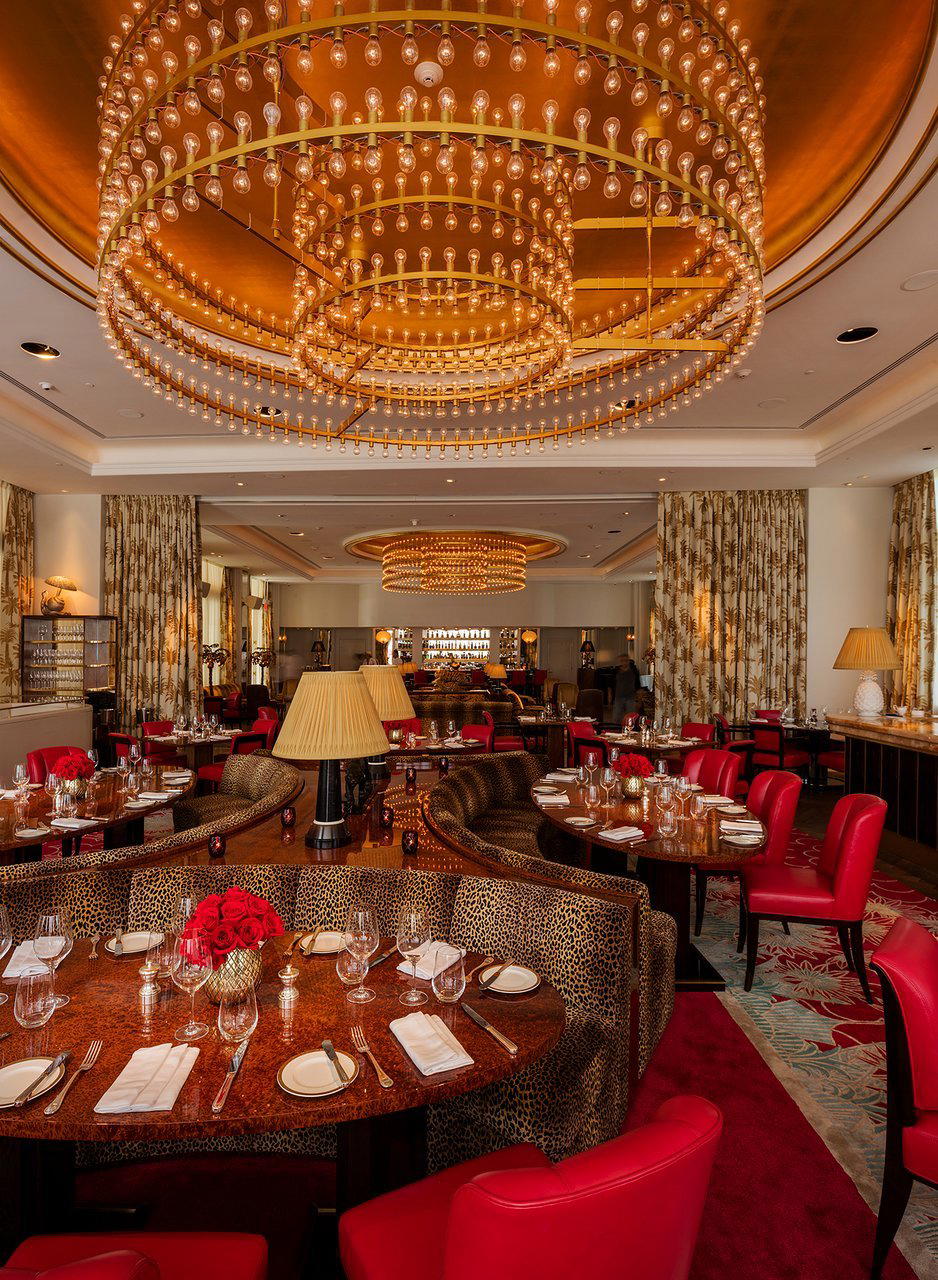
Dim lights in an intimate dining room well-suited for date nights or business dinners with warm hospitality.
Know Before You Go
- Getting there
- 3354 N Ocean Blvd, Fort Lauderdale, FL 33308