Google: 4.6 · 1,507 reviews
Terza
Terza occupies a corner address on 3rd Street SE in downtown Rochester, Minnesota, where the cocktail program anchors the experience. The bar positions itself within a Rochester drinking scene that has steadily added technique-forward operations over recent years, making it a reference point for the city's more serious bar culture alongside neighbors like Bitter & Pour and Bitter Honey.
 Discover on Pearl
Pearl is the En Primeur Club membership app — saves, bookings, and concierge access live there. Same editors, same standards.
The Corner on 3rd and What It Signals
Rochester, Minnesota is not the first city that comes to mind when someone maps the American craft cocktail circuit. That, in itself, explains something important about what has been happening here. Over the past several years, a cluster of bars along and around downtown's main corridors has been quietly building a drinking culture that competes in technique and seriousness with operations in considerably larger markets. Terza, at 30 3rd Street SE, sits at a telling address: the southeast corner of downtown, a block away from the energy of the med-district foot traffic that gives Rochester its unusual weeknight density. A city whose calendar is shaped by Mayo Clinic appointments draws visitors with serious disposable income and, increasingly, serious expectations for what they drink while they are here.
That context matters when you try to place Terza in its peer set. The Rochester bar scene has split, as many mid-sized American cities have, between casual neighborhood pours and a smaller tier of bars where the cocktail list functions as an actual editorial statement. Terza belongs to the latter group, alongside Bitter & Pour, Bitter Honey, and Branca Midtown, each of which has staked out a distinct position in how it approaches the drink. Where Bleu Duck Kitchen orients itself around food-and-drink integration, Terza's address and format suggest a bar-first identity, a place where the glass is the reason you came rather than a complement to something else.
The Cocktail Program as Editorial Argument
The most revealing thing about a serious cocktail program is not any individual drink but what the overall list argues. Does it chase seasonal produce as a flex, or does it use seasonal ingredients because they actually make a better drink? Does it rely on one or two centrifuge-clarified showpieces to signal technical credibility, or does technique run consistently through the whole card? These are the questions that separate a bar with a good reputation from a bar with a coherent point of view.
What distinguishes the better bars in Rochester's current moment is their willingness to frame drinks around structure rather than novelty. This positions the city's top tier closer, in spirit, to operations like Kumiko in Chicago, where the cocktail list functions as a carefully considered progression, than to the high-volume theatrics that defined an earlier generation of American craft bars. The analogy is useful because Chicago's bar scene, about three and a half hours south by car, has long served as an aspirational reference for what Rochester's more serious operators are building toward. The ABV model in San Francisco offers a different comparison: a bar that built its reputation on depth of spirits selection and thoughtful construction without leaning on spectacle. Both reference points illuminate what the more focused Rochester bars are attempting.
Terza's 3rd Street address puts it within easy reach of the downtown hotel cluster, which means it draws a visitor profile that skews more widely traveled than a purely local neighborhood bar would. That visitor, who may have recently sat at Jewel of the South in New Orleans or Bar Leather Apron in Honolulu, arrives with a calibrated sense of what a considered cocktail program looks and tastes like. That pressure, sustained over time, has raised the floor for what Rochester's better bars need to deliver.
Seasonality and the Minnesota Drinking Calendar
Minnesota's climate imposes a natural editorial structure on any serious bar program. The gap between late summer, when local botanical ingredients are at their most available, and the deep cold of January, when the question of what to drink shifts toward spirit-forward warmth, is not a minor variation. It is a near-complete change in the conditions under which people are drinking. Bars in markets like Houston or New York City operate with a different seasonal range; Minnesota bars that take their program seriously tend to rotate with more conviction, because the contrast between seasons demands it.
Late summer and early fall represent the strongest window for cocktails built around local produce, tart fruit, and herbs. Winter menus in Minnesota's better bars lean into aged spirits, fortified wine-based builds, and warming structures that suit the mood of the room when the temperature outside is measured in negatives. If you are planning a visit specifically around the cocktail program, that seasonal calendar is worth factoring in. The room itself, on a cold evening, takes on a different character from a warm June night, and the better bars program accordingly.
Where Terza Sits in the Wider Circuit
One useful way to read a bar's ambition is to map it against what the broader American cocktail circuit has been doing. The movement away from theatrical gimmickry and toward transparent technical programs, documented clearly in cities like New York and Chicago over the last decade, has filtered into secondary markets at different speeds. Rochester, given its unusual demographic mix of high-income medical professionals and internationally mobile patients' families, absorbed those influences faster than many comparable-sized cities. The result is a bar scene that, at its upper end, holds its own against the better operations in much larger Midwestern markets.
Terza's position at the corner of 3rd Street SE places it geographically and conceptually inside that upper tier. It is the kind of address where the bar program makes an argument about what Rochester drinking has become, not just what it always was. For a fuller read on where it fits within the city's overall offer, the EP Club Rochester guide maps the scene in broader detail, including the food-forward operations that run alongside the bar-first addresses. Internationally, the bar's orientation toward structured, technique-led cocktails places it in a conversation with programs like The Parlour in Frankfurt, which similarly operates in a city not typically on the cocktail circuit's first-tier map but maintains a program that rewards the serious drinker who finds it.
Planning a Visit
Terza is located at 30 3rd Street SE, a walkable distance from the main downtown Rochester hotels and the Skyway system that connects much of the medical district. For visitors arriving via the Rochester International Airport, the address is reachable in under twenty minutes by car. Given the bar's position in the city's more serious drinking tier, it draws a mix of regulars and first-time visitors throughout the week, with weekend evenings running the busiest. If you are visiting Rochester primarily for Mayo Clinic appointments and have limited evenings available, Terza's downtown position makes it among the most logistically convenient of the city's better bars to fold into an itinerary.
Continue exploring
More in Rochester
At a Glance
- Elegant
- Cozy
- Sophisticated
- Industrial
- Date Night
- Celebration
- Rooftop
- Seated Bar
- Lounge Seating
- Craft Cocktails
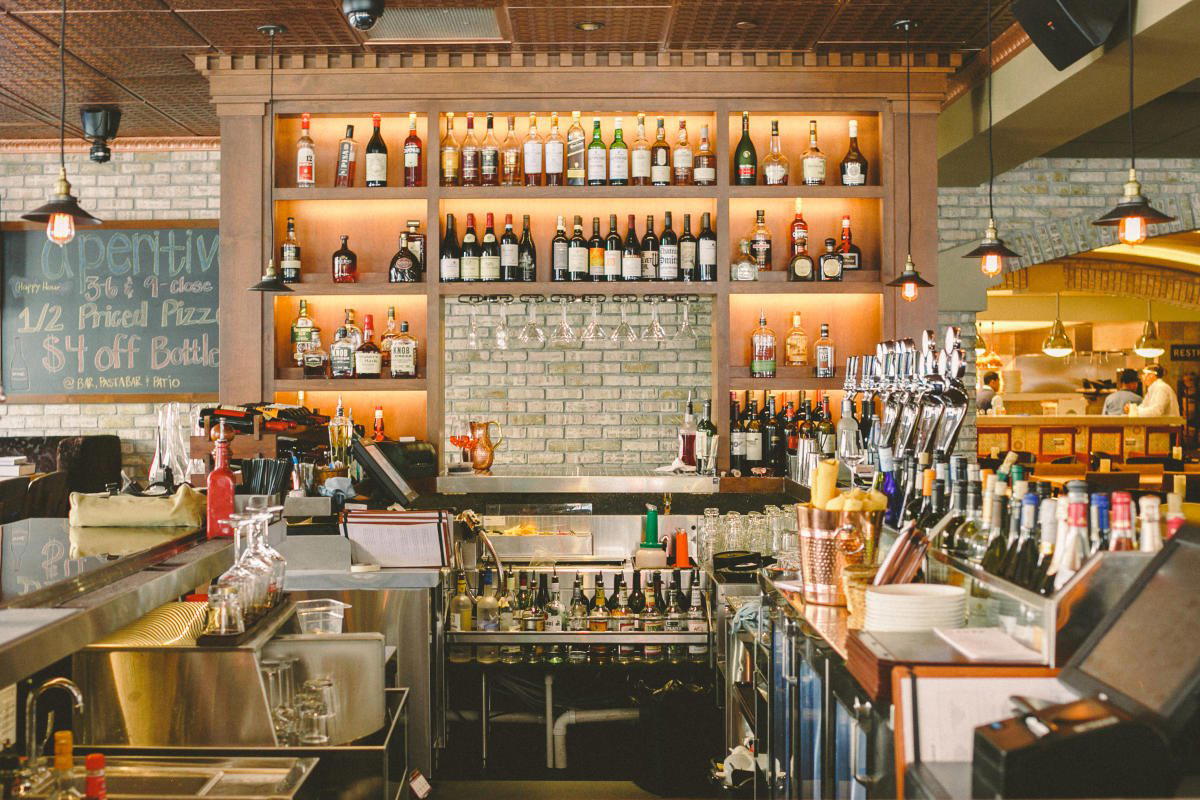
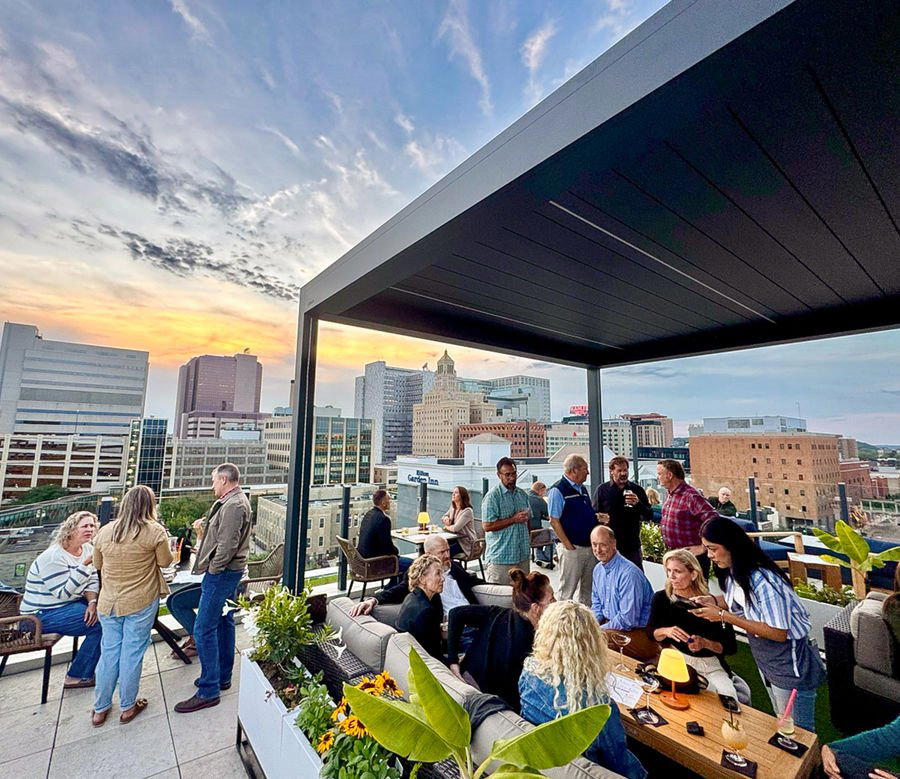
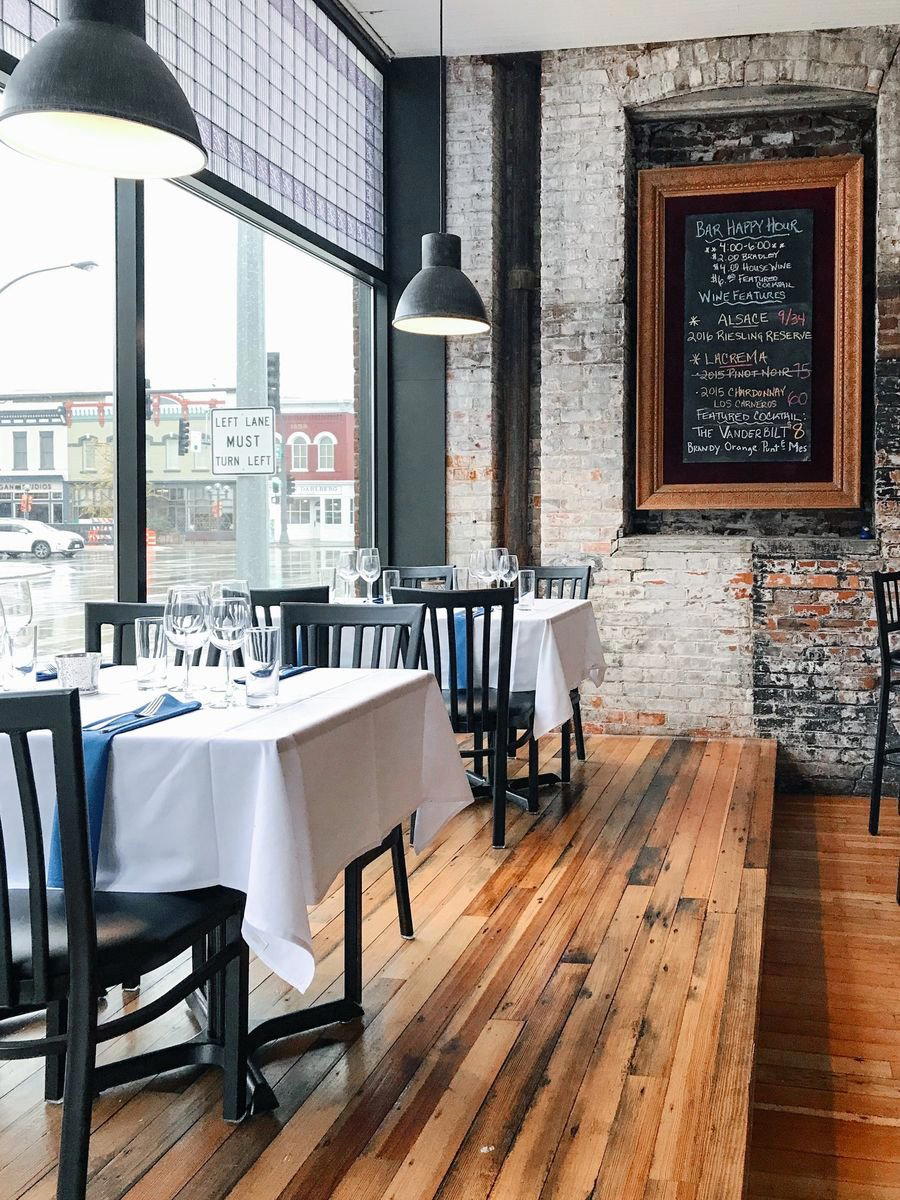
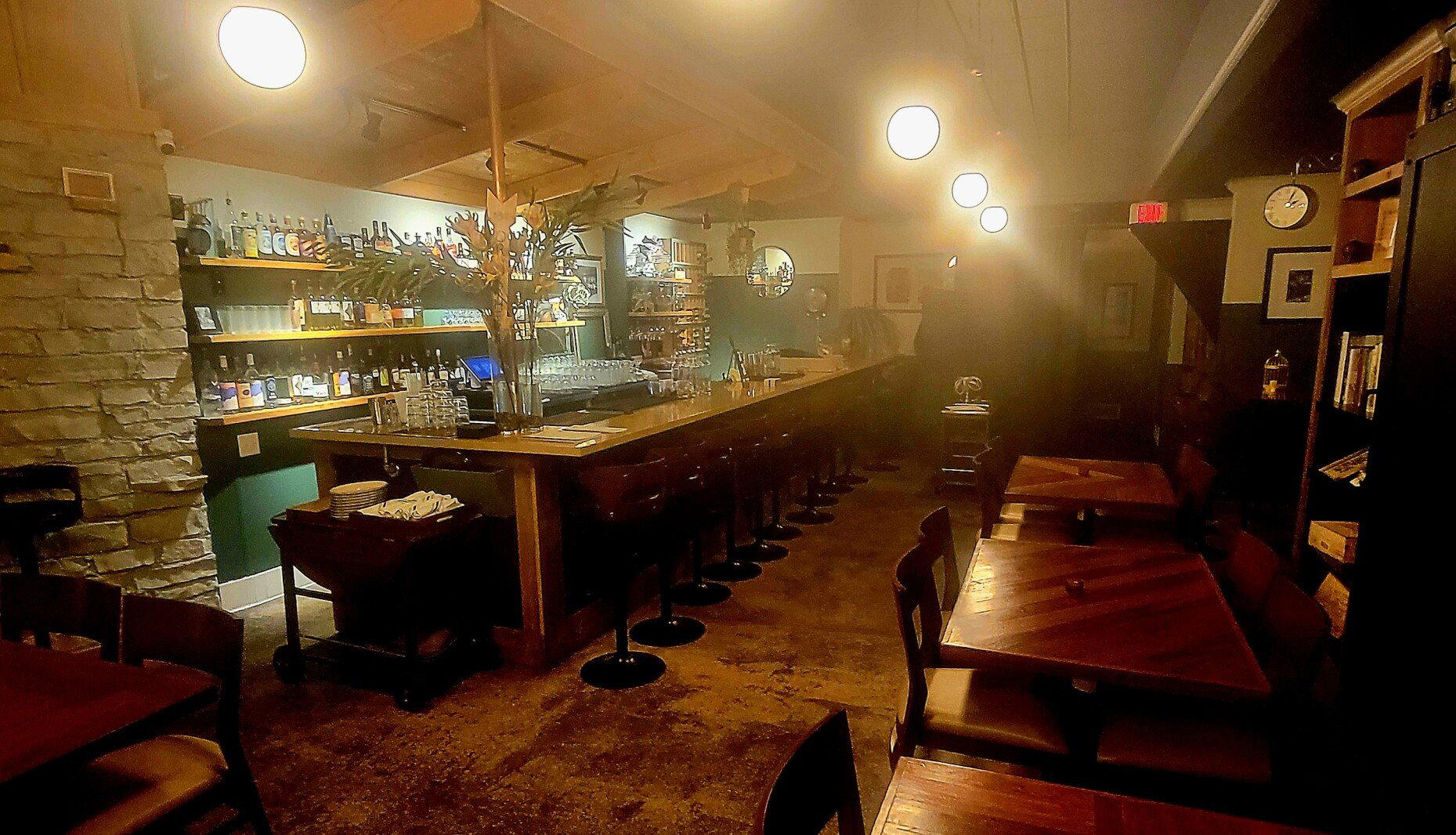
Warm wood tones, soft lighting, industrial decor creating a cozy yet elegant vibe.