ThaiPop
ThaiPop sits on 3rd Street SW in downtown Rochester, Minnesota, bringing Thai-inflected drinking culture to a city better known for medical tourism than cocktail craft. The bar's position in the compact downtown corridor places it alongside a growing cohort of serious drinking establishments that have quietly reshaped how Rochester spends its evenings. For visitors with time between Mayo Clinic appointments — or locals who have simply run out of reasons to drive to Minneapolis — it offers a credible alternative.
Pearl is the En Primeur Club membership app — saves, bookings, and concierge access live there. Same editors, same standards.
- Address
- 4 3rd St SW, Rochester, MN 55902
- Phone
- +1 507 226 8146
- Website
- thaipopmn.com
- Directions
- Get directions
 Saves & bookings on Pearl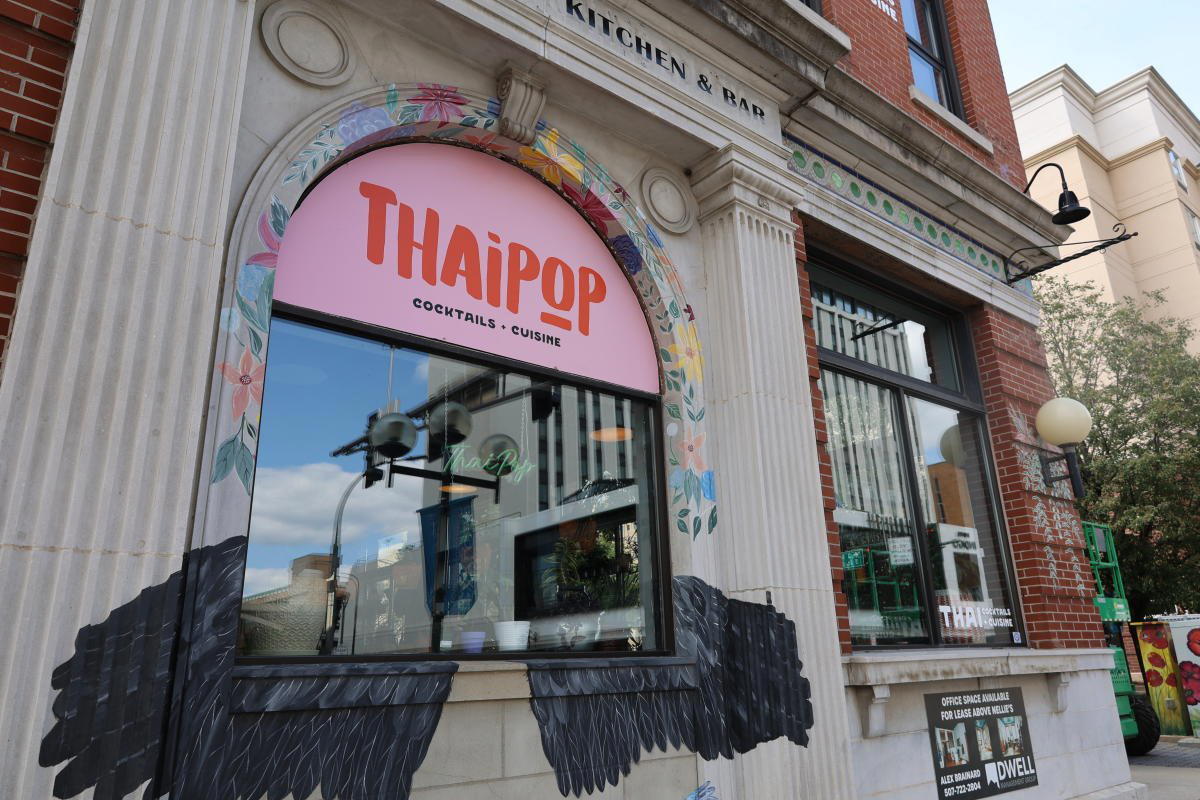
Downtown Rochester's Shift Toward Serious Drinking
Rochester, Minnesota occupies an unusual position in the American dining and drinking hierarchy. The city draws a transient, internationally diverse population through the Mayo Clinic, which means its hospitality scene has long been asked to serve people from Bangkok, Lagos, and São Paulo as readily as from St. Paul. That pressure has, over the past decade, quietly pushed a cluster of downtown operators toward formats with genuine culinary and beverage ambition. ThaiPop, addressed at 4 3rd St SW, sits inside that emerging cohort, in a downtown corridor where the distance between a hotel lobby bar and a program with real editorial interest has narrowed considerably.
The broader Rochester bar scene has fragmented into distinct tiers. Operators like Bitter & Pour and Bitter Honey occupy the craft-cocktail end of the spectrum, while Bleu Duck Kitchen and Branca Midtown anchor the food-forward side. ThaiPop operates at a different register, threading Thai flavor architecture into a drinking context that most mid-sized American cities have not yet figured out how to execute with consistency. The address on 3rd Street SW places it within walking distance of the primary hotel cluster, which matters in a city where many visitors arrive without a car and leave within 48 hours.
Thai Flavor Architecture as a Spirits Framework
The most interesting conversation happening in American cocktail bars right now is not about technique — it is about ingredient logic. Bars that have moved beyond the citrus-sugar-spirit triangle are reaching toward pantries that most Western drinkers do not immediately associate with drinking. Southeast Asian flavor profiles, with their layering of galangal, lemongrass, kaffir lime, tamarind, and fish-sauce-derived umami, offer a structural counterpoint to the European bitters tradition that has dominated craft cocktail culture since the early 2000s.
This is the intellectual territory that venues like Kumiko in Chicago have explored through a Japanese lens, and that Bar Leather Apron in Honolulu approaches through Pacific sourcing. The question for a Thai-inflected bar program is whether the kitchen's pantry becomes the back bar's vocabulary — whether the aromatics that define the food translate into a spirits curation logic that goes beyond novelty. When that translation works, the result is a back bar that reads as a collection rather than an inventory: bottles chosen because they behave correctly inside a flavor system, not because they appear on a standard speed-rail list.
Thai spirits culture itself provides a useful reference point. Mekhong, the Thai sugarcane-and-rice spirit that predates modern rum categorization, and Sang Som, its more widely distributed cousin, represent a domestic distillation tradition that is largely absent from Western back bars. A program that takes Thai flavor seriously as a conceptual framework has an opportunity to introduce those categories to a Rochester audience that may have encountered them only as mixer spirits in Bangkok hotel pools, if at all. The curation question, which bottles earn placement, and in what context, is where a bar's editorial intelligence becomes visible.
Positioning Against the National Thai Cocktail Conversation
The national conversation around Thai-inflected drinking has been driven largely by coastal operators. Superbueno in New York City has demonstrated how Latin flavor frameworks can anchor a serious program; the parallel move in a Thai register requires similar discipline about what the spirit selection is actually communicating. Jewel of the South in New Orleans and Julep in Houston have both shown that regional American cities can sustain ambitious programs when the conceptual framework is coherent enough to attract an audience willing to drink with some intentionality.
What makes Rochester an interesting test case is the demographic mix. The Mayo Clinic patient population skews toward people who travel frequently, have experienced diverse food cultures, and often arrive in the city with a higher baseline of culinary literacy than the local population alone would suggest. A bar with a genuinely considered Thai spirits collection is, in that environment, less of a gamble than it would be in a comparably sized Midwestern city without that institutional anchor. The audience exists; the question is always whether the program meets them at the right level.
For comparison within the international tier, ABV in San Francisco and The Parlour in Frankfurt on the Main both demonstrate what a spirits-collection-led identity looks like when the back bar becomes the primary editorial statement. The bottles are not decoration; they are the argument. A Thai-inflected program in a city like Rochester has a narrower margin for error, the volume is lower, the peer comparison set is thinner, which means the selection logic needs to be legible from the first drink ordered.
How to Approach ThaiPop
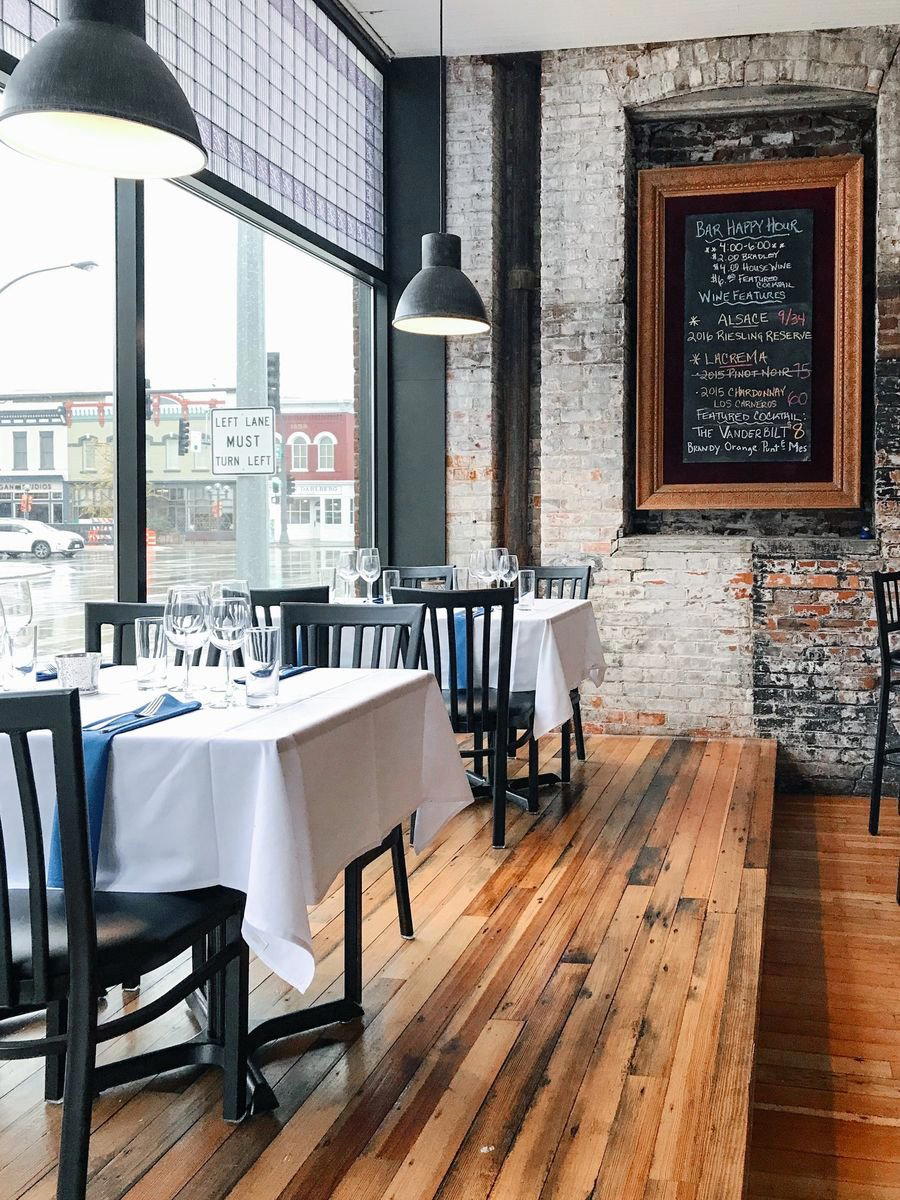
Rochester's downtown drinking circuit is compact enough to cover in a single evening. The 3rd Street SW address puts ThaiPop within a short walk of the city's main hotel strip and the Skyway system, which matters between November and March when temperatures in Minnesota make outdoor movement between venues a commitment rather than a pleasure. Booking logistics for this category of bar in Rochester remain relatively informal compared to the reservation-driven programs at venues like Kumiko, where lead times of several weeks are standard. Rochester's scale means walk-in availability is a realistic expectation on most weeknights, though weekend evenings in the downtown corridor can compress quickly when conference or clinic volumes are high.
The practical calculus for a visitor is whether the evening is better structured around food first or drinks first. Thai flavor profiles at the table and at the bar share enough vocabulary that sequencing them in either direction produces a coherent experience, but the spirits program is the sharper editorial point here. Arriving without a reservation on a Tuesday or Wednesday involves minimal risk; a Friday with a medical conference in the city is a different calculation. Specific hours, current pricing, and contact details are best confirmed directly before visiting, as this information is subject to operational change.
For a full picture of where ThaiPop sits within Rochester's broader dining and drinking options, see our full Rochester restaurants guide.
Continue exploring
More in Rochester
Bars in Rochester
Browse all →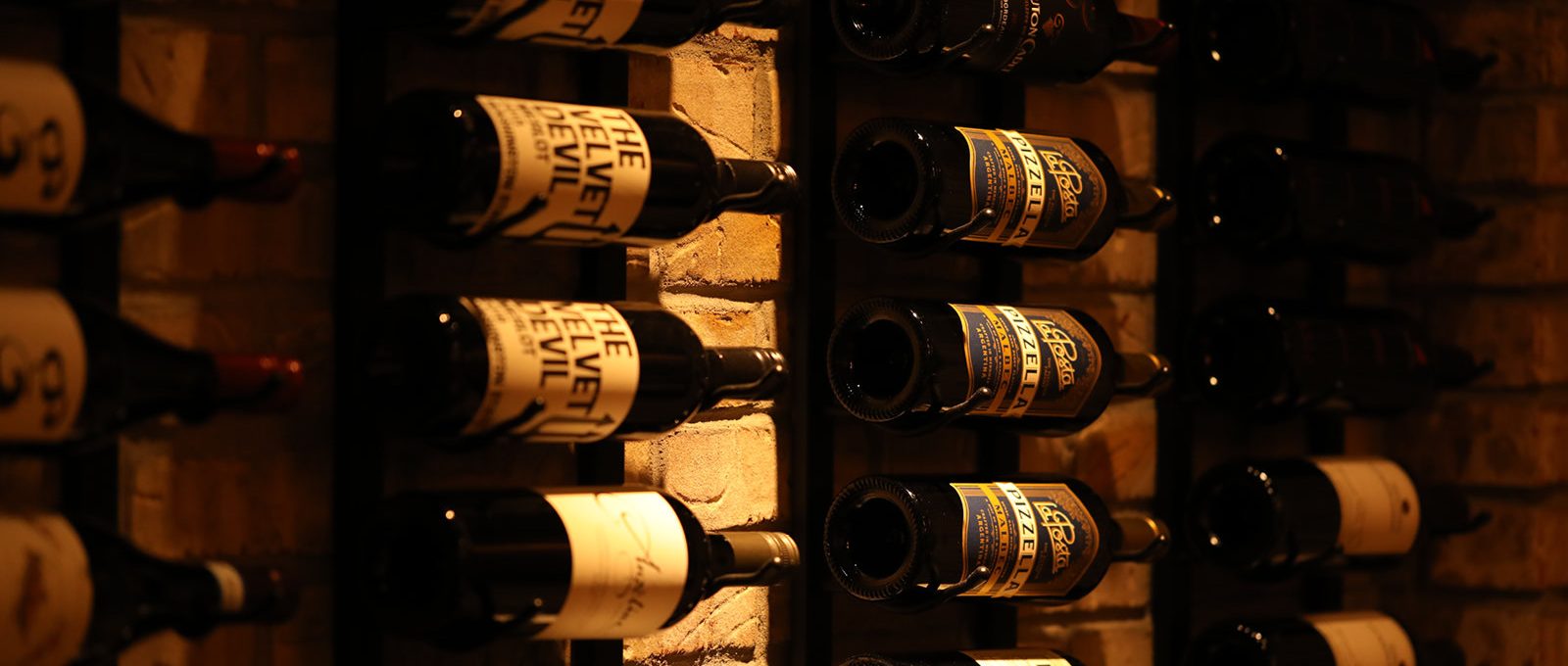
Restaurants in Rochester
Browse all →
At a Glance
- Lively
- Trendy
- Cozy
- Date Night
- Casual Hangout
- Speakeasy
- Seated Bar
- Lounge Seating
- Craft Cocktails
- Zero Proof
Current opening hours
- Monday
- 4–9 PM
- Tuesday
- 11 AM–9 PM
- Wednesday
- 11 AM–9 PM
- Thursday
- 11 AM–9 PM
- Friday
- 11 AM–10 PM
- Saturday
- 11 AM–10 PM
- Sunday
- Closed
Hours can change for holidays and private events. Last verified .
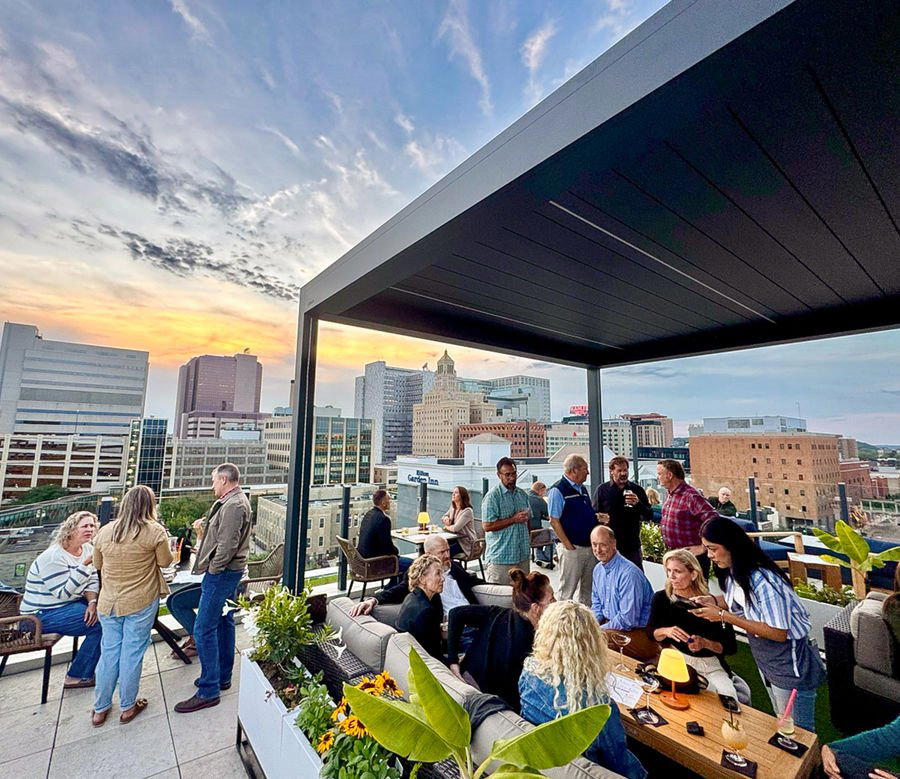
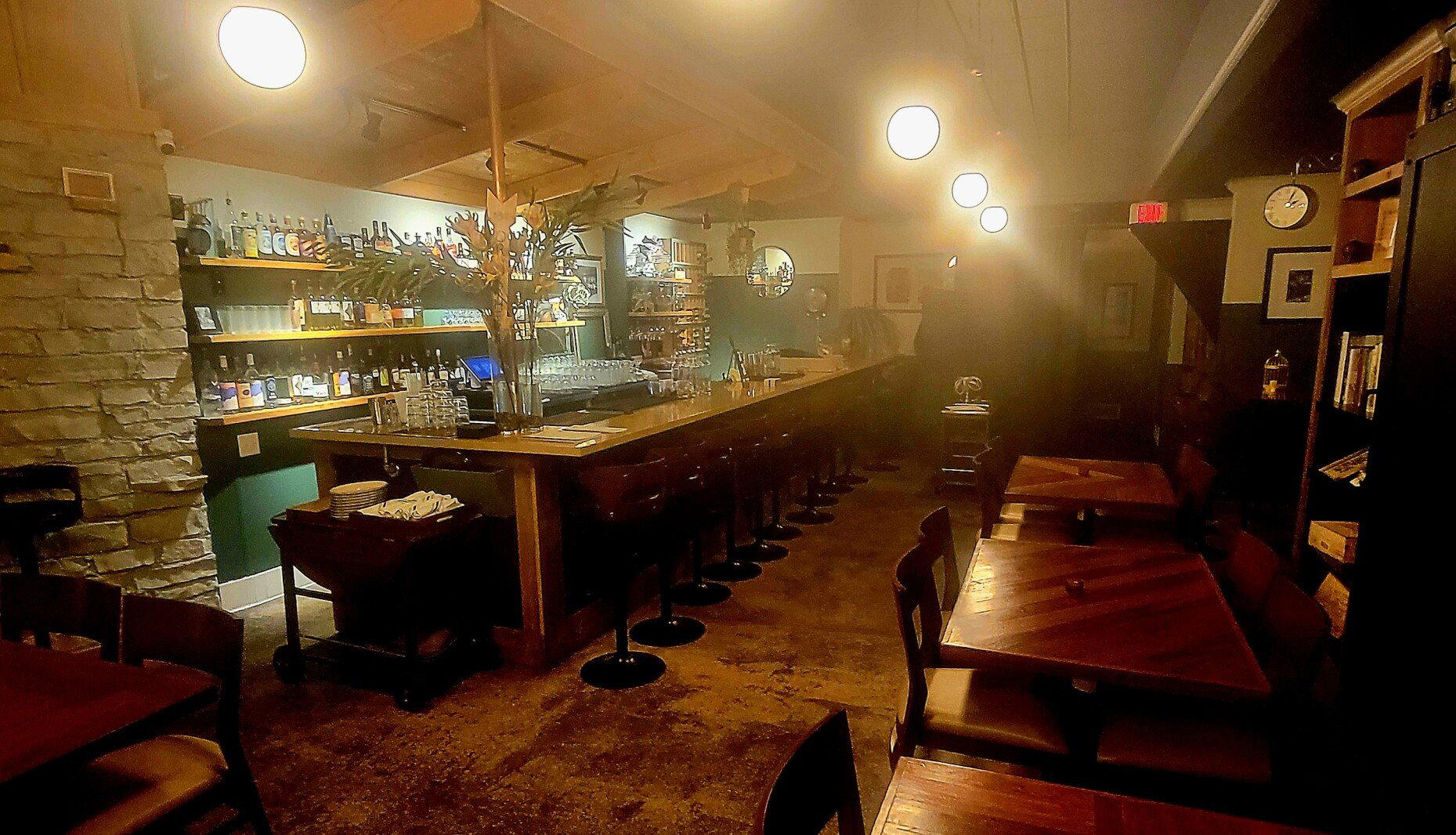
Lively atmosphere with great lighting, living plants, and energetic vibe.
Know Before You Go
- Getting there
- 4 3rd St SW, Rochester, MN 55902