Tachibana Japanese Restaurant
Tachibana Japanese Restaurant pairs seated bar and booth seating with sake, casual dress, and a conversational room at 785 Newtown Ct in Lexington.
Pearl is the En Primeur Club membership app — saves, bookings, and concierge access live there. Same editors, same standards.
- Address
- 785 Newtown Ct, Lexington, KY 40511
- Phone
- +1 859 254 1911
- Website
- tachibanarestaurant.com
- Directions
- Get directions
 Saves & bookings on Pearl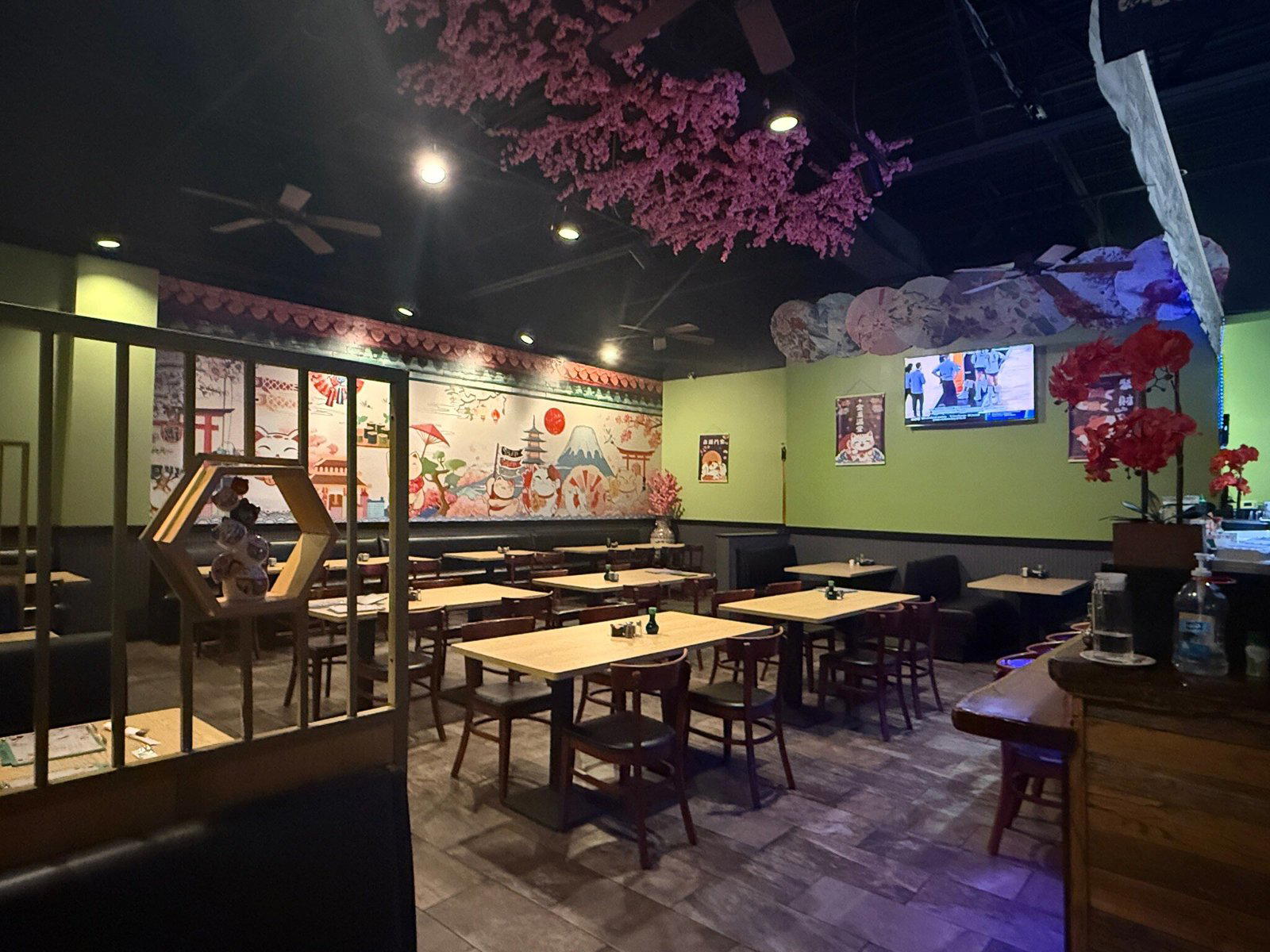
Japanese Dining in Lexington's Evolving Restaurant Scene
Lexington's dining scene has expanded considerably over the past decade, moving from a roster dominated by Southern staples and regional chains toward a more varied selection of international kitchens. Japanese restaurants occupy a specific position in that shift: they tend to attract a loyal, returning clientele rather than walk-in traffic, and the better ones build their reputations through consistency over time rather than opening-week press. Tachibana Japanese Restaurant, located at 785 Newtown Ct in the northern part of the city, sits within that pattern. It is a neighborhood-anchored Japanese spot in a mid-sized American city where Japanese dining options remain fewer and further between than in coastal markets.
That context matters for setting expectations. Lexington is not a city where Japanese cuisine operates in a competitive tier of multiple Michelin-recognized counters or a dense cluster of high-concept ramen houses. What exists here functions more as destination dining for residents who want something outside the bourbon-country comfort food circuit. For visitors arriving from cities with more saturated Japanese dining markets, the relevant question is less about how Tachibana compares to a Tokyo-trained omakase counter and more about what role a Japanese restaurant plays when it is one of the few credible options in its category in a given city.
The Role of Japanese Cocktail Sensibility in American Regional Bars
One of the more interesting currents in American cocktail culture over the past several years has been the absorption of Japanese bar philosophy into programs far outside major metro areas. The influence is not always labeled or marketed as such, but the signals are recognizable: an emphasis on balance over proof, precise dilution, high-quality ice, and a restraint in flavoring that prioritizes the base spirit. Bars like Kumiko in Chicago have made Japanese technique the explicit organizing principle of their cocktail programs, drawing on Japanese whisky, sake, and yuzu in ways that recontextualize the highball format for American drinkers. Bar Leather Apron in Honolulu operates in a Pacific context where Japanese influence on drinking culture is historically grounded rather than imported as aesthetic. These programs represent one end of a spectrum.
At the other end are Japanese restaurants in regional American cities where the bar program, if it exists at all, tends to serve the food rather than function as an independent destination. Sake lists, Japanese whisky by the pour, and occasionally a small selection of Japanese-inflected cocktails are the common formats. That is not a criticism of the category; it reflects where Japanese dining sits in the local hierarchy of reasons to go out.
For cocktail-forward Japanese drinking experiences in the national context, programs worth understanding as reference points include Jewel of the South in New Orleans, which operates within a classical American tradition with technique precision, and Superbueno in New York City, where Latin-Japanese crossover in cocktail format has found a distinct identity. Closer to Lexington's regional context, Julep in Houston demonstrates how a spirit-specific program can anchor a bar's identity in a city that is not a traditional cocktail capital. The lesson from these programs is that depth of focus, not geographic prestige, determines a cocktail program's quality.
Lexington's Bar Circuit and Where Japanese Dining Fits
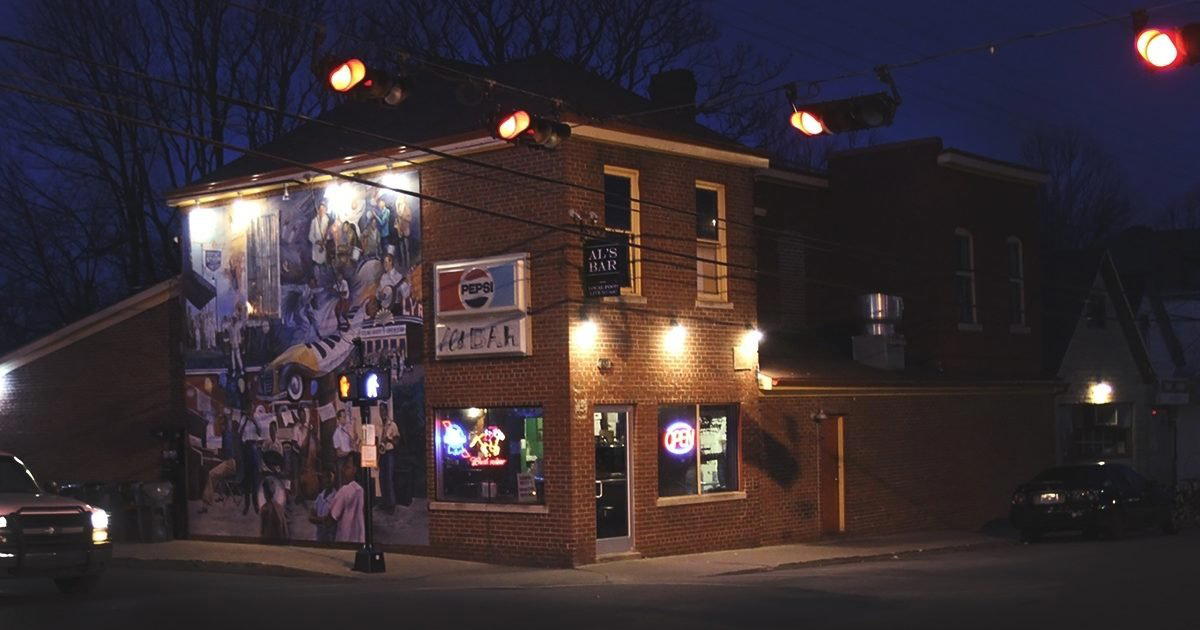
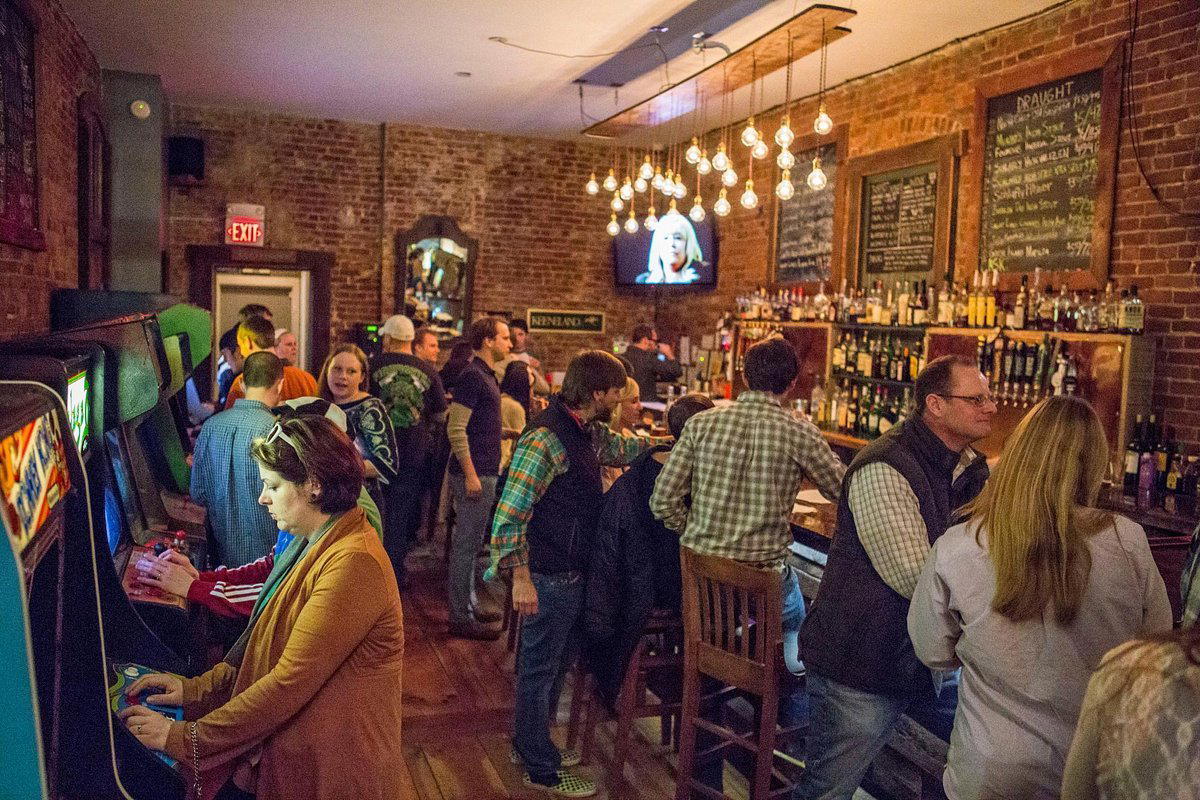
Lexington's bar scene has its own internal logic, organized in part around the bourbon trail tourism that brings visitors into the city from the surrounding distillery region. Bars like 369 W Vine St, Al's Bar, and Arcadium Bar serve different segments of that market, from casual neighborhood drinking to more curated experiences. Corto Lima adds a Latin-influenced cocktail register to the city's options. Japanese restaurants in this environment typically do not compete directly with the city's standalone bar culture; they exist in a parallel circuit where the primary audience is looking for a full dinner experience rather than a drinks-first evening.
Tachibana's address on Newtown Court places it away from the downtown entertainment corridor, which is consistent with a neighborhood restaurant model rather than a venue positioned for bar-district spillover traffic. This is a pattern common to regional Japanese dining across American mid-sized cities: the kitchen is the draw, and the location reflects a cost and operational logic that prioritizes the regulars who will return for the food.
For those building an itinerary around Lexington's full dining and drinking range, the EP Club Lexington restaurants guide maps the city's options across categories and price tiers. Tachibana represents the Japanese dining anchor in the city's restaurant ecosystem, holding a position that would likely be more contested in a larger market but carries more weight here precisely because the competition for that position is limited.
Planning a Visit
Tachibana Japanese Restaurant is located at 785 Newtown Ct, Lexington, KY 40511. Japanese restaurants in regional American cities at this scale frequently operate on reduced hours relative to downtown peers, and weekend demand often outpaces midweek availability. Arriving without a confirmed booking carries more risk than it would at a walk-in-friendly casual spot. Given that Japanese dining options in Lexington are concentrated rather than spread across a deep competitive field, Tachibana benefits from the low substitution pressure that comes with operating in a relatively sparse category in its market.
For context on what comparable Japanese-influenced bar and dining programs look like at the national level, ABV in San Francisco and The Parlour in Frankfurt on the Main each demonstrate how Japanese technique and presentation can be integrated into broader bar programs without requiring the full omakase-counter infrastructure. These are useful reference points for understanding the range of ways Japanese hospitality philosophy translates across formats and geographies.
Continue exploring
More in Lexington
Bars in Lexington
Browse all →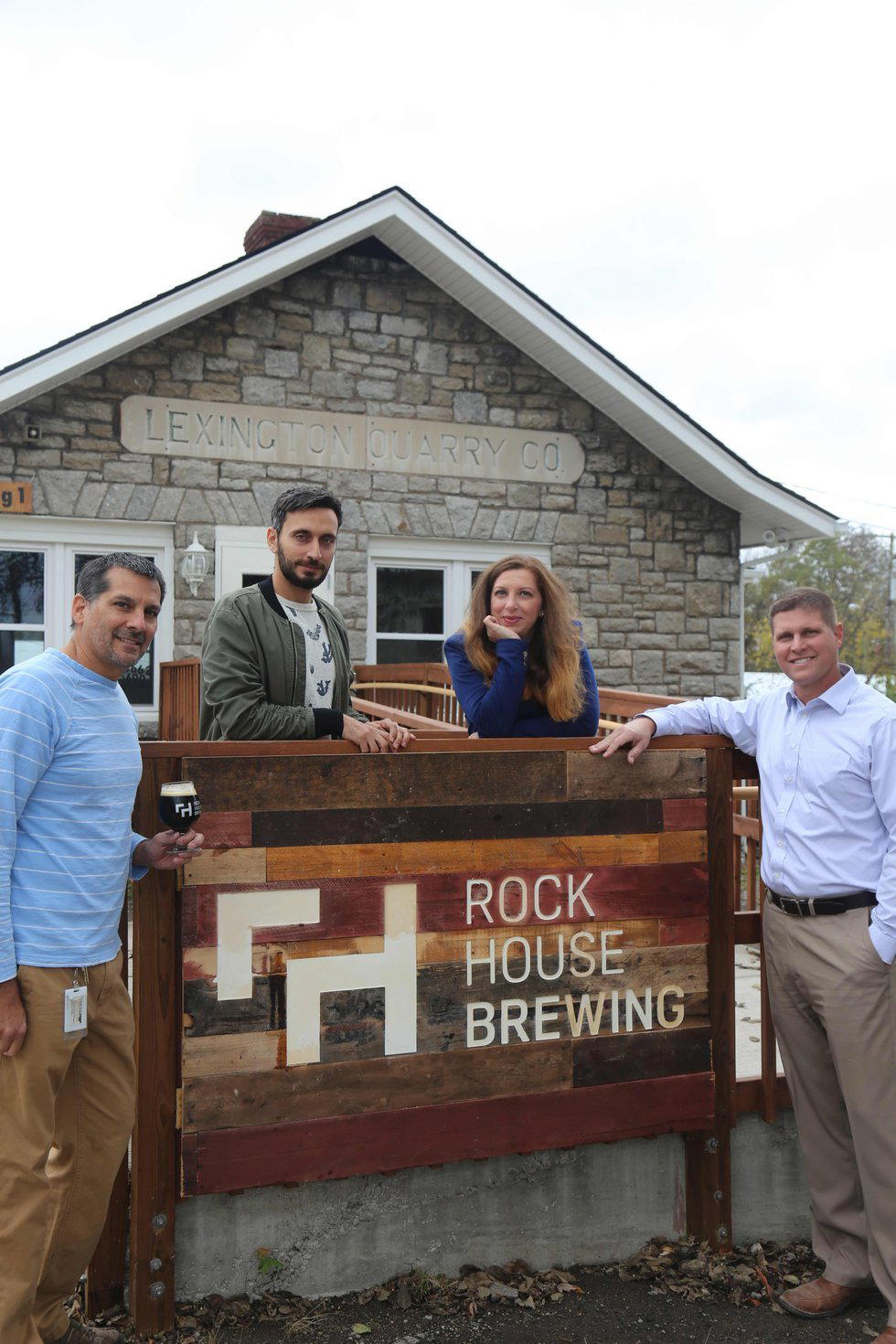
Restaurants in Lexington
Browse all →
Hotels in Lexington
Browse all →
At a Glance
- Classic
- Casual Hangout
- Group Outing
- After Work
- Standalone
- Seated Bar
- Booth Seating
- Sake
Current opening hours
- Monday
- 11:30 AM–1:30 PM, 5:30–9 PM
- Tuesday
- 11:30 AM–1:30 PM, 5:30–9 PM
- Wednesday
- 11:30 AM–1:30 PM, 5:30–9 PM
- Thursday
- 11:30 AM–1:30 PM, 5:30–9 PM
- Friday
- 11:30 AM–1:30 PM, 5:30–9 PM
- Saturday
- 5:30–9 PM
- Sunday
- Closed
Hours can change for holidays and private events. Last verified .
Know Before You Go
- Getting there
- 785 Newtown Ct, Lexington, KY 40511