Sushisamba

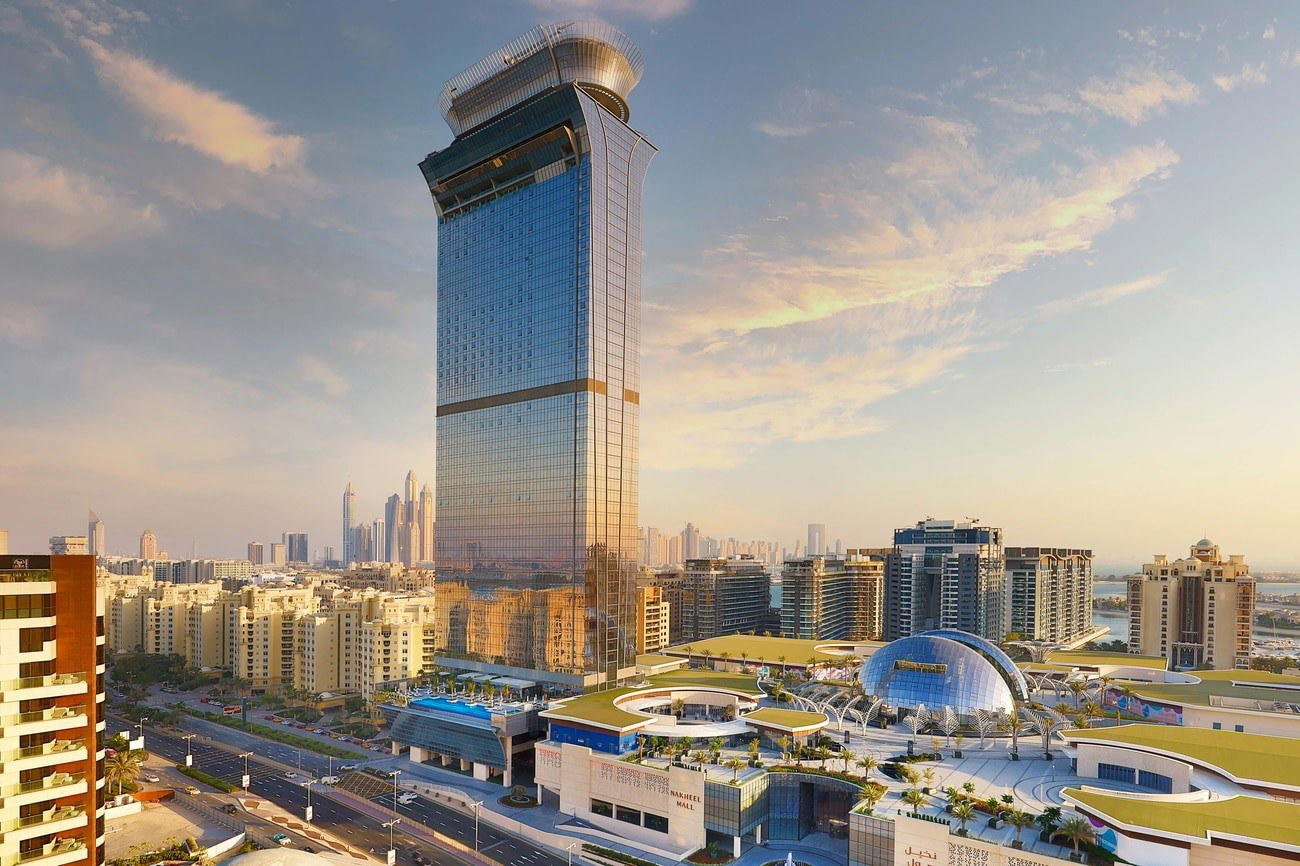
On the 51st floor of the St. Regis Palm Jumeirah, Sushisamba Dubai merges Japanese, Brazilian, and Peruvian influences across a menu that holds together as well as the panoramic views that frame it. The cocktail programme draws on the same three-culture logic, translating pisco, sake, and cachaça into formats that reward attention. At this altitude, the room earns its reputation on more than the sightlines.
Pearl is the En Primeur Club membership app — saves, bookings, and concierge access live there. Same editors, same standards.
- Address
- The St. Regis Dubai, Palm Jumeirah, Level 51 - Dubai - United Arab Emirates
- Website
- sushisamba.com
- Directions
- Get directions
 Saves & bookings on Pearl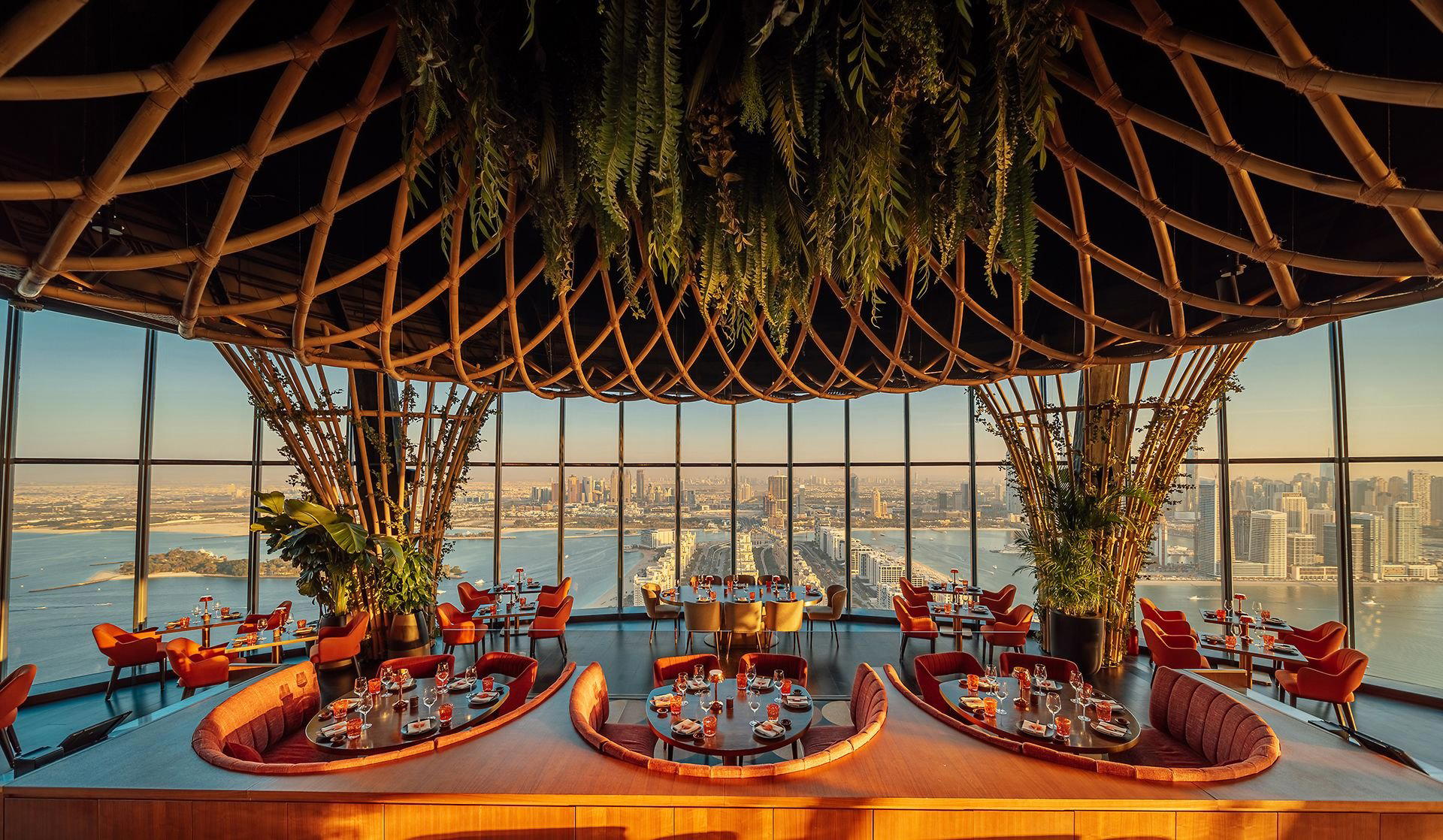
Fifty-One Floors and Three Cultures
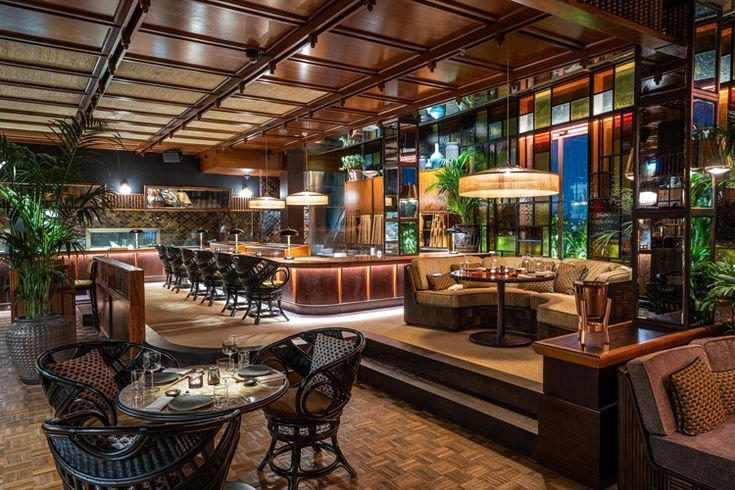
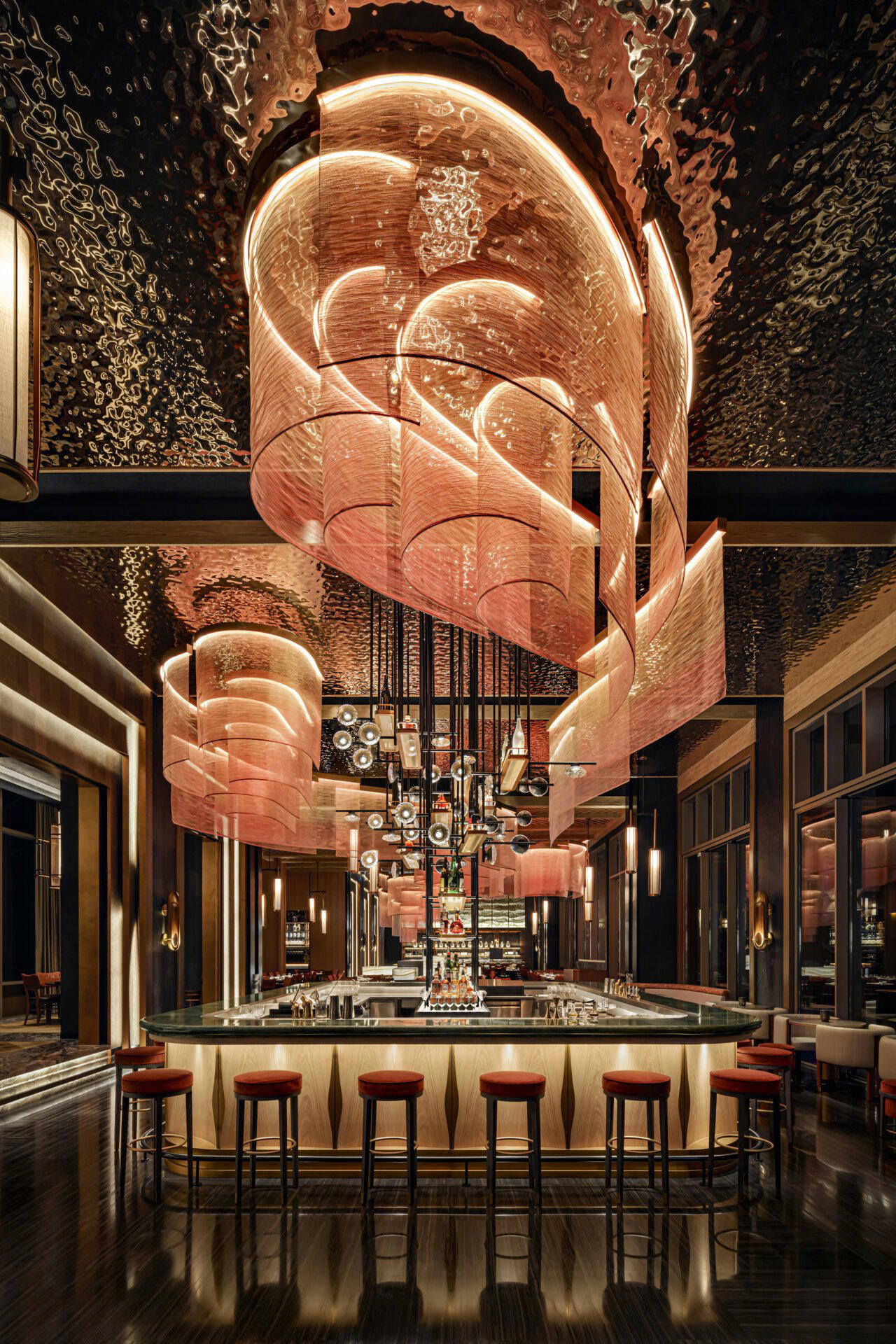
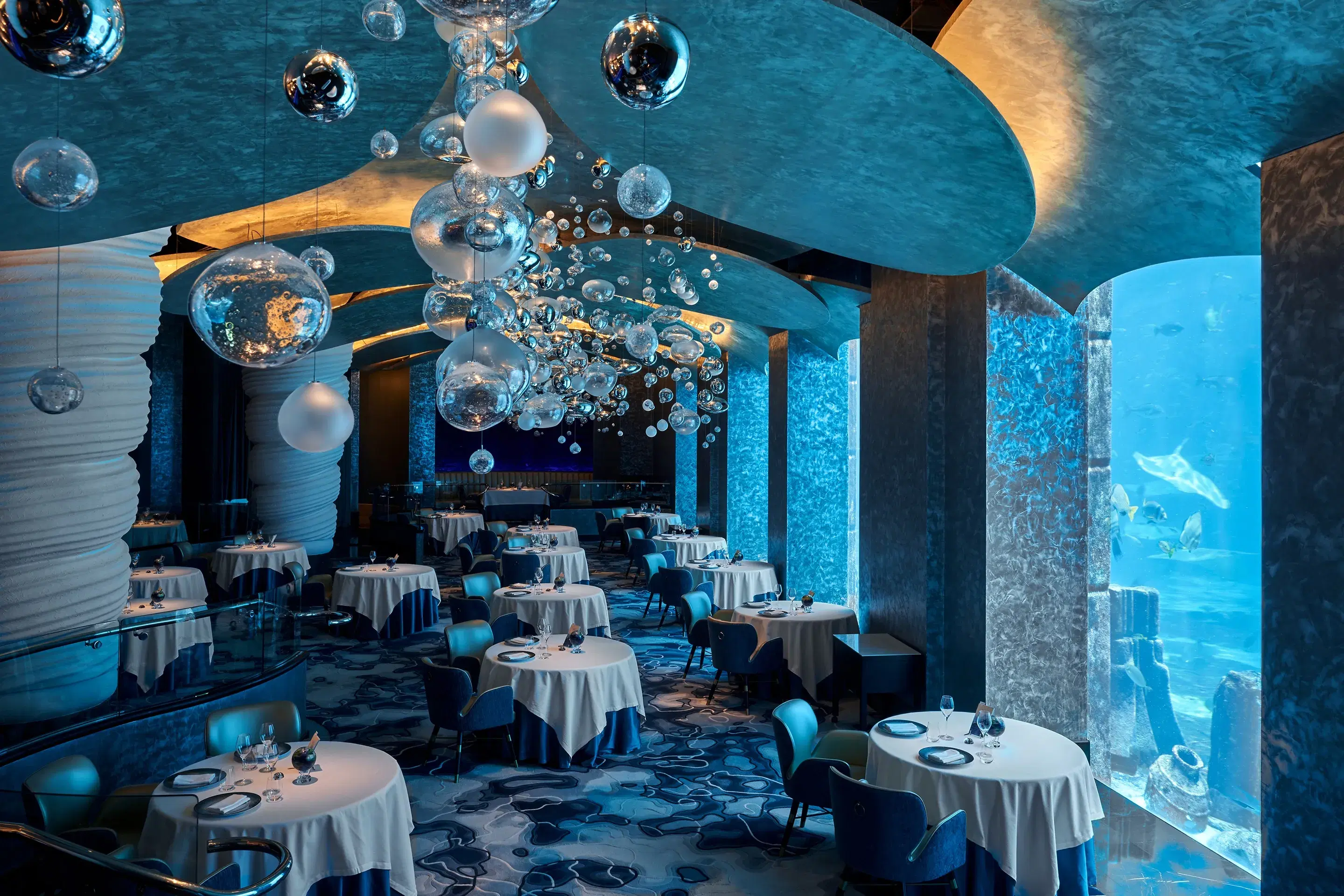
Sushisamba is a bar in Dubai, located at The St. Arriving at Sushisamba Dubai involves a kind of slow reveal. The lift ride to the 51st floor of the St. Regis on Palm Jumeirah builds anticipation before a single dish or drink has landed, and then the room opens onto a 360-degree panorama that takes in the Gulf, the Palm's fronds, and the Dubai skyline stretching toward the mainland. That view is not incidental to the experience: the space has been designed to take full advantage of it, with interiors that echo the warmth and colour of the three culinary traditions the kitchen draws from, Japanese, Brazilian, and Peruvian.
This three-way fusion is a well-established formula in the Sushisamba model, which has operated versions of this concept across London, Las Vegas, and other major cities. In Dubai, the format lands in a market that has grown comfortable with ambitious multi-cultural menus, particularly at rooftop addresses. What separates Sushisamba from the broader rooftop dining tier in the city is the specificity of the concept: rather than a vague pan-Asian or pan-Latin blur, it commits to the particular intersection of Nikkei (Japanese-Peruvian) and Japanese-Brazilian traditions that emerged from historical migration patterns in South America during the late 19th and early 20th centuries.
The Cocktail Programme as Cultural Translation
The bar programme at Sushisamba Dubai is where the three-culture thesis gets its clearest expression. Menus in this format typically layer Japanese spirits and technique against the botanical and fruit-forward canon of South American bartending, with pisco, cachaça, and aguardiente sitting alongside sake, shochu, and yuzu. The result is a cocktail list that reads unlike anything at comparable rooftop venues in Dubai, where the standard offering tends toward generic tropical builds or wine-led formats suited to the city's restaurant licensing norms.
Across the broader Sushisamba network, signature drinks have consistently anchored around this cultural layering. Pisco sours with yuzu substituted for lime, negroni riffs that swap Campari for Japanese herbal liqueurs, and cachaça-based cocktails that incorporate miso or sesame as savoury counterweights are the kinds of constructions that define the programme's logic. In a Dubai bar scene that has matured significantly over the past decade, with venues like Buddha Bar Dubai and Ergo staking out positions in the premium cocktail tier, Sushisamba occupies a narrower niche: drinks built around a defined culinary heritage rather than a standalone craft agenda.
Sushisamba's cocktail programme operates within a dinner-first structure, meaning drinks are designed as companions to a complex food menu rather than as standalone attractions. That distinction shapes everything from glassware scale to spirit selection.
Where This Fits in Dubai's Premium Dining Tier
Dubai's premium dining market has stratified in recent years. At the leading sits a small cluster of chef-led tasting-menu counters and internationally affiliated concepts occupying landmark addresses. Below that, a larger mid-premium band covers multi-cuisine restaurant groups, celebrity-chef outposts, and hotel dining rooms that trade primarily on setting. Sushisamba sits in the upper range of that mid-premium band, where the food concept, the cocktail programme, and the physical address each carry roughly equal weight in the value proposition.
The Palm Jumeirah address is a specific positioning signal. The island's dining options tend toward the theatrical and international, attracting visitors and residents already committed to the journey there. The St. Regis hotel within which Sushisamba operates adds a further credential layer, placing it inside one of the city's established luxury hotel circuits. For guests already staying at a Palm address, the journey is minimal; for those coming from the mainland or from areas like Downtown Dubai or DIFC, the drive adds meaningful time and should factor into booking decisions.
Internationally, the Nikkei format has found traction in cities including London, New York, and Lima itself. Superbueno in New York City approaches Latin-influenced cocktail culture from a different angle, while Kumiko in Chicago demonstrates how Japanese-inflected drinks programmes can anchor a full-service dining room. The Sushisamba model sits at the more theatrical end of that spectrum, pairing height and spectacle with the culinary fusion narrative.
Practical Considerations for Planning a Visit
Given the venue's profile and address within a luxury hotel on Palm Jumeirah, booking in advance is advisable, particularly for weekend evenings and public holidays when demand across Dubai's premium restaurant tier runs high. The 51st-floor setting means the space has a fixed capacity tied to the building's floor plate, which limits walk-in availability. Visitors planning around sunset should factor that timing into their reservation window, as the view transitions significantly as evening light drops over the Gulf.
Those travelling to other markets with a comparable interest in Japanese-Latin cocktail programmes might also consider Bar Leather Apron in Honolulu for a Pacific-inflected approach, or Jewel of the South in New Orleans for a different take on the multi-cultural cocktail canon. For those exploring the wider UAE, Hidden Bar in Abu Dhabi and Lexington Grill and Bar in Ras al Khaimah represent the regional premium bar scene at different scales.
Dress code at venues of this calibre on Palm Jumeirah typically runs toward smart casual at minimum, with the hotel setting reinforcing that baseline.
Fast Comparison
Comparable venues nearby, for context on price, style, and recognition.
| Venue | Cuisine | Price | Notes |
|---|---|---|---|
| SushisambaThis venue — the venue you are viewing | rooftop_bar | $$$$ | Not listed |
| Maison Dali | cocktail_bar | $$$$ | Bussiness Bay |
| Roka | lounge | $$$ | Bussiness Bay |
| Adaline | lounge | $$$$ | DIFC |
| Blind Tiger | speakeasy | $$$ | Umm Suqeim |
| Salmon Guru Dubai | cocktail_bar | $$$ | Bussiness Bay |
Recognition history
Dated appearances from independent guides and award organizations, with the underlying list record or original source where available.
Pinnacle Guide 1 Pin
Pinnacle Guide
At a Glance
- Lively
- Trendy
- Elegant
- Energetic
- Sophisticated
- Date Night
- Group Outing
- Celebration
- Special Occasion
- Rooftop
- Panoramic View
- Live Music
- Lounge Seating
- Craft Cocktails
- Skyline
- Waterfront
Current opening hours
- Monday
- 12–3 PM, 6 PM–1 AM
- Tuesday
- 12–3 PM, 6 PM–1 AM
- Wednesday
- 12–3 PM, 6 PM–1 AM
- Thursday
- 12–3 PM, 6 PM–2 AM
- Friday
- 12–3 PM, 6 PM–2 AM
- Saturday
- 1–3:30 PM, 6 PM–2 AM
- Sunday
- 1–3:30 PM, 6 PM–1 AM
Hours can change for holidays and private events. Last verified .
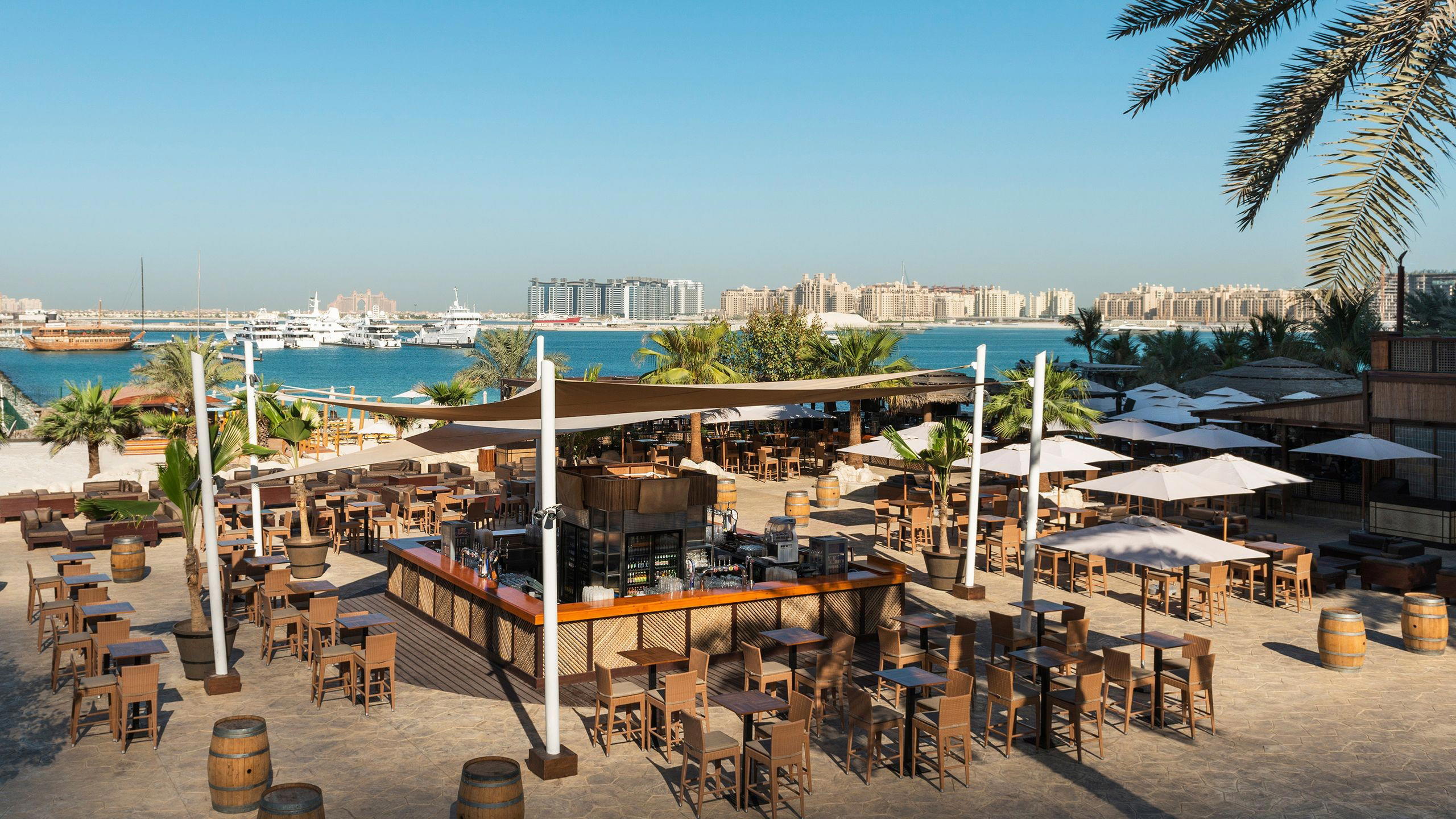
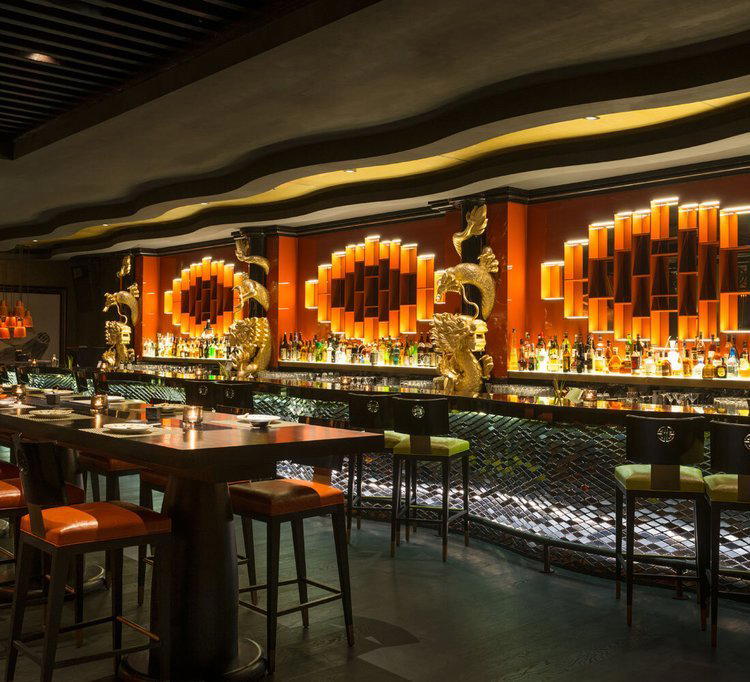
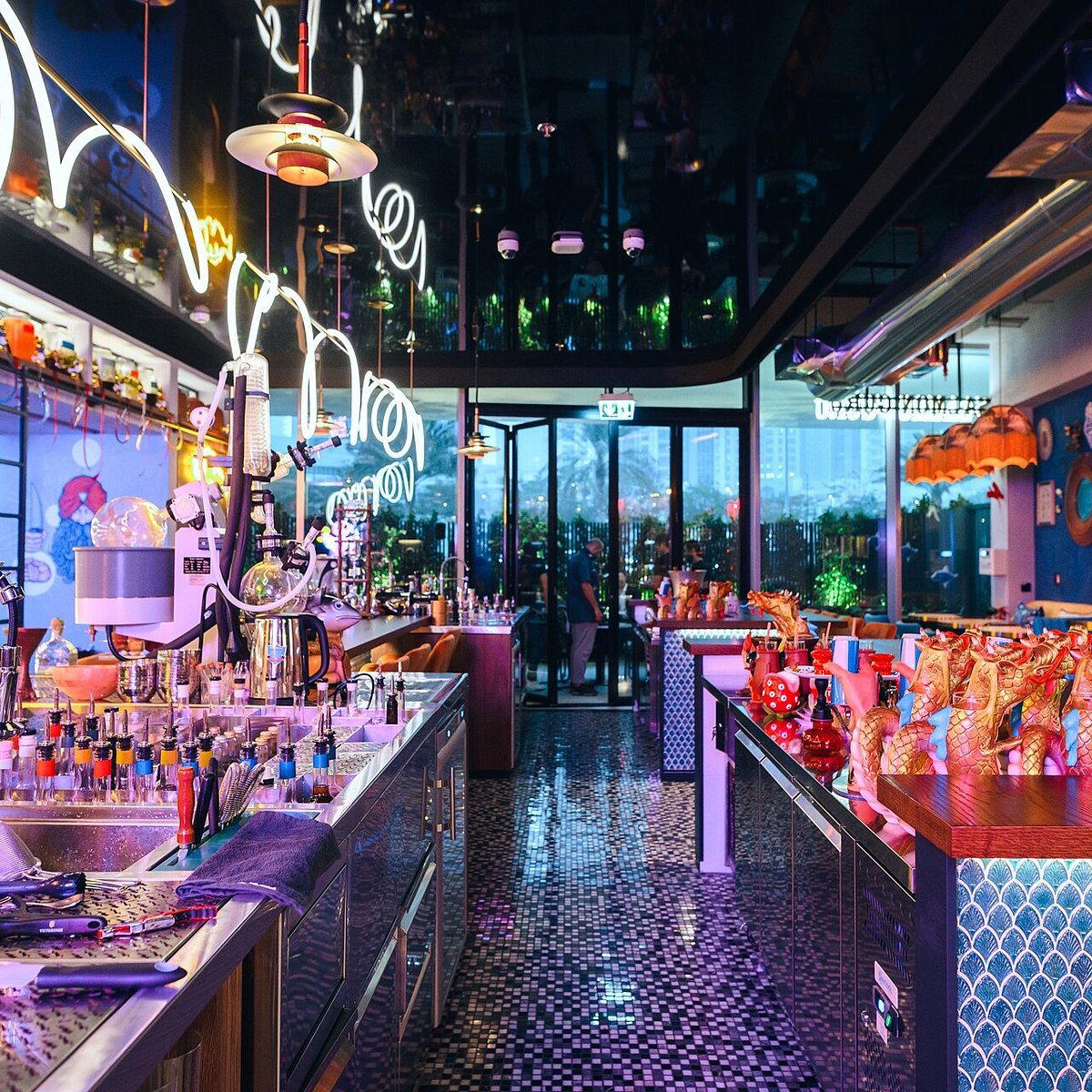
Lively and atmospheric with eye-popping decor, oversized light fixtures, mood lighting, and a lively vibe enhanced by spirited live bands and samba dancers.