Sushi Sake
Sushi Sake sits on North Collins Boulevard in Richardson, Texas, where the city's dense corridor of Japanese and pan-Asian dining makes it a natural reference point for the area. The format speaks to a local crowd that values approachable Japanese cooking without the formality of an omakase counter. For Richardson's sushi scene, it represents the accessible middle tier that keeps the neighbourhood's reputation honest.
Pearl is the En Primeur Club membership app — saves, bookings, and concierge access live there. Same editors, same standards.
- Address
- 2150 N Collins Blvd, Richardson, TX 75080
- Phone
- +1 972 470 0722
- Website
- sushisake.info
- Directions
- Get directions
 Saves & bookings on Pearl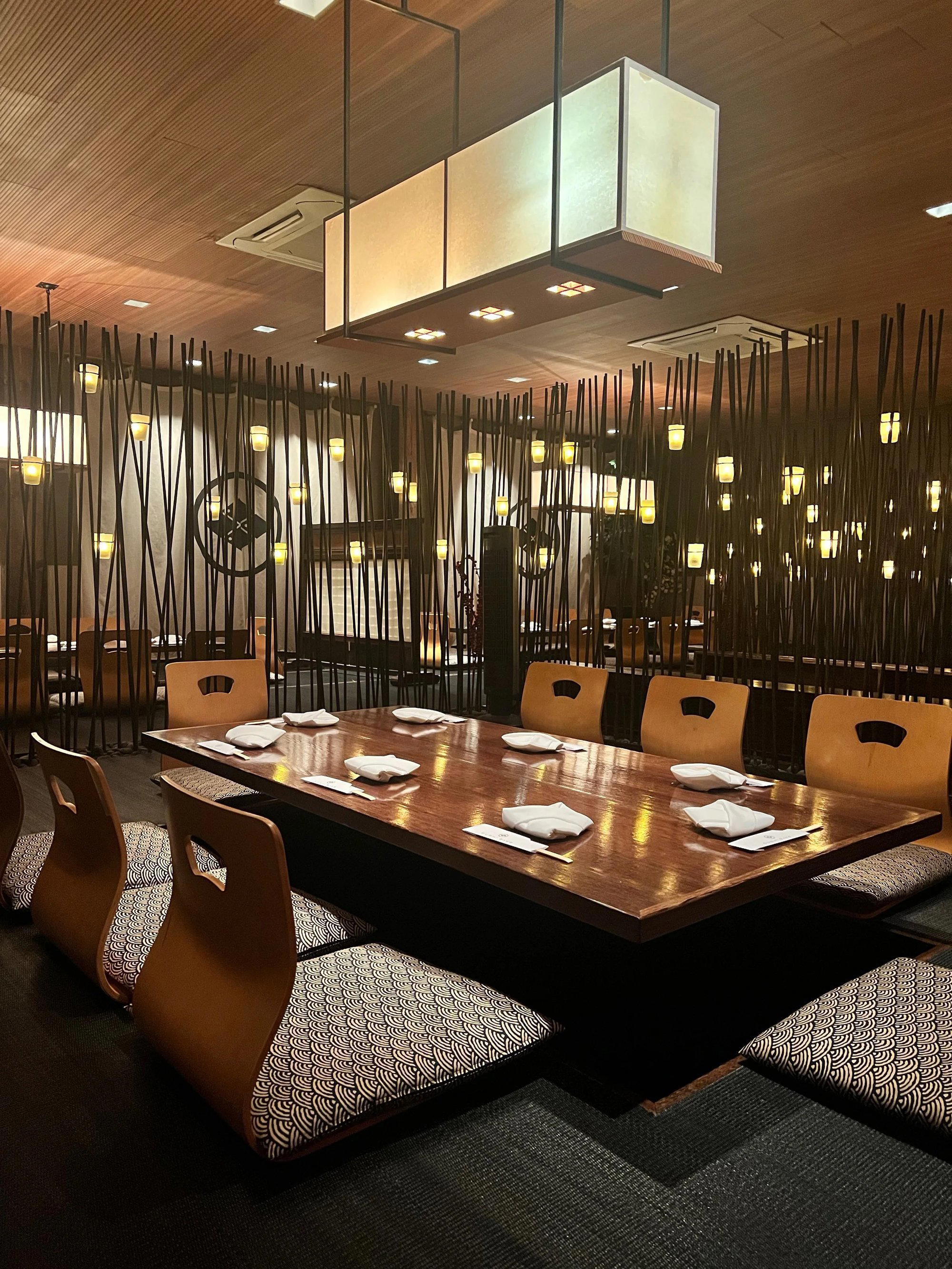
What the Room Tells You Before the Food Arrives
Richardson's North Collins Boulevard corridor operates as one of the Dallas-Fort Worth metroplex's more reliable Asian dining strips, a stretch where Japanese izakayas, Taiwanese canteens, and Chinese banquet halls share the same low-rise commercial blocks. The density here is functional rather than curated — these places exist because the demand is genuine and the local population sustains them, not because a developer decided the neighbourhood needed a food quarter. Sushi Sake at 2150 N Collins Blvd sits inside that pattern: a Japanese restaurant that reads as a neighbourhood institution rather than a destination address.
In dining terms, that distinction matters. A destination restaurant asks you to travel to it. A neighbourhood institution earns a standing relationship with the people already nearby. The physical environment of places in this second category tends to reflect their priorities accordingly: lighting calibrated for long dinners over quick lunches, a room that holds conversation without demanding silence, and a format that accommodates both the couple splitting rolls and the table of six working through a broader menu. That kind of spatial thinking — practical, sociable, unpretentious, characterises the better mid-range Japanese restaurants that anchor mixed-use suburban corridors across Texas.
The North Collins Dining Corridor in Context
The stretch of Richardson that runs through the Greenville Avenue and Collins Boulevard axis has been a reference point for Japanese and pan-Asian food in the northern Dallas suburbs for decades. This is partly demographic, the area has historically supported a significant Asian-American population and the food infrastructure that follows, and partly self-reinforcing: once a corridor develops a reputation for a specific cuisine, it attracts more operators in the same category, which deepens the reputation further.
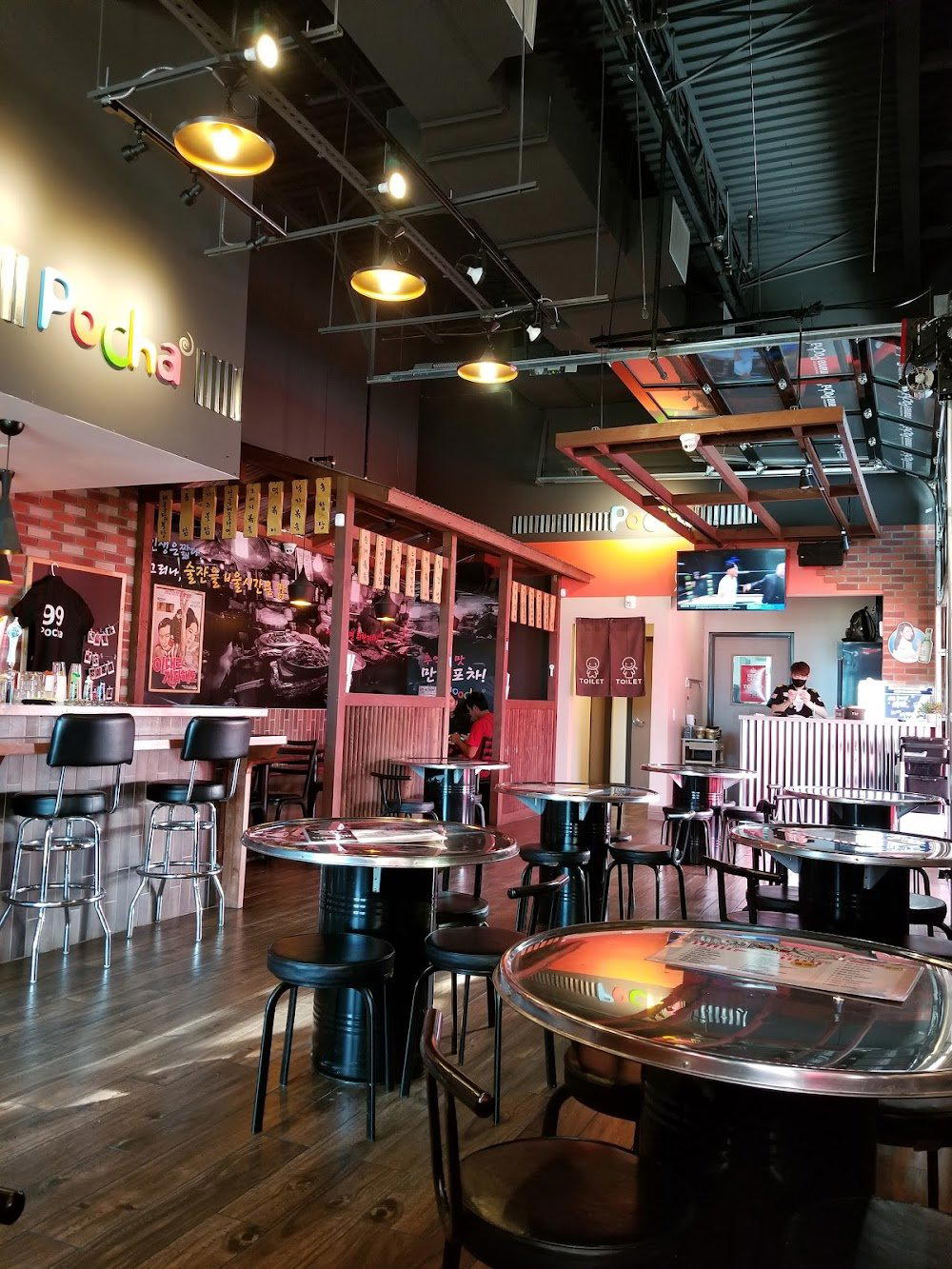
Within that corridor, sushi restaurants occupy several different tiers. At the leading sit omakase-format counters that price against the city's serious Japanese establishments rather than against the suburban market. Below that sits a larger cohort of full-service Japanese restaurants that offer sushi alongside cooked Japanese food: ramen, teriyaki, tempura, and the izakaya-inflected small plates that have become standard format across casual Japanese dining in the United States. Sushi Sake operates in this middle register, where the measure of quality is consistency and range rather than single-dish perfection. Richardson has several options at this level, and the presence of multiple restaurants in the same tier is what keeps standards competitive. For context on what else the city offers across dining and drinking, see our full Richardson restaurants guide.
Atmosphere as a Category Signal
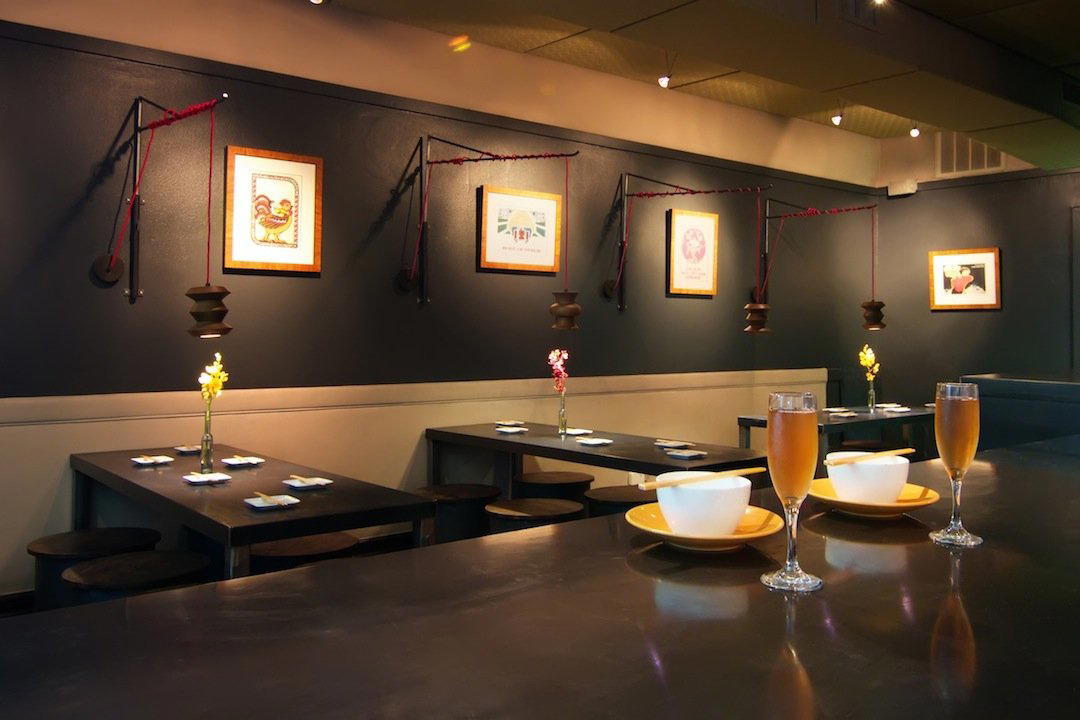
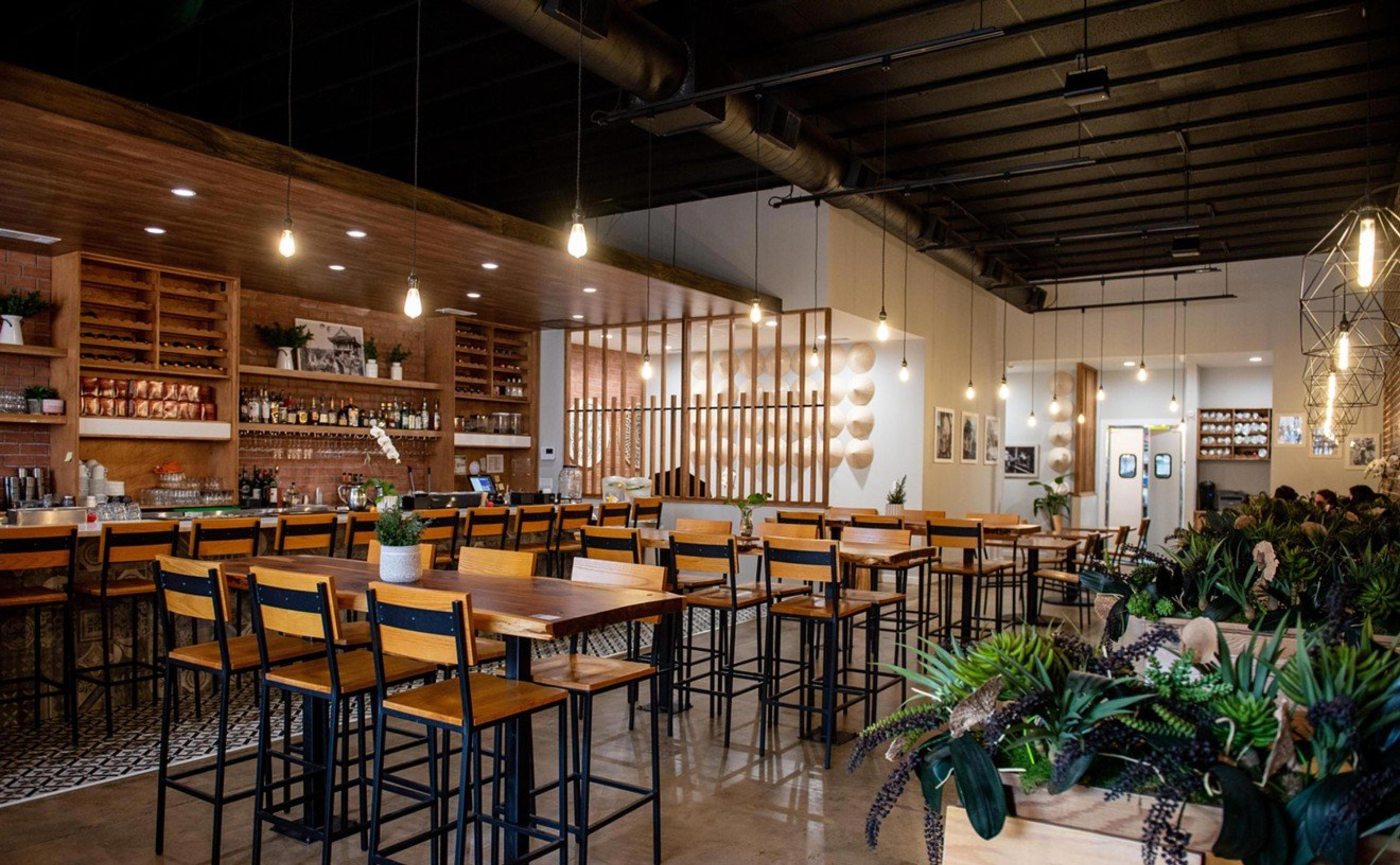
The editorial angle on a place like Sushi Sake is less about any single dish or signature format and more about what kind of room it creates and for whom. Japanese restaurants in the casual-to-mid range have, over the past decade, split between two design orientations. One track follows the minimalist Japanese aesthetic that filtered through from higher-end omakase culture: pale wood, recessed lighting, muted palettes, a visual vocabulary borrowed from Kyoto ryokan design. The other track is warmer and less self-conscious, prioritising comfort and legibility over aesthetic positioning.
Both approaches work, but they serve different social functions. The minimalist register signals that you are in a dining room that takes its food seriously as a subject. The warmer, more casual register signals that you are somewhere you can relax, stay longer, and order another round without the room making you feel like you're underdressing for a performance. The better casual Japanese restaurants in American suburbs tend to occupy the second category: spaces where the lighting is warm enough that nobody is checking their phone, where the background noise level supports rather than impedes conversation, and where the design reads as intentional without being theatrical.
That atmospheric approach is what makes mid-tier sushi restaurants function as genuine neighbourhood anchors. They fill a social role that destination restaurants do not: the reliable Tuesday dinner, the post-work group meal, the occasion that doesn't require advance planning or a special-occasion budget.
Drinking Around Richardson
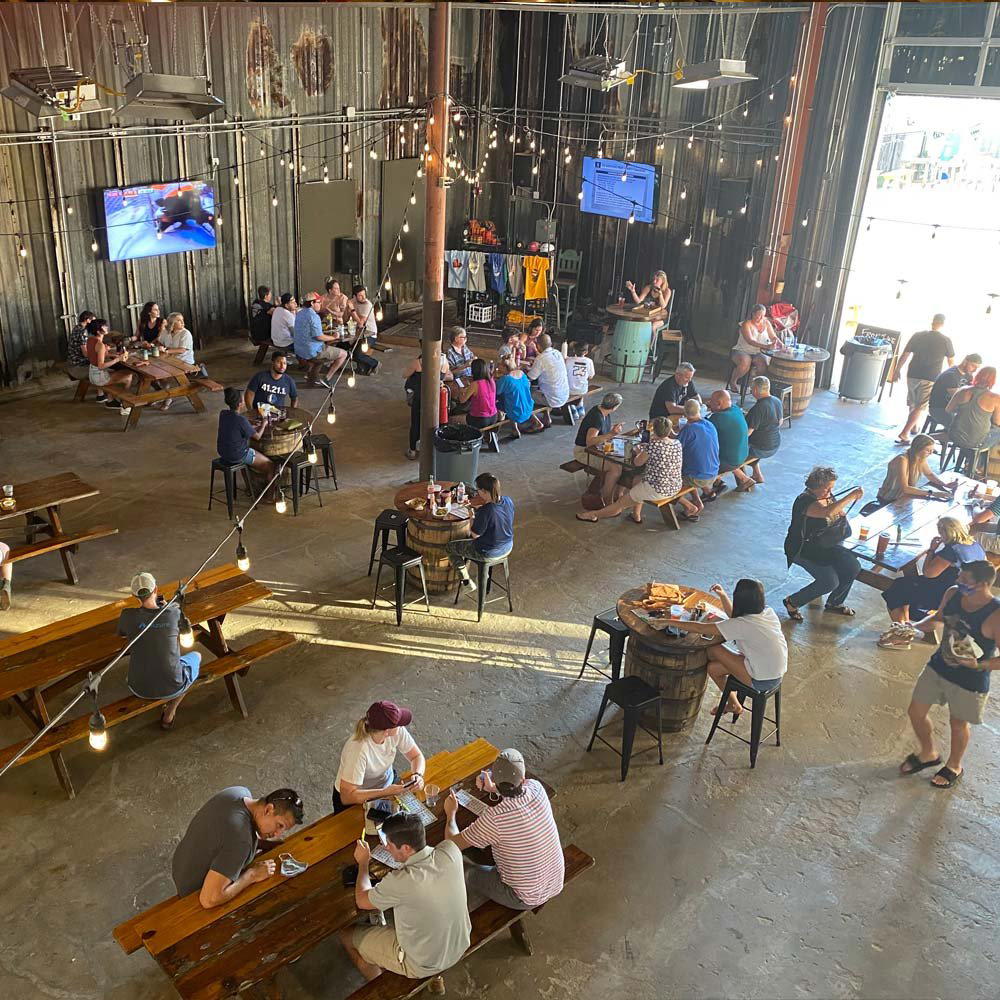
For those extending an evening beyond the meal, Richardson's drinking options have become more varied in recent years. Lockwood Distilling Company brings a craft spirits focus to the area, while The Fifth: Fireside Patio and Bar offers a more relaxed outdoor setting. Jeng Chi Restaurant Bar and Bakery is the long-standing local reference point that anchors the corridor's identity. Taken together, they represent the range available without leaving the neighbourhood.
For comparison with how cocktail programs operate at the sharper end of the American market, the contrast with venues like Kumiko in Chicago, Bar Leather Apron in Honolulu, or Allegory in Washington, D.C. is instructive. Those programs build menus around technical specificity and seasonal sourcing in ways that require dedicated investment at the bar program level. Suburban sushi restaurants rarely compete on that axis, nor are they trying to. The relevant comparison set for Richardson's casual Japanese dining includes the corridor's own peer group, not nationally recognised cocktail bars. That said, programs like Julep in Houston, Superbueno in New York City, ABV in San Francisco, Jewel of the South in New Orleans, and The Parlour in Frankfurt illustrate the direction serious cocktail culture has moved for those interested in the broader category.
Planning a Visit
Sushi Sake's location on North Collins Boulevard places it within easy reach of Richardson's central neighbourhoods and the broader northern Dallas suburban grid. The corridor is car-dependent in the standard Texas suburban pattern, and parking around the Collins Boulevard strip is direct by DFW norms.
Cuisine Lens
| Venue | Cuisine |
|---|---|
| Sushi SakeThis venue — the venue you are viewing | This venue |
Continue exploring
More in Richardson
Bars in Richardson
Browse all →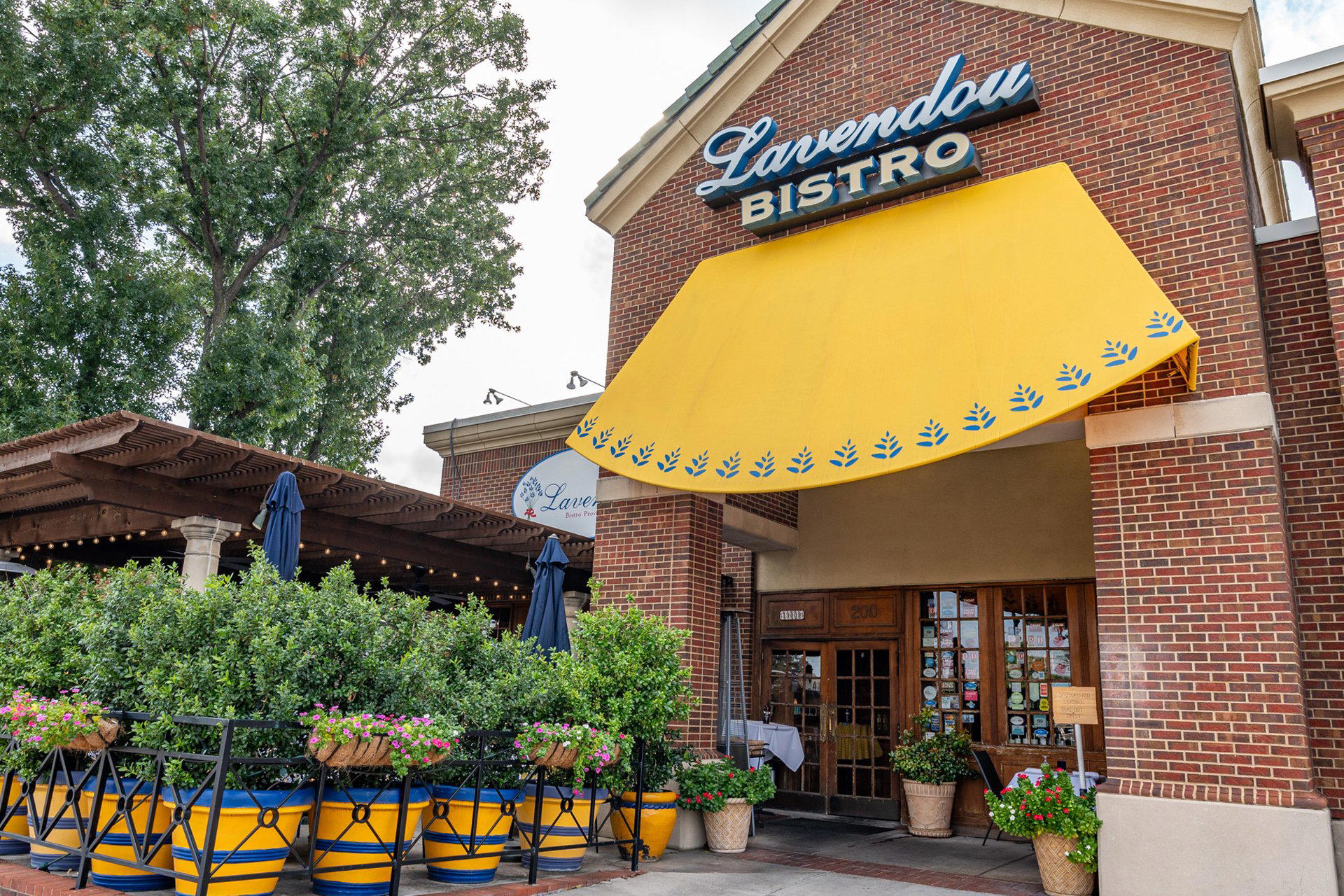
Restaurants in Richardson
Browse all →
At a Glance
- Lively
- Energetic
- Date Night
- Group Outing
- Standalone
- Seated Bar
- Private Rooms
- Sake
Current opening hours
- Monday
- 11:30 AM–2 PM, 5:30–10 PM
- Tuesday
- 11:30 AM–2 PM, 5:30–10 PM
- Wednesday
- 11:30 AM–2 PM, 5:30–10 PM
- Thursday
- 11:30 AM–2 PM, 5:30–10 PM
- Friday
- 11:30 AM–2 PM, 5:30–10 PM
- Saturday
- 5:30–10 PM
- Sunday
- Closed
Hours can change for holidays and private events. Last verified .
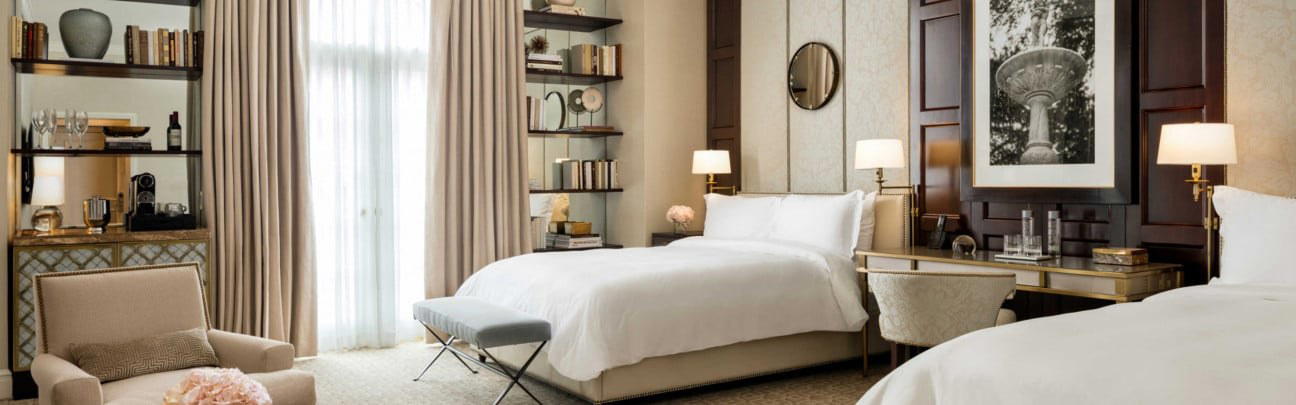
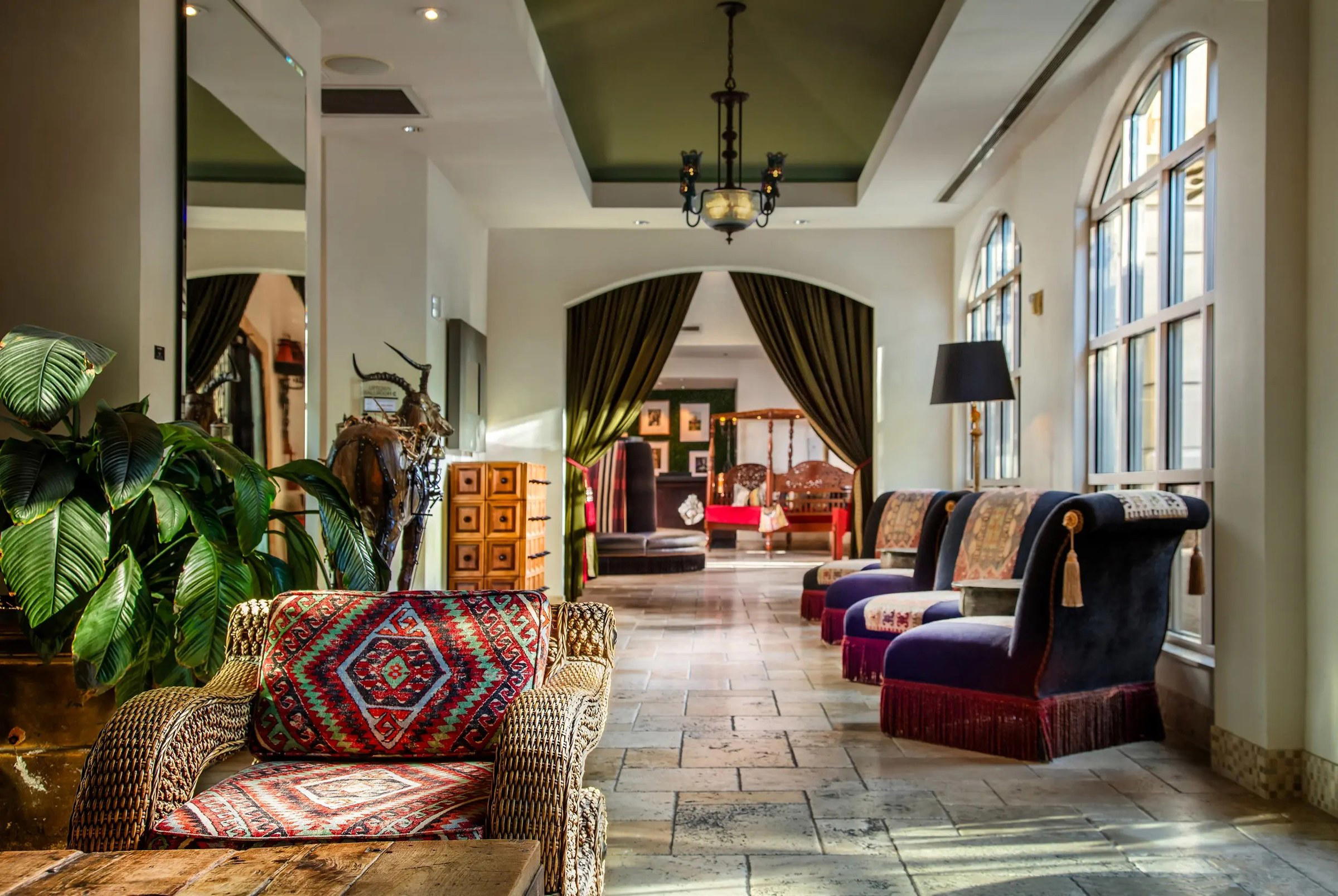
Energetic and lively atmosphere with traditional Japanese seating, art, and high-volume courteous service.
Know Before You Go
- Getting there
- 2150 N Collins Blvd, Richardson, TX 75080