Sushi Kuu
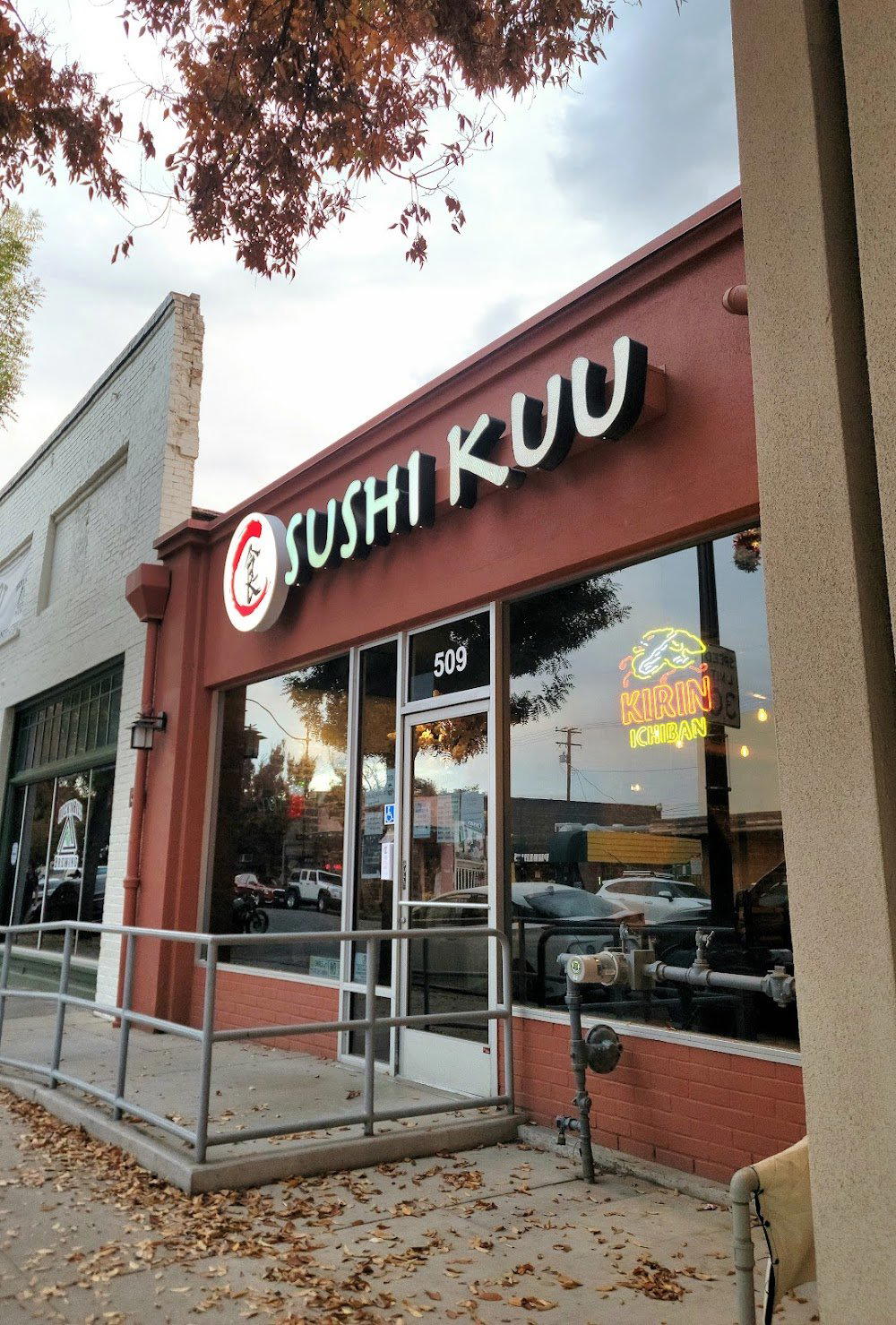
Sushi Kuu occupies a downtown Visalia address at 509 E Main St, sitting within a dining scene that punches above the expectations most visitors bring to California's San Joaquin Valley. For a city better known for agricultural output than omakase counters, the presence of a dedicated sushi operation signals something worth investigating — particularly given the region's direct access to some of California's most consequential produce supply chains.

Pearl is the En Primeur Club membership app — saves, bookings, and concierge access live there. Same editors, same standards.
Downtown Visalia and the Case for Serious Sushi in the Valley
The San Joaquin Valley's reputation in food circles has historically been tied to what it grows rather than where it eats. Visalia, the Valley's largest city south of Fresno, sits at the agricultural intersection of some of California's most productive farmland — stone fruit, citrus, and row crops that supply restaurant kitchens from San Francisco to Los Angeles. That context matters when assessing a sushi operation here, because the raw-material logic that makes coastal Japanese dining work applies differently in a region where supply chain proximity runs in unusual directions. Sushi Kuu, at 509 E Main St in downtown Visalia, enters that conversation at an address that places it among the handful of sit-down dining options the city's core has developed over the past decade.
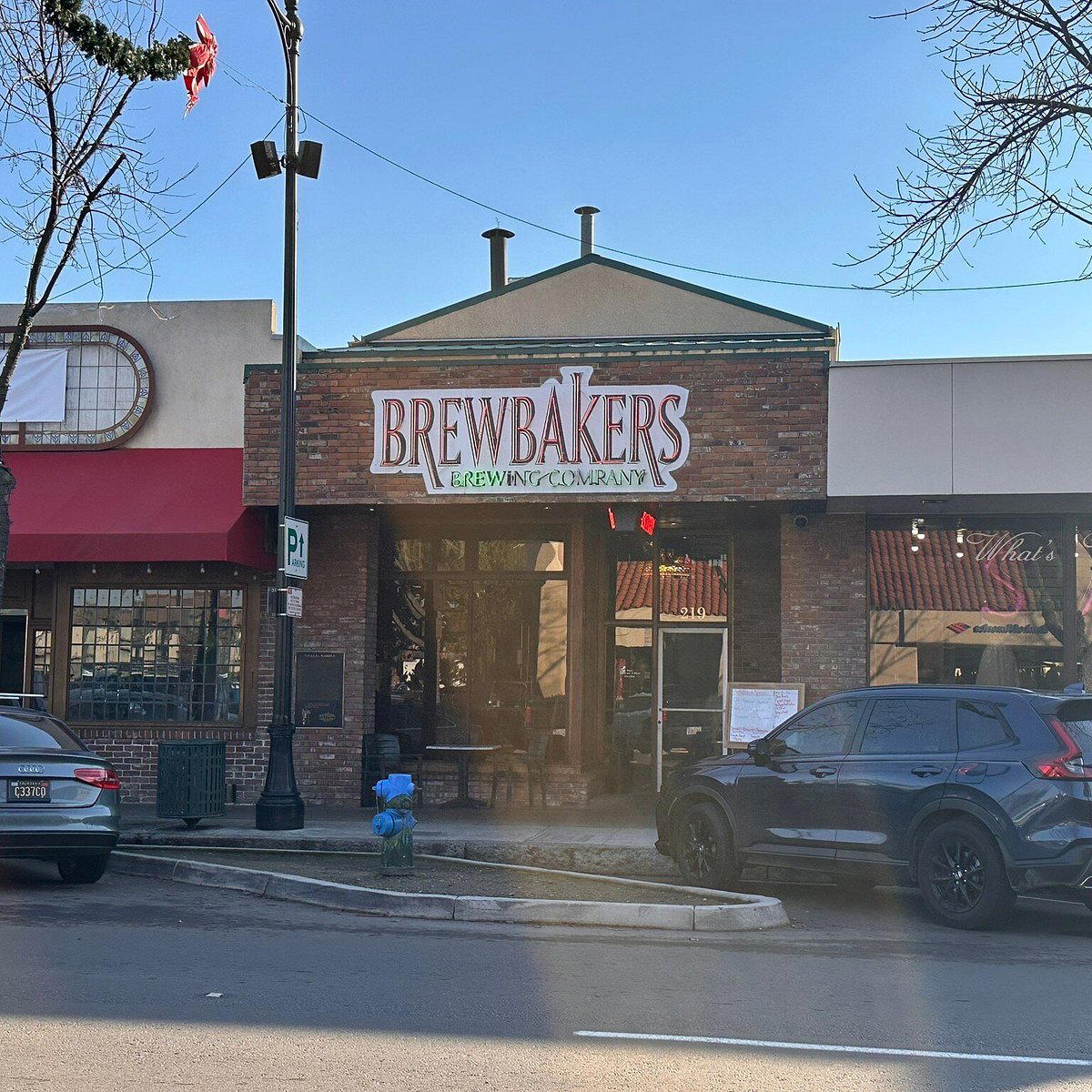
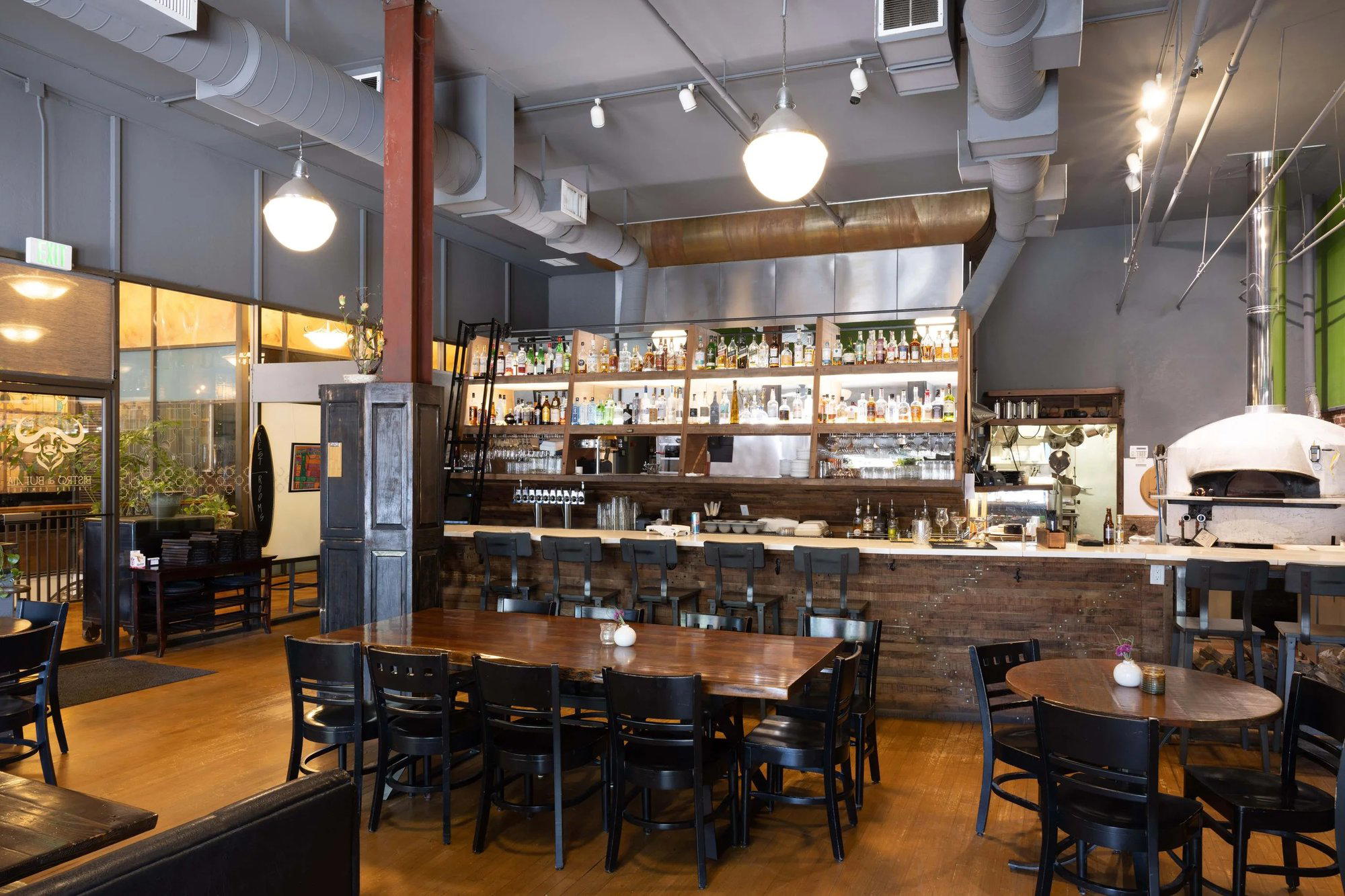
Downtown Visalia has undergone a gradual shift from a service-dominated commercial strip toward a block-by-block accumulation of independent dining and drinking venues. The stretch around Main Street now includes a craft brewing operation in Brewbakers Brewing Co, the Italian-inflected Bistro di Bufala, and the sprawling hospitality footprint of Elderwood. Into that mix, a sushi restaurant represents a specific bet: that Visalia's dining public has appetite for a cuisine where sourcing discipline and technique precision carry more weight than portion size or familiar comfort food.
Sourcing Logic in a Valley Context
The editorial angle that defines any serious sushi operation is not the chef's background or the room's aesthetics — it is where the fish comes from and how the kitchen handles it between arrival and plate. For a landlocked Central Valley city, that question carries real freight. The nearest major seafood distribution hubs are Los Angeles to the south and the Bay Area to the northwest, both reachable by refrigerated freight within a few hours. What this means practically is that a sushi kitchen in Visalia is working within supply chain parameters that are not materially different from what a mid-tier Los Angeles or San Francisco operation manages, provided the kitchen is buying through established Japanese seafood distributors rather than general broadline suppliers.
The San Joaquin Valley's direct agricultural output adds a secondary sourcing dimension that most coastal sushi operations cannot replicate. Local citrus, farm-direct eggs, and seasonal produce grown within miles of downtown Visalia represent inputs that, in a Japanese-influenced kitchen, can appear in everything from ponzu preparation to garnish.
Across American sushi of the past decade, the sourcing conversation has moved from novelty to expectation. Counters at the level of nationally recognized programs, including operations that draw comparison to Japanese-trained practitioners elsewhere in California, have made the origin and handling of fish a front-of-house talking point rather than a back-of-house default. That shift has filtered down to regional markets, where diners in mid-size cities increasingly arrive with informed questions about whether tuna is bluefin or yellowfin, whether salmon is farmed or wild, and whether the rice is seasoned with domestic or Japanese-origin vinegar.
The Room and the Experience Format
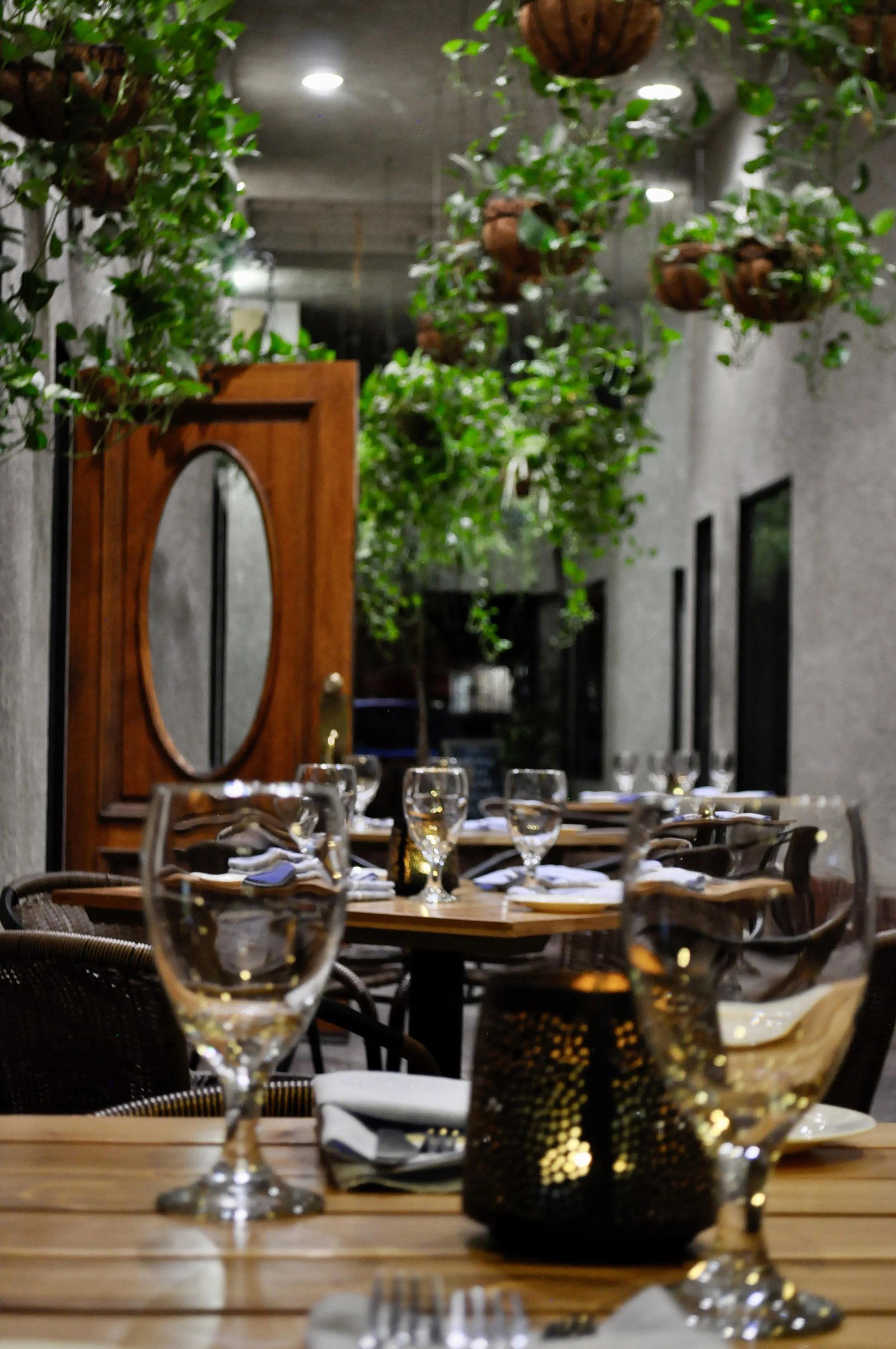
At 509 E Main St, Sushi Kuu occupies a downtown address that puts it in walkable range of Visalia's central plaza and the surrounding block of independent venues. The experience format at a sushi restaurant of this type in a city of Visalia's scale typically falls between two poles: a counter-focused operation where the kitchen's work is visible and the interaction is direct, or a larger dining room format that accommodates groups and operates closer to a Japanese-American restaurant model than a Tokyo-style omakase experience. The distinction matters for sourcing, because counter formats create conditions where the kitchen's handling of fish, temperature management, cut timing, rice temperature, is subject to closer scrutiny.
For visitors considering Visalia's dining options against a broader California standard, the relevant comparison set is not San Francisco's Michelin-tracked omakase tier, where eight-seat counters book weeks in advance and per-person spend reflects Tokyo-equivalent sourcing costs. The more accurate peer group is California's regional city sushi scene, where capable Japanese-trained kitchens operate in markets like Fresno, Bakersfield, and Sacramento, often delivering technically competent work at price points substantially below coastal equivalents. Within that tier, the differentiating variables are sourcing relationships, rice technique, and whether the kitchen treats Japanese-style preparation as a discipline or a category label.
Visalia's Drinking Scene as Context
Any dinner plan centered on Sushi Kuu should account for Visalia's growing independent bar and beverage program, which provides pre- or post-dinner options within the downtown corridor. The craft cocktail movement that transformed drinking culture in American cities over the past fifteen years has produced notable programs in markets far removed from major coastal hubs, operations like Bar Leather Apron in Honolulu, Kumiko in Chicago, and ABV in San Francisco demonstrate how far the technical bar program format has spread. Locally, Crawdaddy's and the venues along the Elderwood complex contribute to a downtown circuit that makes a full evening in Visalia's center viable without a car between stops.
Beyond California, the cocktail intelligence gathered at operations like Jewel of the South in New Orleans, Julep in Houston, Superbueno in New York City, and The Parlour in Frankfurt on the Main reflects a global shift toward program-led bars where what is in the glass reflects the same sourcing and technique scrutiny applied to serious food kitchens. That standard has become the benchmark even in regional markets, and Visalia's independent bar scene is positioned within that broader current.
For a comprehensive read on what the city offers across dining and drinking categories, our full Visalia restaurants guide maps the current state of the scene with venue-by-venue context.
Planning a Visit
Sushi Kuu sits at 509 E Main St, Visalia, CA 93292, in the walkable core of downtown. As with most mid-scale sushi operations in California's regional cities, weekend evenings are the highest-demand windows, and arriving with a reservation or early in service reduces friction. The downtown location means street parking and the adjacent public lots serve as the practical arrival mode for most visitors.
In Context: Similar Options
Comparable venues nearby, for context on price, style, and recognition.
| Venue | Cuisine | Price | Notes |
|---|---|---|---|
| Sushi KuuThis venue — the venue you are viewing | Bar | Not listed | Not listed |
| Bistro di Bufala | wine_bar | $20–30 | downtown |
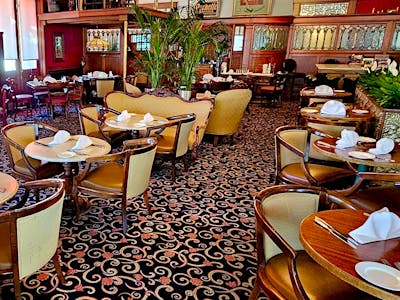
| The Vintage Press Restaurante | wine_bar | Not listed | downtown |
| Brewbakers Brewing Co | beer_bar | $20–30 | downtown |
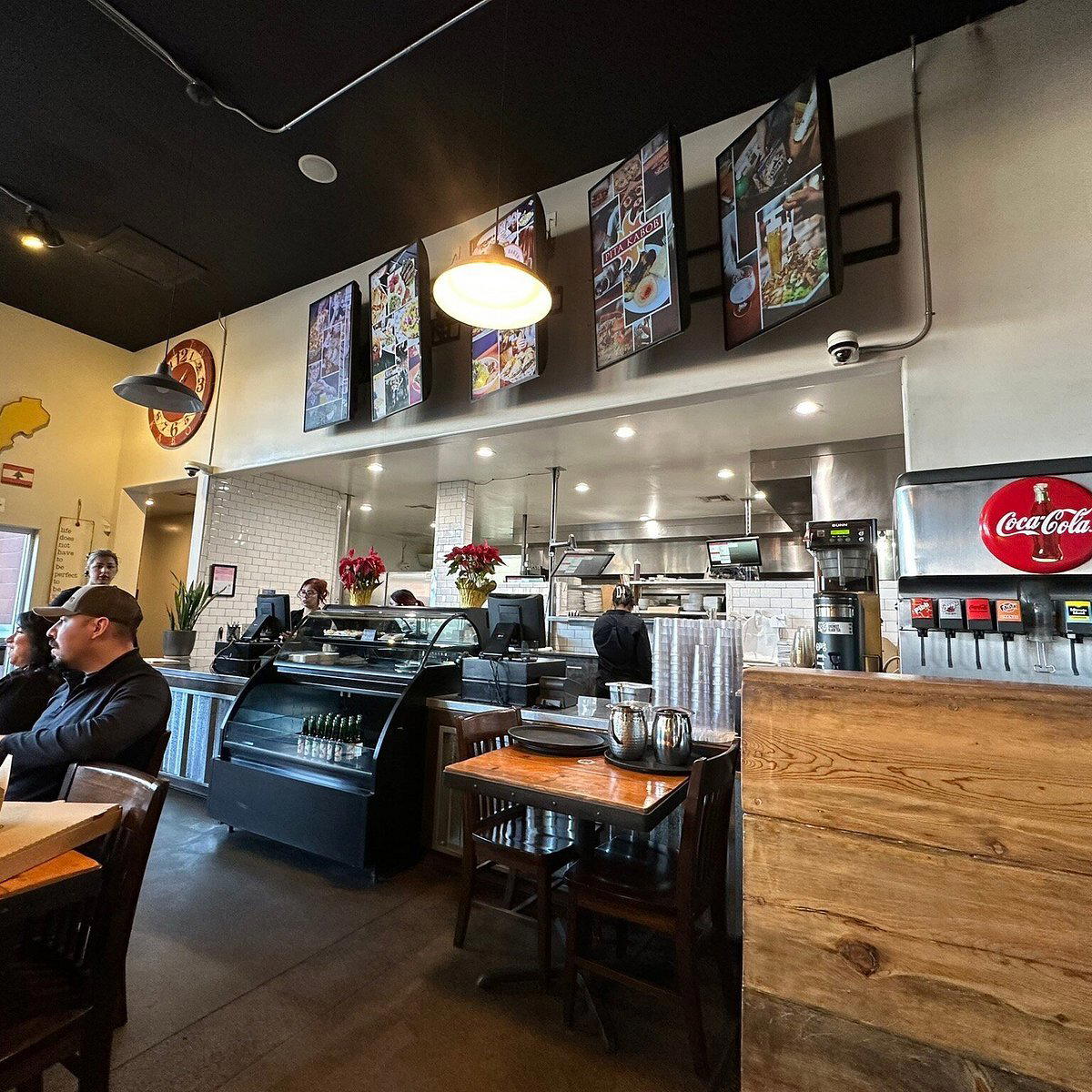
| Pita Kabob | beer_bar | $20–30 | Downtown |
| Crawdaddy's | pub | $20–30 | downtown |
Continue exploring
More in Visalia

Details
- Cozy
- Lively
- Casual Hangout
- Sake
Current opening hours
- Monday
- 11 AM–1:45 PM, 4:30–7:45 PM
- Tuesday
- 11 AM–1:45 PM, 4:30–8 PM
- Wednesday
- Closed
- Thursday
- 11 AM–1:45 PM, 4:30–8 PM
- Friday
- 11 AM–1:45 PM, 4:30–8:45 PM
- Saturday
- 11 AM–1:45 PM, 4:30–8:45 PM
- Sunday
- Closed
Hours can change for holidays and private events. Last verified .
Warm and inviting with moderate noise creating a lively yet cozy atmosphere.