Sushi Kodawari
Sushi Kodawari occupies a suite address on Central Street in Kansas City's Crossroads district, where Japanese technique meets the American Midwest's own produce traditions. The format sits at the intersection of precision and place, positioning it differently from the city's broader Japanese dining options. It draws a crowd that takes raw fish seriously in a city better known for smoke and char.
Pearl is the En Primeur Club membership app — saves, bookings, and concierge access live there. Same editors, same standards.
- Address
- 2100 Central St Ste #12, Kansas City, MO 64108
- Website
- sushikodawari.com
- Directions
- Get directions
 Saves & bookings on Pearl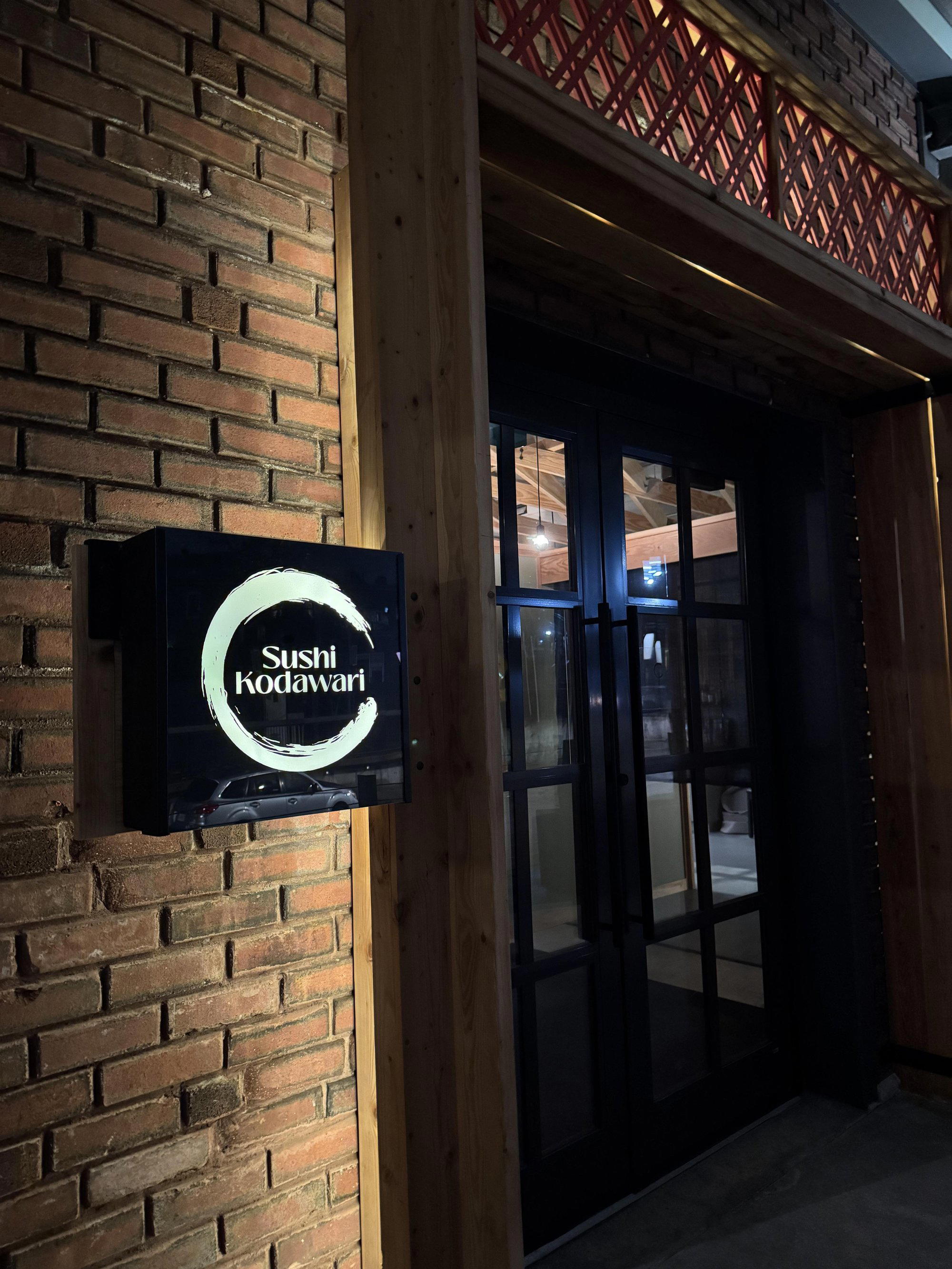
Where Japanese Precision Meets Midwestern Produce
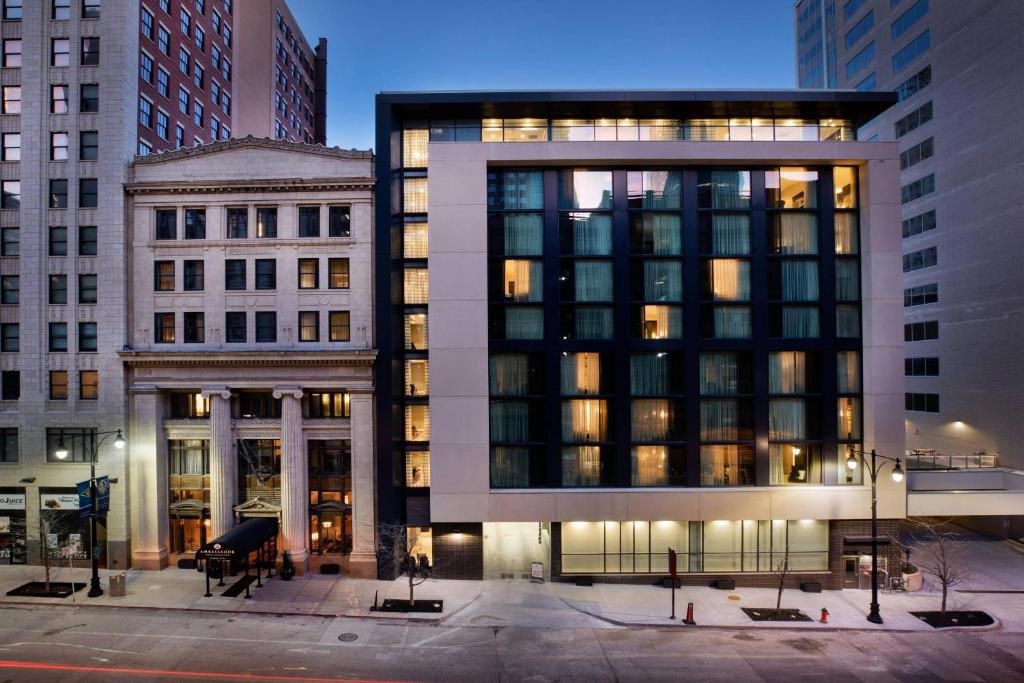
Central Street in Kansas City's Crossroads Arts District carries a particular kind of ambition. The neighbourhood has spent the better part of two decades accumulating creative businesses, independent restaurants, and the kind of address that signals intention without announcing itself loudly. Suite 12 at 2100 Central Street places Sushi Kodawari in that current: a Japanese concept in a city whose food identity is overwhelmingly shaped by barbecue pits, livestock traditions, and the Great Plains larder. That tension between imported method and local raw material is, in the better examples of this format, exactly where interesting food gets made.
The name itself points toward orientation. Kodawari is a Japanese term without a clean English translation, it describes an insistence on quality, a refusal to compromise on standards even when the compromise would be invisible to most people. Japanese restaurant culture applies the concept across every decision, from the temperature of rice to the angle of a knife cut. In Kansas City, that posture lands against a region that has its own version of the same obsession, just expressed through brisket bark and smoke ring rather than nigiri form.
The Crossroads Context
Midwestern cities have absorbed Japanese dining formats at a pace that tracks with national trends but with a distinct local inflection. Omakase counters, hand roll bars, and izakaya-style formats have all established footholds in cities like Kansas City, Chicago, and Houston over the past decade, often drawing on the same technical lineages, Jiro, Saito, Kanesaka, while sourcing from American distributors and, increasingly, from regional producers who have developed relationships with Japanese-leaning kitchens. Kata Nori Hand Roll Bar, for instance, represents the more casual end of that spectrum in Kansas City, bringing the hand roll format to a city where the category was essentially absent a few years ago.
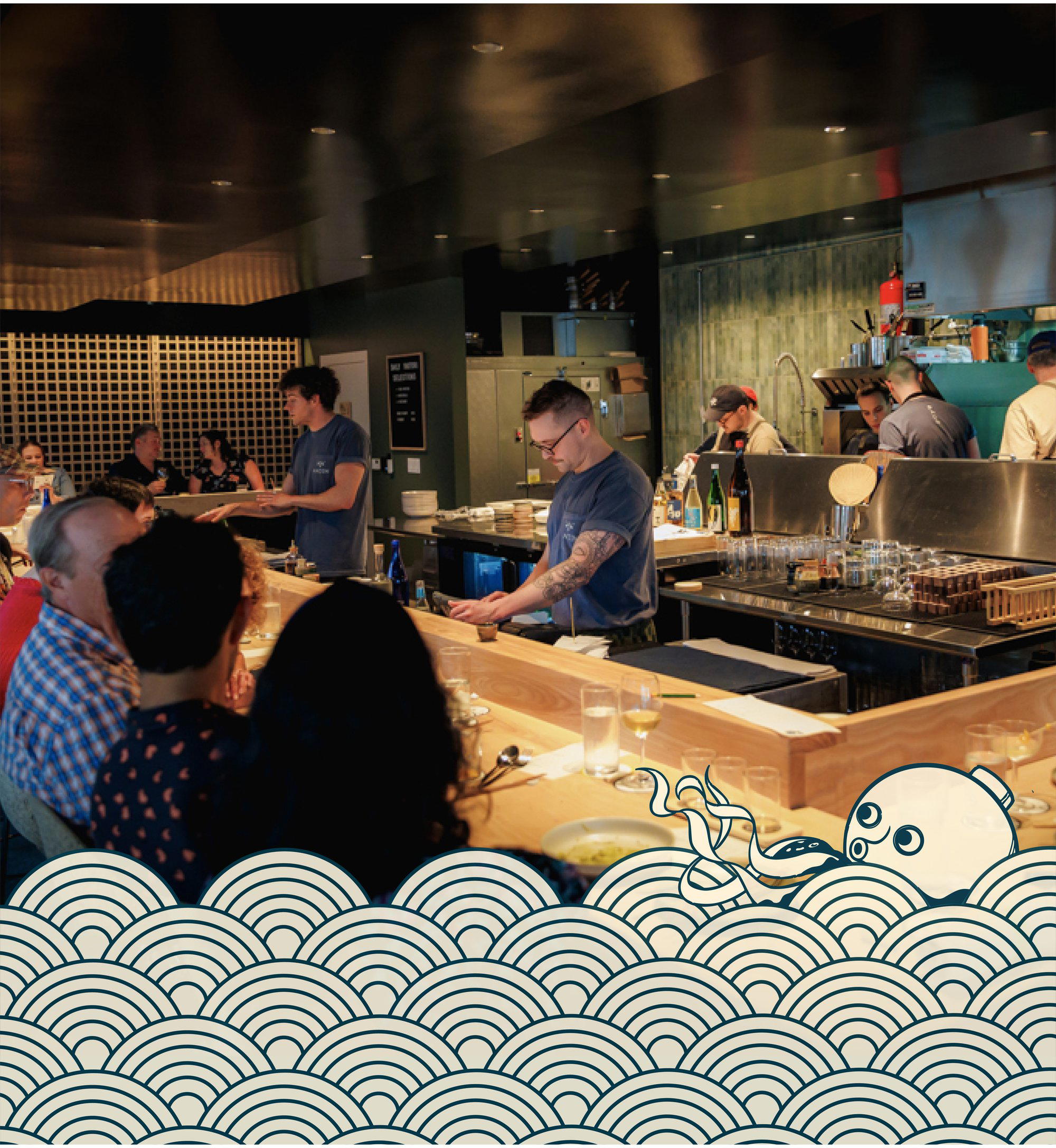
Sushi Kodawari sits at a different point on that spectrum. The suite-format address and the name's implied philosophy suggest a more deliberate, detail-oriented approach than a hand roll bar format typically supports. Japanese sushi concepts that prioritise kodawari in their branding tend to operate with tighter seat counts, closer attention to sourcing, and menus that reward return visits rather than first-time novelty. That's the category the name reaches toward, even if the specifics of format and seat count aren't publicly documented.
Local Ingredients, Japanese Logic
The editorial angle that makes Kansas City's Japanese dining worth following is precisely the local-global ingredient intersection. The American Midwest is not a secondary sourcing market for quality protein, it is, by most measures, one of the more serious beef-producing regions on the planet. Kansas City's barbecue tradition is built on that foundation, and the same regional producers that supply smoke pits also supply the wagyu-adjacent programs that Japanese-technique restaurants draw on when they're operating with any seriousness about local sourcing.
Beyond beef, the Midwest growing calendar yields produce that Japanese technique can engage with directly: root vegetables, heritage grains, stone fruits, and cold-water fish from Great Lakes distributors that appear with increasing frequency on menus that would otherwise rely entirely on air-shipped Japanese product. Particularly credible Japanese-format restaurants in interior American cities have moved toward a hybrid sourcing logic, Japanese fish for categories where origin matters most (bluefin, Japanese scallop, sea urchin from specific prefectures), regional American product for categories where proximity and freshness are the primary variables. That logic, when applied carefully, produces something that neither Tokyo nor a coastal American city would create in quite the same way.
Across the wider American sushi scene, comparisons worth tracking include concepts like Kumiko in Chicago, which has built a reputation for applying Japanese precision to American ingredients in a way that sidesteps the imitation-Japan trap. The discipline required for that approach, knowing which categories to import and which to source regionally, is precisely what separates technically serious Japanese restaurants from decorative ones.
Drinking Around the Concept
Japanese restaurant formats in the United States have developed sophisticated beverage programs that mirror the food's dual citizenship. Sake lists have become more serious as American importers have deepened their relationships with smaller Japanese breweries. Japanese whisky allocations remain tight globally, which has pushed menus toward creative alternatives: American rye and bourbon treated with Japanese bar technique, yuzu-forward builds, and low-ABV formats that pair with delicate raw fish without overwhelming it.
Kansas City's broader bar scene offers useful comparison points for the cocktail-minded visitor. Blanc Champagne Bar represents the city's appetite for precision drinking formats, while Beer Kitchen and Billie's Grocery anchor a neighbourhood-bar tradition that coexists with the more deliberate formats. Blue bird bistro adds a plant-forward dimension to the local drinking and eating scene that overlaps with the produce-first sensibility that Japanese technique encourages. For visitors calibrating expectations against other cities' Japanese-adjacent bar programs, Bar Leather Apron in Honolulu, Jewel of the South in New Orleans, Julep in Houston, Superbueno in New York City, ABV in San Francisco, and The Parlour in Frankfurt on the Main each offer reference points for what technically grounded beverage programming looks like at different scales.
Planning Your Visit
Sushi Kodawari is located at 2100 Central Street, Suite 12, in Kansas City's Crossroads Arts District, a neighbourhood most easily reached by car or rideshare from the downtown core. The suite address signals a building that likely houses multiple businesses, so arriving with the specific suite number in hand avoids the usual confusion. Current booking details, hours, and pricing are best confirmed directly through the venue's own channels, as they are not publicly documented through third-party listings at this writing.
A Lean Comparison
Comparable venues nearby, for context on price, style, and recognition.
| Venue | Cuisine | Price | Notes |
|---|---|---|---|
| Sushi KodawariThis venue — the venue you are viewing | Crossroads, Bar | $$$$ | Not listed |
| Pierpont's at Union Station | Not listed | $$$$ | Midtown, cocktail_bar |
| The Antler Room | Not listed | $$$ | Longfellow, cocktail_bar |
| Rochester Brewing & Roasting Company | Not listed | $$ | Crossroads, beer_bar |
| The Combine | Not listed | $$ | Longfellow, cocktail_bar |
| Julep | Not listed | $$ | Westport, cocktail_bar |
Continue exploring
More in Kansas City
Bars in Kansas City
Browse all →
Restaurants in Kansas City
Browse all →



At a Glance
- Intimate
- Elegant
- Sophisticated
- Special Occasion
- Design Destination
- Counter Only
- Sake
Current opening hours
- Monday
- Closed
- Tuesday
- Closed
- Wednesday
- 5:30–10:30 PM
- Thursday
- 5:30–10:30 PM
- Friday
- 5:30–10:30 PM
- Saturday
- 5:30–10:30 PM
- Sunday
- 5:30–10:30 PM
Hours can change for holidays and private events. Last verified .