Sonobana Japanese Restaurant
A longstanding Japanese restaurant on White Bridge Road, Sonobana occupies a quieter pocket of Nashville that locals tend to claim before visitors catch on. The draw is consistency: the kind of place where regulars arrive without menus and leave satisfied. For a city better known for hot chicken and honky-tonks, it represents a different, more deliberate register of dining.
Pearl is the En Primeur Club membership app — saves, bookings, and concierge access live there. Same editors, same standards.
- Address
- 40 White Bridge Rd, Nashville, TN 37205
- Phone
- +1 615 356 6600
- Website
- sonobananashville.com
- Directions
- Get directions
 Saves & bookings on Pearl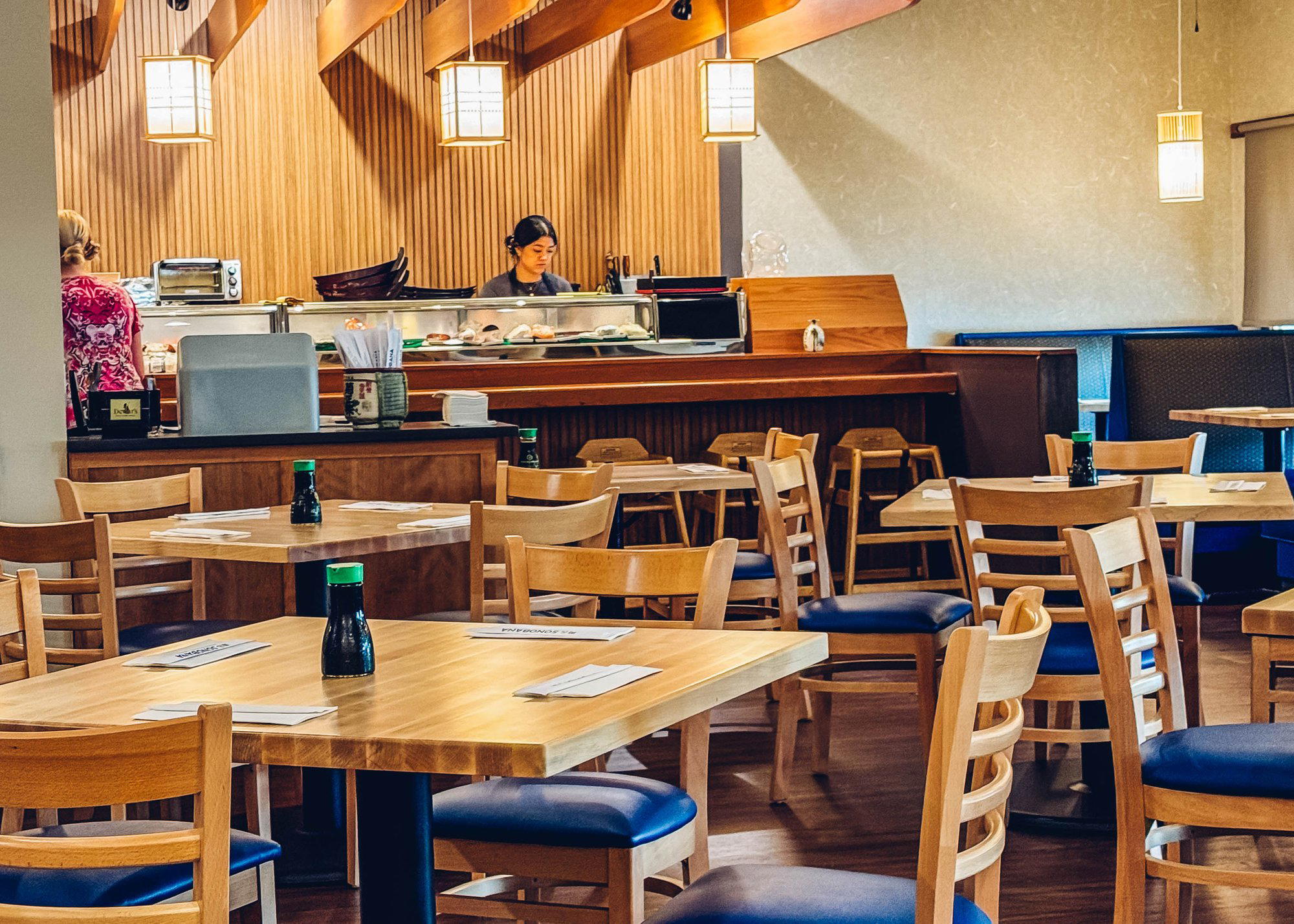
White Bridge Road is not where Nashville sends its visiting food writers. The stretch sits west of the tourist corridors, flanked by dry cleaners and neighborhood pharmacies, the sort of commercial seam that every American city has and most food guides skip. That positioning is precisely what Sonobana Japanese Restaurant depends on. The dining room does not compete on spectacle or foot traffic. It competes on repetition — the kind of place where the same faces appear on the same nights, and the staff knows what they are ordering before anyone opens a menu.
This is a pattern worth understanding in its own right. Japanese restaurants that survive and deepen in mid-sized American cities rarely do so by chasing trends or earning Michelin recognition. They do it by becoming load-bearing fixtures in their neighborhoods: reliable, specific, and trusted over years. Sonobana sits at 40 White Bridge Rd in that capacity — a neighborhood Japanese restaurant that has earned its clientele the slow way.
What Keeps Regulars Returning
The regulars' relationship with a restaurant like this is different from destination dining. At a high-profile omakase counter, the experience is structured for novelty, each visit choreographed to feel new. At a neighborhood Japanese spot with long-standing customers, the value runs in the opposite direction. Familiarity is the product. Knowing which dish performs leading on a given night, which section of the menu rewards attention, and which combinations the kitchen handles with particular confidence, that institutional knowledge accumulates over visits and becomes the actual reason people keep coming back.
In the broader context of Japanese dining in the American South, this matters. Nashville's Japanese restaurant scene is smaller and less stratified than those of coastal cities. There is no equivalent of New York's split between high-volume sushi chains and rarefied omakase counters, or Chicago's model, represented by technically precise programs like Kumiko in Chicago, where Japanese craft principles extend into cocktail programs and hospitality formats. What Nashville has instead is a handful of Japanese restaurants that function as community anchors, and Sonobana has occupied that position on the west side of town for long enough that regulars treat it as a default rather than a choice.
The Neighborhood Context
The White Bridge Road address places Sonobana in a part of Nashville that runs on resident traffic rather than visitor dollars. This is not the 12 South corridor, where bars like 12 South Taproom and Grill draw a mix of locals and out-of-towners, or the downtown entertainment district anchored by venues like 417 Union and 5th and Taylor. The West Nashville pocket where Sonobana sits is residential in character, and the restaurant's clientele reflects that. Families, couples who live within a few miles, and the kind of professional regulars who want a competent, calm dinner without booking three weeks ahead, these are the people the restaurant is calibrated for.
That calibration has a direct effect on the dining experience. Restaurants built for neighborhood regulars tend to run tighter, quieter services. The noise level tracks below the downtown bars. The pace is unhurried. And because the kitchen is cooking for people who return frequently rather than one-time visitors who need to be impressed on a single visit, the consistency incentive is high.
Japanese Dining in Nashville's Current Register
Nashville's dining identity has expanded considerably in the past decade, but Japanese cuisine occupies a different position here than it does in cities with larger Japanese-American communities or greater concentration of Japanese expatriate residents. The city's food conversation is still largely framed around its Southern and American traditions, the honky-tonk bar culture documented in venues like 5th and Taylor, the craft coffee wave represented by 8th and Roast, with international cuisines functioning as a secondary but growing layer.
Within that secondary layer, Japanese restaurants occupy a specific niche: they attract diners who want a clean, quieter register of eating that Southern comfort food and American brasserie cooking do not provide. The appeal is partly contrast. After a week of heavy, loud, celebratory Nashville dining, a Japanese meal that runs on restraint and precision reads as relief. That dynamic sustains neighborhood Japanese restaurants in cities where they would otherwise struggle for critical mass.
For a broader picture of how Nashville's dining and drinking scene fits together, the full Nashville restaurants guide maps the city's key venues across categories and neighborhoods.
How This Compares to Japanese Programs Elsewhere in the South
The Southern United States does not have a single dominant Japanese dining tradition the way the Pacific Rim cities do. What exists instead is a dispersed network of neighborhood restaurants and occasional higher-end sushi counters in larger metros. The cocktail programs that run alongside Japanese cuisine in other markets, the precise, technique-forward bars like Bar Leather Apron in Honolulu, where Japanese whisky and shochu occupy serious menu real estate, are largely absent from Nashville's current offering. The city's cocktail identity, visible in programs at places like Jewel of the South in New Orleans (a short drive away in culinary terms) or Julep in Houston, tilts toward American traditions rather than Japanese influence.
That gap matters for understanding what a venue like Sonobana is and is not. It is not a destination-dining proposition in the mode of a technically ambitious bar program or a high-concept urban restaurant. What it is, more usefully, is a reliable neighborhood Japanese restaurant in a city that has relatively few of them, and that scarcity, combined with long-term local loyalty, gives it a kind of value that formal accolades do not measure.
Know Before You Go
- Address: 40 White Bridge Rd, Nashville, TN 37205
- Neighborhood: West Nashville, residential corridor west of the city center
- Leading approach: Drive or rideshare; street and lot parking available in the immediate area
- Booking: Contact details not confirmed at time of writing; arriving without a reservation is common practice at neighborhood Japanese restaurants of this type, but calling ahead on busy evenings is advisable
- Peer context: Operates in the neighborhood Japanese tier, not the destination-dining or omakase tier
Peers You’d Cross-Shop
| Venue | Cuisine |
|---|---|
| Sonobana Japanese RestaurantThis venue — the venue you are viewing | This venue |
Continue exploring
More in Nashville
Bars in Nashville
Browse all →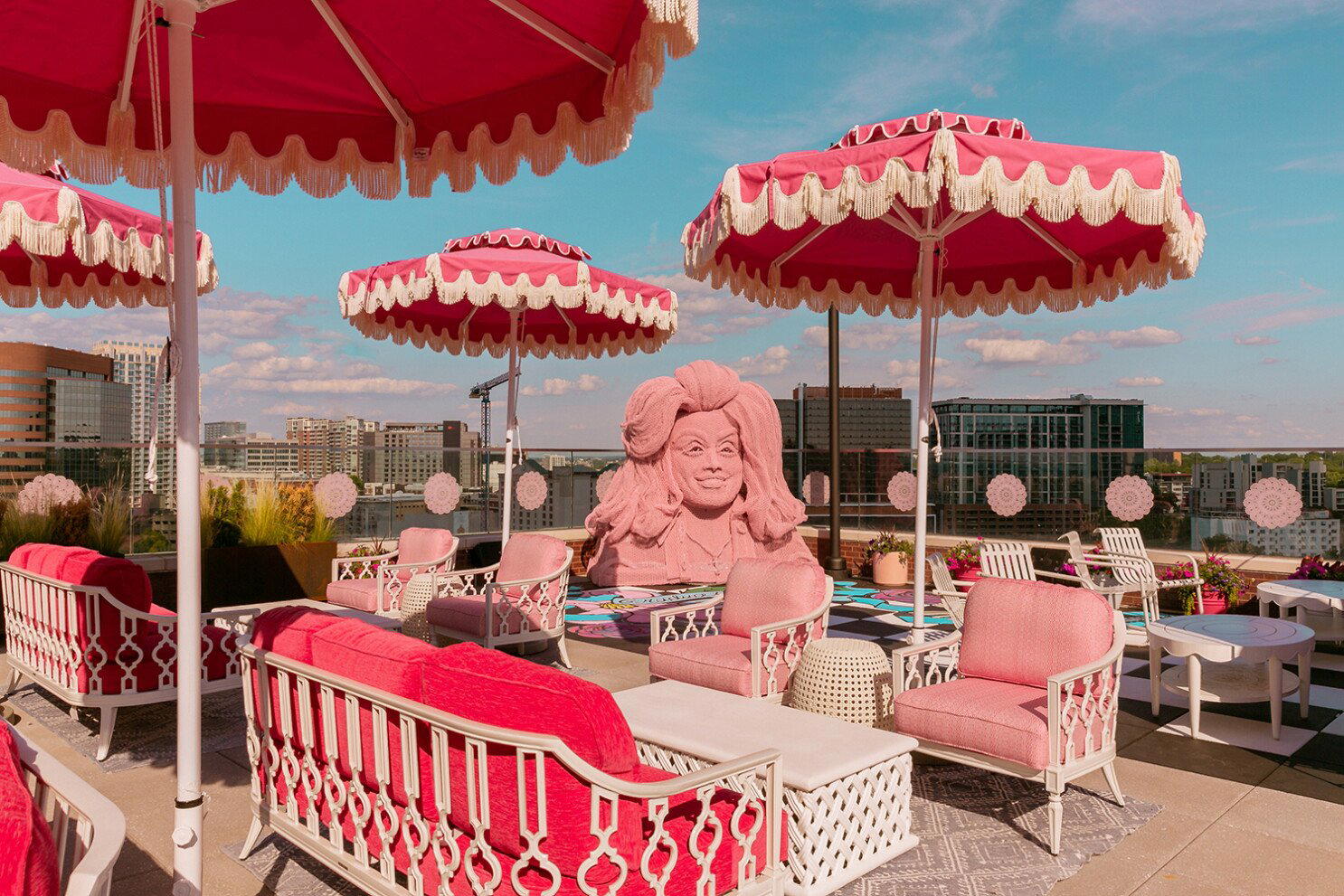
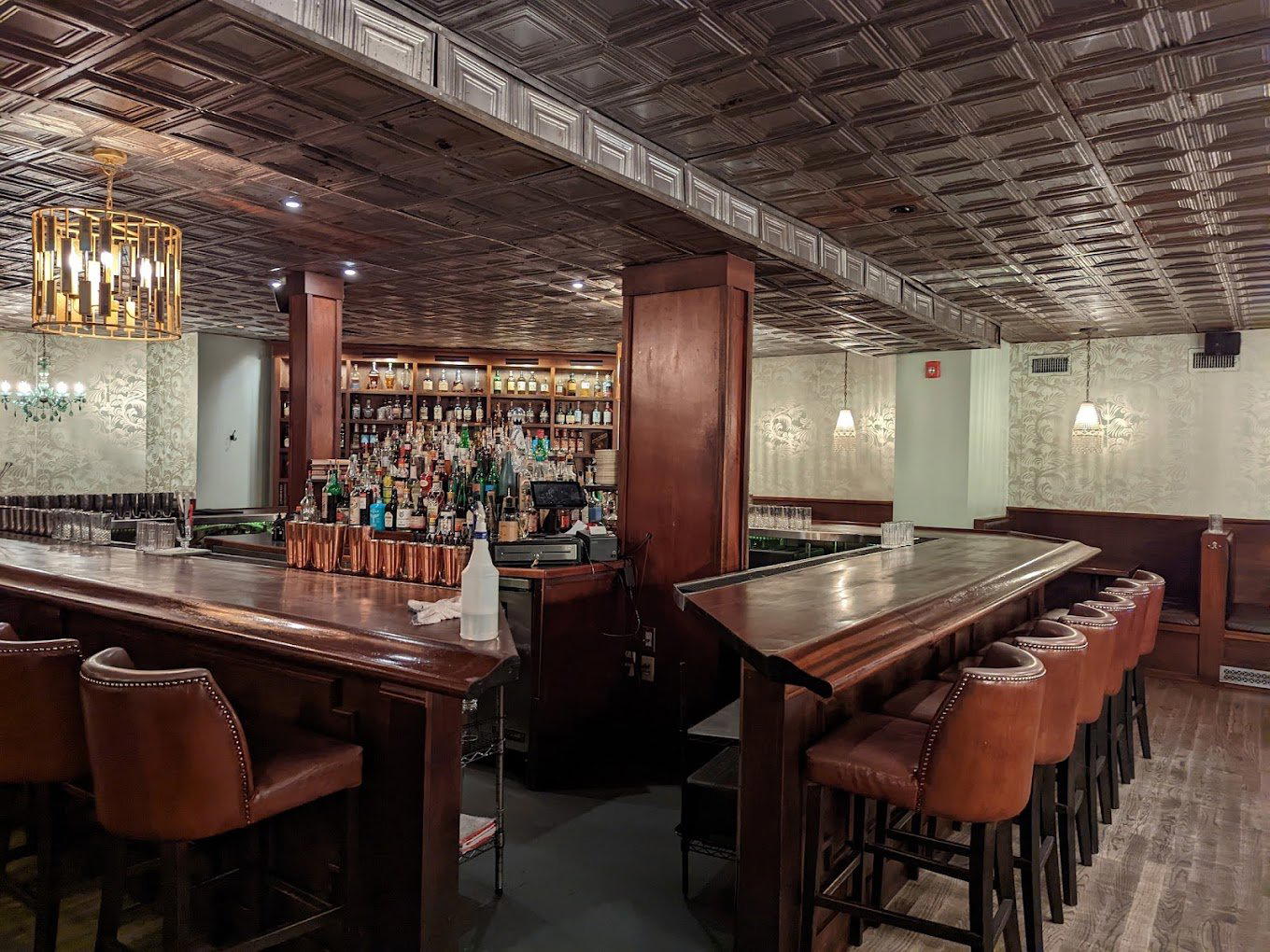
Restaurants in Nashville
Browse all →
Hotels in Nashville
Browse all →
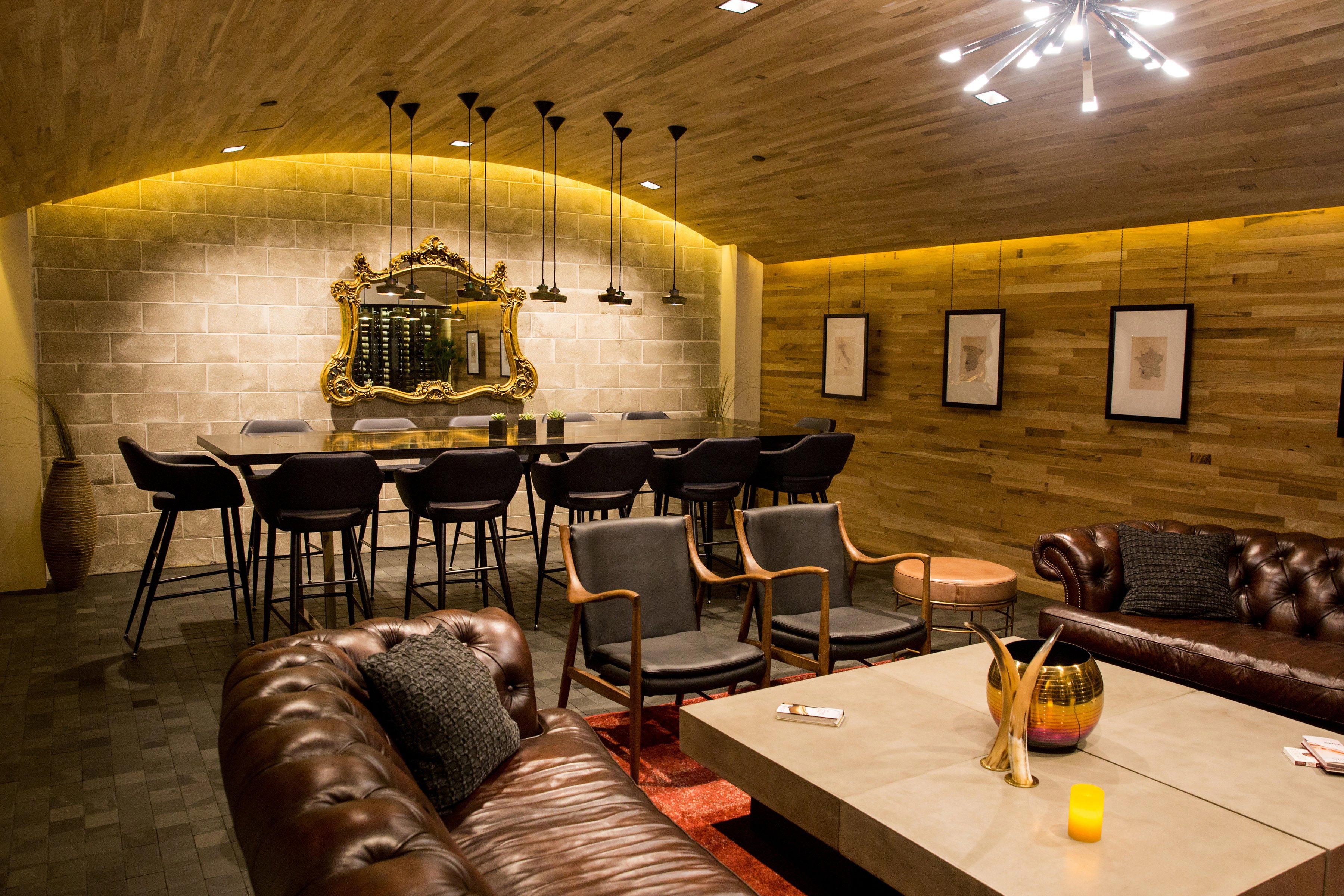
Wineries in Nashville
Browse all →
At a Glance
- Cozy
- Classic
- Intimate
- Date Night
- Casual Hangout
- Standalone
- Seated Bar
- Sake
Current opening hours
- Monday
- 11 AM–2 PM, 4:30–9:30 PM
- Tuesday
- 11 AM–2 PM, 4:30–9:30 PM
- Wednesday
- 11 AM–2 PM, 4:30–9:30 PM
- Thursday
- 11 AM–2 PM, 4:30–9:30 PM
- Friday
- 11 AM–2 PM, 4:30–9:30 PM
- Saturday
- 11 AM–2 PM, 4:30–9:30 PM
- Sunday
- 4:30–9:30 PM
Hours can change for holidays and private events. Last verified .
Cozy and intimate traditional Japanese dining room post-renovation.
Know Before You Go
- Getting there
- 40 White Bridge Rd, Nashville, TN 37205