Soma Sushi
Soma Sushi sits on Washington Avenue, one of Houston's more consistently busy dining corridors, where the crowd skews toward regulars who know what they want. The address places it in a neighbourhood that has absorbed a decade of bar and restaurant openings without losing its local character. For Houston sushi, it occupies a tier worth knowing about.
Pearl is the En Primeur Club membership app — saves, bookings, and concierge access live there. Same editors, same standards.
- Address
- 4820 Washington Ave, Houston, TX 77007
- Phone
- +1 713 861 2726
- Website
- somasushi.com
- Directions
- Get directions
 Saves & bookings on Pearl
Washington Avenue and the Sushi It Keeps
Houston's Washington Avenue corridor is not the city's most obvious address for precision Japanese food. It is, however, one of the more honest dining strips in town: a stretch where restaurants survive on repeat custom rather than novelty cycles, and where a sushi counter that holds its ground does so on the strength of what it serves. Soma Sushi at 4820 Washington Ave operates in that context, in a neighbourhood that has absorbed waves of bar openings and concept restaurants without reorganising itself around any single trend.
The corridor runs west from downtown and has, over the past decade, accumulated a layered stack of drinking and dining options that range from icehouse casual to something approaching considered. It sits in proximity to a Houston bar scene that includes venues with genuine national recognition, such as Julep, which holds a serious position in the American cocktail conversation, and Bandista, which plays a different but equally specific role in the city's nightlife geography. Sushi in this environment competes with a lot of noise, which makes consistency the primary credential.
How Houston Holds Sushi
Texas's largest city has a sushi culture that does not get the national press coverage of Los Angeles or New York, but it is not a thin market. Houston's population density and its significant Japanese-American and broader Asian-American communities have produced a range of sushi options that span from grocery-case convenience to omakase counters priced against coastal peers. The mid-tier, where competent technique meets accessible pricing, is where most Houston sushi consumption happens, and it is a competitive position to hold.
What separates the durable operators from the interchangeable ones in that tier is usually sourcing discipline and format clarity. Houston diners in the Washington Avenue area have access to multiple Japanese options within a short radius, which means the venues that sustain foot traffic tend to have a defined identity rather than a sprawling menu that tries to serve every occasion. The better sushi counters in comparable American cities, from Kumiko in Chicago's refined Japanese-American hybrid approach to the focused programs at venues like Bar Leather Apron in Honolulu, demonstrate how format specificity drives reputation over time.
The Role of Drinks in a Sushi Room
The editorial angle on any sushi operation worth discussing in 2024 runs, inevitably, through what it pours alongside the fish. The drinks program at a sushi restaurant is not decorative; it is structural. Japanese whisky lists, sake selections arranged by prefecture and style, and the question of whether the house makes any serious effort with cocktails all tell you something about how the kitchen understands hospitality.
The American cocktail scene has moved, broadly, away from the speakeasy theatrics that defined the 2010s and toward programs with more technical transparency and culinary integration. Sushi rooms have tracked a parallel shift: the sake list that was once three bottles of warm domestic product has, at the more considered venues, become a selection that invites comparison between junmai daiginjo expressions from different breweries. Whether the drinks side of a sushi operation functions as a serious program or as an afterthought often determines its ceiling.
Across the Gulf South, this question plays out with some interesting regional variation. In New Orleans, Jewel of the South has demonstrated how historical cocktail tradition can coexist with precise contemporary technique. In Houston, where the bar culture tends toward the direct and the generous rather than the rarified, a sushi counter's drinks selection often reflects the local preference for accessibility over ceremony. Nationally, the most admired programs, from Superbueno in New York City to ABV in San Francisco to Allegory in Washington, D.C., have in common a clear point of view that extends beyond the back bar to the full experience of being in the room.
For Houston specifically, venues like 1100 Westheimer Rd and 13 Celsius have shaped what a certain kind of Houston drinker expects from a considered beverage program. A sushi restaurant positioned on a corridor that includes venues of this type is implicitly competing on atmosphere and drinks as much as on fish quality. The room's ability to hold a table for the full arc of a dinner, from aperitif through to a final pour, matters in this neighbourhood.
The European bar scene has moved in a similar direction. The Parlour in Frankfurt on the Main represents a format in which precision and hospitality are inseparable, a standard that increasingly shapes what international-minded diners expect regardless of the local context. Houston's dining scene has absorbed enough of that influence, particularly through its restaurant community's engagement with national and international trade conversation, that the expectation of a coherent drinks program at any serious table is now baseline rather than exceptional.
Washington Avenue in the Evening
The physical experience of arriving at 4820 Washington Ave is defined by the corridor's character: active, unpretentious, and dense with options at street level. This is not a destination that requires a taxi from a hotel lobby or a reservation made three months in advance in the manner of a major omakase counter. It functions in the register of a neighbourhood anchor, a place where the surrounding blocks provide context and where the decision to eat here is made in an atmosphere of reasonable ease rather than formal planning.
That register is a meaningful one. Houston has a strong tradition of neighbourhood restaurants that carry more weight in the local food conversation than their format or price point would suggest to an outside observer. The best of them survive because they are consistent, because they understand their specific customer, and because the room feels like it belongs where it is. On Washington Avenue, that sense of belonging is tested nightly against a lot of competition.
Know Before You Go
Cuisine and Recognition
A quick peer list to put this venue’s basics in context.
| Venue | Cuisine | Awards |
|---|---|---|
| Soma SushiThis venue — the venue you are viewing | Not listed | Not listed |
| Julep | Not listed | World's 50 Best |
| Bandista | Not listed | World's 50 Best |
| Birdies Icehouse | Bar / icehouse fare (burgers, tacos, snacks) | Not listed |
Continue exploring
More in Houston
Bars in Houston
Browse all →
Restaurants in Houston
Browse all →
Hotels in Houston
Browse all →
At a Glance
- Trendy
- Modern
- Elegant
- Date Night
- Group Outing
- After Work
- Design Destination
- Standalone
- Seated Bar
- Booth Seating
- Craft Cocktails
Current opening hours
- Monday
- 11:30 AM–10 PM
- Tuesday
- 11:30 AM–10 PM
- Wednesday
- 11:30 AM–10 PM
- Thursday
- 11:30 AM–10 PM
- Friday
- 11:30 AM–11 PM
- Saturday
- 12–11 PM
- Sunday
- 12–10 PM
Hours can change for holidays and private events. Last verified .
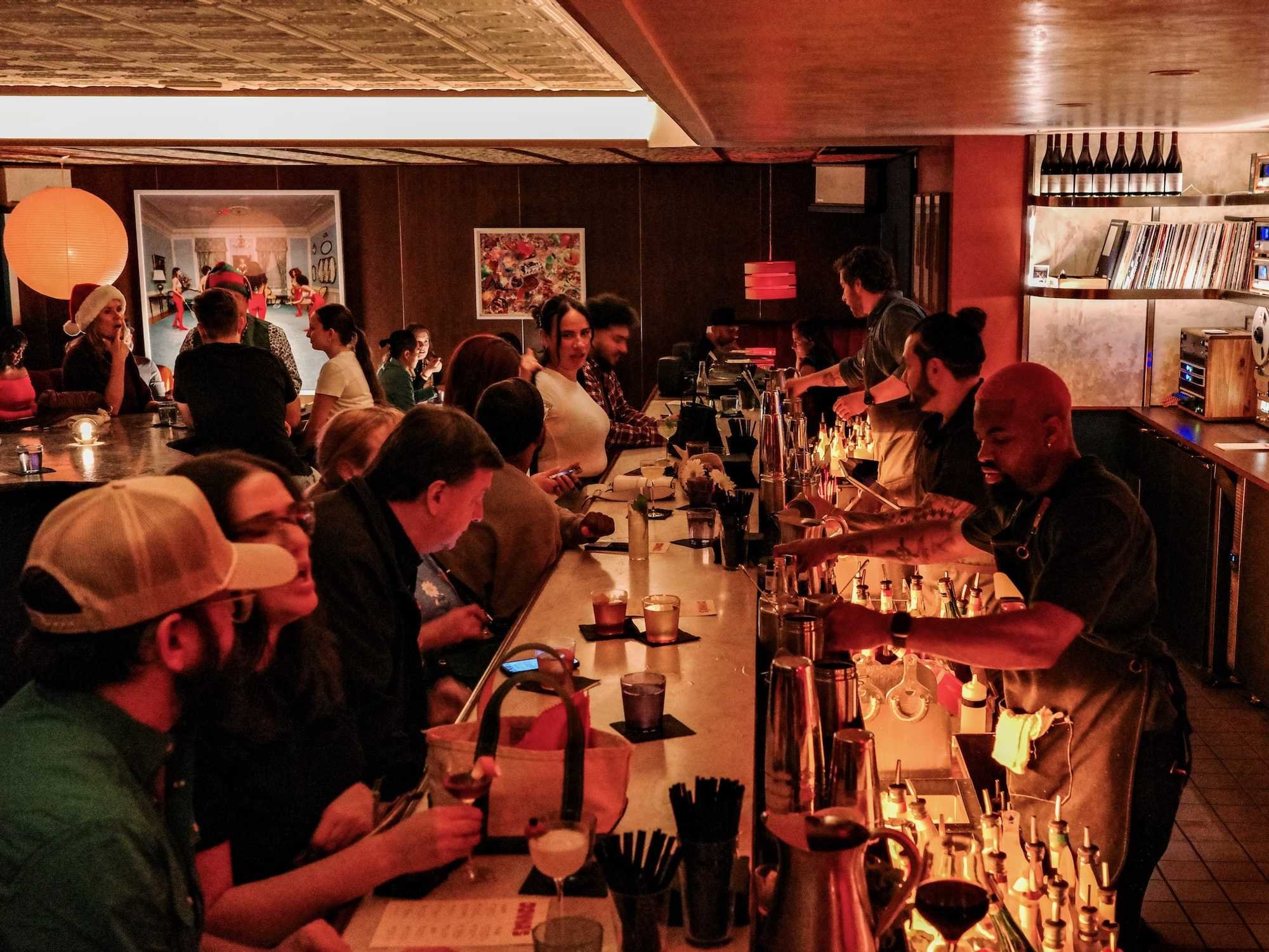
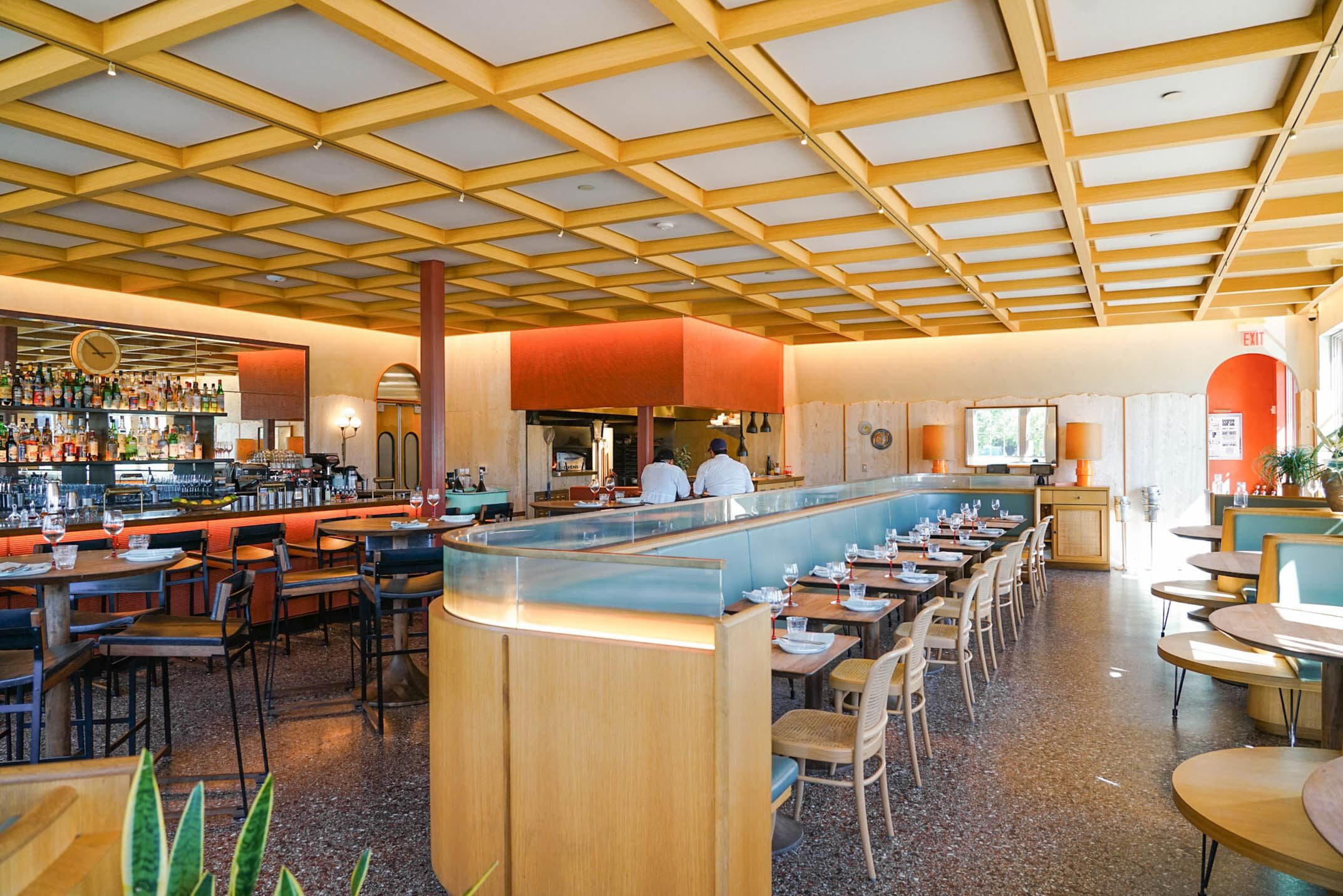
Flashy and modern with warmly appointed honey-colored woods, giant panels displaying geisha imagery, and a central bar creating an energetic dining atmosphere.
Know Before You Go
- Getting there
- 4820 Washington Ave, Houston, TX 77007