Shun Lee
Shun Lee occupies a Woodland Avenue address in Lexington, Kentucky, sitting within a city whose dining scene has grown increasingly attentive to provenance and responsible sourcing. The restaurant represents the kind of destination where the room's atmosphere and the kitchen's commitments to ethical practice carry as much weight as what arrives on the plate. For those mapping Lexington's more considered dining options, it belongs on the shortlist.
Pearl is the En Primeur Club membership app — saves, bookings, and concierge access live there. Same editors, same standards.
- Address
- 111 Woodland Ave, Lexington, KY 40502
- Phone
- +1 859 309 0305
- Website
- shunleelex.com
- Directions
- Get directions
 Saves & bookings on Pearl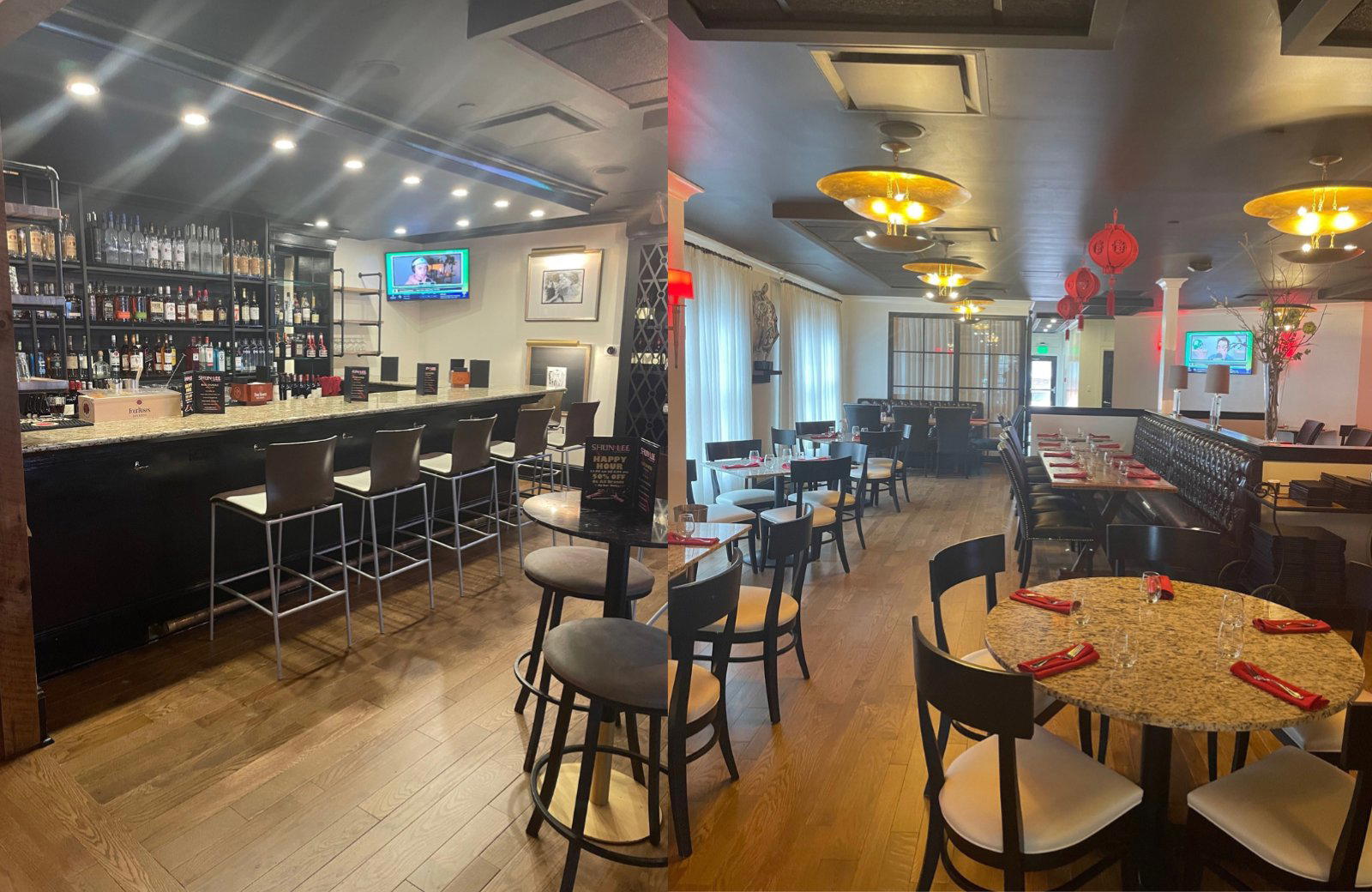
Woodland Avenue and the Shift Toward Considered Dining
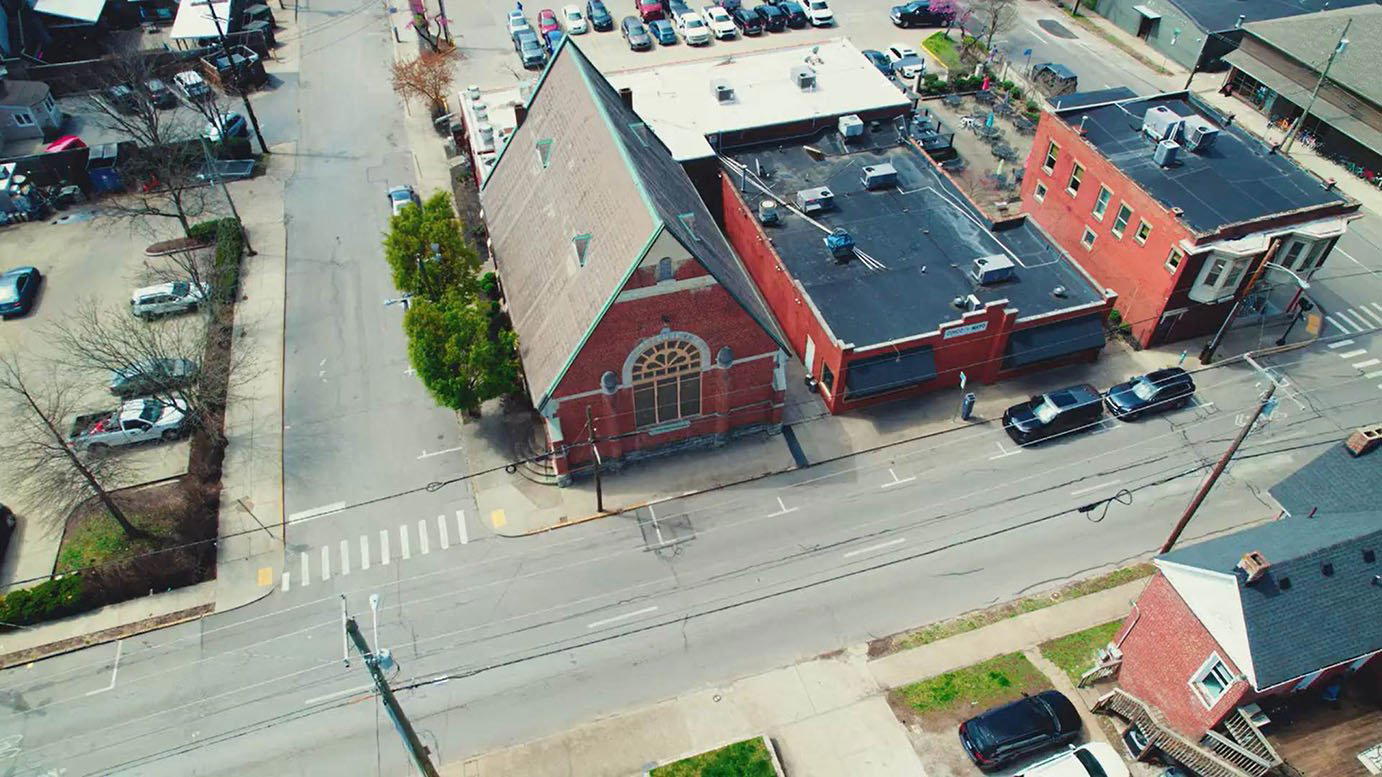
Lexington's restaurant culture has undergone a quiet but measurable shift over the past decade. The city's proximity to Kentucky's agricultural belt, its bourbon industry's long-standing relationship with grain sourcing, and a growing cohort of chefs and operators who trained in larger markets have pushed dining here away from generic regional fare and toward something more deliberate. On Woodland Avenue, that shift is visible in the character of the blocks: independent operators, neighbourhood-scale venues, and a general preference for specificity over scale. Shun Lee, at 111 Woodland Ave, sits within that particular corridor and benefits from the texture of the street itself.
Approaching from the avenue, the environment reads as part of a walkable, residential-adjacent dining strip rather than a destination anchored in a hotel district or entertainment zone. That positioning matters because it shapes the kind of evening on offer. This is not a scene built around volume or spectacle. The atmosphere signals deliberateness, which aligns with a broader pattern across the city's more considered venues.
Ethical Sourcing as Operating Logic, Not Marketing Layer
Across American dining, the conversation around sustainability has split into two distinct modes. The first is performative: a seasonal menu that name-checks local farms, a composting line on the website, language borrowed from the natural wine movement applied loosely to whatever the kitchen already does. The second is structural: where sourcing decisions, waste reduction practices, and ingredient provenance are embedded in how a kitchen actually operates, not appended as a narrative overlay.
The distinction matters when reading any restaurant's environmental commitments. Lexington's geography gives operators real access to regional producers. Kentucky's agricultural output extends well beyond the bourbon grain supply to include pasture-raised proteins, heirloom vegetables from the Bluegrass region's farms, and a network of small-scale distributors who have built relationships with urban kitchens over the past fifteen years. Venues that engage seriously with that supply chain tend to show it in menu construction, in the specificity of their sourcing language, and in how frequently the menu changes in response to what is actually available rather than what is convenient.
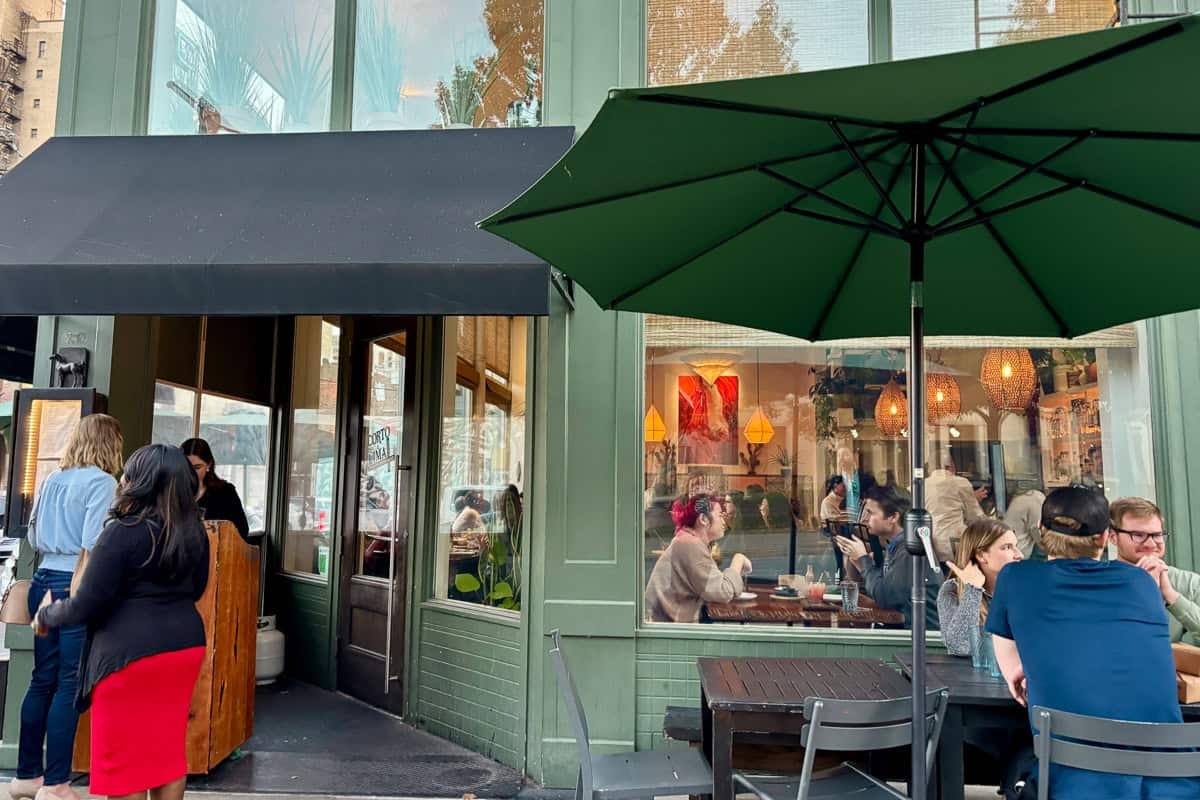
For a venue on Woodland Avenue, the expectation from a neighbourhood with Lexington's character is that the kitchen's relationship with local producers is a functional one. The city's bar operators have set a comparable standard. Venues like Corto Lima and Arcadium Bar have built programs around ingredient specificity, while 369 W Vine St and Al's Bar reflect the broader hospitality culture of a city that has moved past novelty toward consistency of approach.
What the Room Signals
In cities where dining culture is maturing rather than performing, atmosphere becomes a form of editorial. The physical environment of a restaurant communicates what the operator values and who the intended guest is. A room that prioritises noise and throughput sends one kind of signal. A room designed around a quieter, more resident-facing experience sends another. The Woodland Avenue corridor, as a setting, already implies the latter.
What works in this context is an interior that allows conversation to happen without effort, lighting calibrated to evening rather than photography, and a service cadence that does not rush the table. These are not amenities specific to any single venue but conditions that distinguish neighbourhood dining from destination dining. The most reliable meals in any mid-sized American city tend to happen in rooms that understand this distinction and build around it.
Lexington in a Wider Bar and Dining Context
Placing Lexington's restaurant scene against peer cities of similar scale is instructive. The city's bar programs have developed enough sophistication to stand alongside operations in much larger markets. Kumiko in Chicago, Jewel of the South in New Orleans, and Julep in Houston represent the kind of program-led bar culture that mid-sized American cities increasingly measure themselves against. Venues in Lexington are making that comparison less unequal.
Further afield, the same attentiveness to ingredient provenance and structured technique visible in places like Bar Leather Apron in Honolulu, ABV in San Francisco, Superbueno in New York City, and The Parlour in Frankfurt on the Main sets a reference point for what considered hospitality looks like at the bar level. Lexington's dining operators who engage with sustainability as a structural rather than decorative commitment are working toward a comparable standard in their own format.
For a broader view of where Shun Lee sits within Lexington's full dining and drinking picture, our full Lexington restaurants guide maps the city's hospitality scene across neighbourhoods and categories.
Planning Your Visit
Shun Lee is located at 111 Woodland Ave, Lexington, KY 40502, on a stretch of the avenue that supports walkable access from several of the city's established residential neighbourhoods. Woodland Avenue's character as a pedestrian-friendly corridor means that combining a meal here with drinks before or after at nearby venues is a natural extension of the evening. Given that venue-specific booking details, hours, and current pricing are best confirmed directly with the restaurant, the most reliable approach is to contact them ahead of any visit to establish availability and format.
Continue exploring
More in Lexington
Bars in Lexington
Browse all →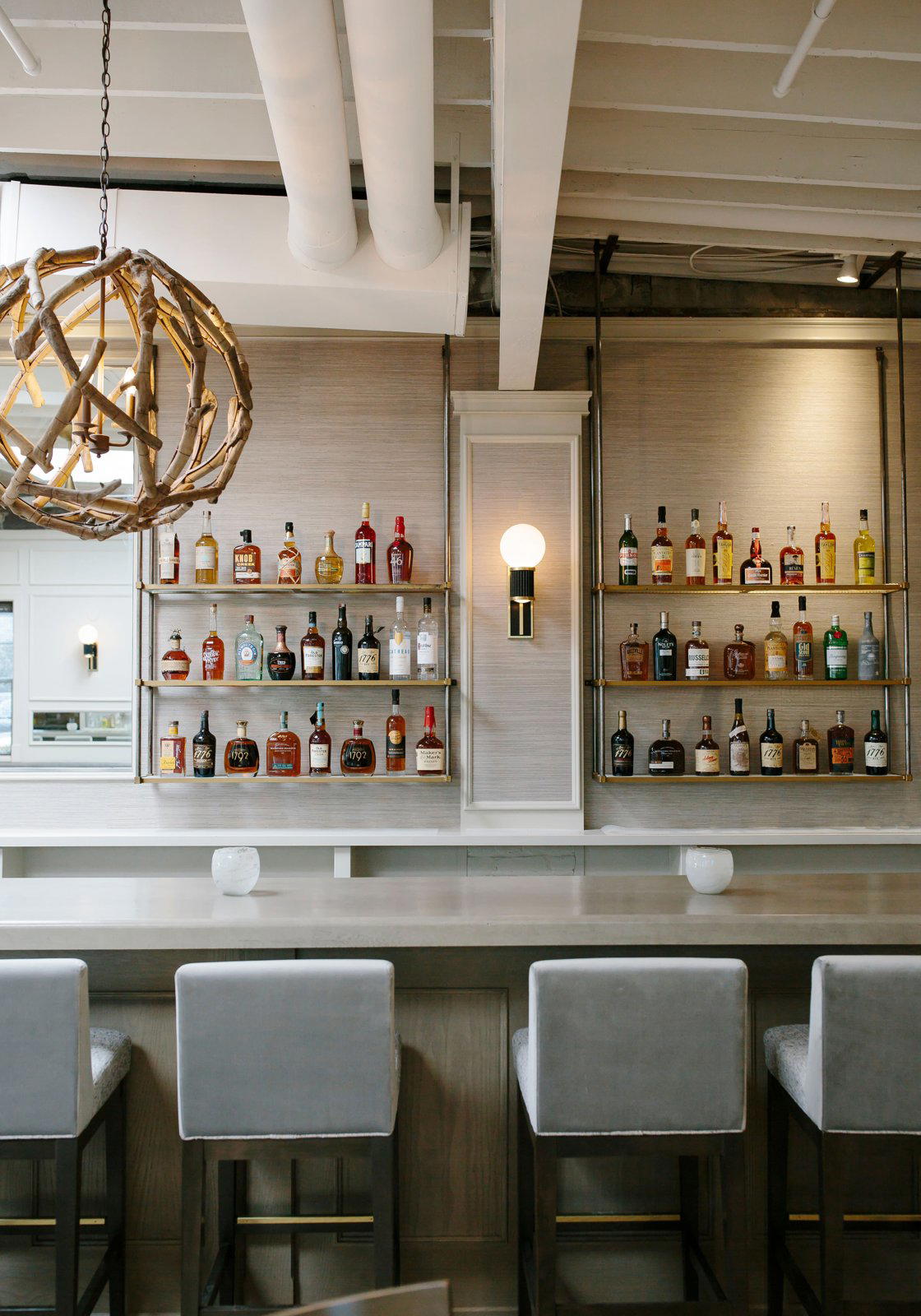
Restaurants in Lexington
Browse all →
Hotels in Lexington
Browse all →
At a Glance
- Lively
- After Work
- Casual Hangout
- Standalone
- Seated Bar
- Classic Cocktails
Current opening hours
- Monday
- Closed
- Tuesday
- 11 AM–9 PM
- Wednesday
- 11 AM–9 PM
- Thursday
- 11 AM–9 PM
- Friday
- 11 AM–9 PM
- Saturday
- 11 AM–9 PM
- Sunday
- 11 AM–9 PM
Hours can change for holidays and private events. Last verified .
Lively atmosphere with nice feel as per guest reviews.
Know Before You Go
- Getting there
- 111 Woodland Ave, Lexington, KY 40502