Sculthorpe Mill

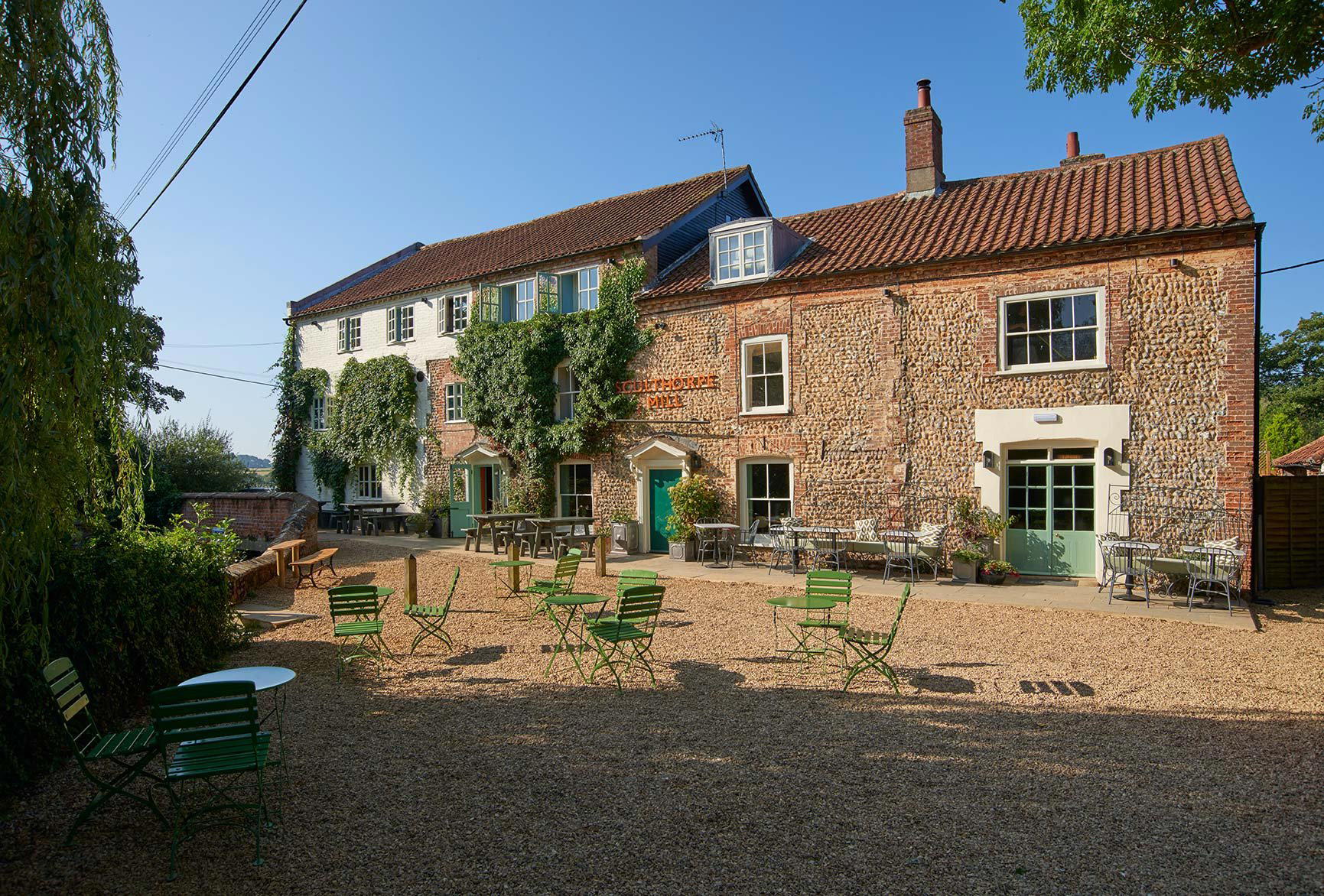
An 18th-century watermill on the River Wensum near Fakenham, Sculthorpe Mill operates as a pub with rooms where the cooking is hearty and locally rooted, the wine list is well-chosen, and a rhubarb Negroni signals that the bar is paying attention. The multi-room interior, freshly finished in bold colour, works as well for a long winter lunch as for a summer afternoon on the terrace.
 Discover on Pearl
Pearl is the En Primeur Club membership app — saves, bookings, and concierge access live there. Same editors, same standards.
- Address
- Lynn Rd, Fakenham NR21 9QG, United Kingdom
- Phone
- +44 1328 633001
- Website
- sculthorpemill.uk
A Mill Reborn, With Drinks Worth Talking About
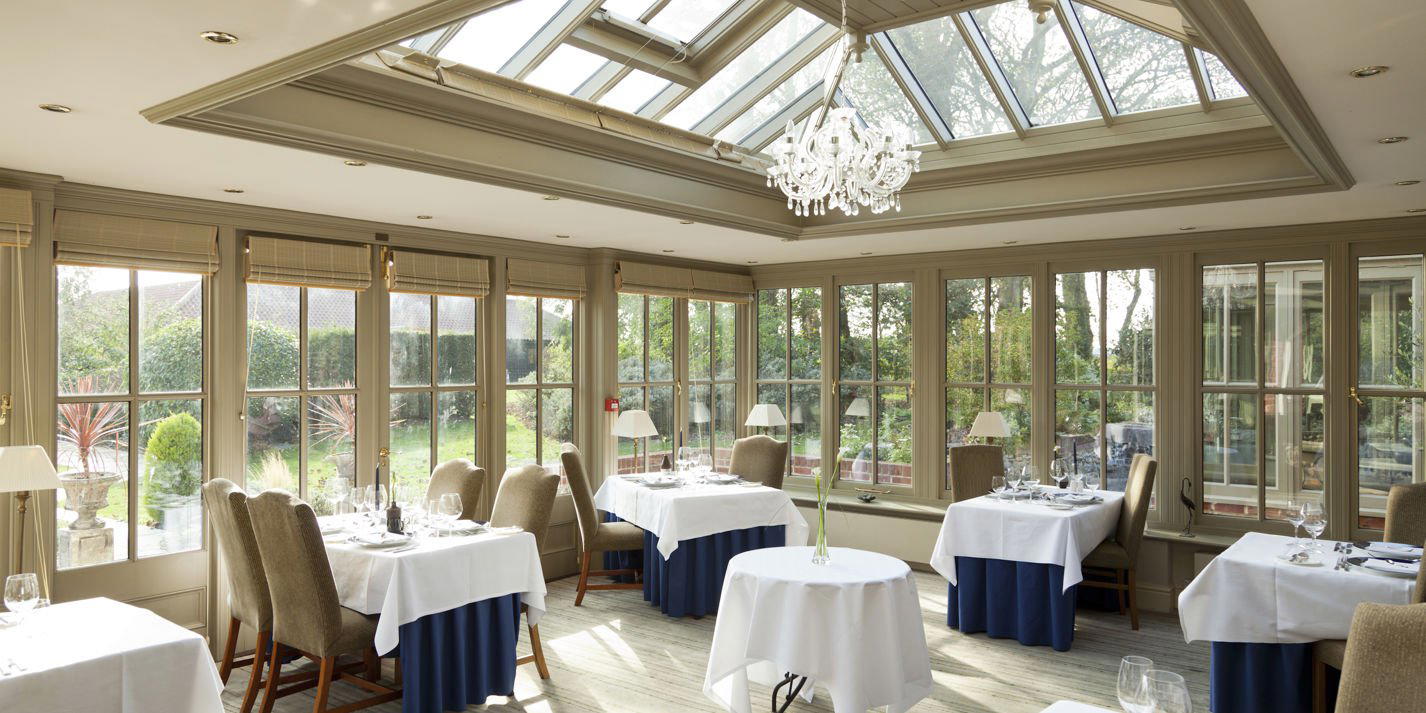
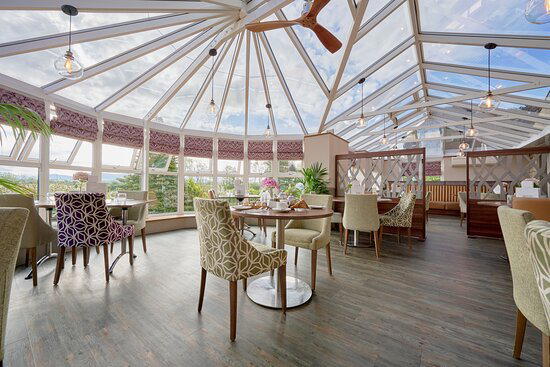
There is a particular type of rural British pub that has learned to take its bar programme seriously without announcing the fact. Sculthorpe Mill, an 18th-century stone watermill on the River Wensum a short drive from Fakenham, belongs to that category. The building arrives with considerable atmospheric advantages: a working mill structure, water nearby, and an interior that has been refreshed in sharp blocks of yellow, blue, green and red rather than the reclaimed-timber neutrals that have colonised so many country renovations. Multiple dining rooms spread across two floors, giving the place a density of character that single-room pubs rarely achieve.
The building is operated by sisters Caitriona and Siobhan Peyton, and the format is pub with rooms: a category that here tips meaningfully toward something more considered. The shift is most visible in the bar programme, where a rhubarb Negroni appears on the list and is executed with enough care to carry the flavour of the fruit without softening the drink's structural bitterness. That is a more demanding brief than it sounds. Getting rhubarb into a Negroni without tipping it into a sweet digestif is a question of balance and restraint, and the version served here reportedly manages it.
The Negroni as a Signal
In British pub drinking, the Negroni has become a useful diagnostic. A pub that lists it as a token gesture tends to serve it over too much ice in the wrong glass with well gin. A pub that has thought about it tends to have made other considered decisions behind the bar, too. The rhubarb variation at Sculthorpe Mill belongs to the latter reading: a fruit-forward riff that keeps the Campari-vermouth architecture intact while adding a distinctly seasonal, distinctly English note. Rhubarb also appears in the dessert menu (a creamed trifle with elderflower and toasted almonds), which suggests the kitchen and bar are working from the same seasonal sourcing logic rather than operating as separate departments.
For comparison, the more formally structured cocktail programmes at venues like 69 Colebrooke Row in London or Schofield's in Manchester operate at a different register entirely, with tasting-note menus and technical precision as their core identity. Sculthorpe Mill is not competing with those venues. What it demonstrates, instead, is that serious bar thinking has migrated well beyond city centres. You find a similar impulse, expressed differently, at Bramble in Edinburgh or in the more remote settings of Digby Chick in the Western Isles and Harbour View and Fraggle Rock Bar on Bryher, where geography has not prevented a thoughtful drinks offer from taking root. The pattern holds: the villages and rural pockets of the British Isles have started producing bar programmes worth an editorial mention, and Sculthorpe is part of that shift.
What Chef Dominic Aslett Is Cooking
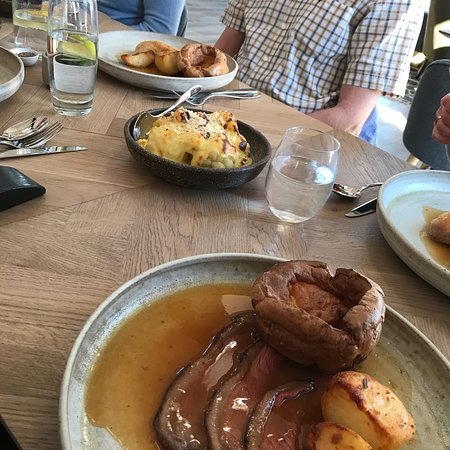
The food sits in the register the building calls for: hearty, locally sourced, and built around timing and technique rather than elaborate presentation. Potted duck arrives with pickled cherries and toasted walnut bread; grilled Norfolk asparagus comes with truffled mayo and a soft-boiled egg timed precisely enough to suggest someone in the kitchen is watching a clock. These are dishes that could misfire through carelessness, and the fact that they don't points to a kitchen with genuine competence rather than ambition performing above its level.
The Norfolk Black chicken breast in spring vegetable broth, broad beans and peas, is the kind of dish that showcases local breed identity and seasonal produce together. The tarragon aioli served alongside, apparently dissolving into the broth faster than diners can fully register it, is one of those minor execution puzzles that honest reviewing tends to surface. It is not a damning failure, but it suggests the dish is still finding its final form. The premium rump steak, by contrast, arrives correctly with dark-fried chips and a béarnaise.
Fish options have included sea trout with wild garlic hollandaise and roast cod with orzo and chilli, both of which represent the Norfolk coastal supply chain used to effect. The sharing plates extend into lamb shoulder with braised haricot beans and fennel, the kind of format that suits both the long-table dining rooms and the pub's natural pace.
The Wine List and the Wider Drinks Picture
Describing a pub wine list as enterprising and well-chosen is not a claim that should be taken for granted in rural Norfolk. The county has historically been better served for real ale than for considered wine retail, and a list that covers meaningful ground at mostly accessible prices represents a deliberate curatorial decision. Lucky Saint IPA, brewed in London and widely recognised as one of the more credible non-alcoholic options in the British market, is on tap, which indicates that the zero-alcohol category has been treated as a genuine programme element rather than an afterthought.
That attention to the full drinks matrix, from a rhubarb Negroni through to a non-alcoholic beer, puts Sculthorpe Mill apart from the average Norfolk country pub. It is not attempting to replicate the cocktail depth of Merchant Hotel in Belfast or the urban energy of Mojo Leeds. The register is quieter, more rural, more seasonal. But the underlying seriousness of approach is recognisable across those different formats. You see a related sensibility in how places like Avon Gorge by Hotel du Vin in Bristol, Horseshoe Bar in Glasgow, and L'Atelier du Vin in Brighton have built drinks programmes that serve the room rather than overpowering it. And at the far end of the geographic range, Bar Leather Apron in Honolulu demonstrates that technically serious bar culture can operate at a distance from major cocktail capitals. Sculthorpe Mill makes the same point for the Norfolk countryside.
Planning Your Visit
Sculthorpe Mill sits on Lynn Road near Fakenham in north Norfolk, within reasonable reach of the coast at Wells-next-the-Sea and Burnham Market. Summer draws visitors to the outdoor spaces, where the mill and river setting provide the kind of backdrop that fills a table naturally. The multi-room interior, with its freshly applied colour palette, works equally well in the colder months, when the building's thick stone construction holds warmth and the heartier menu items read correctly. The pub-with-rooms format means it functions as a base for exploring the wider Norfolk countryside rather than a purely destination lunch stop.
In Context: Similar Options
Comparable venues nearby, for context on price, style, and recognition.
| Venue | Cuisine | Price | Awards | Notes |
|---|---|---|---|---|
| Sculthorpe MillThis venue — the venue you are viewing | pub | $$$ | 1 recognition | |
| Sculthorpe Mill | Modern British Gastropub | $$ | Bib Gourmand | Sculthorpe |
| The Ingham Swan | pub | $$$ | 1 recognition | Ingham |
| The Pipe & Glass | pub | $$$ | 1 recognition | South Dalton |
| The Bildeston Crown | pub | $$$ | 1 recognition | Bildeston |
| Dukes Bar | hotel_bar | $$$ | 1 recognition | St. James's |
Continue exploring
More in Sculthorpe
Bars in Sculthorpe
Browse all →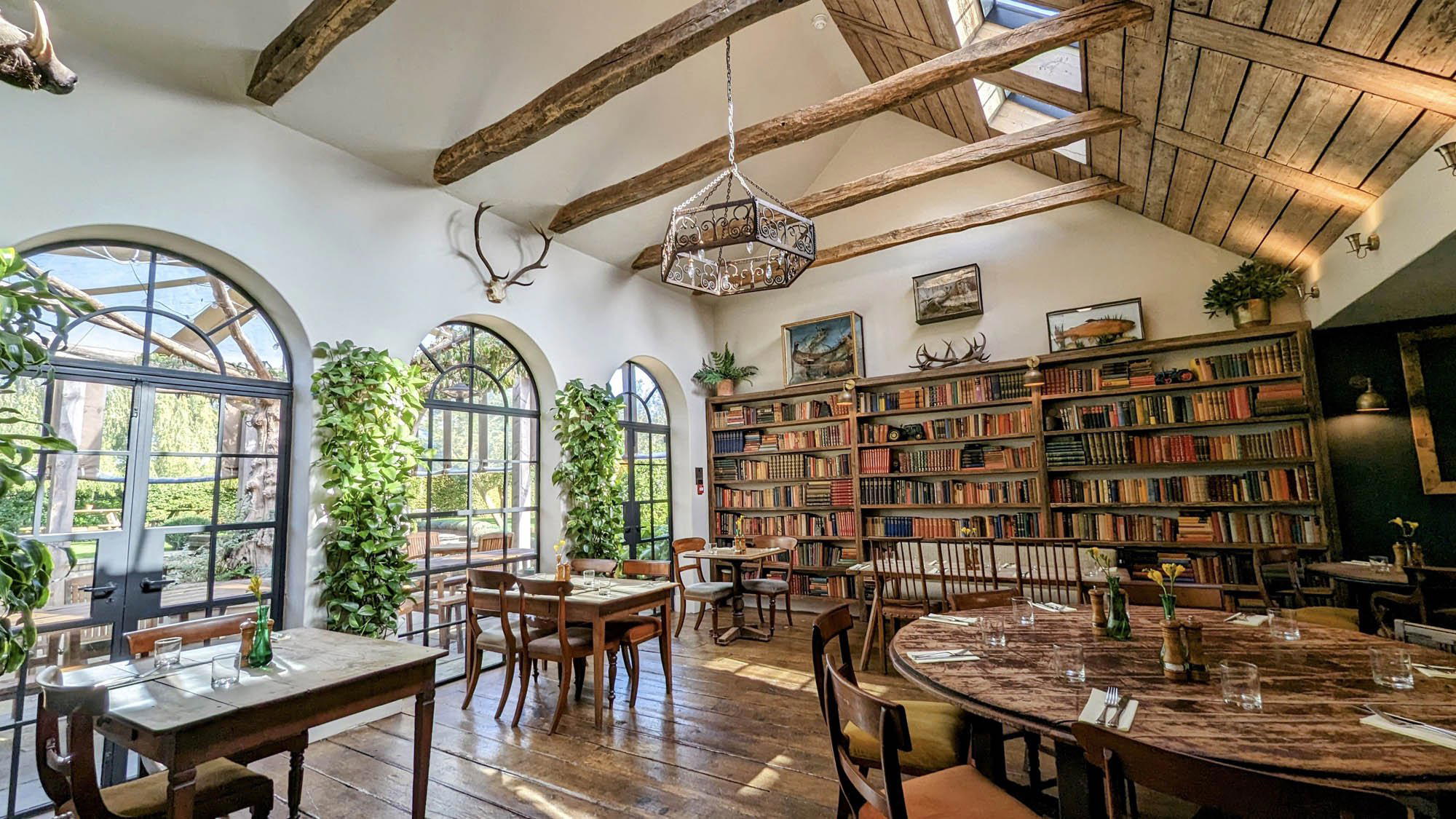
Restaurants in Sculthorpe
Browse all →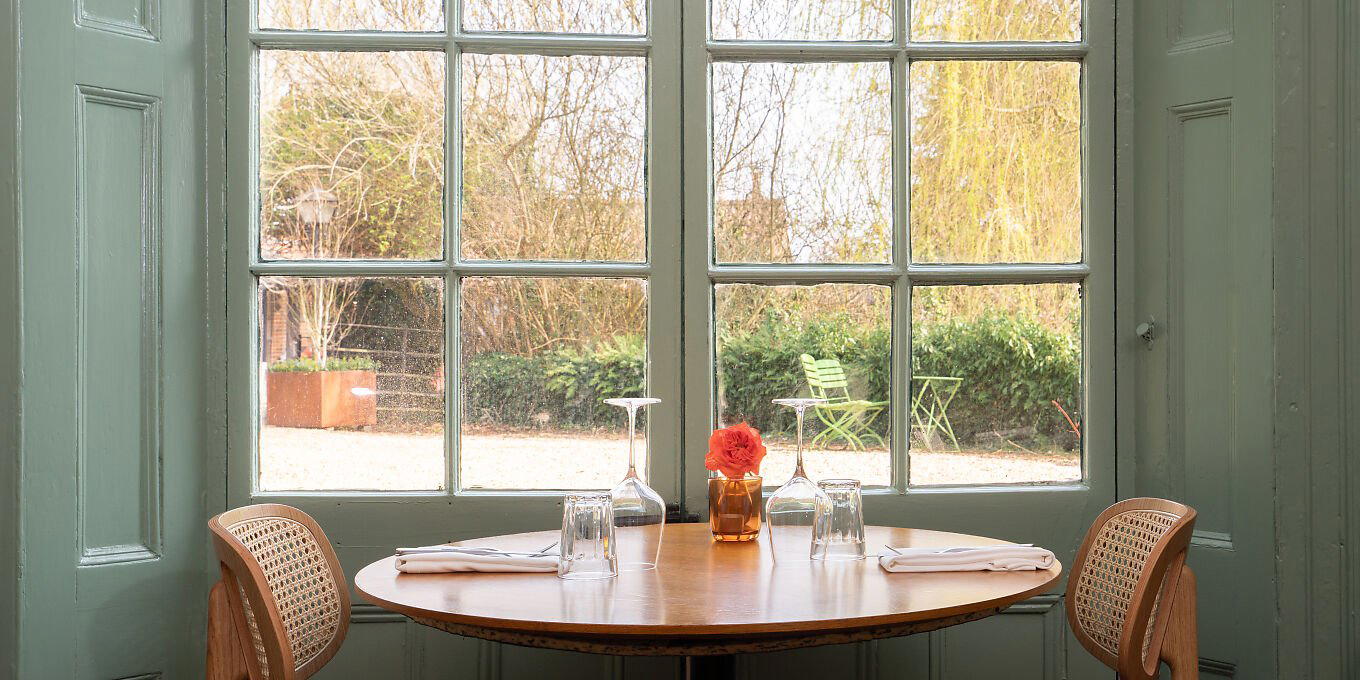
Hotels in Sculthorpe
Browse all →
At a Glance
- Scenic
- Cozy
- Classic
- Romantic
- Rustic
- Date Night
- Group Outing
- Celebration
- Casual Hangout
- Special Occasion
- Waterfront
- Garden
- Terrace
- Historic Building
- Design Destination
- Hotel Bar
- Seated Bar
- Lounge Seating
- Outdoor Terrace
- Booth Seating
- Private Rooms
- Craft Beer
- Conventional Wine
- Gin
- Waterfront
- Garden
Warmly lit historic mill with freshly refurbished dining spaces in soft colors (yellow, blue, green, red), riverside views, and a welcoming pub atmosphere that balances rustic charm with modern comfort.