Saint Arnold Brewing Company
Houston's oldest craft brewery occupies a converted warehouse on Lyons Avenue, where the beer program runs from light lagers to barrel-aged seasonals and the food menu is built to hold its own alongside the pints. The cavernous taproom draws everyone from East End regulars to out-of-town visitors chasing Texas brewing history, making it one of the more honest pit stops in the city's drink scene.

Pearl is the En Primeur Club membership app — saves, bookings, and concierge access live there. Same editors, same standards.
- Address
- 2000 Lyons Ave, Houston, TX 77020
- Phone
- (713) 686-9494
- Hours
- Mon–Thu 11 AM–10 PMFri 11 AM–11 PMSat 10 AM–11 PMSun 10 AM–10 PM
- Website
- saintarnold.com
- Directions
- Get directions
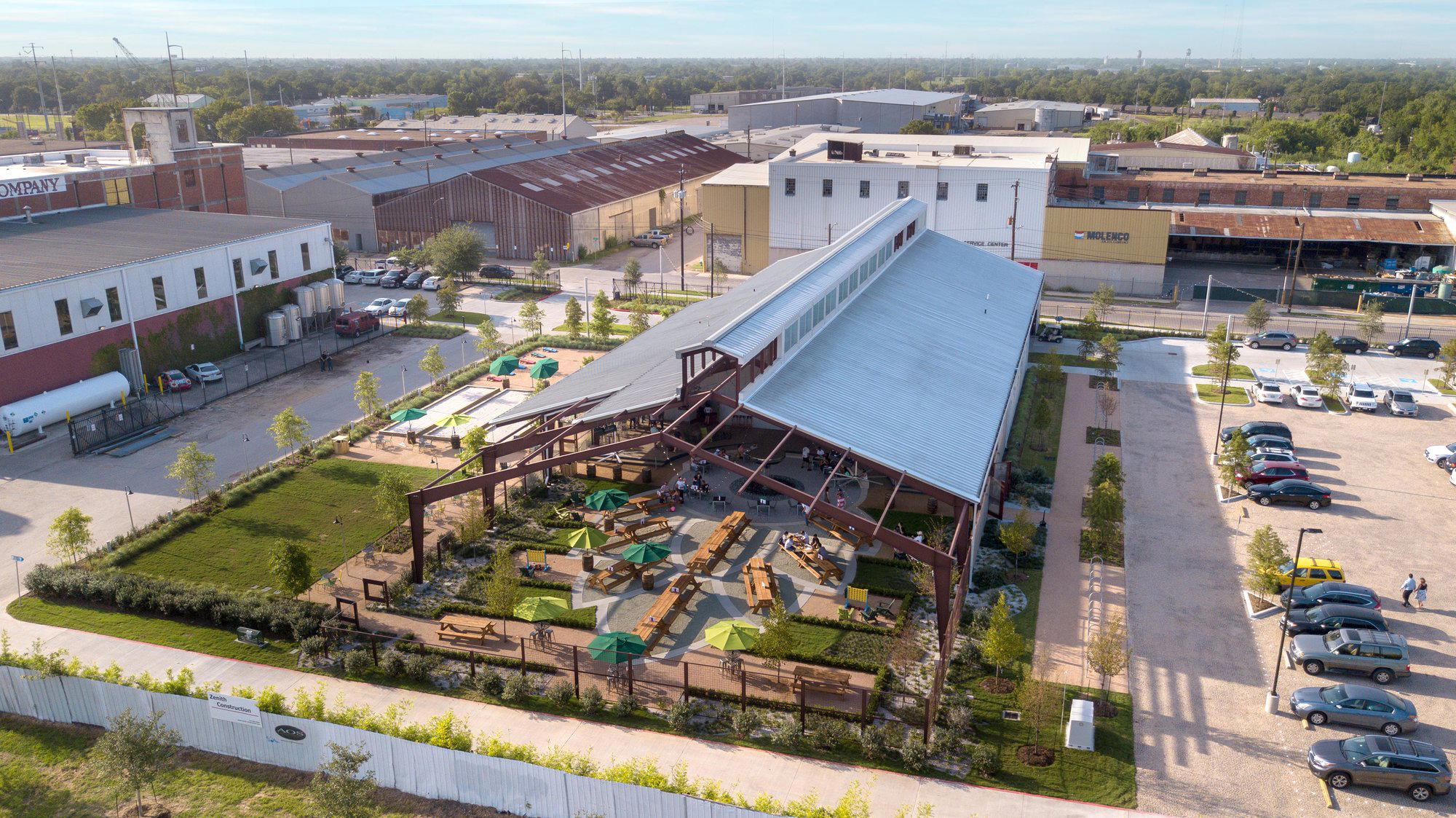
Where the Grain Meets the Grid: Houston's Craft Beer Anchor
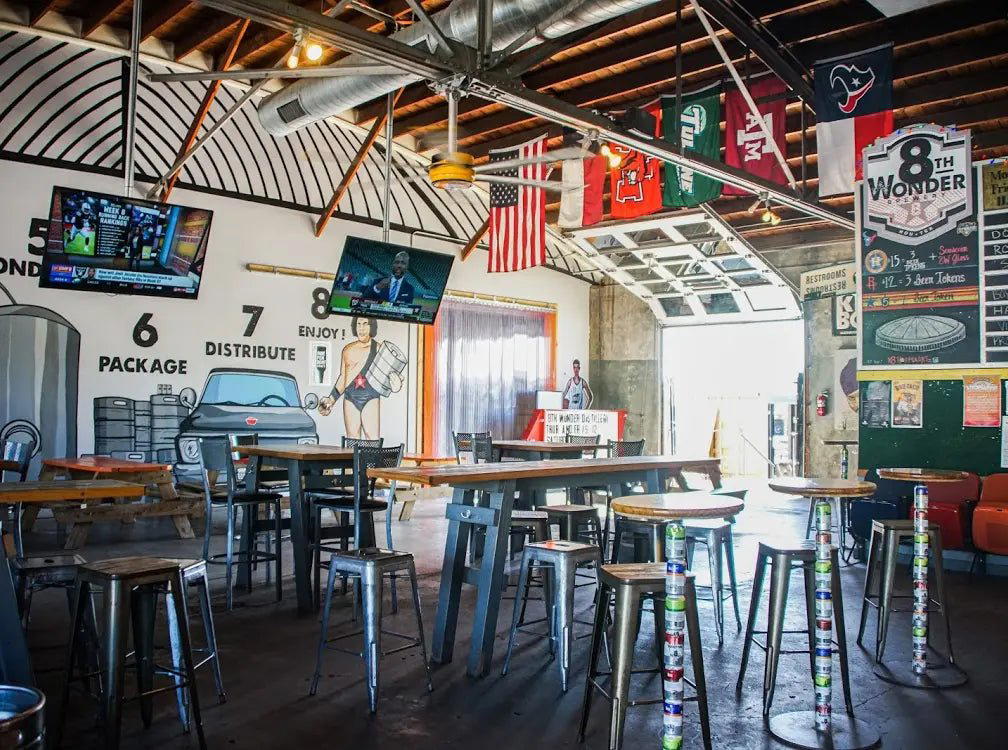
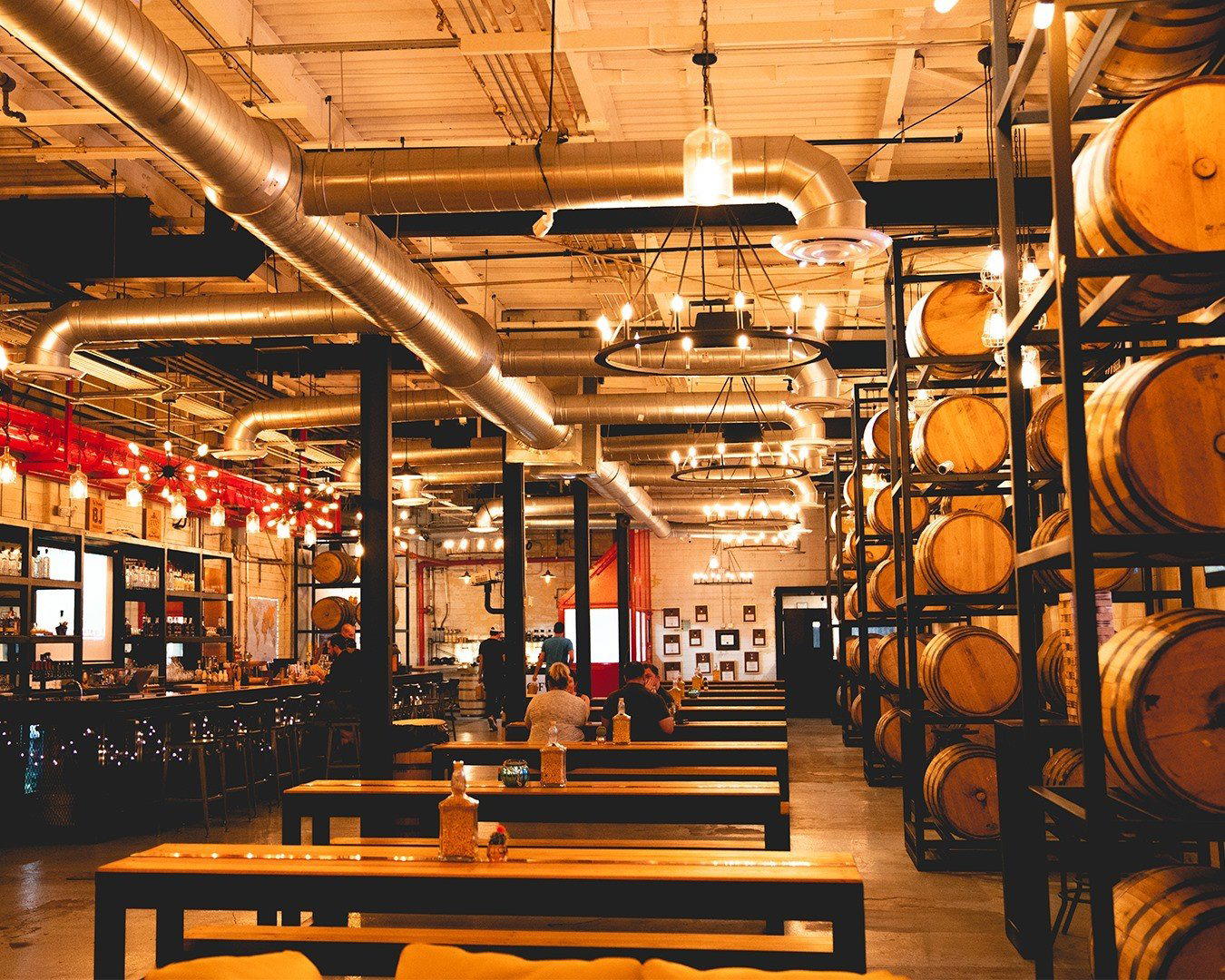
Approaching 2000 Lyons Ave on Houston's near north side, the building announces itself before the signage does. A converted warehouse structure, the kind that once defined industrial East End Houston, now carries the weight of a different kind of production: Saint Arnold Brewing Company has operated here long enough that the neighbourhood has grown around it rather than the other way around. The tap room occupies the kind of high-ceilinged, brick-and-steel interior that craft brewery designers now spend considerable money trying to replicate. Here, it arrived by necessity rather than aesthetic calculation.
Texas's craft beer sector has expanded sharply over the past decade, with the number of licensed craft breweries in the state growing from fewer than 50 in 2012 to well over 300 by the early 2020s. Saint Arnold sits at the older end of that timeline, having opened in 1994 and holding the distinction of being Texas's oldest craft brewery. That seniority matters in a category where longevity functions as a form of proof: recipes refined across decades, fermentation knowledge accumulated over thousands of batches, and a distribution presence that extends well beyond Houston's city limits.
The Sustainability Infrastructure Behind the Pint
Craft brewing is a water-intensive industry, and the environmental footprint of a large-scale operation is not a marginal consideration. Saint Arnold has addressed this directly through documented infrastructure investments rather than marketing language. The brewery operates a 10-acre beer garden and grounds that incorporate landscaping designed to manage stormwater runoff, reducing the load on Houston's municipal drainage systems. The spent grain from the brewing process, a byproduct that most mid-scale operations route to landfill, is routed to local farms as livestock feed. These are not aspirational commitments framed in corporate sustainability language; they are operational decisions with traceable outcomes.
The broader brewing industry has moved toward sustainability as a competitive differentiator, with certification programs and third-party audits becoming more common among premium producers. Saint Arnold's approach predates much of that formalisation, which places it in the category of breweries that adopted resource-conscious practices before they were commercially advantageous. For visitors, this context shifts what the tap room represents: it is not simply a place to drink beer but a functioning production site with a legible relationship to its inputs and outputs.
The Beer Program: Depth Over Novelty
Houston's bar scene has diversified considerably in the past decade. Cocktail programs at venues like Julep and Bandista have drawn national attention, and wine-forward rooms such as 13 Celsius have carved out their own loyal audiences. The craft beer category, by contrast, has largely competed on novelty: seasonal releases, limited collaboration batches, and hazy IPA variations that cycle through tap lists quickly. Saint Arnold has participated in seasonal and specialty releases, but the core of its program runs on year-round offerings that have accumulated their own following over time.
The brewery's lineup spans lager, wheat beer, IPA, and darker styles, giving it a range that speaks to different palates without chasing trend-driven formats. This breadth is part of what makes the tap room function as a destination for groups rather than a specialist's pilgrimage stop. In a city as demographically large and culinarily diverse as Houston, a venue that can satisfy a table of people with different preferences has a structural advantage over narrower operations.
The Beer Garden and Food Operation
The outdoor beer garden is one of the more considered uses of Houston's complicated outdoor climate. Houston summers are not hospitable to extended outdoor dining, and venues that manage the heat question well tend to earn repeat visits from locals who have learned which spots handle the season poorly. The Saint Arnold grounds use shade and spatial planning to extend the usable outdoor season, a detail that matters more in this city than in most American brewing markets. Food service on site keeps the experience self-contained, which reduces the logistical friction that often limits brewery tap room visits to single-drink stops.
For those building a broader Houston drinking itinerary, the venue pairs naturally with a neighbourhood walk or an evening that begins earlier than most cocktail bars open. Places like 1100 Westheimer Rd operate in a different register entirely, and the comparison is instructive: Saint Arnold occupies the afternoon and early evening slot that cocktail bars rarely fill as comfortably.
How It Compares in a National Context
Across American cities, brewery tap rooms that have reached the 25-plus-year mark occupy a specific and increasingly rare position. The initial craft beer boom produced a large cohort of operations that have since closed or been acquired; those that have survived with their independence intact represent a different kind of institutional knowledge. Comparable situations in other markets, where a founding-era brewery maintains its original ownership structure and continues to invest in its physical footprint, tend to attract both local loyalty and visiting drinkers who read longevity as a quality signal.
Houston's drinking scene draws occasional comparisons to other mid-to-large American cities where the bar program has matured beyond its initial craft moment. Cocktail-focused venues in cities like San Francisco, Chicago, and Washington D.C. including ABV in San Francisco, Kumiko in Chicago, and Allegory in Washington, D.C., represent the technical end of that evolution. Saint Arnold sits at a different point on the spectrum, where the technical achievement is in the production and sustainability infrastructure rather than the front-of-house program. Both approaches have their place in how a city's drinking identity is constructed. For a broader view of what Houston offers across bar and restaurant categories, see our full Houston restaurants guide.
Internationally, the model of a production brewery with a strong on-site hospitality component has parallels in European brewing culture, where visitors to working facilities have long been considered a natural extension of the brand. That tradition has taken longer to establish in the American South, making Saint Arnold's early adoption of the format worth noting in context.
Know Before You Go
- Address: 2000 Lyons Ave, Houston, TX 77020
- Walk-ins: The tap room generally accommodates walk-in visitors; large groups may benefit from checking ahead during peak weekend periods
- Leading timing: Afternoons on weekdays tend to offer more space; weekend evenings draw larger crowds given the beer garden capacity
- Getting there: Located in Houston's near north side, accessible by car with on-site parking; rideshare services from downtown take approximately 10 minutes depending on traffic
- What to expect: Full tap room with on-site food service, indoor and outdoor seating, brewery tours available on select days
Quick Comparison
| Venue | Cuisine | Price | Awards |
|---|---|---|---|
| Saint Arnold Brewing CompanyThis venue — the venue you are viewing | Not listed | $20–30 | Not listed |
| Julep | Not listed | $30–50 | World's 50 Best #84 · James Beard Award Outstanding Bar Program |
| Bandista | Not listed | $50–100 | World's 50 Best #47 |
| Birdies Icehouse | Bar / icehouse fare (burgers, tacos, snacks) | $20–30 | Not listed |
| Anvil Bar | Not listed | $30–50 | Food & Wine Top 10 US Bars #2 · Top 500 Bars Best Bars #316 |
Continue exploring
More in Houston
Bars in Houston
Browse all →
Restaurants in Houston
Browse all →
Hotels in Houston
Browse all →
Details
- Lively
- Rustic
- Energetic
- Group Outing
- Casual Hangout
- Beer Garden
- Outdoor Terrace
- Communal Tables
- Craft Beer
- Skyline
Current opening hours
- Monday
- 11 AM–10 PM
- Tuesday
- 11 AM–10 PM
- Wednesday
- 11 AM–10 PM
- Thursday
- 11 AM–10 PM
- Friday
- 11 AM–11 PM
- Saturday
- 10 AM–11 PM
- Sunday
- 10 AM–10 PM
Hours can change for holidays and private events. Last verified .
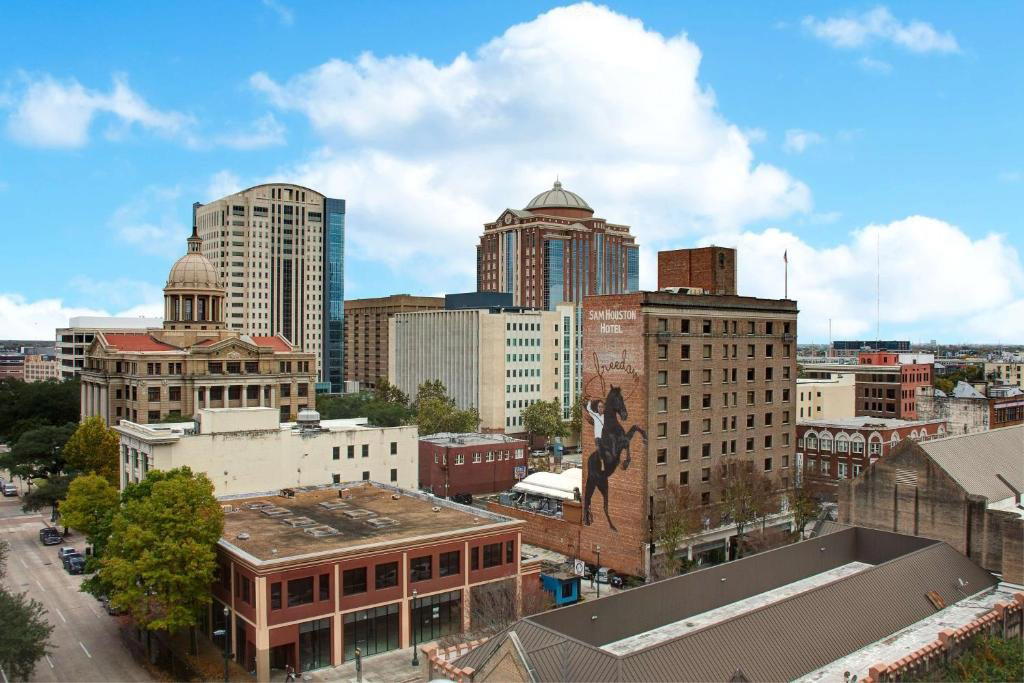
Spacious beer garden atmosphere with outdoor seating overlooking the skyline, lively and welcoming for beer enthusiasts.