Rum Bar
Rum Bar at 455 Grand Bay Drive sits at the quieter, residential end of Key Biscayne, where the island's low-key pace filters the crowd down to those who came specifically for the drink. The focus is rum in depth: a back bar organized around provenance and production method rather than brand recognition. It occupies a niche that most Miami-area bars leave empty.
Pearl is the En Primeur Club membership app — saves, bookings, and concierge access live there. Same editors, same standards.
- Address
- 455 Grand Bay Dr, Key Biscayne, FL 33149
- Phone
- +1 305 365 6704
- Website
- rumbarkeybiscayne.com
- Directions
- Get directions
 Saves & bookings on Pearl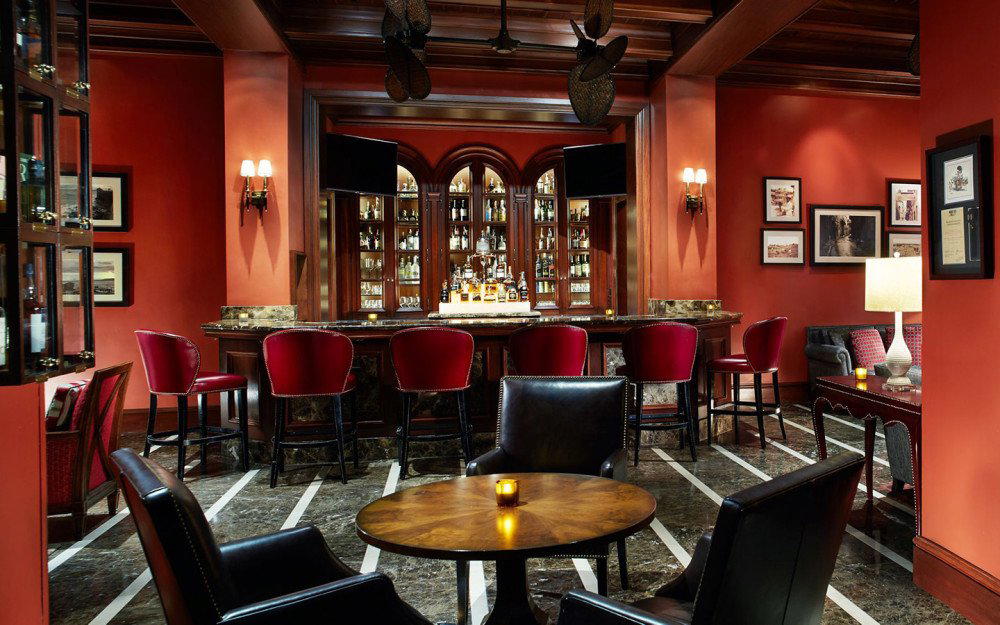
The Back Bar as the Argument
Most bars in the greater Miami area default to the same shorthand: aged tequila, a rotating gin selection, and rum treated as a mixer rather than a subject. Rum Bar on Key Biscayne positions itself as a counter-argument to that default. At 455 Grand Bay Drive, the physical address says something about the editorial intent: this is not South Beach, not Brickell, not a venue that benefits from foot traffic or proximity to hotel lobbies. The crowd arrives with purpose, which tends to mean it arrives with some knowledge, and the back bar is organized to reward that.
Rum as a category has a curation problem that whiskey largely solved a generation ago. Single-barrel designations, age statements, and distillery provenance are now standard whiskey vocabulary; rum is still catching up in the American market. A bar that organizes its selection around those distinctions — where a rum comes from, how it was distilled, how long it aged, and in what kind of cask — is making an argument that the spirit deserves the same critical framework. That argument is the organizing logic of this room.
Key Biscayne and the Quieter Island Register
Key Biscayne sits about four miles southeast of downtown Miami, separated from the mainland by the Rickenbacker Causeway. The island runs at a different register than Miami proper: lower density, fewer late-night options, a residential population that includes longtime locals and international families who treat it as a primary residence rather than a party destination. That context shapes what a bar here can be. Without the volume incentive of a high-traffic corridor, a focused concept has room to operate on its own terms.
For drinks programming, the island's isolation is an asset. Dune Beach Bar occupies the casual-coastal end of the Key Biscayne drinking spectrum; Rum Bar sits at a different point on that axis, where the format is more deliberate and the selection more curated. Together they illustrate that even a small island can support distinct tiers within the same category. See our full Key Biscayne restaurants guide for a broader map of what the island offers across dining and drinking.
How Rum Collections Develop a Point of View
The bars that built serious reputations around spirits depth in the last decade did so by treating the back bar as an argument rather than an inventory. Julep in Houston built its identity around Southern American whiskey with the same curatorial logic that Rum Bar applies to rum. Kumiko in Chicago uses Japanese whisky and ingredient-forward cocktails to define a narrow, coherent point of view. Bar Leather Apron in Honolulu organized its program around a similar philosophy of spirits depth in a market where that kind of focus is rare. What these bars share is a refusal to be generalists.
Rum is a particularly interesting category for this approach because it is genuinely global in origin and wildly diverse in production method. The gap between a Barbadian column-still rum aged twelve years in ex-bourbon casks and a Jamaican pot-still agricole expression is as large as the gap between a Speyside Scotch and a heavily peated Islay malt. A collection that maps that range, and gives the guest navigational tools to move through it, is doing work that most bars leave to the guest alone. That is the curatorial ambition that distinguishes a rum-focused program from a bar that simply stocks rum.
Across the broader American craft cocktail circuit, a handful of venues have made spirits-depth the primary offer. ABV in San Francisco and Jewel of the South in New Orleans both organize programs around historical and regional specificity. Superbueno in New York City applies a similar depth to agave and Caribbean spirits. Allegory in Washington, D.C. builds cocktail narratives around ingredient provenance. What connects these programs is the same principle: the spirit earns the spotlight through context, not just strength or price.
The Florida Context for Rum
Florida has a geographic and cultural logic for rum that most other American states lack. The Caribbean is close in actual miles, in trade history, and in the demographics of South Florida's population. Cuban, Haitian, Jamaican, and Barbadian diaspora communities all carry rum traditions with them, and the state's colonial-era sugar industry predates American independence. That history gives rum a different cultural weight in Florida than it carries in, say, the Pacific Northwest, where the spirit arrived as a generic import with no local memory attached to it.
That context means a rum-focused program in South Florida is not a novelty act. It is, if done with conviction, a response to something already present in the local culture. The curatorial task is translating that cultural familiarity into a structured selection that goes deeper than the bottles most guests already know. Bar Kaiju in Miami and Bitter & Twisted in Phoenix each demonstrate how a focused spirits program can define a bar's reputation across a regional market; the same mechanism applies here. For a cross-continental reference point, The Parlour in Frankfurt shows how a spirits-led program can build a loyal following even in a market with no obvious cultural inheritance for the category.
Planning Your Visit
Rum Bar sits at 455 Grand Bay Drive in Key Biscayne, accessible via the Rickenbacker Causeway from downtown Miami. The island operates on a quieter schedule than Miami proper, so arriving earlier in the evening generally means better access to staff attention and more time for conversation about the selection. There is no published booking method in available data, which suggests walk-in is the standard format; the relatively residential character of the neighborhood means seating pressure is unlikely to match what you would encounter at comparable programs in Miami's denser districts. Come with a category question in mind, whether you want to compare production regions, trace a single distillery across different age expressions, or understand the difference between agricole and traditional molasses-based production. A bar organized around depth rewards a guest who arrives with a specific direction.
How Rum Bar Key Biscayne compares with similar nearby venues.
| Venue | Cuisine |
|---|---|
| Gramps Getaway | Casual/Beach bar |
Continue exploring
More in Key Biscayne
Bars in Key Biscayne
Browse all →
Restaurants in Key Biscayne
Browse all →
At a Glance
- Elegant
- Cozy
- Sophisticated
- Classic
- Date Night
- Casual Hangout
- Late Night
- Hotel Bar
- Lounge Seating
- Seated Bar
- Rum
- Craft Cocktails
Current opening hours
- Monday
- 3–11 PM
- Tuesday
- 3–11 PM
- Wednesday
- 3–11 PM
- Thursday
- 3–11 PM
- Friday
- 3–11 PM
- Saturday
- 3–11 PM
- Sunday
- 3–11 PM
Hours can change for holidays and private events. Last verified .
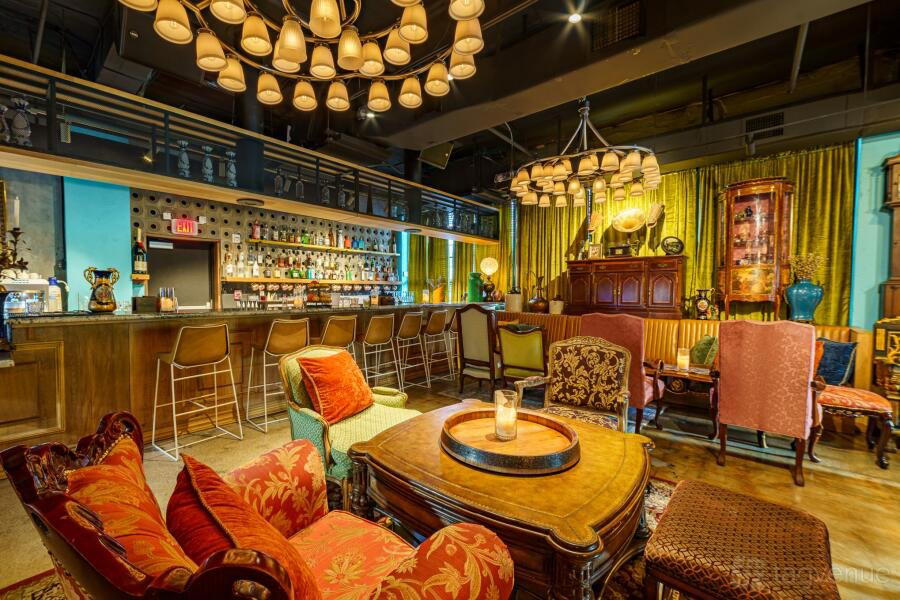
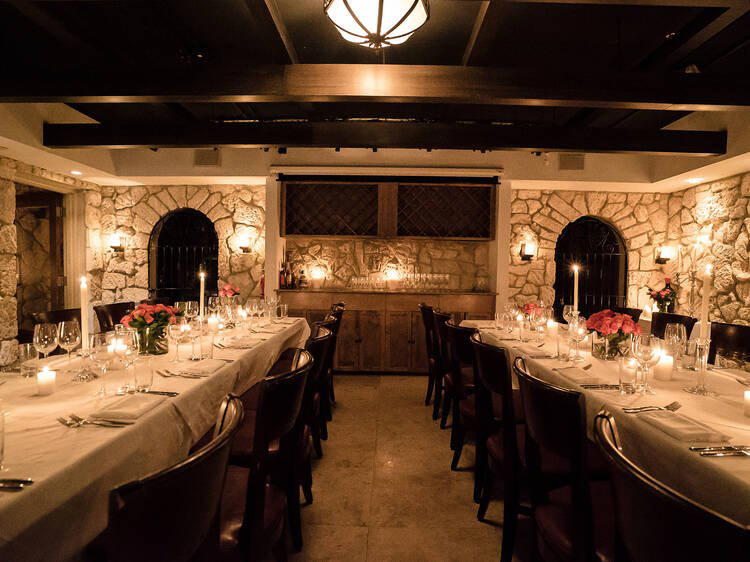
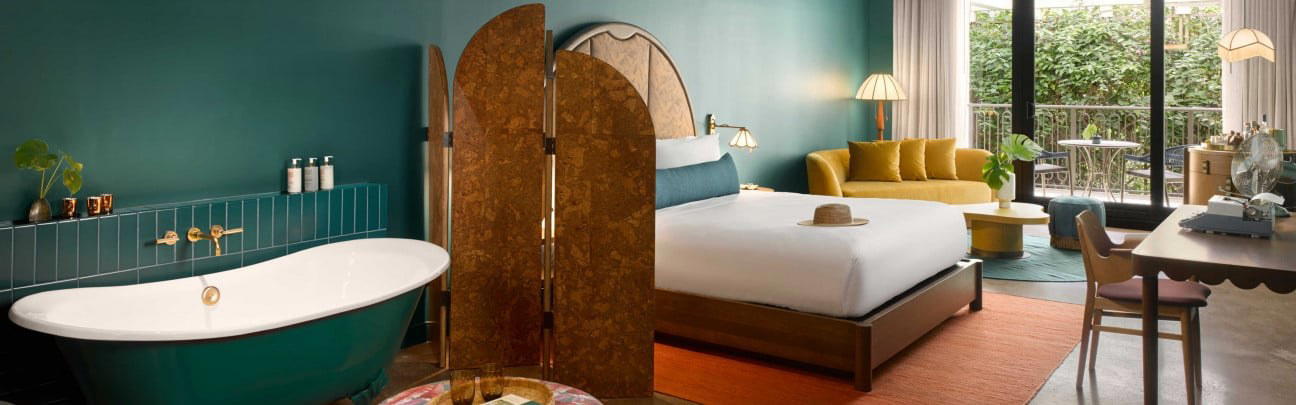
Warm golden lighting, dark wood paneling, big leather sofas, and handwoven textures creating a refined, elegant yet relaxed coastal charm.
Know Before You Go
- Getting there
- 455 Grand Bay Dr, Key Biscayne, FL 33149