Rosenthal Wine Bar & Patio
This listing is retired after a June 2026 status audit found the place inactive at its stored address.
- Address
- 18741 Pacific Coast Hwy, Malibu, CA 90265
- Phone
- +1 310 456 1392
- Website
- rosenthalestatewines.com
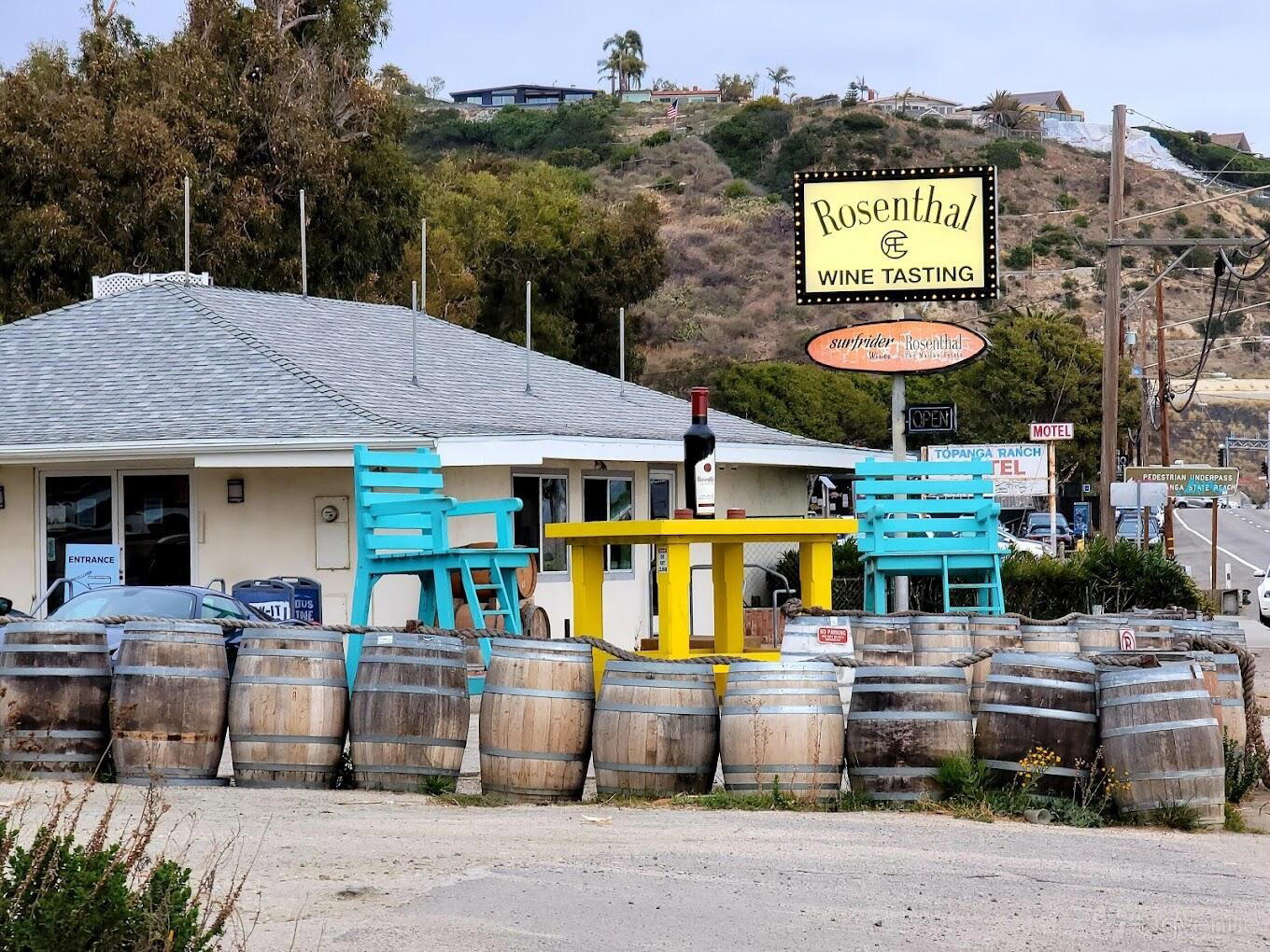
Where Pacific Coast Highway Meets Wine Country Thinking
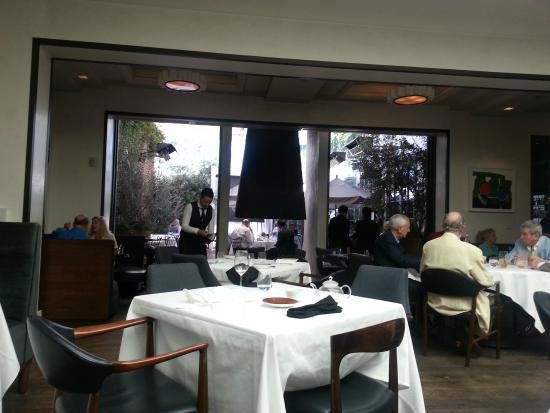
The stretch of Pacific Coast Highway running through Malibu and into Topanga Canyon has developed a distinct drinking culture over the past two decades, one shaped less by cocktail bar ambition than by the wine production happening in the hills behind it. Rosenthal Wine Bar and Patio, at 18741 Pacific Coast Hwy in Malibu, is a casual, reservation-recommended wine bar with patio seating tied to the Rosenthal estate wine program. The approach from the road already signals the register you're entering, this is patio territory, not polished lounge territory, and the distinction matters when you're deciding between a destination and a waypoint.
That patio format is not incidental. Along the PCH corridor, outdoor drinking culture follows the logic of the climate and the view rather than the logic of urban bar design. Where venues like Mastro's Ocean Club position themselves around theatrical service and an ocean-facing spectacle, and Reel Inn Malibu leans into an unpretentious fish-shack register, Rosenthal occupies a middle position: estate-connected, wine-focused, and structured around a relaxed outdoor sit rather than an occasion-dressed evening out.
The Craft Behind the Pour
Wine bars along the California coast often use a coastal address as the primary selling point, letting geography do the editorial work while the list itself stays generic. Rosenthal's position is different because it connects directly to a producing estate rather than acting as a retail-style curated list. The person behind the bar at an estate-connected tasting room operates with a different brief than a cocktail bar tender or a sommelier working a restaurant floor: the mandate is closer to advocacy than to curation, requiring a fluency with a specific producer's range and the ability to narrate that range to visitors arriving with wildly different levels of wine knowledge.
That kind of hospitality, translating an estate's output to a casual, outdoor format without making the experience feel like a sales pitch, is a specific craft. The bar programs that do it well share a common discipline: they lead with the wine itself, using food pairings and conversational context to build a frame rather than relying on scores or varietal shorthand. At venues operating within a producing estate's footprint, the staff intelligence about vintage variation, soil blocks, and winemaking decisions carries a different weight than at an independent wine bar working from wholesale allocations. For visitors who want that depth, it's available; for those who simply want a glass on a warm Malibu afternoon, the patio format accommodates that too.
This flexibility between depth and accessibility is the hospitality challenge that separates well-run estate tasting rooms from perfunctory ones. It's also what connects a venue like Rosenthal, in its coastal California context, to a broader category of bars where the person behind the counter defines the experience more than the room does. In cities further afield, that same principle drives very different formats: Bar Leather Apron in Honolulu, Jewel of the South in New Orleans, and Kumiko in Chicago all represent programs where the knowledge carried by the person serving you is the primary differentiator.
Reading the Topanga Drinking Scene
Topanga as a drinking destination sits in an unusual position within the greater Los Angeles spread. It draws from Malibu's beach wealth and canyon-community character simultaneously, producing a visitor mix that is harder to typify than, say, the Silver Lake bar crowd or the Beverly Hills hotel circuit. The PCH corridor specifically attracts people in transit, driving between LA and Santa Barbara, heading out from the city for a weekend in Ojai or Ventura, or simply spending a day at the beach, which means the wine bar format works differently here than it would in a destination-driven urban neighbourhood.
Rosenthal's patio positioning aligns with that transit logic: it offers a natural pause point that can be a 45-minute glass or a longer afternoon, depending on what the day calls for. A venue like Endless Color serves a different slice of the Topanga scene, but the broader picture across the corridor is one where outdoor formats consistently outperform enclosed, occasion-coded spaces for the audience moving through this part of the coast.
The corridor picture is more interesting than a single stop suggests.
How It Sits Against the California Wine Bar Field
California's wine bar category has polarized in recent years between high-production urban wine bars running substantial by-the-glass programs across multiple regions and smaller, producer-focused formats that operate as extensions of a specific winery. Rosenthal belongs to the latter type. That positioning carries trade-offs: the range is narrower than at an independent curated bar, but the depth on what's available, and the direct connection between what you're drinking and where it came from, is typically greater.
Urban bar programs in California's major cities trend toward technical cocktail ambition alongside wine depth. ABV in San Francisco represents the kind of technically ambitious bar program that treats both categories with the same rigor. Rosenthal's format makes no claim to that register, it's not competing on cocktail craft or multi-regional wine depth. What it offers is specificity, place, and the particular pleasure of drinking something made nearby while sitting outside on the California coast.
For those interested in how bar programs across the country approach the craft of hospitality with different tools and different scales, Julep in Houston, Superbueno in New York City, Allegory in Washington, D.C., and The Parlour in Frankfurt on the Main each illustrate how the person-behind-the-bar principle plays out in very different cultural contexts.
Planning Your Visit
Rosenthal Wine Bar and Patio is located at 18741 Pacific Coast Highway in Malibu, on the coastal route connecting Los Angeles with the Ventura County line. The address puts it on a stretch of PCH that is leading accessed by car; public transit options along this corridor are limited, and most visitors arrive as part of a longer drive rather than a dedicated trip. Timing matters on this road: weekend afternoons draw the highest volume of PCH traffic, and the patio's appeal is closely tied to daylight and weather, which along this stretch of coast is generally reliable for outdoor sitting from late spring through early autumn.
A Minimal comparable set
Comparable venues nearby, for context on price, style, and recognition.
| Venue | Cuisine | Price |
|---|---|---|
| Rosenthal Wine Bar & PatioThis venue — the venue you are viewing | $$$ | |
| Mastro's Ocean Club | Topanga, Classic Steakhouse & Seafood | $$$$ |
| Reel Inn Malibu | Topanga, Casual Seafood Shack | $$ |
| Endless Color | Topanga, American Pizza and Casual Eats | $$ |
| Cholada Thai Beach Cuisine | Topanga, Beachside Thai Cuisine | $$ |
| SoopSok Karaoke | Wilshire Center, lounge | $$$ |
Continue exploring
More in Topanga
Bars in Topanga
Browse all →

Restaurants in Topanga
Browse all →
Hotels in Topanga
Browse all →
Wineries in Topanga
Browse all →
At a Glance
- Scenic
- Cozy
- Lively
- Rustic
- Date Night
- Casual Hangout
- Group Outing
- Live Music
- Terrace
- Panoramic View
- Outdoor Terrace
- Lounge Seating
- Natural Wine
- Conventional Wine