Room Ten
Room Ten occupies a narrow lane address at 10 Llankelly Place in Potts Point, the kind of side-street spot that rewards those who already know the neighbourhood rather than those following a map. The space typifies a strand of Sydney bar culture that values atmosphere and craft over volume and visibility, sitting comfortably inside Potts Point's tight cluster of serious drinking establishments.
 Discover on Pearl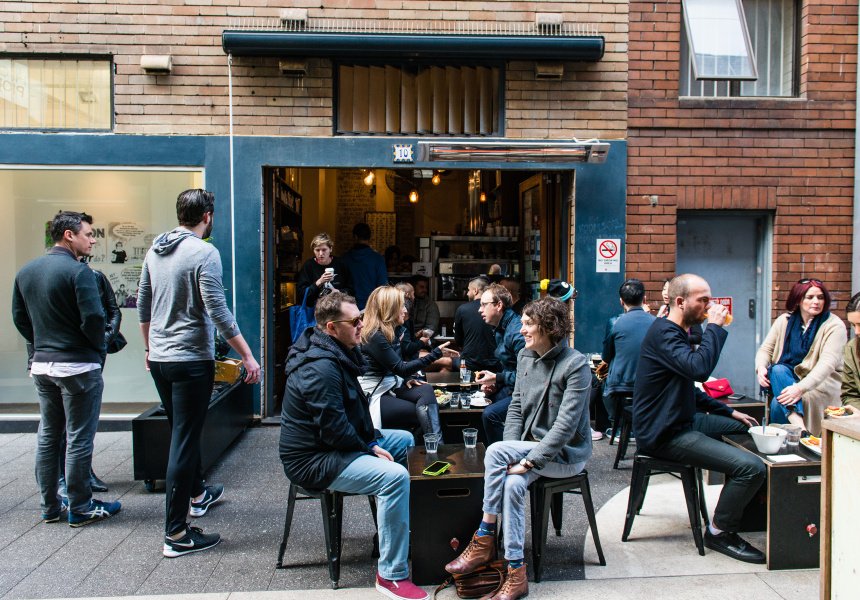
Llankelly Place and the Logic of the Lane Bar
Potts Point has long operated as Sydney's most European-inflected neighbourhood for drinking and eating, a kilometre-long strip where the density of good bars per block rivals anything the CBD offers at twice the footprint. Within that strip, Llankelly Place functions as its own micro-corridor: a pedestrian lane that concentrates a particular kind of venue. Room Ten, at number ten, sits inside that pattern. Lane addresses in inner Sydney carry a specific set of expectations: smaller rooms, lower ceilings, a certain compression of atmosphere that larger street-front venues cannot replicate. Room Ten meets those expectations.
The broader Potts Point bar circuit includes Fratelli Paradiso, which leans into Italian-cafe energy, and The Butler, which operates at a different scale entirely with a dining room and cocktail program that draws from the wider Kings Cross catchment. Room Ten occupies a quieter register than either. It is a coffee-by-day, drinks-by-night format that has become a recognisable Sydney typology, particularly in inner-eastern neighbourhoods where the line between specialty coffee culture and serious bar culture has thinned considerably over the past decade.
The shortlist, unlocked.
Hard-to-book tables, cellar releases, and concierge-planned trips.
Get Exclusive Access →What the Space Communicates
Lane bars in Sydney earn their reputations through atmosphere before they earn them through menus. The physical constraints of a laneway address, limited natural light, compact square footage, often a single room that doubles as corridor and destination, force a design discipline that larger venues can avoid. Lighting becomes the primary mood instrument. At Room Ten, the address and format suggest a space where that discipline applies: warm light over a narrow bench, the kind of setting where the coffee machine and the cocktail shaker occupy genuinely proximate real estate.
This dual-mode format, coffee house transitioning into bar as the day progresses, has precedent in Melbourne at venues like 1806, which built a national reputation on cocktail craft within a similarly considered interior. In Sydney, Cantina OK! offers a different model, extreme format discipline in a micro-footprint. Room Ten sits between those reference points: more atmospheric than a standing-room mezcal bar, more focused than a full-service cocktail lounge.
Potts Point as Context
Understanding Room Ten requires understanding what Potts Point has become as a drinking neighbourhood. The area attracted serious bar operators through a combination of pedestrian density, a resident demographic that skews toward people who eat and drink out regularly, and a planning environment that has historically permitted small-bar licenses more readily than other Sydney councils. The result is a neighbourhood where The Roosevelt can anchor one end of the cocktail spectrum, Harajuku Gyoza handles a different crowd entirely, and a lane bar like Room Ten can find its audience without competing directly against either.
For a broader read on the neighbourhood's eating and drinking options, the full Potts Point restaurants guide maps the circuit in more detail. What that guide confirms is that Potts Point rewards repeat visits more than single-night itineraries. Room Ten is a venue that belongs to that rhythm: it performs better as a known quantity than as a first discovery.
Craft Coffee and Cocktails as a Single Proposition
The dual-mode bar-cafe format succeeds when both halves are taken seriously. Sydney's specialty coffee scene has raised the floor on what daytime trade requires, and the same neighbourhood that supports Room Ten also supports a serious coffee culture that extends well beyond convenience. A venue that operates under this model cannot treat one side of its identity as subordinate to the other: the morning crowd and the evening crowd both bring informed expectations.
Across Australia, bars that have navigated this format successfully tend to share certain operational commitments: sourcing from known roasters, running a cocktail program that reflects the same attention to ingredient quality, and maintaining a consistency of atmosphere across the full operating day rather than treating the transition from coffee service to bar service as a shift change. Comparable operators in other Australian cities, including Bowery Bar in Brisbane and venues in Perth like Whipper Snapper Distillery, demonstrate how differently the format can resolve depending on local context. Room Ten's Potts Point address gives it a specific kind of foot traffic that skews toward coffee-literate, drinks-aware visitors throughout the day.
Placing Room Ten in the Wider Bar Circuit
Sydney's cocktail bar scene has matured enough that the most interesting venues no longer compete on novelty alone. The hidden-door era has largely passed; venues now need to offer something with more durability than a theatrical entrance. Room Ten's laneway address is atmospheric rather than theatrical, a distinction worth drawing. La Cache à Vín in Spring Hill and Blu Bar on 36 in The Rocks each occupy distinct positions in their local drinking circuits through specific formal commitments, wine-first in one case, a view-dependent proposition in the other. Room Ten's position is defined by its format and its address rather than a single signature element.
Internationally, bars that have built sustained reputations in small formats, including Bar Leather Apron in Honolulu, demonstrate that a tight physical footprint and a coherent atmosphere can generate word-of-mouth that outlasts trend cycles. Room Ten operates in that register at the neighbourhood scale.
Planning a Visit
Room Ten is located at 10 Llankelly Place, Potts Point NSW 2011, a pedestrian lane most easily accessed from Macleay Street. Potts Point is well served by public transport, with Kings Cross station a short walk from Llankelly Place. For current hours, booking availability, and specific menu details, checking directly with the venue is recommended, as this information is not confirmed in the EP Club database at time of publication. Given the small footprint common to lane-format venues, arriving early in a session rather than late tends to improve the experience. For visitors building a Potts Point evening, pairing Room Ten with one of the neighbourhood's dining options before or after creates a more complete circuit.
Frequently Asked Questions
- What should I know about Room Ten before I go?
- Room Ten operates at 10 Llankelly Place, a pedestrian lane in Potts Point, which means the space is compact and the atmosphere is deliberately contained. It runs as a coffee bar during the day and transitions toward a drinks-led program in the evening, a format common to several Potts Point operators. Pricing and hours should be confirmed directly with the venue. Potts Point as a neighbourhood is well-suited to a longer evening that moves between multiple stops.
- What's the must-try cocktail at Room Ten?
- Specific cocktail menu details are not confirmed in the EP Club database at time of publication. What the venue's format and address suggest is a program that aligns with the craft-focused bar culture that defines Potts Point's better drinking establishments, including neighbours like The Roosevelt and The Butler. Asking the bar team for a current recommendation on arrival is the most reliable approach.
- What's the leading way to book Room Ten?
- Booking details are not confirmed in the EP Club database. Given the lane-bar format and typical footprint of venues at this Potts Point address, walk-in may be the operating model, but contacting the venue directly before visiting is advisable, particularly for groups or evening sessions when demand is higher.
- Is Room Ten better for first-timers or repeat visitors?
- Lane bars with a dual coffee-and-cocktail identity tend to reward repeat visitors more than single-night drop-ins. The format at 10 Llankelly Place is legible on a first visit, but the atmosphere compounds with familiarity. First-timers coming to Potts Point with time to explore the wider circuit will get more out of Room Ten as one stop among several than as a standalone destination.
- Does Room Ten suit a quick solo coffee stop or a longer drinks session with a group?
- The dual-mode format at 10 Llankelly Place is designed to accommodate both ends of that range, which is what makes the lane-bar model effective in a neighbourhood like Potts Point where foot traffic shifts character across the day. A solo daytime visit fits naturally into the coffee-house side of the operation, while the evening bar program is better suited to a small group. The compact footprint means larger parties should consider whether capacity suits their needs before arriving.
Cuisine and Awards Snapshot
These are the closest comparables we have in our database for quick context.
| Venue | Cuisine | Awards | Notes |
|---|---|---|---|
| Room Ten | This venue | ||
| Fratelli Paradiso | |||
| Harajuku Gyoza Potts Point | |||
| The Butler | |||
| The Roosevelt |
Need a Table?
Our members enjoy priority alerts and concierge-led booking support for the world's most difficult bars and lounges.
Get Exclusive AccessThe shortlist, unlocked.
Hard-to-book tables, cellar releases, and concierge-planned trips.
Get Exclusive Access →