On Rue de Beauce in the Marais, ROJO occupies a corner of Paris's most densely creative drinking quarter with a cocktail programme that rewards the curious. The bar sits in a neighbourhood where serious drinks culture has taken root alongside natural wine shops and late-opening tapas counters, making it a credible stop for anyone tracking the city's evolving bar scene.

Pearl is the En Primeur Club membership app, where members save venues, book tables and use the concierge.
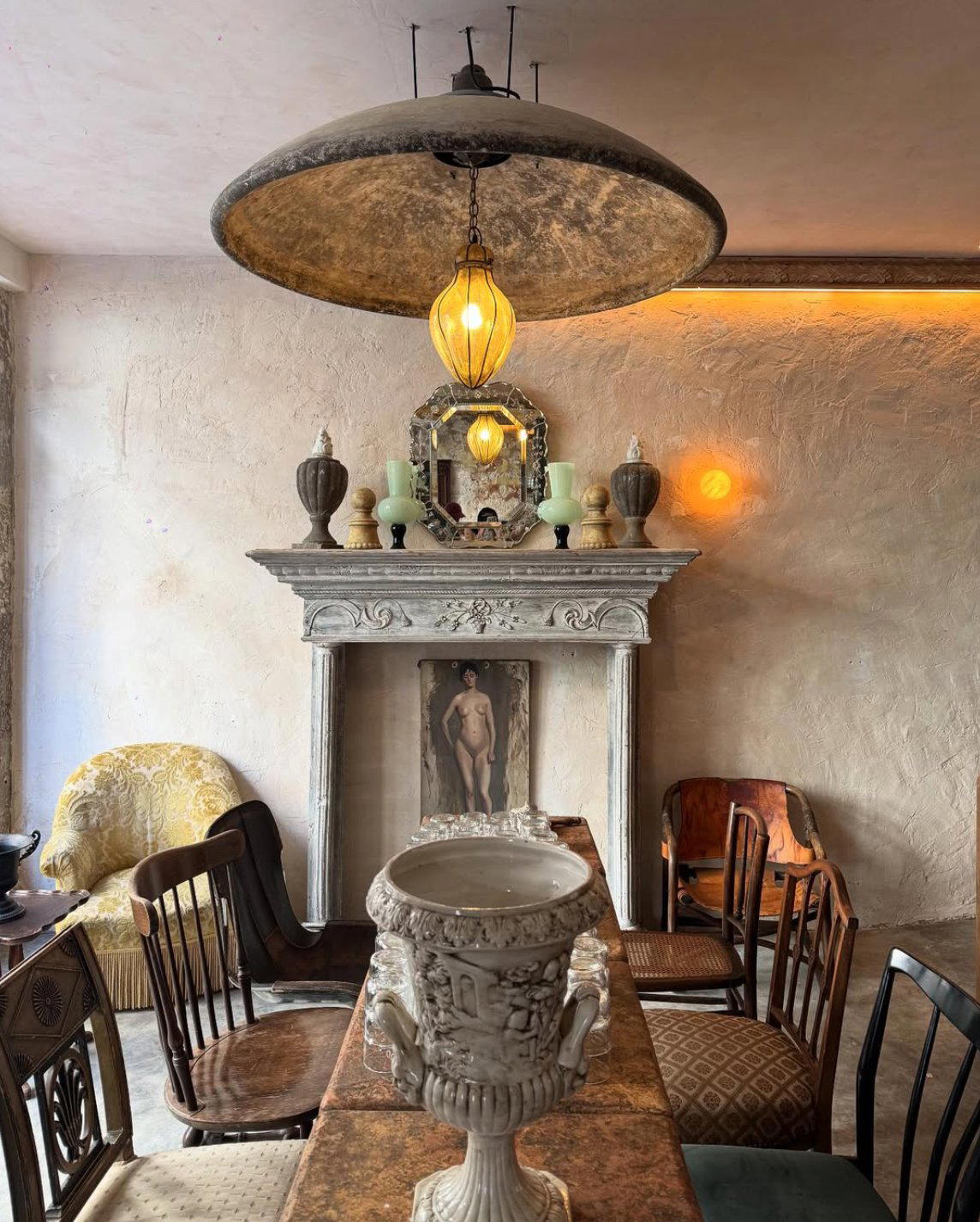
Where the Marais Drinks After Dark
Rue de Beauce is a short street, but in the third arrondissement it carries weight. The blocks around it have become one of the more concentrated zones for serious drinking in Paris over the past decade: small bars with considered programmes, wine shops that stay open into the evening, and a foot traffic that skews toward the kind of drinker who reads the back label before ordering. ROJO sits at number 8, and the address alone places it inside a competitive drinking corridor that includes Candelaria, the taqueria-front bar that helped define Paris's cocktail awakening in the early 2010s, and Danico, which operates a more polished, hotel-adjacent programme a few minutes' walk away.
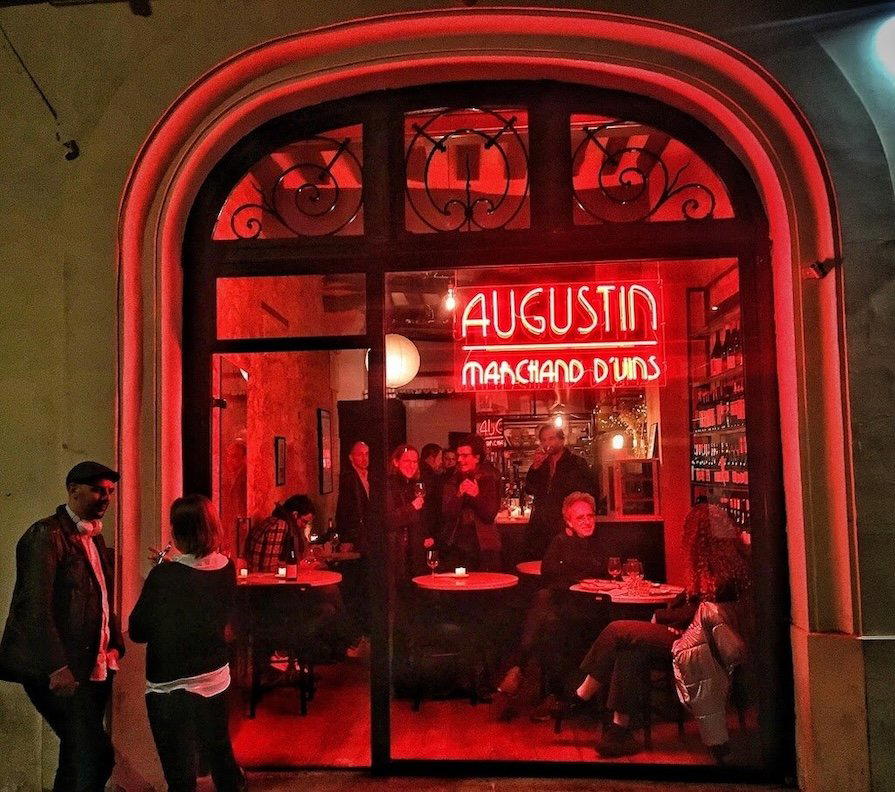
The physical approach to ROJO tells you something about the bar's register before you reach the door. The third arrondissement at night moves differently from Saint-Germain or the eighth: less ceremony, more momentum. The streets are narrow enough that the light from a bar window lands on the pavement outside, and there is a particular quality of noise that signals whether a room is operating at the right temperature. ROJO, from the outside, reads as a bar that knows what it is.
The Cocktail Programme: Technique as the Point
Paris's bar scene has spent the past fifteen years moving through several phases: the speakeasy-influence period, the spirits-import obsession, and more recently a consolidation around technical precision paired with shorter, more legible menus. The current generation of serious Paris bars tends to reject both the showy complexity of earlier years and the studied minimalism that followed. What has emerged instead is a more confident middle register, where the craft is visible but not performed, and where the drink is the argument rather than the concept behind it.
ROJO's position on Rue de Beauce places it in this updated Paris cocktail moment. The name itself signals something about the programme's orientation, carrying the warmth and directness associated with Iberian and Latin drinking traditions without committing to any single regional identity. In practical terms, that often translates to a preference for aged spirits, citrus-forward structures, and drinks that hold their line at room temperature rather than relying on heavy dilution from ice. This is the kind of programme that rewards ordering a second round, because the drinks tend to reveal themselves over time rather than landing all at once.
The broader Paris context is useful here. Compared to Buddha Bar, which operates at scale and prioritises atmosphere over programme depth, ROJO belongs to a smaller, more drink-focused tier. Compared to Bar Nouveau, which represents a newer wave of Paris bar openings with an emphasis on format experimentation, ROJO reads as more settled in its identity. Neither comparison is a hierarchy; they describe different answers to the question of what a bar in Paris should be doing in 2024.
The Marais Bar Scene in Context
The third and fourth arrondissements have become, arguably, the most concentrated zone for independent bar culture in Paris. The neighbourhood has the right conditions: dense residential population with high disposable income, proximity to the fashion and design industries, a strong tradition of late eating and drinking, and enough international foot traffic to support ambition without requiring it. The bars that have survived and grown here tend to have a clear point of view and a regular clientele that self-selects for exactly that.
Candelaria's influence on this corridor is worth acknowledging directly. When it opened in 2011, the model of a serious cocktail programme running behind an unassuming front door was still unusual in Paris. The bars that followed in the third have absorbed that lesson without necessarily copying the format. The taqueria disguise is now a known quantity; what the neighbourhood's better bars have moved toward instead is direct credibility, where the room and the programme speak plainly and the reputation does the work of discovery.
For visitors tracking Paris's wider drinking geography, the Marais bar cluster connects naturally to the city's other serious drinking zones. The Canal Saint-Martin area to the north has developed its own natural wine-heavy programme culture. The sixth and seventh arrondissements carry the weight of older, more formal bar traditions, including the long-running influence of Harry's Bar in the Opéra quarter. ROJO's address anchors it firmly in the independent, neighbourhood-bar-with-a-programme category, which is where the most interesting Paris drinking has been happening for the better part of a decade.
Beyond Paris, the French bar scene has developed strong regional nodes worth tracking alongside the capital. La Maison M. in Lyon and Coté vin in Toulouse represent the kind of serious regional programmes that have emerged as alternatives to the Paris-centric view of French drinking culture. Bar Casa Bordeaux and Au Brasseur in Strasbourg operate in cities with distinct drinking identities of their own. Even further afield, Papa Doble in Montpellier and Le Café de la Fontaine in La Turbie show how France's bar culture has diffused well beyond its obvious centres. For a comparison that crosses the Atlantic, Bar Leather Apron in Honolulu demonstrates a similar commitment to programme-first drinking in a context where that ambition is still relatively rare.
Planning Your Visit
The third arrondissement is walkable from the République and Arts et Métiers metro stations, and the concentration of bars in the area means an evening can move naturally between several stops. ROJO at 8 Rue de Beauce is leading approached as part of a longer evening rather than a single-destination visit. The neighbourhood's rhythm peaks later than in tourist-heavy zones; arriving before nine means a quieter room, which is useful if the priority is the drinks rather than the atmosphere. Consult our full Paris restaurants and bars guide for a broader map of the city's current programme.
| Venue | Neighbourhood | Programme Focus | Atmosphere Register |
|---|---|---|---|
| ROJO | Le Marais, 3rd | Cocktail-led, Iberian-inflected | Neighbourhood bar, mid-scale |
| Candelaria | Le Marais, 3rd | Mezcal and tequila-forward | Taqueria front, intimate |
| Danico | 2nd/Opéra adjacent | Classic and modern cocktails | Polished, hotel-adjacent |
| Buddha Bar | 8th | Broad menu, atmosphere-led | High-volume, destination |
| Bar Nouveau | Paris (varies) | Format experimentation | New-wave, concept-forward |
Recognition Snapshot
| Venue | Cuisine | Price | Awards |
|---|---|---|---|
| ROJOThis venue (the venue you are viewing) | Not listed | Not listed | Not listed |
| Bar Nouveau | Not listed | $30–50 | World's 50 Best #5 · Top 500 Bars Best Bars #18 |
| Buddha Bar | Not listed | $100–150 | World's 50 Best #20 |
| Candelaria | Mexican-Cocktails | $20–30 | World's 50 Best #42 · Pinnacle Guide 1 Pin |
| Danico | Not listed | $20–30 | World's 50 Best #19 · Top 500 Bars Best Bars #17 |
| Harry's Bar | Not listed | $30–50 | World's 50 Best #27 · Top 500 Bars Best Bars #60 |
Continue exploring
More in Paris
Bars in Paris
All bars in Paris →
Restaurants in Paris
All restaurants in Paris →
Details
Current opening hours
- Monday
- 6 PM–1 AM
- Tuesday
- 6 PM–1 AM
- Wednesday
- 6 PM–1 AM
- Thursday
- 6 PM–12 AM
- Friday
- 6 PM–2 AM
- Saturday
- 6 PM–2 AM
- Sunday
- 6 PM–1 AM
Hours can change for holidays and private events. Hours as of .
underground vibe with hip music