Ristorante Ratanà sits on Via Gaetano de Castillia in Milan's northern Isola-adjacent corridor, where a generation of Milanese chefs have reframed Lombard cooking through contemporary technique. The kitchen works from local and regional ingredients processed through methods that owe as much to modern European training as to the Po Valley larder. Booking ahead is advisable; the address draws a predominantly local following.
 Discover on Pearl
Pearl is the En Primeur Club membership app — saves, bookings, and concierge access live there. Same editors, same standards.
- Address
- Via Gaetano de Castillia, 28, 20124 Milano MI, Italy
- Phone
- +39 02 8712 8855
- Website
- ratana.it
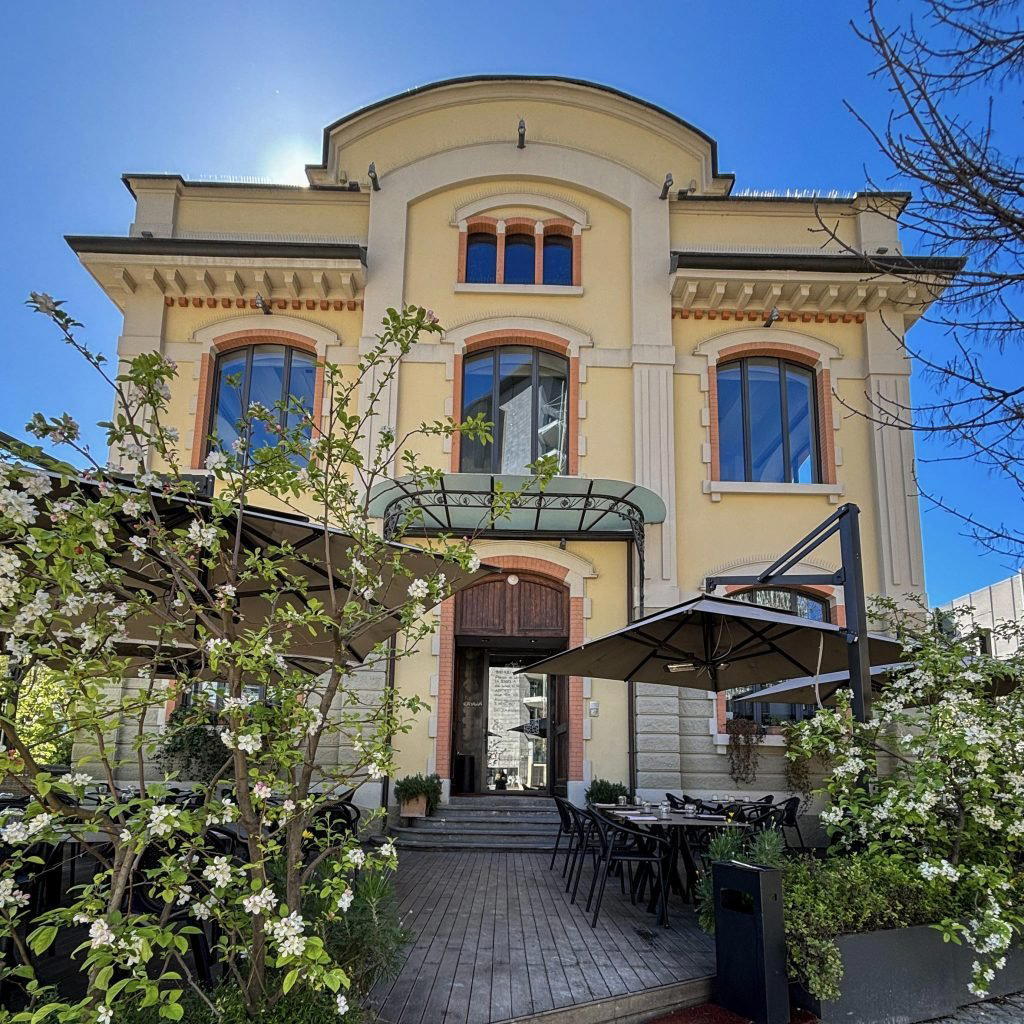
Where the Po Valley Meets the Modern Kitchen
Milan's dining scene has split, over the past decade, into two recognisable camps: the international-facing tasting-menu format targeting Michelin evaluators and expense-account tourists, and a smaller, quieter cohort of trattorie and ristoranti that serve a predominantly Milanese clientele without abandoning technical ambition. Ristorante Ratanà on Via Gaetano de Castillia sits firmly in the second camp. The address, in the northern stretch of the city between Porta Garibaldi and the Isola district, is not on the standard tourist circuit, which is precisely why the reservation book fills with architects, designers, and locals who treat the place as a regular rather than an occasion.
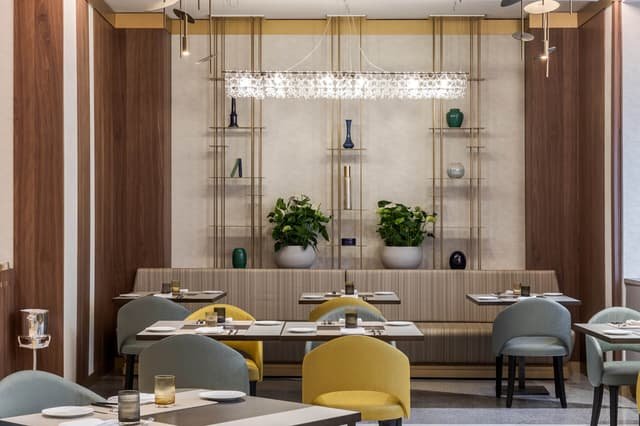
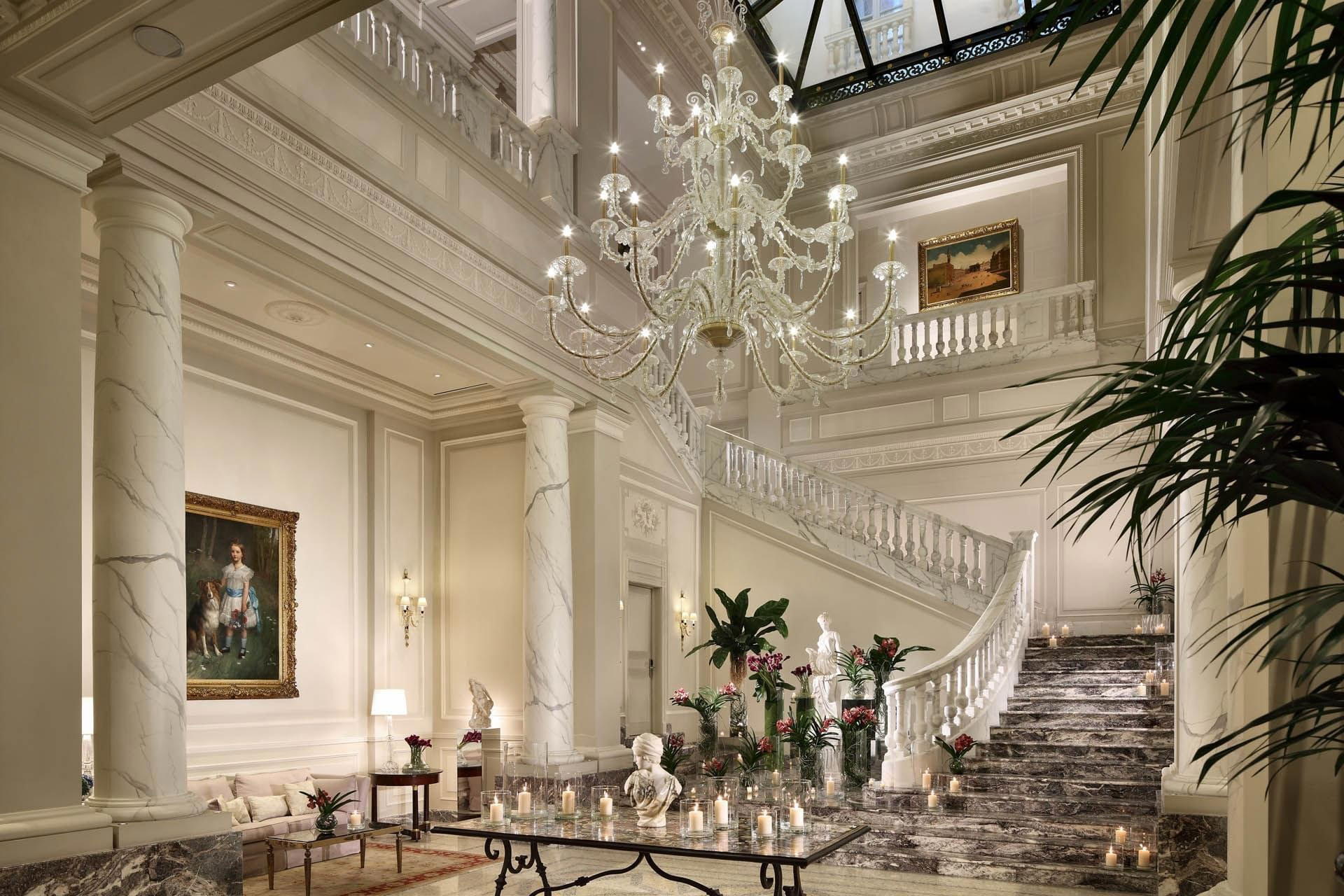
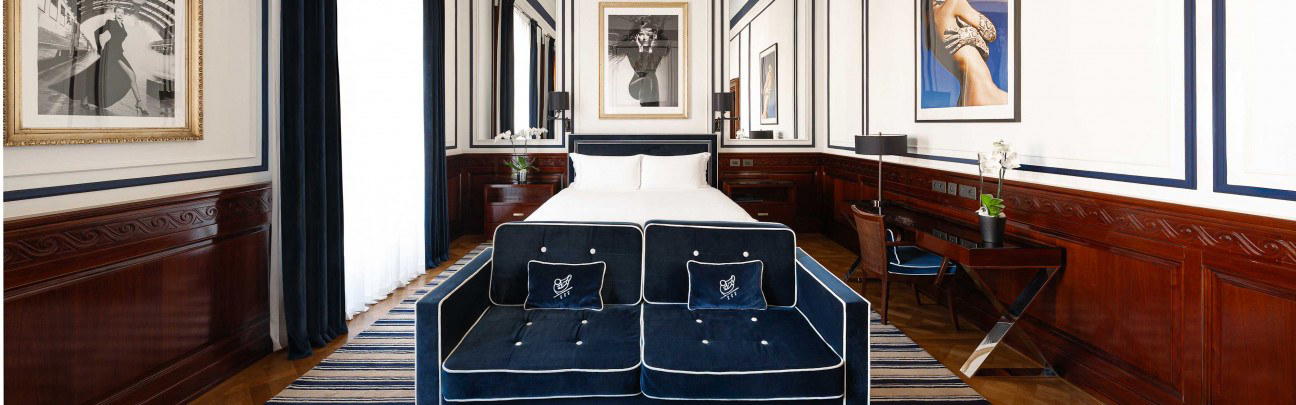
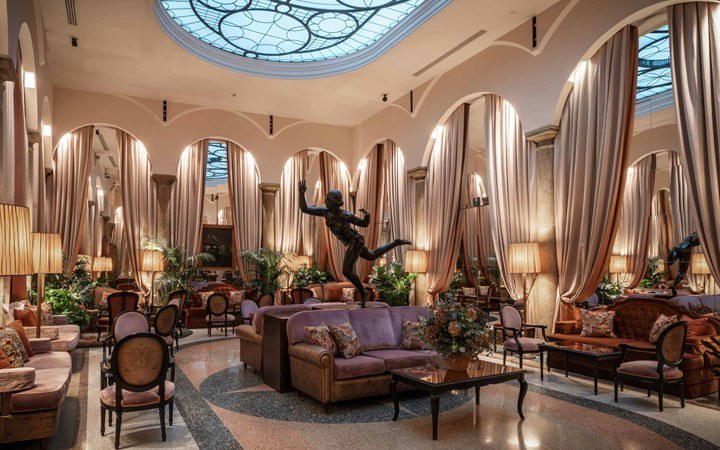
Approaching from the Porta Garibaldi railway hub, the street has the slightly industrial, slightly residential texture that defines Milan's gentrified northern fringe. The room itself reflects the neighbourhood's dual character: a converted space with period structural bones and a considered but unsentimental interior, the kind of setting where the focus lands on the table rather than the architecture. It is a deliberate posture: the room wants to be judged on what it serves.
Lombard Ingredients, European Technique
The editorial angle that places Ratanà in the broader conversation about contemporary Italian regional cooking is the intersection of indigenous ingredients and imported methodology. Lombardy is not a simple pantry: the region produces Grana Padano and Taleggio, lake fish from Como and Garda, risotto rice from the Vercelli flatlands just to the west, and autumn funghi that move through local markets in volume. The question any serious Milanese kitchen has to answer is whether it uses these materials as a heritage display or as working ingredients subject to the same technical scrutiny that a Copenhagen or London kitchen might apply.
Ratanà's answer, consistent across its positioning and the response it draws from the city's food-literate crowd, leans toward the latter. Dishes are built on Lombard foundations, risotto, braised meat, cured products, the dense flavour logic of northern Italian peasant cooking, but the approach to temperature, texture, and acidity reflects a generation of Italian chefs who absorbed French brigade methods and Scandinavian produce-obsession without abandoning the specific gravity of their own regional tradition. This is not fusion. It is the same conversation that defines the serious end of Italian regional cooking across cities like Bologna and Venice, where the locavore impulse and the technical impulse now operate in parallel rather than in opposition.
Reading the Menu in Context
For the reader making decisions about a Milan itinerary, the comparison that matters most is not between Ratanà and the city's starred restaurants but between Ratanà and the broader category of trattorias that nominally do the same thing. Many Milan restaurants positioned as trattorie de cucina tradizionale have calcified into tourist-service mode: fixed menus of ossobuco and risotto alla Milanese delivered at predictable quality and premium tourist pricing. Ratanà operates in the same ingredient territory but with a kitchen that treats the canon as a starting point rather than a constraint. That distinction is worth understanding before you book.
The Broader Italian Conversation
What Ratanà represents in Milan sits within a pattern visible across Italian cities. In Rome, the bars and restaurants that retain serious local followings often operate at one remove from the tourist centre, holding to a particular neighbourhood logic. In Bologna, natural wine institutions like Enoteca Historical Faccioli demonstrate how regional product identity and technical rigor reinforce each other. In Venice, venues like Al Covino have built reputations on a similar pairing of local sourcing and deliberate method. The pattern is not coincidental: Italian dining culture at its most considered is deeply place-specific, and the venues worth seeking out tend to be the ones that treat their regional context as a discipline rather than a brand.
That Italian tradition of regional anchoring has analogues elsewhere in Europe, though the mechanisms differ. At venues like Gucci Giardino in Florence, the intersection of craft and cultural specificity takes a different form, and in Naples, places like L'Antiquario show how a city's particular identity shapes the hospitality it produces. For readers building itineraries that connect Milan to other Italian cities, the through-line is an attention to how local tradition and technical modernity interact at each latitude.
Drinking in the Northern Milan Frame
The drinking culture around Ratanà's Porta Garibaldi neighbourhood has its own logic. Milan's cocktail scene has matured substantially since the early aperitivo-and-Campari era, and venues like 1930, Camparino in Galleria, Moebius Milano, and Nottingham Forest now hold positions in the international conversation about serious bar programs. That maturation matters for how a dinner at Ratanà fits into a broader Milan evening: the northern Isola corridor supports a full itinerary, with the pre-dinner and post-dinner options operating at a level that matches the ambition of the kitchen. For comparison, the commitment to craft and local identity visible in Milan's bar culture has parallels in cities as different as Rome (see Drink Kong), Nicosia (see Lost & Found), and Honolulu (see Bar Leather Apron), where locally sourced ingredients and imported technical frameworks have become the dominant idiom for venues that want to be taken seriously.
Planning Your Visit
Ratanà is located at Via Gaetano de Castillia, 28, in Milan's 20124 postal district, a ten-minute walk from Porta Garibaldi railway station and accessible via the M2 and M5 metro lines at Garibaldi FS. The address draws a working-week dinner crowd as well as weekend lunches, so tables at prime hours are best booked ahead. Visitors coming from outside the city should factor the Garibaldi hub into their logistics: the high-speed rail connection from Rome and Florence makes it the practical entry point for much of northern Italy, and the northern Isola-Garibaldi corridor has become one of the city's more coherent dining and drinking neighbourhoods as a result.
Where the Accolades Land
| Venue | Awards |
|---|---|
| Ristorante RatanàThis venue — the venue you are viewing | |
| Nottingham Forest | World's 50 Best |
| 1930 | World's 50 Best |
| Camparino in Galleria | World's 50 Best |
| Moebius Milano | World's 50 Best |
| Backdoor 43 |
Continue exploring
More in Milan
Bars in Milan
Browse all →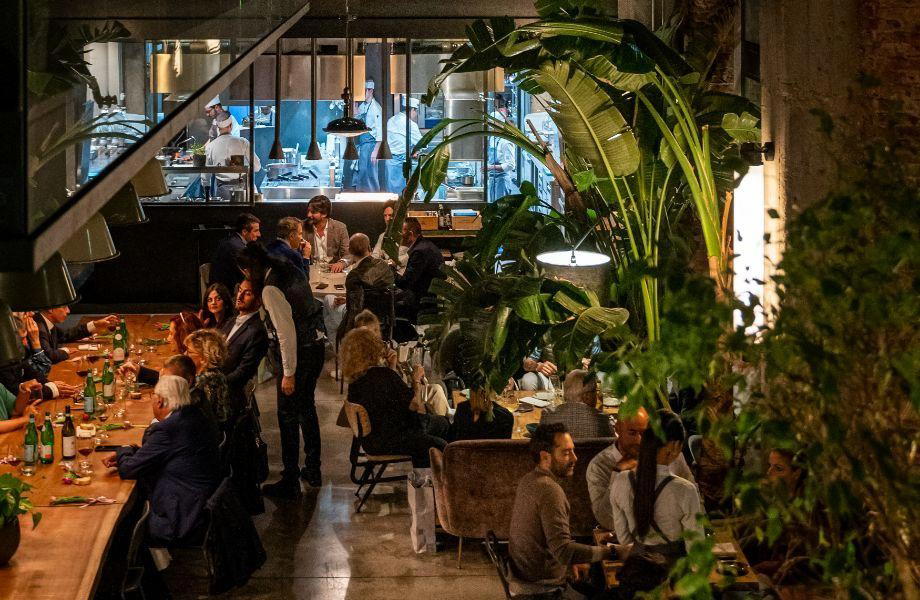
Restaurants in Milan
Browse all →
Hotels in Milan
Browse all →
At a Glance
- Modern
- Elegant
- Sophisticated
- Date Night
- Special Occasion
- Garden
- Historic Building
- Seated Bar
- Outdoor Terrace
- Classic Cocktails
- Garden
- Street Scene
Warm and inviting modern Milanese atmosphere with wine racks and seasonal creativity.