Restaurant Kronenhalle
One of Zurich's most enduring dining institutions, Restaurant Kronenhalle on Rämistrasse has anchored the city's upper-bourgeois table since the 1920s. Its dining rooms hang with original works by Picasso, Chagall, and Miró, not reproductions, while the wine list runs deep into Swiss and French appellations that few restaurants in the city can match. Kronenhalle is where old-money Zurich and international visitors converge on common ground.
 Discover on Pearl
Pearl is the En Primeur Club membership app — saves, bookings, and concierge access live there. Same editors, same standards.
- Address
- Rämistrasse 4, 8001 Zürich, Switzerland
- Phone
- +41 44 262 99 00
- Website
- kronenhalle.com
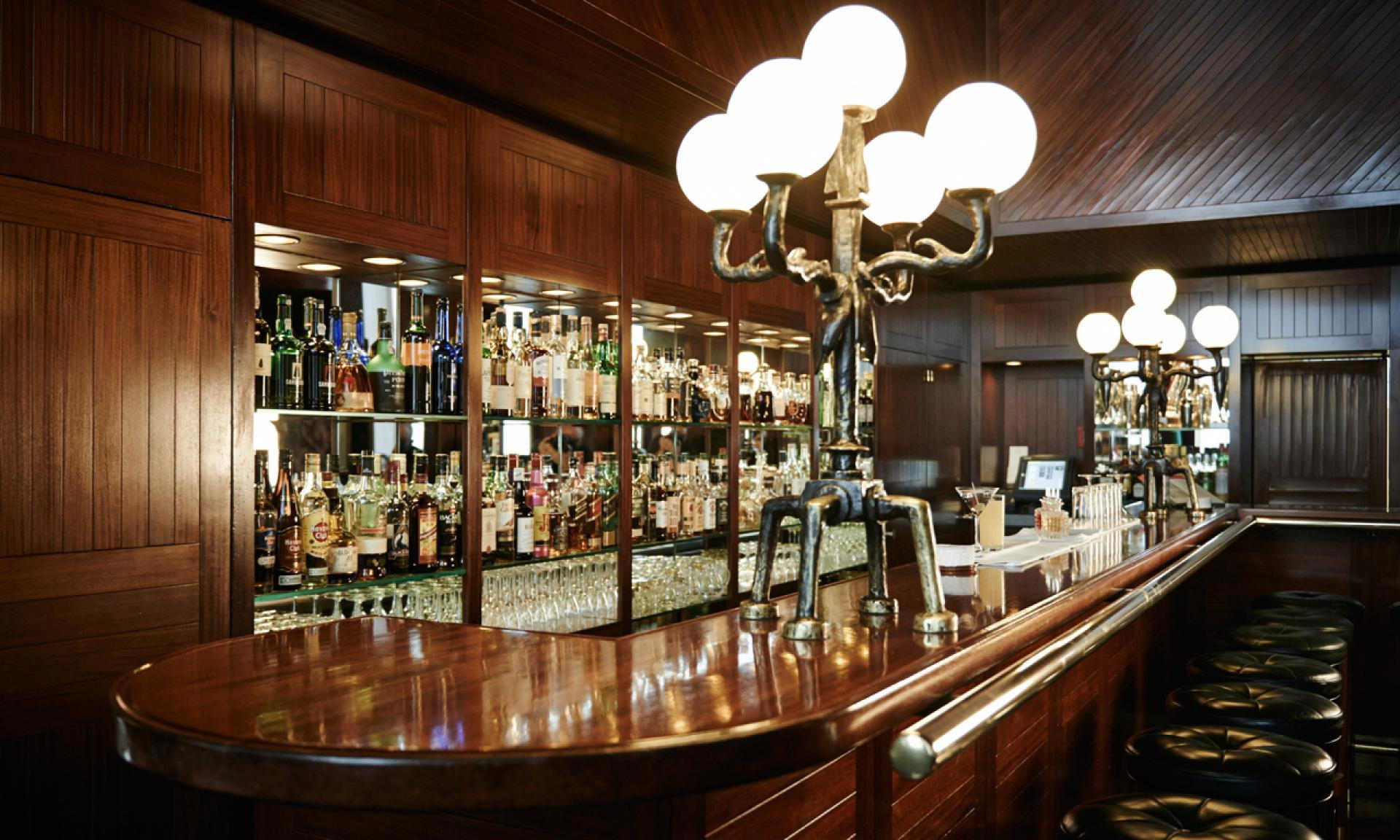
A Room That Has Already Made Up Its Mind
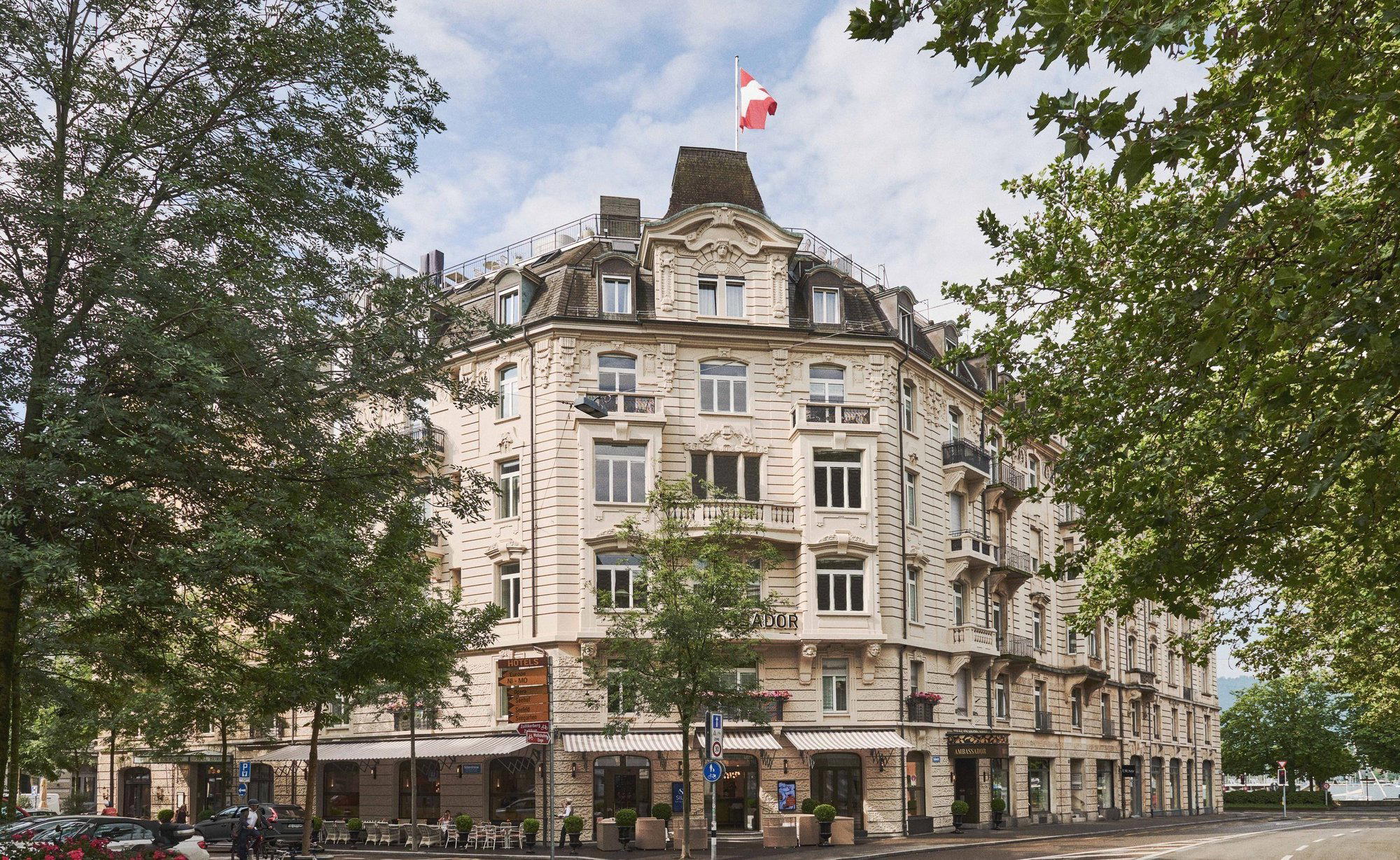
Restaurant Kronenhalle is a bar in Zurich, recommended for reservations, with a smart casual dress code and an average Google rating of 4.6 from 2,350 reviews. There is a certain category of European restaurant that stops trying to impress you the moment you walk in, because it decided long ago that it didn't need to. Restaurant Kronenhalle, at Rämistrasse 4 in Zurich's Hochschulenquartier, belongs to that category without apology. The dining rooms carry original paintings by Picasso, Chagall, Matisse, and Miró, acquired by the founding Zumsteg family across decades of direct relationships with artists who ate here. These are not prints or loans. The walls are the collection. Approaching from the tram stop on Rämistrasse, the facade reads as quietly authoritative, dark wood, brass fittings, the kind of exterior that communicates permanence without announcement.
Zurich's restaurant scene has always had a split character: the new-wave international dining that clusters around Langstrasse and the Kreis 4 and 5 quarters, and the deep-rooted institutional dining that holds the city's centre. Kronenhalle is the clearest expression of the second tradition. It has been operating since 1924, just over a century, and the continuity shows not as stagnation but as confidence. The room knows what it is, and that knowledge shapes every decision from the menu format to the service tempo.
The Wine List as the Room's Real Architecture
Any serious engagement with Kronenhalle begins with the wine list, which functions less as a drinks menu and more as a document of institutional memory. Swiss restaurants of this standing have historically maintained cellars that reflect the country's fragmented but serious wine geography, the Valais for Pinot Noir and Fendant, the Vaud for Chasselas along the lake terraces, Zurich's own Riesling-Sylvaner production, and Kronenhalle's list draws on that tradition with the depth that a century-old address can command.
The Burgundy and Bordeaux sections carry the kind of vertical depth that accumulates only when a cellar has been maintained across decades rather than restocked seasonally. This matters because Swiss institutional dining, at its serious end, treats the wine list as a parallel argument to the kitchen, a claim about what the restaurant values and how far back its commitments run. At Kronenhalle, those commitments appear to run very far back indeed. For visitors accustomed to Zurich's newer bar programs, the clarified-cocktail formats at places like Bar 3000 or the lakeside aperitivo logic of Bar am Wasser, the Kronenhalle cellar represents a different drinking culture entirely: one built on age, appellation, and the expectation that the guest knows what they're looking for.
Service at the table follows the same logic. Kronenhalle has the kind of floor team that can navigate a wine list conversation with the same authority as the sommelier, the sort of institutional knowledge that only develops when restaurants retain staff for years rather than seasons. Across Switzerland's established dining rooms, from Grand Hotel Les Trois Rois in Basel to Vieil Ouchy in Lausanne, this long-tenure floor culture marks the difference between formal service and genuinely informed service.
The Kitchen in Context
The menu at Kronenhalle sits in a tradition that Swiss food criticism sometimes labels Bürgerliche Küche at its most refined, classic central European preparations, technically sound, not chasing trends. Veal, lake fish, Rösti, seasonal game in autumn. The format is neither tasting menu nor casual bistro: it is a classic à la carte approach. This is not a restaurant where the kitchen competes for attention with the room. The art, the wine, and the room's social life share equal weight with what arrives on the plate.
That balance is worth understanding before arriving. Diners who come to Kronenhalle looking for a chef-driven narrative experience will find the room slightly indifferent to that framing. Diners who come to drink well, eat solidly, and sit inside a room where the 20th century left permanent physical evidence will find the experience exactly calibrated to those expectations. Zurich's position as a city of private wealth and institutional conservatism has always produced restaurants that serve the table rather than the kitchen's ego, and Kronenhalle is the senior example of that tendency.
Timing and the Social Calendar
Kronenhalle rewards seasonal thinking. Autumn is the clearest case: the game menu arrives alongside the city's cultural season, when Zurich's opera, concert halls, and galleries move into full programming. The restaurant's position near the Kunsthaus and within easy reach of the Opernhaus means that pre-theatre and post-concert traffic shapes the room's rhythm from September through April. Booking during this window, particularly on performance nights, should be made early. Summer brings a lighter shift in the menu's character and a slightly different crowd, though the room's year-round reputation means it rarely goes quiet.
The Langstrasse bar quarter, where 25hours Hotel Zürich Langstrasse and 25hours Hotel Zürich West anchor the city's more contemporary hospitality tone, is accessible by tram but represents a genuinely different register. Ending an evening at 169 West in Zürich after dinner at Kronenhalle produces a useful compression of the city's two hospitality cultures into a single night. Those planning a Swiss circuit rather than a single-city stay might consider how Kronenhalle compares to equivalents further afield: the mountain bar culture of Champagner Bar in Saas Fee or the Bernese Oberland informality of Jamming Corner in Unterseen mark the outer range of the Swiss hospitality register that Kronenhalle anchors at its most formal end.
Planning Your Visit
Kronenhalle sits at Rämistrasse 4, 8001 Zürich, reachable by tram from the Bellevue stop, which places it on one of the city's main transit axes. The dress code expectation runs toward smart casual at minimum, the room's character makes underdressing feel genuinely out of place, and the guest mix on most evenings skews toward business, arts-world, and international visitors who have researched where they're going. Reservations are the standard approach for dinner; walk-in availability at the bar is a reasonable fallback for drinks and lighter eating, where the wine list is fully accessible without a full table commitment. Visitors with appetite for comparable cellar-led drinking programs in different formats might also consider the Puregold Bar and Lounge in Glattpark as a contrasting point of reference, or venture internationally to see how Bar Leather Apron in Honolulu applies similar cellar-depth logic in a Pacific context.
At a Glance
- Elegant
- Classic
- Sophisticated
- Iconic
- Intimate
- Date Night
- Special Occasion
- Celebration
- Historic Building
- Design Destination
- Standalone
- Seated Bar
- Lounge Seating
- Classic Cocktails
- Craft Cocktails
- Zero Proof
- Whiskey
- Rum
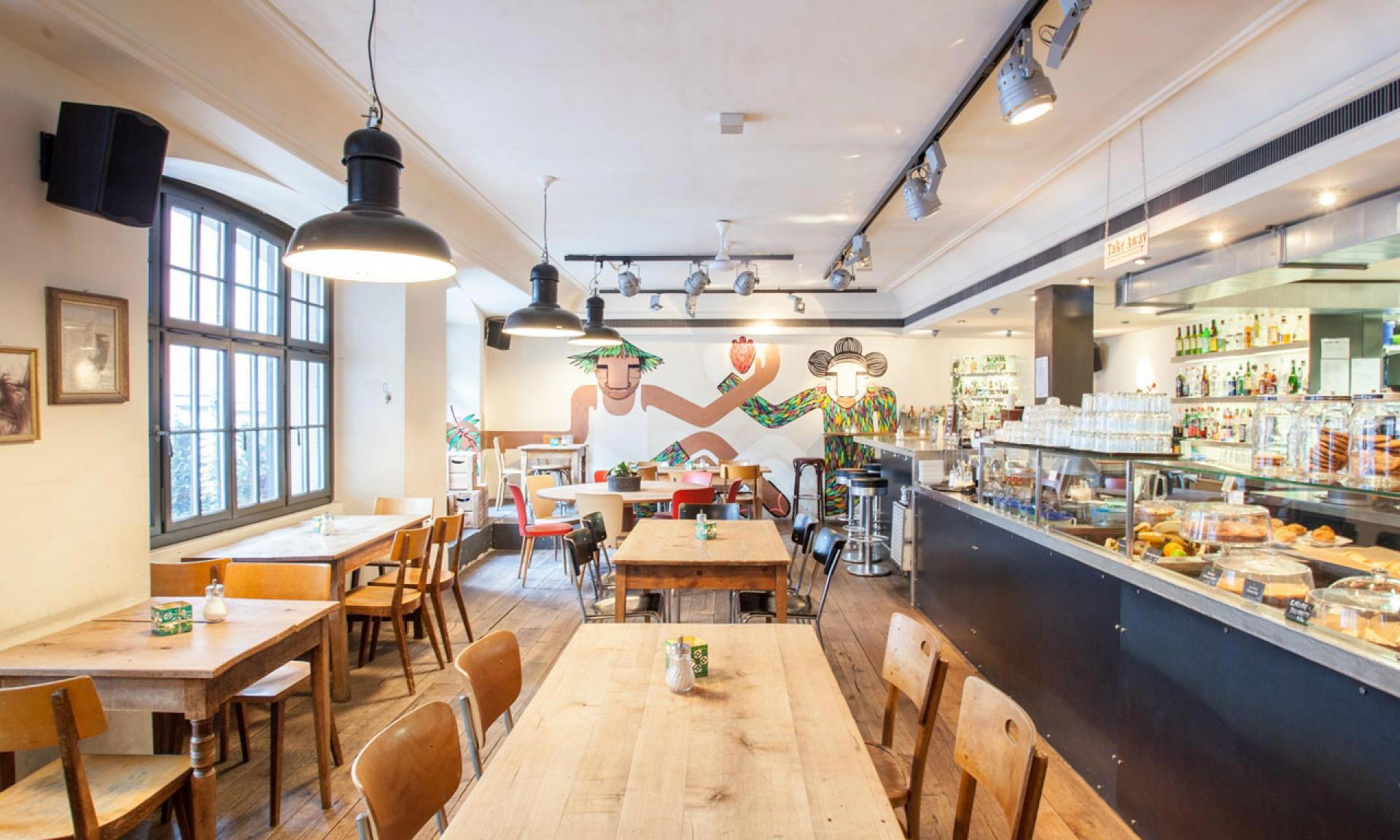
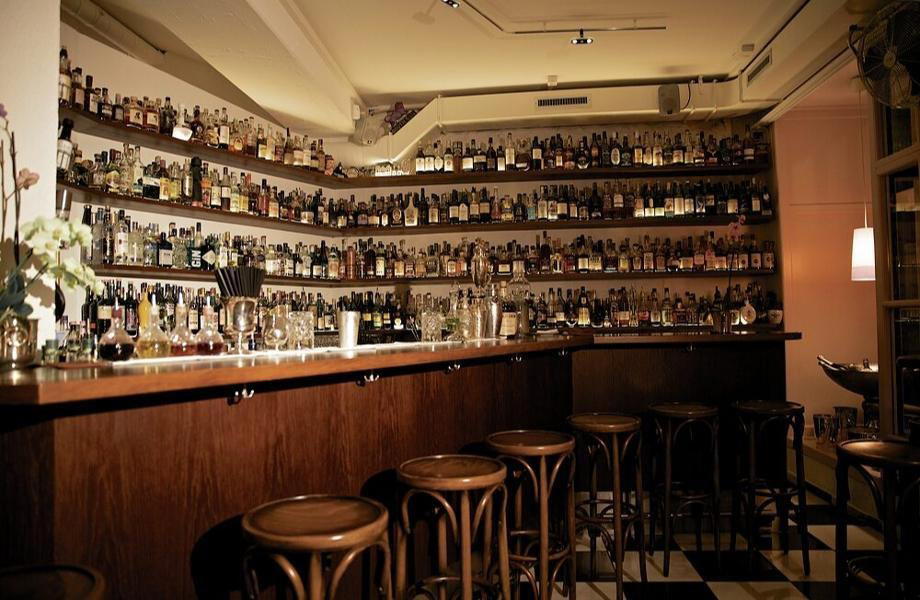
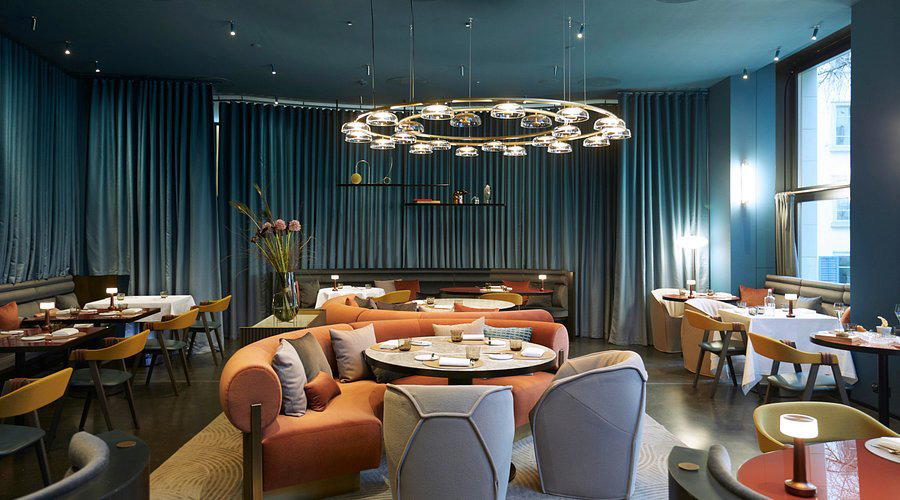
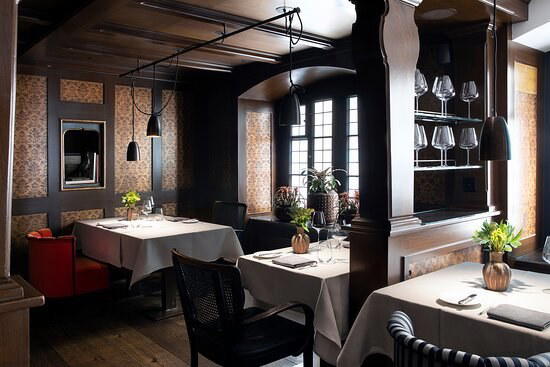
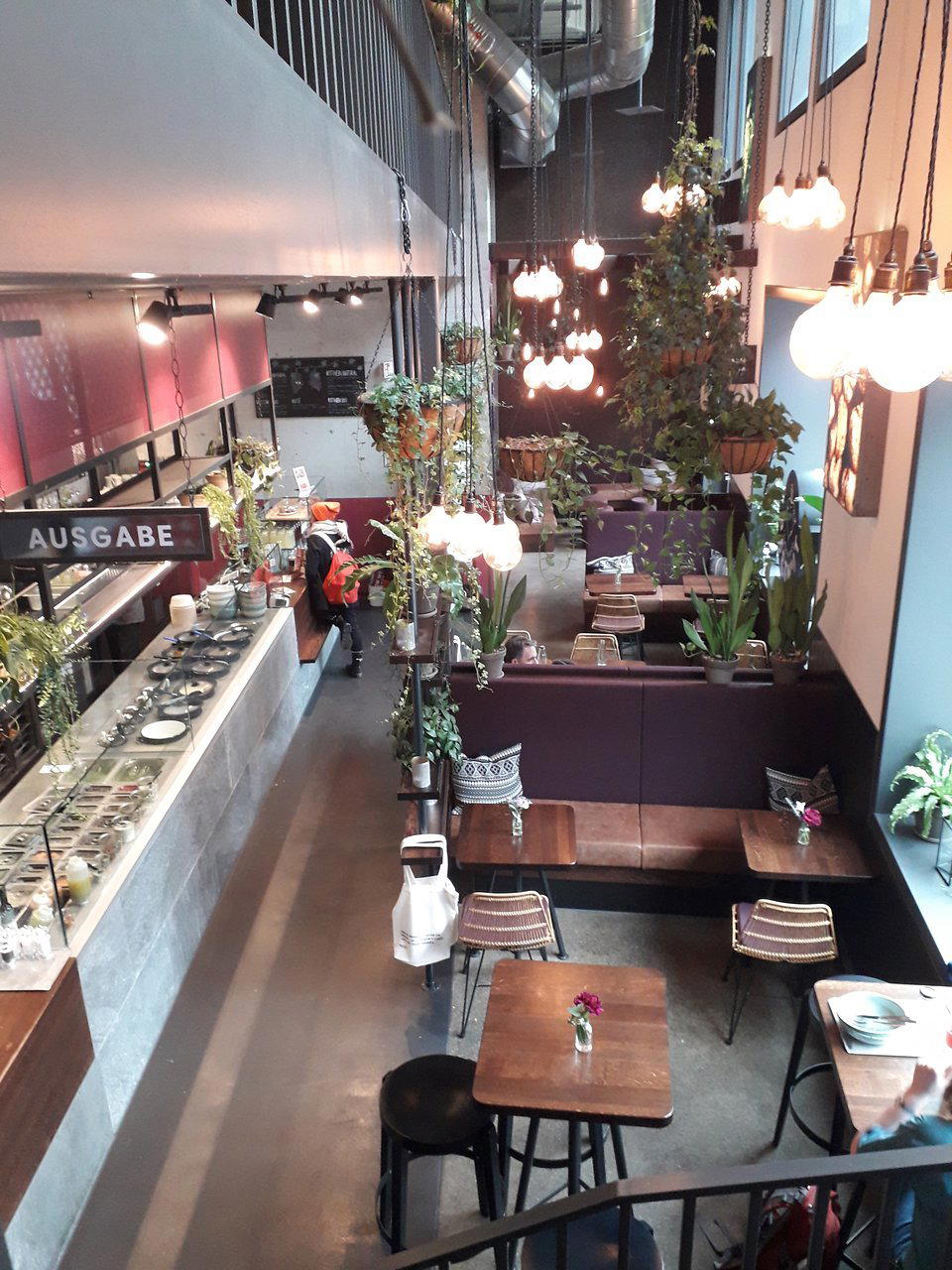
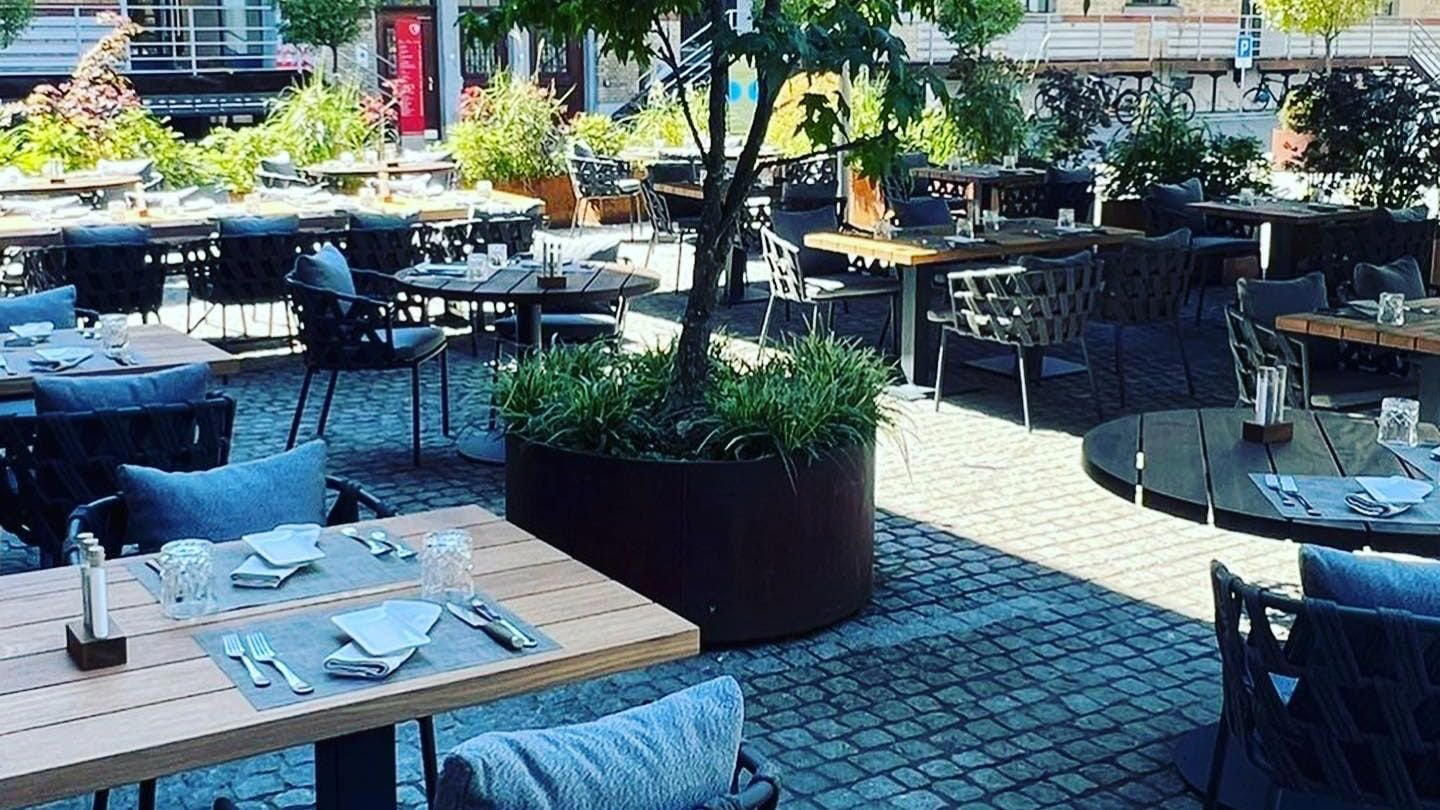
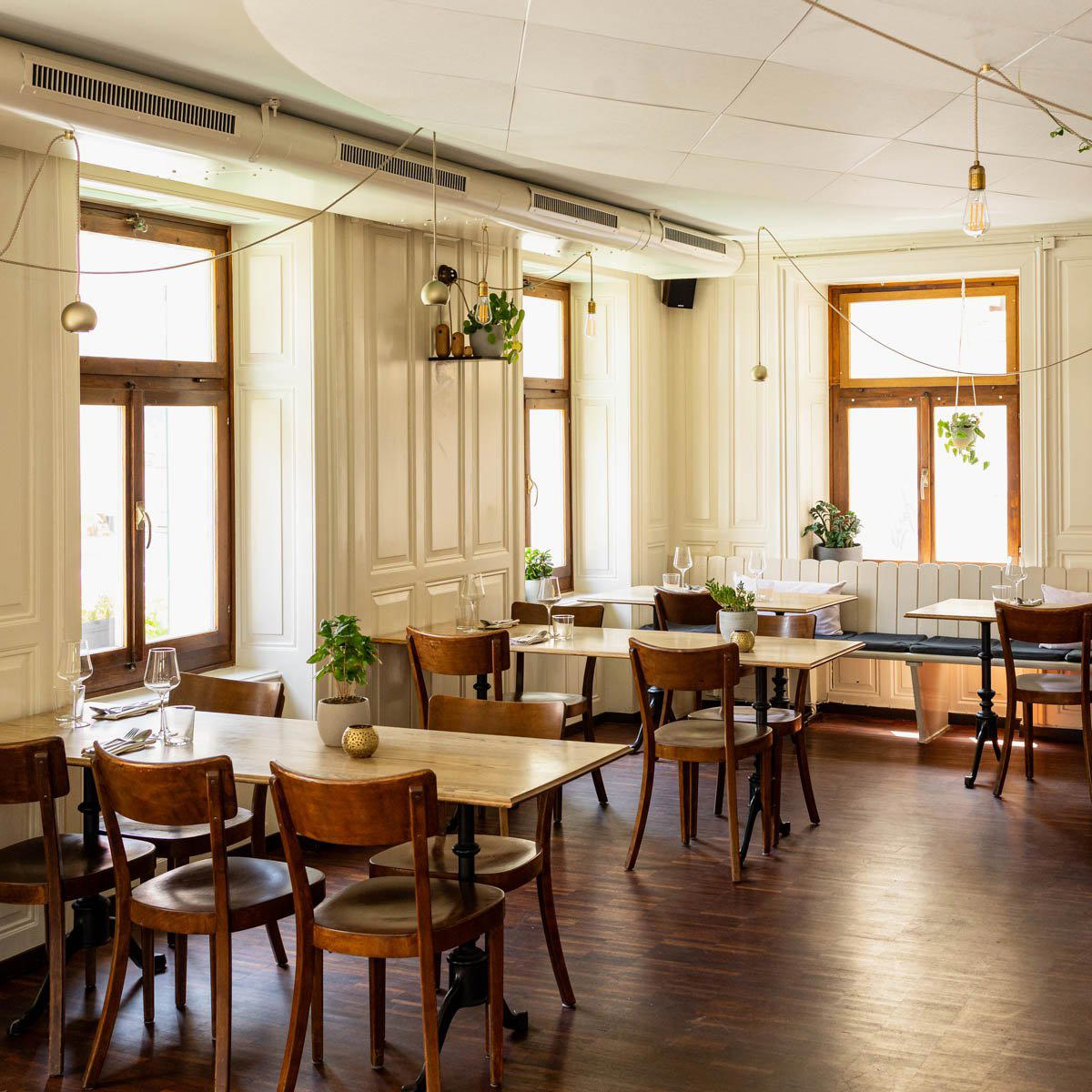
Rich wooden accents with mahogany paneling, green Moroccan leather seating, and carefully curated lighting by Diego Giacometti create an old-school, cozy yet refined atmosphere adorned with masterpiece artworks.