
Ranked among the Top 500 Bars in the world for 2025, Plumette has quietly built a reputation that extends well beyond Brussels. Located on Rue de l'Épée in the heart of the city, the bar operates in a tier where cocktail craft and program consistency drive recognition. It belongs on any serious itinerary for the Belgian capital's drinking scene.
 Discover on Pearl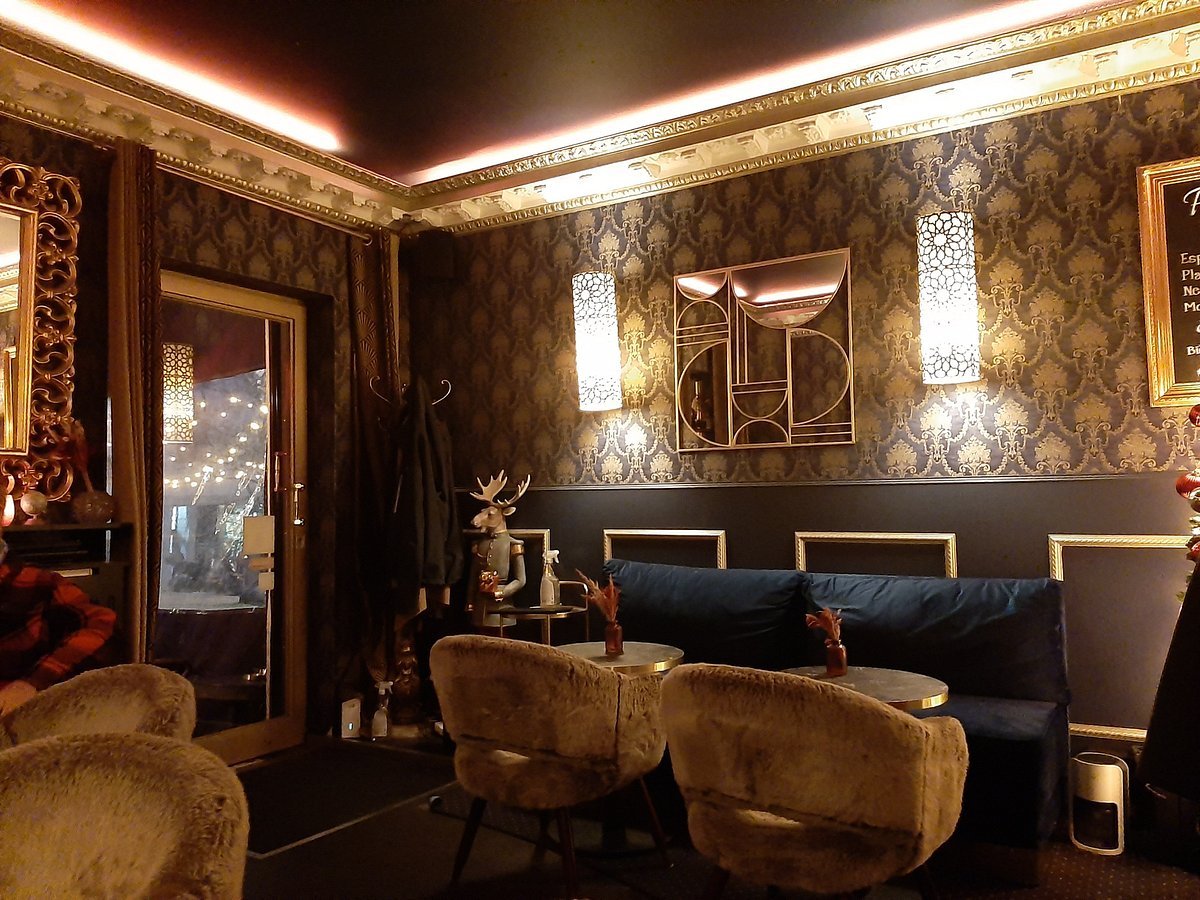
Where Brussels Cocktail Culture Gets Serious
Rue de l'Épée is not a street that announces itself. Running through central Brussels, it sits at a remove from the Grand Place tourist circuit, the kind of address you find because someone told you about it rather than because a map pushed you toward it. That quiet specificity is part of what defines Plumette's position in the city's drinking scene. Brussels has long sat in the shadow of Amsterdam, Paris, and London when international bar rankings are discussed, but a cohort of focused, program-driven bars has been shifting that perception over the past decade. Plumette is part of that shift.
The bar's 2025 placement at number 468 in the Top 500 Bars ranking confirms what the city's regulars have known for some time: this is not a neighbourhood bar with good intentions but limited execution. Ranked lists at this tier — the same index that places Kumiko in Chicago, Jewel of the South in New Orleans, and 1806 in Melbourne within its scope — select for consistency of programme, quality of technique, and the kind of deliberate identity that separates a bar with a direction from one that simply serves drinks. Plumette earns its place in that company.
The Cocktail Programme: Precision Over Pageantry
The broader context for understanding Plumette's programme is the trajectory of European cocktail culture over the last fifteen years. The era of theatrical presentation , smoke domes, edible garnishes as the main event, complexity signalled by the length of a menu rather than the depth of a glass , has given way, in the bars that matter, to something more considered. The focus has moved toward technique that serves the drink rather than decorates it: clarification, fat-washing, precise dilution, sourcing of base spirits that can withstand scrutiny. This is the aesthetic register in which Plumette operates.
Belgium's own drinks culture offers a useful lens here. The country's relationship with fermentation and flavour complexity is well established through its brewing tradition, and that sensibility , an appreciation for depth, bitterness, and layered structure over sweetness , tends to shape what serious Belgian bars reach for. A bar operating at Plumette's level in Brussels is almost inevitably in conversation with that tradition, whether by direct reference or by contrast.
For visitors arriving from other cities on the Top 500 circuit, the comparison points are instructive. Bar Leather Apron in Honolulu and The Parlour in Frankfurt represent the kind of focused, technically literate programming that defines this tier globally. Superbueno in New York City and Julep in Houston demonstrate that regional identity and programme rigour are not in tension. Plumette belongs to that same conversation: a bar where the work is evident in the glass, and where the identity of the place is specific enough to be legible.
The Room and the Rhythm
Approaching the address on Rue de l'Épée, the atmosphere registers before the drinks do. Brussels's bar culture at this level tends toward intimacy rather than spectacle , rooms that hold enough people to sustain energy but few enough that the bar team can maintain the pace and precision that rankings reward. The neighbourhood's low-key character means the venue draws on a mix of regulars who have made it a fixture and visitors who arrive with specific intent.
The rhythms of a serious cocktail bar at this address are shaped partly by the city's calendar. Brussels runs at different registers across the year, and the bar's peak months , January, March, and October , reflect the city's pattern of activity outside the summer tourist window. January and March bring a concentrated local clientele; the autumn October surge adds a layer of visitors moving through the city for cultural and professional reasons. For those planning around these peaks, arriving on weekday evenings tends to offer a different pace than weekend service.
Brussels in the European Bar Conversation
Belgium's capital rarely leads the headline narratives about European cocktail cities, but that positioning is becoming harder to sustain as programmes like Plumette accumulate international recognition. The city's drinking culture has developed along lines that reward specificity: bars that know what they are, that commit to a technical direction, and that build a regular clientele rather than cycling through tourist traffic. Plumette's ranking represents the international confirmation of that local logic.
For visitors assembling a serious Brussels itinerary, the bar belongs alongside a wider exploration of what the city offers at this level. Our full Brussels bars guide maps the broader scene, including where Plumette sits relative to the city's other programme-driven addresses. Those building a longer stay around eating and drinking should cross-reference our Brussels restaurants guide and our Brussels experiences guide for a fuller picture of what the capital offers at this level of engagement. For those also considering where to stay, our Brussels hotels guide covers the properties most aligned with this kind of itinerary.
Planning a Visit
Plumette is located at Rue de l'Épée 26, 1000 Brussels, in the central district. The address sits within walking distance of the city's main metro connections and is accessible from most hotel zones without requiring transport. For those pairing the visit with wine-focused evenings, our Brussels wineries guide covers the city's natural and producer-focused wine bars, which occupy a different but adjacent tier to the cocktail programme at Plumette.
Given the bar's international ranking, advance research on current hours is sensible before visiting, as service formats at this level can adjust seasonally. The January and October peaks tend to see higher demand from both local and visiting drinkers, so arriving with some flexibility on timing pays off. The bar's scale and address suggest a room built for focused service rather than high-volume throughput, which means the experience rewards patience with the programme rather than a quick-exit approach.
Frequently Asked Questions
Need a Table?
Our members enjoy priority alerts and concierge-led booking support for the world's most difficult bars and lounges.
Get Exclusive Access