Peña Pachamama
Peña Pachamama occupies a North Beach address at 1630 Powell St, where Andean cultural programming and a South American-inflected menu meet San Francisco's appetite for experiential dining. The venue operates at the intersection of live music, food, and Latin American tradition in one of the city's most historically layered neighbourhoods. It belongs to a small tier of San Francisco venues where the service model and the entertainment format are genuinely inseparable.
 Discover on Pearl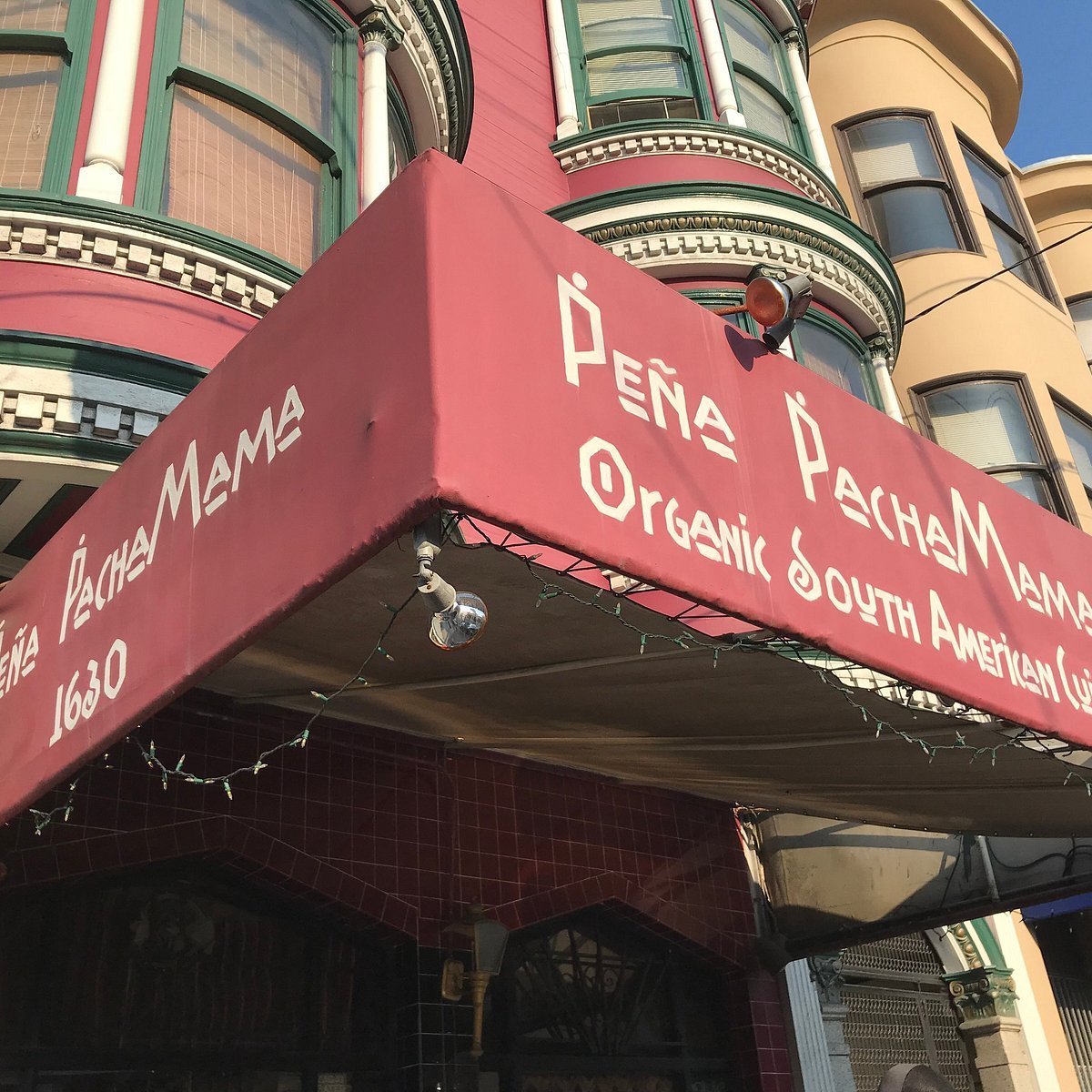
North Beach, After Dark: Where Andean Tradition Meets the San Francisco Night
Powell Street in North Beach carries the residue of a neighbourhood that has always attracted performers, poets, and people with somewhere to be. The block around 1630 Powell sits close enough to the waterfront that the evening air carries a chill even in summer, and the foot traffic after eight o'clock skews toward the deliberately unhurried. Walking toward Peña Pachamama, the signal is sound before it is signage: the kind of amplified strings and percussion that belongs to the Andean peña tradition, a communal music-hall format rooted in Bolivia and Peru that uses live performance not as background texture but as the structural centre of an evening out. That distinction matters in a city where live music at a restaurant table usually means a jazz trio playing at conversation volume.
The Peña Format and What It Demands of a Room
The peña as a cultural institution predates most of what San Francisco considers experimental dining. In its Andean original form, a peña is a gathering space organised around folk music performance, shared food, and a deliberate slowing of pace. Transplanted to North Beach, it becomes an interesting test case for how a specialist format survives contact with a dining public trained on 90-minute turn times and ambient playlists. The venues that get this format right share a particular choreography between front-of-house rhythm and the performance schedule: the room has to breathe at a different rate than a standard restaurant, and the team that manages it has to be fluent in both modes.
The shortlist, unlocked.
Hard-to-book tables, cellar releases, and concierge-planned trips.
Get Exclusive Access →At Peña Pachamama, that team dynamic is the operational spine of the experience. The front-of-house has to hold a room that is simultaneously a restaurant and a music venue, managing the transition between dinner service and performance with enough smoothness that neither side feels compromised. In comparable South American cultural venues in cities like New York and Chicago, the breakdown in that transition is usually where the experience loses credibility: tables cleared too abruptly, sight lines that favour the bar over the seated audience, or a performance that starts before the room is ready for it. The degree to which Pachamama has resolved those tensions is what places it in a specific tier of experiential dining that goes beyond novelty.
San Francisco's Latin American Dining Scene and Where This Fits
San Francisco's relationship with Latin American food is older and more layered than the current wave of upscale taquerias and mezcal-forward cocktail bars might suggest. The Mission District has carried the weight of that tradition for decades, but North Beach represents a different configuration: a neighbourhood whose Italian-American character is now in genuine conversation with adjacent Latin American cultural programming. Peña Pachamama is part of a smaller cohort of venues in the city that operate with an explicit cultural mandate, where the cuisine and the performance tradition are from the same root rather than loosely paired for atmosphere.
For context on the broader bar and drink culture that surrounds this kind of venue in San Francisco, the city's cocktail scene has shifted considerably in the past decade. Pacific Cocktail Haven represents the technically precise end of that spectrum, while Smuggler's Cove has built a reputation around deep rum programming and a format-specific approach to hospitality. Friends and Family and ABV occupy a more neighbourhood-rooted position. Peña Pachamama sits outside all of those reference points, which is part of what makes it a useful addition to a San Francisco itinerary rather than a redundant one.
Collaboration as the Operating Model
In venues where live performance and food service share the same room, the standard failure mode is that one discipline colonises the other. Either the kitchen runs the evening and the music feels like an afterthought, or the performance takes over and the food becomes incidental. The venues that avoid this tend to operate with a flattened hierarchy between the kitchen, the bar, and the performance program, where each team has enough autonomy to do its work without waiting for a signal from above.
That collaborative model has parallels in other cities where food and culture programming are genuinely integrated. Kumiko in Chicago has built a reputation around the relationship between its bar program and its broader hospitality philosophy. Jewel of the South in New Orleans operates with a similar attentiveness to how drink programming and room atmosphere reinforce each other. Julep in Houston and Superbueno in New York City each demonstrate how a strong point of view on cultural identity can give a hospitality operation coherence that a purely food-focused or drink-focused venue might lack. The lesson across all of them is that specificity of identity, held consistently across kitchen, bar, and floor, is what separates a venue with a concept from one with a gimmick.
Further afield, Bar Leather Apron in Honolulu, Allegory in Washington, D.C., and The Parlour in Frankfurt on the Main represent different national contexts where the relationship between bar craft, narrative, and room design has been worked through with discipline. The comparison is useful because it shows how much weight a coherent team dynamic carries in venues where the format asks more of the guest than a standard dinner reservation.
Timing and Planning
North Beach moves differently across the year, and Peña Pachamama's programming is tied to an evening format that rewards planning. The venue sits at 1630 Powell St, within walking distance of the Powell Street cable car terminus, which makes it accessible from Union Square and the Embarcadero without requiring a car. Evenings in San Francisco cool quickly after sunset regardless of season, so arriving from nearby rather than across the city means less friction getting into the room in the right frame of mind. For those building a broader San Francisco evening around this visit, the full San Francisco restaurants guide maps the neighbourhood options with enough specificity to anchor the rest of the itinerary.
Frequently Asked Questions
- What should I try at Peña Pachamama?
- The venue's South American-inflected menu draws from Andean culinary tradition, which centres on ingredients like quinoa, aji peppers, and slow-cooked proteins that have deep roots in Bolivian and Peruvian cooking. Because the kitchen operates alongside a live performance program, the food is designed to hold across a longer, more social evening rather than as a quick-turn tasting format. Arriving with an appetite for both the table and the room will serve you better than arriving with a narrow dish agenda. The drink program is worth attention alongside the food, given North Beach's broader culture of thoughtful hospitality.
- What makes Peña Pachamama worth visiting?
- The case for Peña Pachamama is not primarily about cuisine ranking within San Francisco's competitive restaurant tier. It is about format: a live-music peña tradition integrated with a South American menu in a North Beach room, a combination that has no direct comparator in the city. For visitors who have already covered the Mission's Latin American dining scene or the technically focused cocktail bars like Pacific Cocktail Haven, Pachamama offers an evening structured around cultural programming rather than food-critic credentials. The Powell Street address puts it at the edge of North Beach's most walkable stretch, making it easy to anchor a full evening in the neighbourhood without requiring a cab or rideshare at either end.
- Is Peña Pachamama suitable for a special occasion or group dinner in San Francisco?
- The peña format, with its live Andean music and communal dining structure, lends itself naturally to group occasions where the atmosphere is part of the event rather than incidental to it. Unlike a standard San Francisco restaurant booking where the room recedes into the background, an evening at Pachamama is shaped by the performance schedule, which gives a group dinner a built-in focal point beyond the menu. The North Beach location at 1630 Powell St is walkable from several hotel clusters, reducing the logistics of a group arrival. For anyone planning around the performance calendar specifically, checking the venue's schedule in advance is the most useful single step in the planning process.
Nearby-ish Comparables
A compact comparison to help you place this venue among nearby peers.
| Venue | Cuisine | Price | Notes |
|---|---|---|---|
| Peña Pachamama | This venue | ||
| ABV | |||
| Smuggler's Cove | |||
| Trick Dog | |||
| Bar at Hotel Kabuki | |||
| Evil Eye |
Need a Table?
Our members enjoy priority alerts and concierge-led booking support for the world's most difficult bars and lounges.
Get Exclusive AccessThe shortlist, unlocked.
Hard-to-book tables, cellar releases, and concierge-planned trips.
Get Exclusive Access →