On Ottawa Street in Saint-Henri, Mano Cornuto occupies a corner of Montreal's bar scene where the drinks program and the food menu are designed to work in tandem rather than in parallel. The address sits within one of the city's most active neighbourhoods for independent bar culture, and the format leans toward the kind of European-inflected drinking-and-eating approach that Montreal has taken to more readily than most Canadian cities.

Pearl is the En Primeur Club membership app, where members save venues, book tables and use the concierge.

Where Ottawa Street Drinks
Saint-Henri and Griffintown have spent the better part of a decade becoming the addresses where Montreal's independent bar operators choose to open, and Ottawa Street sits at the axis of that shift. The neighbourhood draws a crowd that drinks with intention: not the tourist circuit of the Plateau, not the after-work density of the downtown core, but a local crowd that knows what it wants and is prepared to walk a few extra blocks to find it. Mano Cornuto, at 988 Ottawa St, lands squarely in that context. The address alone signals something about the bar's relationship to the city: this is not a venue chasing foot traffic from hotel lobbies or convention calendars.
Montreal's bar scene has matured in a specific direction over the past several years. The city's drinkers have moved from novelty-format cocktails toward programs built around product knowledge, technique, and, critically, food that belongs on the same table as the drink in your hand. The most interesting bars along this corridor share a common thread: the kitchen is not an afterthought. At a time when many North American bars still treat food as a liability management exercise, a growing cohort of Montreal operators has committed to food programs that pull equal weight with the drinks list. Mano Cornuto operates in that register.
The Pairing Logic at the Center of It
The editorial case for bars like Mano Cornuto rests on a specific argument: that the leading drink experiences happen when food is designed to amplify what is in the glass, not simply to soak it up. This is a European model, most visible in the Spanish bar tradition of pintxos and vermouth, or in the Italian aperitivo hour where the table fills with small plates calibrated to the bitterness of a Campari. Montreal is one of the few Canadian cities where that logic has taken hold at the neighbourhood level rather than just inside fine-dining adjacent wine bars.
What that means in practice is a menu architecture that considers texture, salt level, and acid in relation to what the bar is pouring. A program oriented around amaro, vermouth, and stirred spirits calls for different food than one built around tropical rum cocktails. The bars in this part of Montreal that have gotten this right tend to run tight menus: not short out of laziness, but short because each item was chosen to serve the drink. When a bar food program works at that level, the experience of the evening becomes cumulative rather than sequential. You are not finishing a cocktail and then eating a snack. The two are happening together, each informing the other.
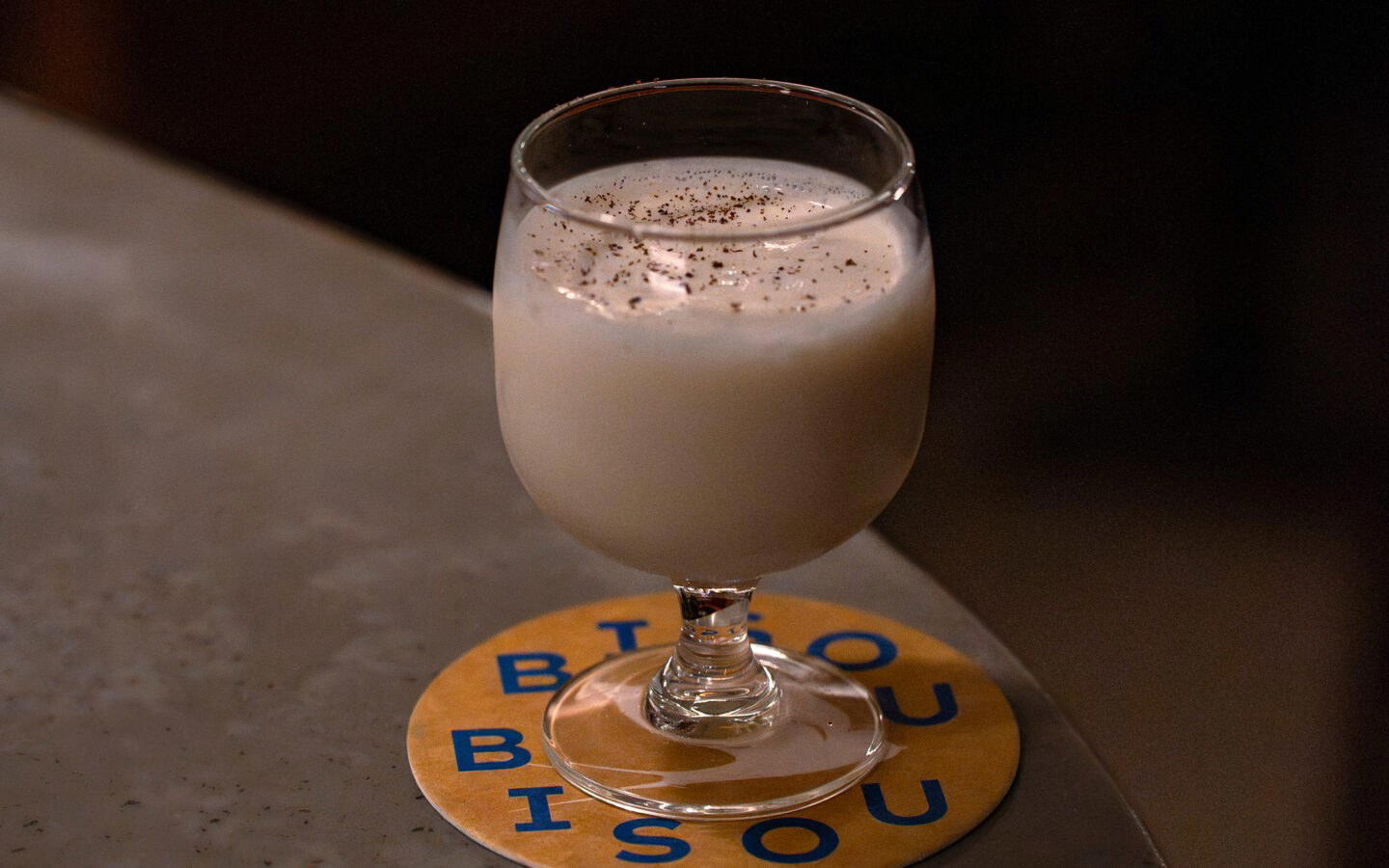
Atwater Cocktail Club has built its reputation on technical rigor and a drinks program that rewards repeat visits. Bar Bello operates with a similar commitment to the integrated experience. Bar Bisou Bisou and Cloakroom each occupy distinct positions within the same broader shift toward bars that take both sides of the table seriously. Mano Cornuto on Ottawa Street is part of that movement, positioned in the neighbourhood where much of the current energy in Montreal bar culture is being generated.
Montreal in the Canadian Bar Context
The bar food question is not unique to Montreal, but the city has answered it more consistently than most Canadian cities. In Toronto, the Bar Mordecai model represents a different approach to the same problem: a drinks-led program with food positioned as a genuine complement. In Vancouver, Botanist Bar operates at a hotel scale that changes the calculus entirely. Further west, Humboldt Bar in Victoria and Missy's in Calgary have each developed their own versions of the drinks-and-food integration at a local level. Bearfoot Bistro in Whistler sits at the higher-spend end of that spectrum, where the kitchen program is extensive enough to anchor a full evening. Even internationally, the question surfaces in places like Bar Leather Apron in Honolulu, where the serious cocktail program runs alongside a kitchen commitment that sets it apart from resort-adjacent drinking.
What Montreal does differently is distribute this model across neighbourhoods rather than concentrating it in one district. Ottawa Street is a working example of that distribution: a street where you can move between bars that each take the food question seriously, without the whole thing feeling like a planned entertainment zone. That diffusion is what gives the area its character and what makes an address like Mano Cornuto's feel earned rather than installed. For further context on how the city's bar and restaurant scene maps across districts, our full Montreal restaurants guide covers the neighbourhoods in detail. Kingston offers a smaller-scale version of neighbourhood bar culture, visible at Grecos, where a focused approach to both drink and food has built a loyal local following.
Planning a Visit
Mano Cornuto sits at 988 Ottawa St in the Saint-Henri and Griffintown corridor, reachable from the Lionel-Groulx metro station, which sits at the junction of the orange and green lines. The area rewards an evening that moves between a small number of spots rather than a single long sit; the density of good bars on and around Ottawa Street makes that easy. Because specific hours, booking availability, and pricing are subject to change, checking the venue directly before visiting is advisable. The format here, based on the bar's positioning within the neighbourhood's integrated food-and-drink culture, is better suited to an unhurried mid-evening visit than to a quick drink before moving on. The kind of pairing-led experience this bar represents tends to unfold over two or three rounds rather than one.
Recognition, Side-by-Side
| Venue | Price | Awards |
|---|---|---|
| Mano CornutoThis venue (the venue you are viewing) | Not listed | Not listed |
| Atwater Cocktail Club | $20–30 | World's 50 Best #62 · Top 500 Bars Best Bars #167 |
| Bar Bello | $20–30 | World's 50 Best #75 · Canada's 100 Best Bars #30 |
| Bar Bisou Bisou | $30–50 | World's 50 Best #75 · Canada's 100 Best Bars #24 |
| Cloakroom | $30–50 | World's 50 Best #56 · Top 500 Bars Best Bars #205 |
| El Pequeño Bar | $20–30 | World's 50 Best #29 |
Continue exploring
More in Montréal
Bars in Montréal
All bars in Montréal →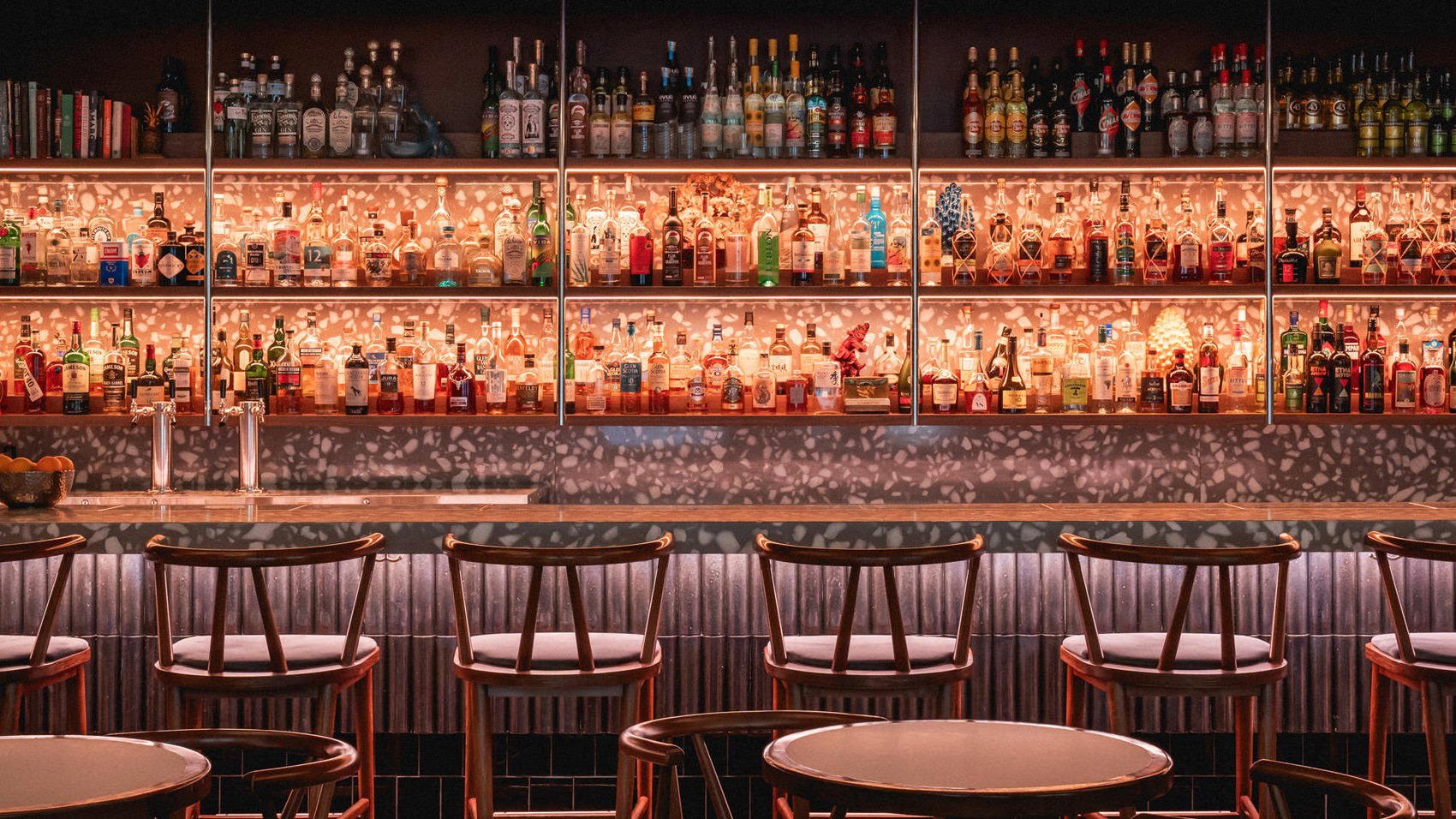

Restaurants in Montréal
All restaurants in Montréal →
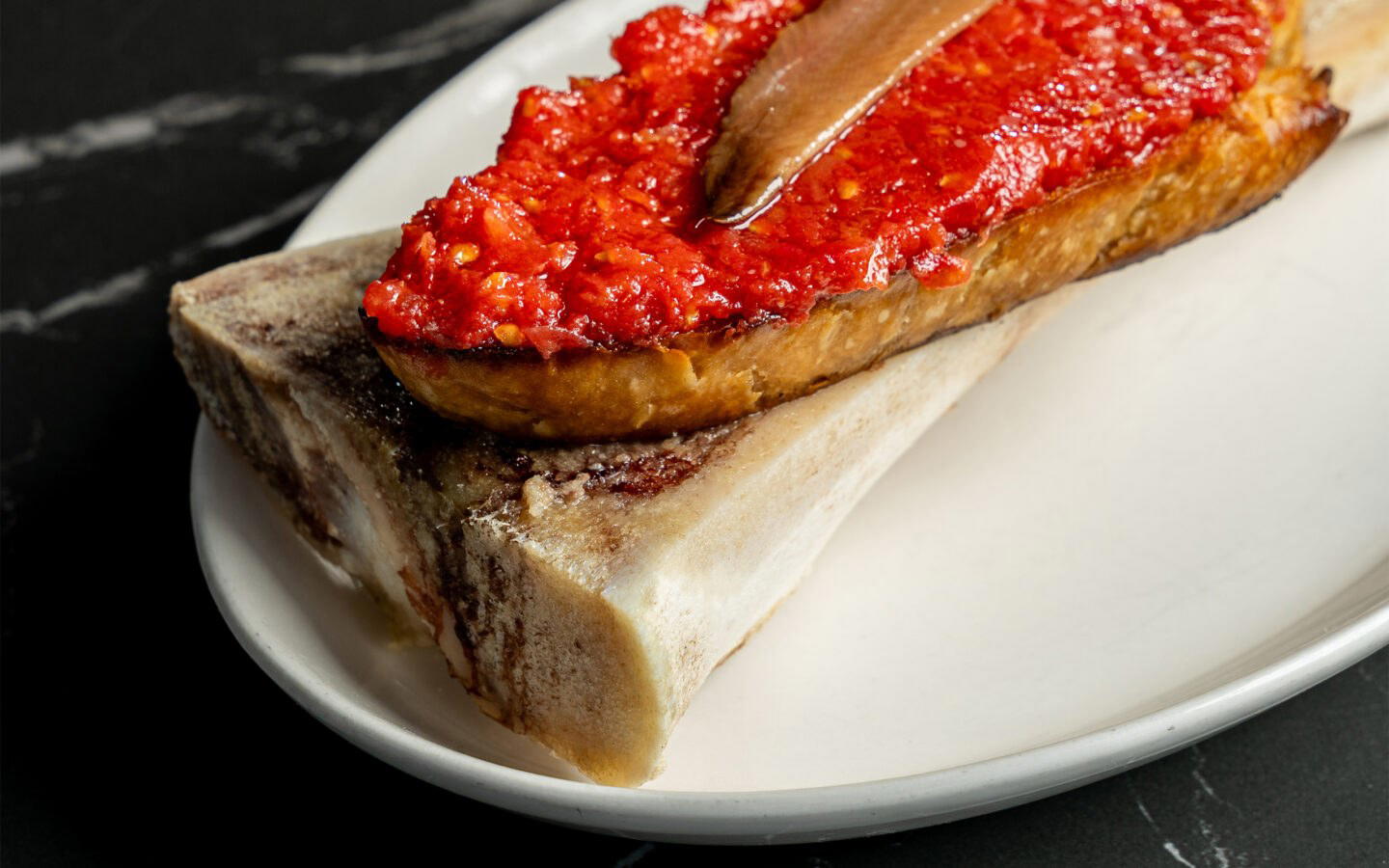
Mano Cornuto
The drinks
- Natural wine
- Classic cocktails
Signature drinks: Negronis, Spritzes.
Details
- Classic
- Cozy
- Trendy
- Date Night
- Casual Hangout
- Standalone
- Seated Bar
- Lounge Seating
- Classic Cocktails
- Natural Wine
Current opening hours
- Monday
- 11 AM–11 PM
- Tuesday
- 11 AM–11 PM
- Wednesday
- 11 AM–11 PM
- Thursday
- 11 AM–11 PM
- Friday
- 11 AM–11 PM
- Saturday
- 11 AM–11 PM
- Sunday
- 11 AM–11 PM
Hours can change for holidays and private events. Hours as of .
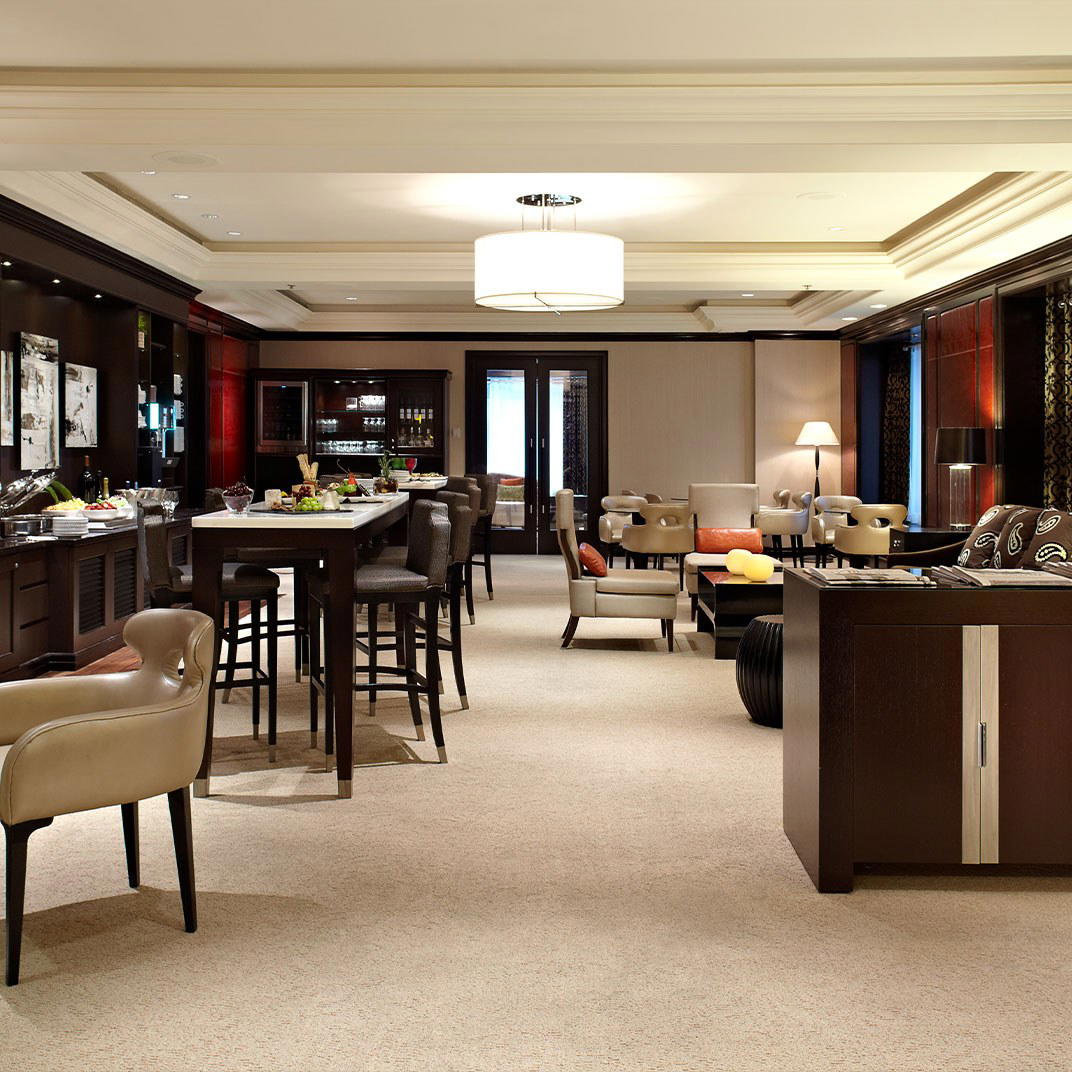
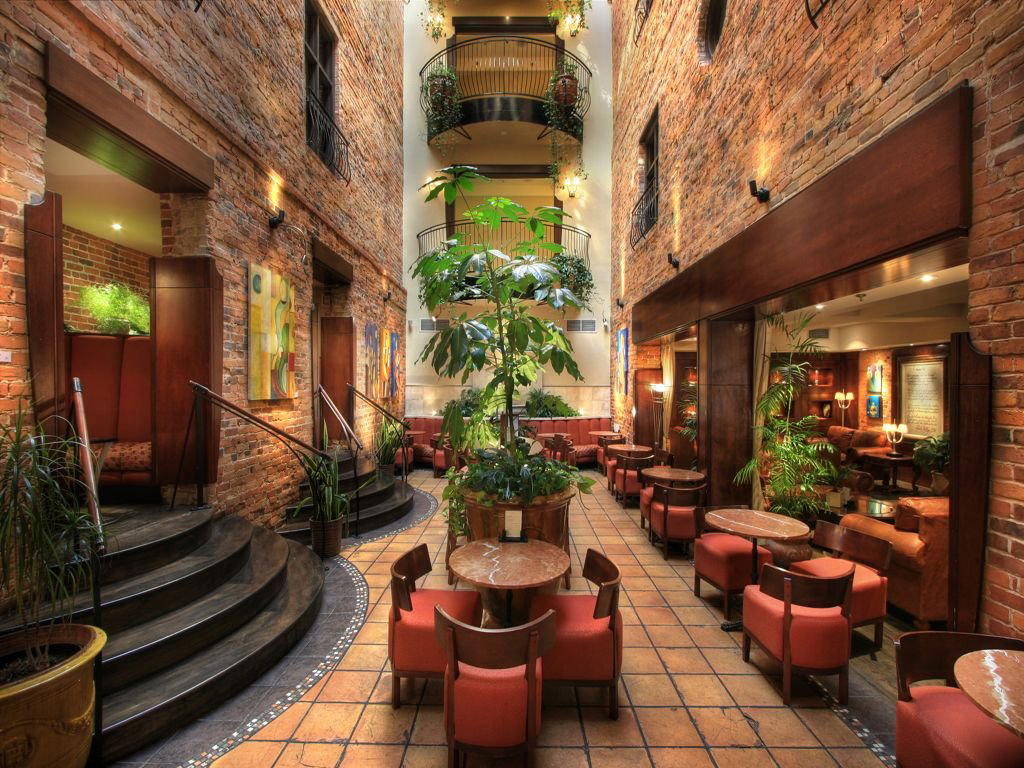
Trendy yet classic ambience reminiscent of authentic Italian coffee shops with marble-like tabletops, wooden chairs, long bar, and a mix of rap and R&B music.