Pagan Idol
Among San Francisco's tiki-adjacent bars, Pagan Idol on Bush Street occupies a distinct tier: elaborate theatrical design, densely layered rum-forward cocktails, and a commitment to the genre that separates it from casual tropical theme bars. Where most Financial District drinking dens default to wine and whiskey, Pagan Idol builds its entire identity around immersive atmosphere and craft tiki traditions.

Pearl is the En Primeur Club membership app — saves, bookings, and concierge access live there. Same editors, same standards.
- Address
- 375 Bush St, San Francisco, CA 94104
- Phone
- (415) 985-6375
- Hours
- Mon 5:30–11 PMTue–Wed 4:30 PM–12 AMThu–Sat 4:30 PM–2 AMSun Closed
- Website
- paganidol.com
- Directions
- Get directions
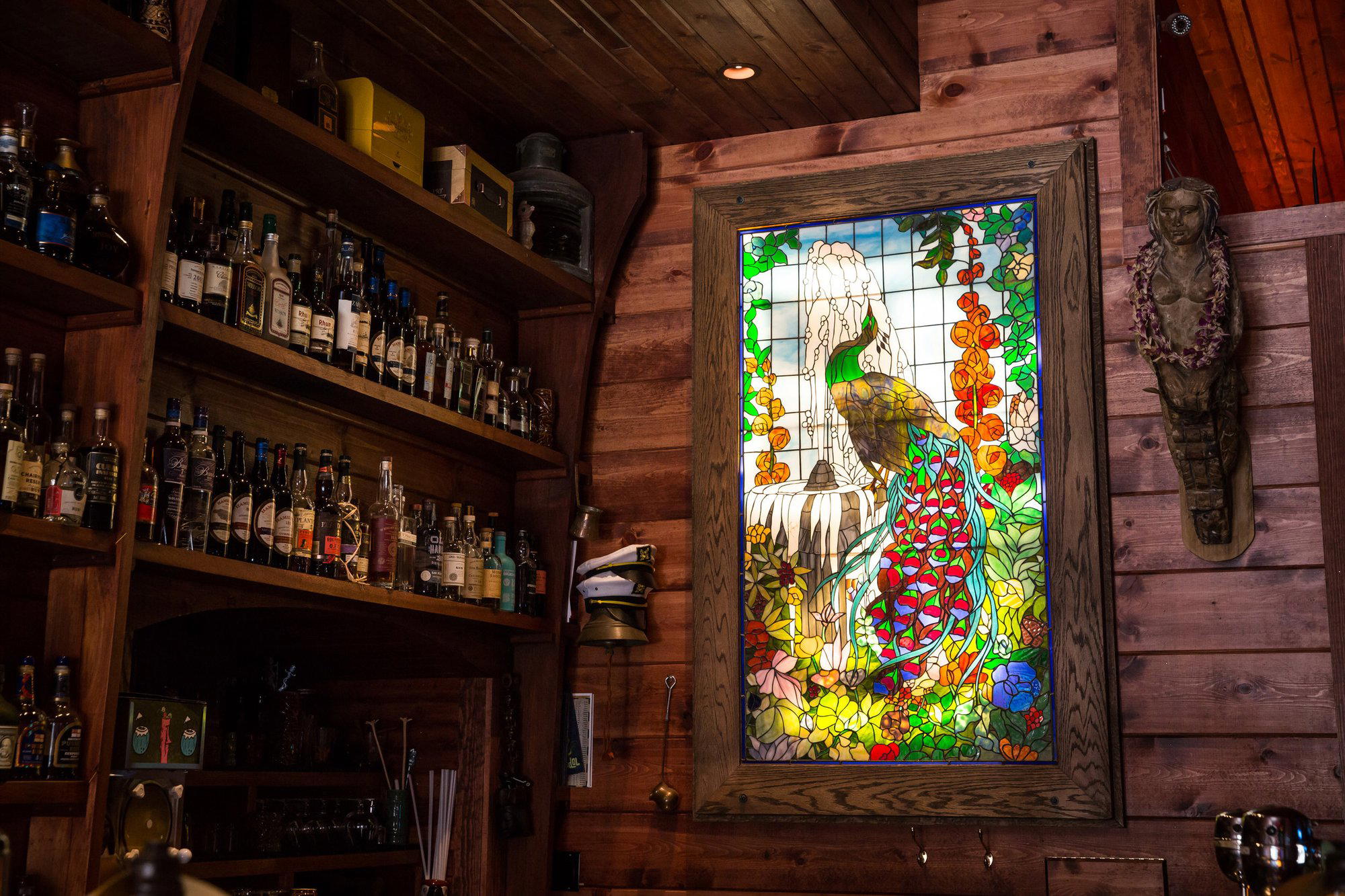
Inside the Cave: What Pagan Idol Feels Like Before You Order
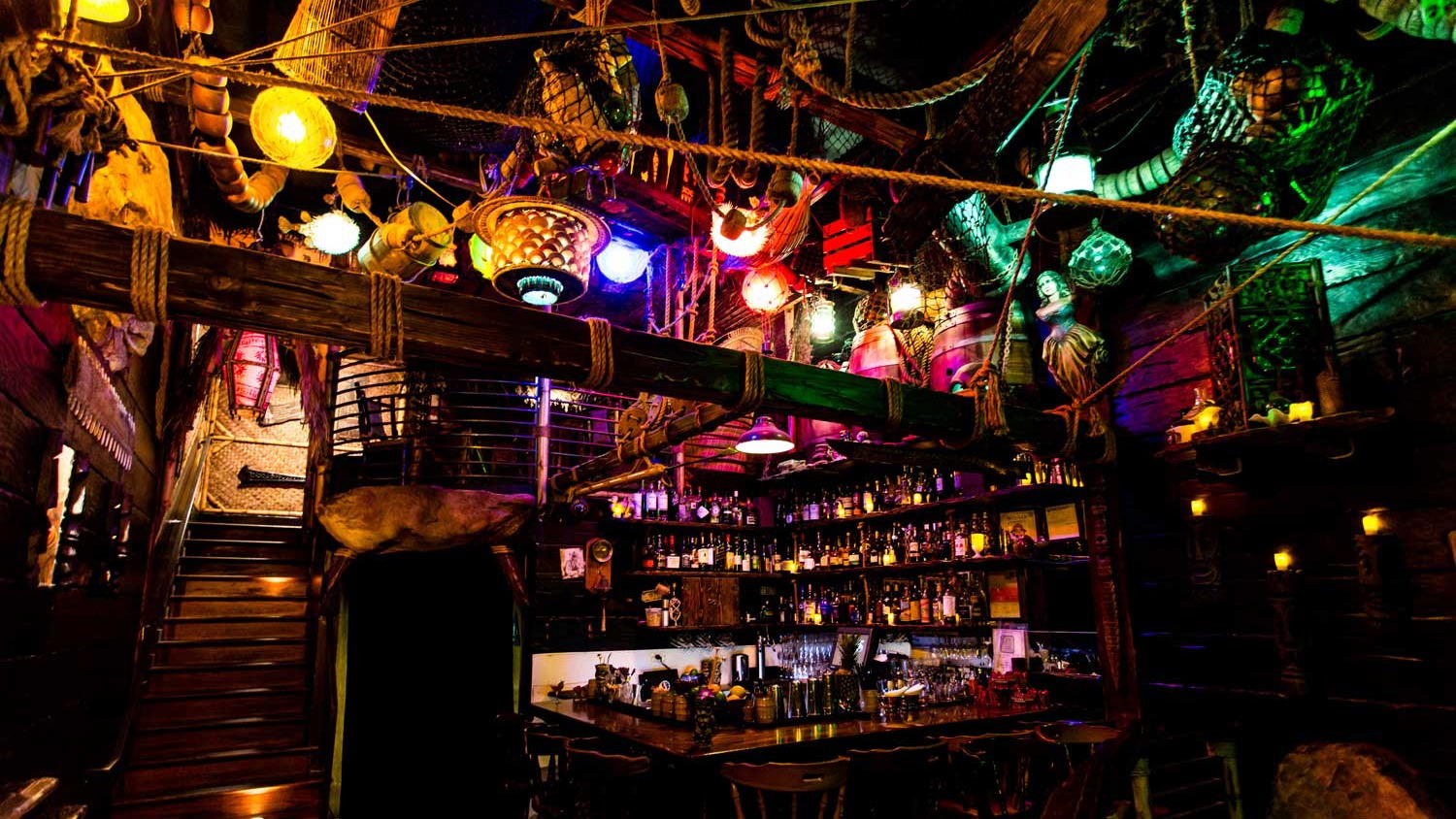
The Financial District of San Francisco is not, by default, a neighborhood that rewards lingering. Its bars tend toward efficiency: after-work pours, quick transitions, minimal theater. Pagan Idol at 375 Bush Street works against every one of those assumptions. The interior is dense with carved wood, flickering light, and the kind of deliberate environmental design that takes several minutes to fully read. You are meant to look up, around, and behind you. The space operates less like a bar and more like a constructed world, one where the aesthetic commitments extend from the ceiling to the glassware.
This approach to atmosphere is not accidental. The American tiki tradition, which reached its commercial peak in the mid-twentieth century through venues like Don the Beachcomber and Trader Vic's, has always depended on total environment as much as on the drinks themselves. The escapist premise requires commitment to the illusion. Pagan Idol belongs to a wave of serious tiki revival venues that treat the theatrical elements as a craft discipline rather than kitsch, placing it in a peer group with operations like Smuggler's Cove, the Martin Cate-led San Francisco institution that brought academic seriousness to the rum and tiki canon and now functions as a reference point for how the genre can be executed with genuine depth.
The Tiki Revival in San Francisco: Craft Meets Theater
San Francisco's cocktail scene has, over the past decade, split into several distinct currents. One current runs toward the stripped-back, technique-forward model: clarified spirits, precise dilution, minimal garnish. Bars like ABV and Pacific Cocktail Haven operate in that register, where the drink is the entire argument. A second current, less represented but no less serious, moves in the opposite direction: maximum sensory input, layered rum blends, communal vessels, and an experience where spectacle and substance are inseparable. Pagan Idol sits firmly in that second current.
The tiki revival, as a national phenomenon, has been driven partly by a reappraisal of rum as a category. Where Prohibition-era American cocktail culture was rebuilt around whiskey and gin, the tiki tradition — developed largely by Donn Beach and Trader Vic Bergeron from the 1930s onward — centered rum in ways that the broader industry spent decades ignoring. The contemporary revival has coincided with a parallel growth in premium aged rums, rhum agricoles, and regional Caribbean expressions, giving serious tiki bartenders far more raw material to work with than their mid-century predecessors had access to. Pagan Idol operates in that context: its drinks reflect a category that has matured considerably.
For context on how the tiki-serious approach translates across American cities, Bar Leather Apron in Honolulu applies similar craft rigor in a Pacific setting, while Jewel of the South in New Orleans pursues historical cocktail accuracy from a different regional tradition. The seriousness of intent, precise construction, sourced ingredients, designed environments, connects venues across very different cities and formats.
Atmosphere as the Argument
The sensory experience at Pagan Idol is worth addressing directly, because the design is not decoration applied over a conventional bar operation. The carved totems, the low light, the sound profile, the physical density of the space, these are load-bearing elements of what the venue is trying to do. Tiki, at its most considered, is about displacement: the sensation of having stepped out of the city grid into something with different rules and different time. Pagan Idol earns that effect through specificity of detail rather than generic tropical signaling.
Compared to the more lounge-oriented format of something like Friends and Family elsewhere in the San Francisco bar scene, Pagan Idol's immersive design commits harder to a singular mood. That commitment narrows the audience somewhat, this is not a neutral space, but it deepens the experience for visitors who are there specifically for what it offers. The same logic applies at nationally recognized immersive bar programs like Allegory in Washington, D.C., where environment and cocktail program reinforce each other deliberately, or Kumiko in Chicago, where Japanese aesthetic restraint defines the room as clearly as the spirits program defines the menu.
What to Expect: Format, Drinks, and Practical Realities
Pagan Idol's drinks program centers on rum-forward cocktails built in the tiki tradition: multi-rum blends, fresh citrus, house-made syrups, and garnishes that are part of the presentation logic rather than afterthoughts. Communal bowls for groups are part of the format, as they are in most serious tiki programs, because the genre's social architecture is built around sharing. The Financial District address means the after-work crowd arrives early on weekday evenings, and the space fills quickly given its capacity. Arriving before 7pm on weekdays gives more room; weekend evenings run at a different pace and density.
For visitors comparing San Francisco's rum-forward options, Smuggler's Cove offers the deeper spirits library and more explicitly educational register, while Pagan Idol leans harder into atmosphere as an experience in its own right. They serve overlapping but distinct purposes, and serious visitors to the city's tiki scene make time for both. The broader San Francisco cocktail picture, including bars that operate in very different registers, is covered in our full San Francisco restaurants guide.
For reference on how tiki-adjacent craft programs develop in other American cities, Julep in Houston applies comparable craft seriousness to Southern spirits traditions, and Superbueno in New York City demonstrates how a strong aesthetic commitment can anchor a drinks program in a crowded market. The Parlour in Frankfurt on the Main shows the same phenomenon operating internationally, where immersive bar design has become a global format rather than a purely American tradition.
Planning Your Visit
Pagan Idol is located at 375 Bush Street in San Francisco's Financial District. The venue draws from both the after-work office crowd and destination visitors, which means timing affects the experience significantly. Earlier arrivals midweek tend to find more space and a slower pace; later weekend slots push capacity and noise levels higher, which suits the communal format but changes the register. The Bush Street location is walkable from Montgomery Street BART and within a short distance of the Union Square hotel cluster, making it logistically direct for visitors staying in central San Francisco.
The Minimal Set
Comparable venues nearby, for context on price, style, and recognition.
| Venue | Price | Awards | Notes |
|---|---|---|---|
| Pagan IdolThis venue — the venue you are viewing | $30–50 | Not listed | Not listed |
| Cavaña | $50–100 | Eater Cocktail Bar Guide | Mission Bay, rooftop_bar |
| Wildhawk | $50–100 | Not listed | Mission, cocktail_bar |
| Bar Orso | Not listed | Not listed | SoMa, cocktail_bar |
| 620 Jones | Not listed | Not listed | Tenderloin, rooftop_bar |
| Chome | $50–100 | Not listed | Mission, rooftop_bar |
Continue exploring
More in San Francisco
Bars in San Francisco
Browse all →
Restaurants in San Francisco
Browse all →
Hotels in San Francisco
Browse all →
Details
- Classic
- Trendy
- Energetic
- Whimsical
- Date Night
- Group Outing
- Celebration
- Speakeasy
- Design Destination
- Seated Bar
- Lounge Seating
- Craft Cocktails
- Rum
- Frozen
Current opening hours
- Monday
- 5:30–11 PM
- Tuesday
- 4:30 PM–12 AM
- Wednesday
- 4:30 PM–12 AM
- Thursday
- 4:30 PM–2 AM
- Friday
- 4:30 PM–2 AM
- Saturday
- 4:30 PM–2 AM
- Sunday
- Closed
Hours can change for holidays and private events. Last verified .
Exotic escapist atmosphere with classic tiki kitsch, wooden ship bowels design, porthole views of fish, tiki huts, and exotica music.