Ohshima Japanese Cuisine
On North Tustin Street in Orange, California, Ohshima Japanese Cuisine occupies a distinct position in a dining corridor better known for casual chains and American-inflected bistros. The restaurant draws a local following consistent enough to anchor its neighborhood, where Japanese cuisine of this register is relatively rare. For visitors building an evening in Orange County, it warrants attention alongside the broader dining options the city has developed.
 Discover on Pearl
Pearl is the En Primeur Club membership app — saves, bookings, and concierge access live there. Same editors, same standards.
- Address
- 1956 N Tustin St, Orange, CA 92865
- Phone
- +1 714 998 0098
- Website
- ohshimacuisine.com
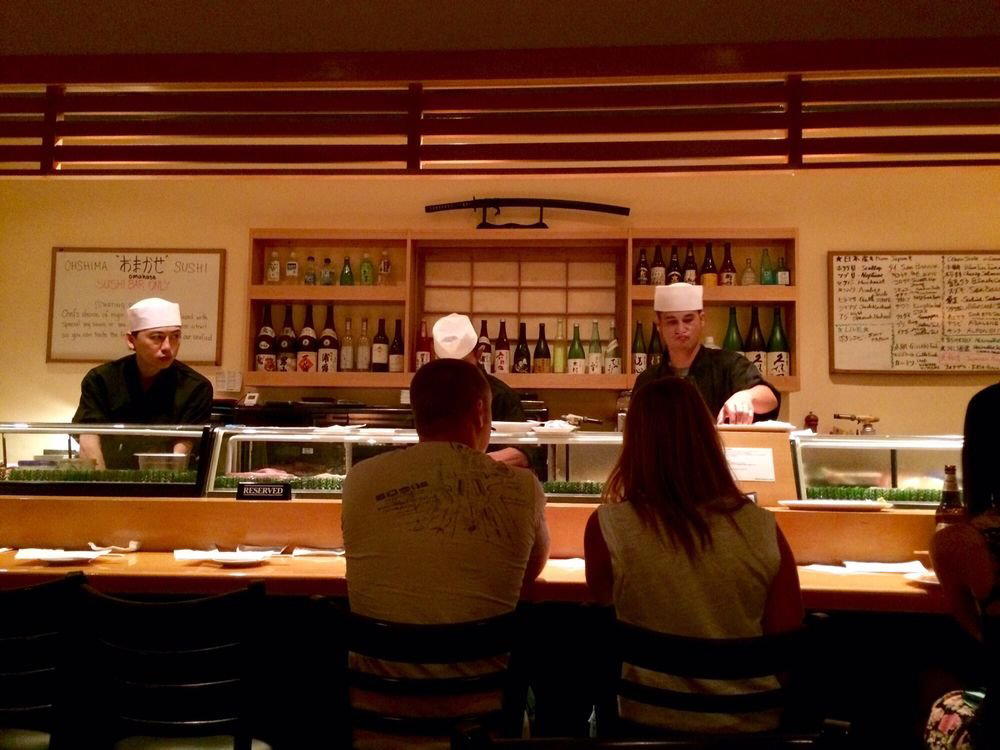
A Quieter Register on North Tustin
North Tustin Street in Orange, California, is not where most out-of-town visitors expect to find a Japanese restaurant that holds meaningful local standing. The corridor runs through a low-rise commercial stretch of Orange County suburbia, the kind of streetscape defined by strip malls, parking lots arranged at practical angles, and the ambient glow of chain signage. Against that backdrop, Ohshima Japanese Cuisine occupies a position that rewards the sort of attention most travelers reserve for downtown corridors or waterfront addresses. The physical environment here is not about theatrical staging or architect-designed interiors. It is about a particular kind of restraint that, in Japanese dining contexts, often signals more than spectacle does.
In cities like Chicago, where Kumiko has helped redefine what Japanese-influenced hospitality looks like in the American Midwest, or in Honolulu, where Bar Leather Apron applies a similar discipline to its craft programs, the underlying principle is consistent: environment shaped around intention, not volume. Ohshima operates at a quieter frequency than those destinations, but the logic of the approach rhymes. A room that does not push atmosphere at you through loud music or performative decor tends to direct your attention toward what is on the plate and at the table.
Japanese Cuisine in an Orange County Context
Orange County's Japanese dining has historically concentrated in cities like Irvine and Garden Grove, where Japanese and Japanese-American communities provide both the audience and, often, the operational lineage for the restaurants themselves. Orange, the city proper, has a smaller cluster of options in that category. Ohshima, located at 1956 N Tustin St, sits slightly removed from the denser commercial nodes where the county's better-known Japanese spots tend to cluster.
That positioning is worth noting not as a limitation but as a context. A Japanese restaurant sustaining a local following in a suburban stretch of Orange, rather than in a higher-density restaurant district, typically does so because the cooking earns repeat visits from a neighborhood base rather than from foot traffic or proximity to nightlife. That is a different kind of credential, but it is a legible one: the room fills because regulars return.
For comparison, the broader Orange dining scene includes spots like Citrus City Grille and Haven Craft Kitchen + Bar, which anchor the Old Towne and downtown-adjacent corridors with American and craft-focused programs. Gabbi's Mexican Kitchen and Anepalco Mexican Restaurant-Chapman represent the Mexican-American strand of Orange's dining identity, which has deep roots in this part of the county. Japanese cuisine of Ohshima's type sits in a different category from any of those, less social-restaurant in format, more focused in its culinary terms of reference.
What the Space Communicates
The editorial angle on atmosphere and design in Japanese dining is worth pausing on, because it differs from how Western restaurant design tends to work. In the American casual-dining tradition, design effort often goes into signaling category and price point before a guest sits down: warm wood tones for upscale casual, industrial exposed brick for gastropubs, marble and brass for upmarket cocktail bars. Japanese restaurant spaces, particularly those rooted in older operational traditions rather than the contemporary omakase-counter aesthetic, tend toward understatement. Lighting that is functional rather than atmospheric. Seating arrangements that prioritize the diner's relationship to the food rather than the room's relationship to itself.
Ohshima's address on a suburban commercial strip suggests it operates within that quieter visual register rather than against it. The absence of a high-design intervention is itself a design position: the room exists to support the meal, not to become the reason for the visit in its own right. Travelers who have spent time in Japanese cities, or who have eaten at Japanese restaurants across the United States that have held their audiences over decades without rebranding cycles, will recognize the logic immediately.
That kind of durability in a suburban American market is its own statement. Restaurants in strip-mall contexts along streets like North Tustin survive on neighborhood loyalty and consistent execution, not on press cycles or destination traffic. The physical environment at Ohshima is best understood in those terms.
Placing Ohshima in a Wider Dining Map
For visitors building an evening in Orange or moving through Orange County on a broader itinerary, it helps to understand where Ohshima fits relative to the options available at different scales. The high-end Japanese dining in Southern California concentrates in Los Angeles proper, where omakase counters price at a premium tier. Orange County's Japanese dining operates at a different register: generally more neighborhood-facing, more accessible in price terms, and less oriented toward the destination-dining visitor who books three months out for a Ginza-lineage counter.
In that regional context, Ohshima represents a Japanese restaurant that has earned its place in Orange's dining fabric on the terms available to it: location, consistency, and a local audience that does not need to be convinced by press coverage or award signals to return. That is a different kind of standing from what you find at a nationally recognized program like Jewel of the South in New Orleans or a cocktail-forward destination like Julep in Houston, but it is a standing that matters at the neighborhood level.
For anyone building a broader sense of Orange's dining options across categories and price points, the full Orange restaurants guide provides the relevant comparative frame. Other American cities have developed Japanese dining programs that chart what is possible when the format meets the right market conditions: Superbueno in New York City shows how Japanese-influenced thinking can migrate into other cuisines, while ABV in San Francisco and The Parlour in Frankfurt on the Main represent the range of contexts in which careful, discipline-oriented hospitality earns its audience. Ohshima is a local-scale version of that discipline, located at 1956 N Tustin St in Orange, CA 92865.
Planning Your Visit
Japanese restaurants in suburban California markets at this scale may have limited hours on certain days of the week. Arriving without a confirmed plan on a weekend evening can mean finding the room full.
Category Peers
Comparable venues nearby, for context on price, style, and recognition.
| Venue | Cuisine | Price | Awards | Notes |
|---|---|---|---|---|
| Ohshima Japanese CuisineThis venue — the venue you are viewing | sake_bar | $$$ | , | |
| Haven Craft Kitchen + Bar | lounge | $$ | , | Old Towne Orange |
| PROVISIONS cafe-coffee-beer-wine-shop | wine_bar | $$ | , | Old Towne Orange |
| O SEA | seafood for thought | wine_bar | $$$ | , | Old Towne Orange Plaza |
| Anepalco Mexican Restaurant-Chapman | cocktail_bar | $$ | , | Old Towne Orange |
| Market Broiler Orange | Fresh Seafood and Steakhouse | $$$ | , | Outlets at Orange |
Continue exploring
More in Orange
Bars in Orange
Browse all →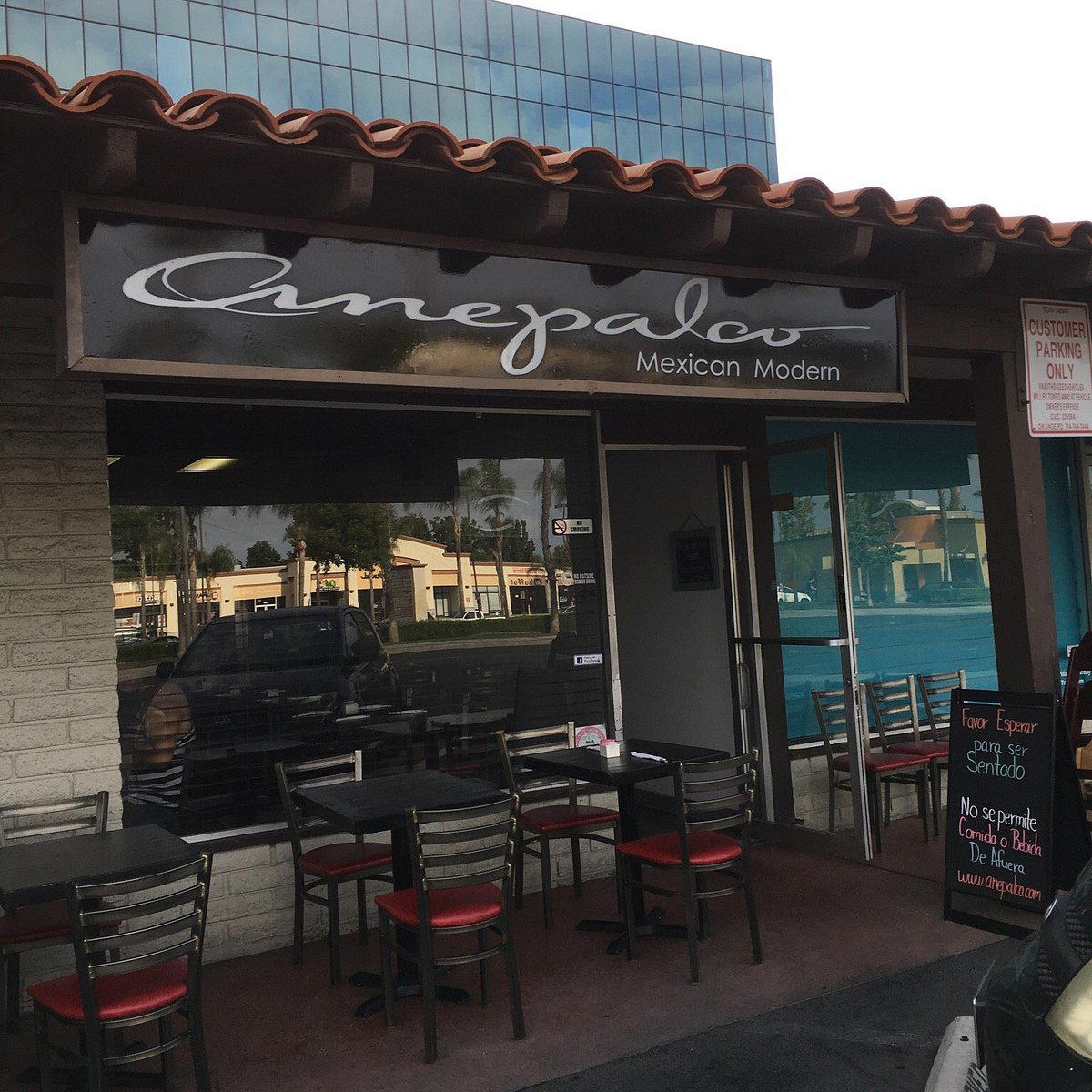
Restaurants in Orange
Browse all →
Hotels in Orange
Browse all →

Wineries in Orange
Browse all →
At a Glance
- Hidden Gem
- Intimate
- Elegant
- Special Occasion
- Date Night
- Standalone
- Counter Only
- Seated Bar
- Sake
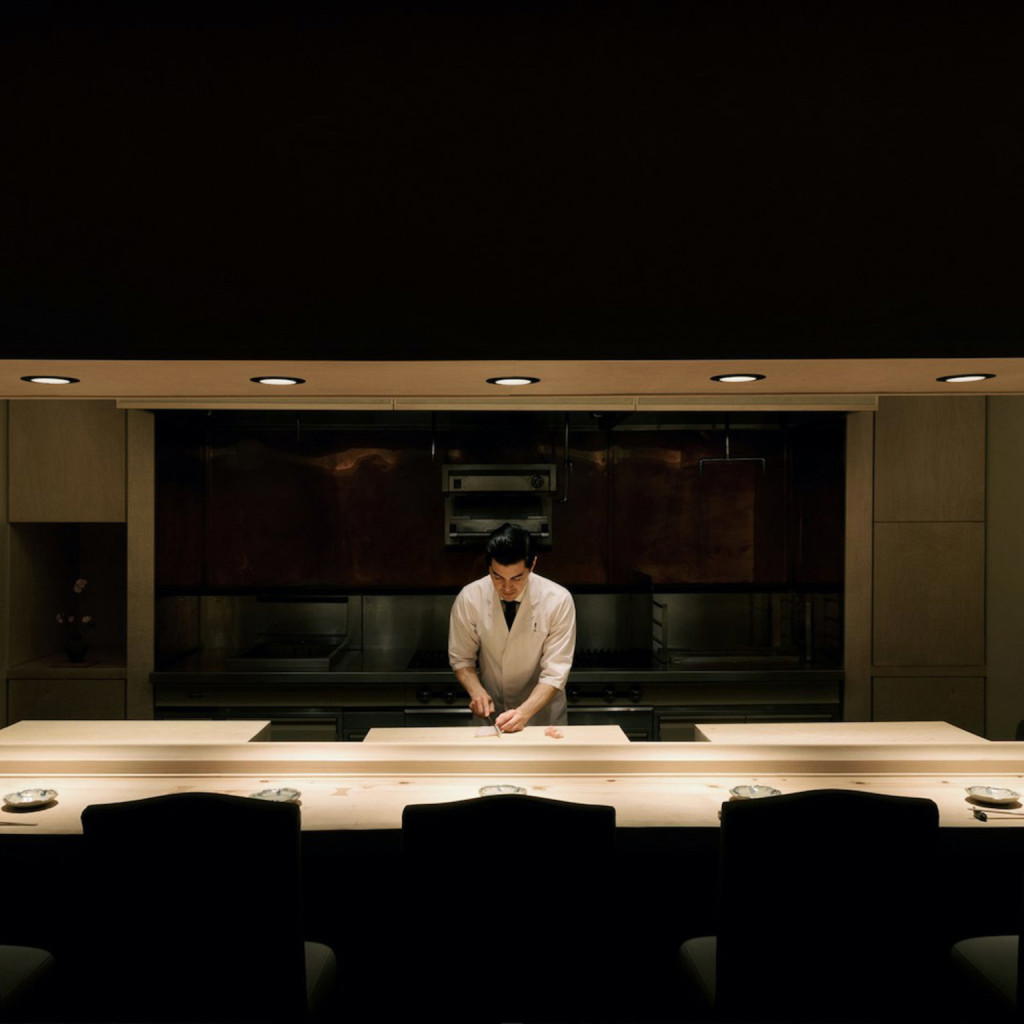
Unassuming strip mall setting with minimalist decor; intimate sushi bar counter experience focused on chef-guest interaction.