Ohana Sushi
A neighborhood sushi spot on South Stanford Way in Sparks, Nevada, Ohana Sushi occupies a section of the local Japanese dining scene that sits between fast-casual rolls and destination omakase. The room and format draw a steady local crowd, placing it within a small cluster of Japanese options available to diners on the eastern edge of the Reno-Sparks metro.

Pearl is the En Primeur Club membership app, where members save venues, book tables and use the concierge.
Sushi on the Eastern Edge: What Sparks Offers Japanese Dining
The Reno-Sparks metro has never been a deep market for Japanese cuisine, which means the handful of sushi operations that do exist carry more weight than their numbers suggest. On the Sparks side of the metro, Japanese dining tends to skew practical: neighborhood rooms that serve rolls and nigiri to a regular clientele rather than destination formats designed to pull diners from across the region. Ohana Sushi, at 1560 S Stanford Way, fits within that pattern. It operates in a part of Sparks where dining options cluster around residential corridors, and where the competition is defined less by culinary ambition and more by consistency and proximity to where people actually live.
That context matters when assessing what Ohana Sushi is and what it is not. Nearby, Hiroba Sushi and CJ Palace represent the breadth of local Japanese and Asian dining options, and the presence of several operations in close proximity suggests that demand in the area is real, if modest in scale.
The Physical Setting and What It Signals
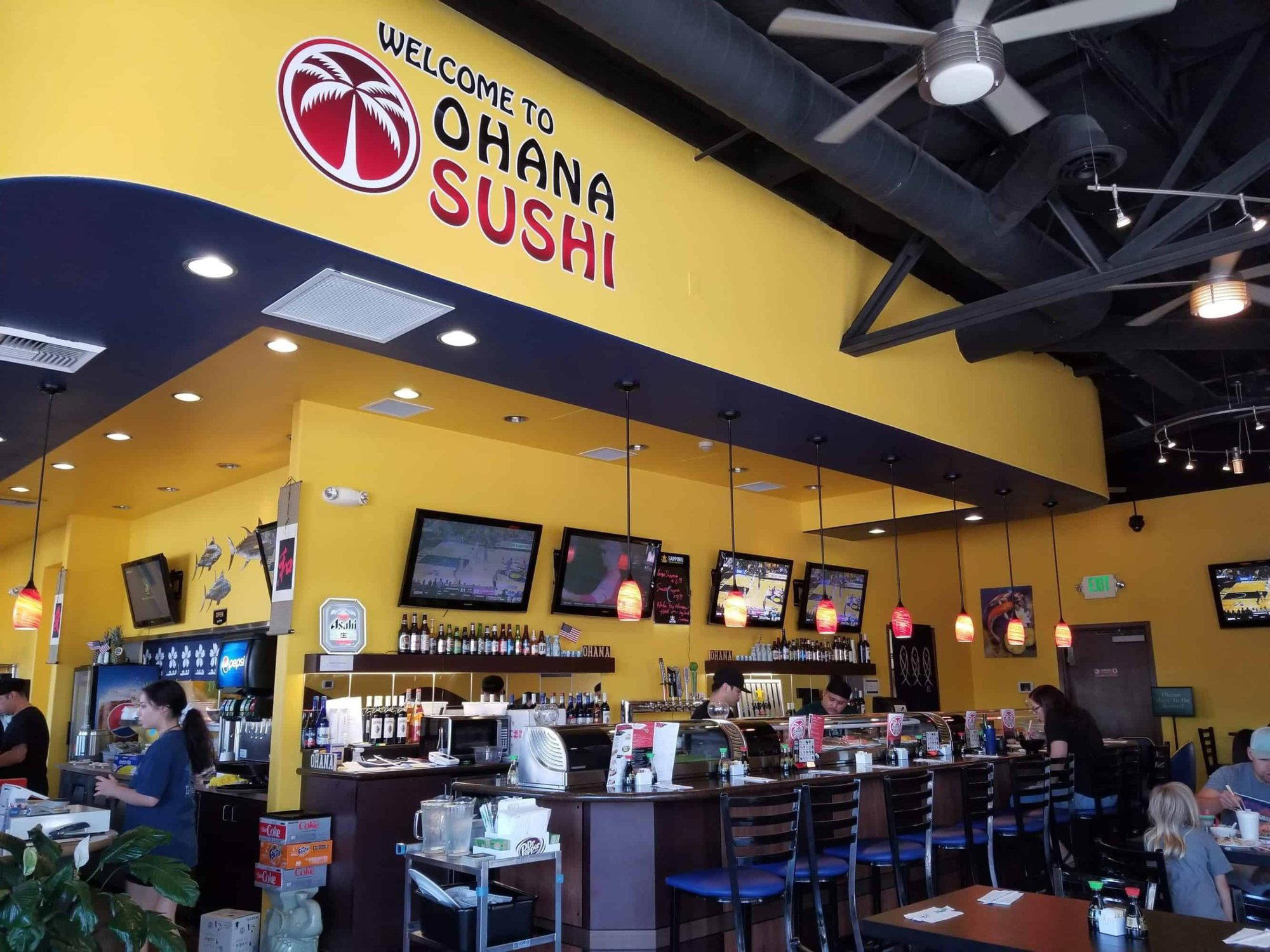
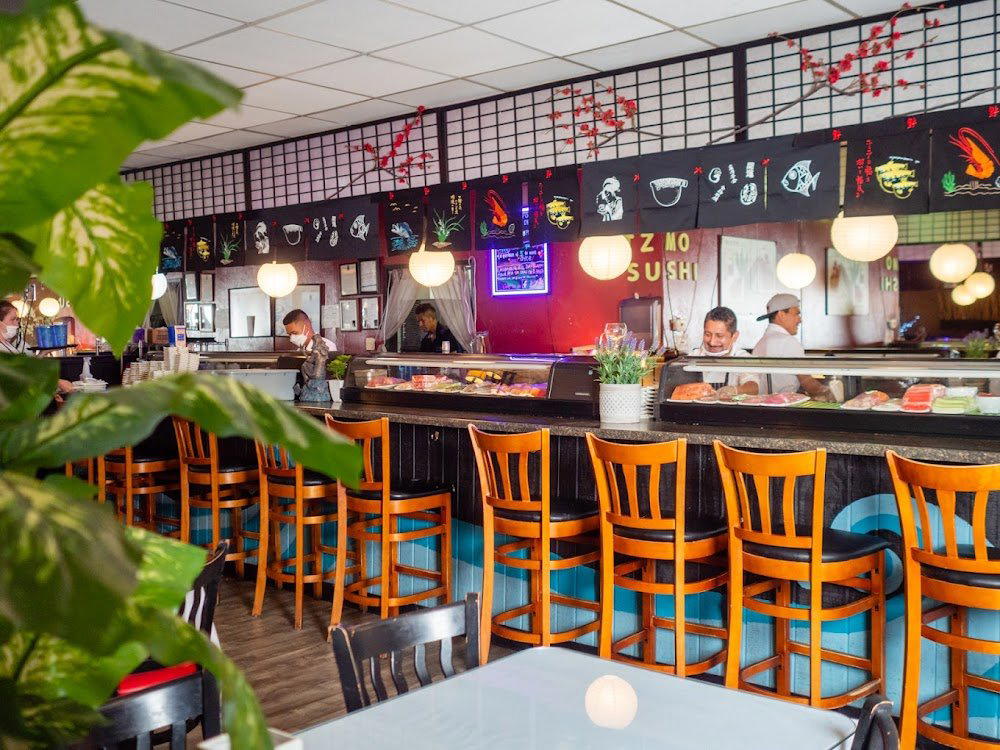
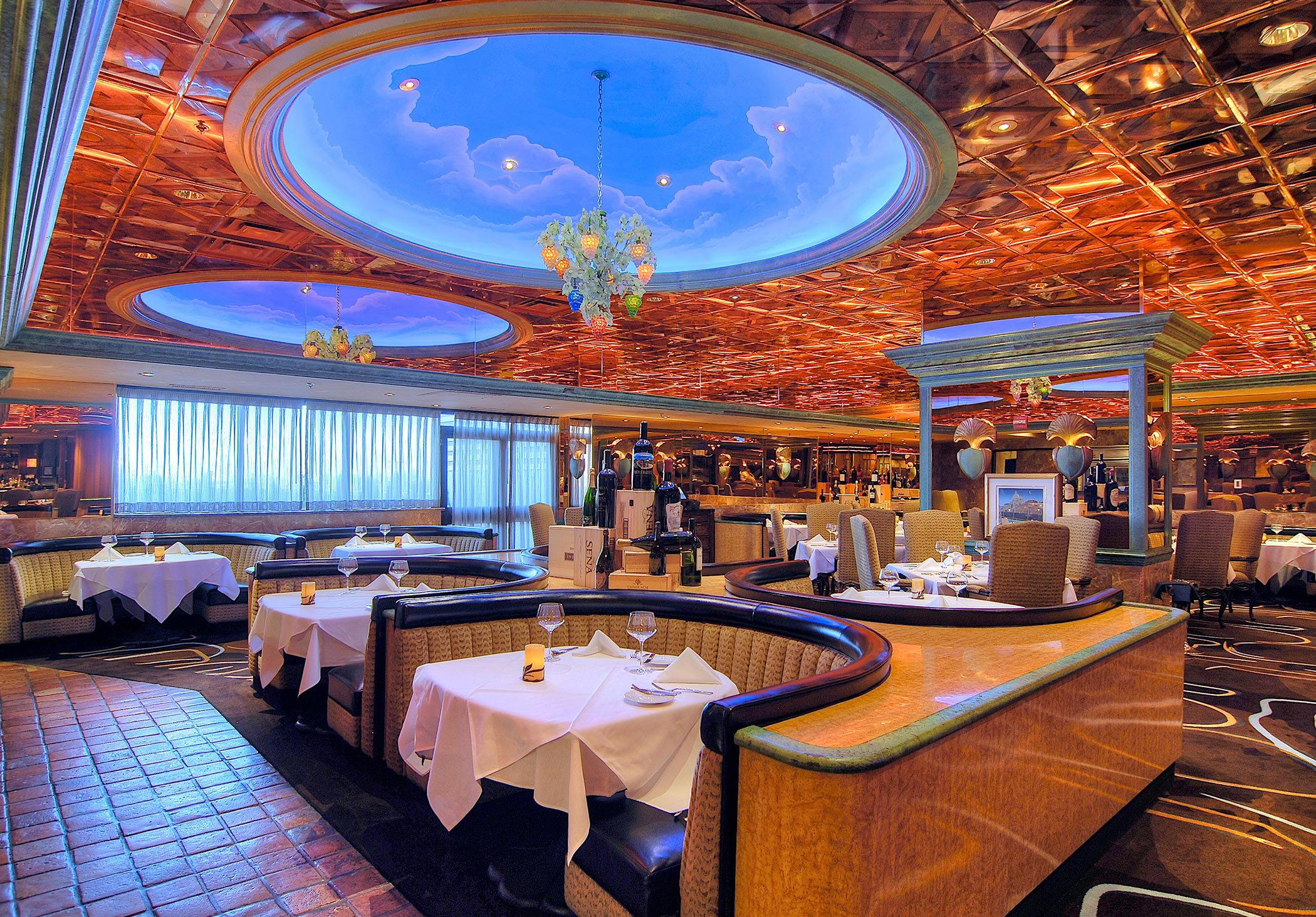
Japanese sushi restaurants in American mid-size cities typically fall into one of two physical archetypes: the strip-mall room with minimal design investment and a laminated menu, or the sit-down dining room that gestures toward a more considered atmosphere through lighting, material choices, and spatial arrangement. The distinction matters because the room itself communicates who the venue is for and how it expects diners to behave inside it. A dimmed room with warm pendant lighting over booths signals a slower pace; a bright, high-turnover layout signals something closer to fast-casual.
Ohana Sushi sits in a residential commercial corridor in Sparks, which tends to favor the former approach. The name itself, drawing on the Hawaiian concept of family and extended community, suggests an informal register rather than a formal one. That informality, when executed well, is its own kind of competence. Neighborhood sushi rooms that sustain a local following do so through predictability and comfort rather than surprise, and the atmosphere is a direct instrument of that relationship. Diners who return weekly are not looking for drama; they are looking for a room that feels like theirs.
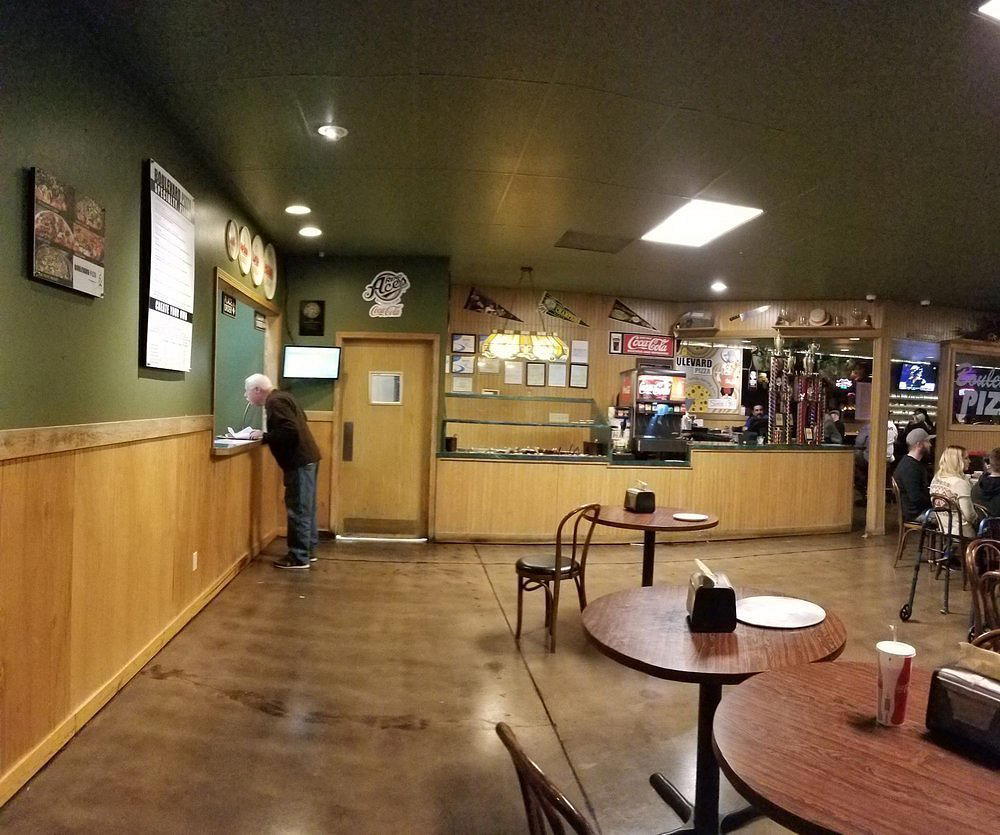
For those exploring the broader Sparks dining picture, the full Sparks restaurants guide maps out how venues like this one fit into the wider local scene, alongside options such as Boulevard Pizza and others across different cuisine categories.
Reading the Menu in Context
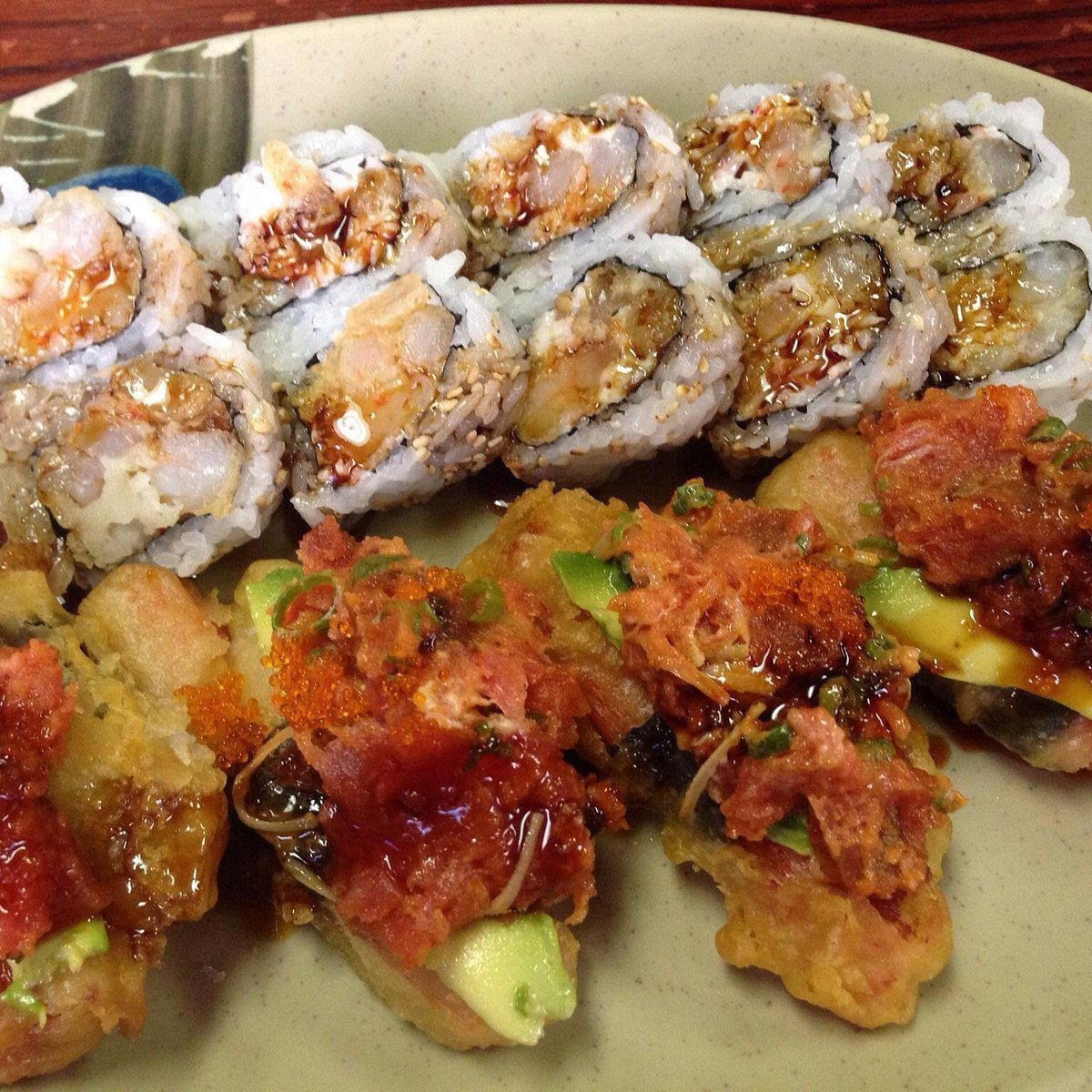
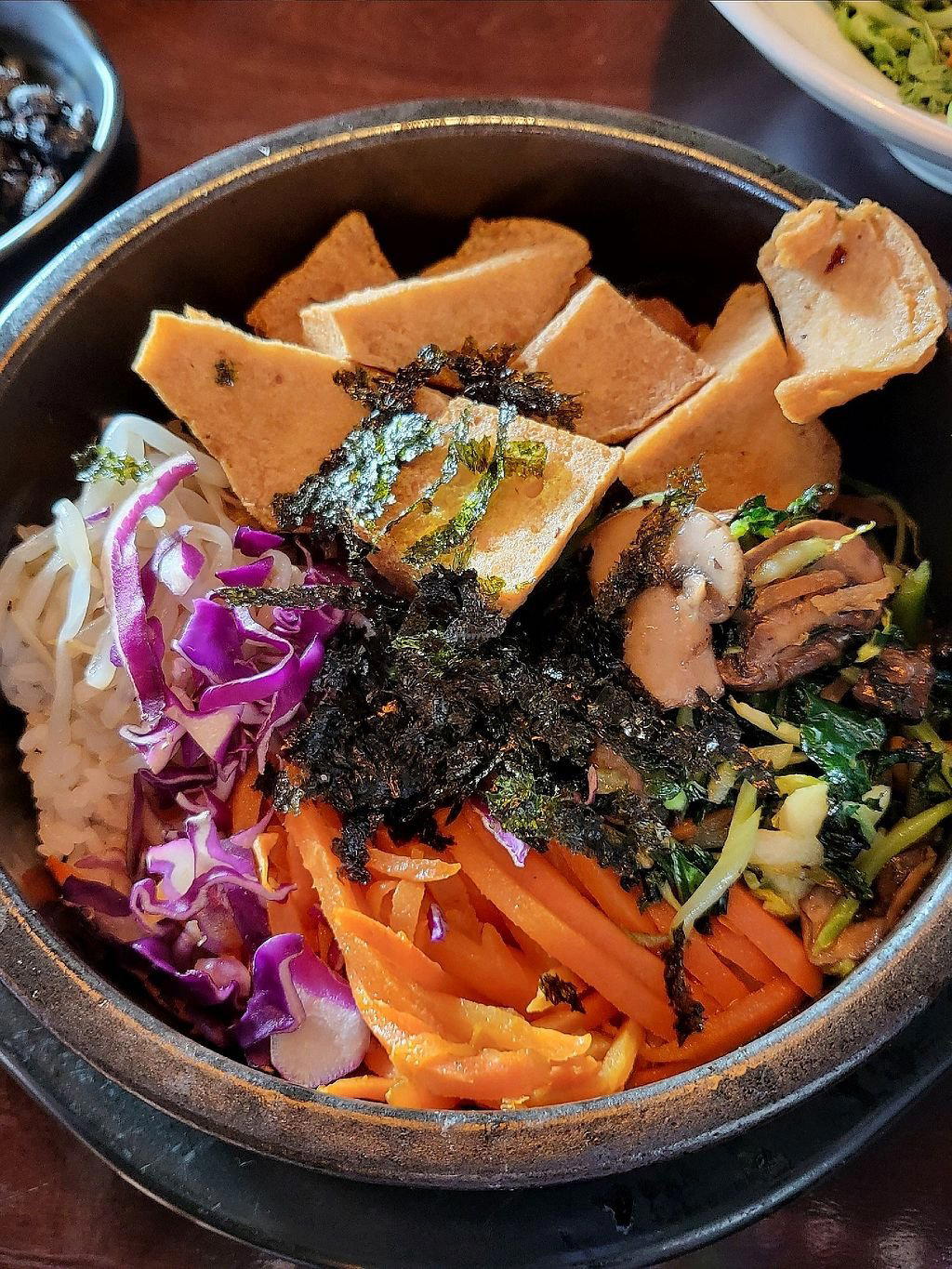
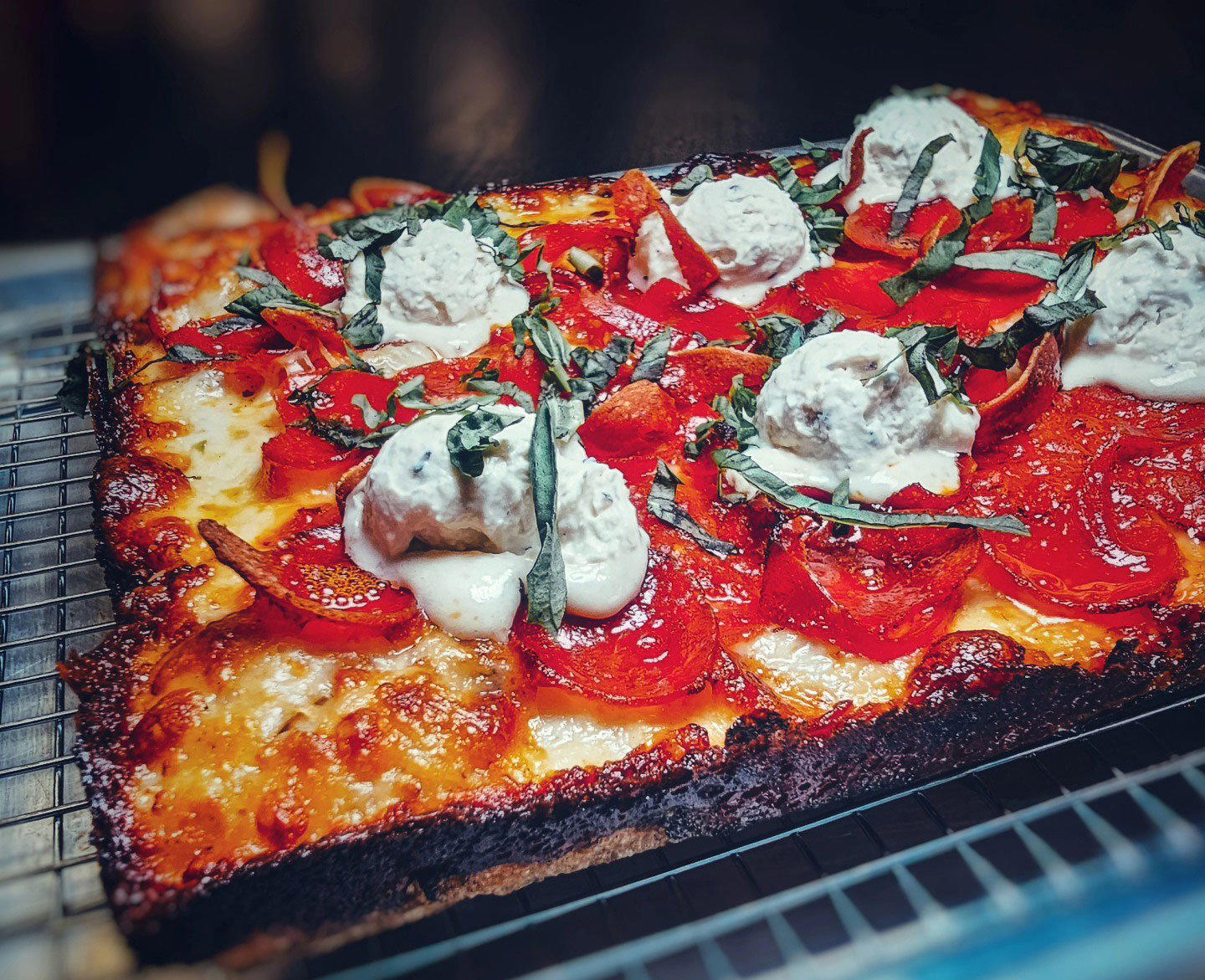
American neighborhood sushi menus have converged significantly over the past two decades. The standard architecture includes maki rolls in both traditional and Americanized formats (often with names evoking local identity or pop culture), a nigiri selection drawn from broadly available fish, and a set of appetizers that typically includes edamame, miso soup, and some version of gyoza or agedashi tofu. The creative differentiation, when it exists, tends to live in specialty rolls with multiple toppings, sauces, or textural additions.
This convergence is not a criticism; it reflects what neighborhood sushi in the American market has become, and what a regular clientele expects. The measure of quality at this tier is execution: rice temperature and seasoning, fish freshness within the constraints of inland supply chains, and consistency across visits. An inland Nevada address means Ohana Sushi, like its regional peers, sources fish through distribution networks rather than direct coastal relationships, which is the operational reality for virtually all Japanese restaurants in the Reno-Sparks area. Within that constraint, what distinguishes one operation from another is kitchen discipline.
How Sparks Fits into the Broader Western U.S. Dining Conversation
Sparks does not generate the kind of food-media attention that drives destination dining decisions, which means its restaurant scene develops largely on local terms. That dynamic is common across mid-size Western cities, and it produces dining rooms that are accountable to their immediate communities rather than to critical consensus. The venues that survive in these markets do so because they solve a real local need, not because they have attracted press coverage or awards recognition.
For comparison, the cocktail and dining programs that attract national attention in cities like Chicago, New York, or San Francisco operate at a different register entirely. Kumiko in Chicago and Superbueno in New York City represent the kind of format-driven, critically recognized venues that define their respective city's reputation for quality. ABV in San Francisco, Allegory in Washington, D.C., Bar Leather Apron in Honolulu, Jewel of the South in New Orleans, Julep in Houston, and The Parlour in Frankfurt on the Main each anchor their local scenes through documented recognition and program depth. Ohana Sushi is not in that conversation, nor does its context require it to be. The relevant frame is Sparks, not San Francisco.
Planning a Visit
Ohana Sushi is located at 1560 S Stanford Way in Sparks, Nevada 89431, in a residential commercial corridor that is accessible by car from most parts of the eastern Reno-Sparks metro. The venue does not have a confirmed website listed in current directories, which is consistent with many neighborhood-format restaurants that rely on word-of-mouth and repeat business rather than online discovery.
What It’s Closest To
| Venue | Price |
|---|---|
| Ohana SushiThis venue (the venue you are viewing) | $20–30 |
| Boulevard Pizza | $20–30 |
Continue exploring
More in Sparks
Bars in Sparks
All bars in Sparks →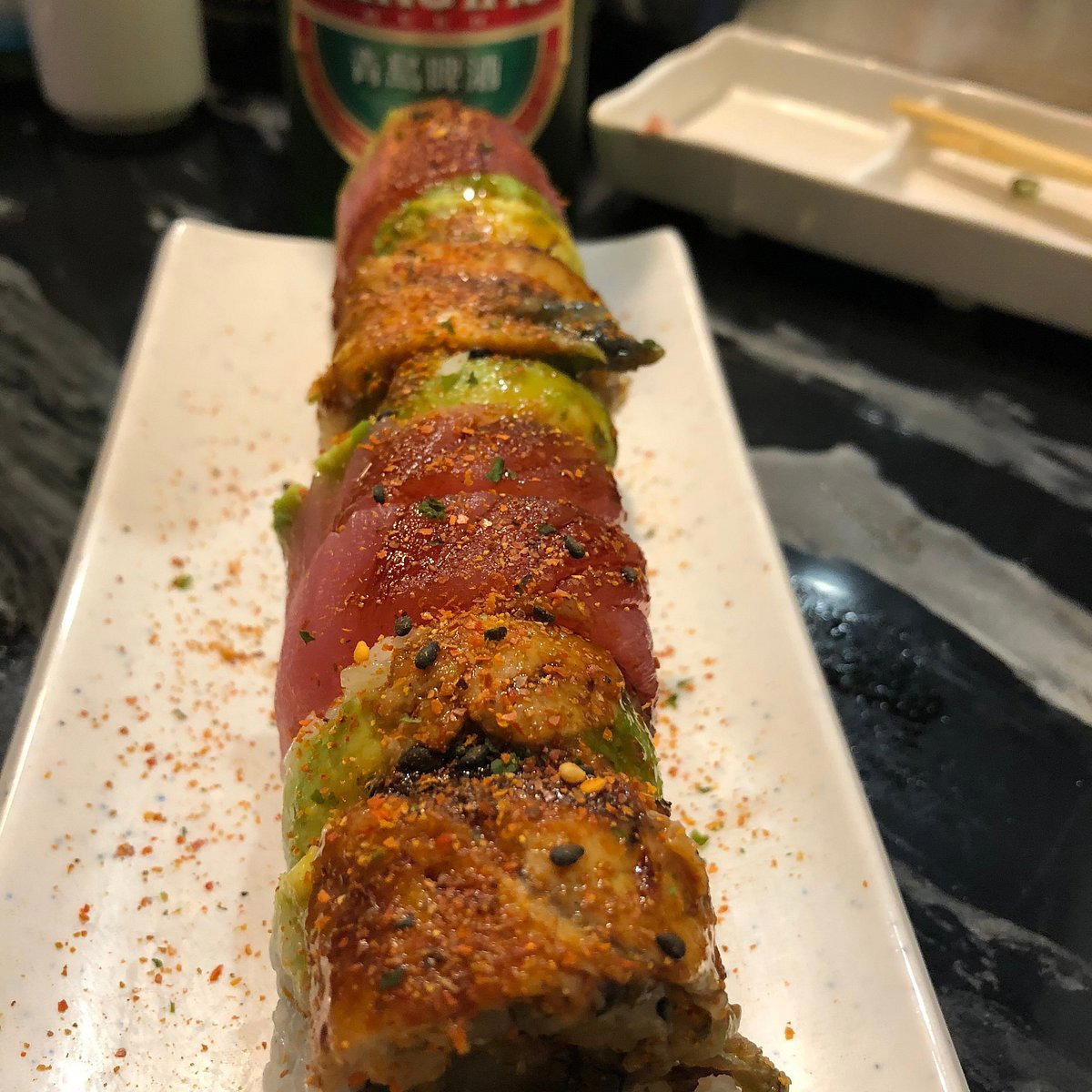
Details
- Lively
- Casual Hangout
Current opening hours
- Monday
- 11 AM–9 PM
- Tuesday
- 11 AM–9 PM
- Wednesday
- 11 AM–9 PM
- Thursday
- 11 AM–9 PM
- Friday
- 11 AM–9 PM
- Saturday
- 11 AM–9 PM
- Sunday
- 11 AM–9 PM
Hours can change for holidays and private events. Last verified .
Welcoming family atmosphere with lively vibe and enjoyable music.