New Delhi Restaurant & Bar
On Ellis Street in the Tenderloin, New Delhi Restaurant & Bar occupies a stretch of San Francisco where Indian cooking has held ground for decades. The room sits within a neighbourhood that rewards those paying attention to where the city's South Asian dining traditions have quietly concentrated, making it a useful reference point for anyone mapping that scene.
 Discover on Pearl
Pearl is the En Primeur Club membership app — saves, bookings, and concierge access live there. Same editors, same standards.
- Address
- 160 Ellis St, San Francisco, CA 94102
- Phone
- +1 415 397 8470
- Website
- newdelhirestaurant.com
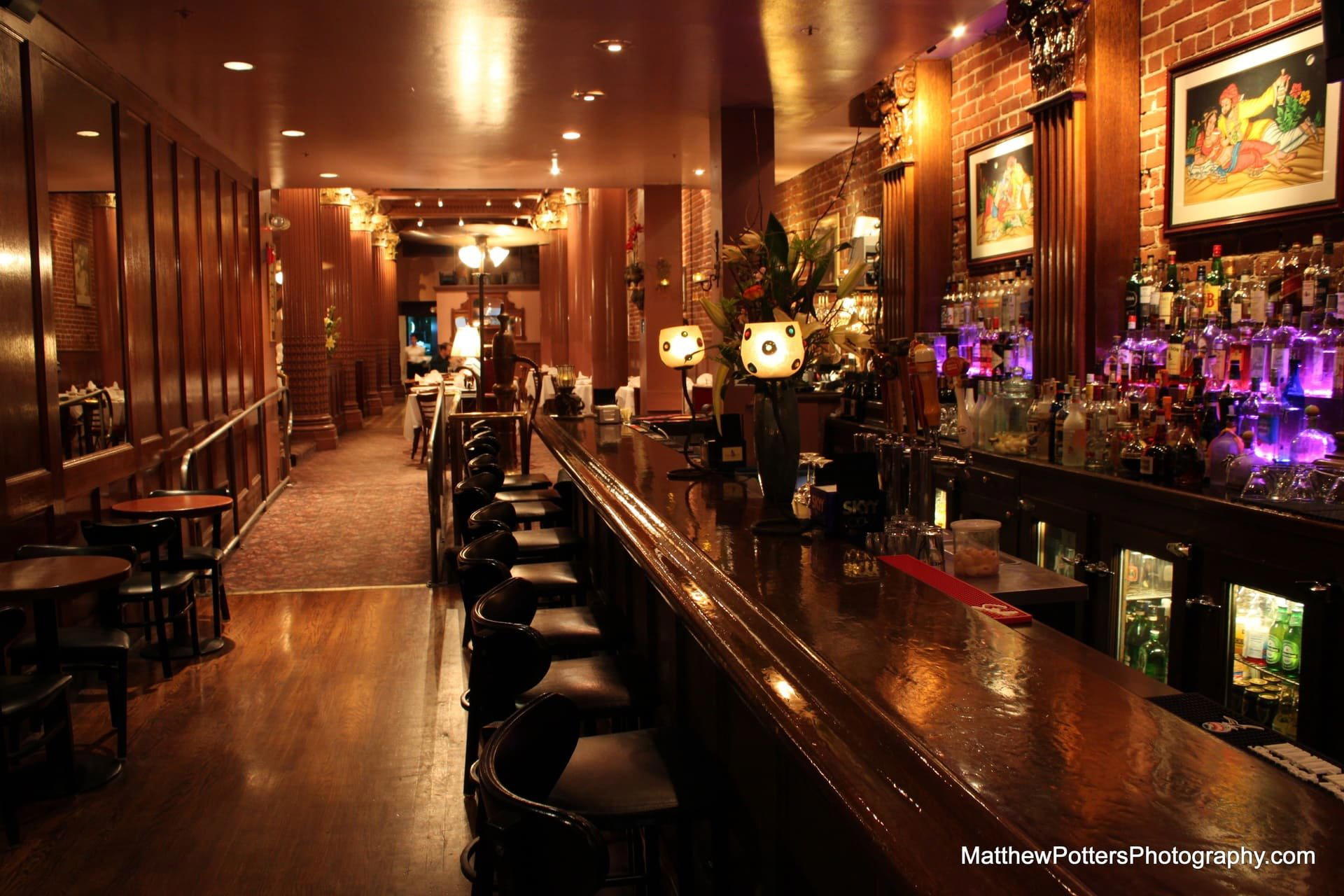
Ellis Street and the Tenderloin's Indian Dining Corridor
New Delhi Restaurant & Bar is a bar in San Francisco's Tenderloin, at 160 Ellis St, with a Google rating of 3.5 and a typical spend of about $40 per person. There is a particular quality to arriving on Ellis Street after dark. The Tenderloin does not soften its edges for visitors, and the blocks between Taylor and Leavenworth carry the full weight of the neighbourhood: the foot traffic, the noise, the sense that this part of San Francisco operates on its own schedule, indifferent to whatever is happening in Hayes Valley or the Mission. It is into this environment that New Delhi Restaurant & Bar places itself, at 160 Ellis Street, and the positioning is not incidental. The Tenderloin has functioned for years as the city's de facto South Asian dining corridor, where Indian and Pakistani restaurants have clustered not for atmosphere but for community, affordability, and the practical logic of shared supply chains and customer bases.
That concentration matters when thinking about what a restaurant in this location represents. Across American cities, Indian restaurants have historically occupied two tiers: the affordable neighbourhood staple and the event-driven fine-dining concept. San Francisco's Tenderloin cluster belongs firmly to the first category, and that category carries its own integrity. These are not places calibrated for expense-account dinners or out-of-town food tourism. They are places that feed a neighbourhood, absorb walk-in traffic, and maintain menus built around consistency rather than seasonal reinvention.
Sustainability in Everyday Cooking: What the Tenderloin Model Gets Right
The conversation around sustainable restaurant practice in the United States tends to cluster around high-end tasting menus, where chefs have the margin and the platform to publicise sourcing decisions. But the more durable model of low-waste cooking has always existed in the everyday Indian kitchen, both domestic and commercial. Legume-forward menus, whole-animal and whole-vegetable utilisation, spice-driven preservation techniques, and the economic imperative to waste nothing: these are structural features of subcontinental cooking that predate the contemporary farm-to-table movement by centuries.
In San Francisco's South Asian restaurants, this approach persists not as a marketing stance but as operational logic. Dal, the lentil preparation that anchors subcontinental home cooking from Punjab to Bengal, is the kind of dish that uses inexpensive ingredients completely, generates minimal waste, and delivers genuine nutritional depth. The same applies to the biryani tradition, where rice and protein cook together in a sealed vessel to capture every calorie of heat and every drop of rendered fat. These are efficiency-first cooking methods that happen to align precisely with what the contemporary sustainability conversation calls for, without the need to rebrand them as such.
For diners who think about food systems and environmental cost, the Tenderloin's Indian restaurants offer something that few higher-profile venues can match: a cuisine whose structural logic is already oriented toward minimum waste, and which has operated that way across generations rather than as a response to current dining trends. The San Francisco Bay Area's broader food culture has been alert to this for some time, and the South Asian corridor on and around Ellis Street represents one of the more honest expressions of it.
Where New Delhi Sits in the San Francisco Context
San Francisco's bar and restaurant scene has developed significant depth in the years since the pandemic reshaped the city's hospitality sector. The cocktail programme at ABV and the sustained credibility of Pacific Cocktail Haven anchor a serious drinking culture, while rum-focused operations like Smuggler's Cove and the neighbourhood-rooted programming at Friends and Family fill out a scene that has moved well beyond the speakeasy era. Across the country, comparable depth exists at places like Kumiko in Chicago, Jewel of the South in New Orleans, Allegory in Washington, D.C., Julep in Houston, Superbueno in New York City, Bar Leather Apron in Honolulu, and internationally at The Parlour in Frankfurt on the Main.
New Delhi Restaurant & Bar does not compete in that cocktail-programme tier. Its context is the Tenderloin's South Asian dining cluster, and its comparable set is the constellation of Indian and Pakistani restaurants within a few blocks: the curry houses on O'Farrell, the Punjabi spots further along Eddy. Within that reference group, the bar component of the name signals a willingness to serve alcohol alongside food, which distinguishes it from some of the more strictly halal establishments nearby. For the neighbourhood's mixed demographic of long-term South Asian residents, downtown workers, and diners coming specifically for the cuisine, that combination has practical value.
What to Order and Why It Matters
Recommended dishes are not listed in the record. What the category reliably offers, in restaurants of this type and location, is a range built around the North Indian register: breads baked in tandoor ovens, slow-cooked meat and vegetable preparations, rice dishes assembled from a logic of layering and fragrance rather than reduction. These are cooking methods that reward patience and penalise shortcuts, which is one reason they have remained structurally unchanged across generations of Indian restaurant cooking in the United States.
The bar element in the name suggests a drinks list runs alongside the food. In South Asian restaurants at this price tier, that typically means a selection of beer and spirits calibrated for the heat load of spiced food rather than for sommelier-level pairing complexity.
Know Before You Go
Neighbourhood: Tenderloin
Phone: Not available
Website: Not available
Hours: Not available, confirm directly before visiting
Price range: $$
Booking: Reservations are recommended
Getting there: 160 Ellis St, San Francisco, CA 94102.
Quick Comparison
Comparable venues nearby, for context on price, style, and recognition.
| Venue | Cuisine | Price | Awards | Notes |
|---|---|---|---|---|
| New Delhi Restaurant & BarThis venue — the venue you are viewing | lounge | $$ | , | |
| The Crafty Fox Ale House | beer_bar | $$ | , | Mission |
| Noc Noc | dive_bar | $$ | , | Hayes Valley |
| Saluhall SF | lounge | $$ | , | South of Market |
| Mr Bing's | dive_bar | $$ | , | Chinatown |
| Osmanthus Dim Sum Lounge | lounge | $$ | , | North Beach |
At a Glance
- Elegant
- Warm
- Historic
- Date Night
- Group Outing
- Special Occasion
- Historic Building
- Seated Bar
- Booth Seating
- Communal Tables
- Classic Cocktails
Elegant and warm atmosphere combining historic charm with inviting elegance, perfect for theater patrons and special occasions.