Mojo Leeds

Mojo Leeds has held a place on Merrion Street since before the city's bar scene acquired its current ambitions, and its 2009 World's 50 Best Bars ranking at number 24 remains a reference point for what a neighbourhood bar at full stretch looks like. Open daily until 5am, it draws students, industry workers, and regulars in roughly equal measure. Google reviewers rate it 4.3 across 702 submissions.
 Discover on Pearl
Pearl is the En Primeur Club membership app — saves, bookings, and concierge access live there. Same editors, same standards.
- Address
- 18 Merrion St, Leeds LS1 6PQ
- Phone
- +44 113 360 4810
- Website
- mojobar.co.uk
The Long Game on Merrion Street
Leeds has spent the better part of two decades building a bar culture that punches well above a city of its size. That story tends to get told through the newer arrivals: the rooftop cocktail programmes, the natural-wine-and-charcuterie rooms, the coffee bars that shade into evening venues after dark. Mojo, at 18 Merrion Street, sits at an older point in that timeline. It was here before the scene acquired its current self-consciousness, and it has stayed while others came and went. That longevity is itself a form of evidence.
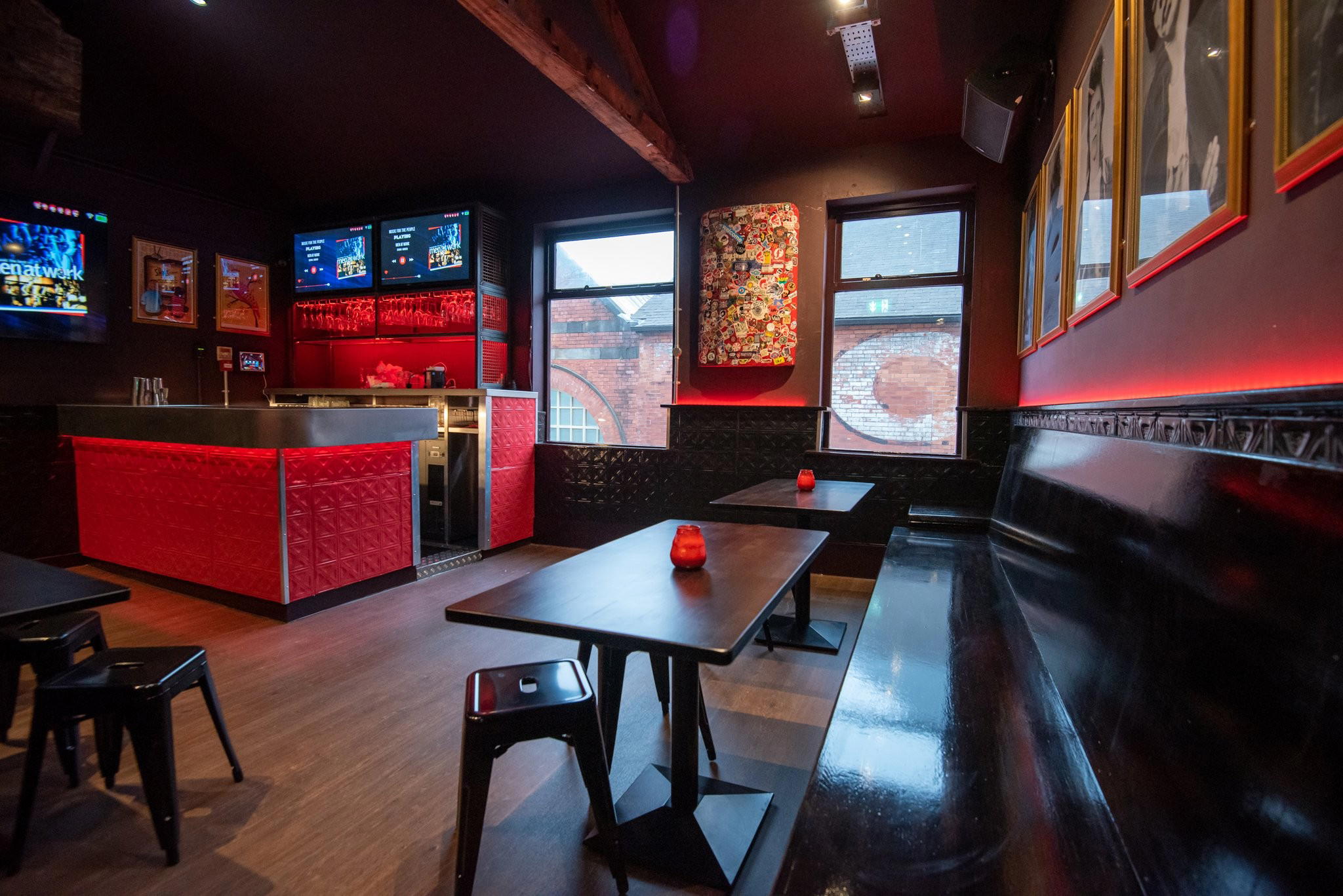
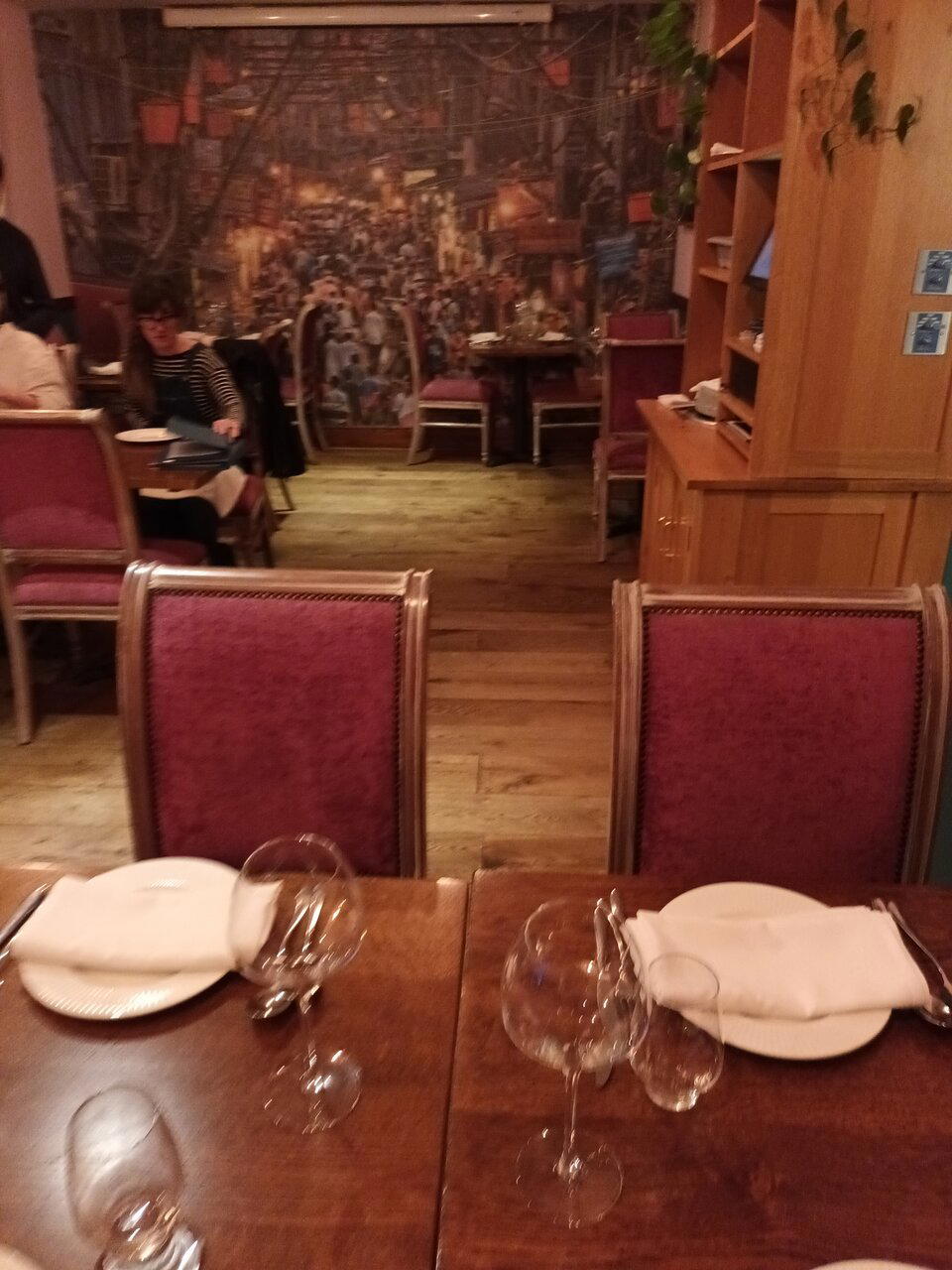
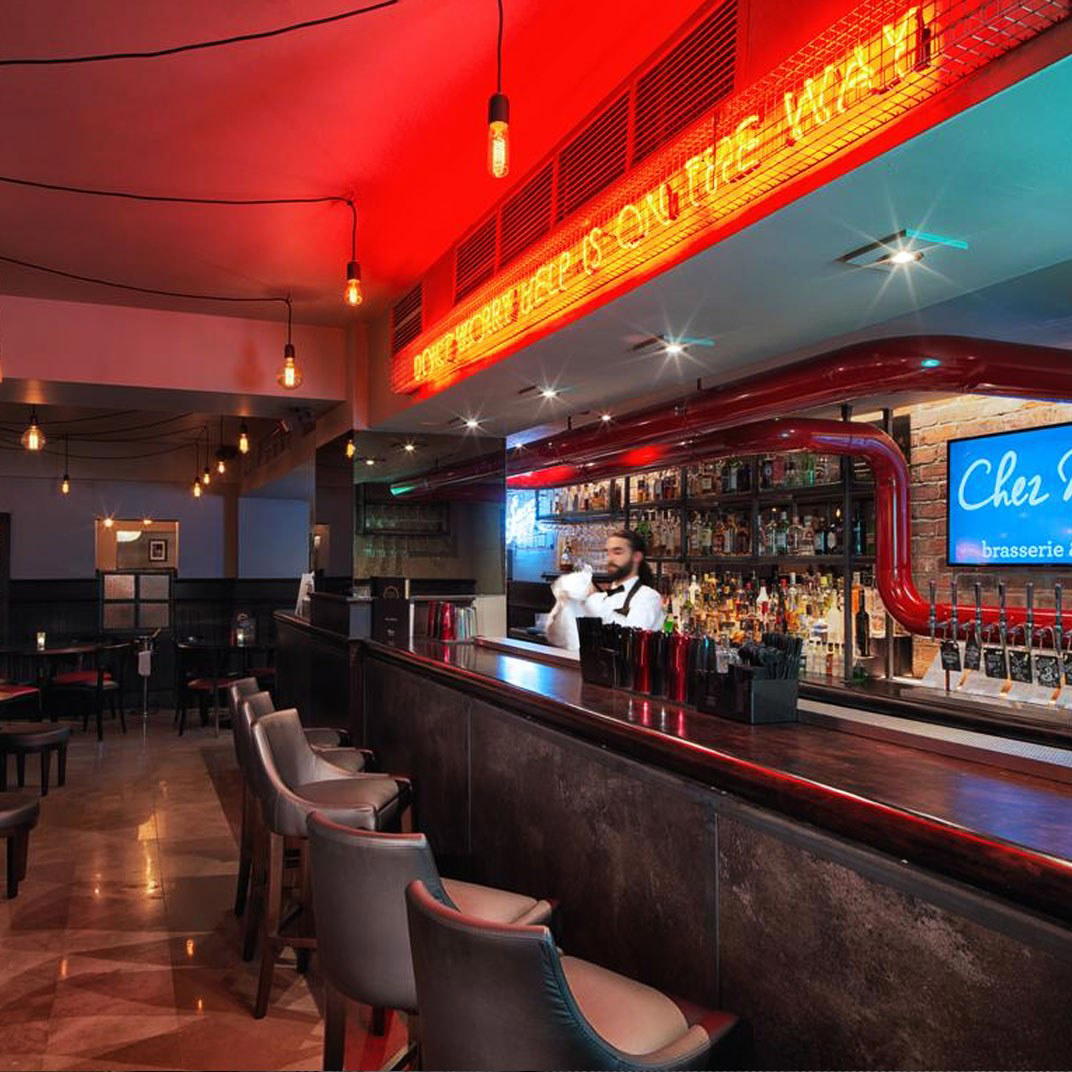
The physical approach to Mojo sets expectations before you step inside. Merrion Street is not a destination strip, it is a working inner-city block, and Mojo does nothing to disguise that. The signage is low-key, the frontage functional. Inside, the room runs dark, the kind of deliberate dark that signals the bar, not the dining table, is the reason you came. The music runs louder than conversation at peak hours, and the crowd on any given Friday skews younger but not exclusively so. Regulars who found the place years ago tend to stay loyal, and you notice the difference between first-timers reading the back bar and people who already know what they want.
Where Mojo Sits in the Leeds Bar Map
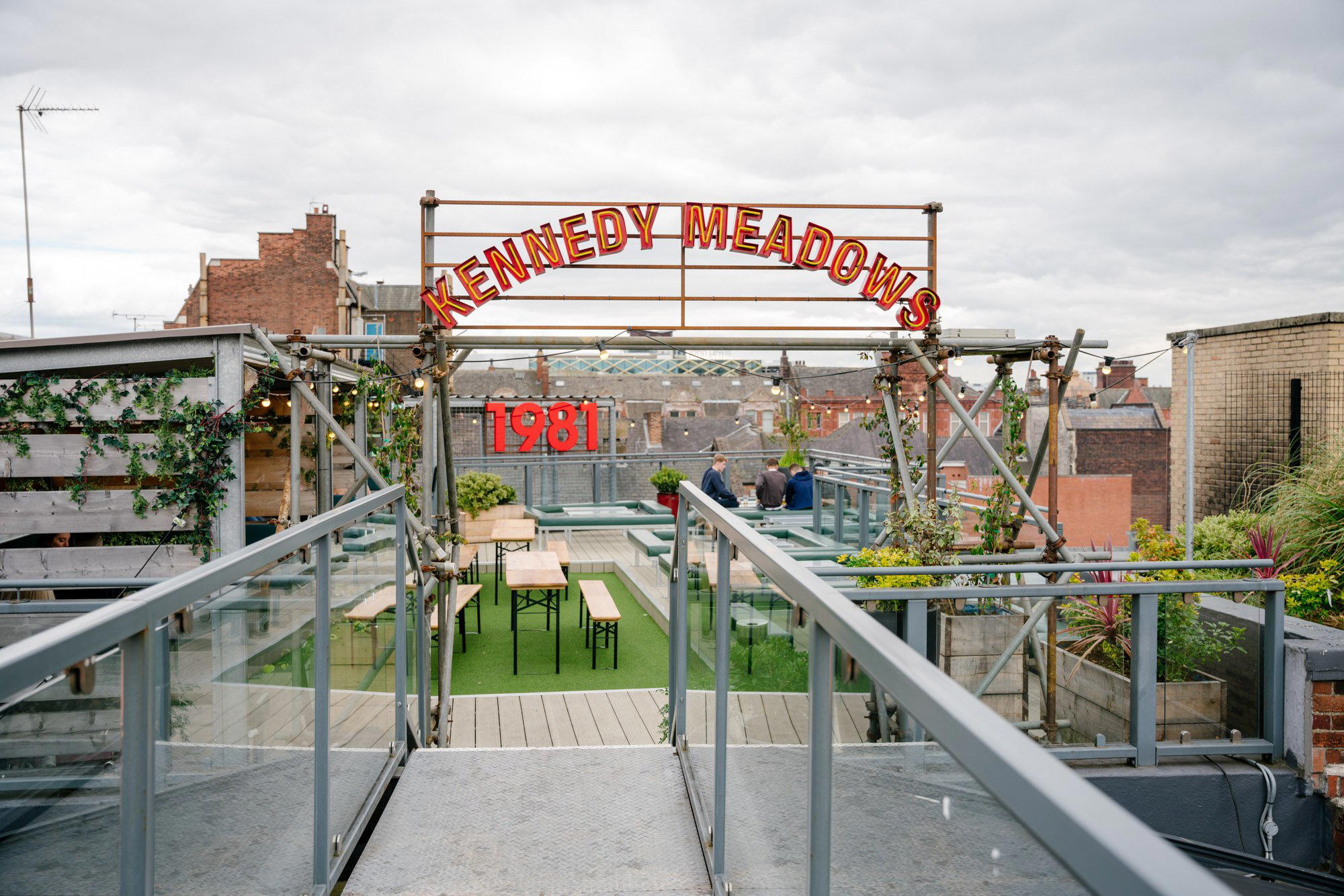
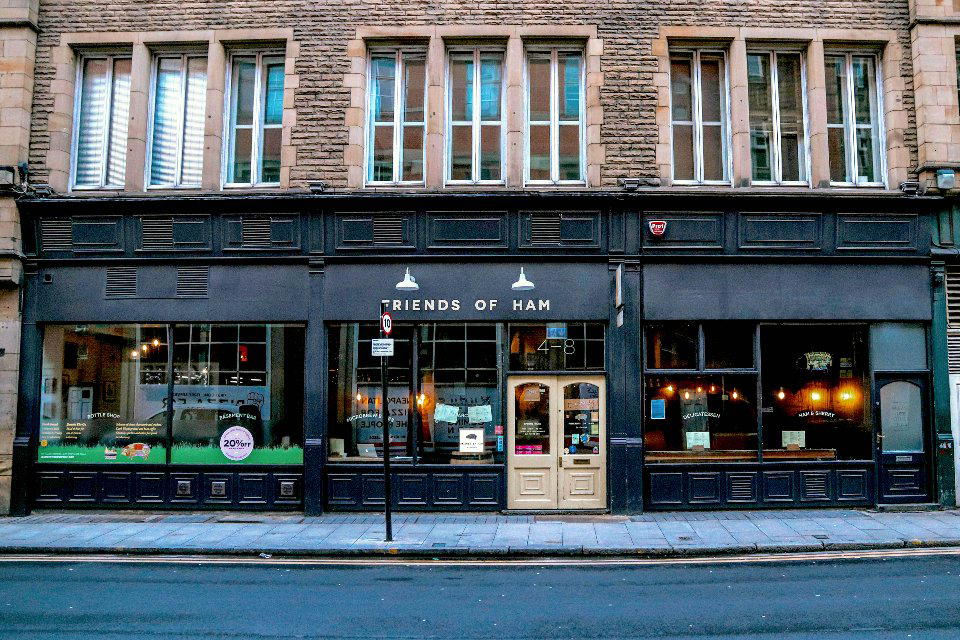
Leeds has developed a bar scene with genuine range. Angelica & Crafthouse operates at the dressed-up, skyline-view end of the spectrum. Friends of Ham runs on beer depth and cured-meat pairings, a very specific brief executed with care. Headrow House plays the large-format, multi-room card. Laynes built its reputation on coffee before shading into a more all-day identity. Mojo fits none of those slots. Its reference points are closer to the city's older drinking culture: a proper bar, long hours, a back bar that takes spirits seriously, and a room where no single demographic claims exclusive ownership.
That positioning matters. In a city where concepts proliferate and bars are increasingly built around a hook, Mojo's identity is closer to what older bar cities in the UK built their reputations on. Think of the long-standing neighbourhood operations in other northern cities, spaces that accumulated regulars rather than chasing coverage. The bar's sustained Google score of 4.3 across 702 reviews suggests that breadth of audience rather than niche depth is part of what keeps it rated.
The 2009 World's 50 Best Bars Ranking in Context
In 2009, Mojo Leeds appeared at number 24 on the World's 50 Best Bars list. That figure deserves some unpacking, because the list and the category around it looked different fifteen years ago. The 50 Best Bars ranking in 2009 was a newer institution, and bars from outside London appearing in the top 25 was genuinely unusual in a UK context. For a bar on Merrion Street in Leeds to sit at that position placed it in the same conversation as venues that had been defining global cocktail culture for a decade.
The ranking reflects a specific moment rather than a permanent classification. But the credential remains meaningful as a trust signal. It tells you that at a point when international bar judges were watching closely, Mojo Leeds was doing something at a standard they found worth noting. Across the UK, the bars carrying similar-era 50 Best credentials include 69 Colebrooke Row in London, Bramble in Edinburgh, and Merchant Hotel in Belfast, venues that used recognition as a foundation rather than a peak. Mojo belongs to that generation.
Elsewhere in the UK, bars like Schofield's in Manchester and Horseshoe Bar Glasgow represent different versions of the long-standing bar with deep local identity. L'Atelier Du Vin in Brighton and Hove and Bar Leather Apron in Honolulu show how bars with specific technical programmes hold their footing across markets. Mojo occupies its own lane: a bar that earned serious recognition and then continued operating as a neighbourhood fixture rather than a concept showroom.
Hours, Access, and When to Go
Mojo Leeds is open Monday through Sunday, 10am to 5am. A bar that trades until 5am on any day of the week occupies a specific slot in the city's night, catching the crowd that has already been somewhere else first and is not ready to stop. That late-night function is part of what builds regulars: people find the bar at 1am, return the following Friday, and eventually it becomes the default rather than the option.
For planning purposes: Merrion Street LS1 6PQ puts the bar within reasonable walking distance of Leeds city centre, accessible from Leeds train station on foot in well under fifteen minutes. Reservations are recommended, and arriving earlier in the evening gives you more room to settle in before peak volume. The 10am opening on all days suggests the bar also trades through a daytime period, though the bar's primary identity is firmly after dark.
What the Regulars Know
The measure of a neighbourhood bar is not its awards ceiling, it is the proportion of the room that came back. Mojo's review base of 702 Google submissions at 4.3 is not the kind of score a bar accumulates from one-time visitors alone. It is built over many visits, from people who return often enough to have formed an opinion worth writing down. That pattern distinguishes it from venues that score high on novelty and lower once the initial visit wears off.
In a city as generationally diverse as Leeds, students, young professionals, a significant creative-sector population, industry workers, bars that hold multiple audiences simultaneously are rarer than they look. Mojo has maintained that breadth. The late hours help: the 5am close means it serves a function that more polished evening venues cannot, and that function creates a different kind of loyalty. You go to Mojo because it is open, because it is consistent, and because the kind of bar it is does not ask you to perform a particular identity to belong there.
For anyone building a Leeds bar evening, Mojo works well as a later stop, after dinner in the centre, after an earlier drink at one of the concept-led rooms, when the city's other options have started to wind down. It is where the night extends rather than where it begins, and that is a role it has filled for long enough that it has become structural to how a certain segment of Leeds drinks.
Standing Among Peers
Comparable venues nearby, for context on price, style, and recognition.
| Venue | Awards |
|---|---|
| Mojo LeedsThis venue — the venue you are viewing | World's 50 Best |
| Angelica & Crafthouse | |
| Friends of Ham | |
| Headrow House | |
| Laynes |
At a Glance
- Lively
- Trendy
- Energetic
- Industrial
- After Work
- Late Night
- Group Outing
- Casual Hangout
- Design Destination
- Seated Bar
- Lounge Seating
- Booth Seating
- Classic Cocktails
- Craft Cocktails
Gritty yet welcoming New York dive bar atmosphere with great artwork, eclectic rock 'n' roll music at conversational volume, and laid-back chatter.