Mirakutei Sushi & Ramen
On E Burnside Street in Portland's lower east side, Mirakutei Sushi & Ramen occupies the intersection of two Japanese formats that rarely share a menu at serious depth. The address places it squarely in a corridor where the city's independent dining scene runs densest, and the dual focus on raw fish and brothed noodles sets a clear expectation before you walk in.
Pearl is the En Primeur Club membership app — saves, bookings, and concierge access live there. Same editors, same standards.
- Address
- 536 E Burnside St, Portland, OR 97214
- Phone
- +1 503 467 7501
- Website
- mirakutei.com
- Directions
- Get directions
 Saves & bookings on Pearl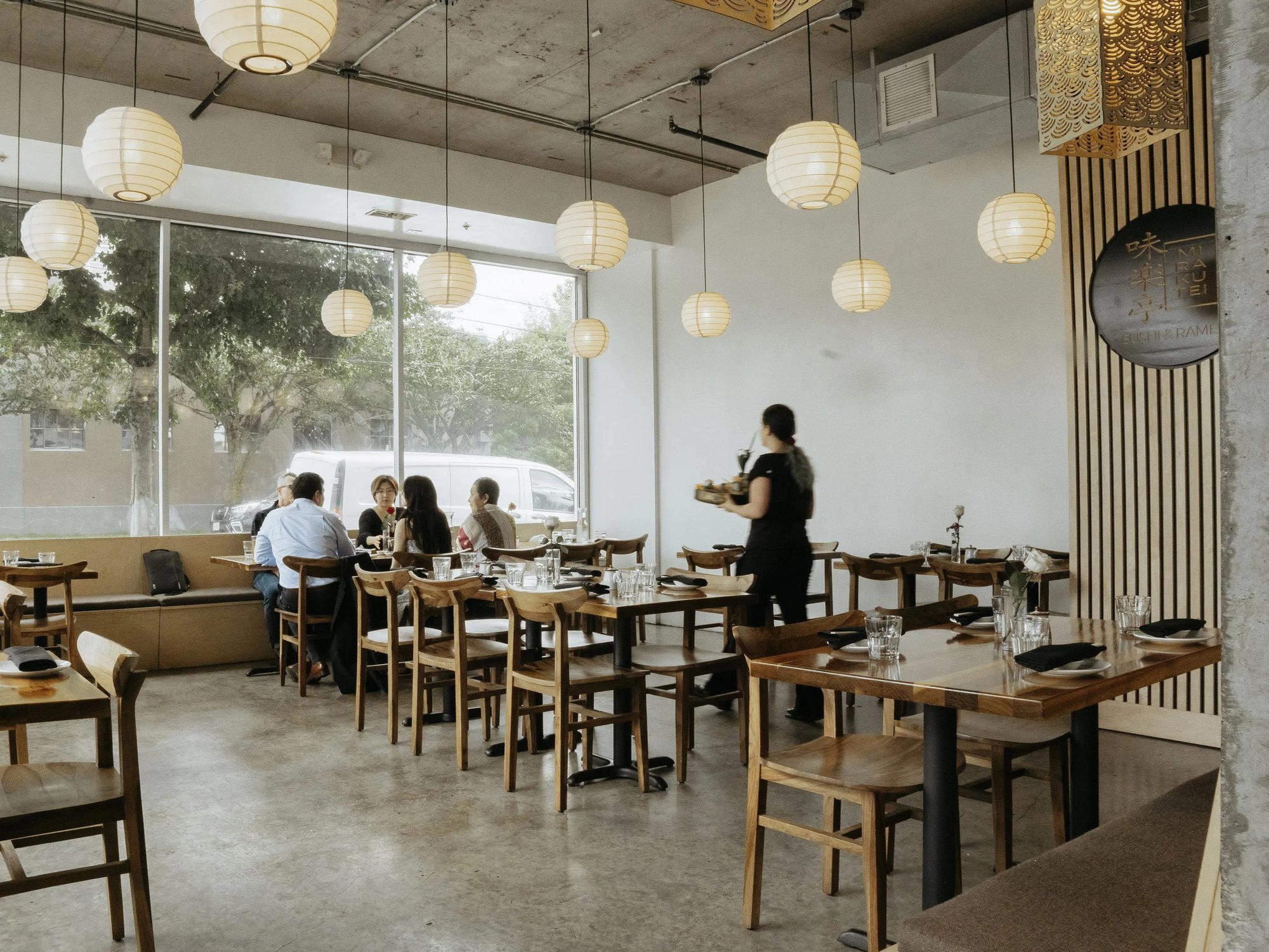
E Burnside and the Architecture of the Dual-Format Japanese Spot
Portland's E Burnside corridor has developed into one of the more interesting fault lines in the city's independent dining scene. The strip running east from the Burnside Bridge carries a mix of longstanding neighborhood fixtures and newer format-driven openings, and the sensory register shifts accordingly depending on which block you're on. On the stretch near 536, the atmosphere is lower-key than the inner Southeast corridors: less foot-traffic theater, more the kind of place where regulars arrive already knowing what they want. That context matters when you're reading a menu that combines sushi and ramen, two Japanese formats that carry very different kitchen logics and very different dining tempos.
The dual-format Japanese restaurant occupies a distinct position in American cities. Sushi counters demand precision, cold temperatures, and a pace dictated by the itamae. Ramen shops run hot, fast, and aromatic, the broth asserting itself from the moment the bowl hits the table. Venues that try to hold both formats seriously rather than treating one as a side offering tend to attract a specific kind of diner: someone who wants the flexibility of a full evening across courses, or a group with divergent preferences. In Portland, that positioning has real market logic. The city's Japanese dining options have grown considerably over the past decade, and the restaurants that have held ground are the ones with a clear identity at both ends of their menu. For more on how Portland's dining scene has developed across neighborhoods, see our full Portland restaurants guide.
What the Room Tells You
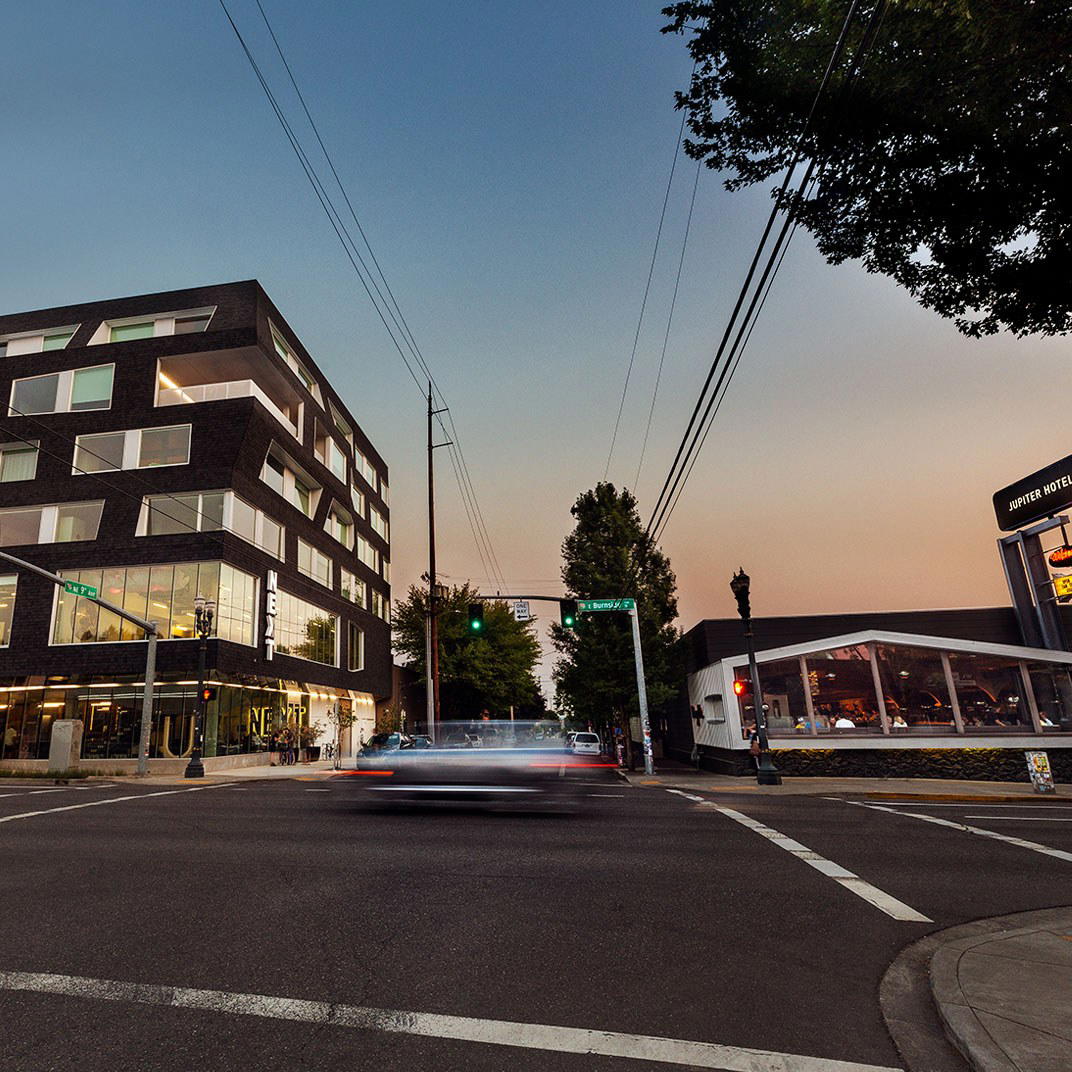
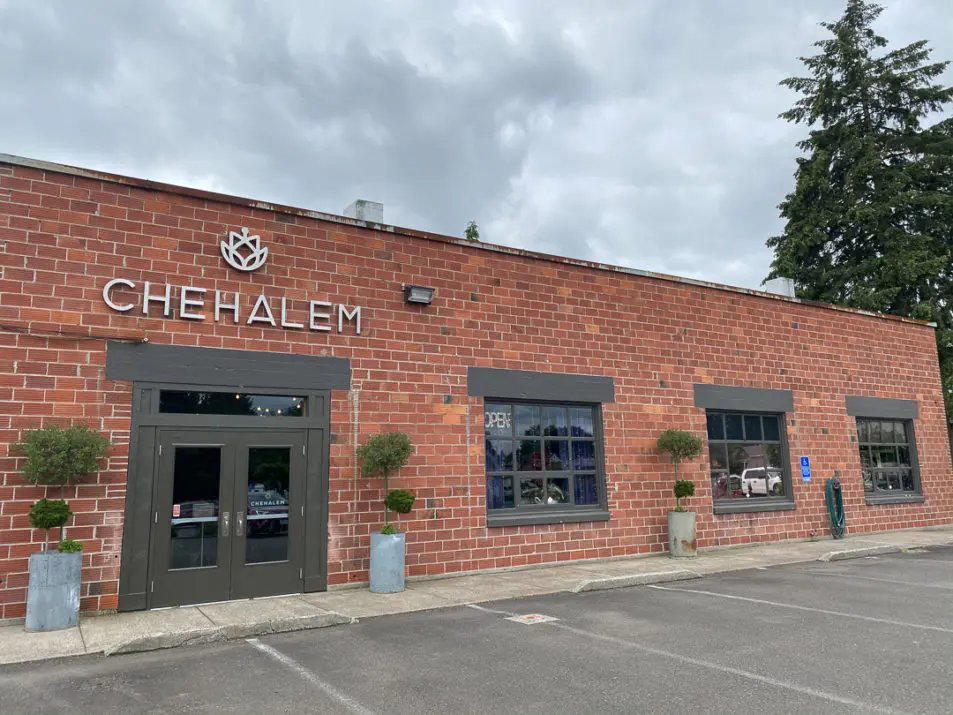
The approach along E Burnside at this address is quieter than the Burnside corridor's busier western sections. The physical environment in this part of the street runs to modest storefronts and low-lit interiors — the kind of block where the experience inside tends to outpace whatever the exterior signals. For a venue combining sushi and ramen, that low-key exterior is functionally appropriate: neither format benefits from the kind of design theater that pulls diners in off the street. Sushi counters in particular tend to reward the visitor who arrives with some prior knowledge of what's being served rather than the walk-in who wandered past a striking facade.
Inside, the dual format creates a sensory contrast that the kitchen has to manage deliberately. Ramen broth generates steam and aroma that can dominate a room if the space isn't configured to let different dining modes coexist. The leading dual-format Japanese restaurants in American cities handle this through zoning — counter seating oriented toward the sushi program, table seating more suited to bowls and shared plates, which keeps each format's rhythm from undermining the other. That kind of considered layout is part of what separates venues treating both formats with equal seriousness from those where one is clearly an afterthought.
The Japanese Dual-Format Tradition and Where It Sits in Portland
In Japan, the idea of a restaurant serving both sushi and ramen under one roof is more common than the American premium-dining framing of each format might suggest. Neighborhood izakayas frequently carry versions of both, and the division between a dedicated sushi counter and a ramen-ya is partly a Western market construction. What American cities have done is specialize each format so aggressively that a serious dual offering reads as a deliberate curatorial choice rather than a convenience. Portland's Japanese dining scene reflects that specialization: the city has dedicated ramen shops in multiple neighborhoods, and a smaller number of sushi-focused venues operating at varying price points and counter formats.
Mirakutei's address on E Burnside puts it in a different geographic register than Portland's more concentrated Japanese dining in the Pearl District and parts of inner SE. That separation from the cluster can work in both directions. It draws a more local, return-visit audience rather than the broader tourist and special-occasion traffic that flows toward denser dining corridors. Venues in that position tend to develop a more calibrated regular clientele over time, which often shows in the menu's evolution and in the kitchen's confidence with its own format. For comparison, the dynamics of bar and dining programs operating in Portland's other neighborhood pockets, including Teardrop Lounge, 10 Barrel Brewing Portland, and the venues at 3808 N Williams Ave and 7316 N Lombard St, illustrate how Portland's independent scene fragments across the map rather than concentrating in a single district.
Reading the Ramen and Sushi Pairing as a Dining Decision
Choosing a dual-format Japanese venue over a dedicated specialist is a different kind of decision depending on who you're with. For a solo diner, the flexibility of moving between formats, starting with sashimi, finishing with a bowl, is a significant advantage over a room that locks you into one register. For a group, it resolves the problem of divergent appetites without forcing a compromise on quality. The venues that do this well in American cities have tended to succeed not by being exceptional at one format and adequate at the other, but by treating both with the same sourcing discipline and kitchen attention. That standard is what separates the serious dual-format operation from the izakaya-style menu that lists ramen as one of thirty items.
Across the broader American craft bar and dining scene, the parallel conversation about format discipline shows up clearly at venues like Kumiko in Chicago, where Japanese influence shapes both the drinks program and the food approach, or at Bar Leather Apron in Honolulu, where Pacific-rim precision applies to cocktails with the same rigour a sushi counter applies to its fish. The question of how to maintain format integrity across a dual offering is one the better independents in every city are working through, whether the medium is noodles and raw fish or spirits and small plates. Other programs worth tracking for comparison on format discipline include Jewel of the South in New Orleans, Julep in Houston, Superbueno in New York City, ABV in San Francisco, and The Parlour in Frankfurt on the Main.
Know Before You Go
- Address: 536 E Burnside St, Portland, OR 97214
- Neighbourhood: Lower E Burnside, Portland east side
- Format: Dual-format Japanese, sushi and ramen
- Price range: Not publicly confirmed; dual-format Japanese in Portland typically spans a mid-range bracket for ramen and a variable range for sushi depending on format
- Getting there: E Burnside is served by TriMet bus routes along the Burnside corridor; street parking is available on the surrounding blocks
Cost Snapshot
| Venue | Price |
|---|---|
| Mirakutei Sushi & RamenThis venue — the venue you are viewing | This venue |
| Teardrop Lounge | World's 50 Best |
Continue exploring
More in Portland
Bars in Portland
Browse all →
Restaurants in Portland
Browse all →
Hotels in Portland
Browse all →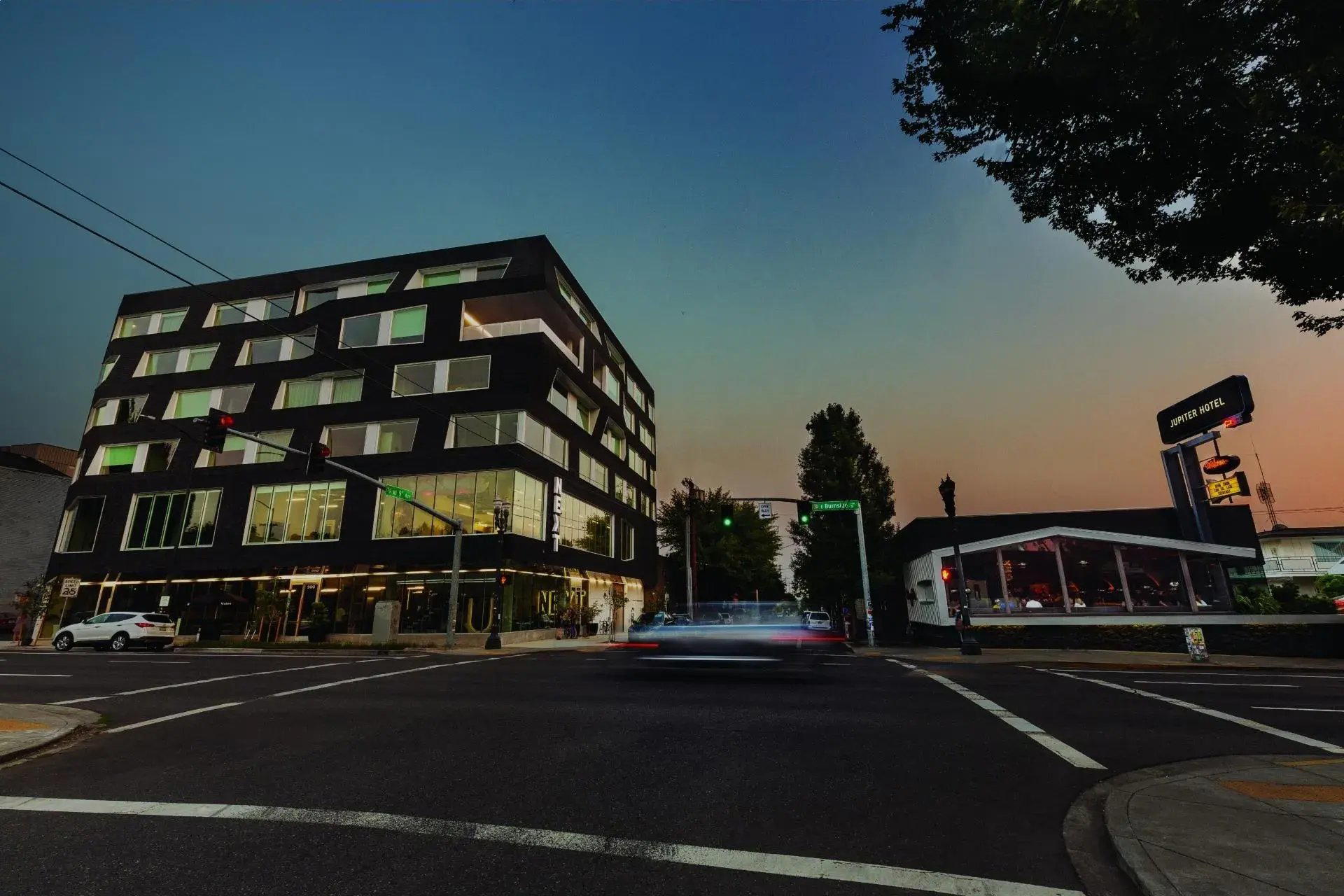
At a Glance
- Casual Hangout
- Standalone
- Seated Bar
- Counter Only
- Sake
Current opening hours
- Monday
- 12–9 PM
- Tuesday
- 12–9 PM
- Wednesday
- 12–9 PM
- Thursday
- 12–9 PM
- Friday
- 12–10 PM
- Saturday
- 12–10 PM
- Sunday
- 12–9 PM
Hours can change for holidays and private events. Last verified .
Know Before You Go
- Getting there
- 536 E Burnside St, Portland, OR 97214