Mad Wine Bar
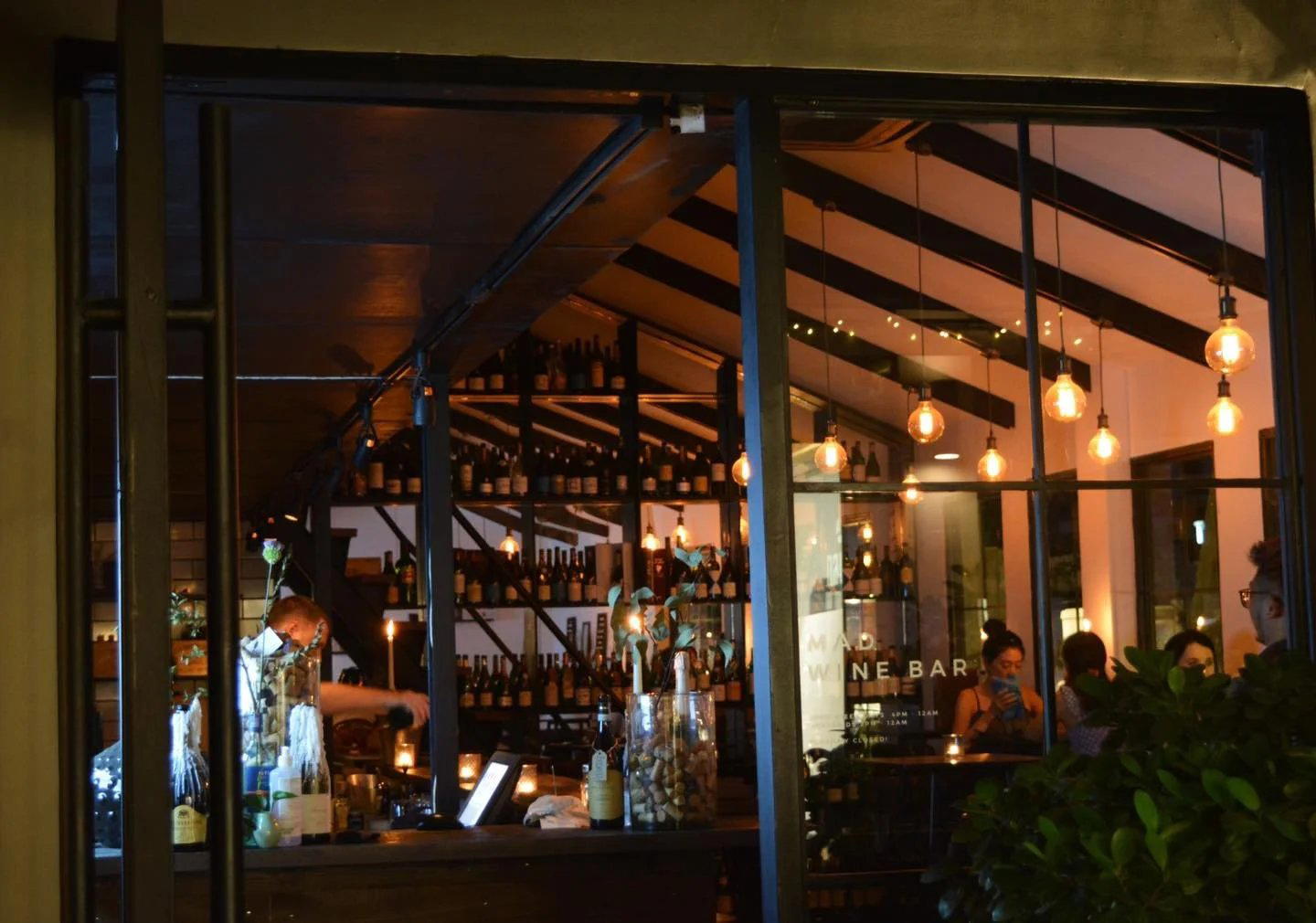
Mad Wine Bar sits in Bình Thạnh, one of Ho Chi Minh City's quieter residential districts, operating as a wine-focused venue at some remove from the District 1 concentration of cocktail bars. The address on Phạm Viết Chánh places it in a neighbourhood where bar culture is less dense and the atmosphere tends toward the unhurried. For wine drinkers looking to step outside the central circuit, the location itself signals the tone.
- Address
- 106 Phạm Viết Chánh, Phường 19, Bình Thạnh, Hồ Chí Minh 700000, Vietnam
- Phone
- +84 931 959 316
- Directions
- Get directions
Wine Bars at the Edges of Saigon's Drinking Scene
Ho Chi Minh City's bar culture has consolidated heavily around District 1, where venues like Drinking & Healing and Stir occupy the craft cocktail tier and draw regulars from across the city. That concentration has a counterpart: a smaller group of wine-led venues that have opened in residential districts where rents run lower, the pace slows, and the audience tends to be more local than tourist-facing. Mad Wine Bar on Phạm Viết Chánh in Bình Thạnh belongs to that second category, operating at a geographic distance from the District 1 cluster that shapes both its atmosphere and its likely clientele.
Bình Thạnh is not a bar destination in the way that Bến Nghé or Đa Kao are. It is a dense residential and commercial district that sits north of the city centre, and its drinking establishments have historically served neighbourhood regulars rather than the broader out-on-the-town crowd. A wine bar opening here is making an implicit argument about format: that the experience is self-sufficient enough to pull people away from more obvious options, rather than benefiting from the foot traffic and clustering effects that District 1 provides.
The Atmosphere a Neighbourhood Wine Bar Creates
Wine bars in this format tend to create a different kind of room than cocktail venues do. Where cocktail bars in Ho Chi Minh City have moved toward technical precision and often architectural drama, see the design discipline at Alto Saigon or the craft beer social energy at 7 Bridges Saigon, a neighbourhood wine bar typically trades on a lower-key register. The lighting runs warmer, the music sits further back in the mix, and the seating arrangements favour conversation over spectacle. The room is designed to keep people at the table rather than draw them to a bar counter.
The name itself, Mad Wine Bar, sits in a well-worn category of wine bar naming conventions that have spread across Southeast Asian cities over the past decade, playful, slightly irreverent, pitched at a younger wine-drinking demographic that finds traditional wine retail intimidating. That naming strategy reflects a broader shift in how wine is being positioned in Vietnamese cities: less as a luxury marker tied to French colonial restaurant heritage, and more as an accessible evening drink alongside food, served in an informal room without the formality of a hotel wine list or the ceremony of a serious European-style cellar.
Ho Chi Minh City's Wine Bar Tier
Vietnam's wine market has grown steadily over the past fifteen years, driven partly by rising urban incomes and partly by a younger consumer segment that encountered wine during overseas study or travel. Ho Chi Minh City hosts the densest concentration of wine-focused venues in the country, ranging from wine retail shops with seating through to dedicated wine bars and restaurant wine programs that would pass muster in regional capitals. The wine bar tier specifically, venues where wine is the primary product rather than a supporting element to food, remains smaller than the cocktail and beer segments but has been expanding.
Natural wine has entered this conversation in Ho Chi Minh City, with venues like NOB Natural Wine Corner establishing a distinct niche for low-intervention bottles. Mad Wine Bar sits somewhere in this broader category. The address in Bình Thạnh and the venue name both suggest a positioning that prioritises accessibility and atmosphere over a deep specialist cellar.
For comparison, Vietnam's developing bar and wine scene extends well beyond Saigon. Workshop14 in Hanoi represents the capital's approach to craft drinking spaces, while coastal venues like the Hoi An Brewing Company Tap Room serve entirely different tourism demographics. Smaller cities like Hải Phòng have developed their own bar scenes, with venues like Le Pont Club and the Le Rendez Vous French Restaurant in Đà Nẵng reflecting the French-influenced hospitality heritage that runs through the region. Even further afield, United Bar in Thanh Khê and Genji Bar in Cẩm Phả show how bar culture in Vietnam has spread into secondary and tertiary cities, each with its own character. What distinguishes Ho Chi Minh City is the density and competitive range of options in a single metropolitan area, which makes the residential-district wine bar a viable format precisely because the overall market has matured enough to support dispersed venues.
What the Location Tells You About the Experience
Phạm Viết Chánh is a street that connects Bình Thạnh to the edge of District 1 via the Thị Nghè canal area, and it has a mixed character, some local cafes and food vendors, some newer commercial openings that reflect the district's gradual gentrification over the past several years. A wine bar at this address is likely drawing a regular base from the surrounding neighbourhood rather than positioning itself as a destination across the city, though its proximity to the canal and the boundary with District 1 means it is accessible from the central bar circuit without requiring a long ride.
That positioning creates a particular atmosphere by design or necessity: the room does not need to compete for walk-in traffic against a dozen adjacent competitors the way a Bến Nghé venue does. It can afford to be quieter, more settled, more oriented toward the glass-by-glass wine drinker who is staying for two hours rather than the person making their second or third stop of the evening. In a city where the default bar experience has trended toward the high-energy and design-forward, that is a meaningful distinction.
Planning a Visit
The bar is located at 106 Phạm Viết Chánh, Phường 19, Bình Thạnh, Ho Chi Minh City. The address places it in a residential-commercial area that is most practically reached by ride-share from District 1, which runs a short distance south. The venue is walk-in friendly and priced at about US$25 per person. The venue is walk-in friendly.
Cost Snapshot
Comparable venues nearby, for context on price, style, and recognition.
| Venue | Cuisine | Price | Notes |
|---|---|---|---|
| Mad Wine BarThis venue — the venue you are viewing | Not listed | $$ | Not listed |
| My House HCMC | Not listed | $$ | Quan 1, cocktail_bar |
| Pasteur Street Brewing Co. | Not listed | $$ | Quan 1, beer_bar |
| Dot Bar | Not listed | $$ | Quan 1, cocktail_bar |
| Alto Saigon | Binh Thanh, lounge | $$ | Not listed |
| Another Drink Saigon | Not listed | $$ | Quan 1, cocktail_bar |
Continue exploring
More in Ho Chi Minh City
Bars in Ho Chi Minh City
Browse all →
Restaurants in Ho Chi Minh City
Browse all →
At a Glance
- Cozy
- Relaxed
- Elegant
- Date Night
- After Work
- Casual Hangout
- Courtyard
- Lounge Seating
- Outdoor Terrace
- Conventional Wine
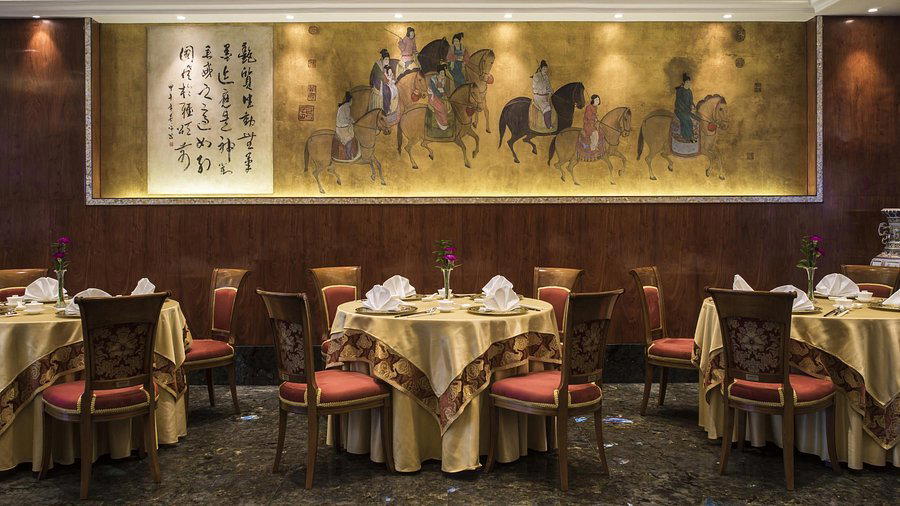
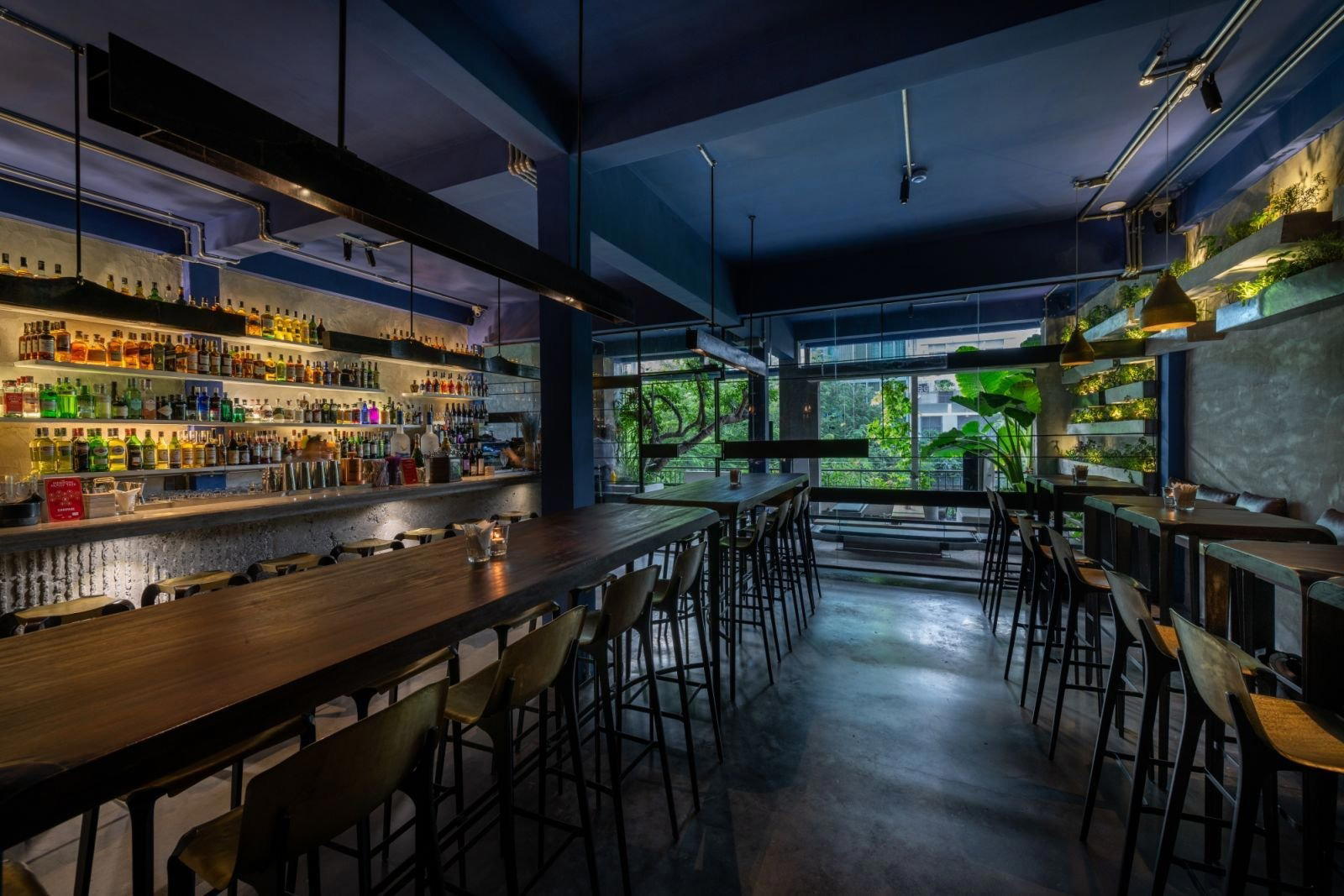
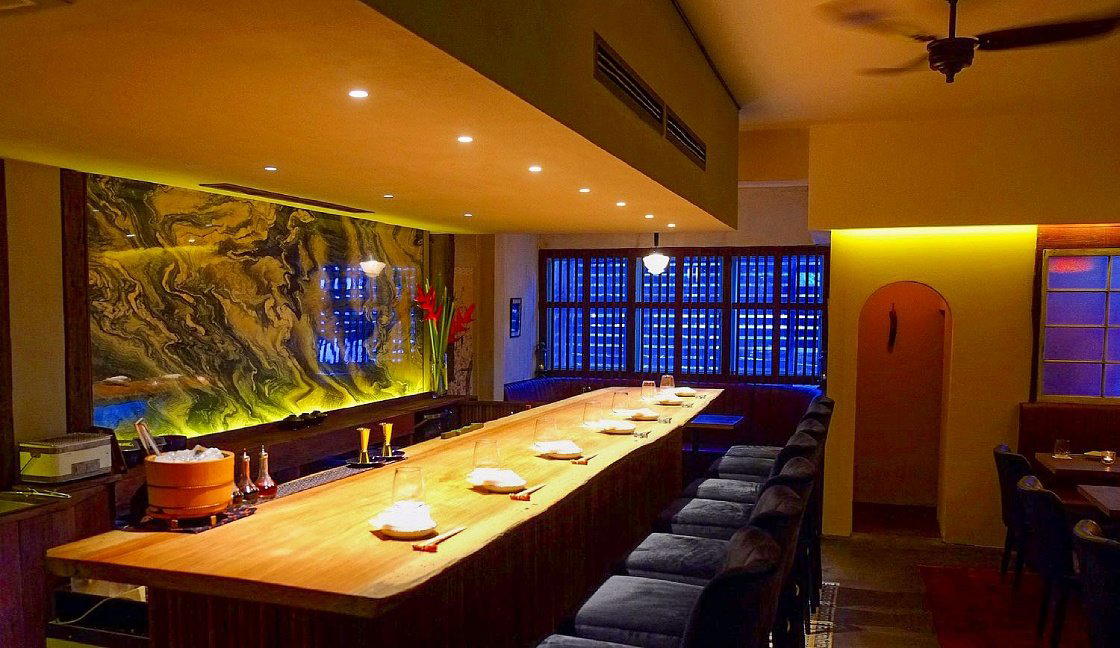
Cozy and stylish with a welcoming atmosphere, good vibe, nice music, and relaxed courtyard seating.