Lulu White Drinking Club occupies a particular niche in Paris's bar scene: the theatrically lit, absinthe-era drinking room that refuses to perform nostalgia cheaply. Positioned among Montmartre's more considered cocktail addresses, it draws a crowd that prefers depth in the glass over Instagram spectacle. The format rewards visitors who come with patience and curiosity rather than a checklist.
Pearl is the En Primeur Club membership app — saves, bookings, and concierge access live there. Same editors, same standards.
- Address
- Paris, France
- Directions
- Get directions
 Saves & bookings on Pearl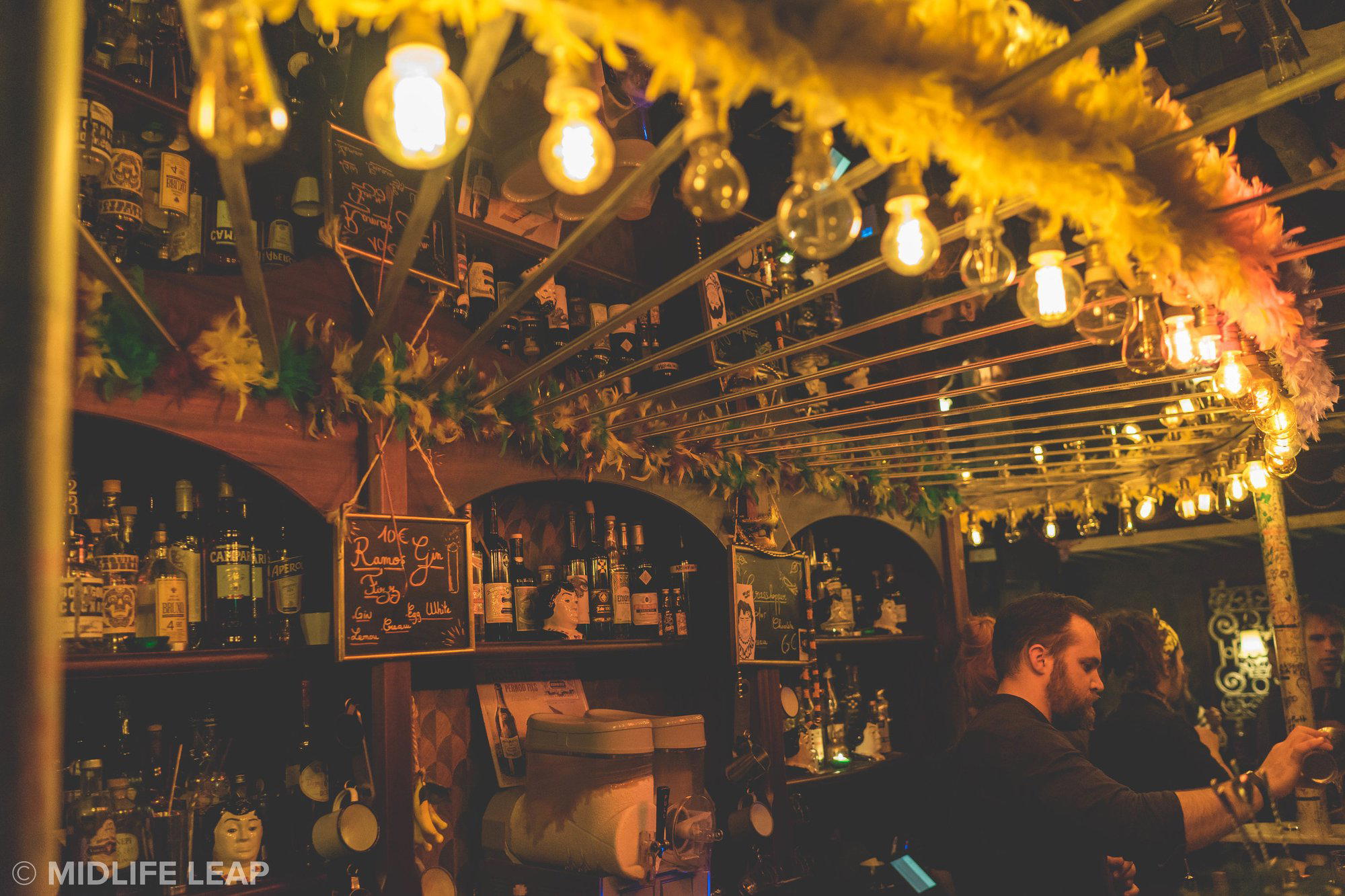
Montmartre's Drinking Room Culture and Where Lulu White Sits
Paris has never lacked bars that lean on Belle Époque imagery, but most stop at the aesthetic. Distressed mirrors, red velvet, and a Toulouse-Lautrec print on the wall pass for atmosphere in dozens of addresses across the 18th arrondissement. What separates the serious drinking rooms from the decorative ones is what happens once you sit down: the depth of the spirits program, the coherence of the menu logic, and whether the room feels lived-in or merely dressed up.
Lulu White Drinking Club takes its name from Lulu White, the New Orleans madam and entrepreneur who ran Mahogany Hall on Basin Street at the turn of the twentieth century — a woman who understood that the right room, the right drinks, and the right crowd form something more durable than a bar concept. That lineage places the venue in a specific tradition: the drinking club as a curated social institution, not a cocktail delivery mechanism. In Paris's bar tier, that orientation aligns it more closely with Danico and the more considered end of the Montmartre circuit than with the high-volume tourist addresses further down the hill.
The Room as an Argument for Restraint
Montmartre's bar addresses split, broadly, between spaces that perform their era and spaces that inhabit it. The distinction matters because it determines the pace of an evening. Rooms that perform tend toward theatrical lighting cues and music calibrated to push throughput. Rooms that inhabit an era give you time: slower service rhythms, enough quiet to hear the person across from you, and a menu structured around spirits rather than around speed.
Lulu White reads as the latter. The absinthe program sits at the center of the drinks identity, which is a commitment that carries risk. Absinthe is a category that attracts both the genuinely curious and the theatrically misled, and a bar that builds around it has to make the case that the spirit deserves serious attention beyond the flame ritual most tourists associate with it. The argument is strongest when the selection is wide enough to demonstrate range — from the dry, anise-forward Swiss style to the more herbaceous French interpretations, and when the service can articulate the differences without condescension. Bars in Paris that have made this case credibly, like Candelaria in the Marais with its mezcal program, demonstrate that a commitment to a single spirit category, done with enough depth, becomes an editorial statement about what serious drinking looks like.
Sustainability as a Drinks Philosophy
The most coherent sustainability arguments in craft cocktail bars tend to arrive through ingredient selection rather than front-of-house signage. Bars that source locally, reduce citrus waste through fat-washing and clarification, or replace high-carbon imports with French regional spirits are making environmental decisions that also happen to produce more interesting menus. Paris's more considered cocktail addresses, Bar Nouveau among them, have leaned into this approach, building programs around what French producers make well rather than defaulting to the global premium spirits rack.
For a bar centered on absinthe, this framework maps naturally. The absinthe tradition is rooted in French and Swiss Alpine production: grand wormwood, green anise, and fennel grown in defined regional corridors. Sourcing within that tradition rather than importing approximations from elsewhere is both an authentically sustainable position and a defensible quality argument. The same logic extends to any cocktail built around French spirits, French vermouth, or French wine-based liqueurs. A menu that stays close to what the country produces well will, almost by necessity, carry a lighter logistical footprint than one built on imports from five continents. Whether Lulu White's sourcing decisions are explicitly framed this way is a conversation worth having at the bar, not a claim to be taken on the venue's behalf without confirmation.
What the absinthe tradition does offer, structurally, is a model for waste reduction that predates modern sustainability rhetoric. Classic absinthe service, water, sugar, and time, requires no citrus, no plastic straws, and no elaborate mise en place beyond the glass and the brouilleur. The drinks tradition is, in its original form, a low-waste format. Bars elsewhere in France have found similar arguments in their regional specialties: Coté Vin in Toulouse through its wine focus, and La Maison M. in Lyon through its locally-rooted spirits list. The logic transfers.
Paris's Cocktail Tier and Lulu White's Competitive Position
Paris's premium bar scene has consolidated around a recognizable set of formats over the past decade: the hotel bar with a celebrity bartender program (see Buddha Bar for the high-spectacle version), the tight tasting-menu cocktail counter, and the neighborhood drinking room that prizes depth over visibility. Lulu White belongs to the third category, which tends to attract a more local, repeat-visit crowd than the first two.
The drinking club format implies membership logic even without formal membership: regulars who know the list, staff who remember preferences, and a room that functions differently on a Tuesday than on a Saturday. Compared to destination bars in other French cities, Papa Doble in Montpellier or Au Brasseur in Strasbourg, Lulu White operates in a denser, more competitive market, where standing out requires a sharper point of view rather than simply being the most serious option on the block.
New Orleans drinking rooms, Japanese whisky bars, and London's more considered members' bar circuit all share the same underlying logic: a curated spirits selection, low capacity, and a pace of service that assumes you have time. For Paris visitors calibrating expectations, the closest frame of reference is not a cocktail bar in the conventional sense, but a specialized spirits room that happens to make cocktails. Bar Leather Apron in Honolulu operates in the same tier despite the geographic distance, and the comparison is more useful than it might initially appear: both prioritize a considered spirits canon over trend-chasing.
Planning Your Visit
Montmartre addresses in this category tend to peak mid-week, when the crowd skews toward people who came specifically for the bar rather than people who wandered off the tourist circuit. Evenings earlier in the week typically allow more time with the staff and more space to work through the list. The 18th arrondissement is accessible by Metro from most central Paris neighborhoods, with Pigalle and Blanche serving as the most practical entry points. Given the bar's positioning and the format, this is not a place to arrive in a large group expecting fast service: two to four people is the format it rewards. For broader Paris planning, the EP Club Paris guide maps the full drinking and dining circuit by neighborhood, including the other Montmartre and Pigalle addresses that pair well with an evening here.
At a Glance
- Intimate
- Cozy
- Trendy
- Sophisticated
- Date Night
- Late Night
- Group Outing
- Casual Hangout
- Speakeasy
- Live Music
- Historic Building
- Seated Bar
- Booth Seating
- Craft Cocktails
- Rum
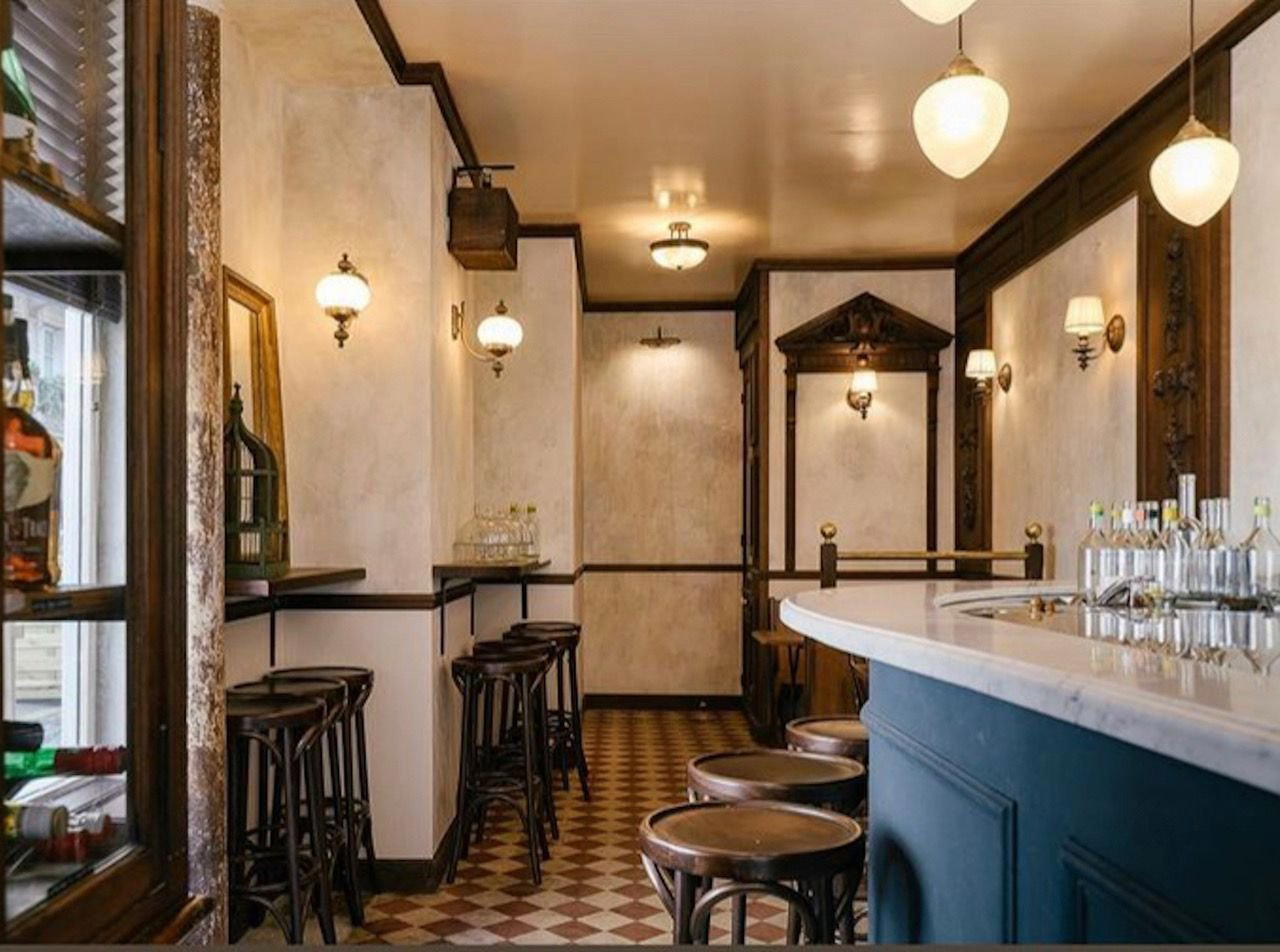
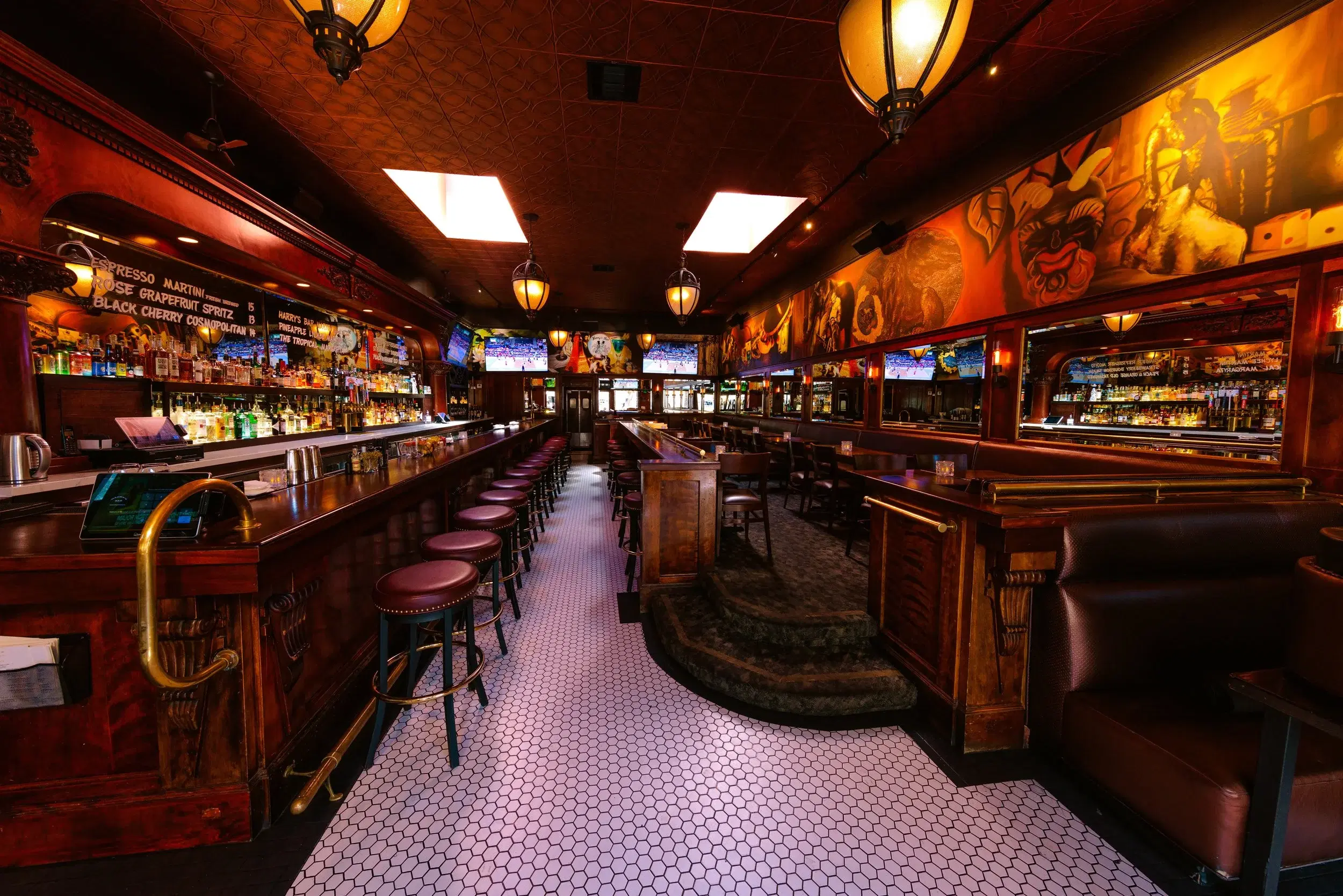
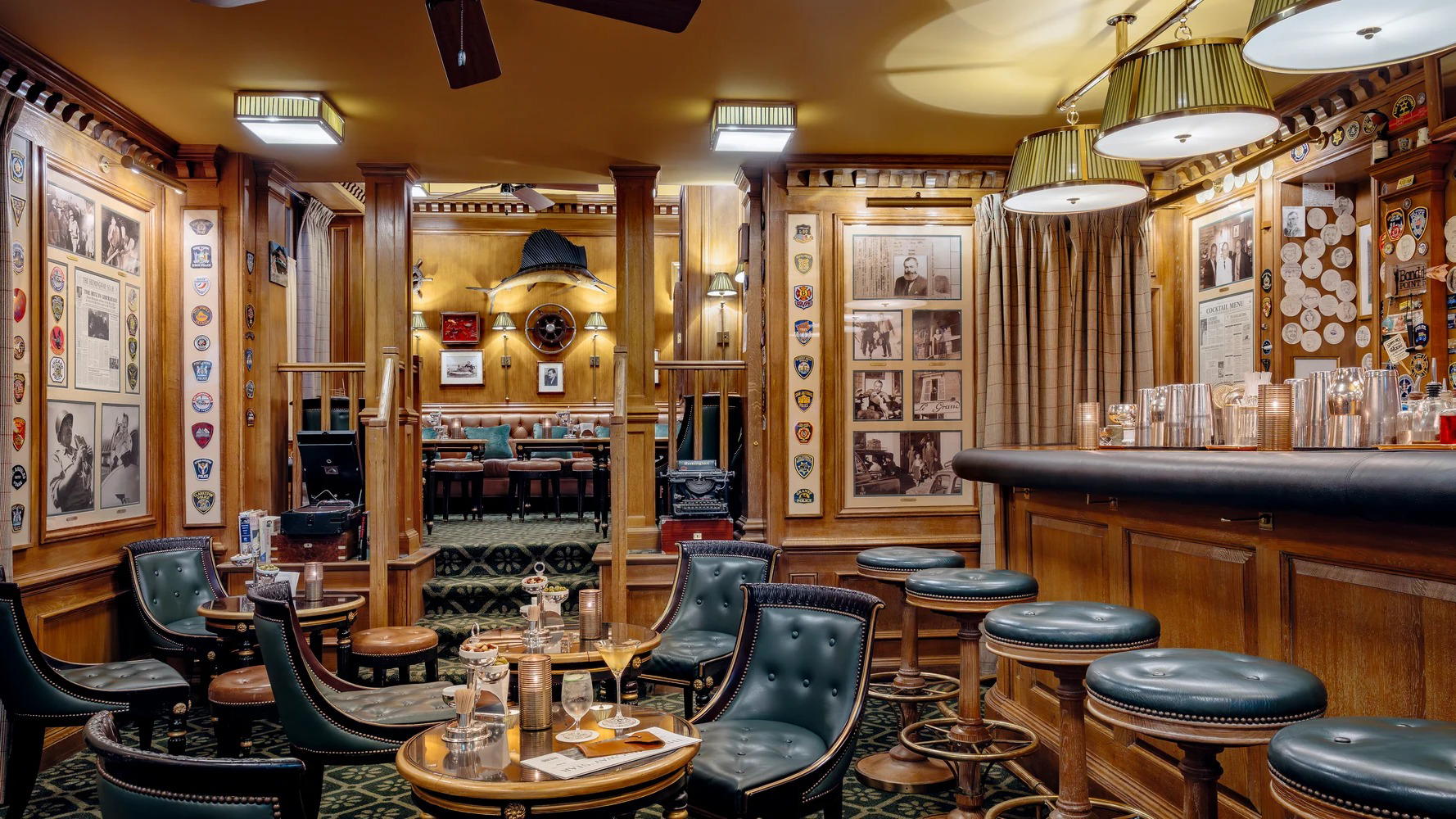
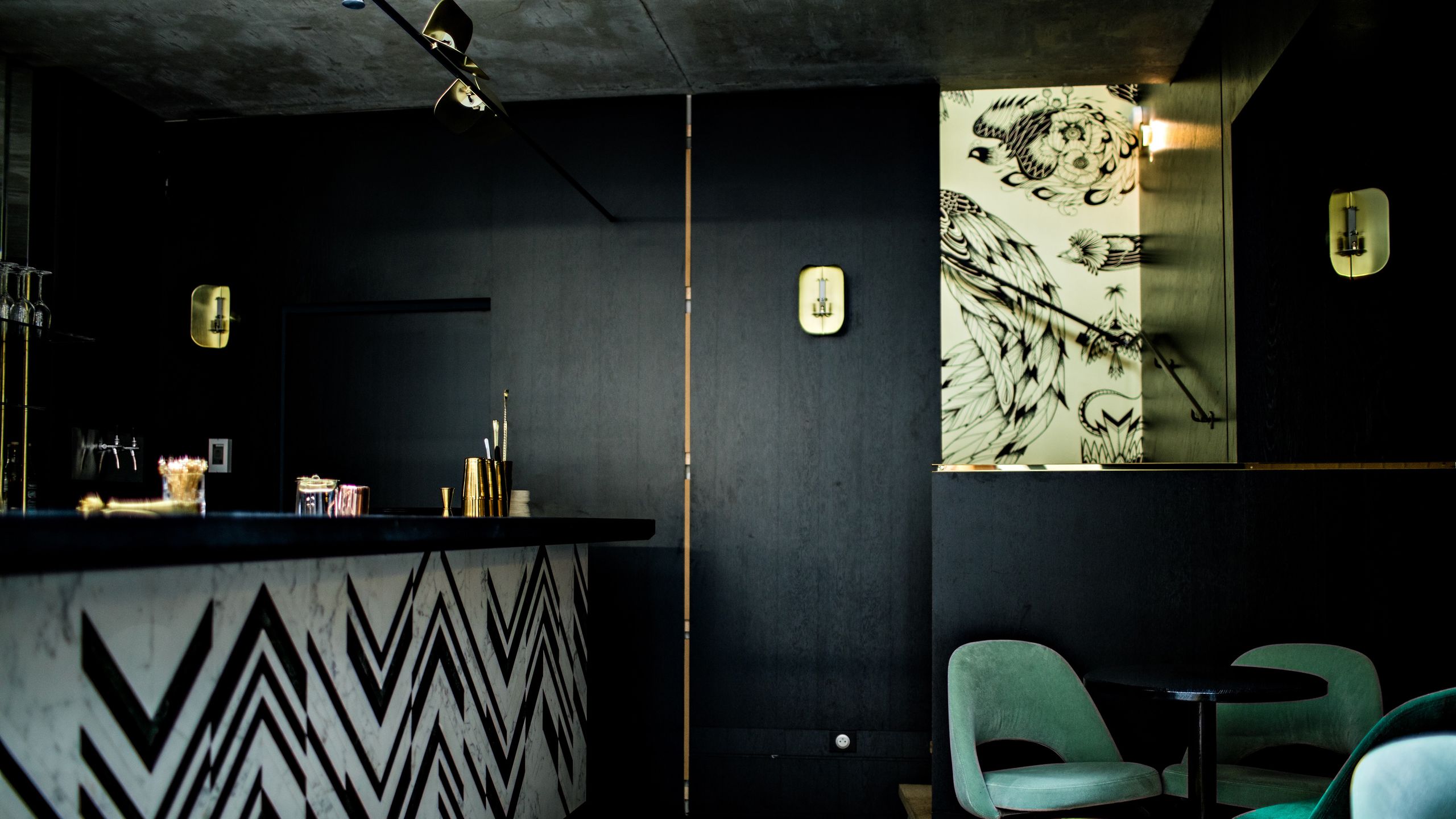
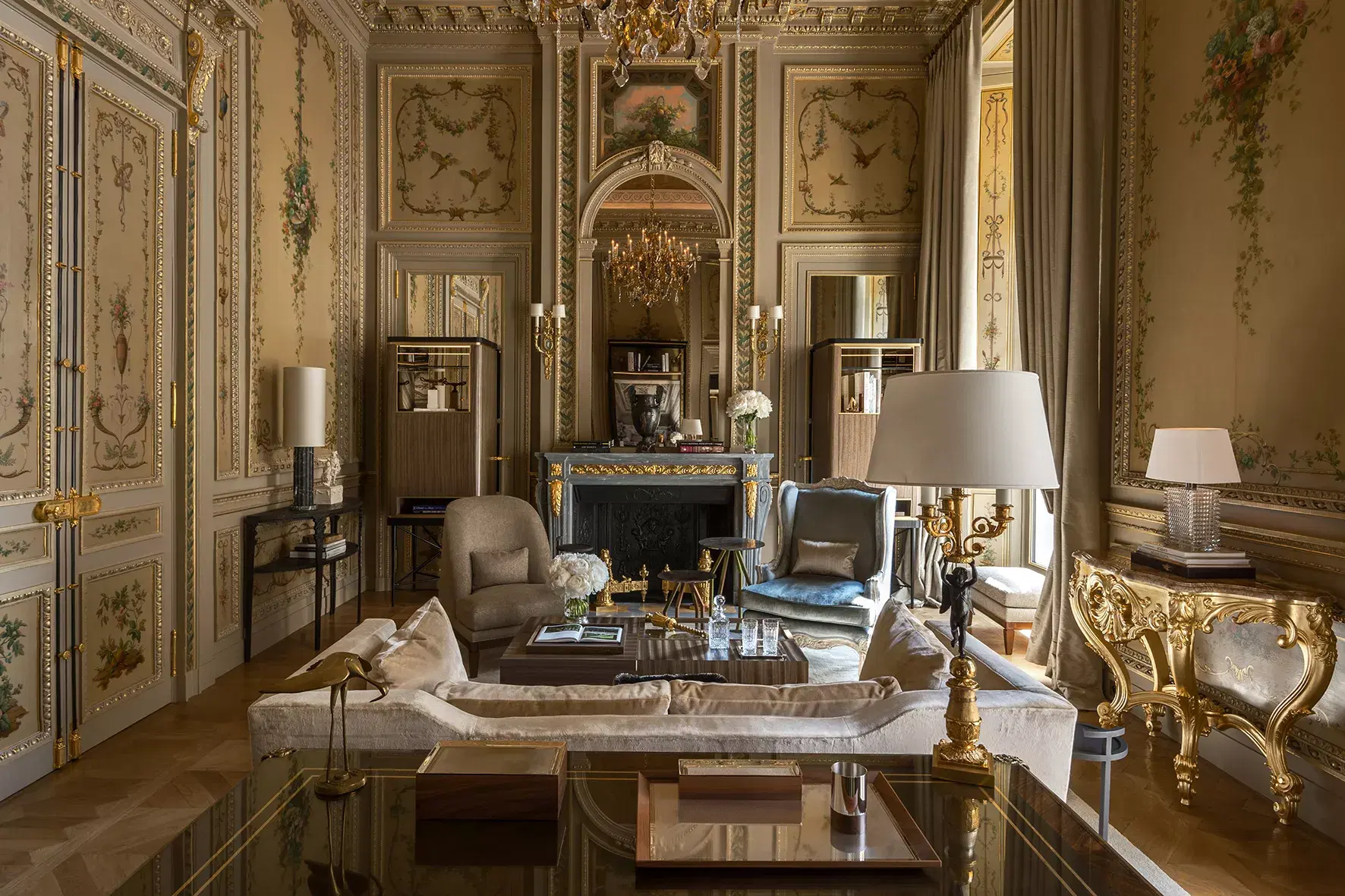
Tamisée lighting with Art Deco details like mirrored ceilings, mosaic walls, leather armchairs, and comfortable intimate cabins creating a jazzy, convivial atmosphere.