Leijontornet Bar occupies a medieval tower address in Stockholm's Gamla Stan, positioning it among the city's most atmospherically charged drinking spaces. The bar draws from Stockholm's broader shift toward technically focused cocktail programmes, placing craft over spectacle. For visitors exploring the Old Town's drinking scene, it represents a considered stop in a neighbourhood better known for tourist-facing pubs.
Pearl is the En Primeur Club membership app — saves, bookings, and concierge access live there. Same editors, same standards.
- Address
- Yxsmedsgränd 12, 111 27 Stockholm, Sweden
- Phone
- +46 8 506 400 83
- Website
- bar.leijontornet.se
- Directions
- Get directions
 Saves & bookings on Pearl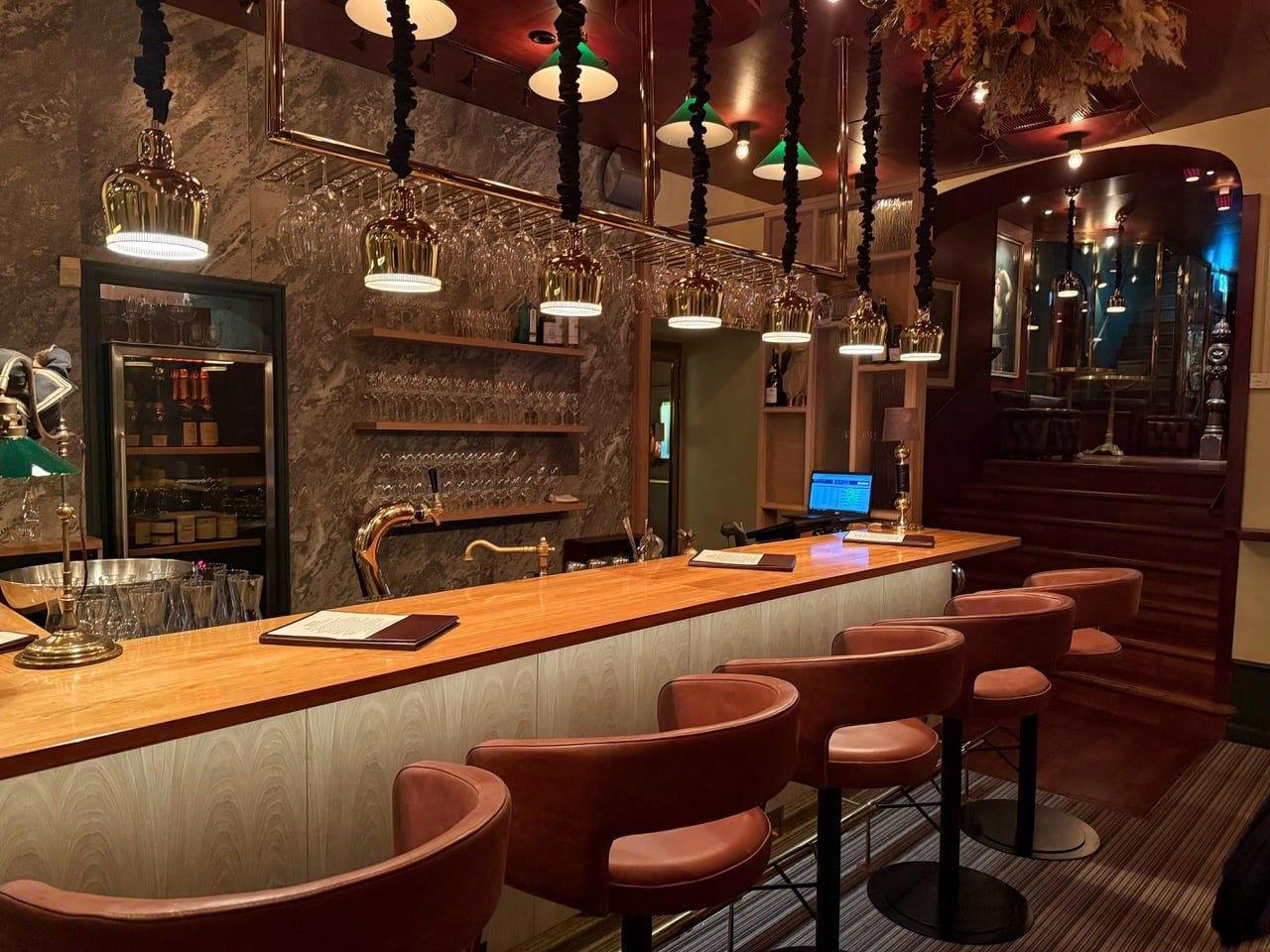
Stone Walls, Modern Pours: Stockholm's Old Town Cocktail Scene
Gamla Stan operates on a different register from Stockholm's Södermalm bar corridor or the polished rooms of Östermalm. The medieval street grid, cobblestones worn smooth by several centuries of foot traffic, and addresses that predate the city's modern hospitality industry create a context that most bars either fight against or lean into entirely. Leijontornet Bar, at Yxsmedsgränd 12, takes the latter approach. The address alone — a lane name that translates roughly to the Axe Smiths' Alley — signals that the building's history predates any cocktail programme by a considerable margin. Arriving here, the physical environment does most of the introductory work before a drink is poured.
Stockholm's bar scene has undergone a sustained reorientation over the past decade. The city moved away from the volume-driven nightlife model and toward smaller, programme-led rooms where the drink itself carries the editorial weight. That shift is visible across the city: at Tjoget on Södermalm, where the cocktail list reads like a research document; at Lucy's Flower Shop, which brought a wine-bar sensibility to the cocktail format; and at Röda Huset, where the focus on Scandinavian produce has given the drinks menu a distinctly regional character. Leijontornet Bar sits within this broader pattern, occupying the Gamla Stan end of a scene that has otherwise concentrated its energy further south and west.
What the Cocktail Programme Signals
In Stockholm's current bar economy, a cocktail programme carries more information than a menu alone. Bars that invest in clarification, fat-washing, or fermented house ingredients are making a claim about seriousness that differentiates them from venues where the back bar is decorative rather than functional.
The location in Gamla Stan shapes the audience Leijontornet draws, and by extension what the programme needs to do. Old Town visitors include a higher proportion of international travellers than most Stockholm neighbourhoods, which means the drinks list must be legible to someone unfamiliar with the local bar conversation while still offering enough depth to hold the attention of a Stockholm regular. Getting that calibration right is a harder editorial task than it appears. The most effective programmes in this kind of setting tend to anchor recognisable formats with local or unusual ingredients, giving the international visitor a point of entry without reducing the list to lowest-common-denominator classics.
For comparison, A Bar Called Gemma has demonstrated how a focused, intelligent programme can hold both audiences simultaneously. The approach at Leijontornet, operating from a physically distinctive space in one of Stockholm's most visited districts, has a similar structural challenge and a similarly strong built-in draw to work with.
The Setting as Programme Element
Bars in historic buildings carry a built-in atmospheric advantage, but that advantage cuts both ways. When the room is the story, the drinks can become secondary, and venues that rely on vaulted ceilings or exposed medieval stonework without matching the physical context with a programme of equivalent seriousness tend to underperform on repeat visits. The test for a bar in a space like Leijontornet's is whether the cocktails would hold interest in a less atmospheric room. If the answer is yes, the setting becomes a genuine amplifier rather than a crutch.
Stockholm's drinking culture has grown sufficiently sophisticated that locals apply exactly that test when deciding where to spend time. The international recognition that venues like Tjoget have received, placing Stockholm on the longer list of European cities with a credible cocktail identity, has raised the baseline expectation across the city. A bar in Gamla Stan now competes not just with other Old Town rooms but with the city's wider reputation, which means the programme needs to justify itself on its own terms.
Placing Leijontornet in the Stockholm Bar Map
For visitors building a bar itinerary across the city, geography matters as much as programme. Stockholm's drinking neighbourhoods cluster in ways that make neighbourhood-by-neighbourhood planning sensible. Södermalm holds the density of technically focused rooms; Östermalm runs toward the polished hotel bar format; Gamla Stan offers something different again, where the physical environment is part of the proposition. Leijontornet sits at the intersection of place and programme, which makes it a logical stop on any itinerary that includes the Old Town.
Beyond Stockholm, Sweden's bar and hospitality scene has developed regional depth that rewards exploration. Dorsia Hotel & Restaurant in Gothenburg represents the west coast's more theatrical approach to hospitality. Further north, Ångbryggeriet in Piteå works from a craft brewing base that reflects a different regional drinking tradition. On Gotland, Bageriet Mat & Bar in Visby operates in a similarly historically charged setting to Leijontornet, making it a useful comparison for understanding how Swedish bars handle the weight of a medieval address. In the south, Ölkaféet in Malmö anchors a beer-first culture that sits outside the cocktail programme conversation entirely.
For those extending further, Vyn Restaurant in Östra Nöbbelöv and Koster Islands in Tjärnö show how Sweden's hospitality ambition extends well beyond its cities, into coastal and rural settings where the produce relationship is as central as any urban cocktail technique. And for a genuinely different reference point in the technically focused cocktail format, Bar Leather Apron in Honolulu demonstrates how the same programme seriousness translates across radically different geographic and cultural contexts.
Planning a Visit
Yxsmedsgränd 12 is within walking distance of Gamla Stan's main pedestrian routes, accessible from the Gamla Stan tunnelbana station in a few minutes on foot. The lane itself is narrow and easy to miss, which is consistent with the Old Town's general approach to signage, the assumption is that you know where you're going, or that finding it is part of the experience. For visitors combining the bar with dinner, the Old Town has enough kitchen options at various price points to make an evening here without leaving the neighbourhood. Those building a more ambitious bar evening would follow Leijontornet with stops further into the city, moving toward Södermalm's concentration of technically focused rooms. The full picture of what Stockholm's current bar scene offers is mapped in our full Stockholm restaurants guide, which covers the city's neighbourhoods in the depth this kind of planning requires.
At-a-Glance Comparison
A compact comparison to help you place this venue among nearby peers.
| Venue | Awards |
|---|---|
| Leijontornet BarThis venue — the venue you are viewing | Not listed |
| Röda Huset | World's 50 Best |
| Lucy's Flower Shop | World's 50 Best |
| Tjoget | World's 50 Best |
Continue exploring
More in Stockholm
Bars in Stockholm
Browse all →
Restaurants in Stockholm
Browse all →
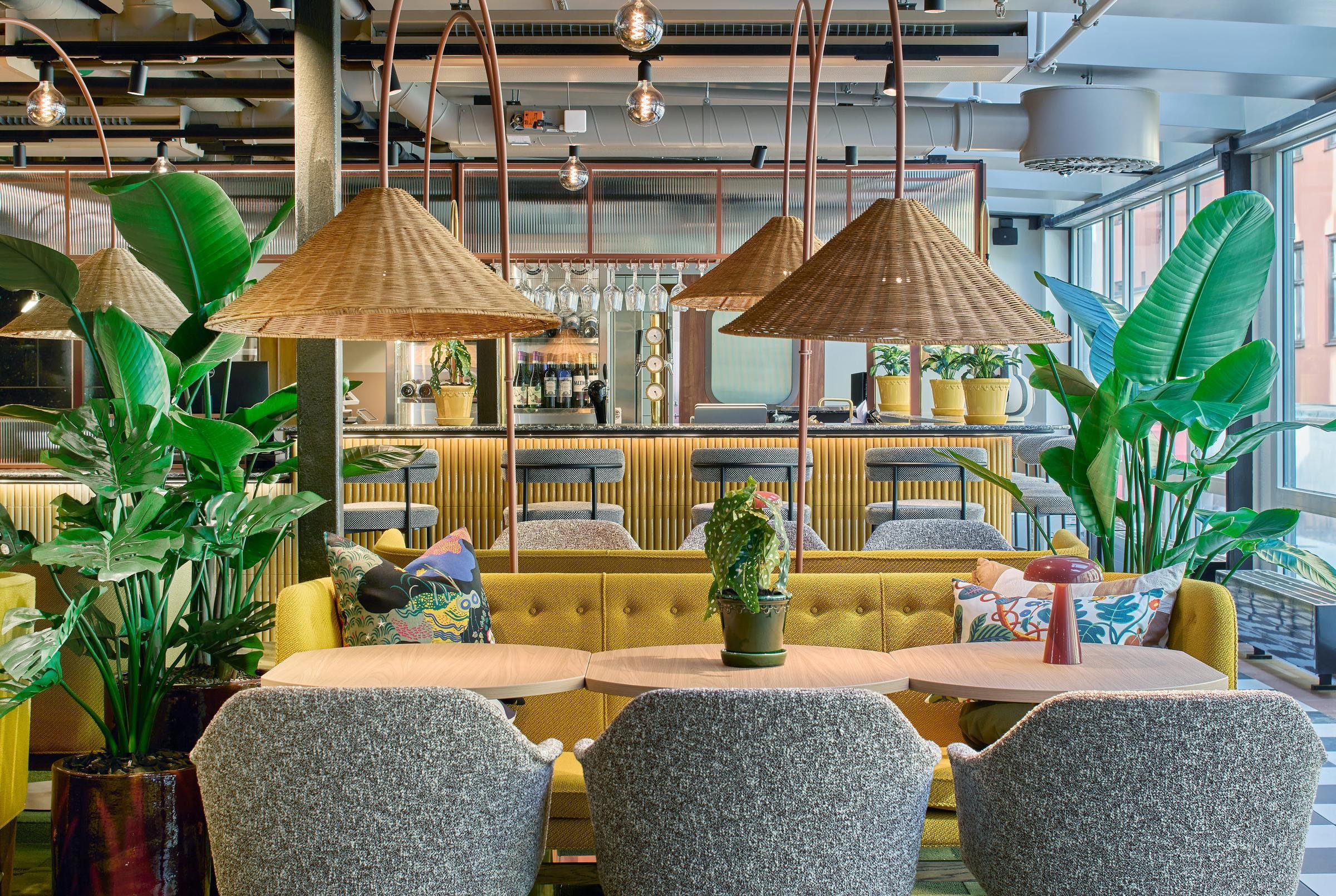
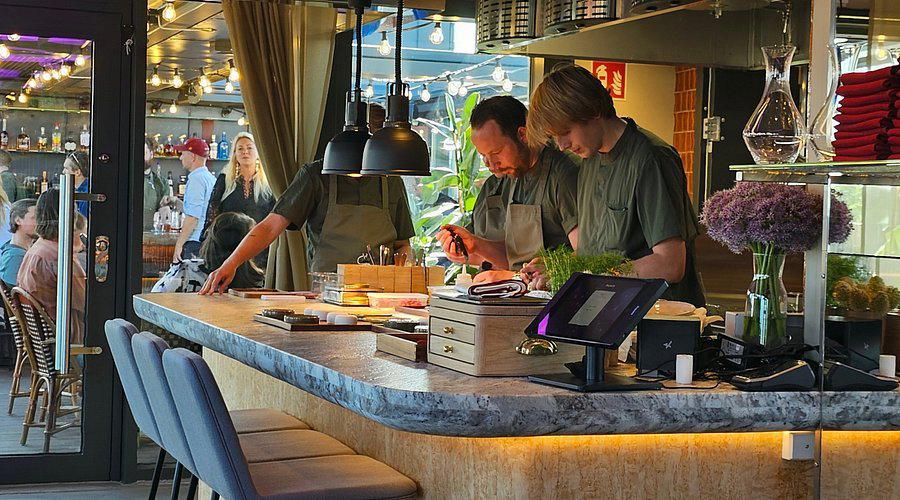
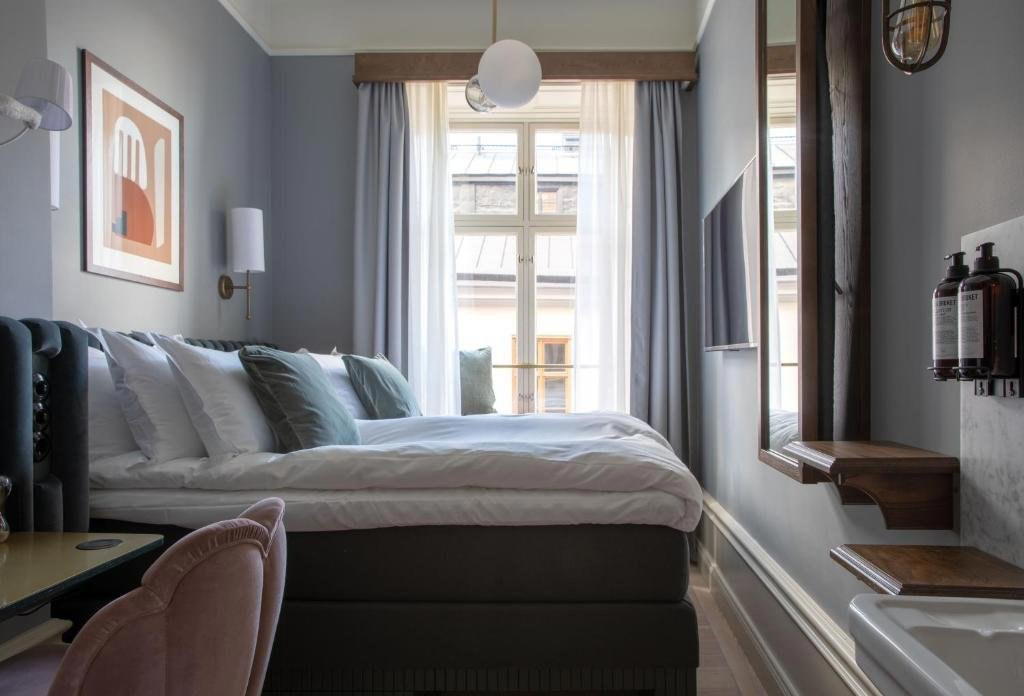
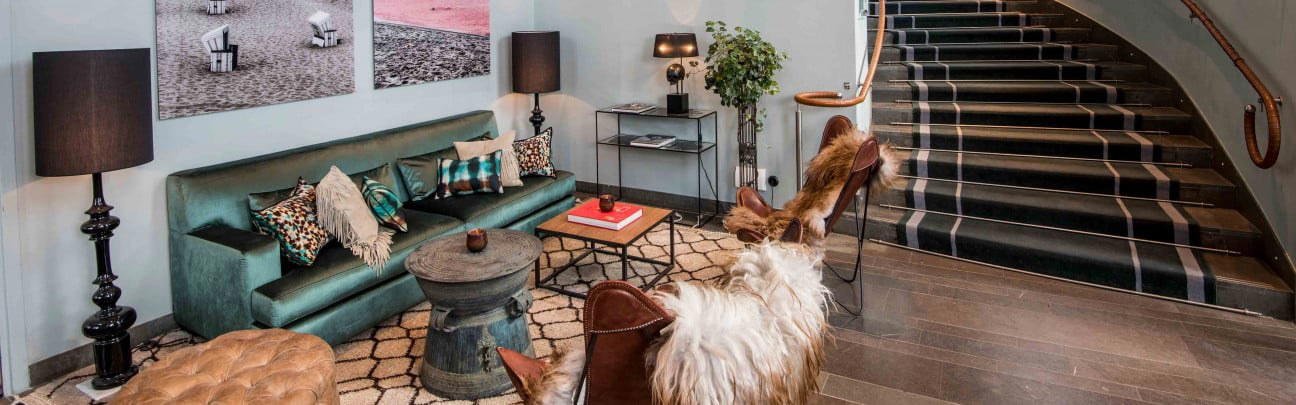
At a Glance
- Lively
- Elegant
- Cozy
- Sophisticated
- Date Night
- After Work
- Casual Hangout
- Historic Building
- Seated Bar
- Lounge Seating
- Conventional Wine
Current opening hours
- Monday
- Closed
- Tuesday
- 5 PM–12 AM
- Wednesday
- 5 PM–12 AM
- Thursday
- 5 PM–12 AM
- Friday
- 5 PM–12 AM
- Saturday
- 5 PM–12 AM
- Sunday
- Closed
Hours can change for holidays and private events. Last verified .
Trendy atmosphere with comfortable seating, atmospheric dining, and a historic building feel from a bygone era.
Know Before You Go
- Getting there
- Yxsmedsgränd 12, 111 27 Stockholm, Sweden