
Le Train Bleu occupies the grand brasserie hall above Gare de Lyon, a Belle Époque dining room completed in 1901 whose painted ceilings and gilded mouldings have changed little since the Paris-Lyon-Méditerranée railway commissioned them. It sits in the narrow category of Parisian institutions where the architecture is the primary reason to book, and the Franco-classical menu holds its own alongside it.
Pearl is the En Primeur Club membership app — saves, bookings, and concierge access live there. Same editors, same standards.
- Address
- Gare de Lyon, Pl. Louis Armand hall 1, 75012 Paris, France
- Phone
- +33 1 43 43 09 06
- Website
- le-train-bleu.com
- Directions
- Get directions
 Saves & bookings on Pearl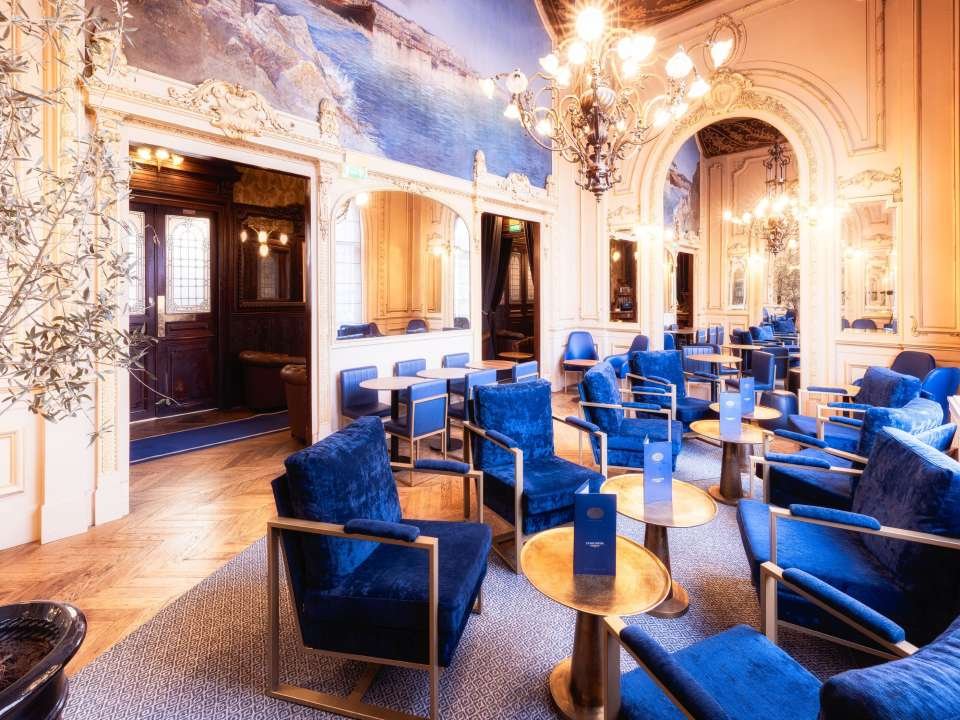
A Room That Earns Its Reputation
There are Paris brasseries, and then there is the category that transcends the format entirely. Le Train Bleu, positioned above the main hall of Gare de Lyon in the 12th arrondissement, belongs to the second group. The dining room was completed in 1901 as part of the Paris Exhibition, commissioned by the Paris-Lyon-Méditerranée railway to demonstrate what the French south could offer travellers heading to Provence and the Côte d'Azur. More than a century later, those 41 painted ceiling panels, gilded stucco mouldings, and heavy chandeliers remain the structural argument for the room's continued relevance. This is the kind of space that causes first-time visitors to stop in the doorway, which is both its selling point and, at times, its crowd management problem.
For those who return regularly, the architecture has long since receded into background. What keeps a loyal clientele coming back to a room this theatrical is harder to articulate and more interesting to examine.
What the Regulars Actually Order
The Franco-classical menu at Le Train Bleu reads as a document of what Parisian brasserie cooking looked like before modernist technique and farm-to-table signalling became the dominant grammar. The kitchen operates within a tradition of Lyon-inflected dishes, cuts braised low and long, classic sauces finished properly, and a wine list organised by the regions the original railway served. For a certain type of Paris regular, that consistency is the point. In a city whose mid-range restaurant scene rotates rapidly and whose ambitious kitchens pivot menus seasonally, a room that still commits to quenelles and sole meunière represents a form of stability that has its own value.
The regulars here tend to order from memory rather than from the menu. That pattern, common across Paris's longer-standing institutions, signals something specific: the kitchen's consistency over time has built a relationship with a clientele who know exactly what they want before they sit down. The written menu functions less as a discovery document and more as a confirmation of what's still there. That dynamic is rare in contemporary Paris dining, where novelty is the primary driver of repeat visits at most addresses.
Alongside the house classics, the wine programme draws from the regions the railway historically connected: Burgundy, the Rhône Valley, Provence. For a brasserie operating at this price positioning, the cellar depth skews more serious than the format might suggest, which is another detail that distinguishes the address within its category.
The Architecture as Context
French railway stations built between 1880 and 1910 received civic investment that had no direct American or British equivalent. The grands buffets attached to those stations were designed as threshold spaces, places where departing travellers crossed from the functional city into something more aspirational. Le Train Bleu was built inside that logic, and that origin explains why the room feels so different from a neighbourhood brasserie. The 41 ceiling paintings depict the destinations served by the PLM railway, which means the room was always as much about geography and imagination as it was about food. Regulars who have eaten there dozens of times can still name panels they've never noticed before, which says something about the density of the visual programme.
That heritage comes with a preservation obligation. The room was classified as a historical monument in 1972, which limits what any operator can change. The furniture and the service approach have adapted, but the envelope of the room cannot. For those who find that constraint frustrating, there are more flexible addresses across Paris. For those who consider it an asset, Le Train Bleu sits in an effectively uncontested position: no other restaurant in the city offers a classified Belle Époque dining room at a brasserie price point with a menu of comparable classical ambition.
Placing It in the Paris Brasserie Category
Paris brasseries occupy a wide range of quality and price tiers. At the lower end, the format has been compromised by group ownership and standardised kitchens. At the upper end, a handful of addresses maintain genuine kitchen investment alongside the heritage setting. Le Train Bleu sits in the latter group, alongside names like Bofinger in the 4th and La Coupole in Montparnasse, though its Gare de Lyon location gives it a different clientele mix: business travellers, regulars from the 12th, and tourists who have specifically sought it out rather than stumbled upon it.
That location also means the crowd skews more international at certain hours, particularly around midday departures and evening arrivals from the TGV platforms below. The best-practised regulars know to book for times when that transit traffic is lighter, and when the room settles into something closer to a neighbourhood institution than a landmark attraction. Reservations are advisable for dinner and for weekend lunches; weekday lunch service has historically offered more flexibility, though booking ahead remains the dependable approach.
For context on how Le Train Bleu sits within the wider Paris dining and drinking scene, our full Paris restaurants guide maps the city's key categories and neighbourhoods. Those exploring the capital's cocktail addresses might also consider Bar Nouveau, Buddha Bar, Candelaria, and Danico, each of which occupies a distinct position in the Paris bar scene. Outside the capital, comparable heritage-dining sensibilities appear in different forms at La Maison M. in Lyon, Au Brasseur in Strasbourg, Coté vin in Toulouse, Bar Casa Bordeaux in Bordeaux, Le Café de la Fontaine in La Turbie, and Papa Doble in Montpellier. Further afield, Bar Leather Apron in Honolulu offers its own argument for serious bar programmes outside the obvious cities.
Planning a Visit
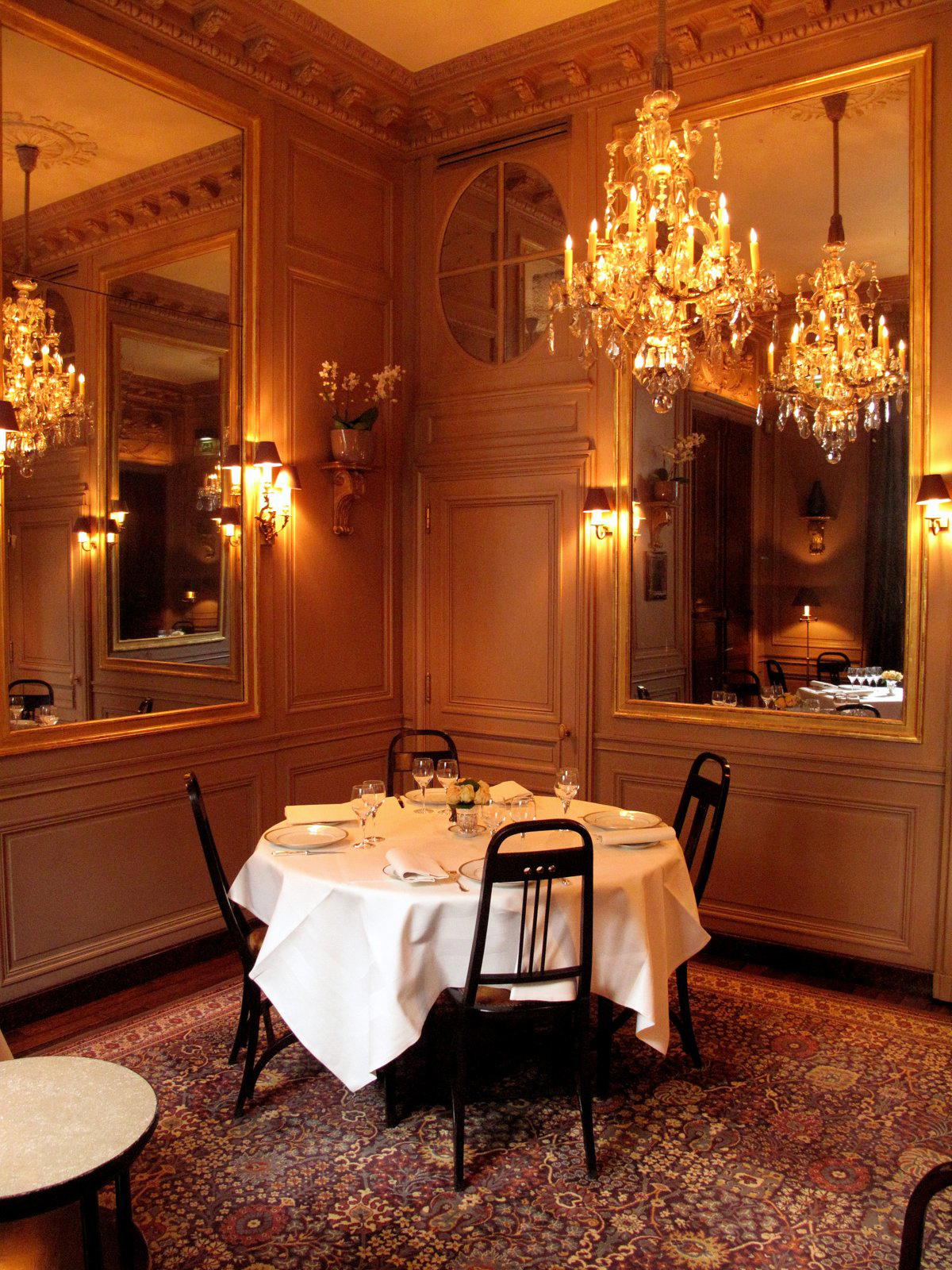
Le Train Bleu is located on the first floor of Gare de Lyon at Place Louis Armand, accessible directly from the station's main hall. The address works practically for travellers passing through to or from the south of France, and it works as a standalone destination for those who want the room without the journey context. Dress tends to smart casual to business; the room's formality sets an informal floor without requiring it explicitly. For groups, the private dining rooms within the same classified space offer an alternative to the main floor, with the same visual intensity at a smaller scale.
Budget and Context
| Venue | Price |
|---|---|
| Le Train BleuThis venue — the venue you are viewing | This venue |
| Bar Nouveau | World's 50 Best |
| Buddha Bar | World's 50 Best |
| Candelaria | World's 50 Best |
| Danico | World's 50 Best |
| Harry's Bar | World's 50 Best |
Recognition history
Dated appearances from independent guides and award organizations, with the underlying list record or original source where available.
Opinionated About Dining Classical in Europe Highly Recommended
Opinionated About Dining
Opinionated About Dining Newly Added European Restaurants
Opinionated About Dining
Continue exploring
More in Paris
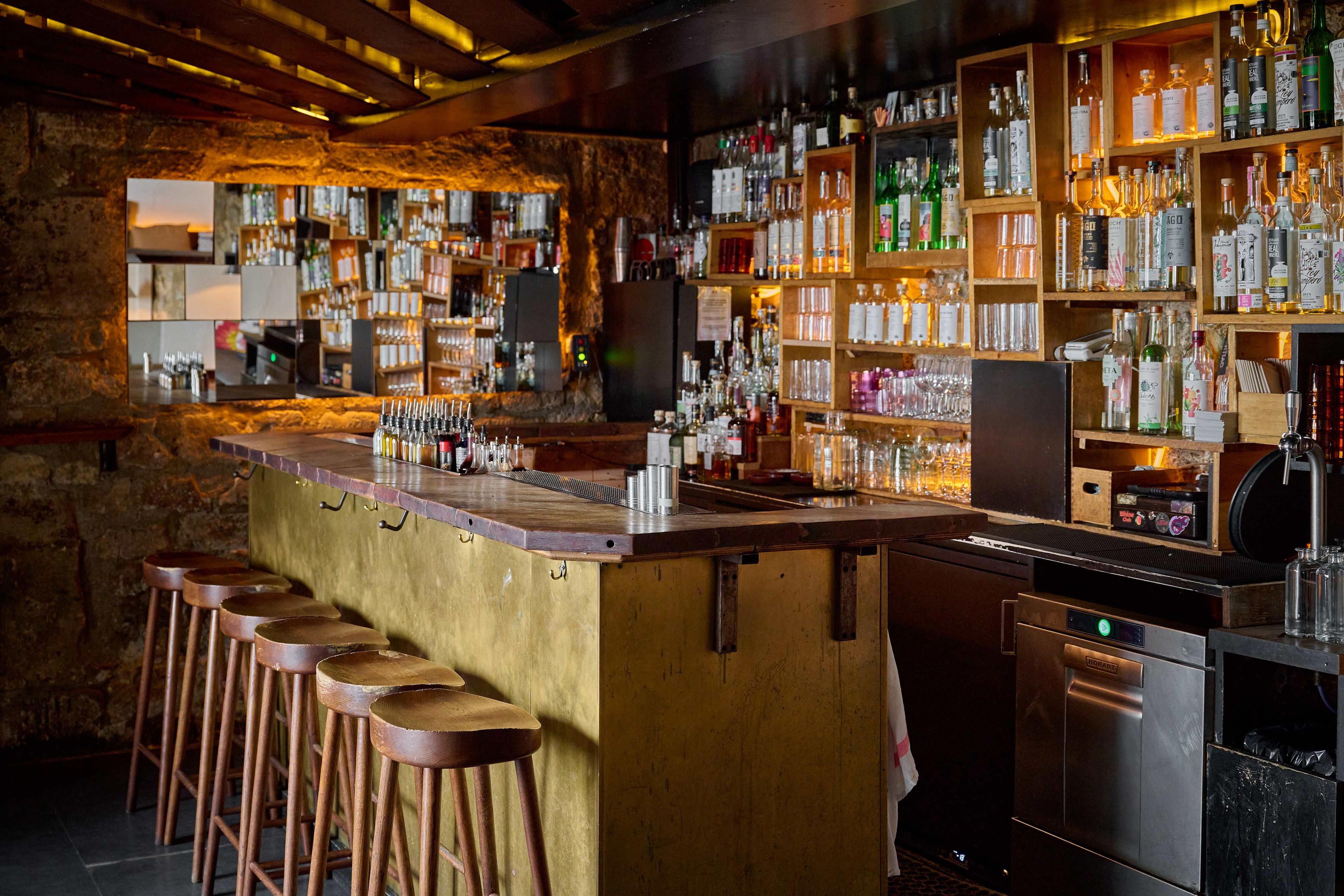
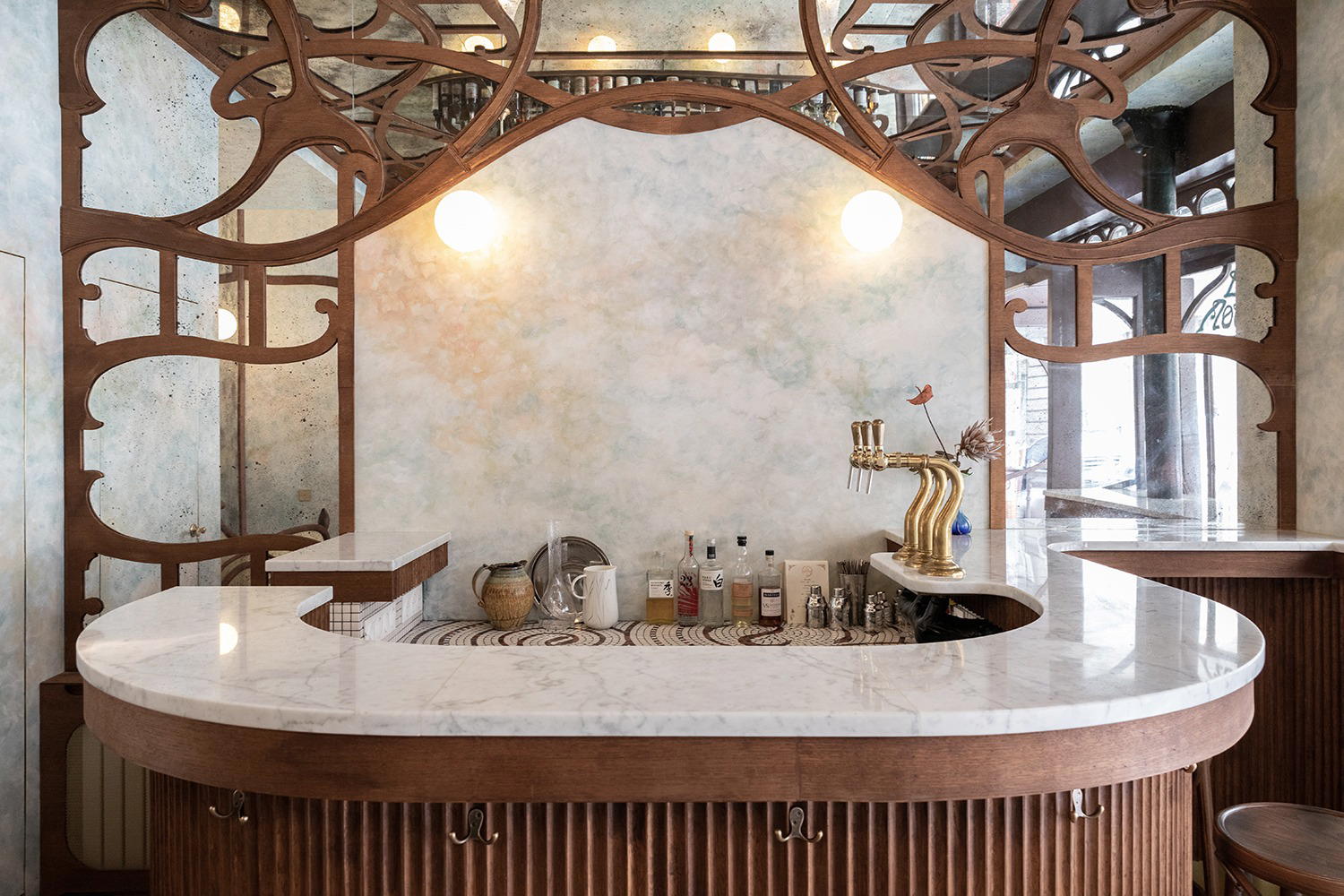
Bars in Paris
Browse all →
Restaurants in Paris
Browse all →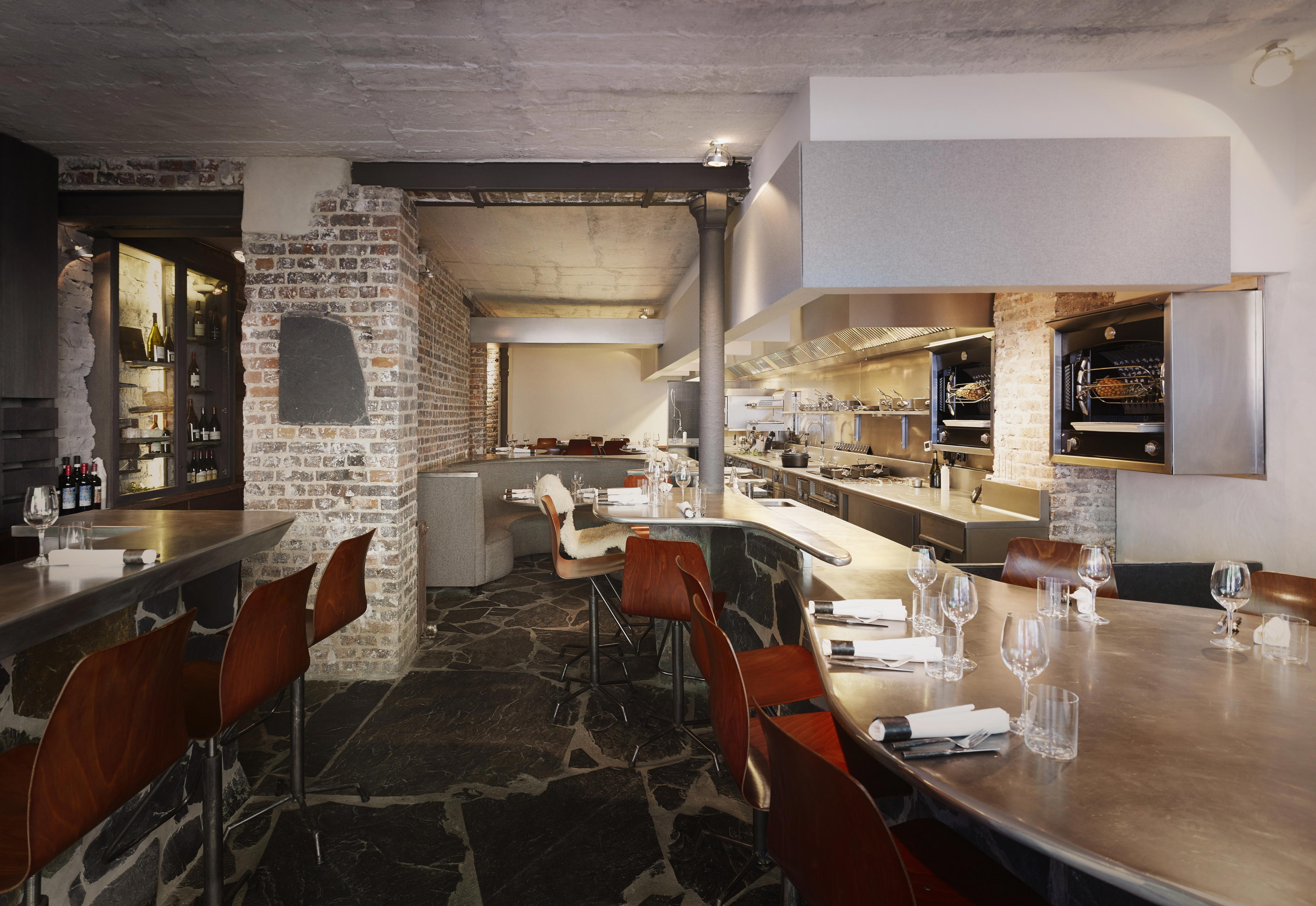
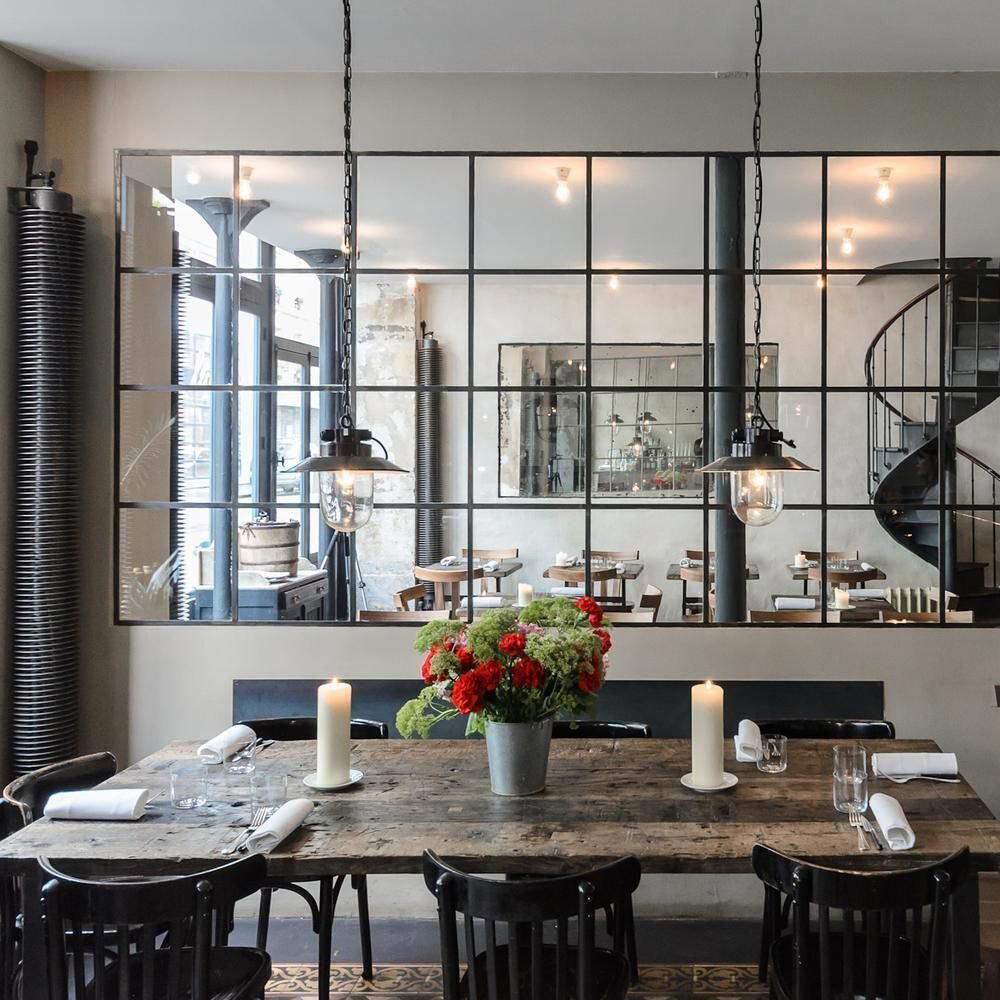
Hotels in Paris
Browse all →




At a Glance
- Elegant
- Classic
- Well Known
- Ornate
- Sophisticated
- Special Occasion
- Historic Building
- Lounge Seating
- Classic Cocktails
Current opening hours
- Monday
- 11:15 AM–2:15 PM, 7–10:15 PM
- Tuesday
- 11:15 AM–2:15 PM, 7–10:15 PM
- Wednesday
- 11:15 AM–2:15 PM, 7–10:15 PM
- Thursday
- 11:15 AM–2:15 PM, 7–10:15 PM
- Friday
- 11:15 AM–2:15 PM, 7–10:15 PM
- Saturday
- 11:15 AM–2:15 PM, 7–10:15 PM
- Sunday
- 11:15 AM–2:15 PM, 7–10:15 PM
Hours can change for holidays and private events. Last verified .
Sparkling Belle Époque decor with carved gilded ceilings, enormous murals, leather booths, and luxurious lounges creating a refined, historic atmosphere.
Know Before You Go
- Getting there
- Gare de Lyon, Pl. Louis Armand hall 1, 75012 Paris, France