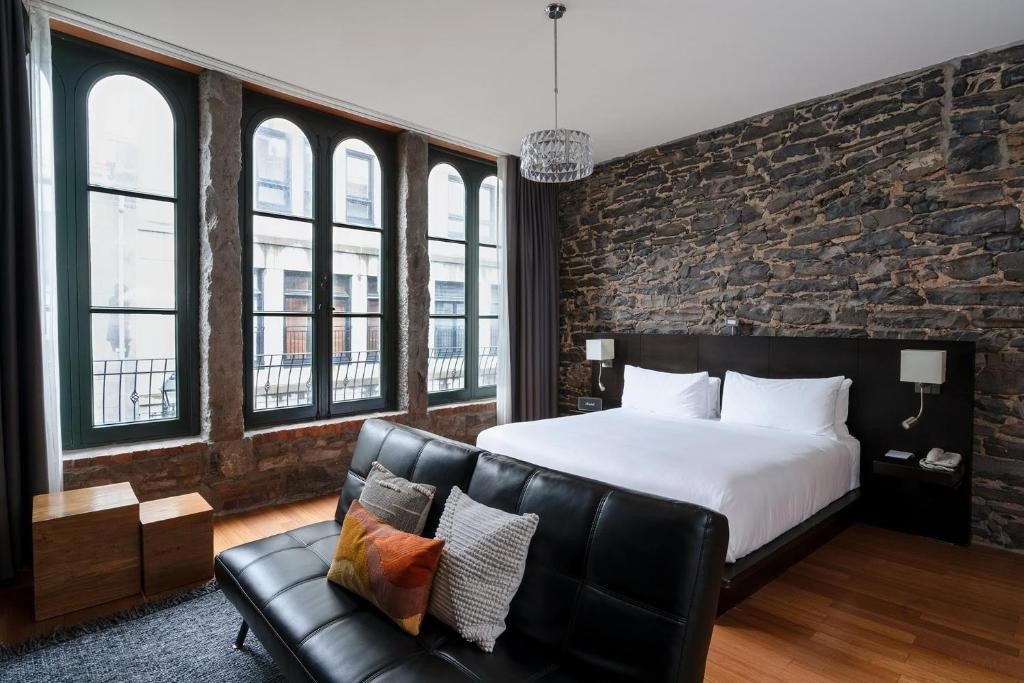
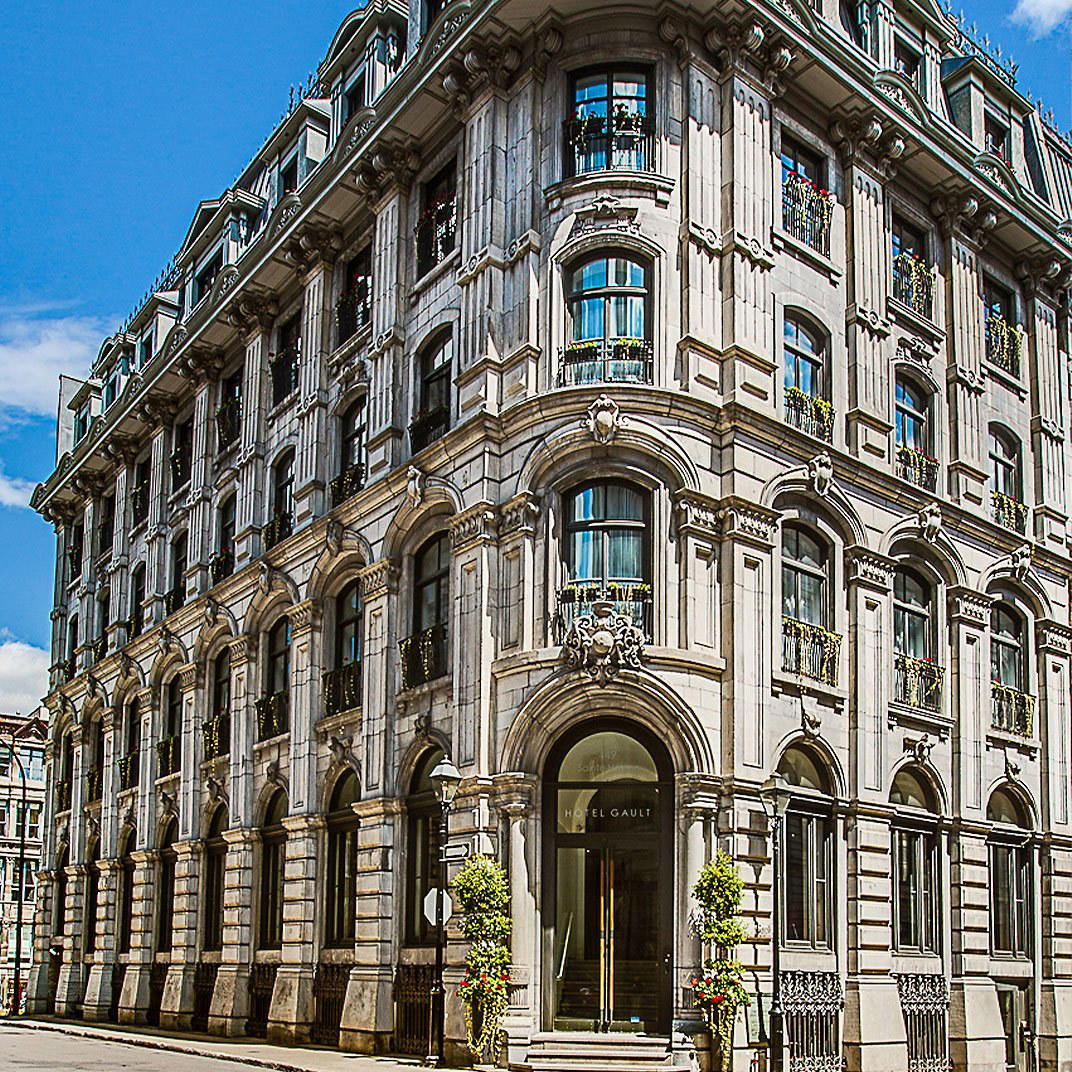
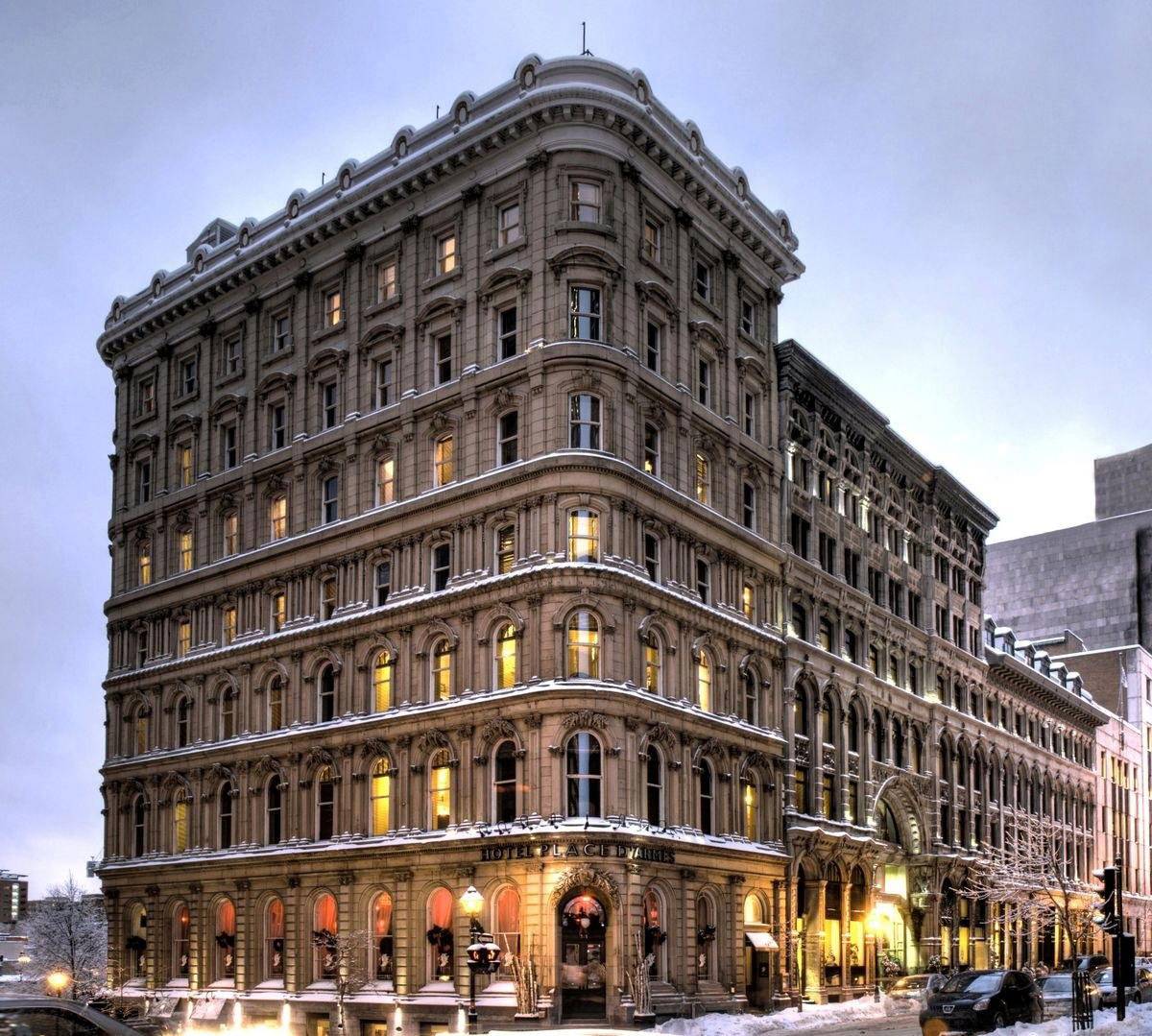
Le Petit Hotel occupies a 19th-century stone building on Saint-Paul Street West in Old Montreal, placing it within one of Canada's most architecturally preserved hospitality corridors. The property sits in the boutique tier of Montreal accommodation, where heritage fabric and neighbourhood character carry more weight than brand affiliation. For travellers oriented toward the Old Port's dining and cultural scene, the address is a practical anchor.
Pearl is the En Primeur Club membership app — saves, bookings, and concierge access live there. Same editors, same standards.
- Address
- 168 Saint-Paul St W, Montreal, Quebec H2Y 1Z7, Canada
- Phone
- +1 514 940 0360
- Website
- petithotelmontreal.com
- Directions
- Get directions
 Saves & bookings on Pearl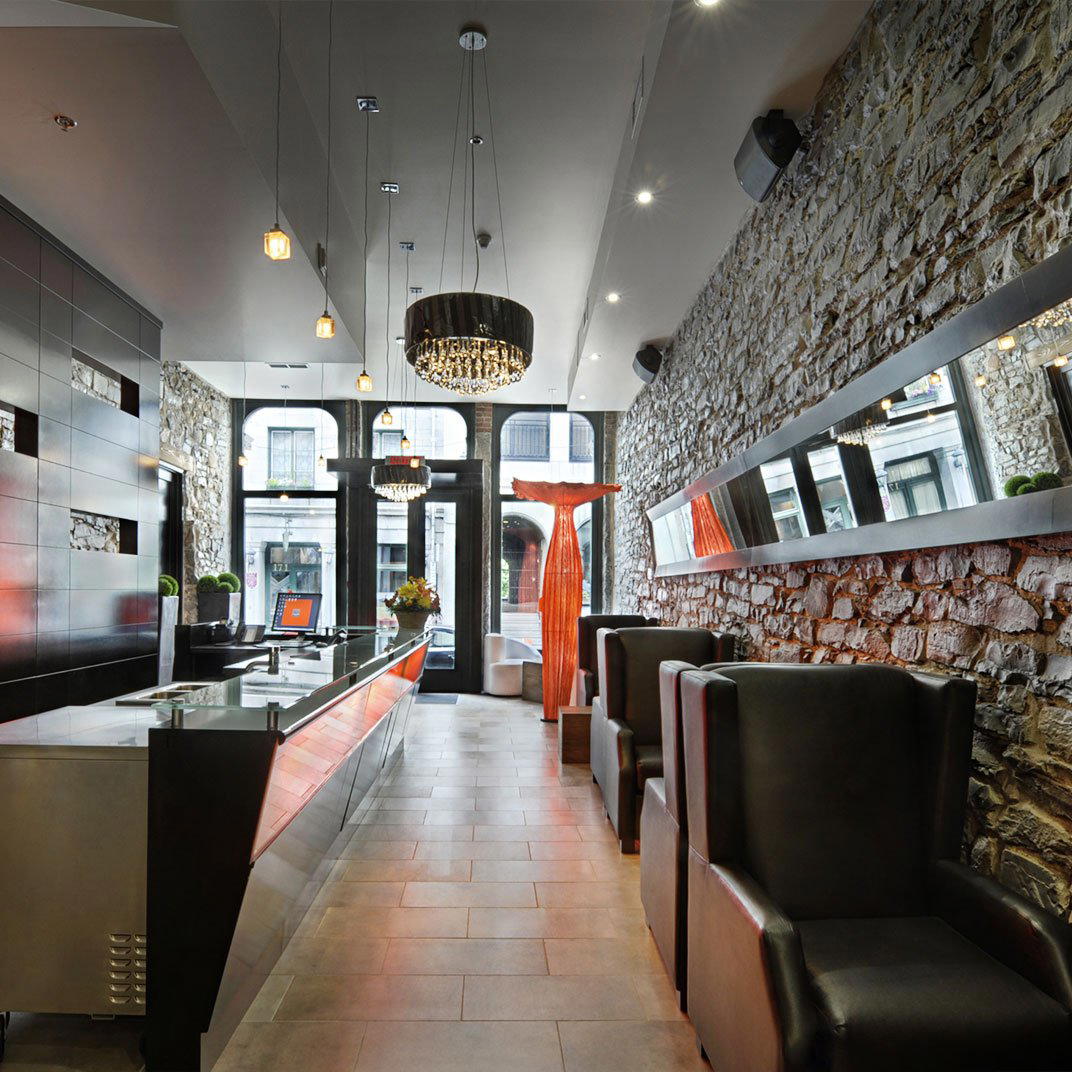
Old Montreal's Hotel Bar, Placed in Context
Saint-Paul Street West runs through the oldest commercial district in Montreal, a corridor where stone facades from the eighteenth and nineteenth centuries have been converted into galleries, restaurants, and boutique hotels. The area draws a particular kind of visitor: one who has already decided against the chain properties near the convention centre and is looking instead for accommodation that reads as part of the city rather than apart from it. Le Petit Hotel, at 168 Saint-Paul St W, sits inside that logic. It operates in a neighbourhood where the built environment does a significant share of the atmosphere work before you even step through the door.
Old Montreal's bar culture has evolved considerably over the past decade. The city's most discussed drinking destinations now range from technically focused cocktail programs, such as the one at Cloakroom, to convivial neighbourhood rooms like Bar Bello and more romantically inflected spots like Bar Bisou Bisou. Within that range, hotel bars occupy a distinct position: they serve guests who may not leave the building, walk-ins drawn by the address, and locals who treat them as a neighbourhood option. Whether a hotel bar rises above the utilitarian depends almost entirely on who is behind the counter and how seriously the program has been constructed.
The Bar as the Room's Central Argument
In boutique properties along Saint-Paul, the bar is rarely an afterthought. The economics of small-key hotels in high-footfall heritage districts push operators toward food and beverage programming that justifies the address independently of room revenue. The craft behind the bar, meaning the range of the menu, the sourcing of spirits, and the fluency of the bartenders, ends up carrying more weight than in a larger property where F&B is one of several revenue pillars.
Montreal's bartending community has developed real depth over the past fifteen years, partly through the influence of venues like Atwater Cocktail Club, which brought a classicist rigor to the city's cocktail vocabulary. That influence has diffused outward, raising the baseline expectation for what a serious drink program looks like even in a hotel context. The city now sits comfortably alongside Toronto and Vancouver as a reference point for Canadian cocktail culture. For comparison, programs like Bar Mordecai in Toronto and Botanist Bar in Vancouver illustrate the range of approaches that have gained traction across the country's major cities, from ingredient-led precision to hospitality-first atmosphere. Montreal's contribution to that conversation is genuine.
What the Setting Demands of the Person Behind the Bar
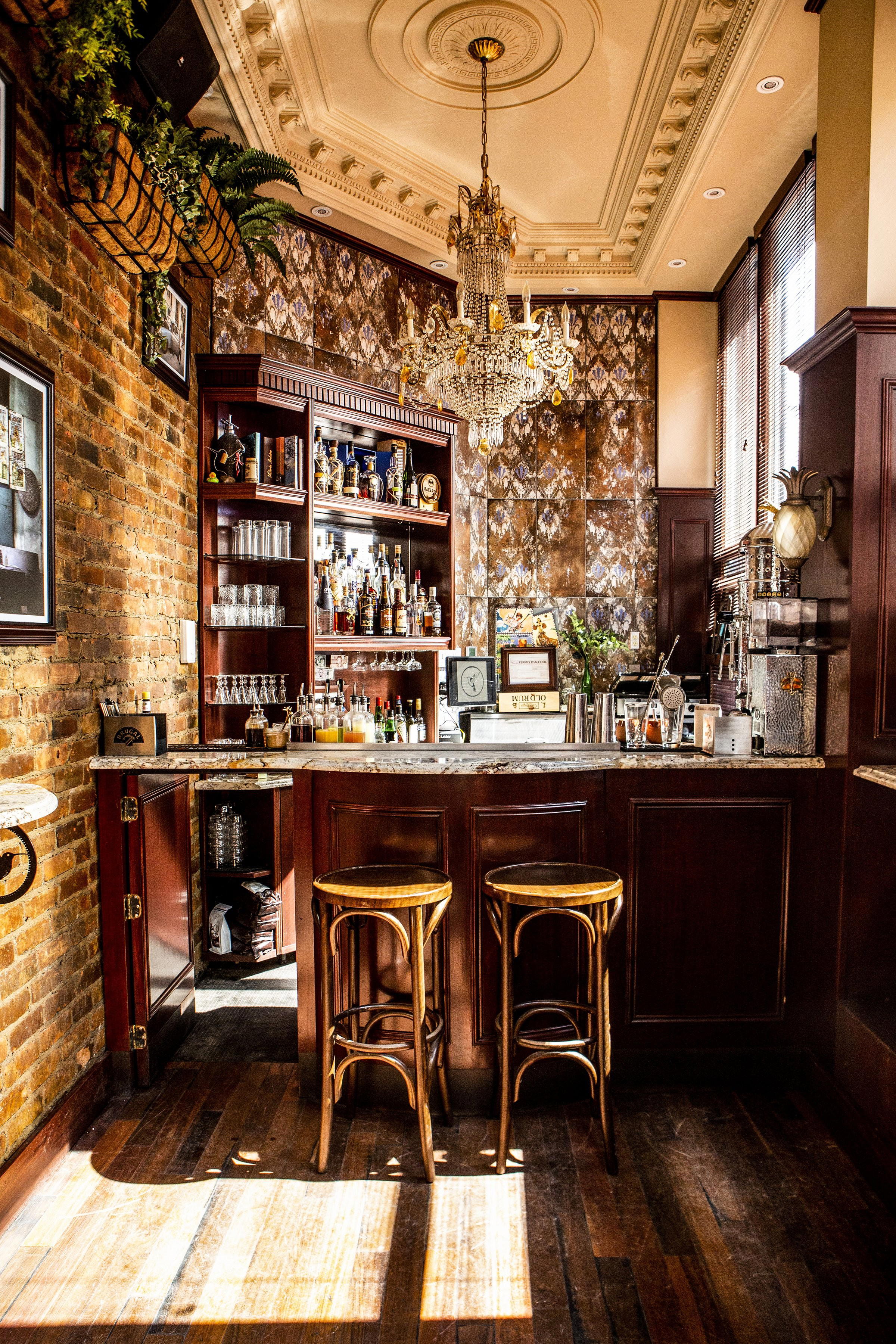
The editorial angle on any bar in a heritage building is partly architectural. Stone walls, low ceilings, and preserved wood carry a particular expectation: guests arrive primed for a certain kind of intimacy, and the bartender either meets that expectation or works against it. In rooms like this, technical showmanship lands differently than it does in a modern bar with exposed concrete and industrial lighting. The program needs to feel at home in the space, which usually means a menu that leans toward considered classics and market-driven variations rather than laboratory-style preparations.
In the broader Canadian context, the bartenders who have built the strongest reputations in similar settings, from Humboldt Bar in Victoria to Bearfoot Bistro in Whistler, have tended to emphasise hospitality depth over technical novelty. The ability to read a table, pace a round, and make a guest feel at ease in an unfamiliar room counts for as much as knife skills in ice or the ability to clarify a consommé. That balance is particularly relevant in hotel bar contexts, where a significant share of guests may be jet-lagged, uncertain of the neighbourhood, or simply looking for somewhere to decompress after a flight.
Old Montreal After Dark: Practical Orientation
Saint-Paul Street is walkable from both the Place-d'Armes and Champ-de-Mars metro stations, and the neighbourhood is dense enough that guests staying in the area rarely need transit for evening plans. The streets are busiest between late spring and early autumn, when the festival season and outdoor terrasses draw visitors from across Quebec and beyond. Winter operates on a different rhythm: the crowds thin, the city moves indoors, and a hotel bar becomes a more central point of gravity for guests who are not inclined to venture far in subzero temperatures.
For those who want to extend a night beyond the hotel, the surrounding blocks carry most of what Old Montreal offers in terms of drinking. The concentration of options is high relative to the district's geographic footprint, which means that a short walk covers a meaningful range of formats and price points. Options like Grecos in Kingston or Missy's in Calgary illustrate how neighbourhood bars in mid-sized Canadian cities have developed their own identities, and Montreal's Old Port is no different in that regard, even if the architectural context here is older and more immediately legible as historic. For a fuller picture of the city's dining and drinking options beyond this address, see our full Montreal restaurants guide.
Who Goes, and When
Hotel bars in this district draw a cross-section that spans visiting professionals, couples staying for a weekend, and a subset of local drinkers who have adopted the room as a regular stop. The last group is the most reliable signal of a program that has succeeded on its own terms: locals in a tourist-heavy neighbourhood have no obligation to enter a hotel bar, so their presence suggests the drink quality, pricing, or atmosphere is doing something right. In rooms that work, there is usually a consistent bartender or small team whose regulars follow them across shifts.
International comparisons are instructive here. Programs like Bar Leather Apron in Honolulu have demonstrated that a hotel bar can build a genuine local following through consistent craft and a clearly defined identity, even in a market dominated by resort-facing hospitality. The principle applies equally in Old Montreal, where the competition for local affection is real and the guest who chooses to spend an evening in a hotel bar rather than walk two blocks to a dedicated cocktail room is making a statement about what the room offers.
Planning Your Visit
Le Petit Hotel is located at 168 Saint-Paul St W in Old Montreal, within easy walking distance of the waterfront and the main heritage attractions of the district. Old Montreal's hotel bars generally operate later on weekends and during summer festival periods, so timing a visit to those windows increases the likelihood of finding the room at its most animated.
At a Glance
- Cozy
- Intimate
- Elegant
- Historic
- Modern
- Casual Hangout
- Hotel Bar
- Historic Building
- Lounge Seating
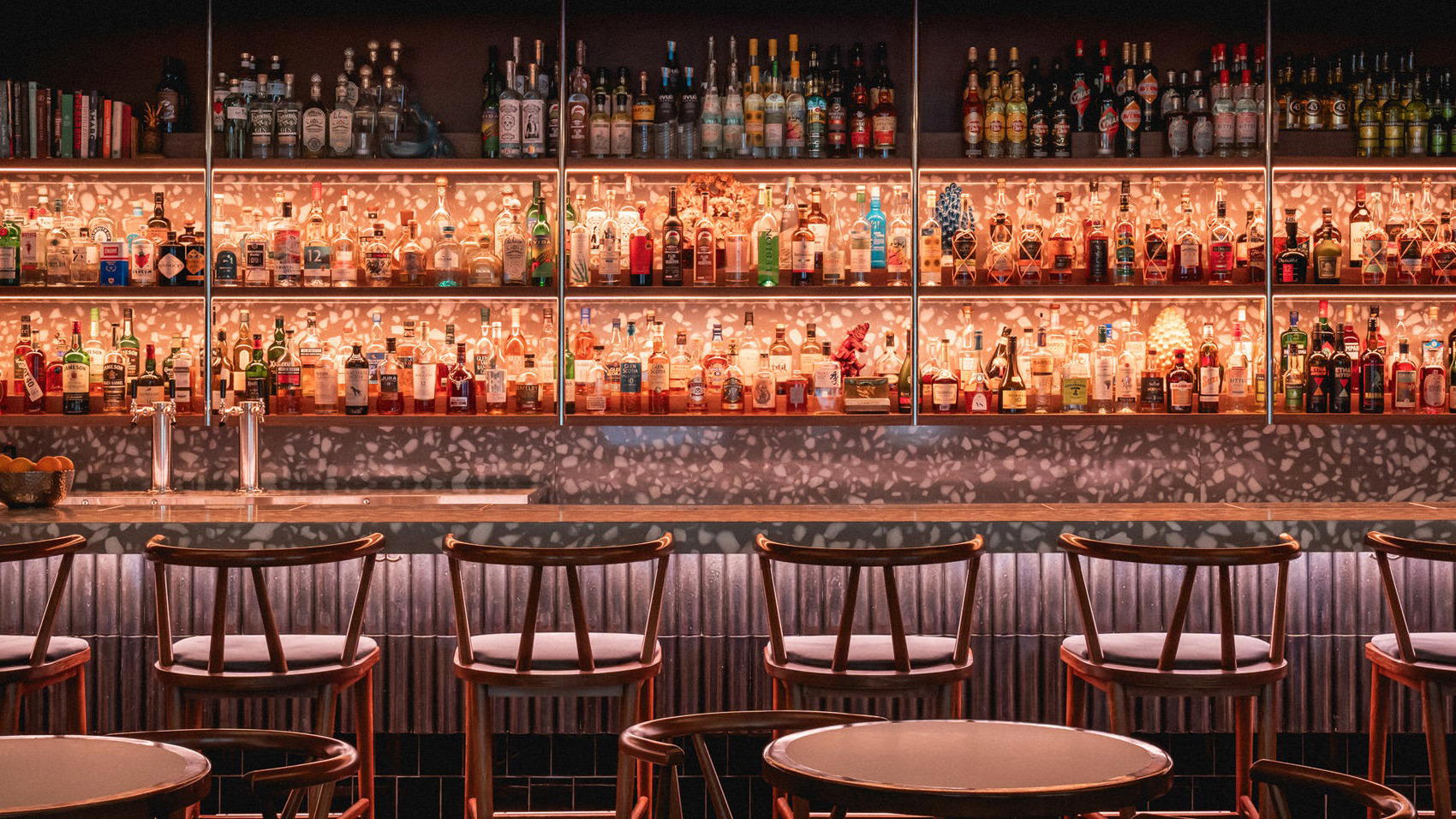
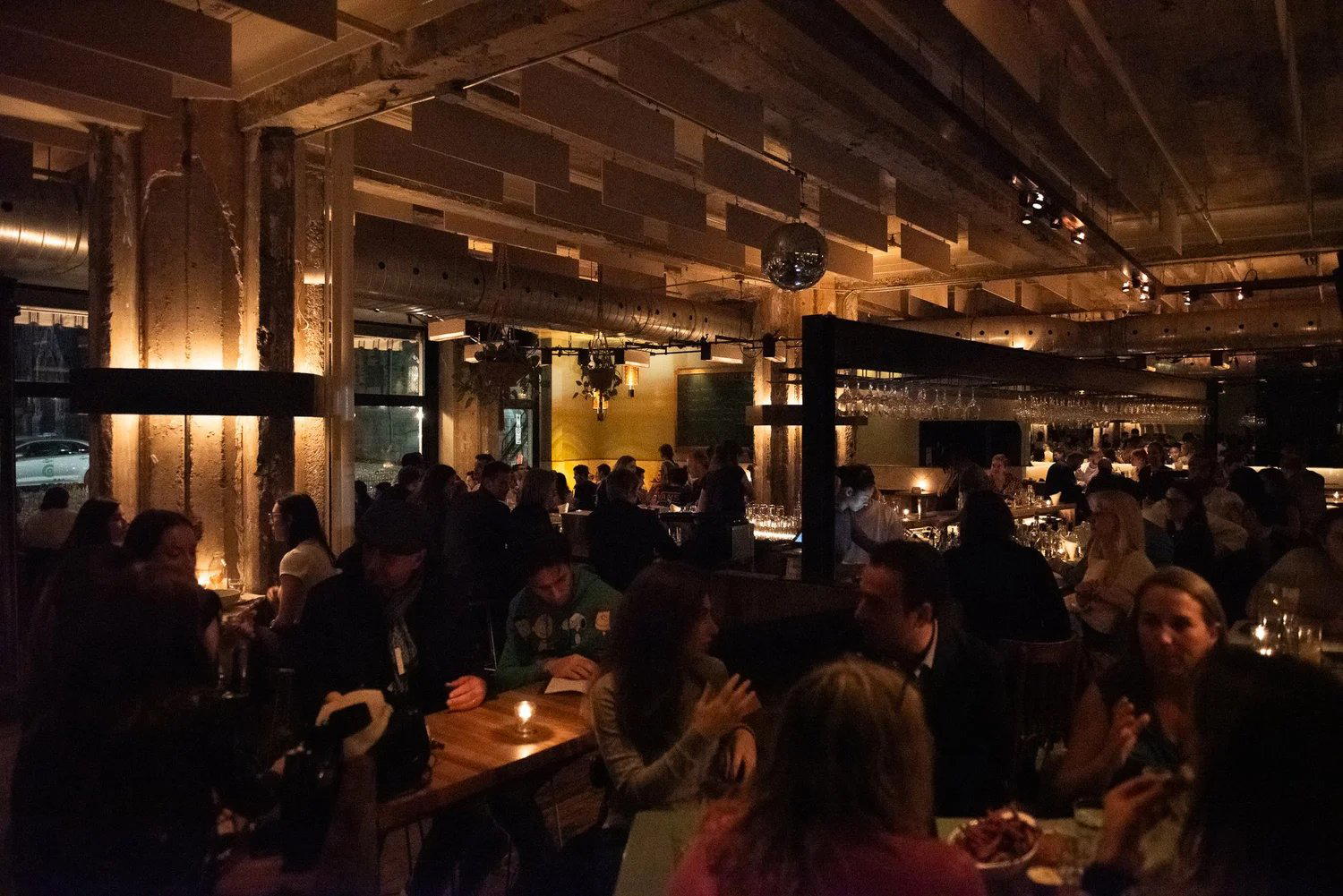
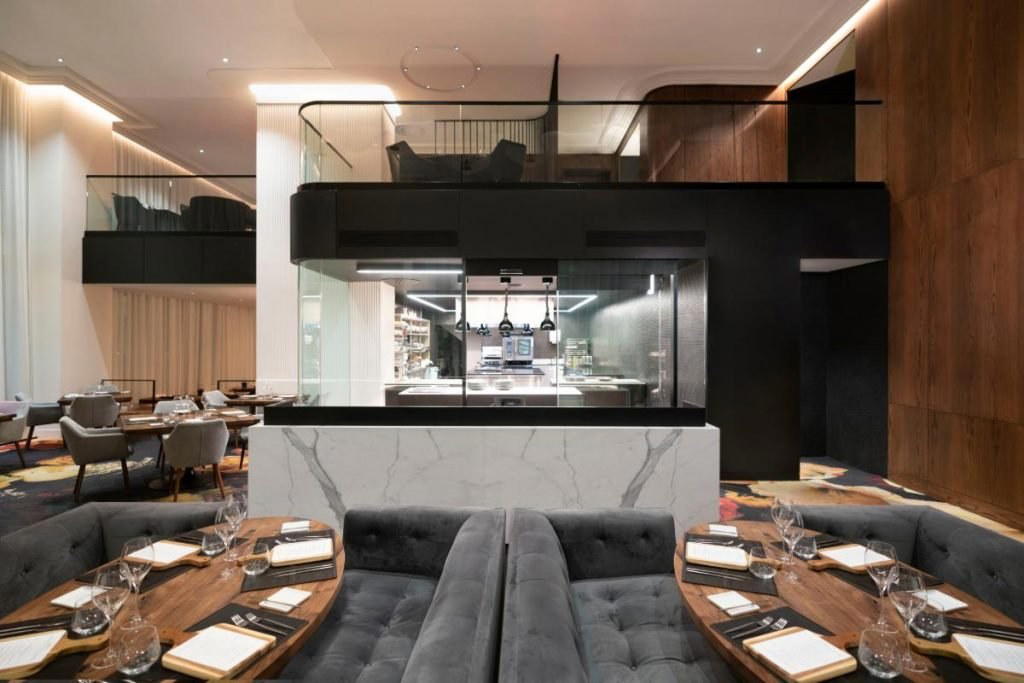
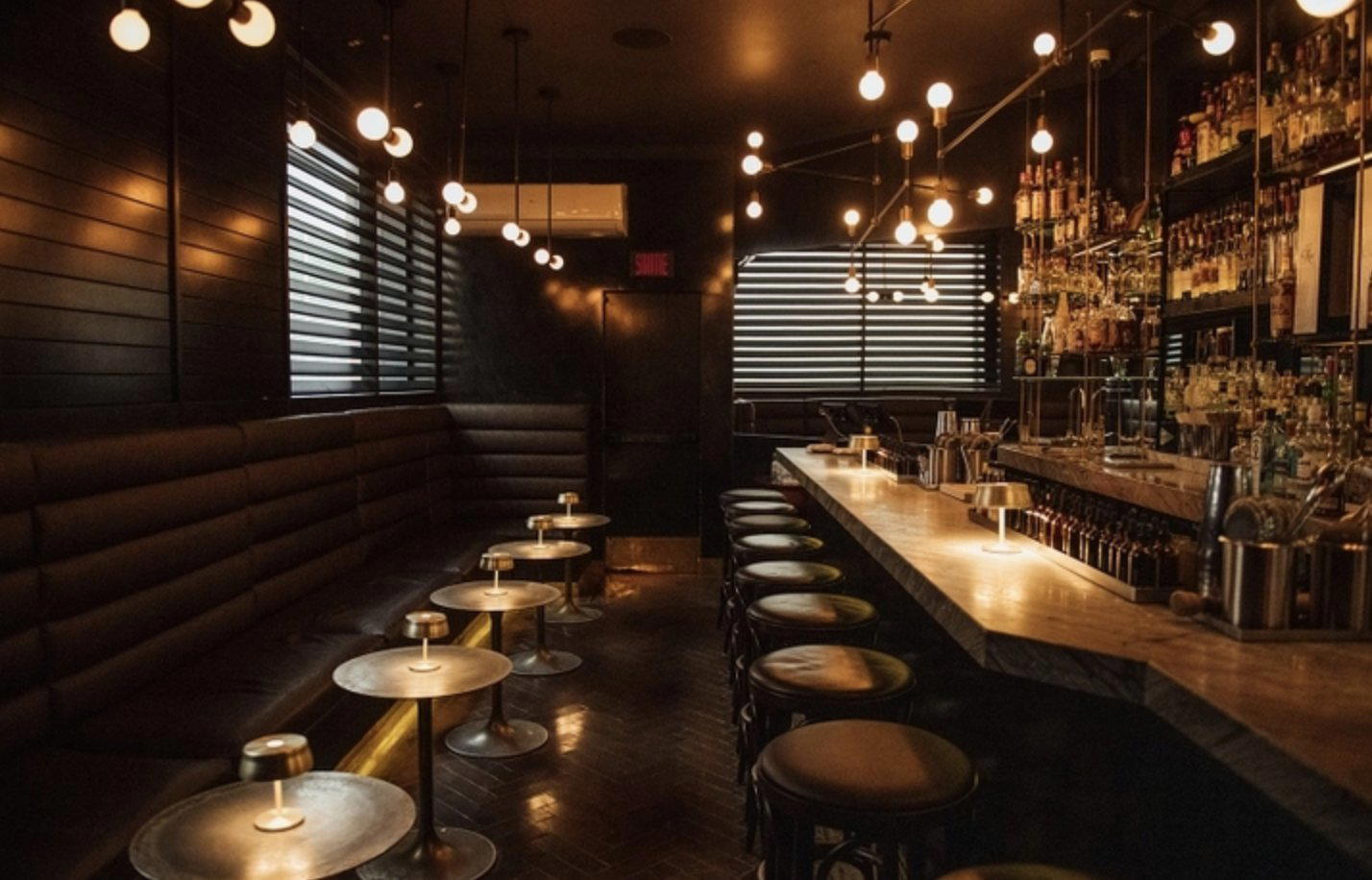
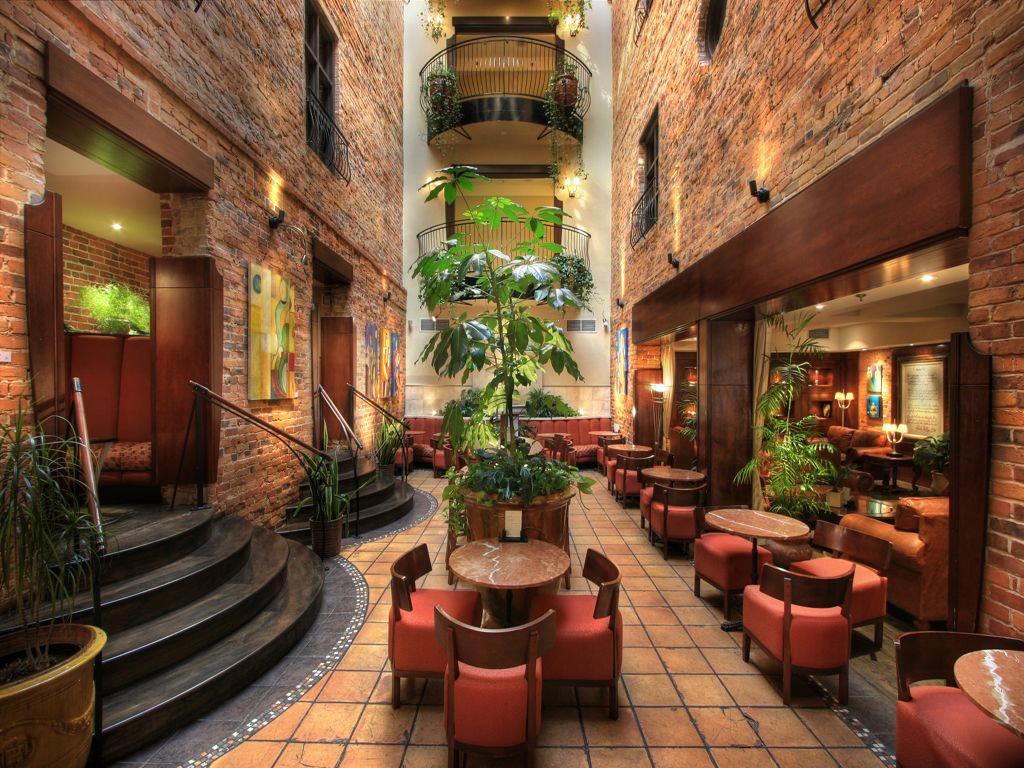
Dimmed lights, European style, and down-tempo music create an intimate, cozy atmosphere in the lobby cafe.
Know Before You Go
- Getting there
- 168 Saint-Paul St W, Montreal, Quebec H2Y 1Z7, Canada