Lamaii
Lamaii brings Northern Thai cooking to the Spring Mountain Road corridor, a stretch of Las Vegas that functions as one of the city's most concentrated dining strips outside the Strip. The menu structure draws on regional Thai tradition rather than the Americanized middle ground, making it a reference point for the neighborhood's growing roster of ingredient-led, non-casino restaurants.
Pearl is the En Primeur Club membership app — saves, bookings, and concierge access live there. Same editors, same standards.
- Address
- 4480 Spring Mountain Rd #700, Las Vegas, NV 89102
- Phone
- +1 702 238 0567
- Website
- lamaiilv.com
- Directions
- Get directions
 Saves & bookings on Pearl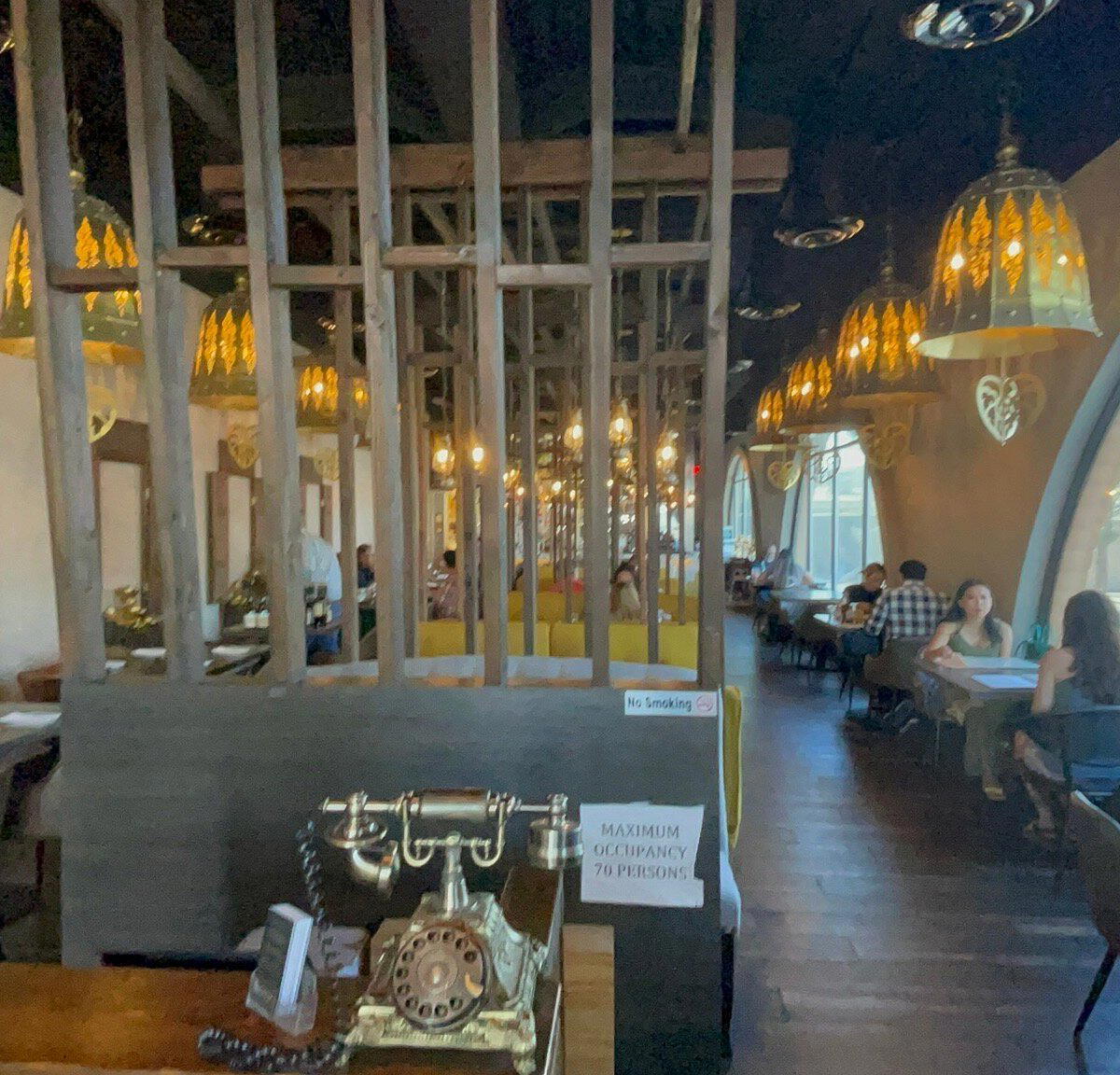
Spring Mountain Road and the Case for Cooking Outside the Strip
Lamaii is a bar in Las Vegas with, priced around $45 per person. Las Vegas has two distinct dining cities operating in parallel. One runs along the Strip, tied to hotel footprints, celebrity chef licensing arrangements, and the economics of feeding thousands of covers a night. The other occupies the commercial corridors west of the casino belt, where rents allow for smaller, more focused operations and the customer is choosing a restaurant on its own terms rather than because it's steps from a gaming floor. Spring Mountain Road, where Lamaii sits at 4480 Spring Mountain Rd #700, belongs firmly to the second category.
That address places it inside one of the densest concentrations of Southeast Asian and East Asian restaurants in the Southwest. The corridor has a functional logic: lower overhead, an established local clientele familiar with the cuisines on offer, and proximity to the communities that support them. For a Thai kitchen operating outside the Americanized register, it's the right neighborhood. The Strip's Thai options tend to smooth edges for broader palatability; Spring Mountain operators generally don't have to. The audience comes expecting specificity.
How the Menu Is Built, and What That Tells You
Northern Thai cuisine occupies a different structural position than the central Thai cooking that defined most Western audiences' first encounters with the tradition. Where central Thai leans on coconut milk, sweeter flavor profiles, and wok-forward technique, the northern tradition draws on fermented elements, dried chilies, pork preparations, and herb combinations more closely related to Shan and Burmese food than to Bangkok's kitchen. The distinction matters because it determines what a menu can do.
A Northern Thai menu built with that regional specificity in mind will read differently from the pad thai-anchored formats common to most American Thai restaurants. The architecture tends to reward sequential eating: lighter herb salads and dipping preparations early, followed by richer larb variations or fermented sausage dishes, with curry formats that carry the weight of slow-cooked fat and dried spice rather than the brightness of fresh lemongrass and lime leaf. Lamaii's positioning within this tradition, on a street where the local Thai community has historically supported authentic regional cooking, places it in a peer group defined less by price bracket and more by culinary intent.
Reading the Room on Spring Mountain
The Spring Mountain strip functions as a reliable index of how Las Vegas's non-casino dining scene matures.
That concentration has parallels in other American cities where a specific ethnic corridor develops enough critical mass to support intra-cuisine competition and specialization. The dynamic tends to sharpen cooking: when the audience is knowledgeable and the competition is from within the tradition rather than from outside it, kitchen precision tends to follow. Lamaii's position on this stretch signals something about its intended register before the menu arrives.
Placing Lamaii in a Wider Drinks and Dining Map
Venues focused on regional specificity, whether in food or drink, tend to cluster in cities with enough culinary infrastructure to support them. The pattern holds across the country. In Honolulu, Bar Leather Apron operates within a cocktail tradition that draws on Japanese technique and Hawaiian ingredients rather than defaulting to global trend. In New Orleans, Jewel of the South works within a historically grounded format. Julep in Houston and Kumiko in Chicago both demonstrate how a strong editorial point of view about a specific tradition can anchor a program. Superbueno in New York City, ABV in San Francisco, and even The Parlour in Frankfurt on the Main reflect the same principle operating across different cities and format types.
The city's off-Strip dining scene has shifted substantially over the past decade, and venues that hold a clear regional or traditional position are now part of a recognizable local dining culture rather than outliers within it.
Planning a Visit
Spring Mountain Road is accessible from the Strip via a short drive west, and the corridor is dense enough that Lamaii fits naturally into an evening that starts or ends elsewhere on the Strip. Reservations are recommended, especially on weekend evenings, when demand on the corridor tends to peak.
Recognition, Side-by-Side
Comparable venues nearby, for context on price, style, and recognition.
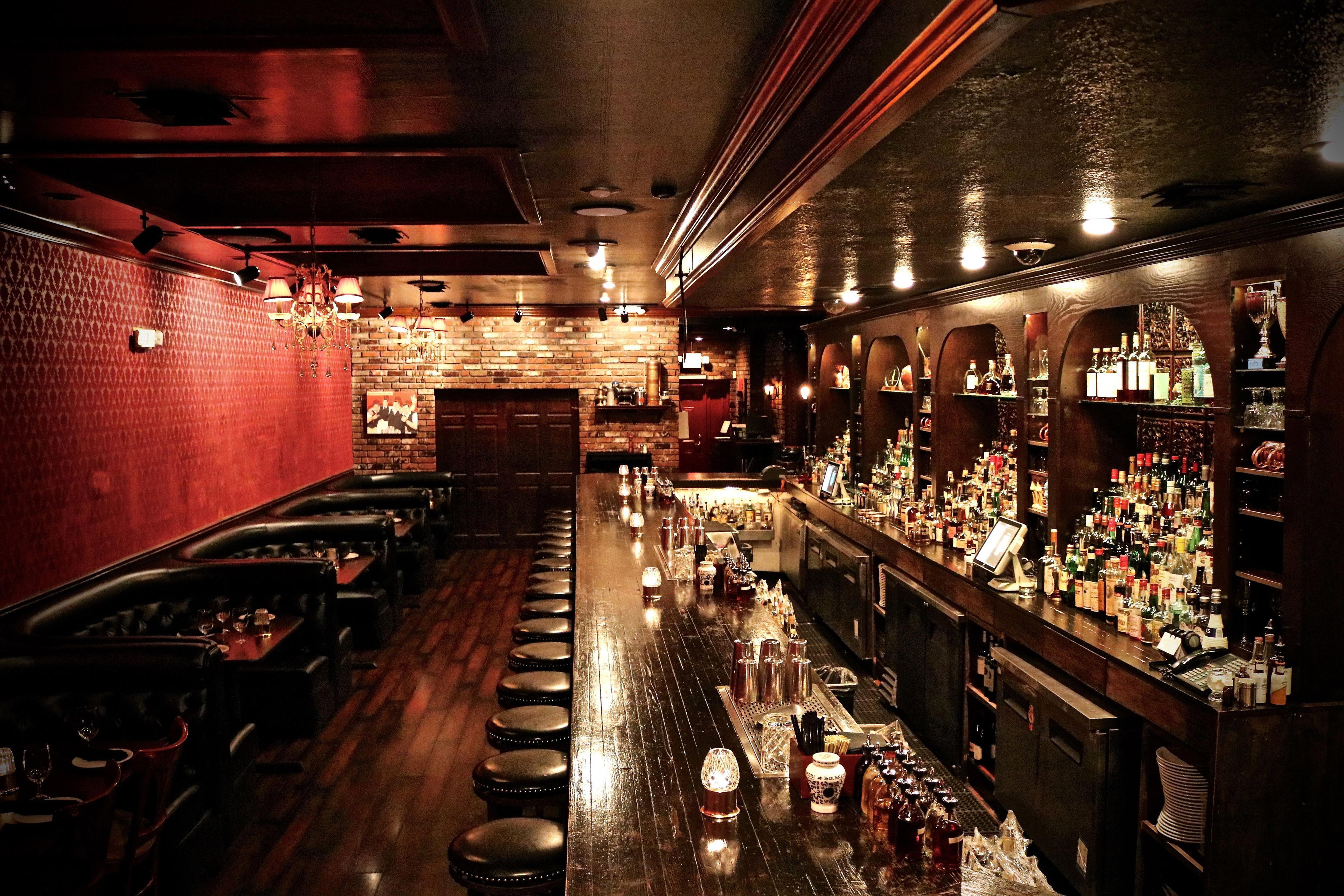
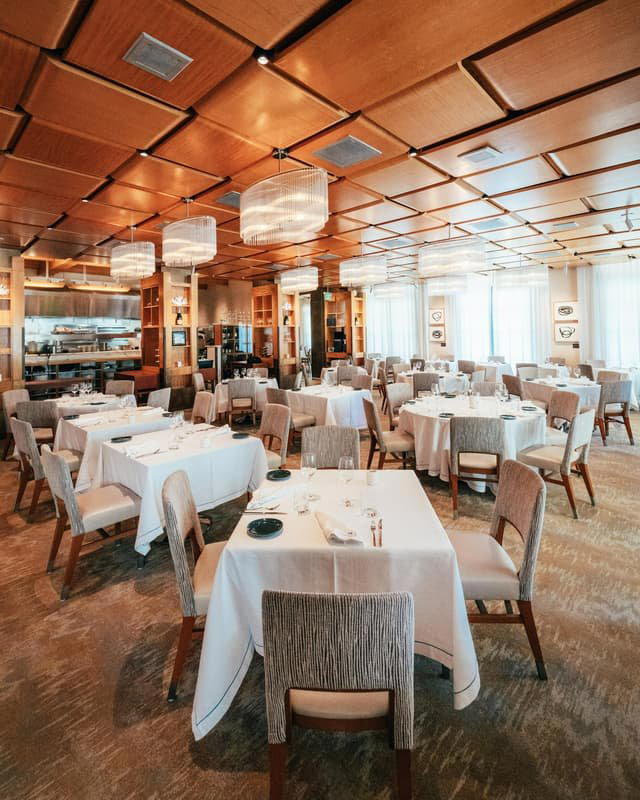
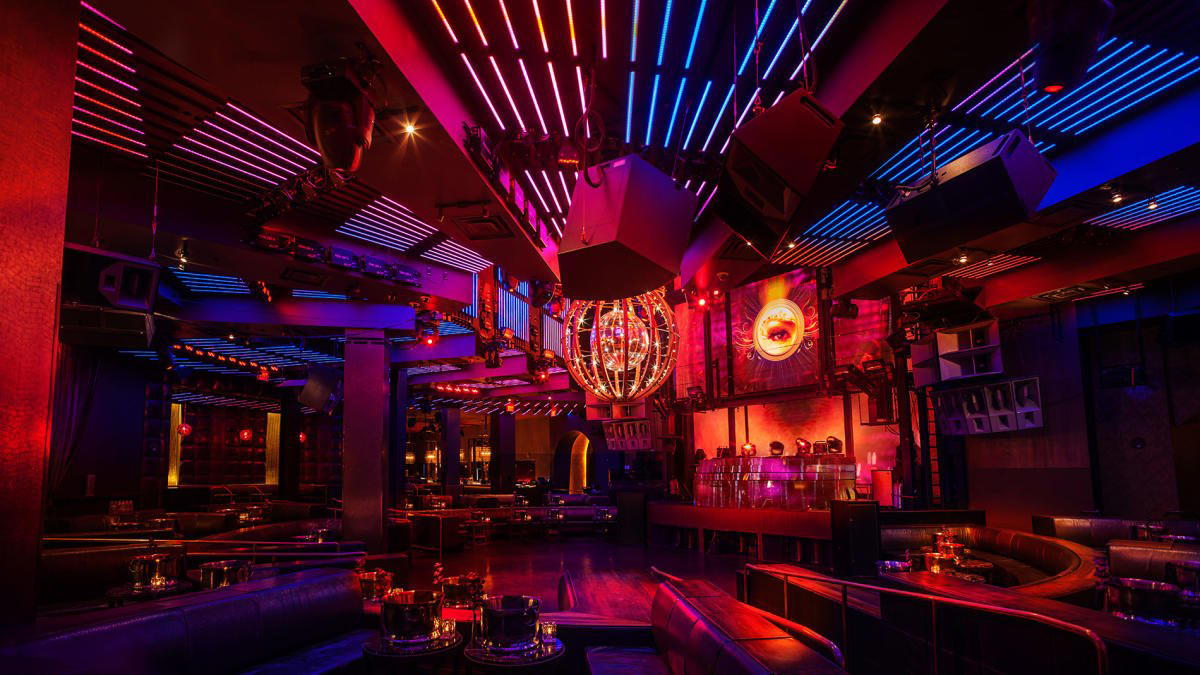
| Venue | Cuisine | Price | Notes |
|---|---|---|---|
| LamaiiThis venue — the venue you are viewing | wine_bar | $$$ | Not listed |
| Sparrow + Wolf | cocktail_bar | $$$ | Chinatown |
| Jerusalem Chef's Table | cocktail_bar | $$$ | Paradise |
| Double Zero Pie & Pub | pub | $$ | Chinatown |
| Restaurant Guy Savoy | wine_bar | $$$$ | The Strip |
| Wing Lei | hotel_bar | $$$$ | The Strip |
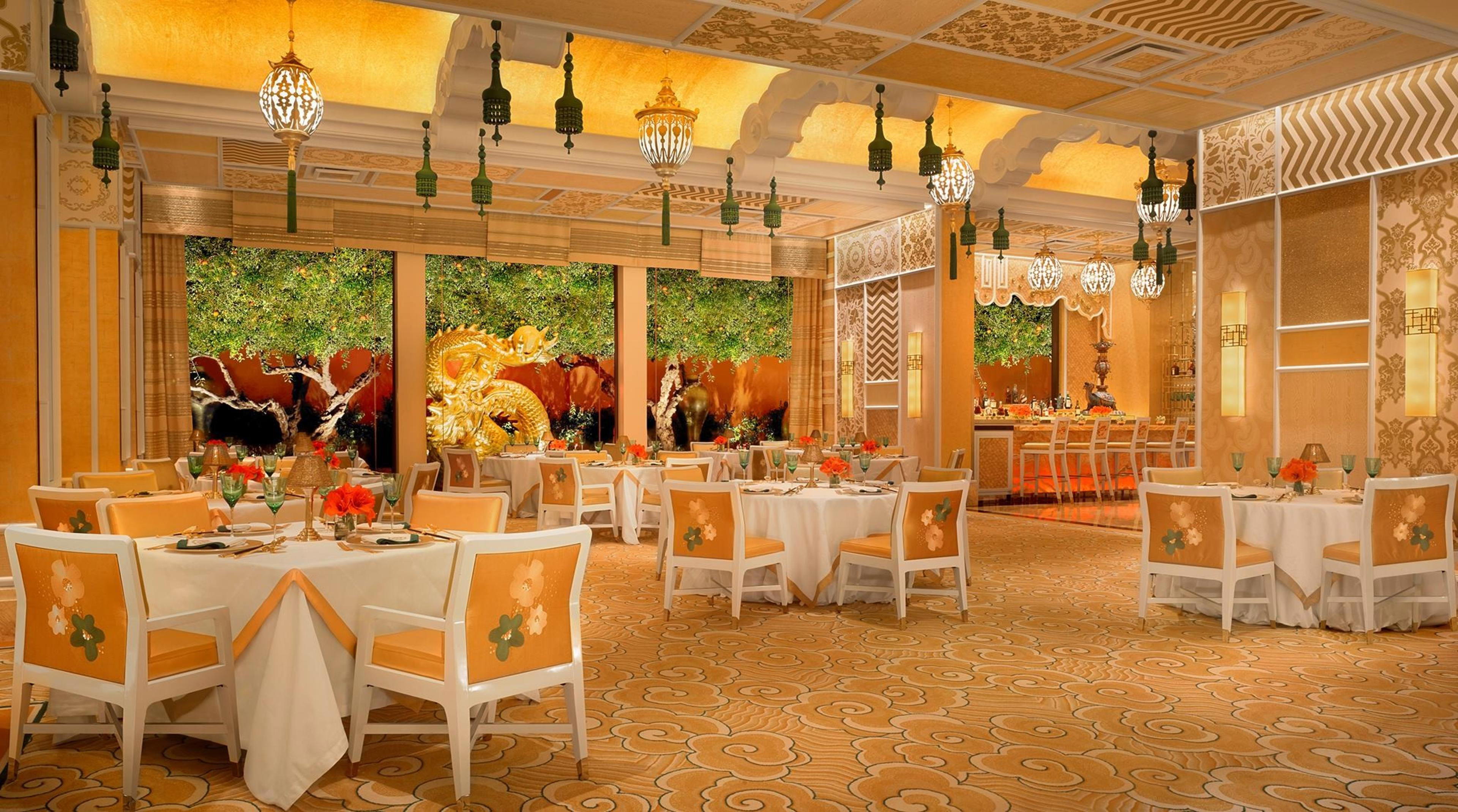
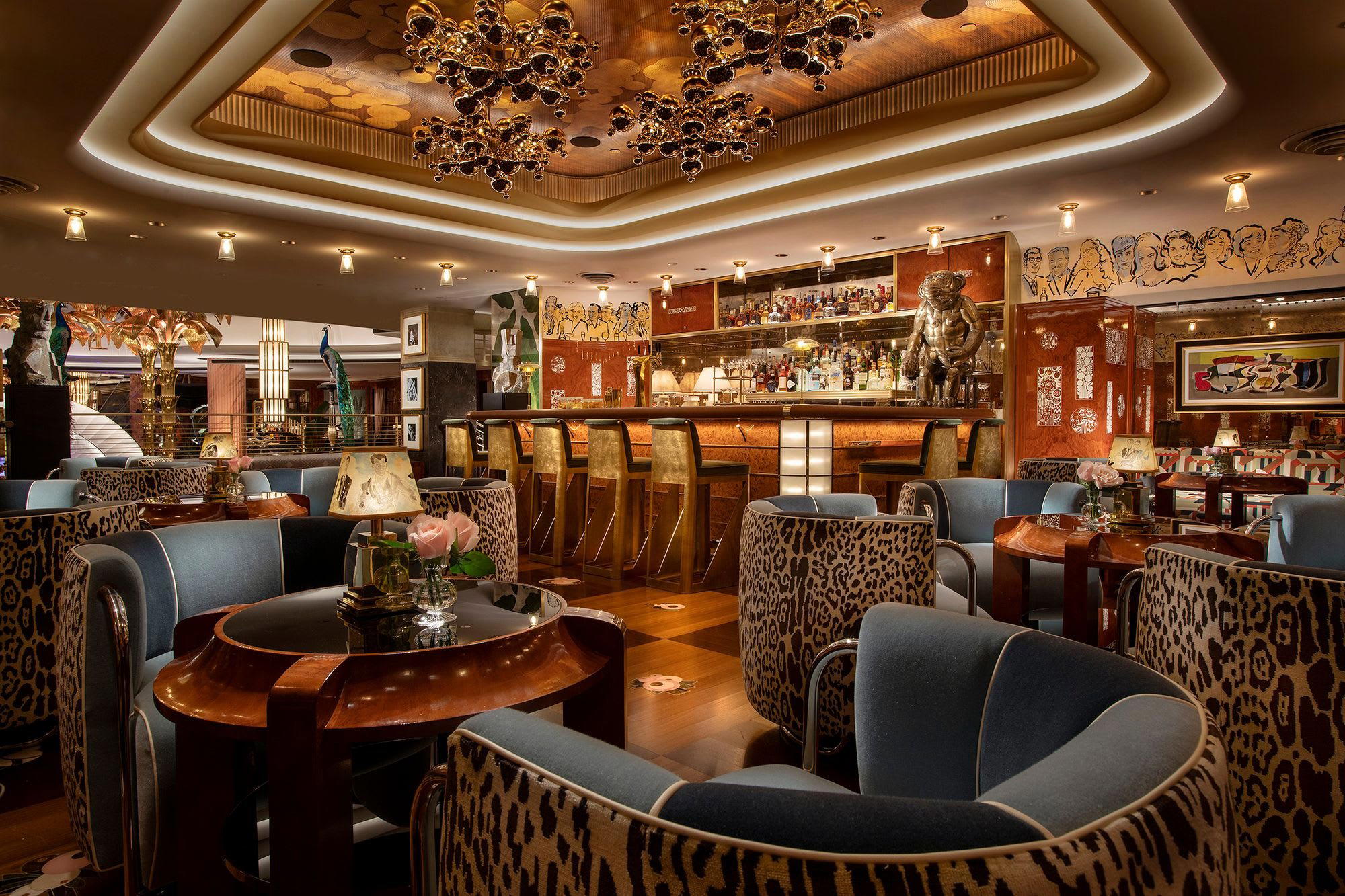
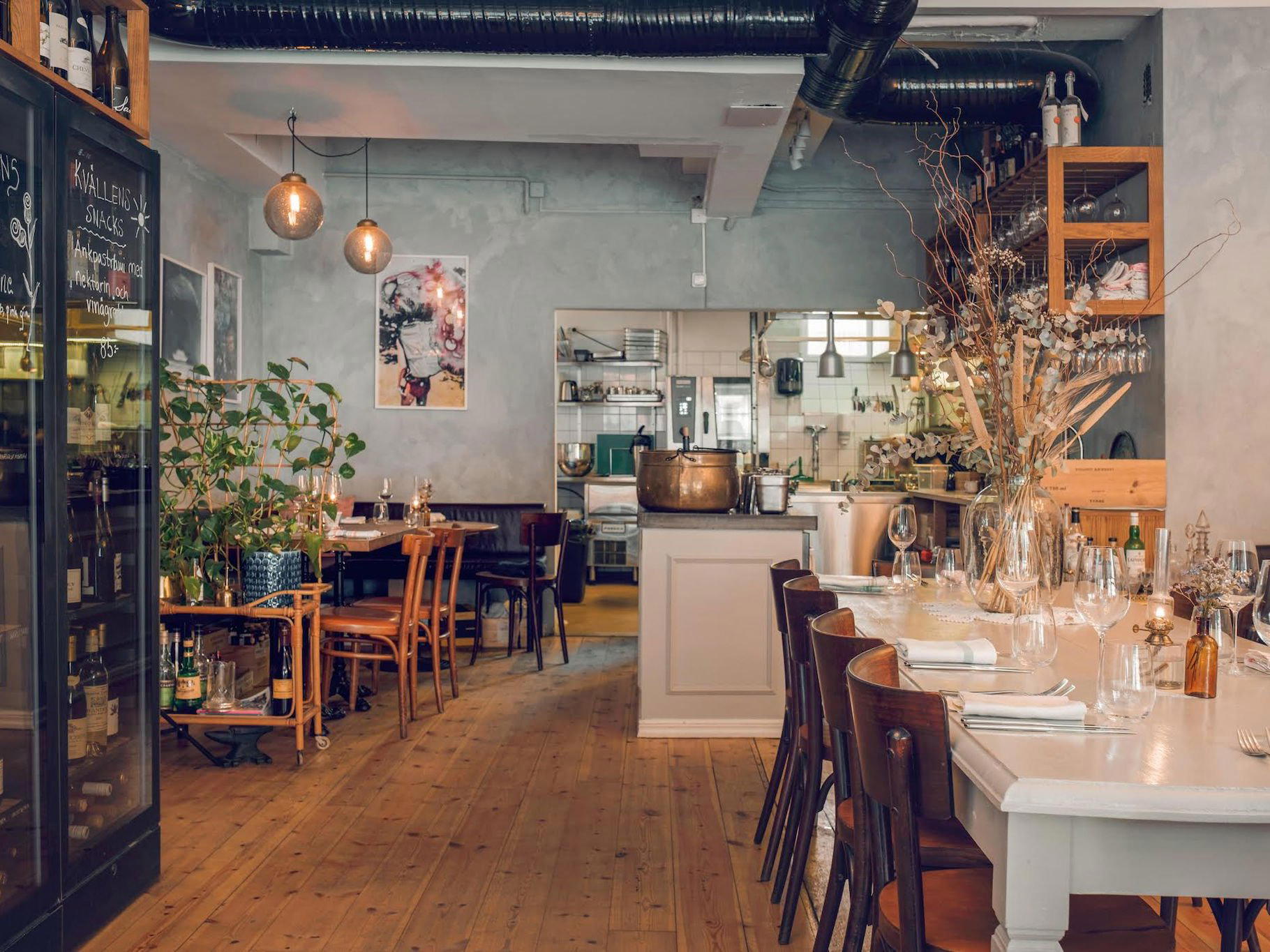
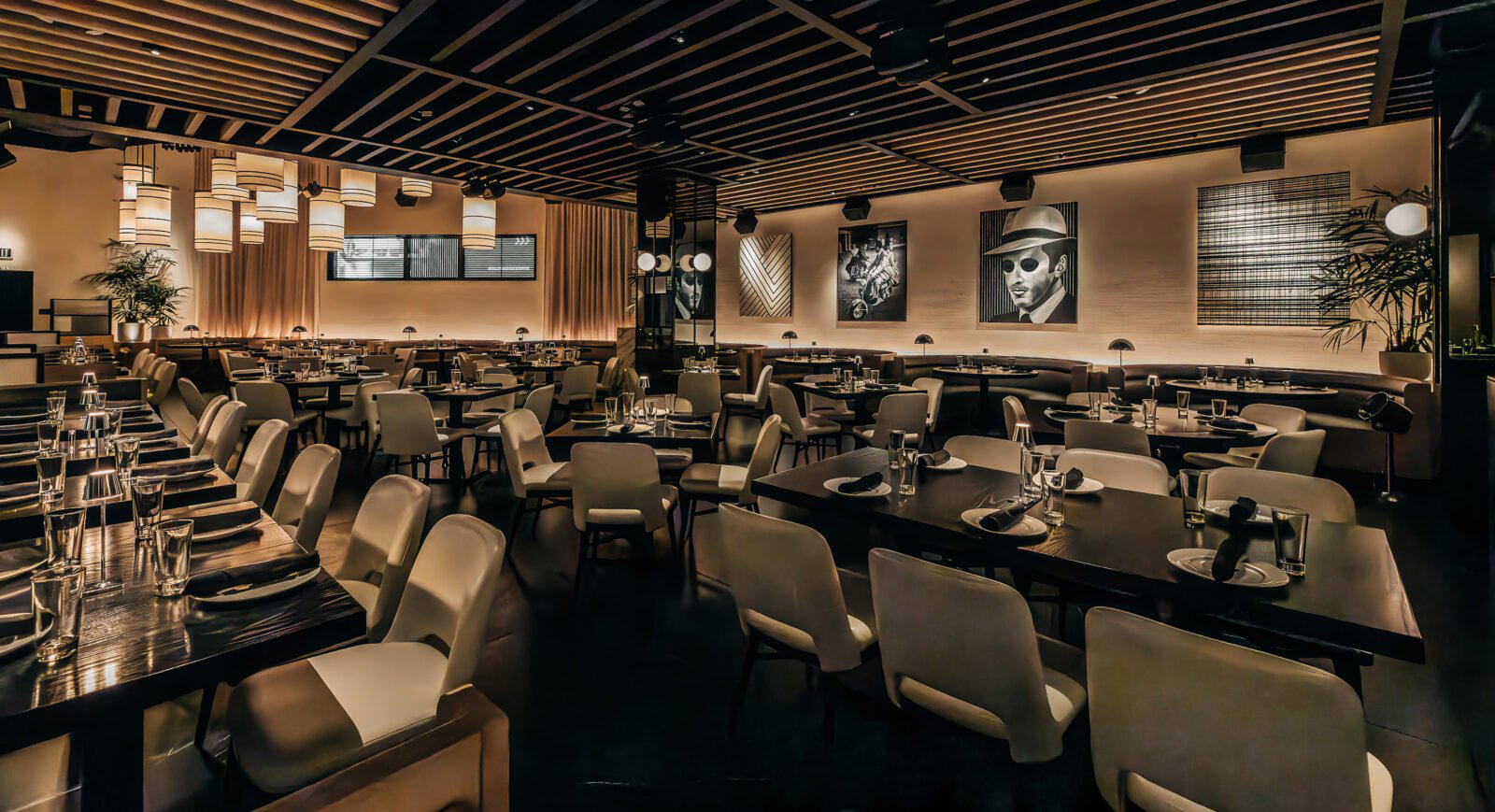
At a Glance
- Elegant
- Modern
- Romantic
- Sophisticated
- Date Night
- Special Occasion
- Group Outing
- Design Destination
- Standalone
- Seated Bar
- Booth Seating
- Craft Cocktails
- Conventional Wine
- Natural Wine
Current opening hours
- Monday
- 11 AM–12 AM
- Tuesday
- 11 AM–12 AM
- Wednesday
- 11 AM–12 AM
- Thursday
- 11 AM–2 AM
- Friday
- 11 AM–2 AM
- Saturday
- 11 AM–2 AM
- Sunday
- 11 AM–2 AM
Hours can change for holidays and private events. Last verified .
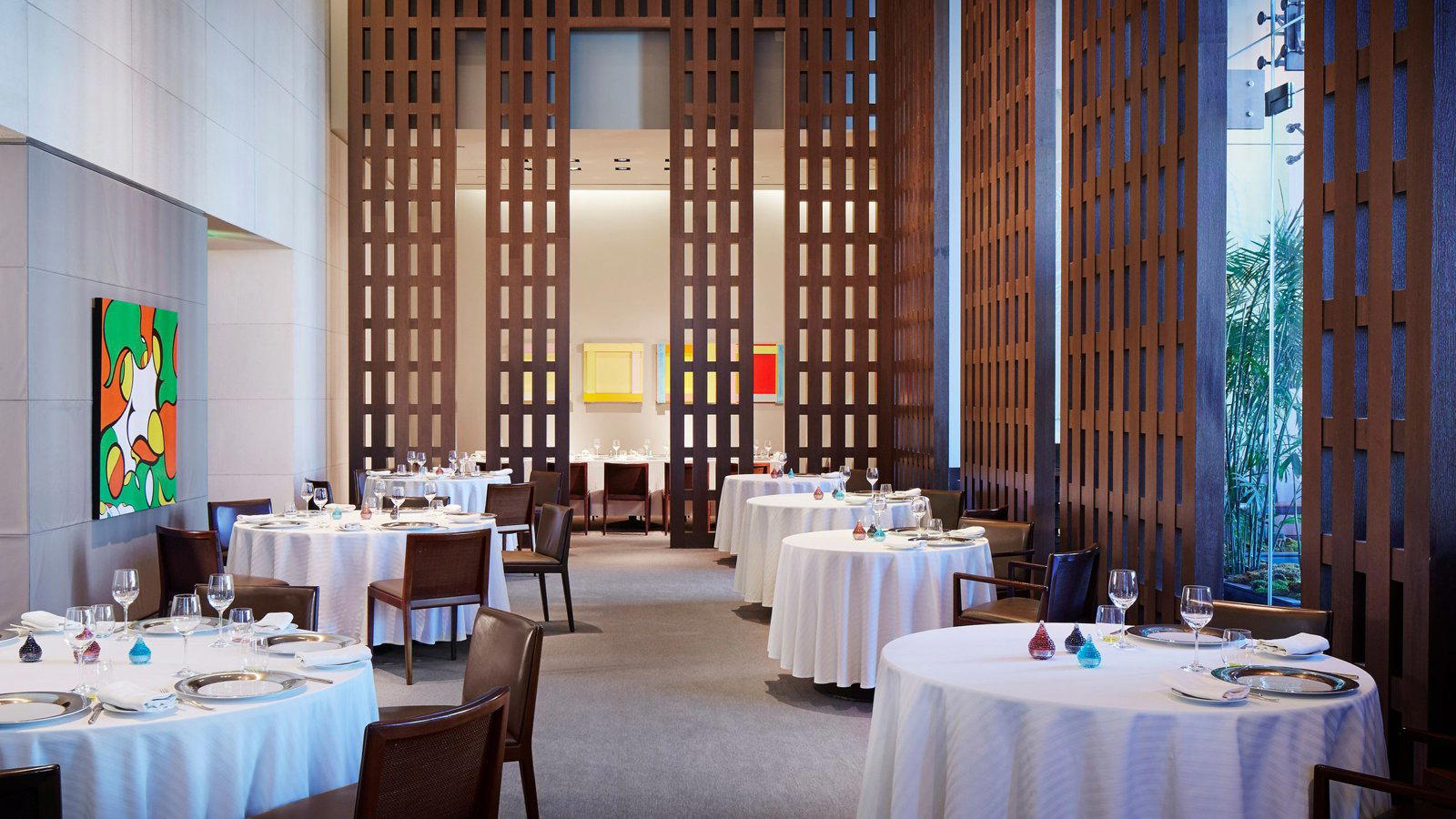
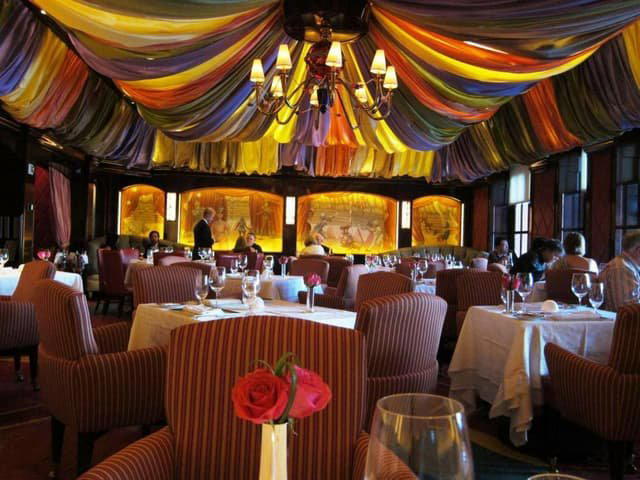
Upscale setting with soft lighting and a touch of romance, blending Thai street food vernacular with modern sophistication.