Jerusalem Chef's Table
Jerusalem Chef's Table occupies a strip-mall address on West Flamingo Road that the Las Vegas dining scene has largely left undiscovered, which is precisely what makes it worth seeking out. The format signals an intimate, chef-driven experience in a city better known for spectacle than restraint. For Paradise diners willing to step off the boulevard, it represents a different register of eating entirely.
Pearl is the En Primeur Club membership app — saves, bookings, and concierge access live there. Same editors, same standards.
- Address
- 4825 W Flamingo Rd #10, Las Vegas, NV 89103
- Phone
- +1 702 341 5555
- Website
- jerusalemgrillvegas.com
- Directions
- Get directions
 Saves & bookings on Pearl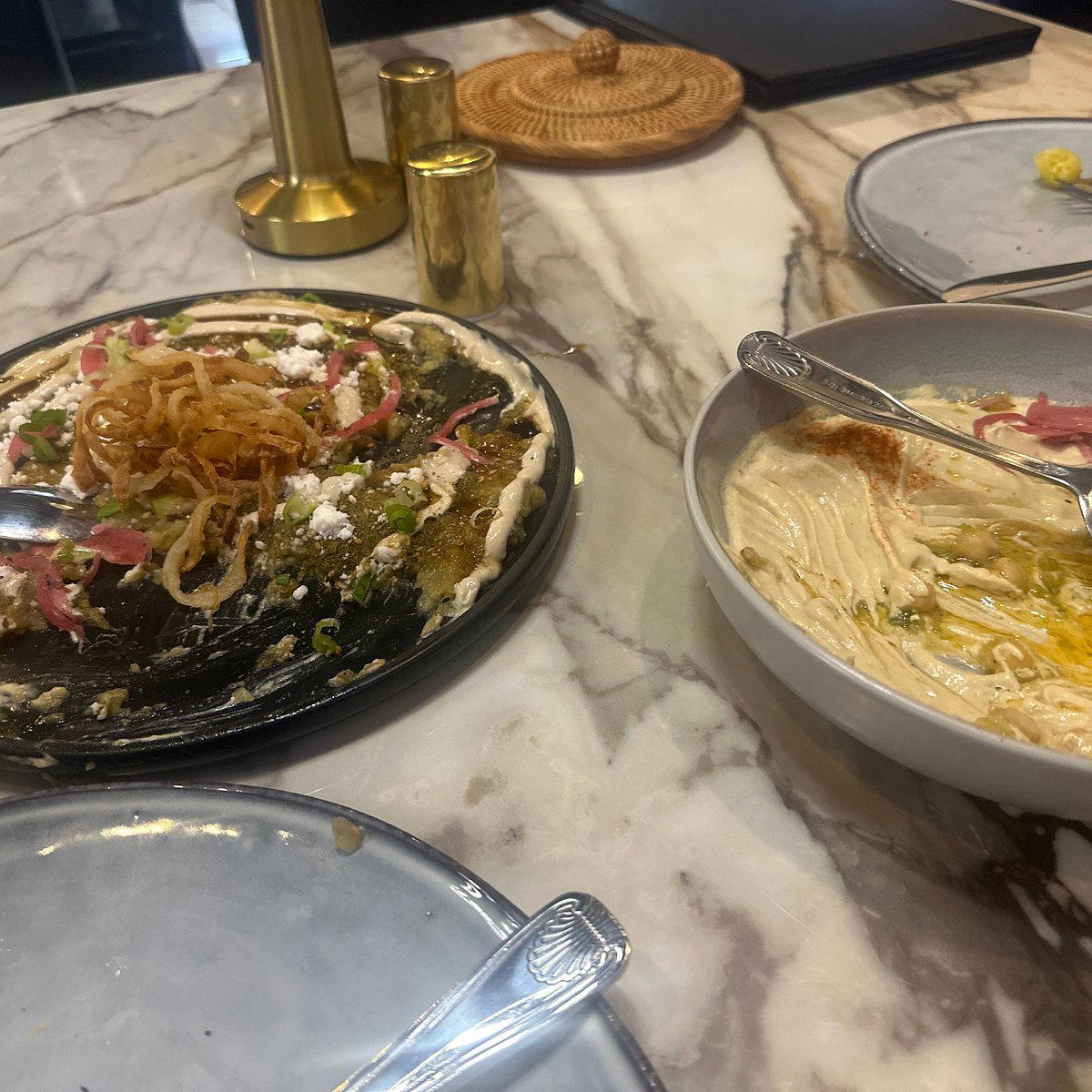
Off-Strip, On Purpose: The West Flamingo Dining Corridor
The stretch of W Flamingo Road that runs west past the resort corridor is where Las Vegas stops performing for tourists and starts feeding its residents. This is a quieter register of the city's dining culture, one built on strip-mall storefronts, immigrant-run kitchens, and a clientele that measures a restaurant by its food rather than its floor-show. Jerusalem Chef's Table, at 4825 W Flamingo Rd, occupies this territory, sitting inside a local commercial center at address unit 10, away from the ambient noise and cover-charge logic of the Strip's hospitality complex.
The name signals intent. The chef's table format is a commitment to proximity and deliberateness: fewer seats, more attention, a kitchen that operates closer to its dining room. In cities like Chicago, New York, and San Francisco, that format has migrated from white-tablecloth hotel restaurants into independent rooms that trade scale for precision. Venues such as Kumiko in Chicago and ABV in San Francisco represent that shift in their respective categories, building programs around editorial discipline rather than volume. The Jerusalem Chef's Table name places the venue in conversation with that tradition.
What the Space Does
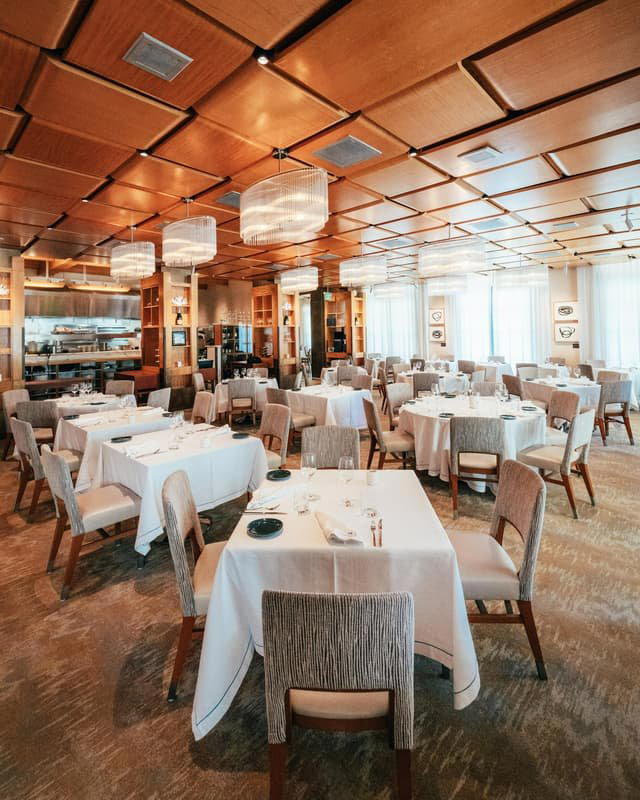
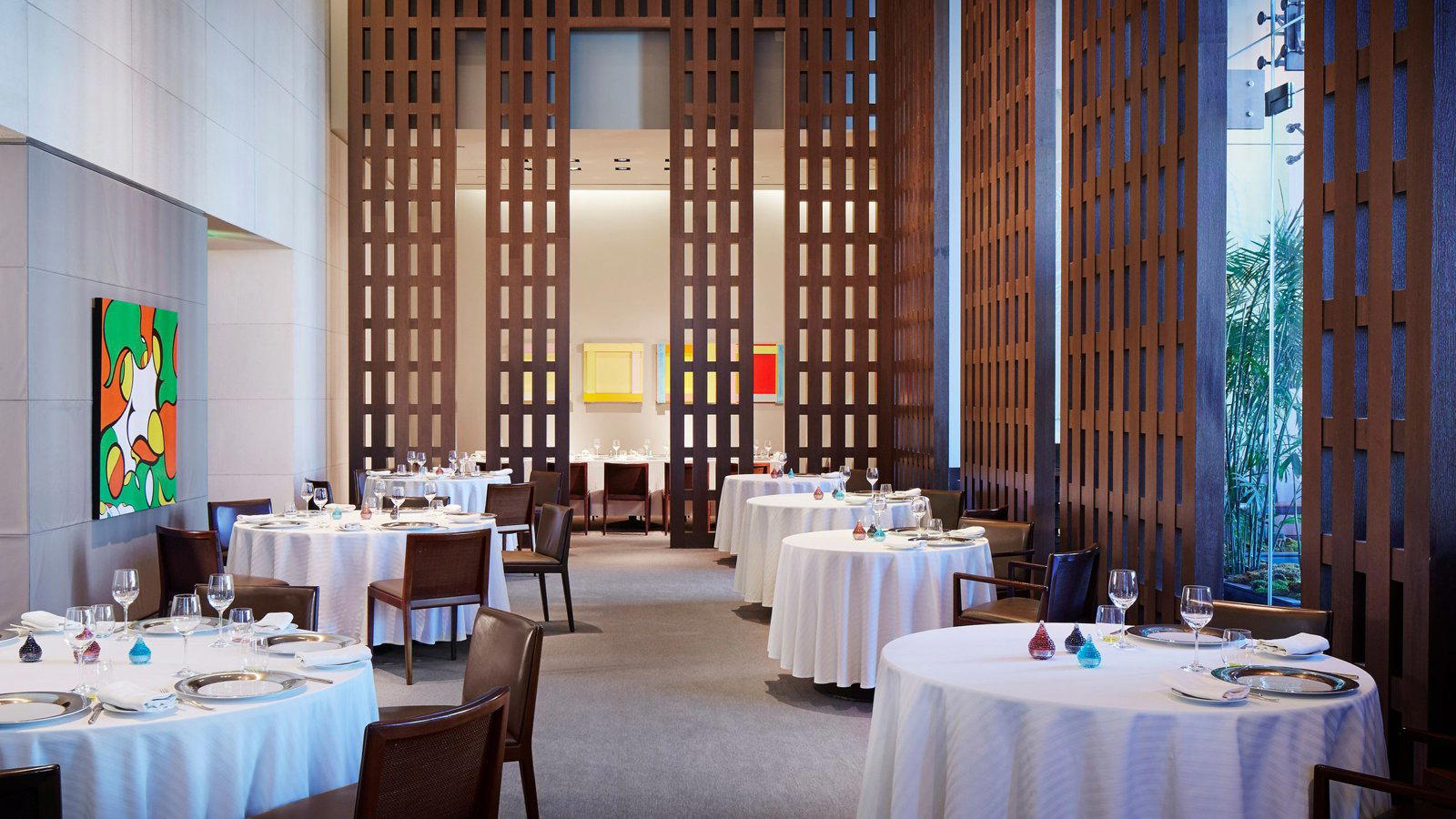
West Las Vegas commercial dining rooms tend to be functional rather than theatrical. They are not designed around the ambient spectacle of a resort property; they work through different signals: the weight of a menu, the competence of service, the quality of what arrives on the plate. In this context, atmosphere is produced by restraint as much as by design. The absence of a hotel lobby ante-room, a coat-check operation, or a DJ booth is itself a statement about what the experience prioritizes.
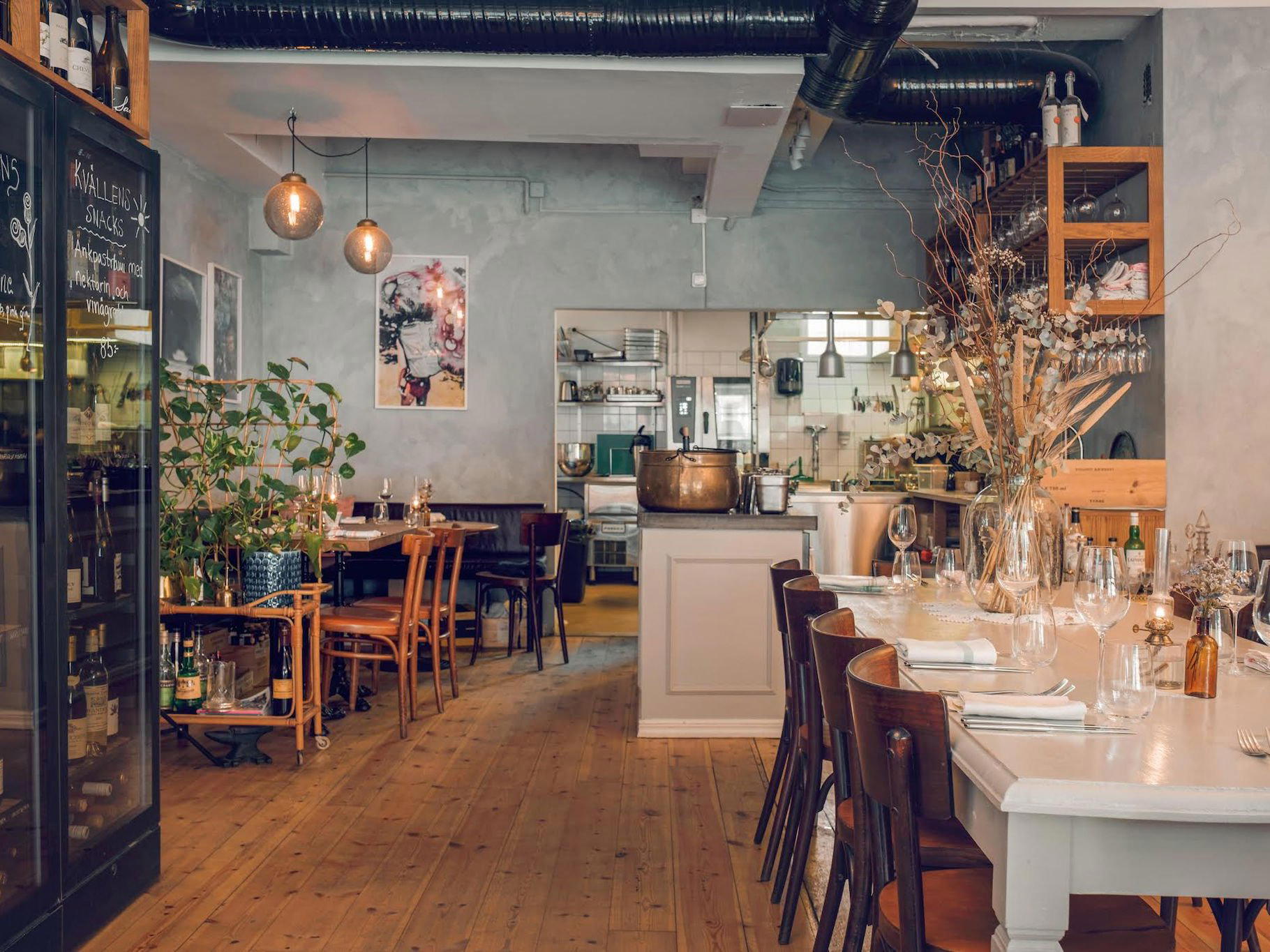
The chef's table concept in its tighter implementations runs on spatial logic: the room is small enough that the kitchen's rhythm becomes part of the dining experience. Whether that means an open pass, counter seating, or proximity to a prep area varies by venue, but the underlying principle is consistent. Diners in these formats are oriented toward the food rather than toward each other or toward a designed theatrical backdrop. That orientation shapes mood more reliably than lighting schemes or curated playlists. For a dining corridor that includes neighborhood anchors like And Pita and Badger Cafe, this kind of focused room adds a different register to the area's options.
Jerusalem as Culinary Reference
The invocation of Jerusalem in a restaurant name carries specific weight in culinary terms. The city's food culture is among the more argued-over and cross-pollinated in the world, drawing from Levantine, Ottoman, North African, Ashkenazi, and Sephardic traditions, producing a cuisine that resists clean categorization. In Western cities, the Jerusalem reference has become more legible to general audiences over the past decade, partly through the influence of cookbook publishing that treated the city's food as a subject worthy of serious editorial treatment rather than as a simplified regional category.
What this means at the table level is a cuisine that tends toward produce-led preparations, spiced with depth rather than heat, built around shared plates and the social architecture of mezze-style eating. Dishes in this tradition often carry the kind of layered seasoning that rewards attention: za'atar, sumac, preserved lemon, and the slow-cooked textures of legume and grain dishes that reflect centuries of kitchen practice. This is not a cuisine that translates well to high-volume production.
Drink Considerations for This Format
Israeli and Palestinian wine production has expanded meaningfully in the past two decades, with appellations like the Galilee Highlands and Judean Hills producing Cabernet Sauvignon, Syrah, and Merlot at quality levels that have begun attracting international critical attention. Boutique producers working in those regions are now referenced in serious wine programs globally. For a venue drawing on Jerusalem's culinary tradition, a wine list anchored in regional Israeli producers would be a coherent editorial choice.
Beyond wine, the mezze-adjacent format pairs well with spirits programs built around arak, the anise-distilled spirit that functions as the default table drink across the Levant, served diluted with water over ice in the traditional preparation. The shift it undergoes when combined with water, turning from clear to a milky white, is one of the more visually distinctive moments in drinks service. Cocktail programs at venues working in adjacent cultural territory, such as Jewel of the South in New Orleans and Julep in Houston, have demonstrated that regional spirit traditions can form the basis of serious, technically rigorous programs. That precedent exists for a venue willing to build around it.
Where This Fits in the Off-Strip Picture
Paradise as a dining destination has a different velocity than the Strip. The resort corridor operates on the logic of throughput and spectacle, pricing and programming for an audience in transit. Off-Strip venues work on repeat business, neighborhood loyalty, and word-of-mouth rather than foot traffic. This produces a different kind of restaurant economy. A chef's table format in this geography does not need to compete with the theatrical scale of a Caesars or Wynn dining room; it competes within a comparable set of smaller, more focused rooms where the quality of the cooking is the primary differentiator.
The comparison venues in the immediate area, including operations at 3131 Las Vegas Blvd S and 3355 S Las Vegas Blvd, operate in different registers, closer to the entertainment and nightlife end of the spectrum. Jerusalem Chef's Table, by its positioning and name, addresses a different appetite.
Internationally, the chef's table format at independent venues has found its footing in cities with sophisticated dining populations willing to commit in advance for a focused experience. Bar Leather Apron in Honolulu and Superbueno in New York City each demonstrate that smaller, concept-led rooms can build durable reputations outside the traditional fine-dining infrastructure. The Parlour in Frankfurt on the Main operates in a similar niche within its own city context. The pattern holds across markets: intimate format, defined culinary perspective, an audience that seeks that combination deliberately.
Planning a Visit
Jerusalem Chef's Table is located at 4825 W Flamingo Rd, unit 10, in the western residential and commercial grid that runs parallel to but separate from the Strip's resort row. The address places it in a local-serving commercial center, accessible by car from both the Strip and the broader Las Vegas metro without the parking complications of resort-adjacent dining. Current hours are Mon to Thu and Sun, 4 to 11 PM; Fri, 9 AM to 3 PM; Sat, closed. Reservations are recommended.
Booking and Cost Snapshot
Comparable venues nearby, for context on price, style, and recognition.
| Venue | Cuisine | Price | Notes |
|---|---|---|---|
| Jerusalem Chef's TableThis venue — the venue you are viewing | Not listed | $$$ | Not listed |
| Sparrow + Wolf | Not listed | $$$ | Chinatown, cocktail_bar |
| Basil Vegan Thai & Sushi | Paradise, lounge | $$ | Not listed |
| Kaiseki Yuzu | Chinatown, Bar | $$$$ | Not listed |
| Delilah | The Strip, lounge | $$$$ | Not listed |
At a Glance
- Elegant
- Sophisticated
- Date Night
- Special Occasion
- Standalone
- Seated Bar
- Craft Cocktails
- Frozen
Current opening hours
- Monday
- 4–11 PM
- Tuesday
- 4–11 PM
- Wednesday
- 4–11 PM
- Thursday
- 4–11 PM
- Friday
- 9 AM–3 PM
- Saturday
- Closed
- Sunday
- 4–11 PM
Hours can change for holidays and private events. Last verified .
Welcoming atmosphere with authentic Mediterranean hospitality.