Restaurant Guy Savoy
Among the handful of French fine-dining rooms that have taken root on the Las Vegas Strip, Restaurant Guy Savoy at Caesars Palace occupies the upper tier, importing the classical architecture of a Paris grand-occasion restaurant into a casino corridor. The menu structure follows the Savoy model established on Rue Troyon: courses built around technique, luxury ingredients, and the disciplined sequencing that defines haute cuisine at this level.
Pearl is the En Primeur Club membership app — saves, bookings, and concierge access live there. Same editors, same standards.
- Address
- 3570 Las Vegas Blvd S, Las Vegas, NV 89109
- Phone
- +1 702 731 7286
- Website
- caesars.com
- Directions
- Get directions
 Saves & bookings on Pearl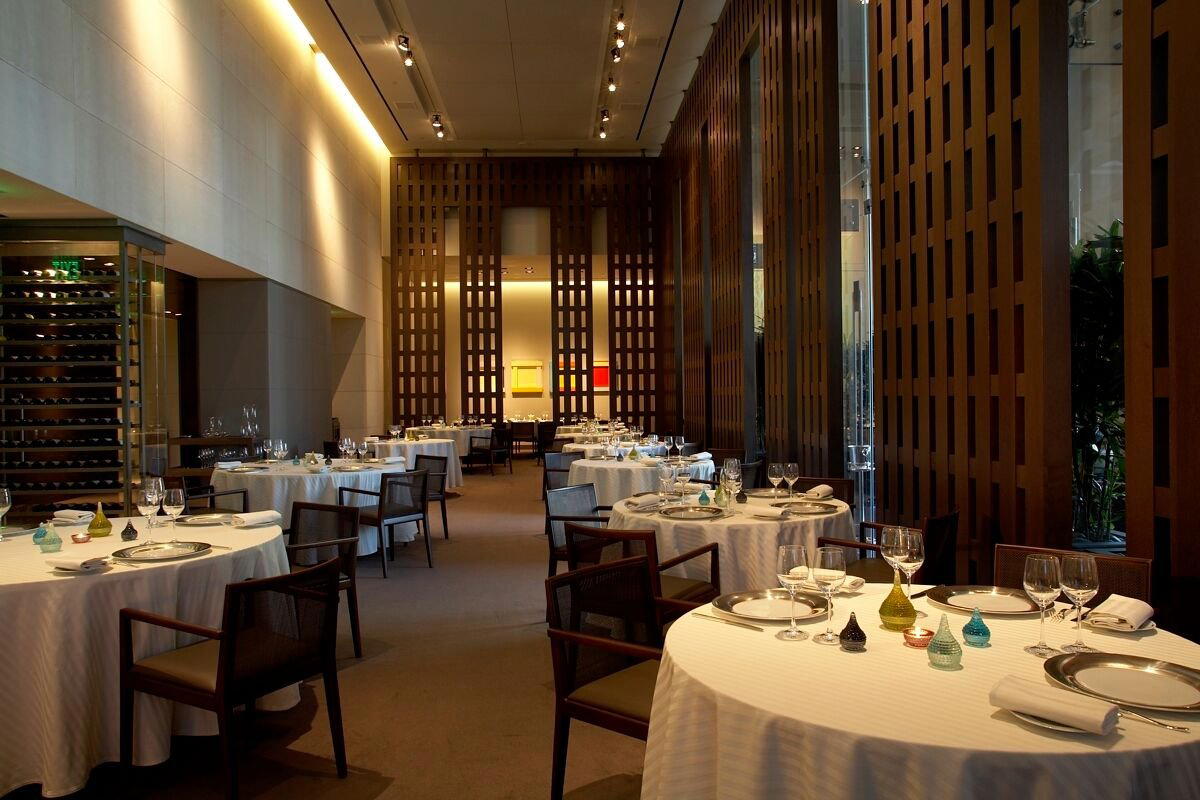
Where the Strip Meets the Seine
The casino floor at Caesars Palace is designed to disorient: no windows, no clocks, a deliberate flattening of time. Restaurant Guy Savoy is a bar at Caesars Palace in Las Vegas, Nevada, with. It operates as a counterweight to all of that. The room occupies a position inside the property that shifts the mood from the ambient noise of the gaming floor to something quieter and more deliberate. This is not unusual for high-end Strip dining, but the degree of separation matters. The French fine-dining room is one of the few formats on the Las Vegas Boulevard corridor where the architecture of the meal itself, not the spectacle around it, is expected to hold the room's attention.
Las Vegas has sustained a peculiar relationship with French haute cuisine since the late 1990s, when a wave of European chefs recognized that the city's high-roller economy could support tasting-menu pricing that would be harder to sustain in most American markets. That logic still holds. The Strip remains one of the few places in the United States where a classical French kitchen, operating at full formality, can fill seats on a Tuesday without depending on a special occasion calendar. Restaurant Guy Savoy sits inside that economic reality, alongside a small comparable set of European-pedigreed rooms that price against each other rather than against the broader Las Vegas restaurant market. For comparison and contrast with cocktail-led destinations across the country, the bar programs at Kumiko in Chicago, Jewel of the South in New Orleans, and Bar Leather Apron in Honolulu represent the kind of serious beverage architecture that complements, rather than competes with, a structured food menu.
Menu Architecture: The Logic of a Grand Occasion Kitchen
The design logic of a Savoy-lineage menu is worth understanding before you sit down, because it shapes what you will actually experience over the course of two to three hours. Classical French haute cuisine at this level is built around accumulation and contrast: cold before warm, delicate before rich, the kitchen's technical range displayed across a sequence rather than concentrated in a single showpiece dish. The menu is not a list of options so much as a curated argument about how a meal should progress.
This format has become rarer in American fine dining over the past decade. The industry trend has moved toward shorter, chef-driven tasting menus that compress the traditional sequence into eight to twelve courses, or toward ingredient-led menus where a single product, a specific fish, a heritage breed, a foraged element, anchors each course thematically. The classical French structure at a room of this tier resists both tendencies. The sequence here is built on classical French principles: the entrée as an awakening, the fish course as a pivot, the meat course as the meal's center of gravity, the cheese trolley as a pause before dessert. That trolley, where present, is itself an editorial statement. It signals that the kitchen is not in a hurry and that the guest is expected to participate in a tradition rather than simply consume a product.
Luxury ingredients at this level, caviar, foie gras, truffle in season, function as structural elements rather than garnishes. They appear at moments in the sequence where their richness or intensity makes sense, not scattered across the menu as price signals. A kitchen that understands classical French sequencing uses those ingredients to define course transitions, to mark the shift from one register of flavor to another. A kitchen that doesn't tends to cluster them at the beginning and the end, where they read more as impression management than as cooking judgment.
The Strip's Fine-Dining Tier in Context
The Las Vegas fine-dining market segments more sharply than most American cities. At the upper bracket, a small group of rooms, most with direct European lineage or named chefs with international reputations, operates on pricing that aligns with New York or London peer restaurants rather than with the broader Nevada market. Below that sits a second tier of well-funded hotel dining rooms with strong American culinary programs. Below that, the enormous mid-market that the Strip's volume economics sustain. Restaurant Guy Savoy belongs to the first group, where the competitive reference points are not other Las Vegas restaurants but other destinations within the same chef's international portfolio.
That positioning has practical consequences for the guest. Booking timelines at rooms in this tier are longer than they appear necessary, driven partly by a fixed seat count and partly by the concentration of demand on weekends and holiday periods. Planning ahead by at least several weeks for weekend tables is advisable, and for specific dates such as New Year's Eve or Valentine's Day, lead times of two months or more are common across all Strip properties in this category. For a broader map of Paradise dining across price points and formats, the full Paradise restaurants guide provides context on how this room sits within the wider dining ecosystem of the corridor.
Beverage Architecture and the Wine Question
At French fine-dining rooms of this caliber, the wine list is as much a structural element of the meal as the menu itself. Classical French haute cuisine is one of the few formats where the sequence of wine service, aperitif, white with fish, red with meat, a dessert wine with the final sweet courses, is not an upsell strategy but an inherited logic about how these flavors work in sequence. A list built to support that structure will be organized by region and appellation depth rather than by grape variety or price tier, and the sommelier's role is to match the pace and weight of the wine service to the pace and weight of the kitchen's output.
For guests whose primary interest is cocktails rather than wine, the Strip's bar scene offers a distinct set of reference points. Near Caesars Palace, the programming at 3131 Las Vegas Blvd S and 3355 S Las Vegas Blvd represent the Strip's more casual bar tier. Further afield, technically serious cocktail programs such as ABV in San Francisco, Superbueno in New York City, Julep in Houston, and The Parlour in Frankfurt on the Main offer a useful comparative frame for what program depth looks like outside the casino environment. Paradise's own smaller dining scene, including spots such as And Pita and Badger Cafe, rounds out the neighborhood picture beyond the resort corridor.
Planning Your Visit
Restaurant Guy Savoy is located at 3570 Las Vegas Blvd S, within Caesars Palace. The restaurant operates within the resort's general valet and self-parking infrastructure, which simplifies arrival logistics considerably compared to street-level dining on the Strip. Dress expectations remain formal, with attire above casual resort wear. For guests staying off-property, rideshare drop-off at the Caesars Palace main entrance puts the restaurant within a short interior walk.
A Tight Comparison
Comparable venues nearby, for context on price, style, and recognition.
| Venue | Cuisine | Price | Notes |
|---|---|---|---|
| Restaurant Guy SavoyThis venue — the venue you are viewing | Not listed | $$$$ | Not listed |
| Bazaar Meat | Not listed | $$$$ | The Strip, hotel_bar |
| Delilah | The Strip, lounge | $$$$ | Not listed |
| Sinatra | Not listed | $$$$ | The Strip, hotel_bar |
| LIQUID Pool Lounge | Not listed | $$$$ | The Strip, hotel_bar |
| Hakkasan Nightclub | The Las Vegas Strip, lounge | $$$$ | Not listed |
At a Glance
- Elegant
- Sophisticated
- Ornate
- Special Occasion
- Celebration
- Design Destination
- Private Rooms
- Conventional Wine
Current opening hours
- Monday
- Closed
- Tuesday
- 5–9 PM
- Wednesday
- 5–9 PM
- Thursday
- 5–9 PM
- Friday
- 5–9 PM
- Saturday
- 5–9 PM
- Sunday
- Closed
Hours can change for holidays and private events. Last verified .
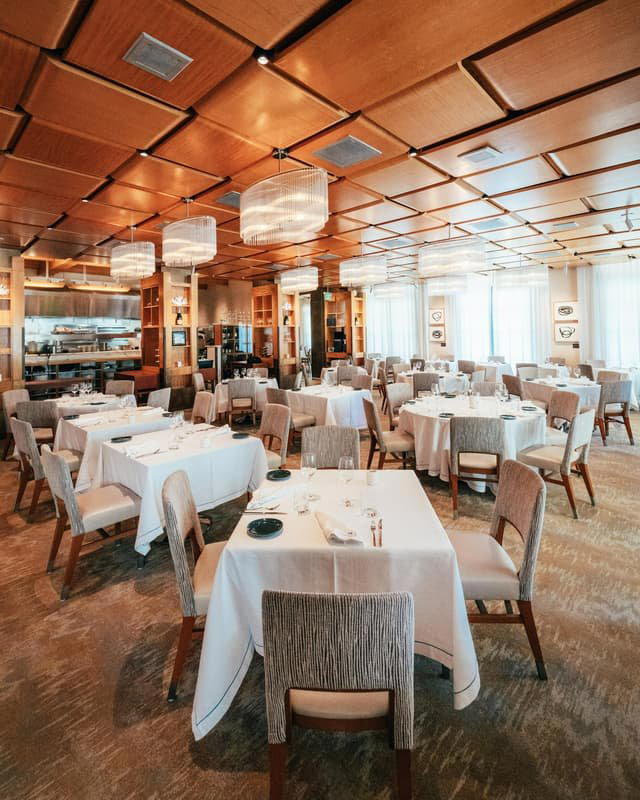
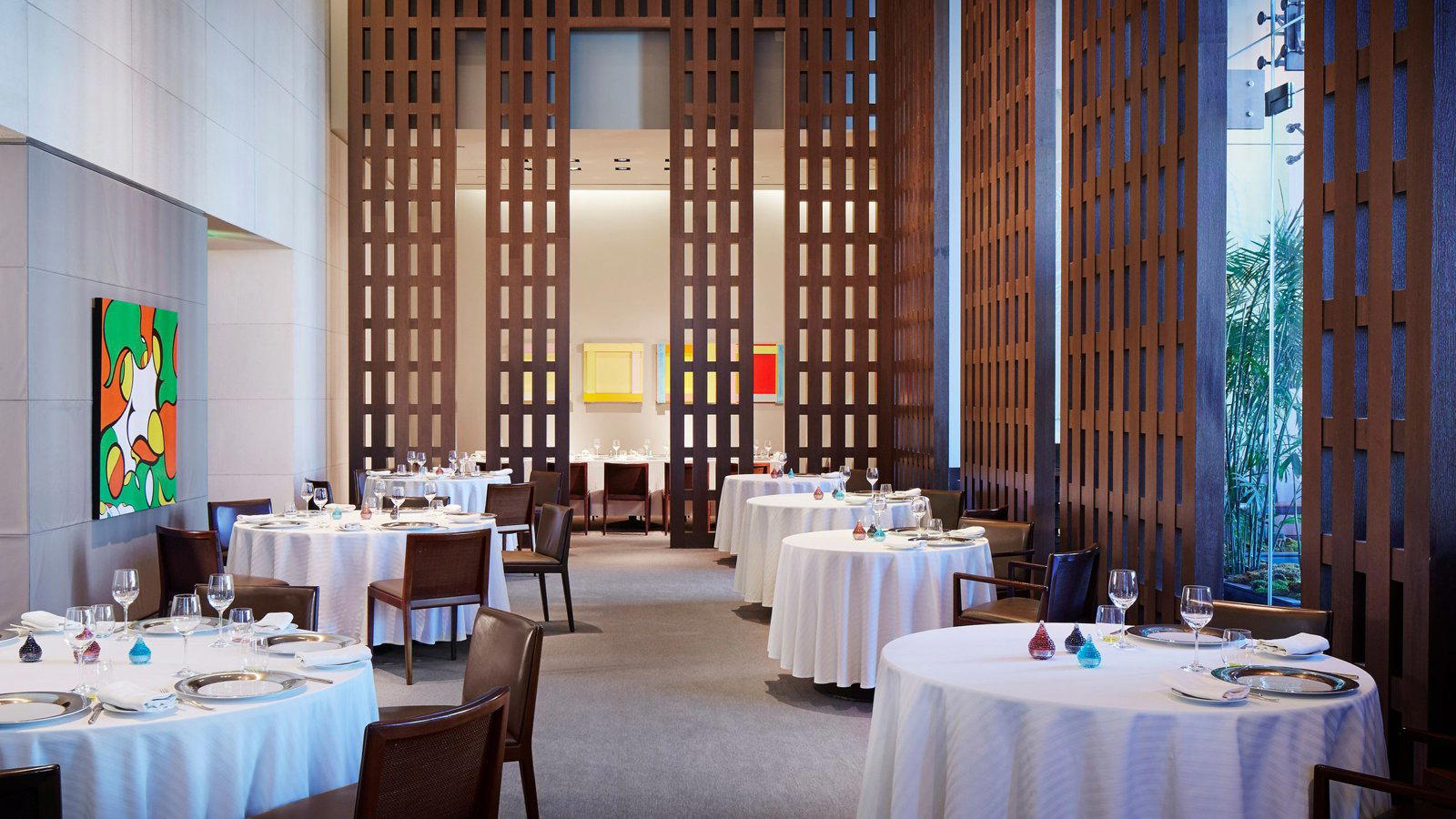
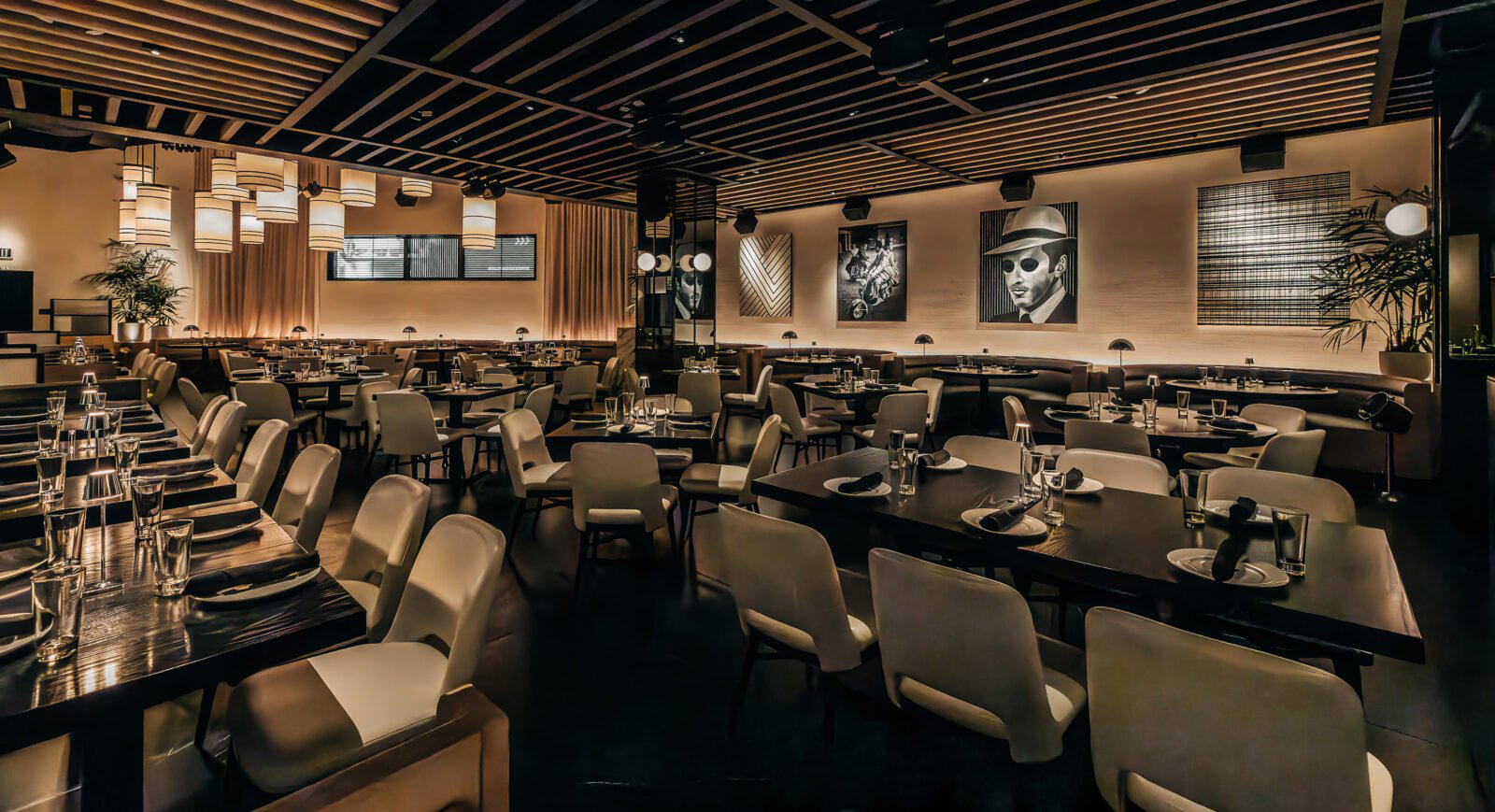
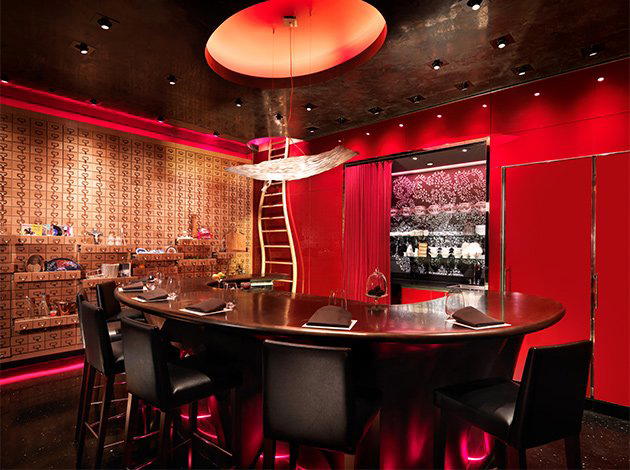
Refined and quiet oasis with elegant, contemporary French design, offering a seamless high-end dining atmosphere.